Study Habits Survey Research
Prepared By: [YOUR NAME]
Date: [DATE]
I. Introduction
Establishing effective study habits is a crucial factor in achieving academic success, especially given the complexities of the current educational landscape. This research is designed to undertake a comprehensive collection and analysis of data concerning various aspects of students' study habits. Specific areas of focus include time management, learning strategies, and concentration levels. By examining these elements in detail, the research seeks to offer actionable recommendations that can significantly improve study practices and, consequently, enhance overall academic performance.
II. Methodology
A mixed-methods approach was utilized, combining quantitative and qualitative data collection. A structured questionnaire was administered to high school and college students through online platforms, ensuring broad and diverse participation.
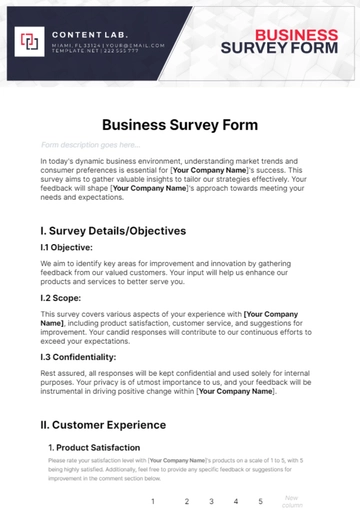
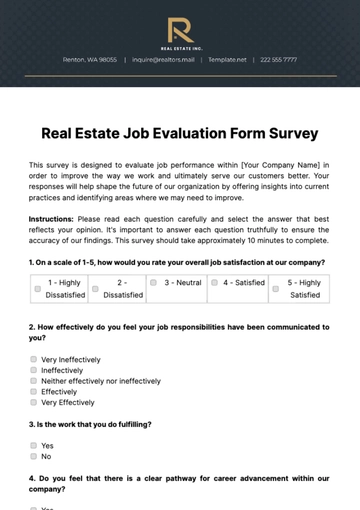
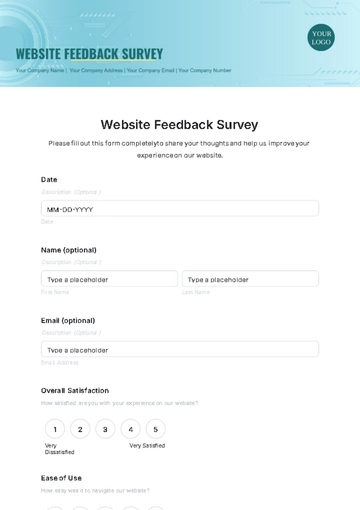
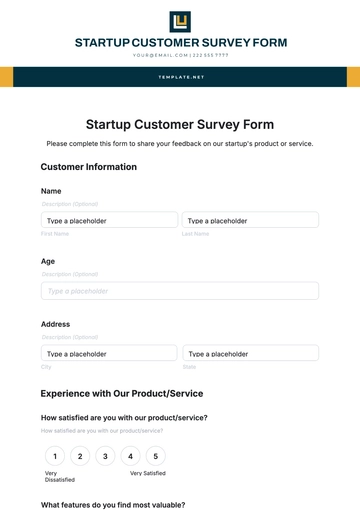
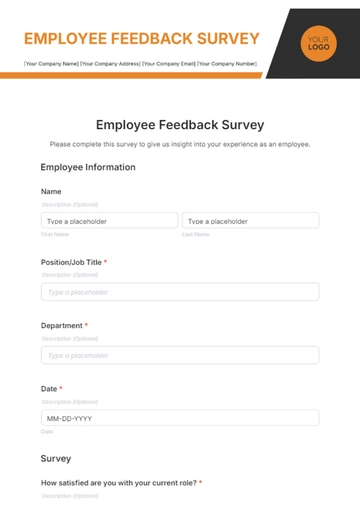
Survey Design: The discussion encompassed various aspects, including time management, learning strategies, concentration techniques, the utilization of study aids, and the influence of environmental factors on the learning process.
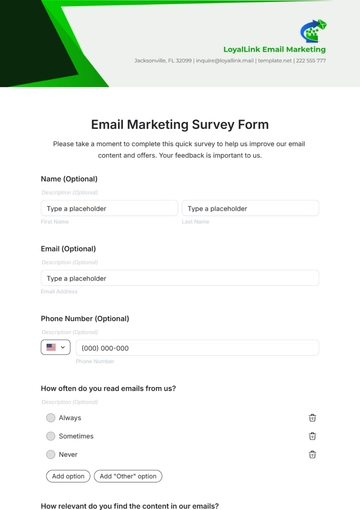
Data Collection Methods: An online survey that was disseminated through multiple channels, including email, social media platforms, and various educational forums.
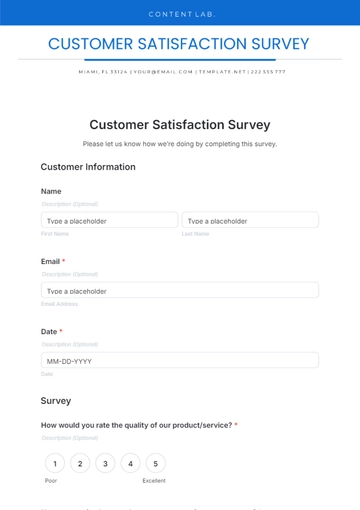
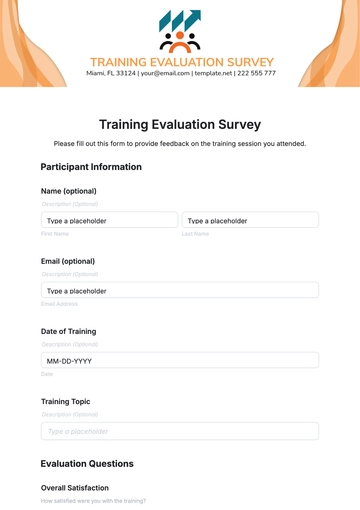
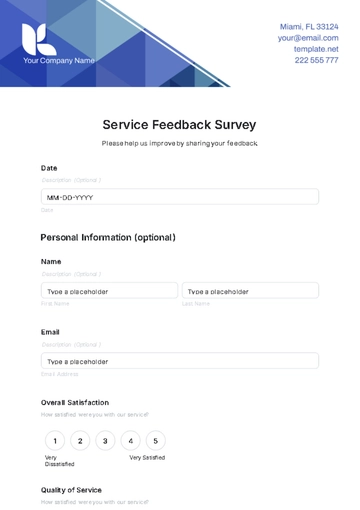
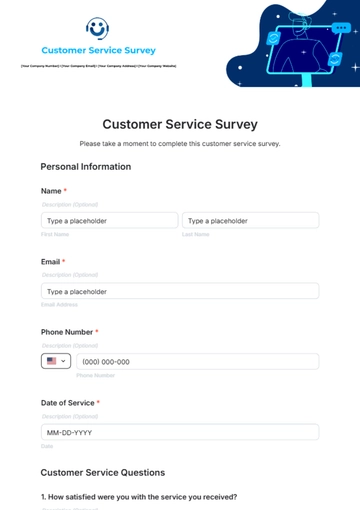
III. Survey Instrument
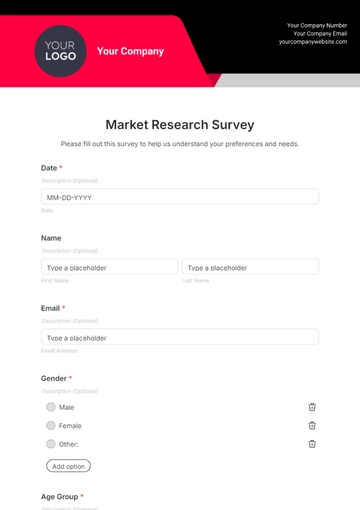
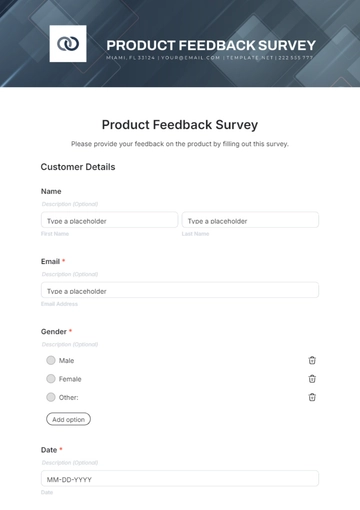
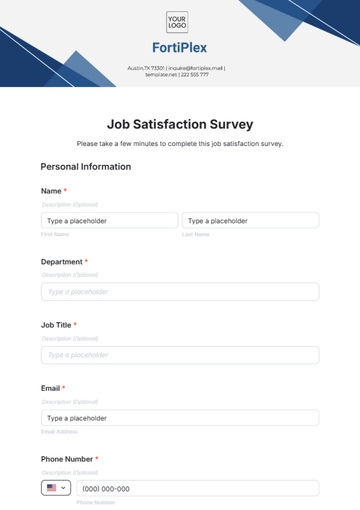
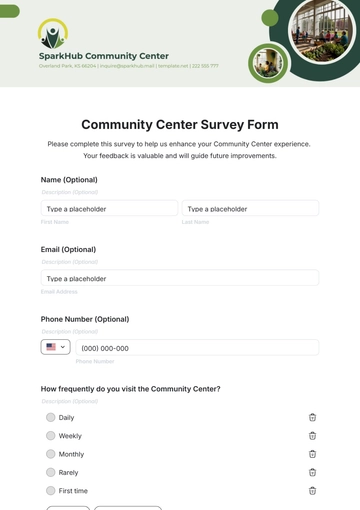
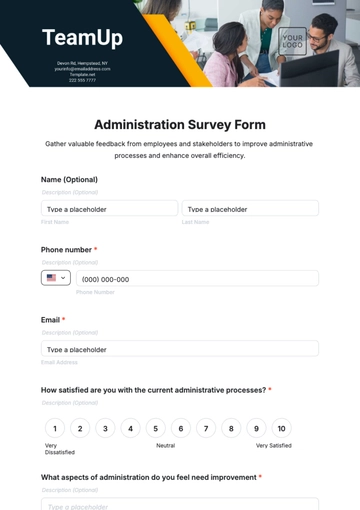
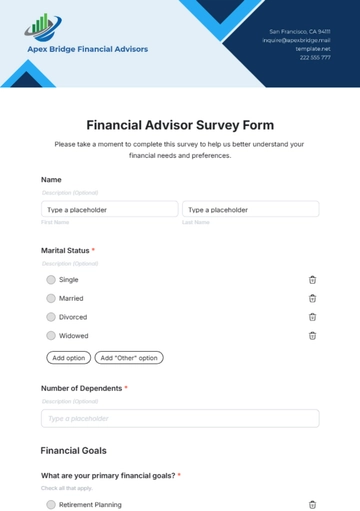
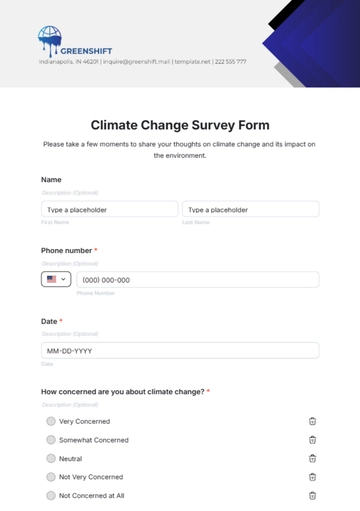
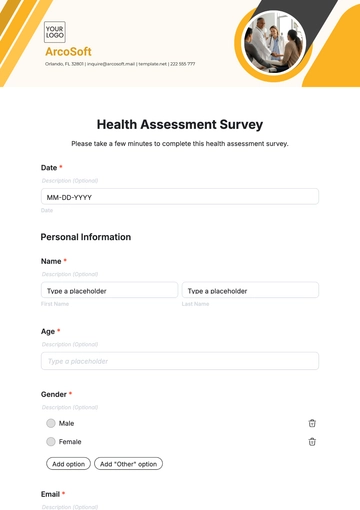
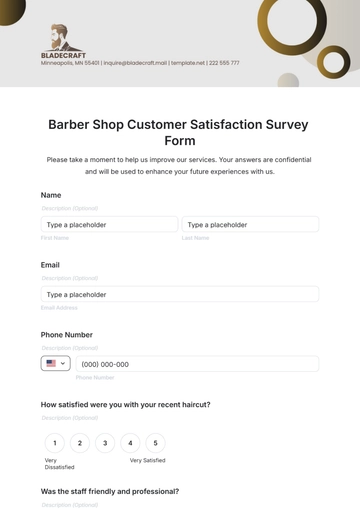
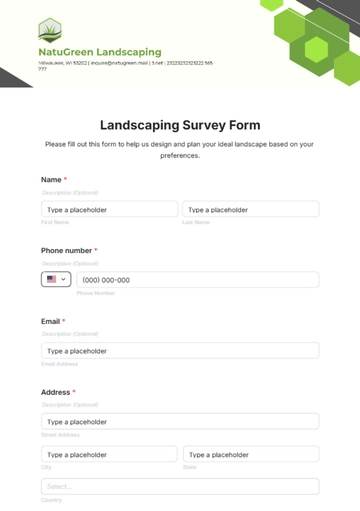
Demographic Information: Gathers basic details about respondents, such as age, gender, and educational level, to contextualize the study habits data and analyze trends across different demographic groups.
IV. Data Analysis
The collected data was analyzed using both descriptive and inferential statistical methods. The quantitative data was processed using statistical software to yield descriptive statistics such as means, medians, and modes. Graphical representations like bar charts and pie charts were used to visualize the data. Qualitative responses were coded and analyzed thematically to identify common patterns and insights.
V. Findings
Concentration Levels: 40% of people reported high concentration levels, with the most notable distractions being mobile phones, mentioned by half of the respondents, and social media, noted by thirty percent.
VI. Discussion
The findings align with existing literature that emphasizes the importance of structured study schedules and effective learning strategies for academic success. Studies have shown that students who use organized study plans and diverse learning techniques tend to perform better academically (Zimmerman & Schunk, 2052). The preference for individual study reflects the need for personalized learning environments, while the impact of distractions highlights the need for strategies to enhance focus and reduce interruptions (Brown, Roediger, & McDaniel, 2054).
VII. Recommendations
Based on the survey results, the following recommendations are proposed for improving study habits among students:
Encourage the use of various learning methods, including summarizing main ideas, using mind maps for visual organization, and utilizing flashcards for effective review and memorization.
VIII. Conclusion
This research highlights the critical role of effective study habits in achieving academic success. By understanding students' current study behaviors and identifying areas for improvement, educators and policymakers can implement strategies to support better learning outcomes. The study provides valuable insights that can inform the development of targeted interventions and resources to enhance students' study practices.
References
Brown, P. C., Roediger, H. L., & McDaniel, M. A. (2054). Make it stick: The science of successful learning. Cambridge, MA: Belknap Press.
Zimmerman, B. J., & Schunk, D. H. (2052). Self-regulated learning and academic achievement: Theory, research, and practice. New York, NY: Springer.
Research Templates @ Template.net