SMART Goals for Negotiation
Objective/Goal Description:
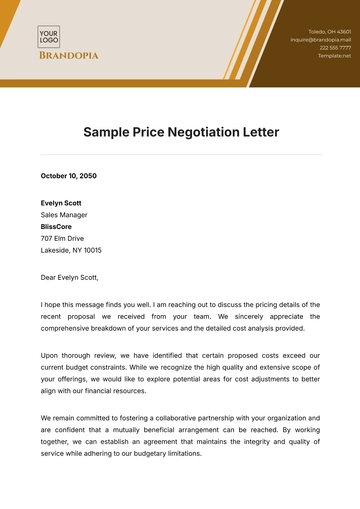
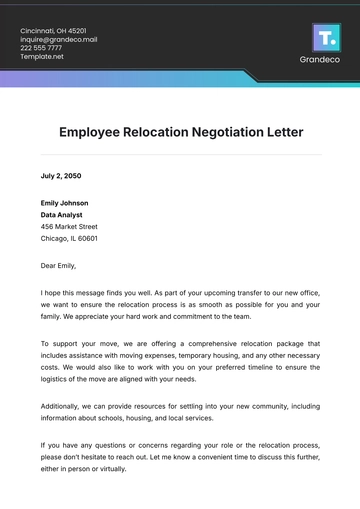
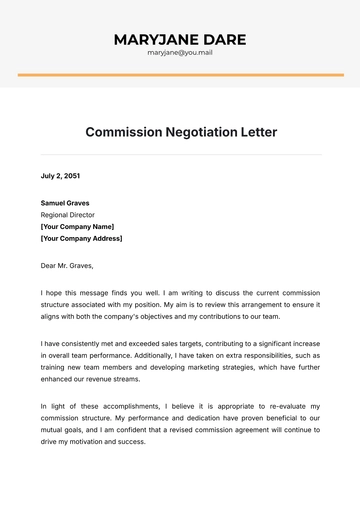
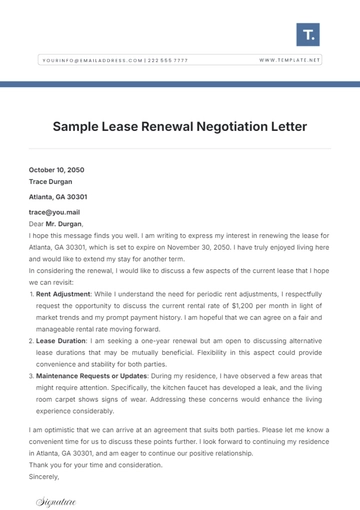
Individuals use this SMART Goals to set goals for negotiating deals, contracts, partnerships, or agreements in the business context.
SMART Goal
Initial | Initial Meaning | Component |
|---|
S | Specific | The goal should clearly define the negotiation objective. For example, "Negotiate [INERT SPECIFIC DEAL] with [NAME OF OTHER PARTY]." |
M | Measurable | The goal should be quantifiable to track progress. For instance, "Increase [SPECIFIC OUTCOME] by negotiating a [SPECIFIC PERCENTAGE] reduction in [SPECIFIC EXPENSE]." |
A | Achievable | The goal should be realistic and attainable within the constraints of the negotiation situation. Consider factors such as market conditions, bargaining power, and resources. |
R | Relevant | The goal should align with the organization's strategic objectives and contribute to its long-term success. |
T | Time-bound | The goal should have a specific deadline for completion. For example, "Complete negotiation process within [SPECIFIC TIMEFRAME]." |
Action Plan
Research and Preparation: Gather information about the other party, their needs, interests, and potential alternatives. Identify negotiation objectives and priorities.
Define Negotiation Strategy: Determine negotiation tactics, concessions, and BATNA (Best Alternative to a Negotiated Agreement). Develop a clear strategy for achieving the negotiation goal.
Communication Plan: Establish communication channels and frequency with the other party. Prepare key messages, proposals, and counteroffers.
Negotiation Sessions: Conduct negotiation sessions according to the defined strategy. Maintain flexibility and adaptability while adhering to the negotiation goal.
Review and Follow-Up: Evaluate negotiation outcomes, assess achievements against the SMART goal criteria, and identify lessons learned for future negotiations. Follow up on agreed-upon actions or commitments.
Accountability |
Internal Team: Assign responsibility to a designated team or individual within the organization to oversee the negotiation process and ensure alignment with strategic objectives. External Advisor: Seek guidance and support from external consultants, legal advisors, or negotiation experts who can provide expertise and accountability throughout the negotiation process. Regular Updates: Schedule regular progress meetings or checkpoints to review negotiation progress, address challenges, and make necessary adjustments to the action plan.
|
Notes |
Legal and Regulatory Compliance: Ensure that negotiation activities comply with relevant laws, regulations, and contractual obligations. Relationship Building: Foster positive relationships and rapport with the other party to facilitate productive negotiations and future collaborations. Flexibility and Creativity: Be open to exploring alternative solutions and compromises that may lead to mutually beneficial outcomes. Document Management: Maintain accurate records of negotiation discussions, agreements, and any changes to terms or conditions. Keep documentation organized and accessible for future reference.
|
Smart Goals Template @ Template.net