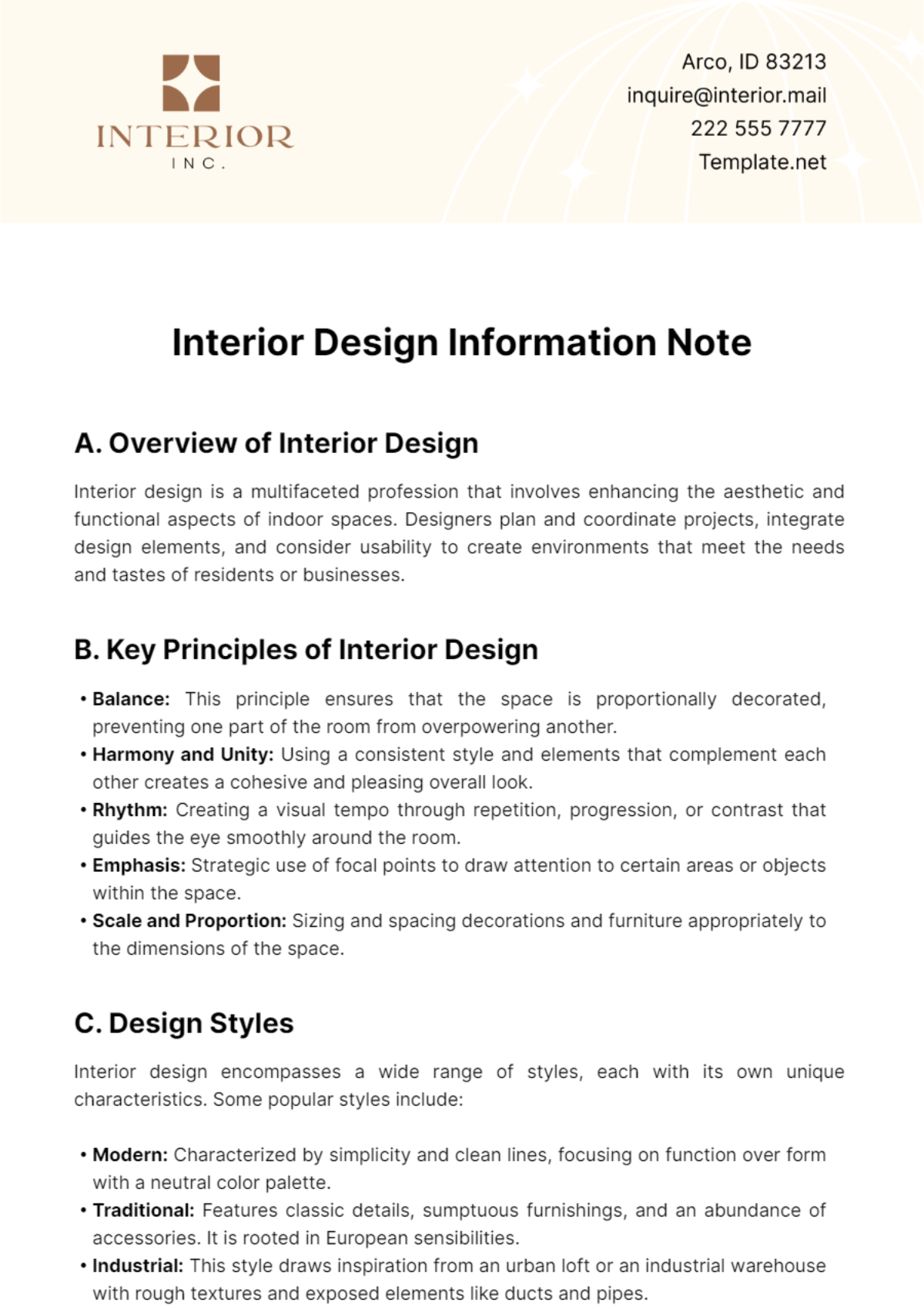
Free Interior Design Information Note

A. Overview of Interior Design
Interior design is a multifaceted profession that involves enhancing the aesthetic and functional aspects of indoor spaces. Designers plan and coordinate projects, integrate design elements, and consider usability to create environments that meet the needs and tastes of residents or businesses.
B. Key Principles of Interior Design
Balance: This principle ensures that the space is proportionally decorated, preventing one part of the room from overpowering another.
Harmony and Unity: Using a consistent style and elements that complement each other creates a cohesive and pleasing overall look.
Rhythm: Creating a visual tempo through repetition, progression, or contrast that guides the eye smoothly around the room.
Emphasis: Strategic use of focal points to draw attention to certain areas or objects within the space.
Scale and Proportion: Sizing and spacing decorations and furniture appropriately to the dimensions of the space.
C. Design Styles
Interior design encompasses a wide range of styles, each with its own unique characteristics. Some popular styles include:
Modern: Characterized by simplicity and clean lines, focusing on function over form with a neutral color palette.
Traditional: Features classic details, sumptuous furnishings, and an abundance of accessories. It is rooted in European sensibilities.
Industrial: This style draws inspiration from an urban loft or an industrial warehouse with rough textures and exposed elements like ducts and pipes.
Bohemian: Reflects a carefree lifestyle with vibrant colors, eclectic patterns, and a mix of old and new pieces.
Scandinavian: Inspired by the simplicity of life in Nordic countries, this style features minimalist layouts, functional furniture, and a blend of textures and soft hues.
D. Choosing the Right Designer
Choosing the right interior designer is crucial for ensuring that the space aligns with your aesthetic and functional desires. Consider the following when selecting a designer:
Review their portfolio to assess their style and expertise.
Check references and reviews to gauge satisfaction of past clients.
Determine compatibility in communication and project vision.
Discuss budget and timelines upfront to ensure alignment in expectations.
E. Conclusion
Interior design is a powerful tool to transform a space while enhancing the quality of life for its inhabitants. By understanding the basics, recognizing various design styles, and choosing a compatible designer, you can successfully achieve a designed environment that reflects your personal style and meets your functional needs.
- 100% Customizable, free editor
- Access 1 Million+ Templates, photo’s & graphics
- Download or share as a template
- Click and replace photos, graphics, text, backgrounds
- Resize, crop, AI write & more
- Access advanced editor
Organize information efficiently with the Interior Design Information Note Template from Template.net. This customizable and editable document simplifies the creation of notes for various purposes in your interior design firm. Tailored for the design industry, it ensures clarity and organization in recording important information, such as project details, client preferences, or industry trends. Editable in our Ai Editor Tool, it facilitates seamless customization to meet your firm's specific information documentation needs effectively.
You may also like
- Delivery Note
- Notes Release
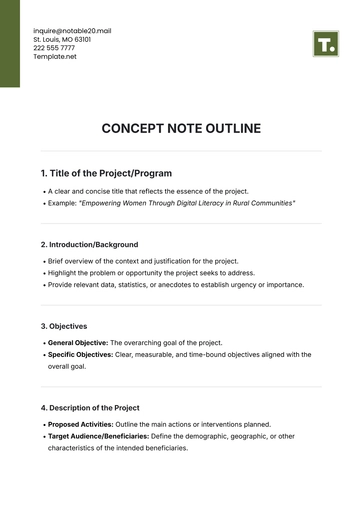
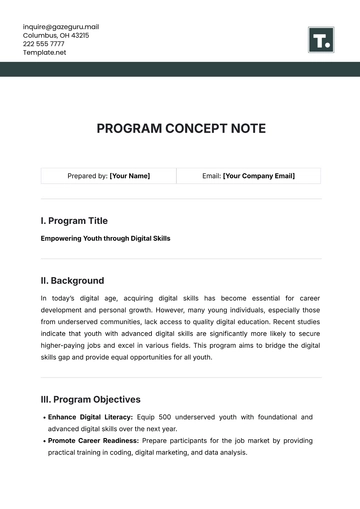
- Concept Note
- Class Note
- Hospital Note
- Apology Note
- Credit Note
- Handover Note
- Personal Note
- Excuse Note
- Case Note
- Sample Doctor Note
- Lesson Note
- Appointment Note
- Piano Note
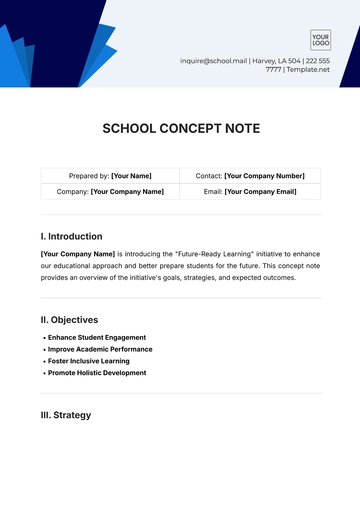
- School Note
- Progress Note
- Business Note
- SOAP Note Templates
- Therapy Note
- Briefing Note
- Summary Note
- Sample Note
- Printable Note