

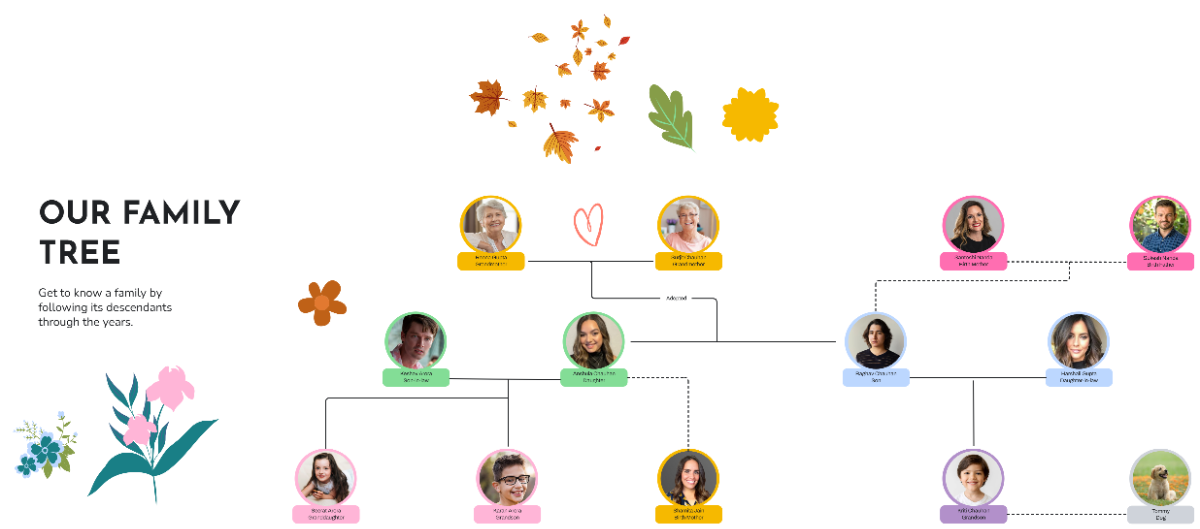
Free Family Tree Templates: Customizable Visual Structure Guide and Uses
What is a Family Tree?
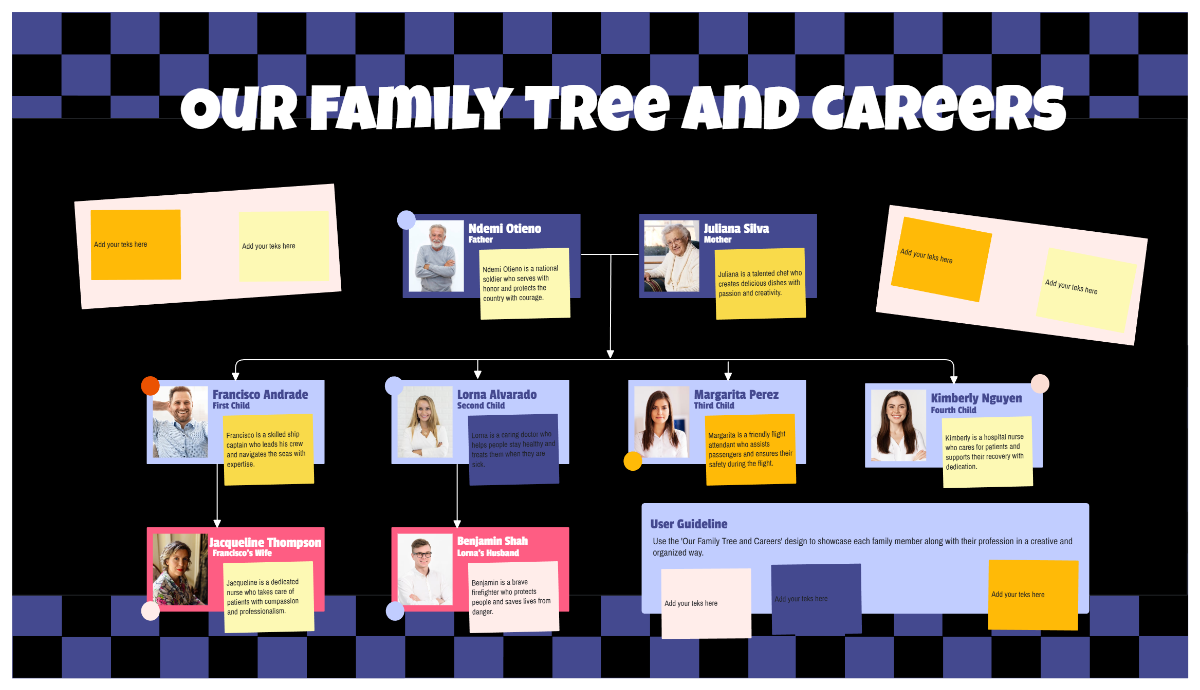
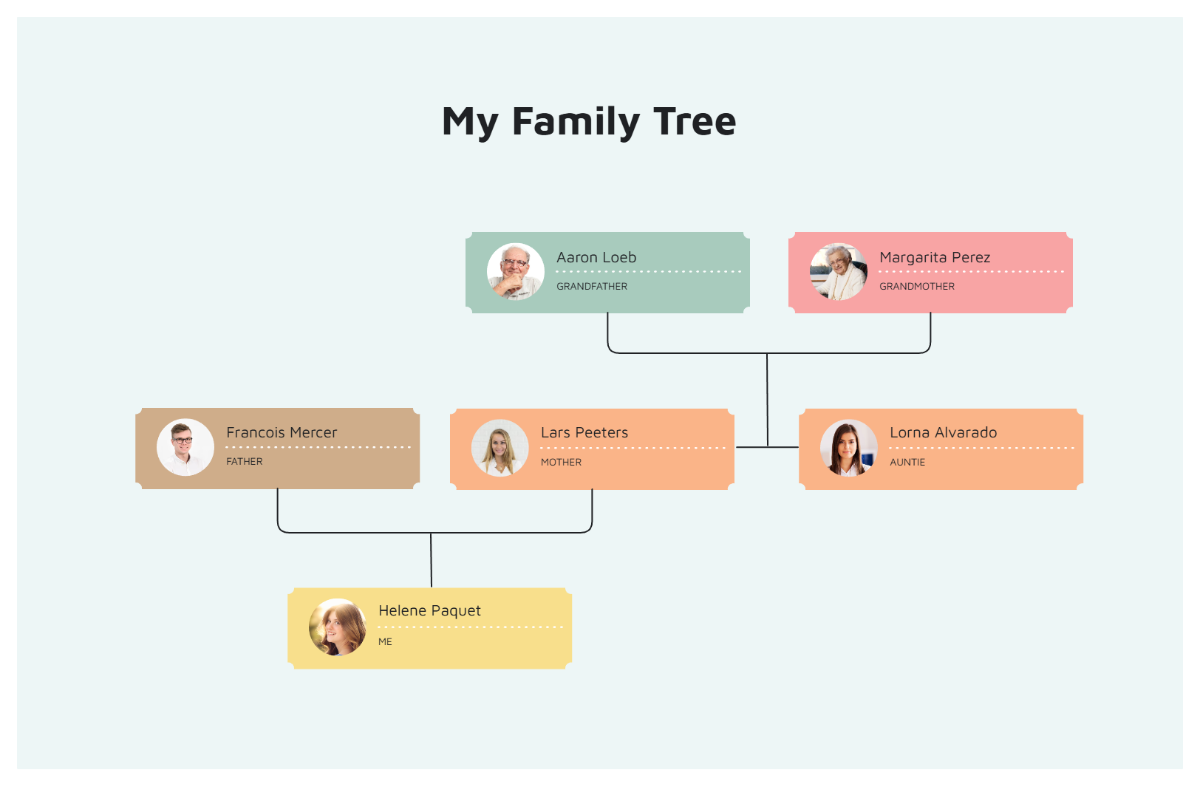
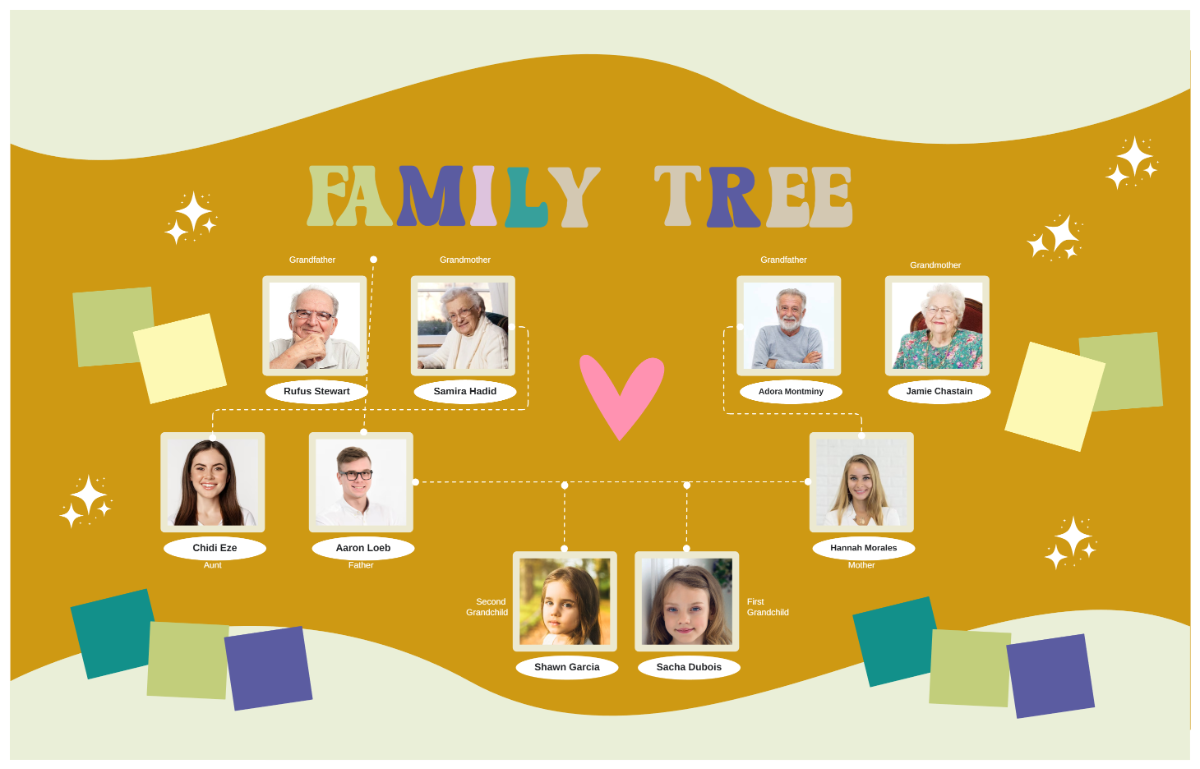
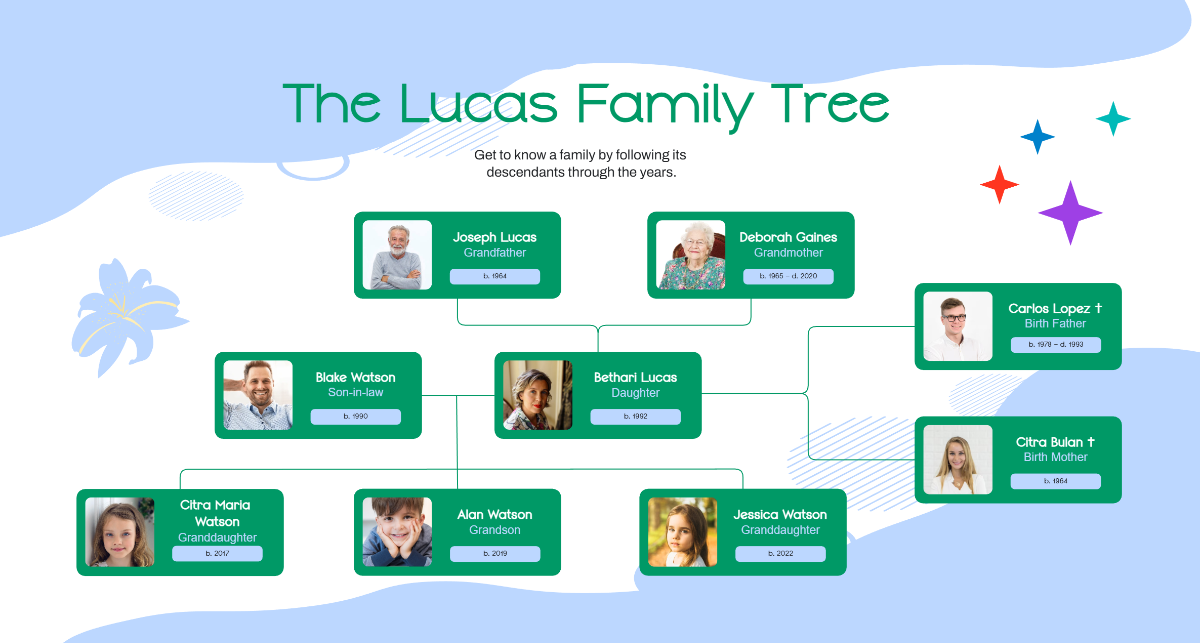
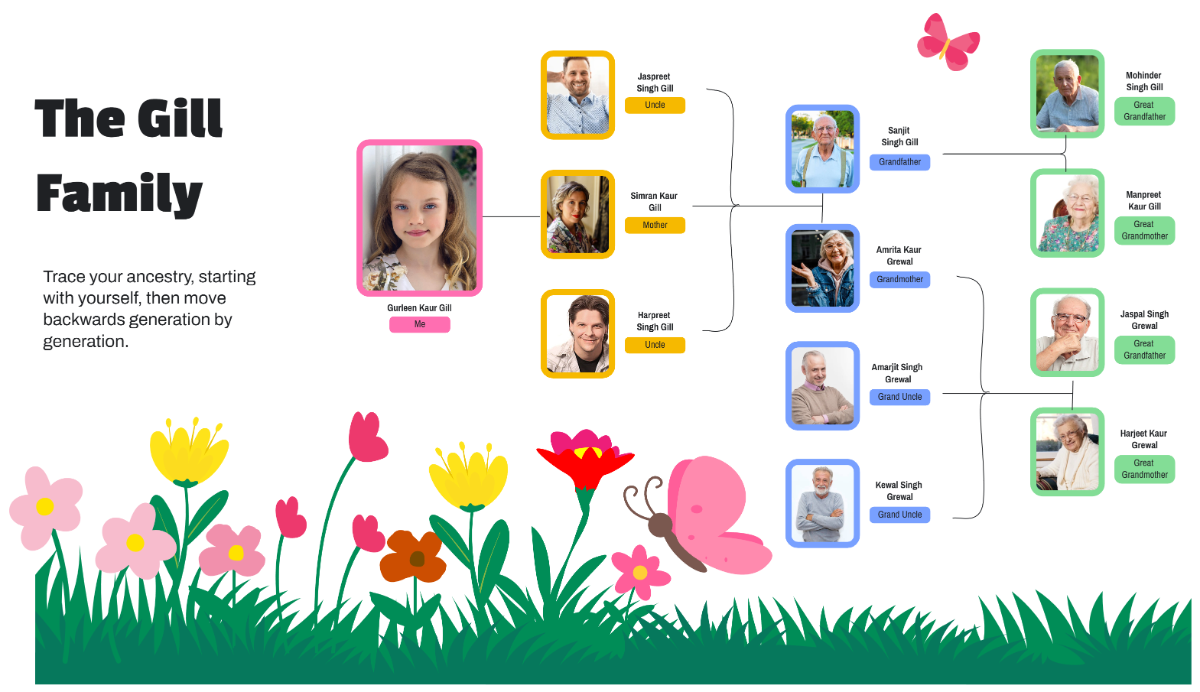
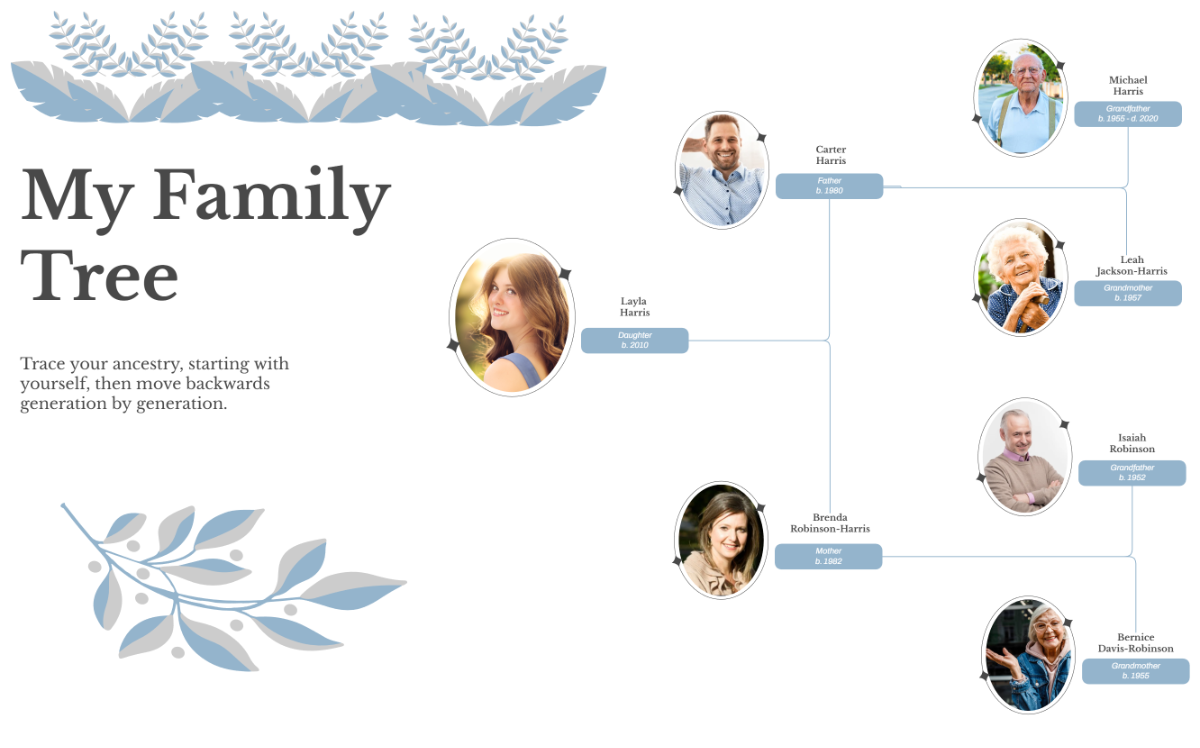
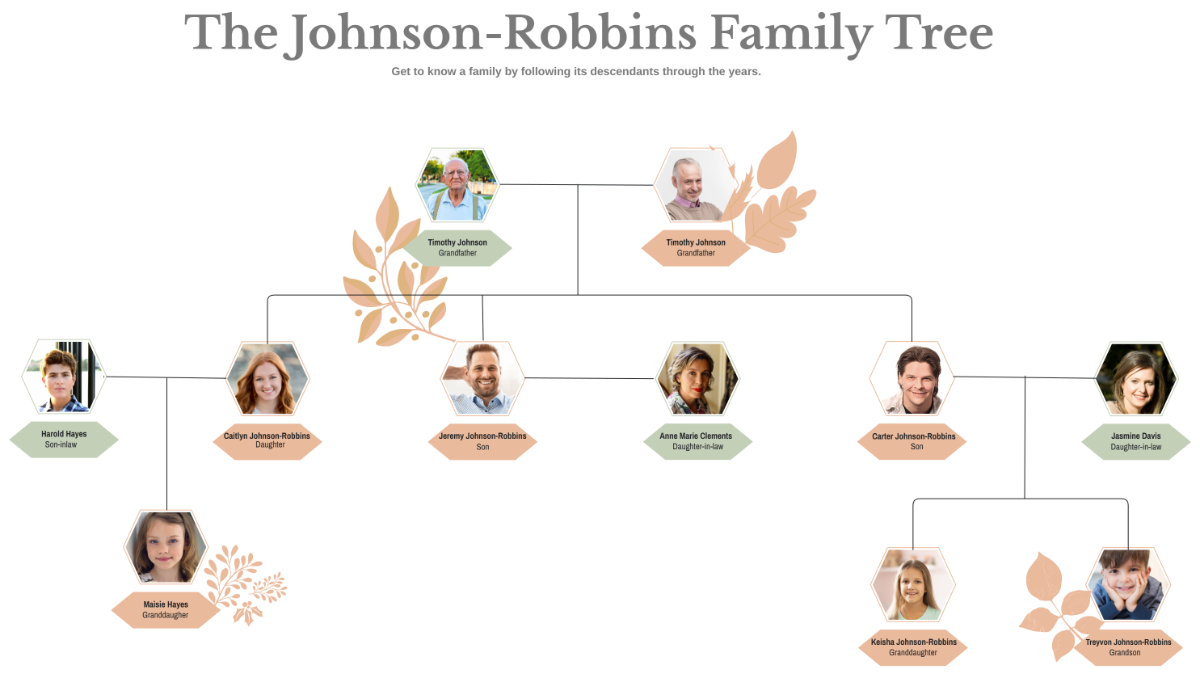
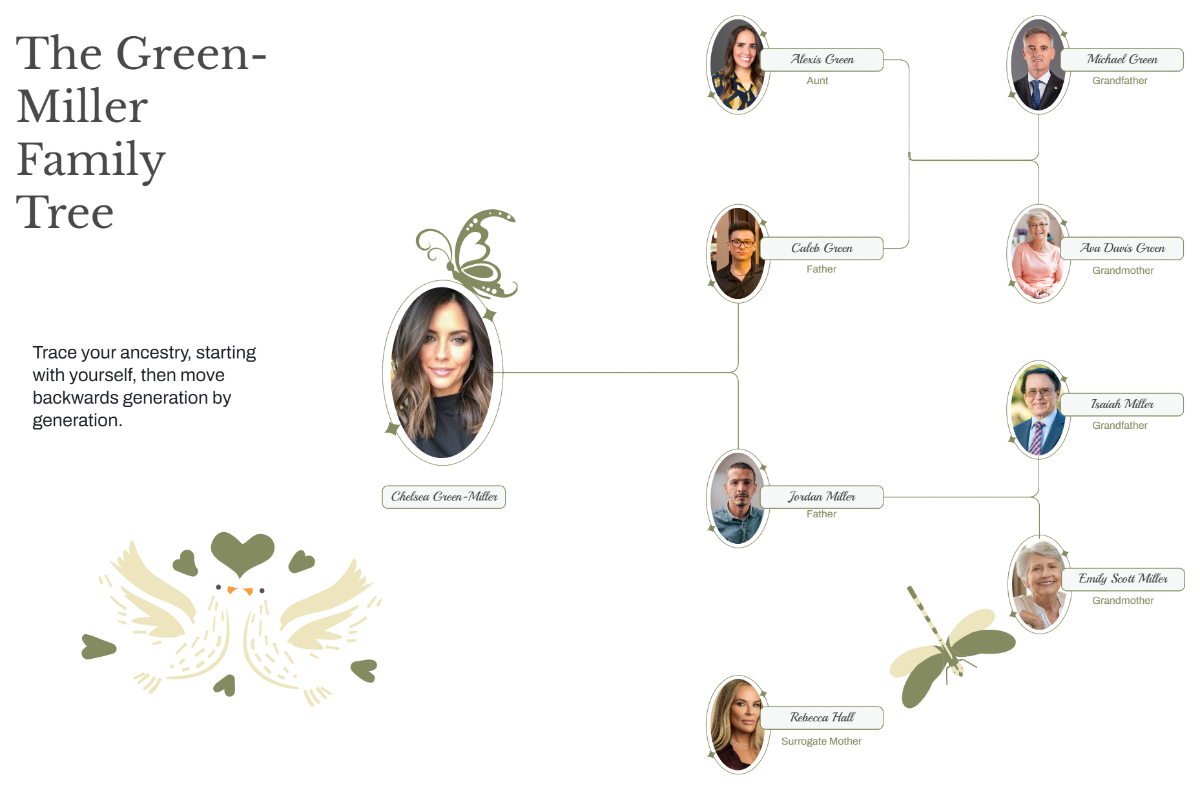
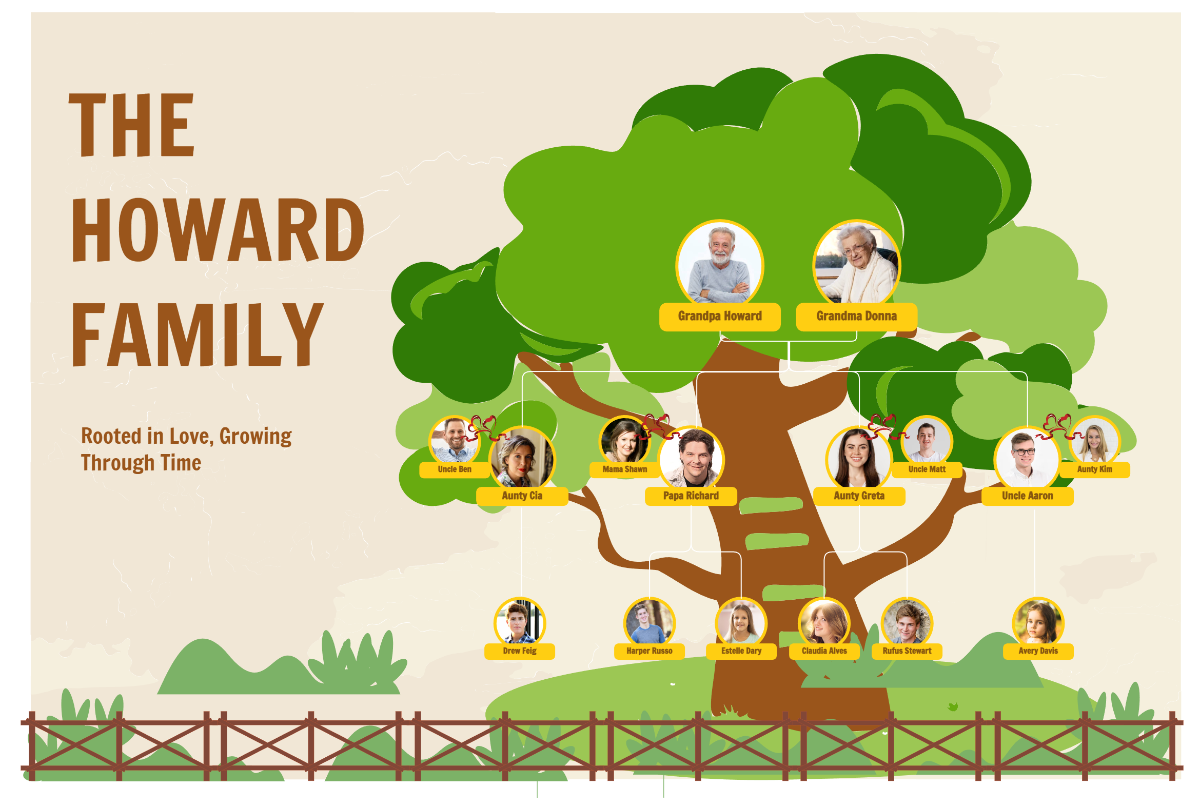
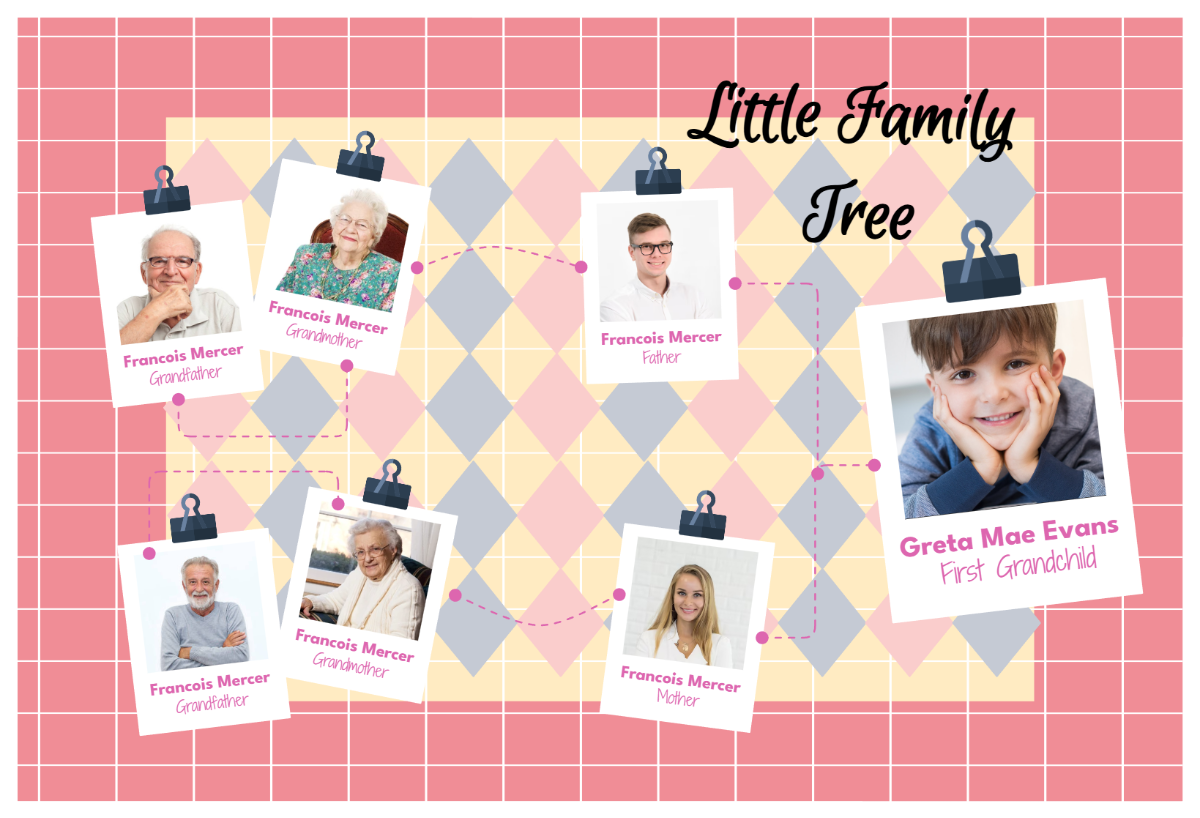
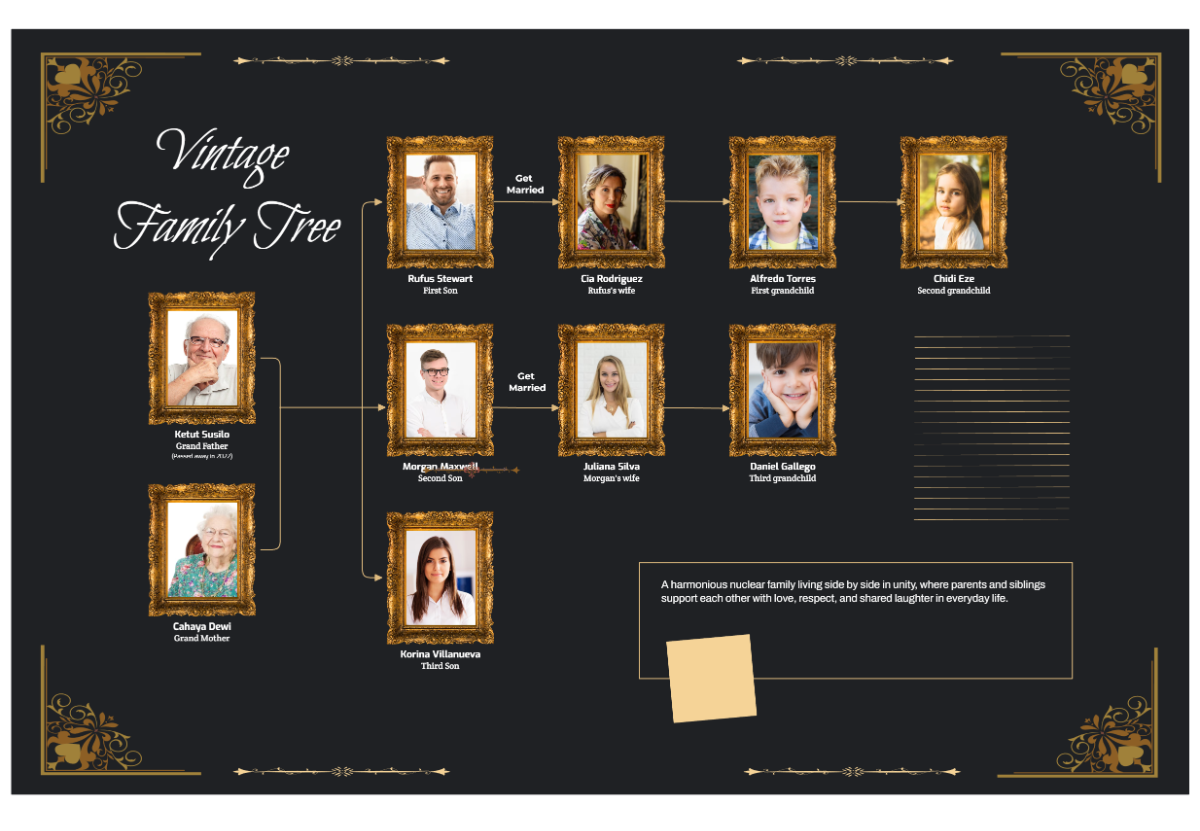
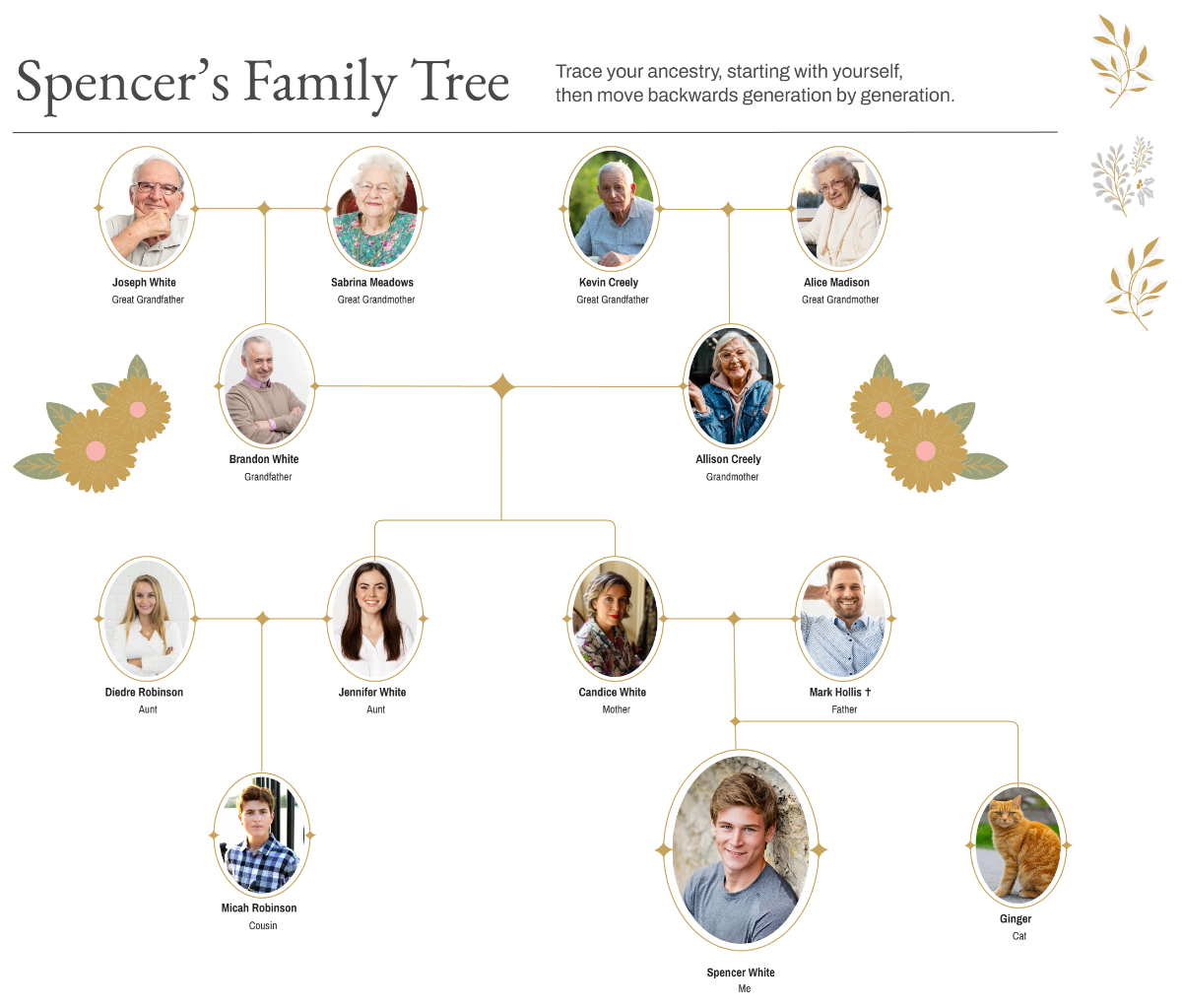
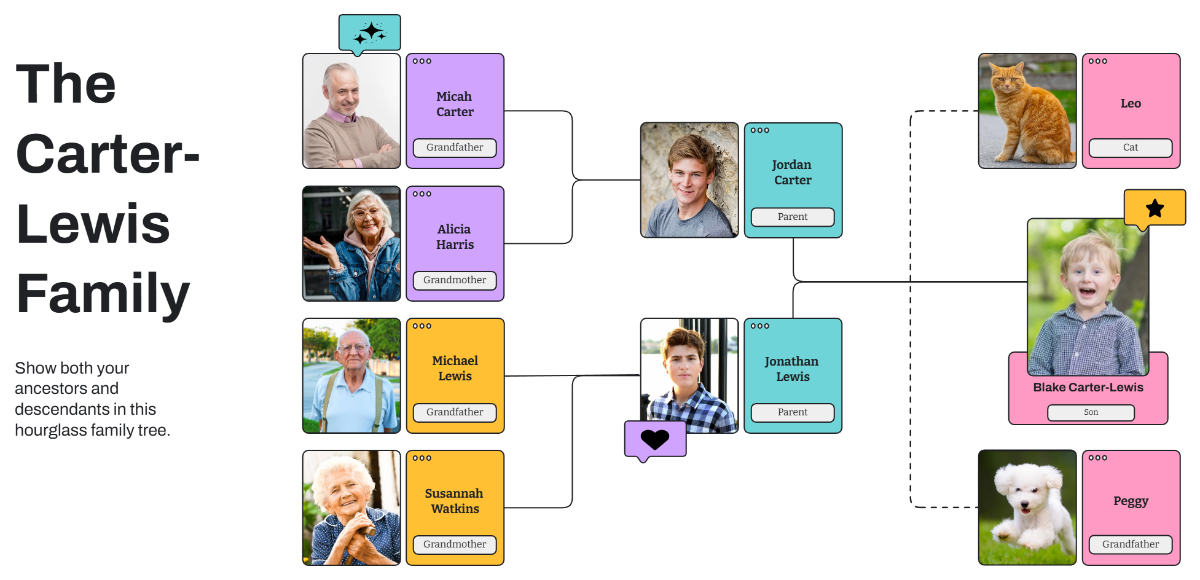
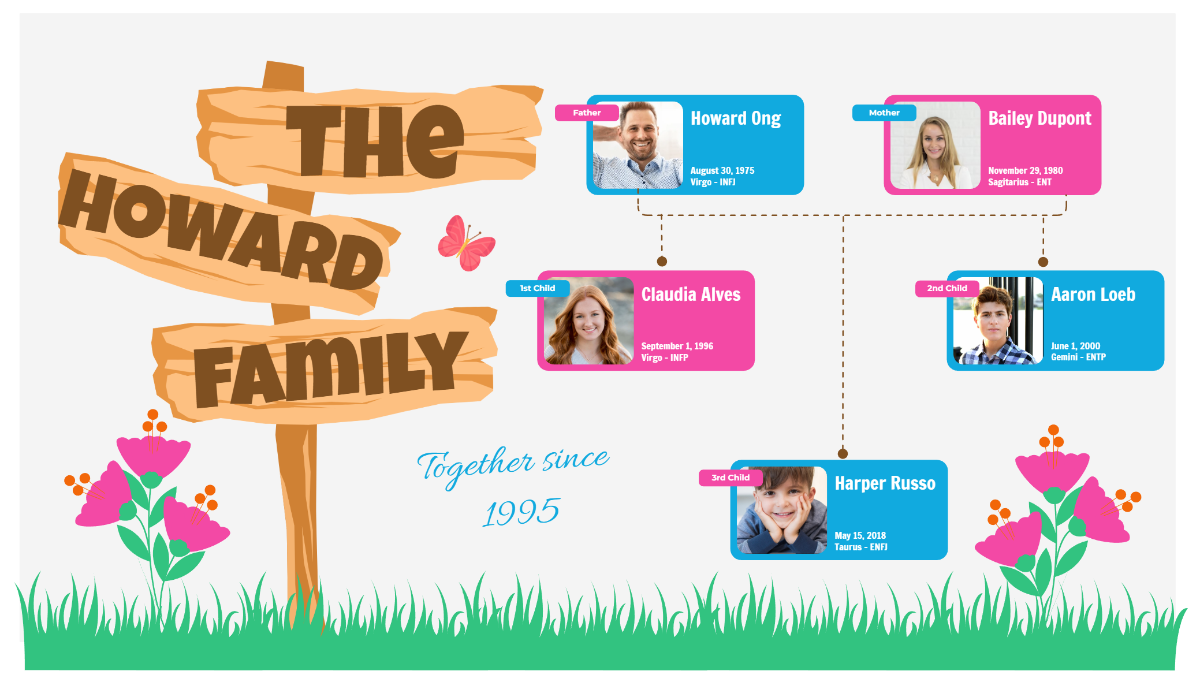
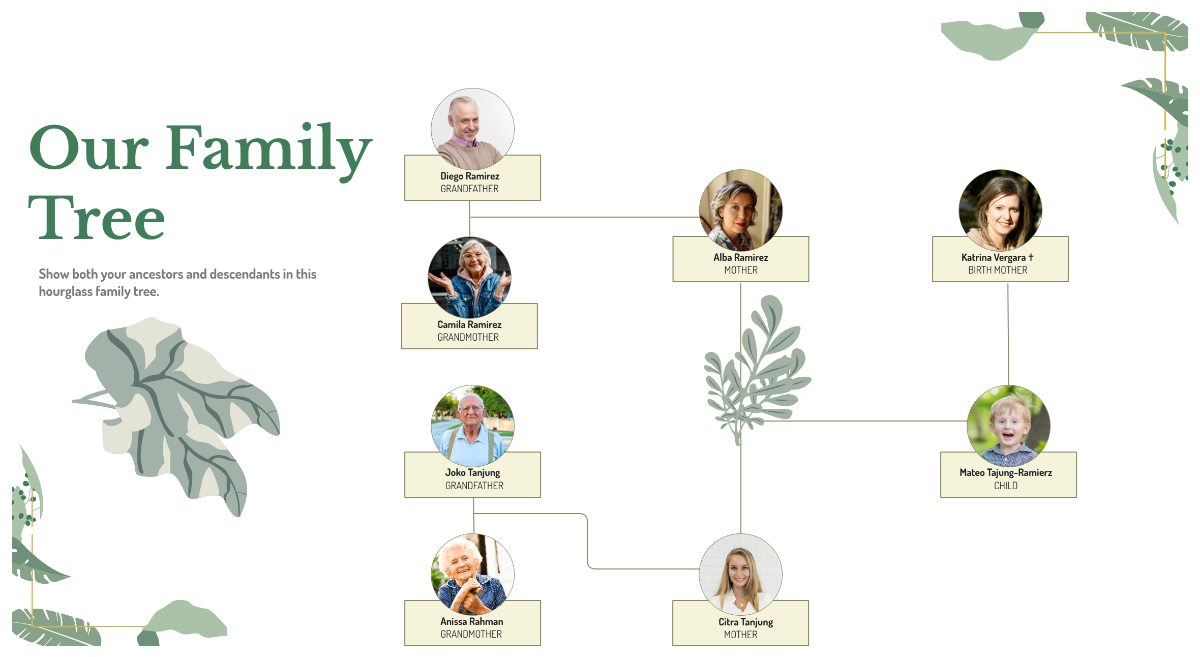
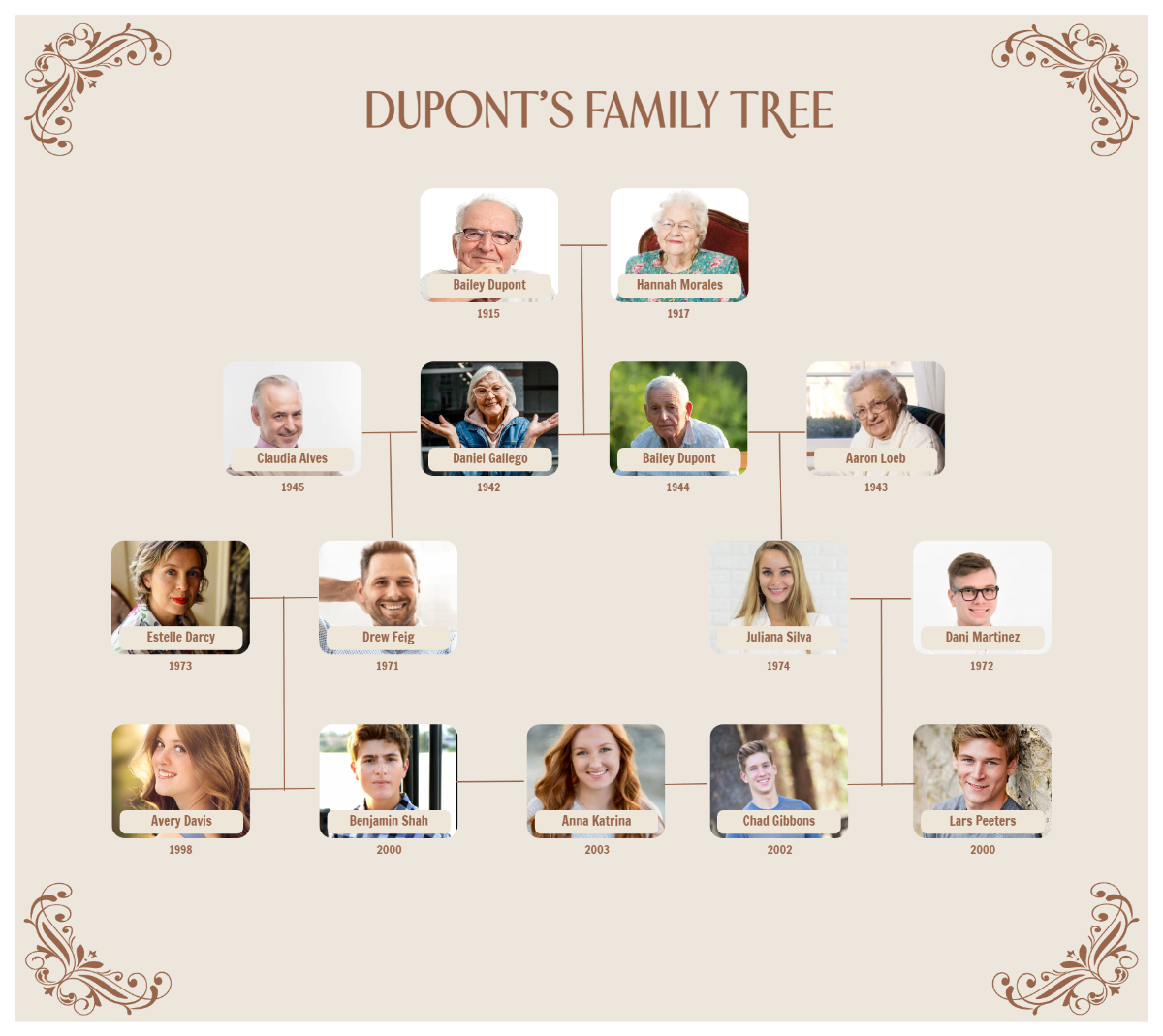
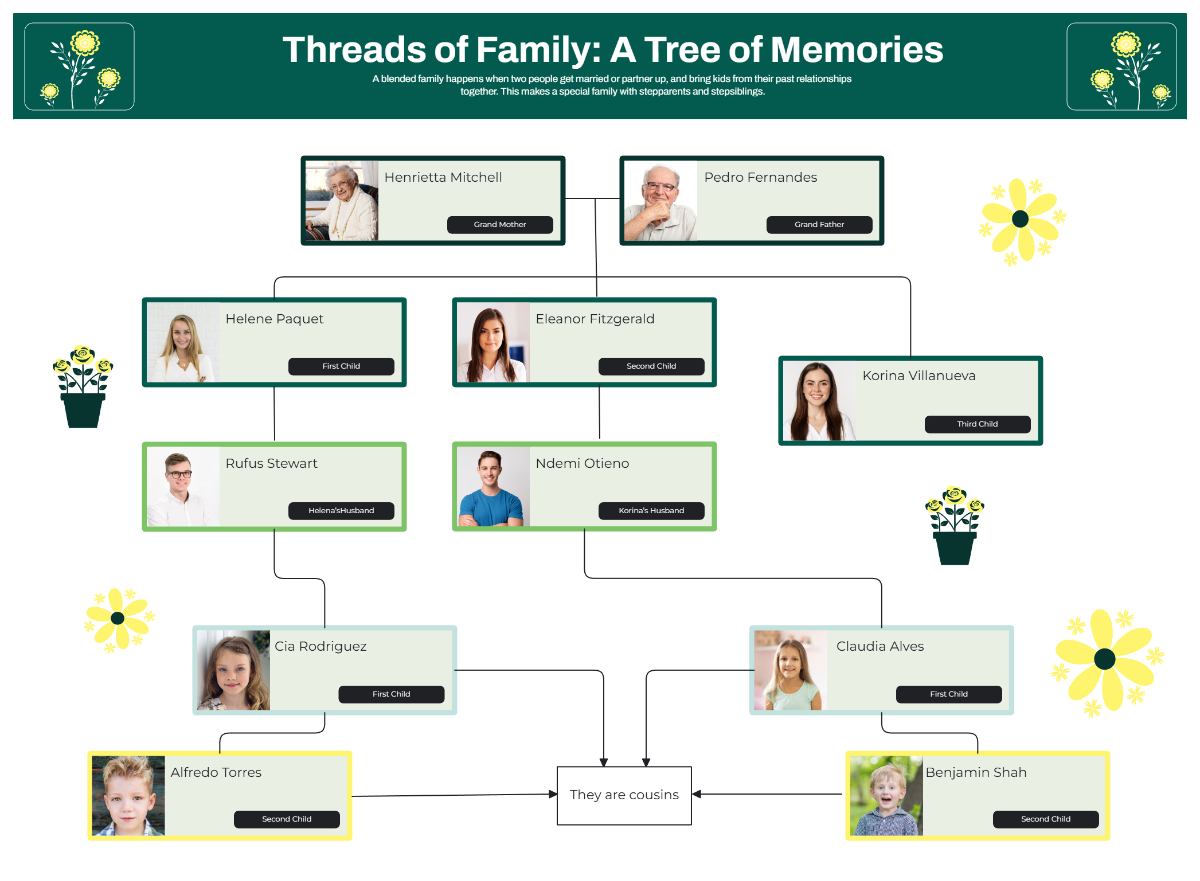
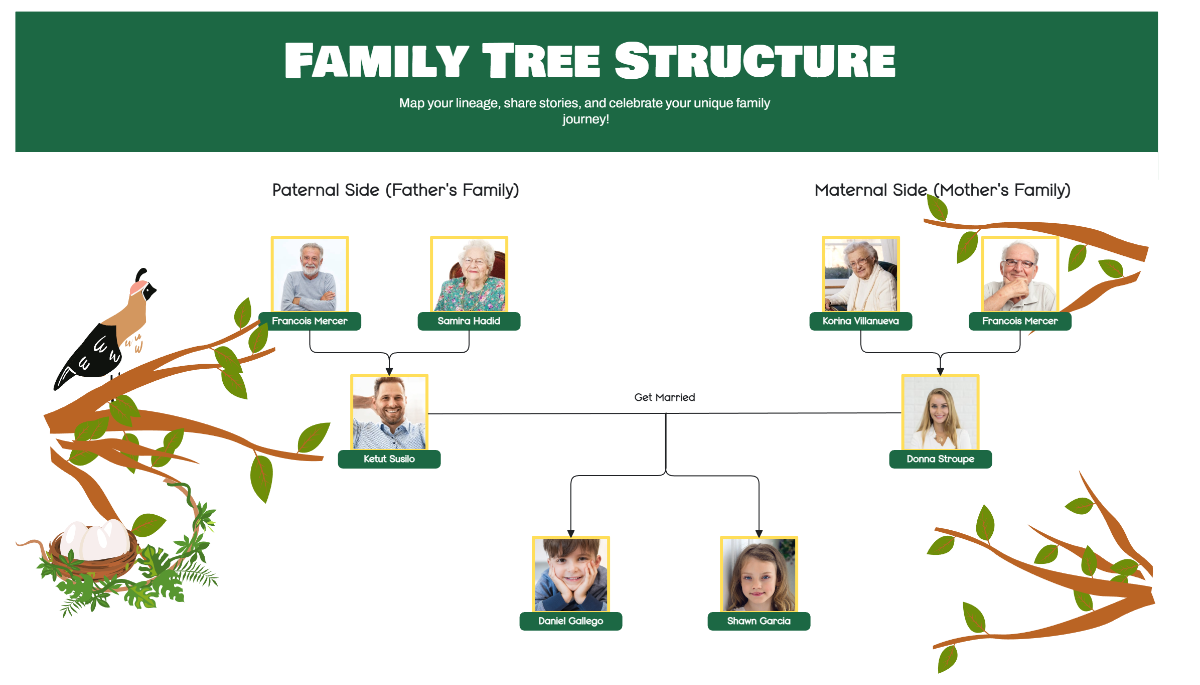
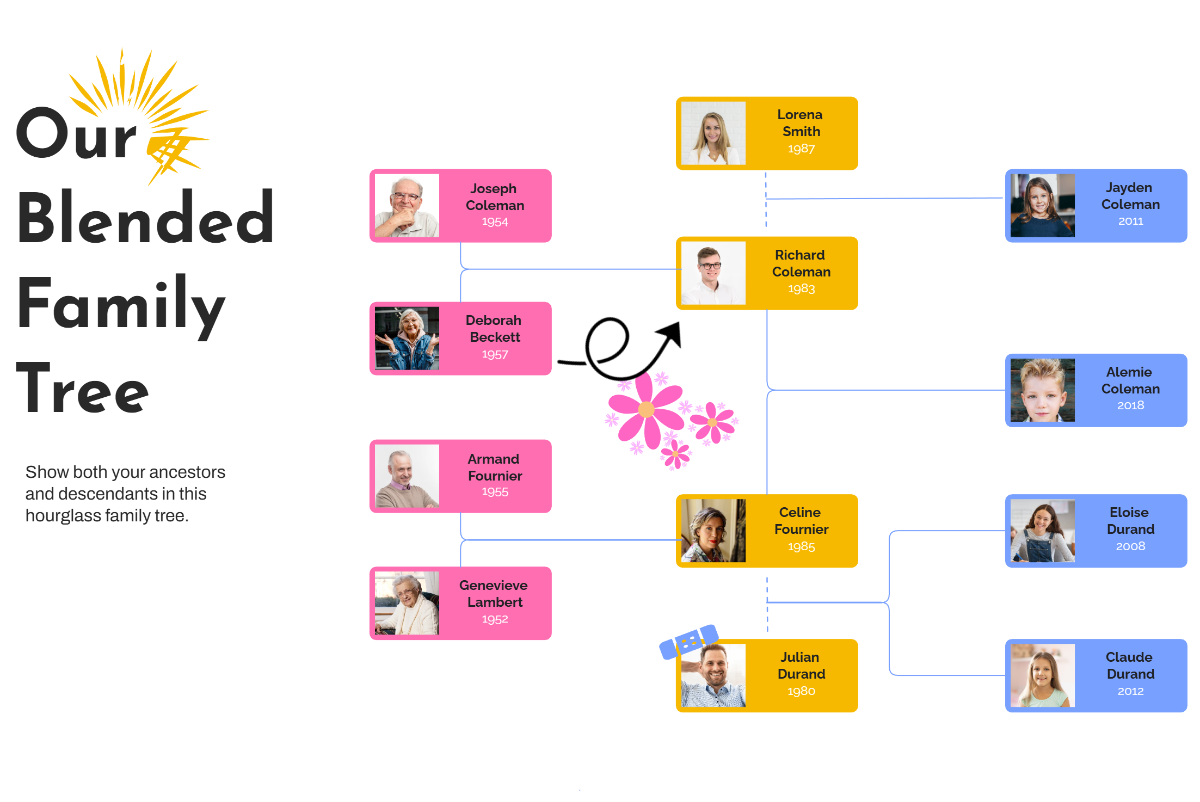
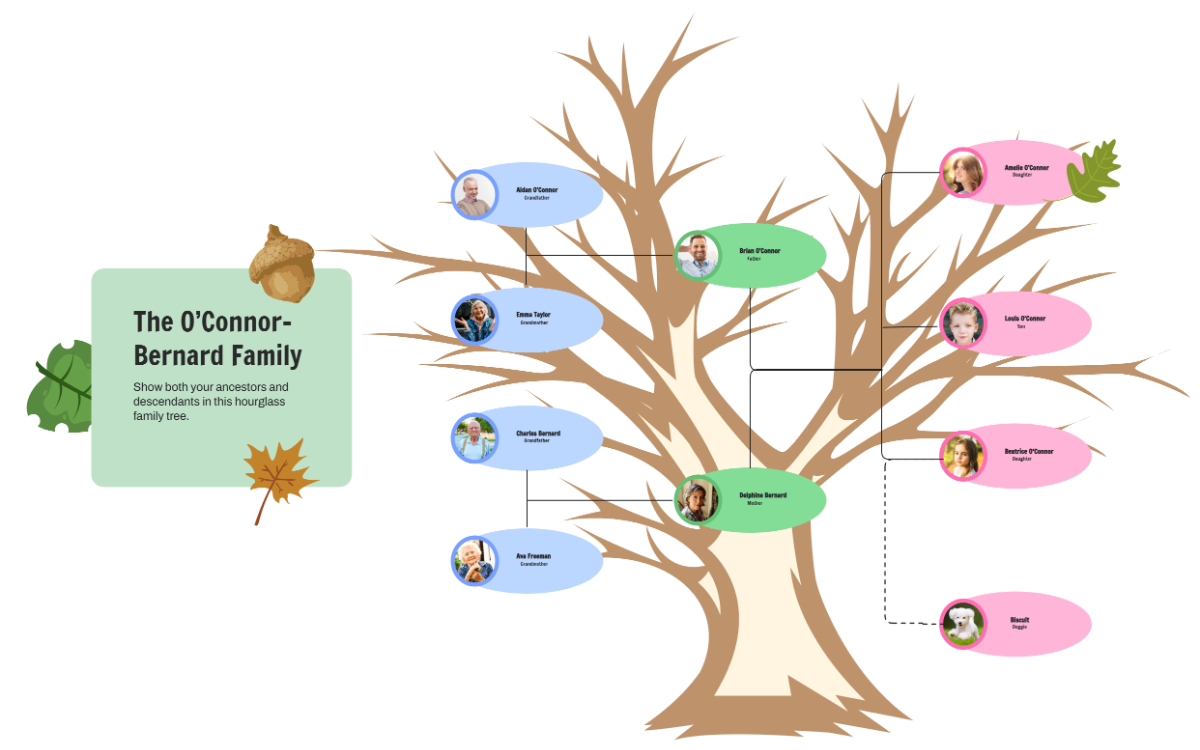
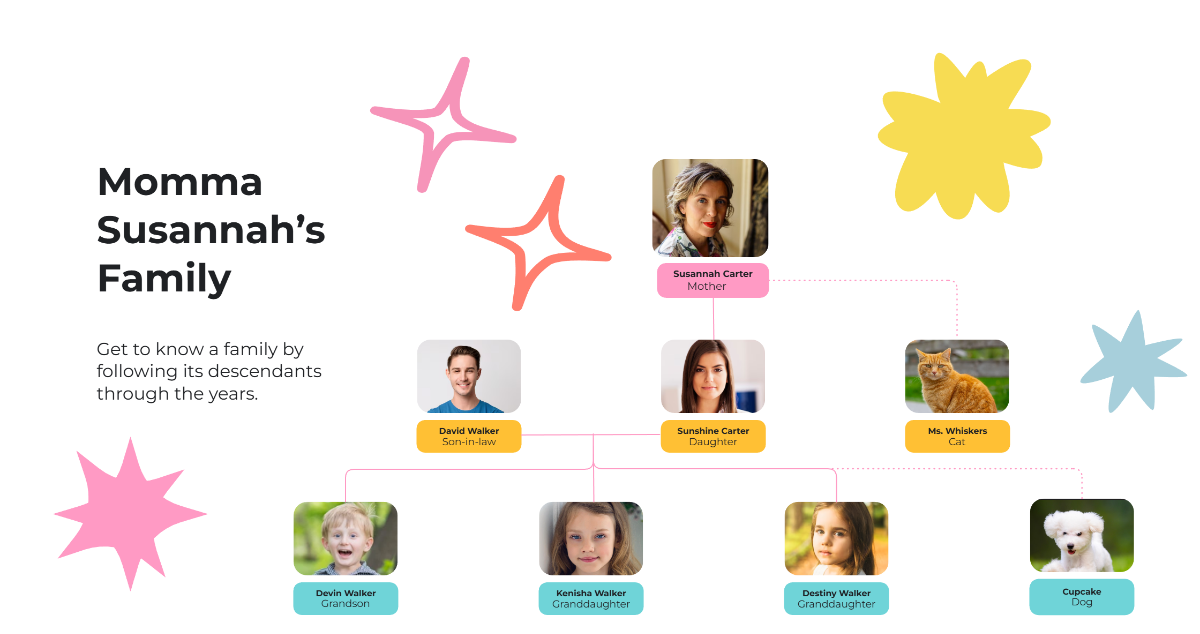
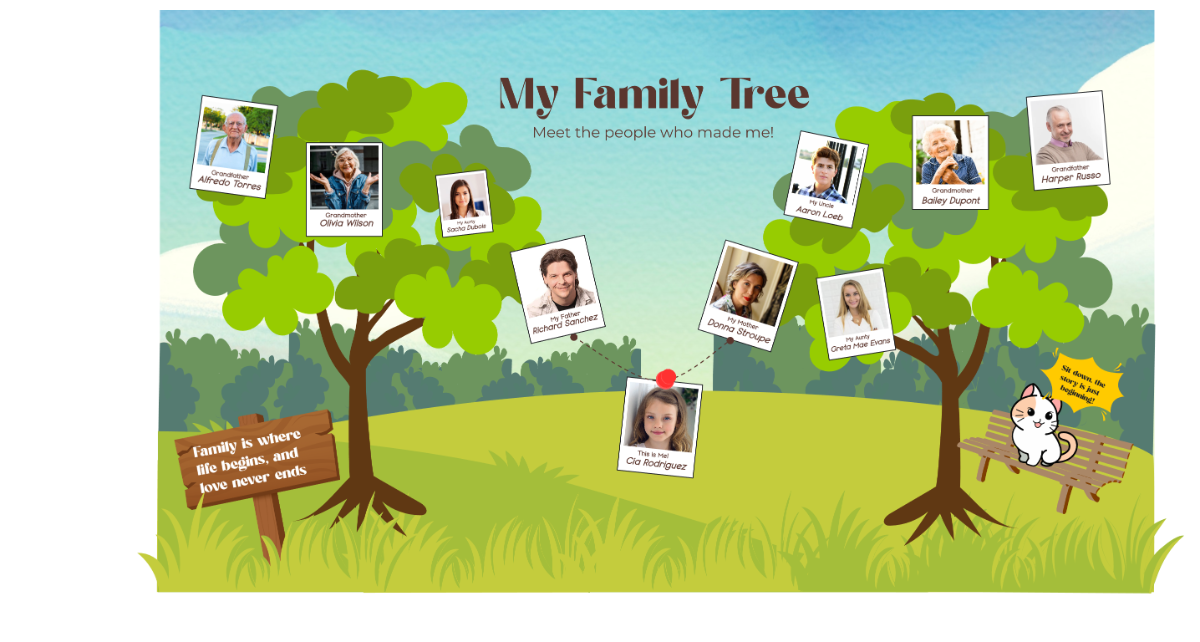
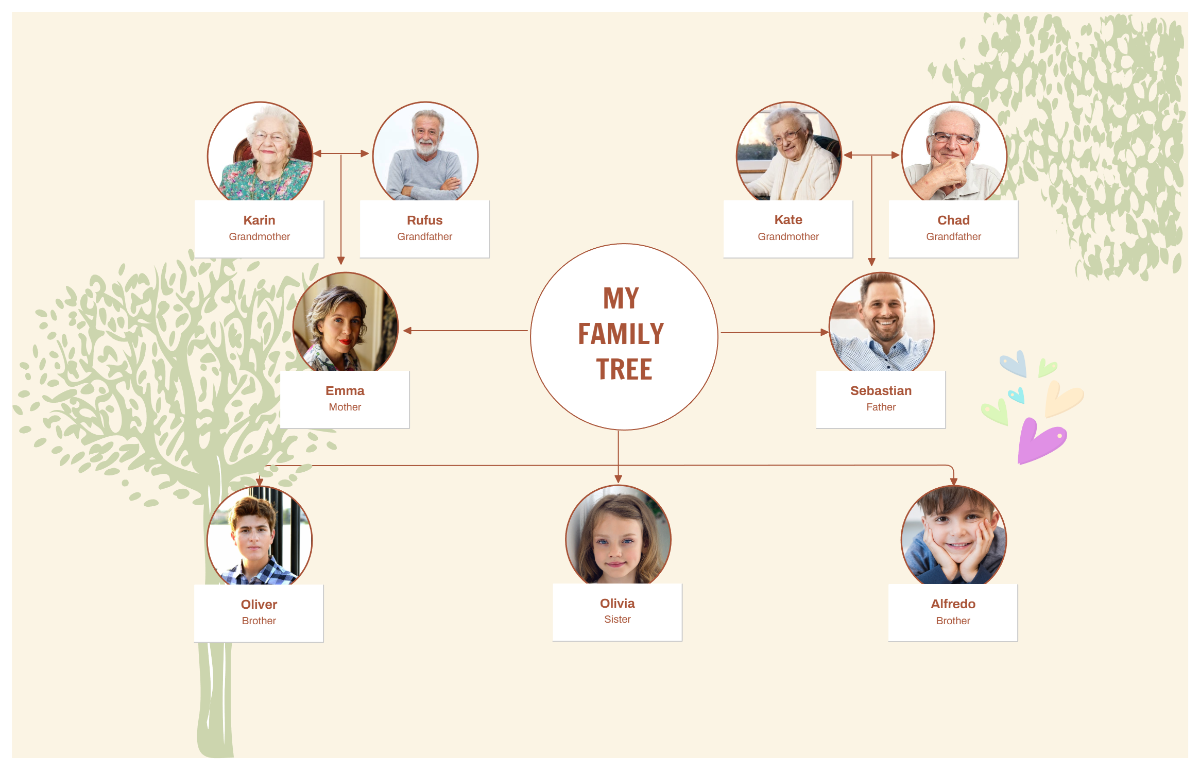
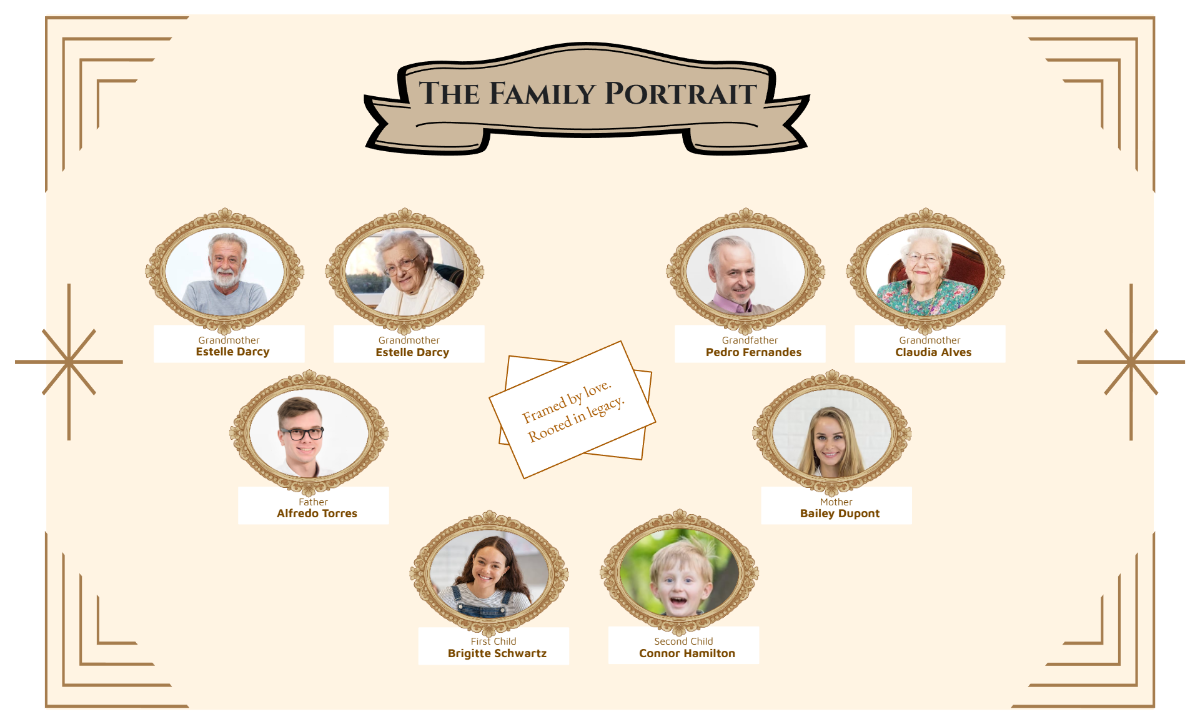
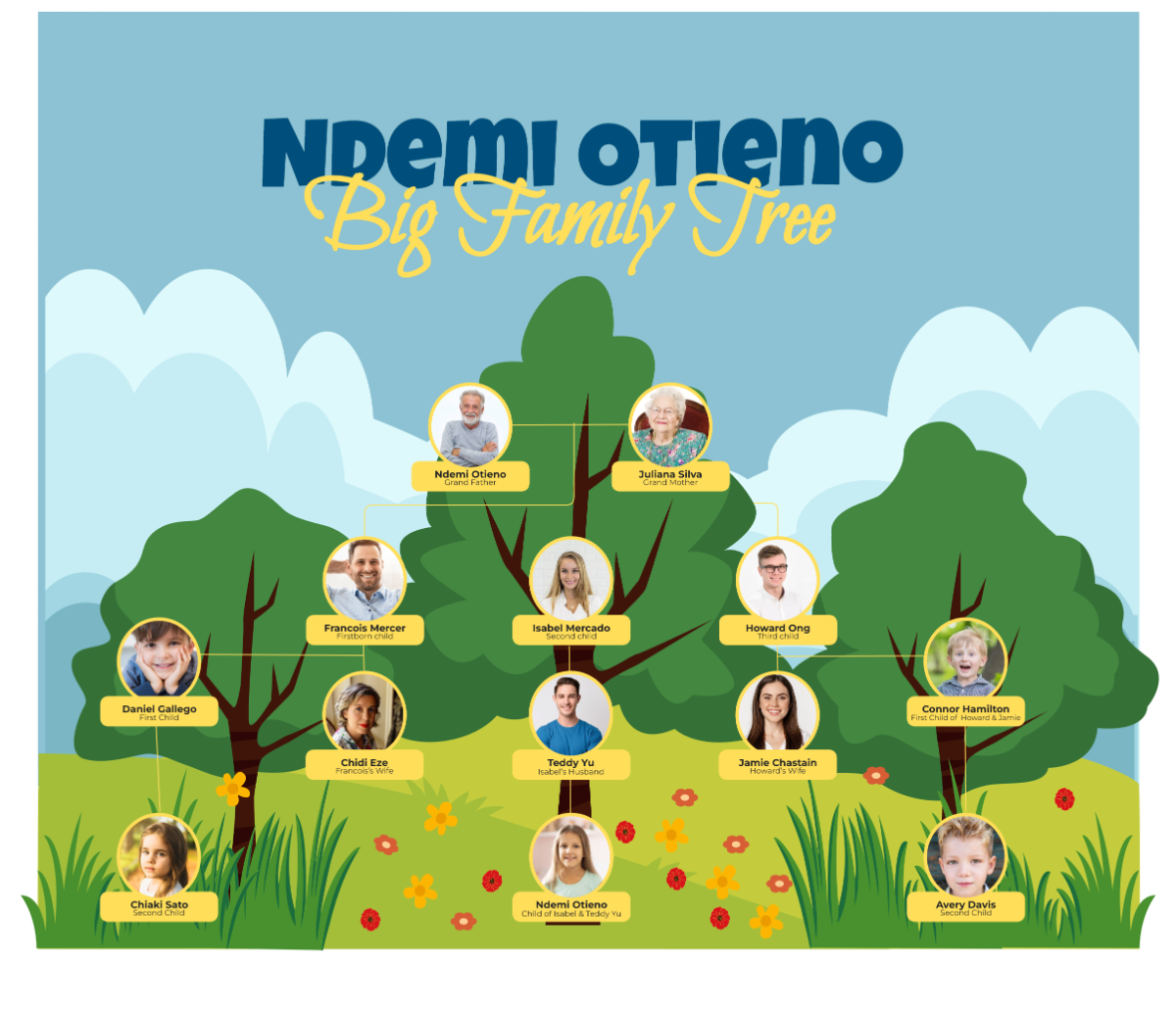
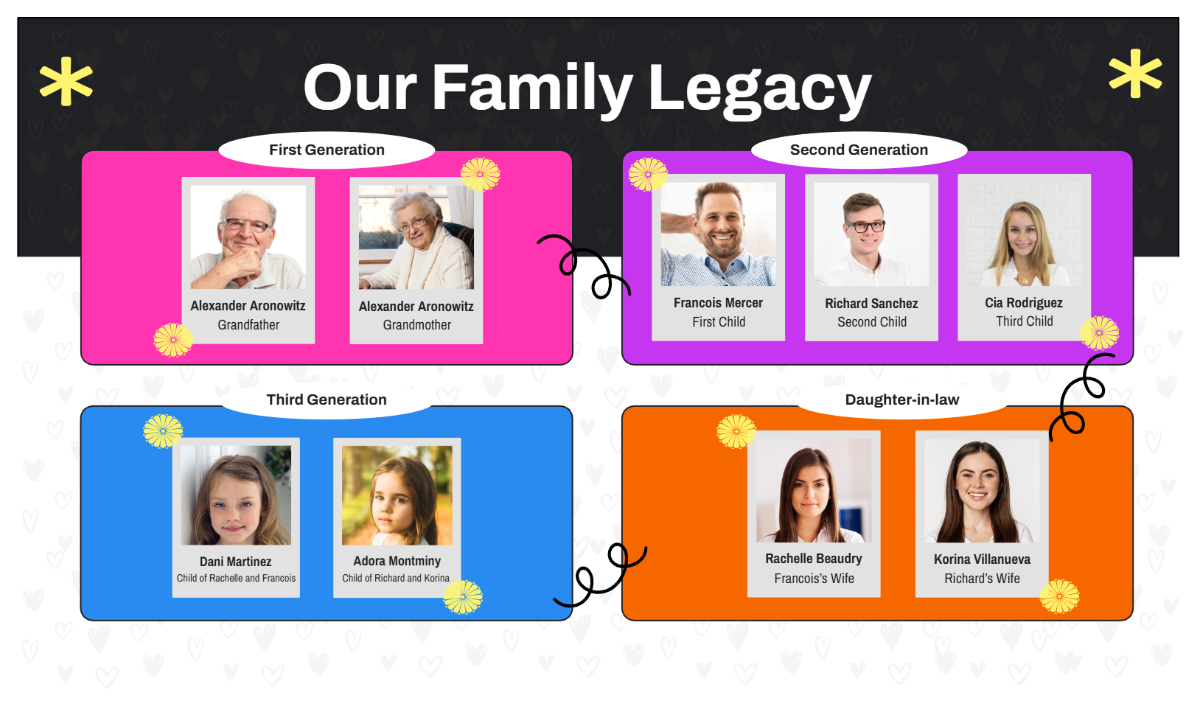
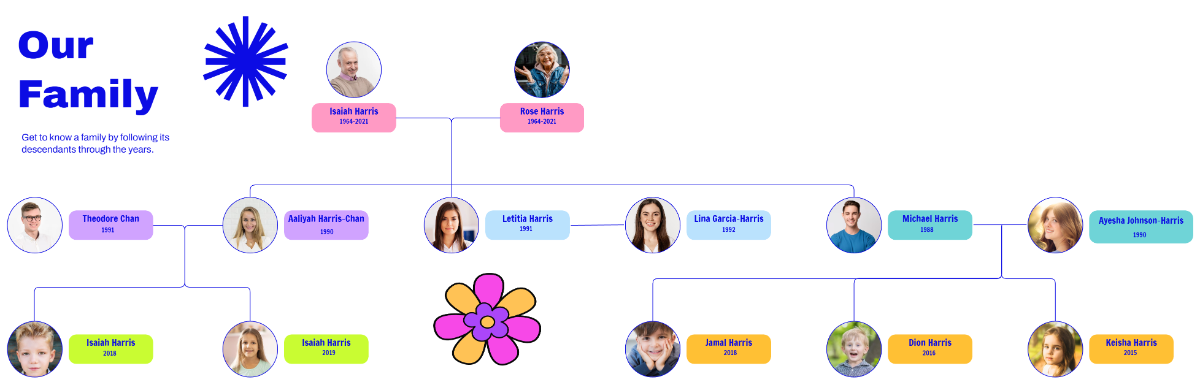
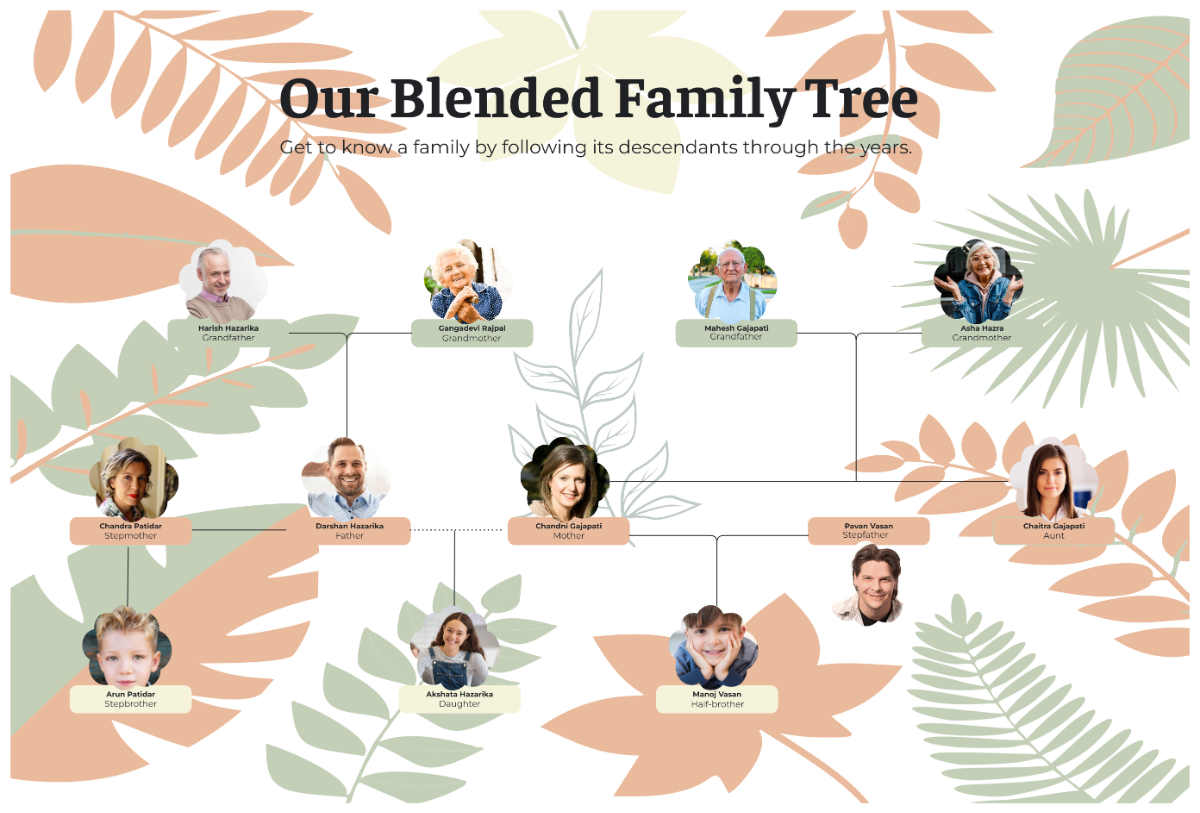
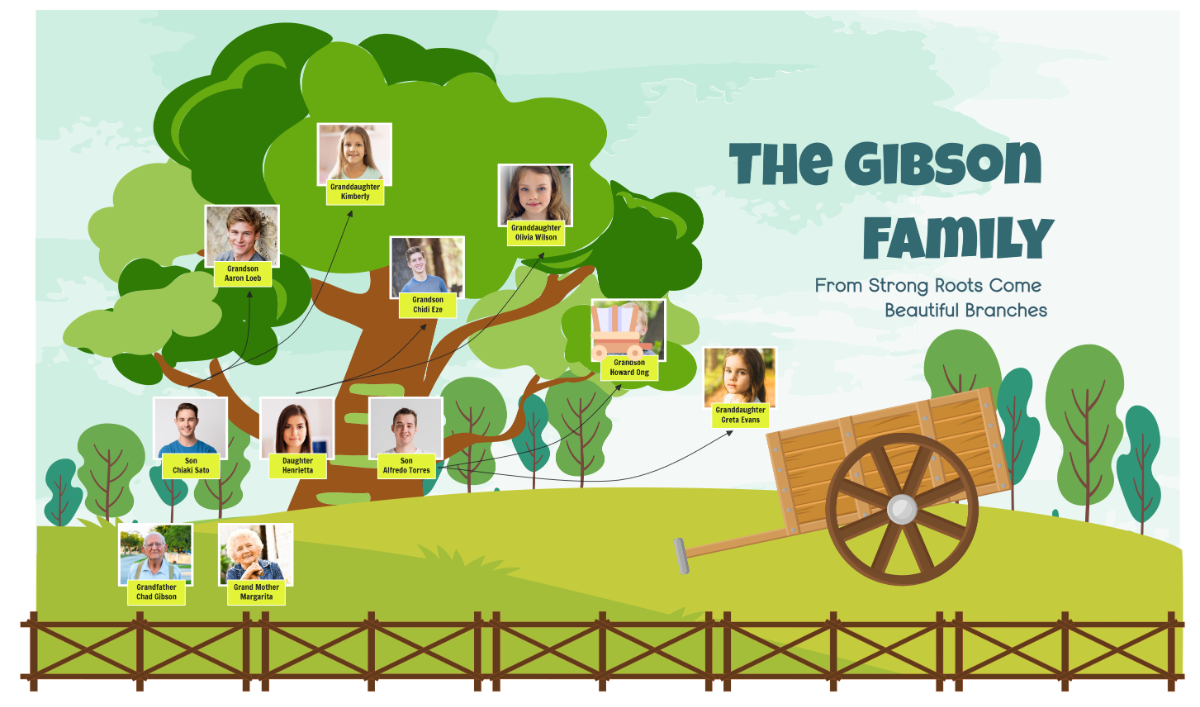
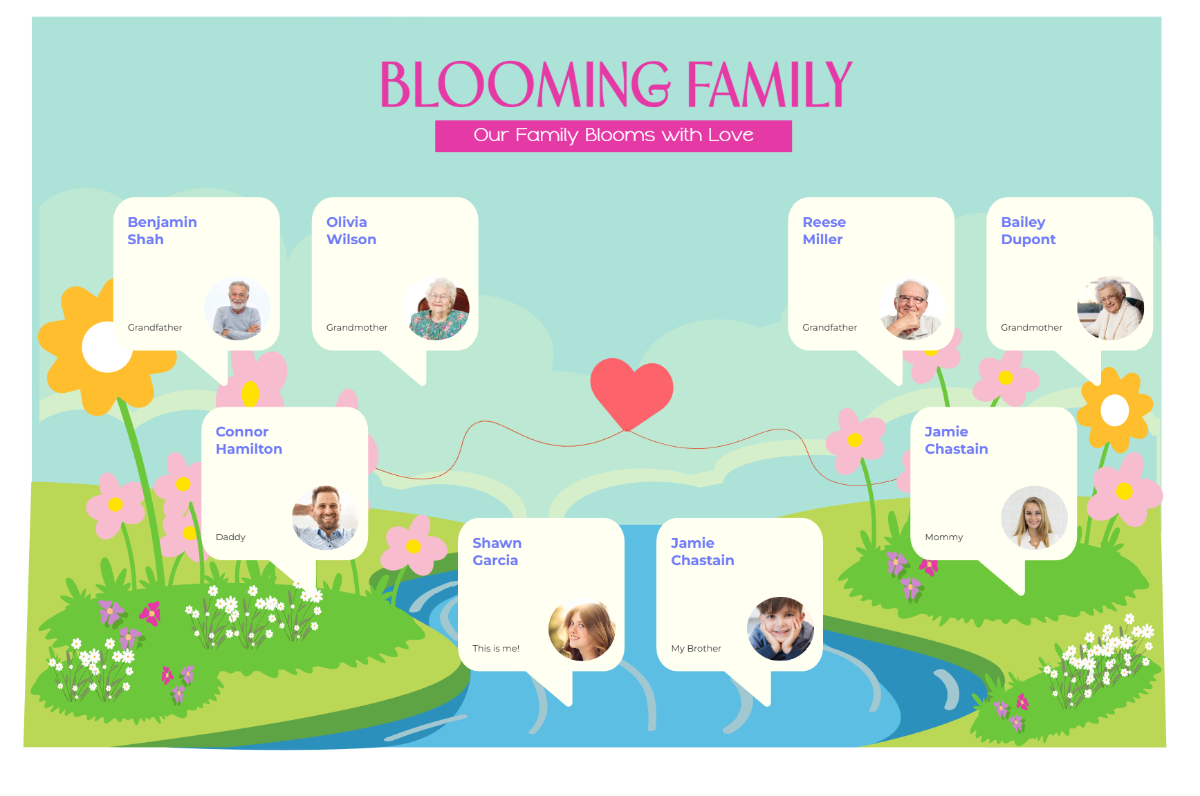
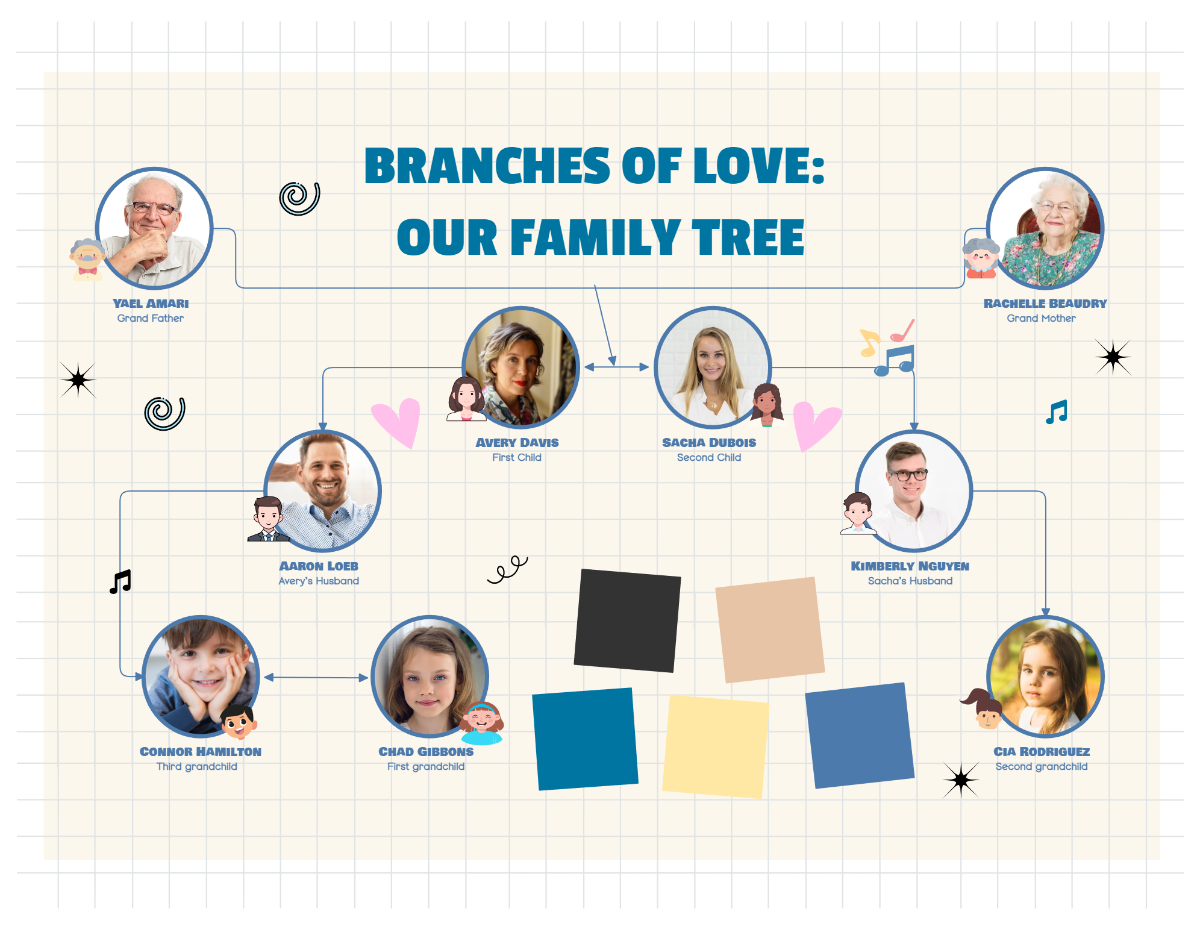
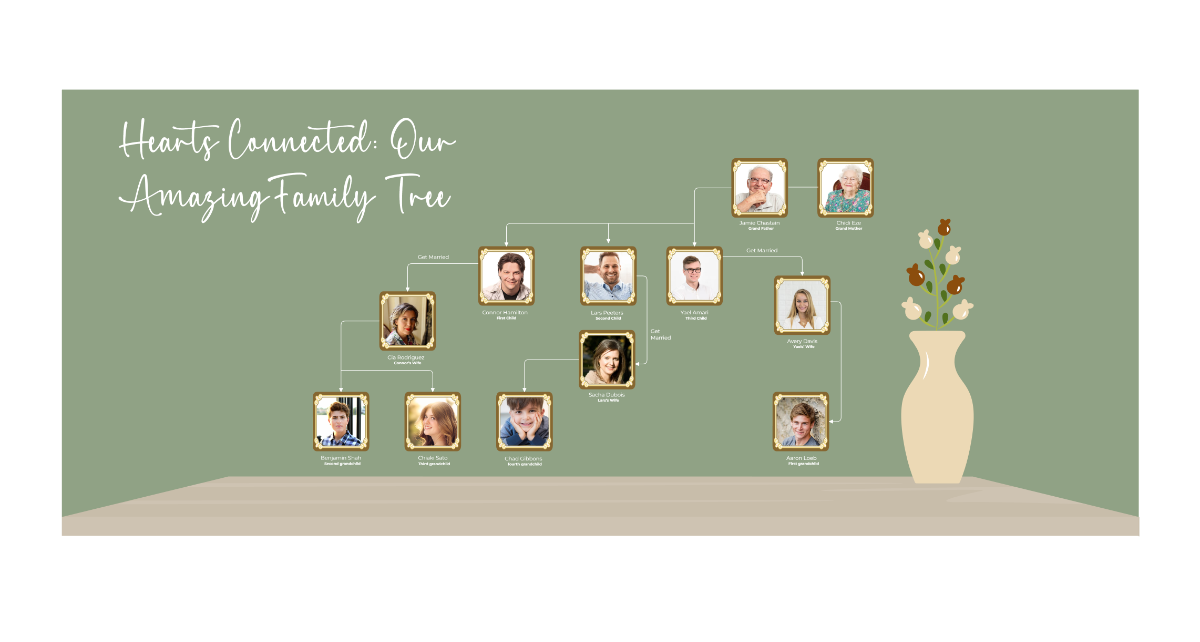
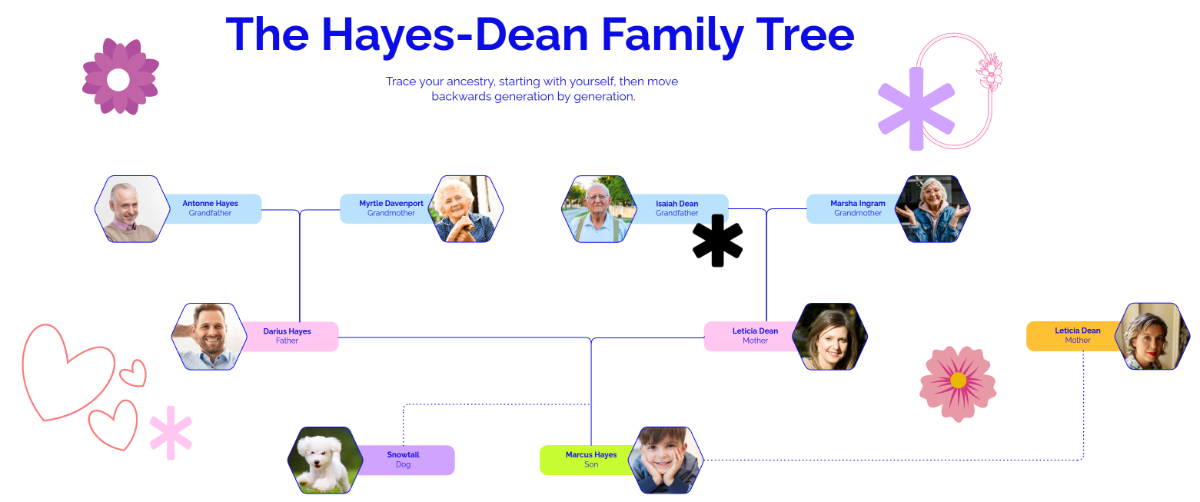
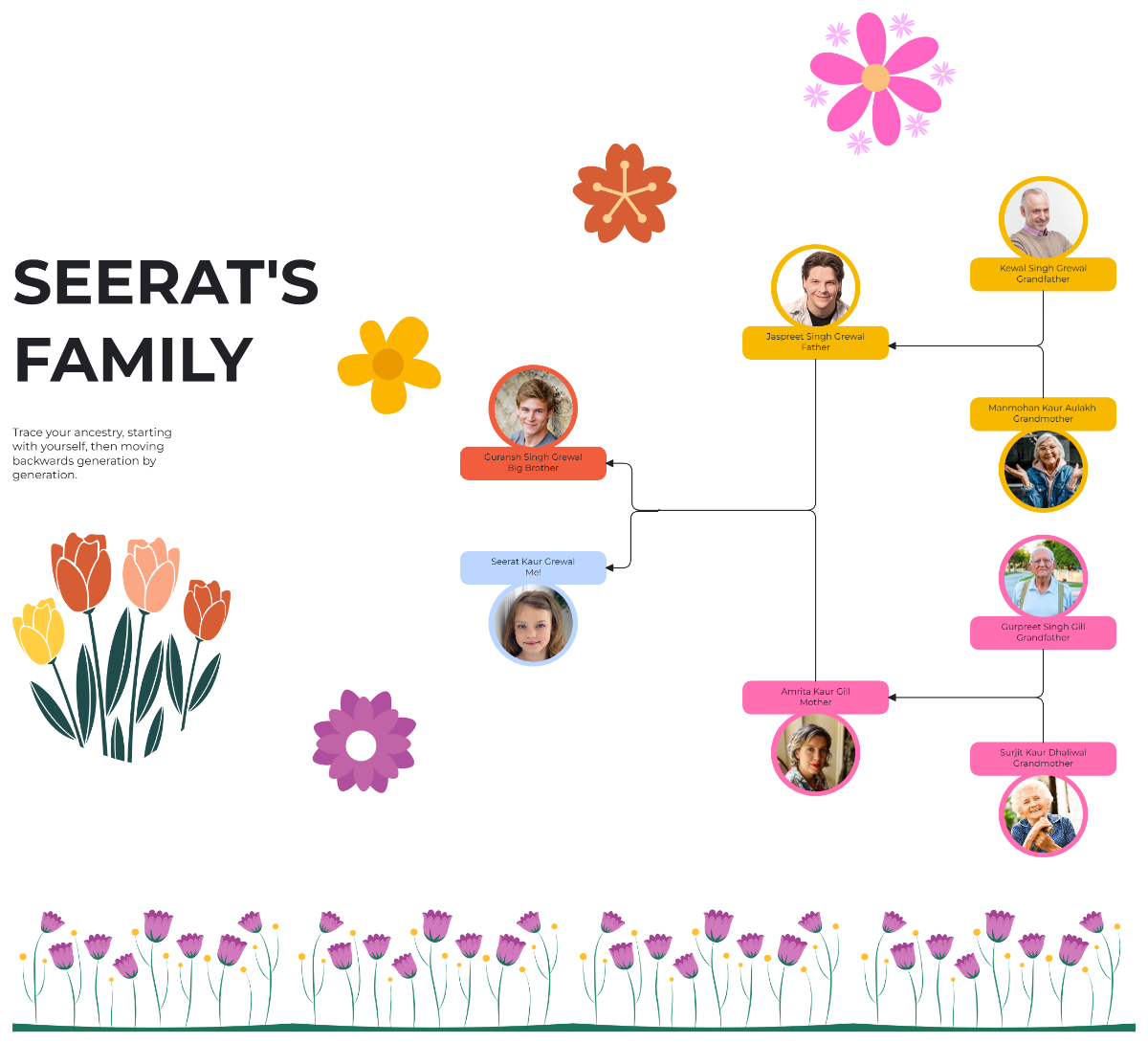
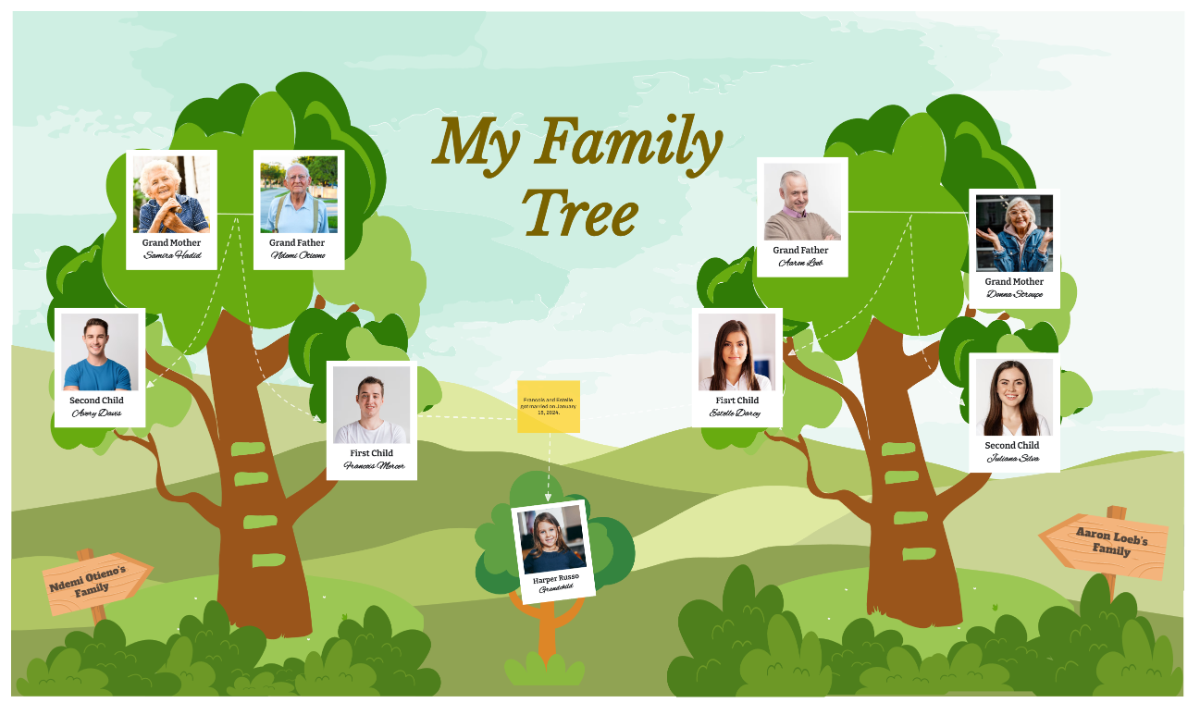
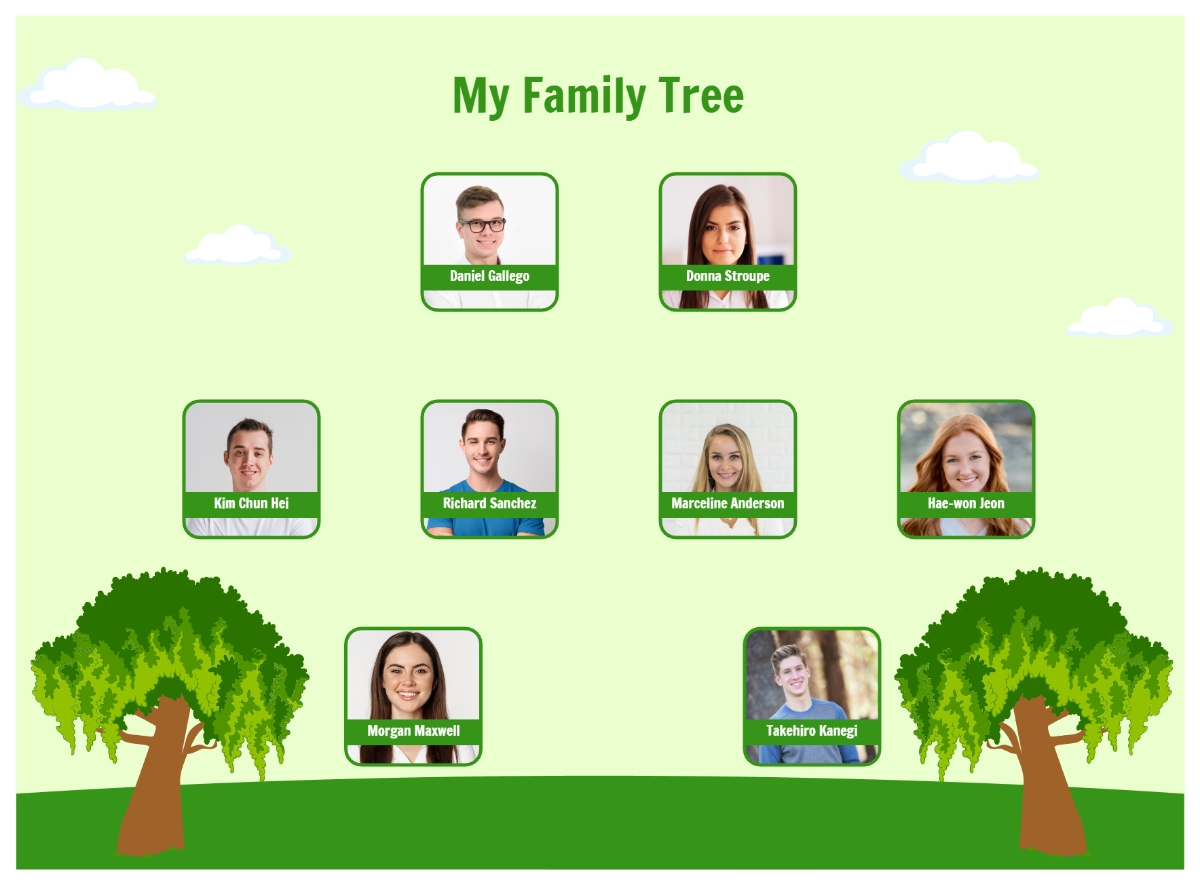
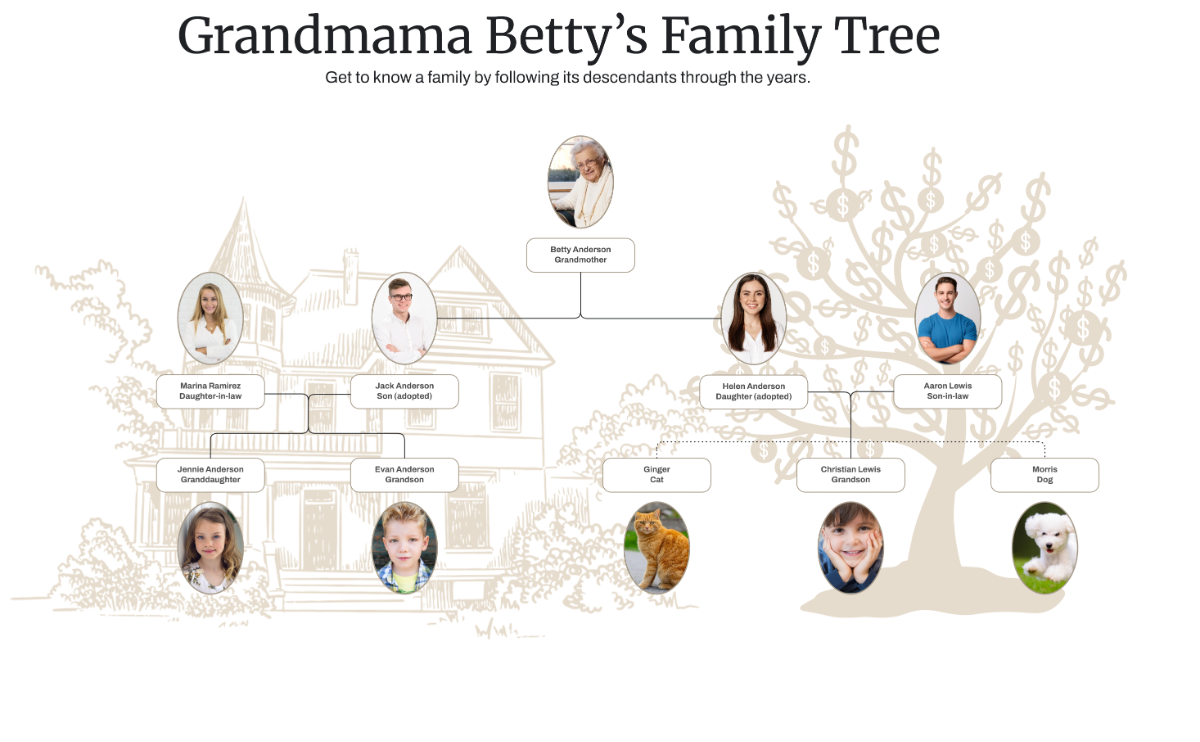
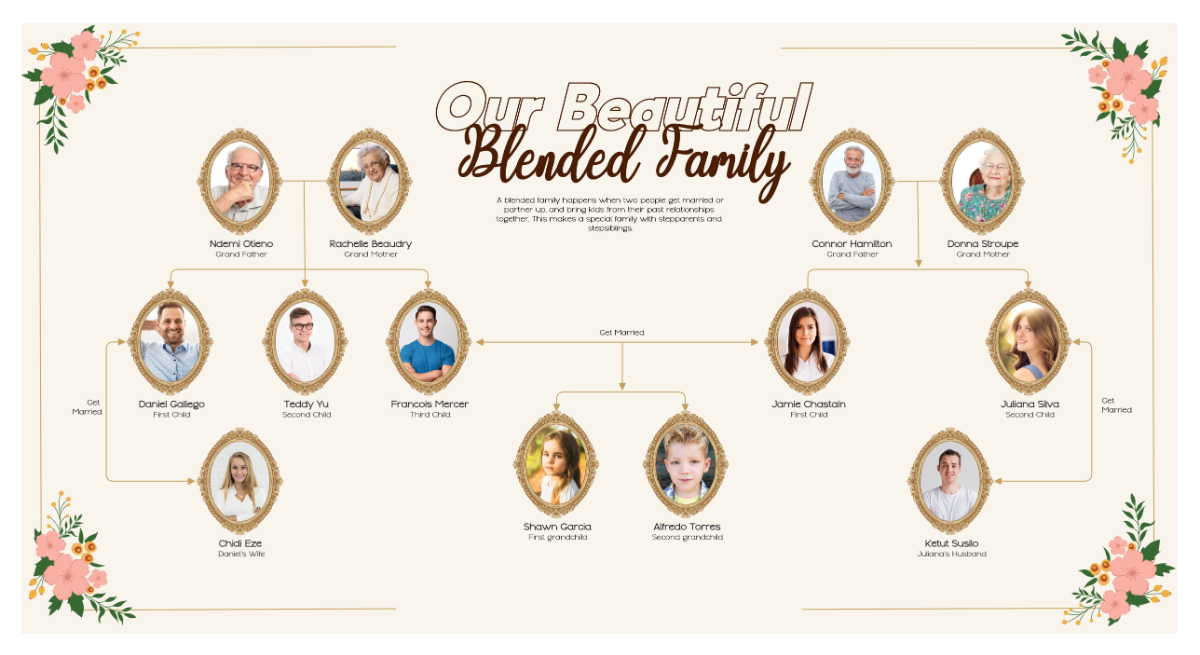
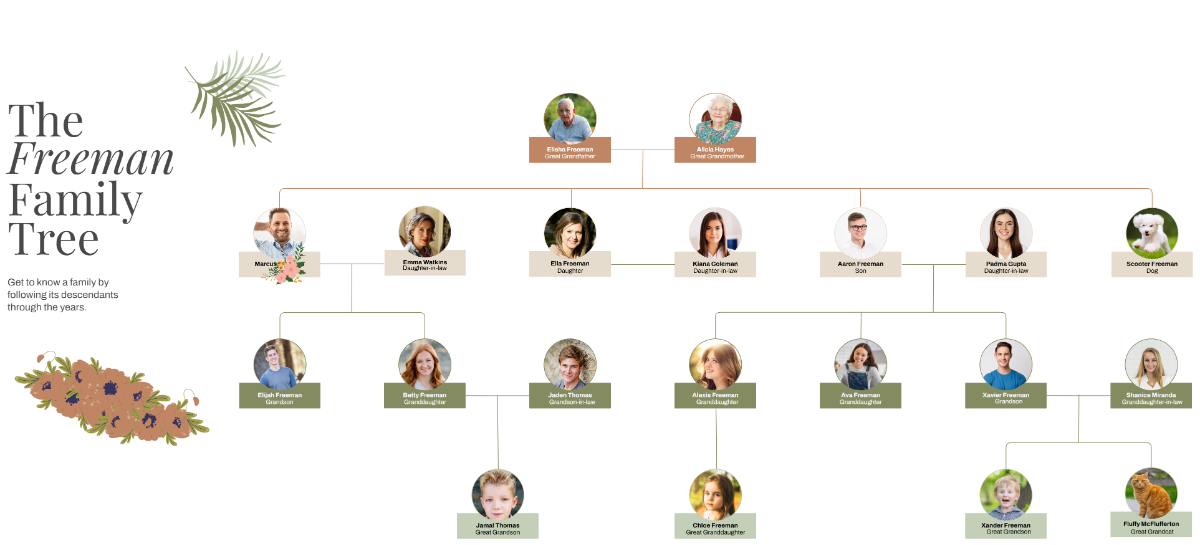
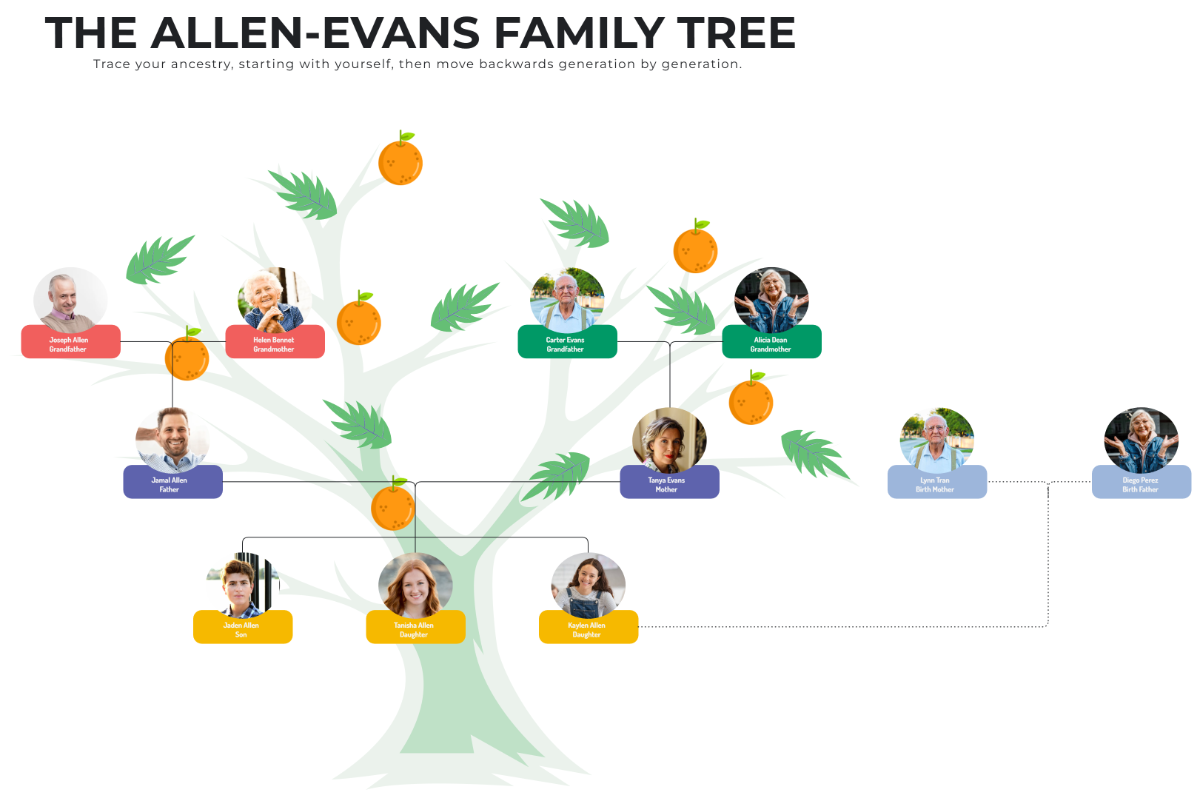
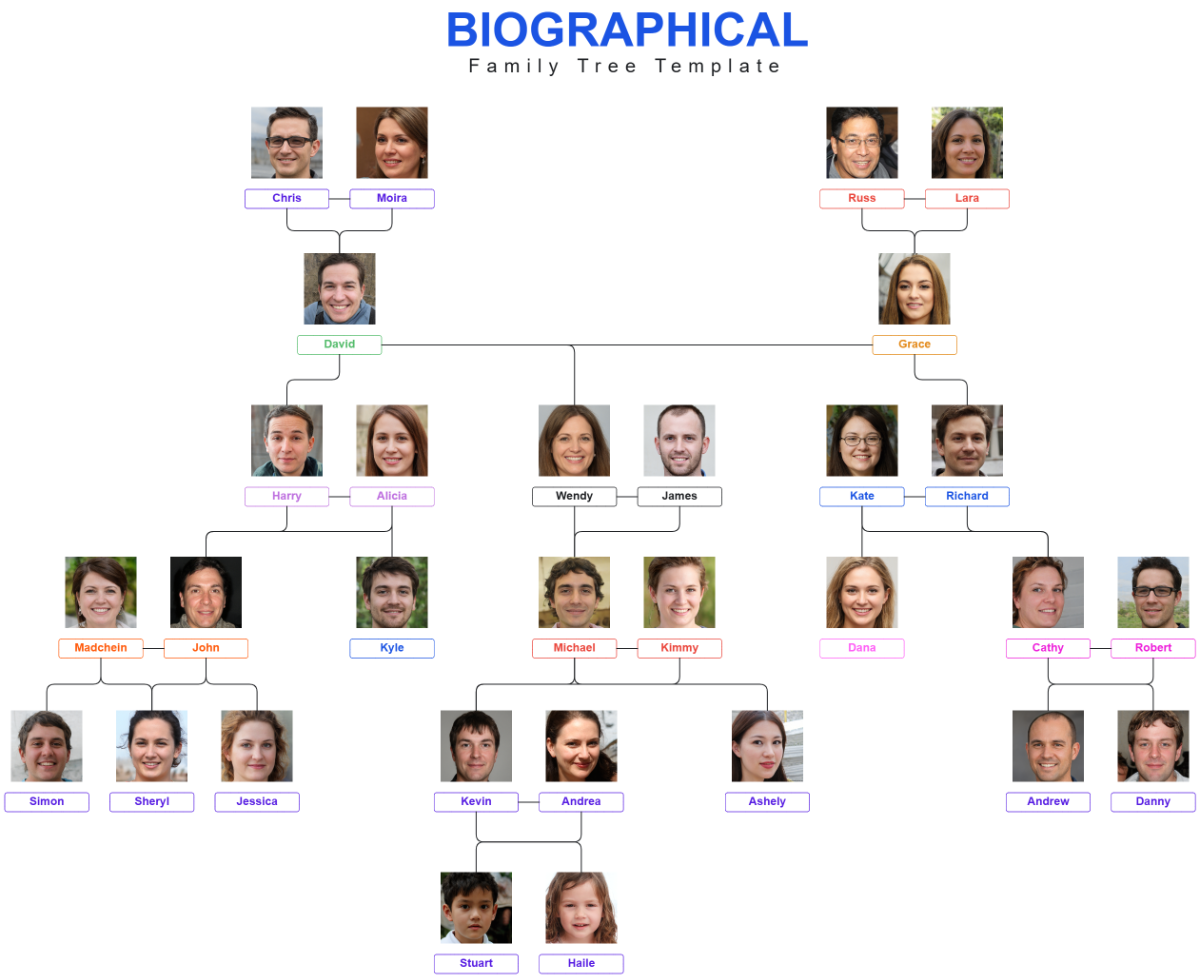
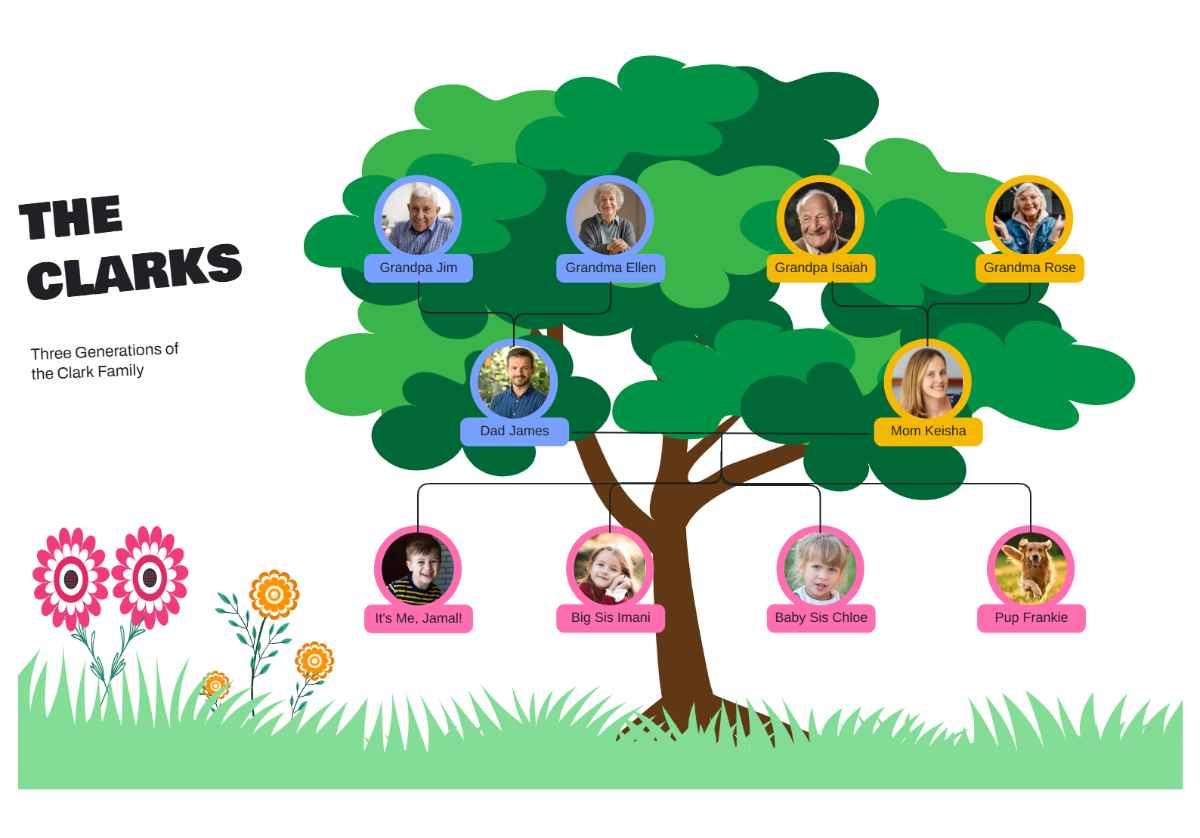
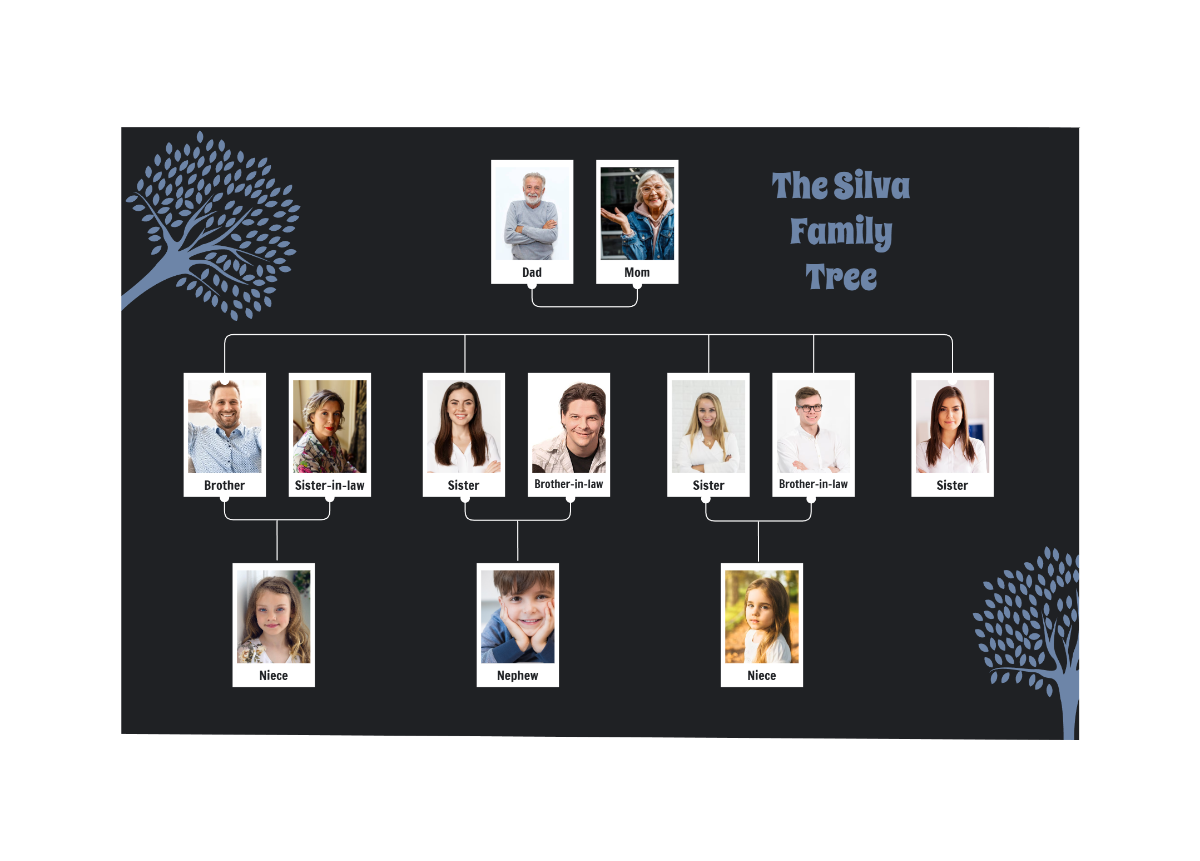
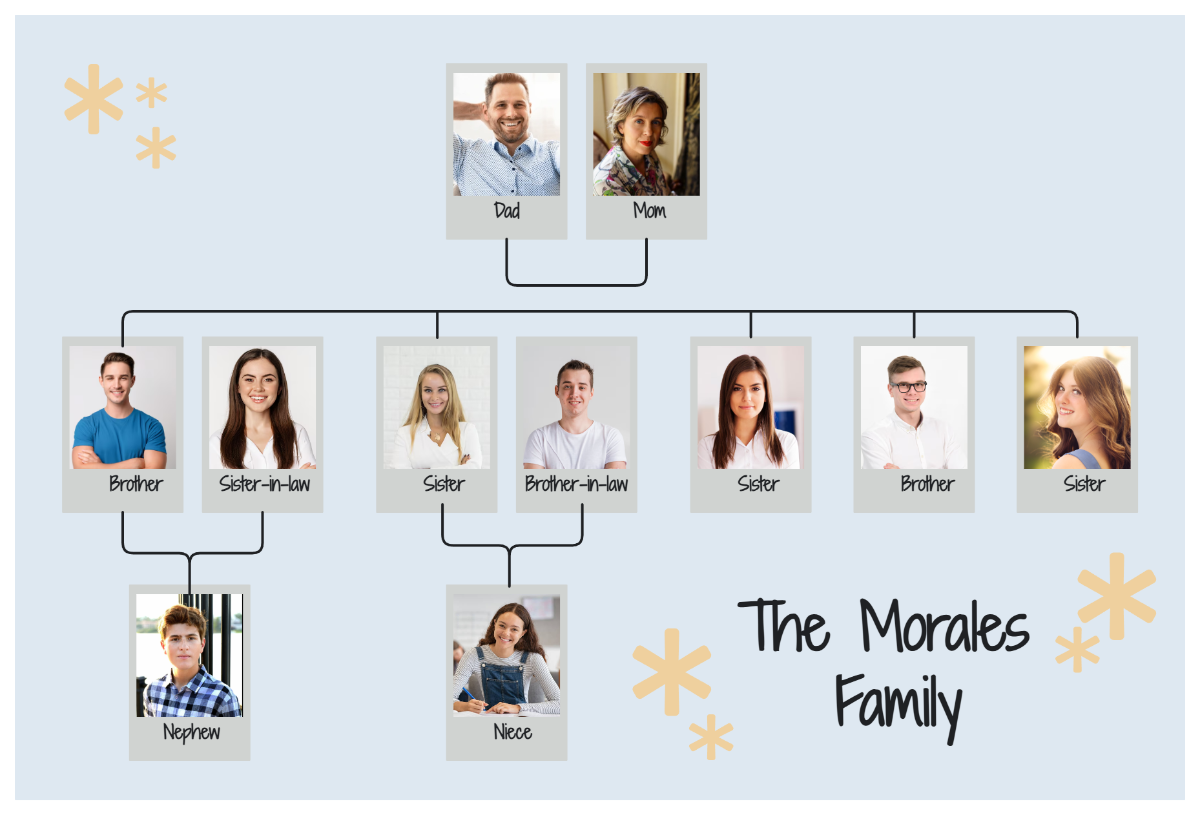
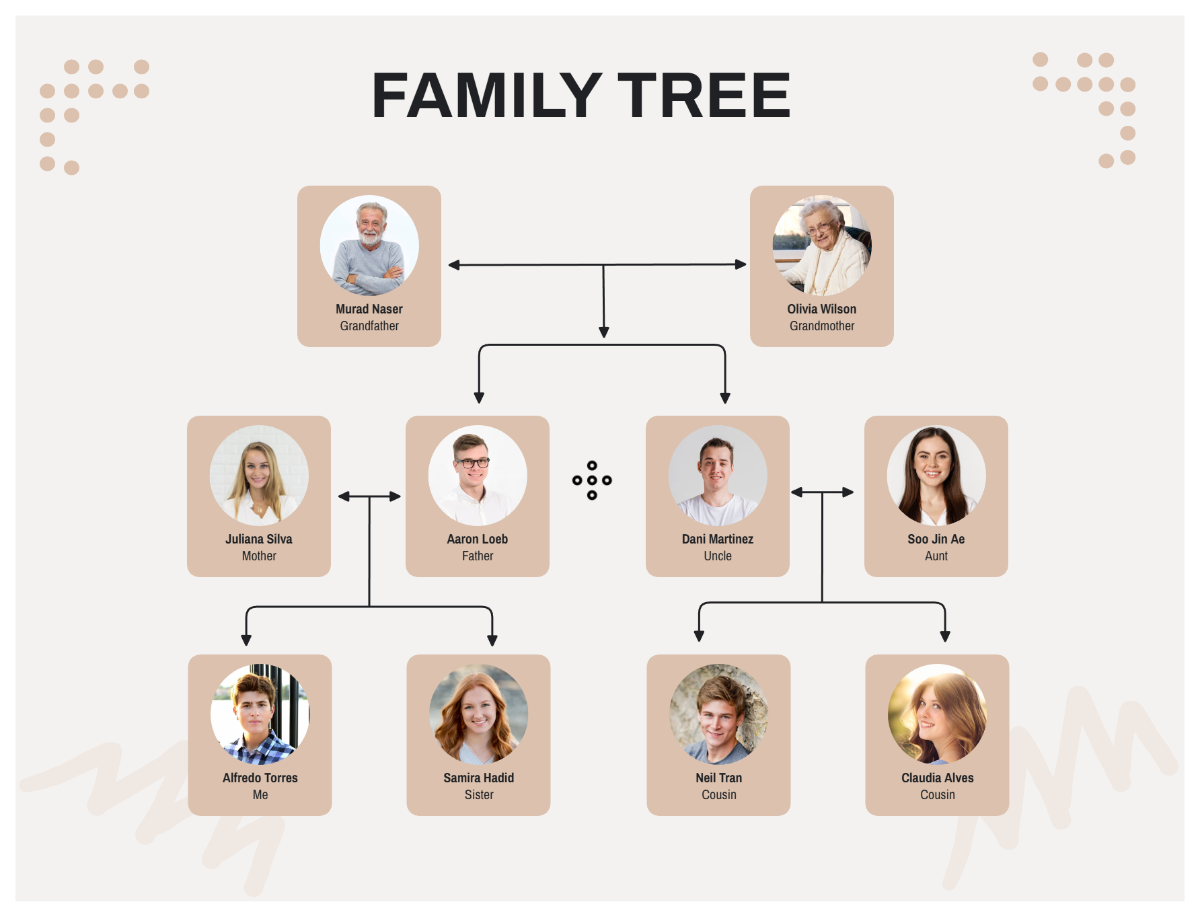
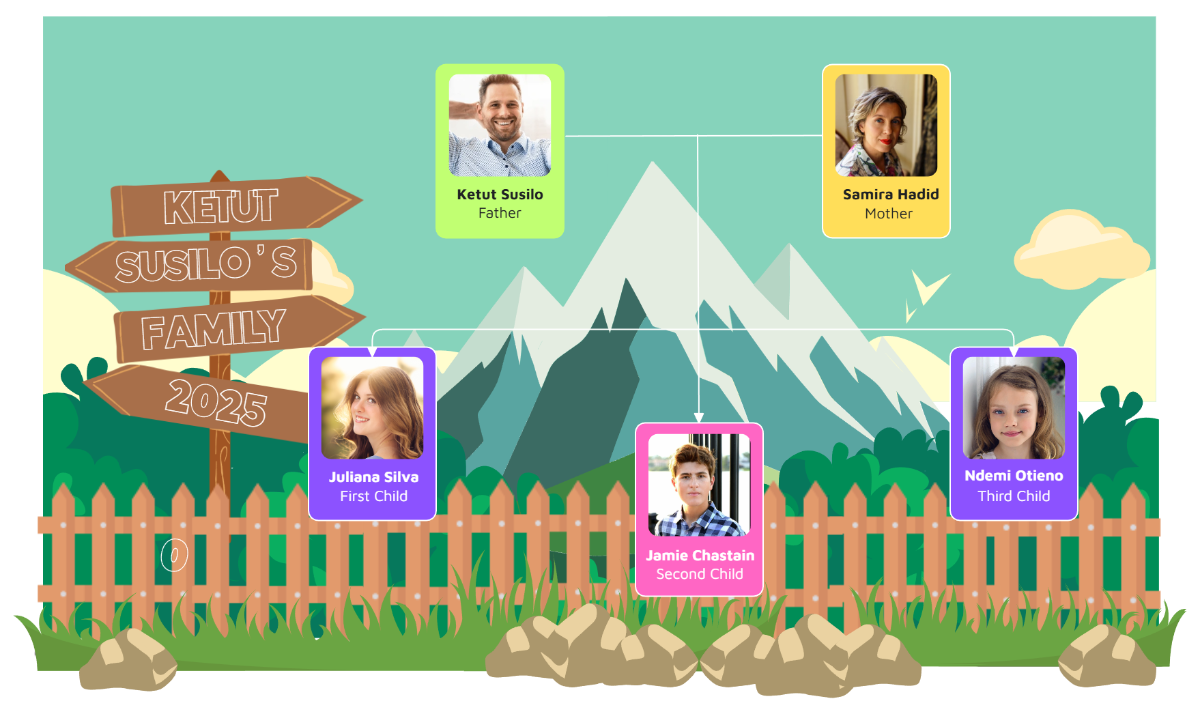
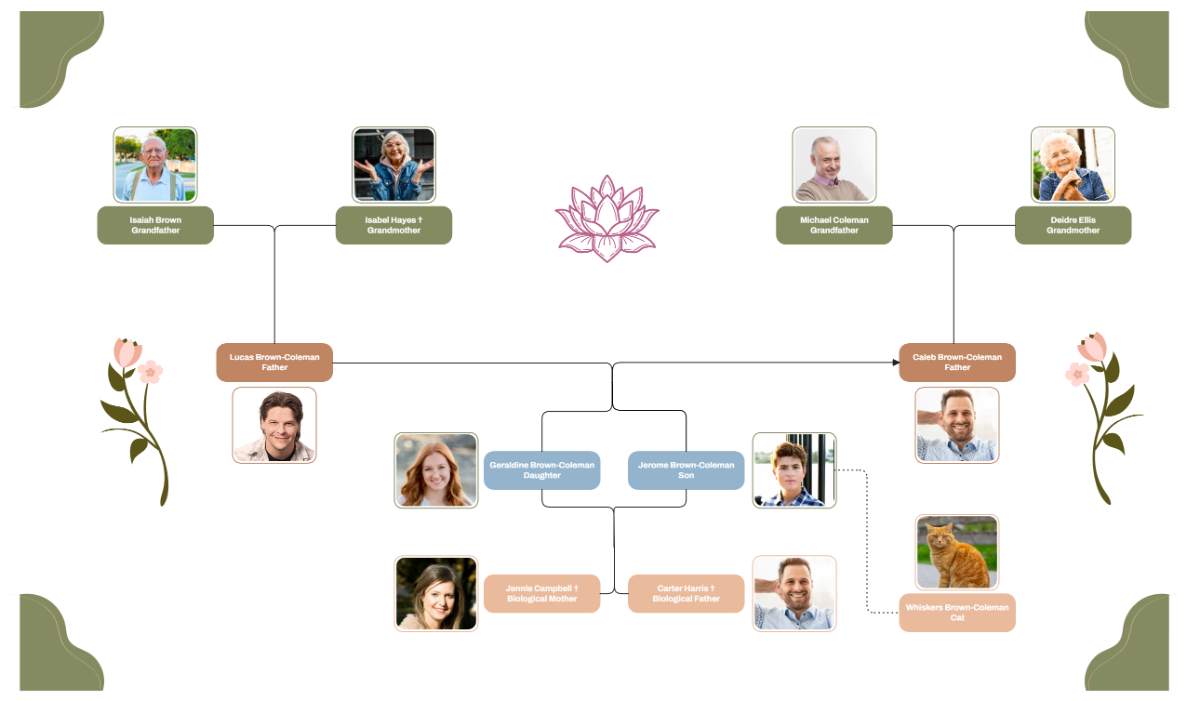
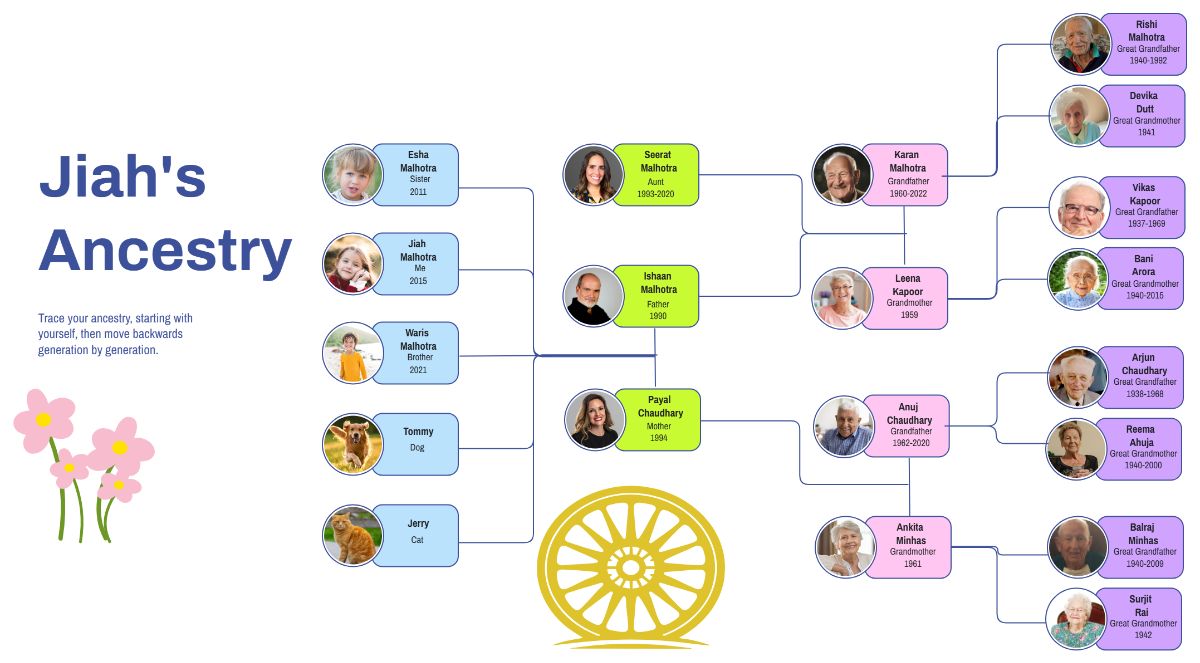
A Family Tree is a visual diagram that maps out the ancestry and relationships among family members, showing generations and lineage connections. It serves as a structured representation of your family heritage and can include names, dates, and other relevant genealogical information.
Why should I use a Family Tree?
Using a Family Tree helps you organize and visualize complex family relationships and history clearly. It aids in preserving genealogical data, understanding familial connections, and facilitating communication during family research or heritage presentations.
Who uses Family Trees?
Family Trees are used by genealogists, historians, educators, students, and families interested in documenting their ancestry. They also assist researchers and legal professionals who require clear visualizations of lineage and inheritance for various purposes.
What are the best tips for completing my Family Tree?
To complete your Family Tree effectively, consider these tips:
- Start with yourself – Begin by adding your immediate family members.
- Verify information – Confirm names and dates with official records.
- Include multiple generations – Trace back as far as available data allows.
- Use consistent formatting – Maintain visual clarity and uniformity.
- Incorporate photographs – Add images for better identification.
- Document sources – Note where information was obtained.
- Utilize branches – Separate family branches visually for clarity.
- Regularly update – Keep the tree current with new findings.
- Collaborate – Work with relatives to gather accurate data.
- Preserve copies – Save backups digitally and physically.
What file formats can I download for my Family Tree?
Template.net whiteboard templates for Family Tree support multiple export formats for collaboration and sharing, including Apple Pages, Excel, Apple Numbers, PDF, Word, Google Docs, Illustrator, and Apple Keynote.
Can I create a Family Tree using AI?
Template.net provides an AI-powered tool that generates new Family Tree structures from prompts, helping you quickly create visual genealogical charts. You can access this feature through the Family Tree Maker.
What essential elements should be included in my Family Tree?
Essential elements for a Family Tree include:
- Individual names – Full names of family members.
- Relationships – Connections showing parentage and marriage.
- Dates – Birth, marriage, and death dates where possible.
- Generational hierarchy – Clear levels to indicate ancestry order.
- Photographs or icons – Visual identifiers for individuals.
- Locations – Birthplaces or residence details.
- Notes – Additional relevant biographical information.
- Sources – Citations for genealogical data.
- Branches – Distinct family lines separated visually.
- Legends or keys – Explanation of symbols or colors used.
What are the benefits of using Family Tree in my team collaboration workflow?
Using a Family Tree in your team collaboration workflow enhances understanding of shared heritage or project lineage. It improves communication by visually mapping connections, fosters collective knowledge building, and allows multiple users to contribute and update genealogical data seamlessly.
What structural standards should my Family Tree follow?
Your Family Tree should follow structural standards that ensure visual hierarchy and clarity. This includes consistent spacing between generations, clear directional flow from ancestors to descendants, uniform shapes or icons for individuals, and color coding or labels to differentiate family branches.
