


100+ Fun Facts About Me You Can Use in Any Situation
Being asked to share a “fun fact about me” is one of those moments that sounds simple but often feels…
Jan 19, 2026


Jan 19, 2026
Being asked to share a “fun fact about me” is one of those moments that sounds simple but often feels surprisingly difficult. It appears in job interviews, classrooms, team meetings, onboarding sessions, networking events, and even casual social conversations.
The challenge isn’t that people lack interesting qualities it’s that they’re unsure what kind of information is appropriate for the situation they’re in.
This guide solves that problem by explaining how fun facts work, why they’re used, and how to choose the right one, followed by 120+ templates you can adapt naturally.
A fun fact about you is a short, personal statement that reveals something relatable, memorable, or lightly interesting about who you are. It’s not meant to impress or overshare. Instead, it helps others quickly understand you beyond your name or role.
Fun facts are commonly used in:
A strong fun fact usually has three characteristics:
Fun facts are often the starting point of communication, but many situations require turning that first impression into a more structured message. Whether it’s a follow-up email, a professional introduction, or a formal note, clarity and tone matter. An AI Letter Maker helps transform personal details, strengths, and intentions into clear, well-structured letters while maintaining a professional and approachable voice.
Fun facts exist for one main reason: they lower social friction.
When people meet for the first time, conversations often feel awkward or overly formal. A fun fact gives everyone something neutral to respond to, making the interaction feel more human.
In different contexts, they serve different purposes:
Used correctly, fun facts don’t distract they build connection.
Choosing the right fun fact often comes down to understanding how you want to be perceived. The same awareness is required when writing personal statements for interviews, education, or career growth. An AI Personal Statement Maker can help readers organize their values, habits, and goals into a concise narrative that feels natural, thoughtful, and aligned with the context.
The best fun fact depends entirely on context. A statement that works at a party may not work in a job interview.
If a fact feels comfortable to say out loud, it’s usually a good choice.
Below are 120 fun facts, grouped by use case, so you can quickly find one that fits your situation.
1. I’m more productive at night than in the morning
2. I enjoy quiet spaces more than crowded ones
3. I prefer walking over driving whenever possible
4. I remember song lyrics better than names
5. I enjoy routines and structure
6. I rarely watch television
7. I like learning things just out of curiosity
8. I’m usually early rather than late
9. I enjoy listening more than talking
10. I like planning things ahead of time
11. I enjoy simple daily habits
12. I prefer consistency over surprises
13. I like working at my own pace
14. I enjoy calm environments
15. I’m happiest when things are organized
16. I enjoy spending time alone to recharge
17. I like finishing tasks in one sitting
18. I enjoy long-form content more than short clips
19. I’m more focused in quiet settings
20. I enjoy learning how things work
21. I rehearse conversations in my head
22. I laugh at my own jokes
23. I reread messages before sending them
24. I open the fridge even when I know it’s empty
25. I forget why I opened a new browser tab
26. I save memes and forget to send them
27. I set multiple alarms just in case
28. I overthink simple decisions
29. I trip over nothing sometimes
30. I rewatch familiar shows instead of starting new ones
31. I Google things I already know
32. I check notifications without replying
33. I talk to myself when I’m focused
34. I misplace things while holding them
35. I practice explanations out loud
36. I overprepare for simple situations
37. I remember random details but forget important ones
38. I make mental to-do lists I never write down
39. I double-check things I already checked
40. I accidentally skip songs I like
41. My first job taught me responsibility early
42. I enjoy improving existing systems
43. I work best with clear goals
44. I’m naturally detail-oriented
45. I like solving problems more than delegating
46. I learn best by doing
47. I value clear communication
48. I enjoy working independently
49. I like turning feedback into action
50. I’m comfortable managing my own time
51. I enjoy learning tools outside my role
52. I prefer structure over ambiguity
53. I’m known for being reliable
54. I like documenting processes
55. I enjoy helping teammates learn
56. I work best in focused blocks
57. I prefer thoughtful planning over rushing
58. I enjoy improving efficiency
59. I stay organized using simple systems
60. I like understanding the “why” behind tasks
61. I value consistency at work
62. I enjoy problem-solving challenges
63. I adapt quickly to new workflows
64. I prefer clarity over speed
65. I enjoy continuous learning
66. I learn best visually
67. I prefer projects over exams
68. I enjoy researching topics deeply
69. I like studying in quiet places
70. I enjoy helping classmates understand concepts
71. I prefer handwritten notes
72. I’m more focused later in the day
73. I enjoy creative assignments
74. I like organizing my study schedule
75. I enjoy independent learning
76. I like breaking big tasks into smaller steps
77. I enjoy learning outside the classroom
78. I prefer quality over quantity in studying
79. I enjoy subjects that challenge me
80. I stay organized with deadlines
81. I like learning at my own pace
82. I enjoy structured study plans
83. I learn better with examples
84. I enjoy improving weak areas
85. I like understanding concepts deeply
86. I enjoy meaningful conversations
87. I value honesty and consistency
88. I’m more of a listener than a talker
89. I enjoy calm, low-key plans
90. I appreciate small gestures
91. I value quality time
92. I enjoy learning people’s stories
93. I prefer depth over small talk
94. I enjoy thoughtful humor
95. I like shared routines
96. I’m naturally curious about people
97. I enjoy long conversations
98. I appreciate quiet moments
99. I prefer simple plans over big crowds
100. I value emotional maturity
101. I enjoy intentional time together
102. I like conversations with substance
103. I’m reflective by nature
104. I enjoy connecting through ideas
105. I value genuine communication
106. I have strong opinions about playlists
107. I enjoy working in complete silence
108. I keep notes for random ideas
109. I notice small details easily
110. I prefer depth over variety
111. I enjoy finishing what I start
112. I like systems that stay simple
113. I enjoy personal challenges
114. I’m patient with long processes
115. I enjoy slow, focused work
116. I like understanding patterns
117. I enjoy building habits
118. I prefer clarity over chaos
119. I enjoy refining things over time
120. I like thoughtful routines
Yes, when chosen thoughtfully, fun facts are not only acceptable in professional settings, they are often encouraged. Many organizations use fun facts during interviews, onboarding sessions, team introductions, and workshops because they help create a more comfortable and human environment.
In a workplace context, a fun fact should support your professional image, not distract from it. The goal is to appear approachable while still demonstrating good judgment.
The safest types of professional fun facts usually focus on:
For example, mentioning that you enjoy improving systems, learning new tools, or working in focused blocks subtly communicates strengths without sounding boastful.
What matters most is relevance and tone. A professional fun fact should feel like a natural extension of how you work or think—not a personal confession or an attempt to be funny at all costs.
When in doubt, ask yourself:
If the answer is yes, the fun fact is likely appropriate.
When fun facts are used professionally, they often overlap with how people present themselves on resumes and profiles. Small details about work habits, learning style, or reliability can subtly strengthen a professional image. For readers who want help turning these traits into formal career content, an AI Resume Maker can help structure strengths, skills, and personality into a clean, professional resume without sounding forced or overly casual.
Even though fun facts are meant to be casual, there are a few common mistakes that can weaken their impact or create the wrong impression.
This is the most common mistake. It often comes across as disengaged or unprepared, even if that’s not your intention. Everyone has habits, preferences, or experiences that can be framed as a fun fact—you don’t need something extraordinary.
Fun facts are not meant to be deeply personal disclosures. Topics involving health, finances, relationships, trauma, or controversial beliefs can make others uncomfortable, especially in professional or group settings.
Inventing or exaggerating a fun fact may seem harmless, but it can backfire if follow-up questions arise. Authentic, simple facts are far more effective than dramatic or unbelievable ones.
A fun fact should be brief and clear. If it requires a long explanation, it stops being an icebreaker and starts becoming a monologue. One or two sentences is usually enough.
Statements that focus on personal flaws, frustrations, or complaints can unintentionally create a negative tone. Fun facts should feel neutral or positive, even if they are humorous.
A fun fact doesn’t need to be impressive, rare, or unique—it just needs to be honest, appropriate, and easy to share. In most situations, simple details about how you think, work, or spend your time are more engaging than dramatic stories.
When framed correctly, fun facts help reduce awkwardness, encourage conversation, and make introductions feel more natural. By choosing facts that fit the context and reflect your personality, you can turn even everyday details into meaningful conversation starters.
Keep a few ideas in mind, adapt them to the situation, and you’ll always be ready when the question comes up.
Being asked to share a “fun fact about me” is one of those moments that sounds simple but often feels…
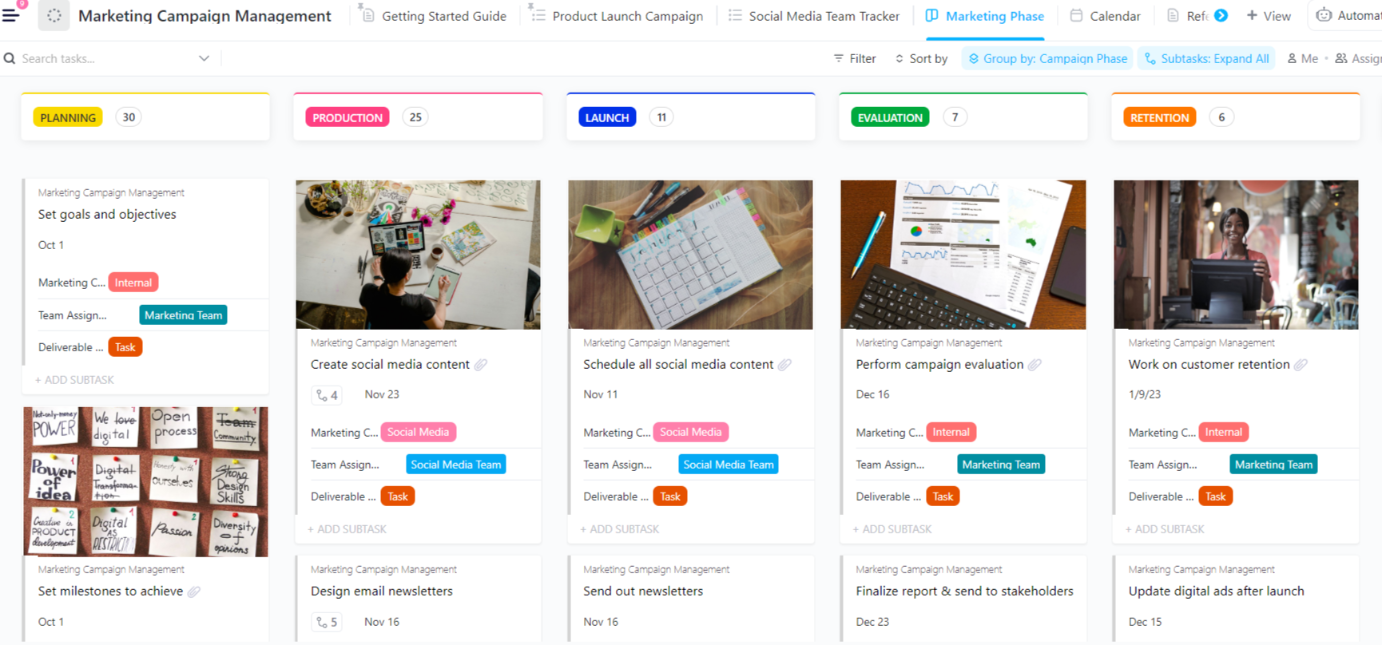
Staying organized and productive is easier when you have the right tools—and ClickUp templates make it effortless. Whether you’re managing…

In need of a simple, easy, and effective way to communicate with your customers? If so, then a flyer made…
![How to Make/Create a Receipt in Microsoft Word [Templates + Examples] 2026](https://images.template.net/wp-content/uploads/2021/09/How-to-Make-a-Receipt-on-Word-788x428.jpg)
Receipt templates are important documents used as proof of sale or to transfer ownership from one party to another. Business…
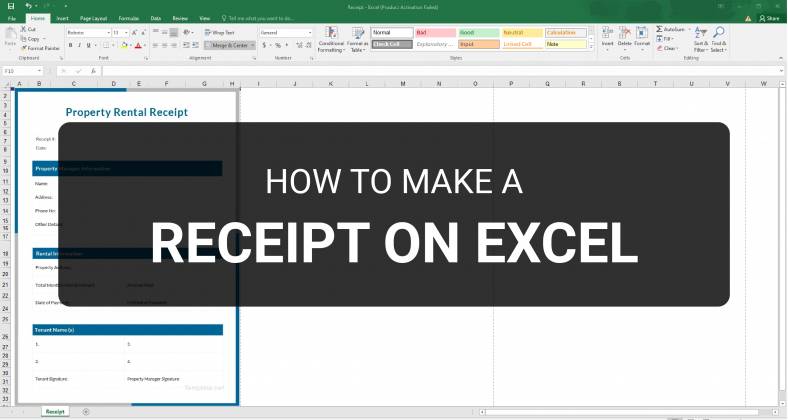
Receipts are necessary documents for selling merchandise or services to clients. These pieces of paper are proof of financial transactions…
![How to Make/Create a Lesson Plan Template in Microsoft Word [Templates + Examples] 2023](https://images.template.net/wp-content/uploads/2021/09/How-to-Create-a-Lesson-Plan-Template-in-Word-788x429.jpg)
A lesson plan as its name suggests is a detailed description of the lessons that a learning instructor aims to…
![How to Make/Create a Mind Map in Microsoft Word [Templates + Examples] 2026](https://images.template.net/wp-content/uploads/2021/09/How-to-Make-a-Mind-Map-in-Microsoft-Word-Step-1.jpg)
A mind map is a visual representation of interconnected ideas showing the relationship between each concept. Mind mapping is used…
![How to Make/Create a Schedule in Microsoft Word [Templates + Examples] 2026](https://images.template.net/wp-content/uploads/2021/09/How-To-Create_Build-a-Schedule-in-Microsoft-Word-788x443.jpg)
Schedules are important tools for time management that can be used by individuals and organizations alike. This provides users with…
![How to Make/Create a Family Tree in Google Docs [Templates + Examples] 2026](https://images.template.net/wp-content/uploads/2021/09/How-To-Create_Build-a-Family-Tree-in-Google-Docs-788x443.jpg)
A family tree is a type of visual structure that shows the relationship between one individual to another. It is…