
Free Anatomy Templates

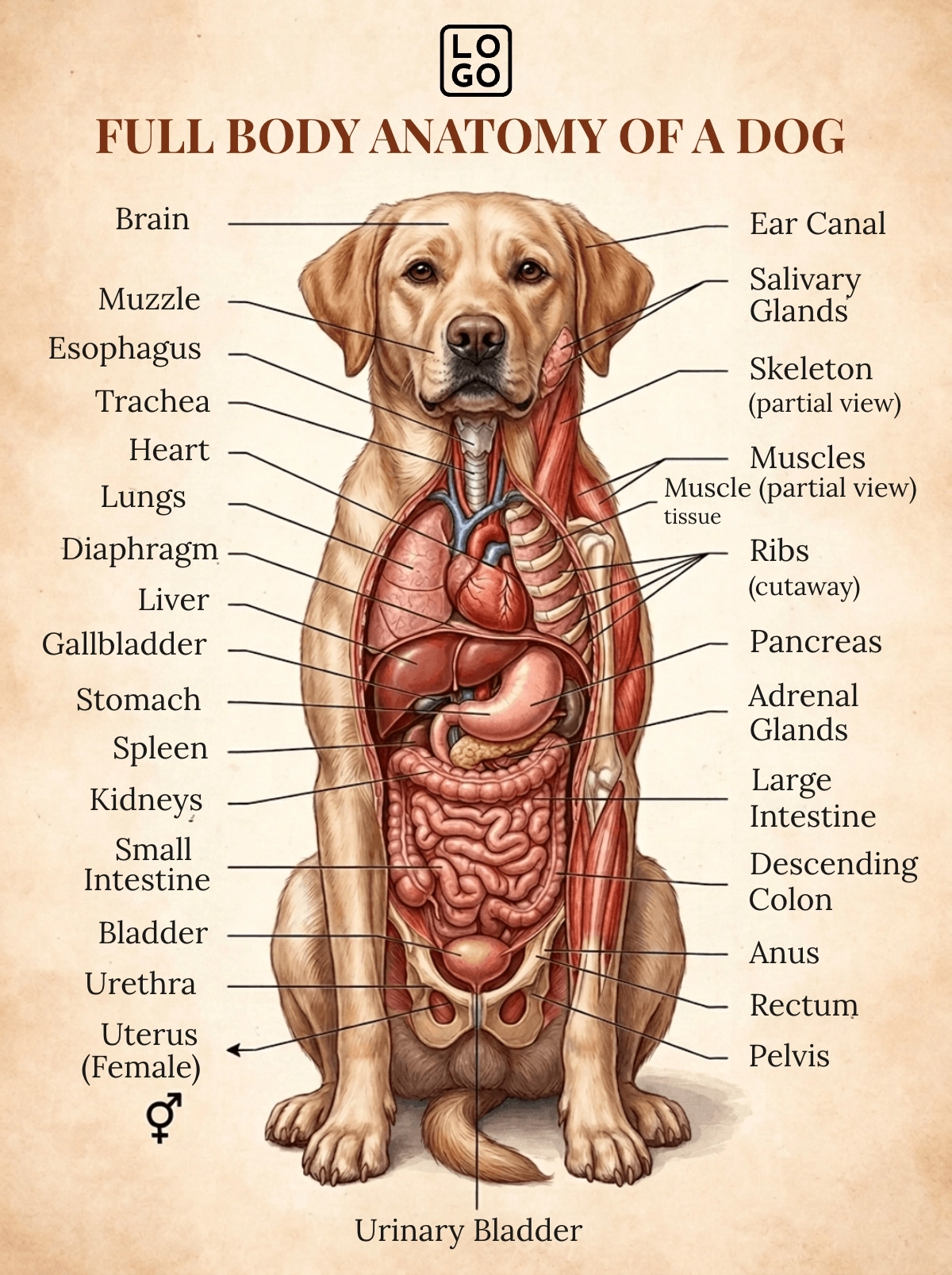
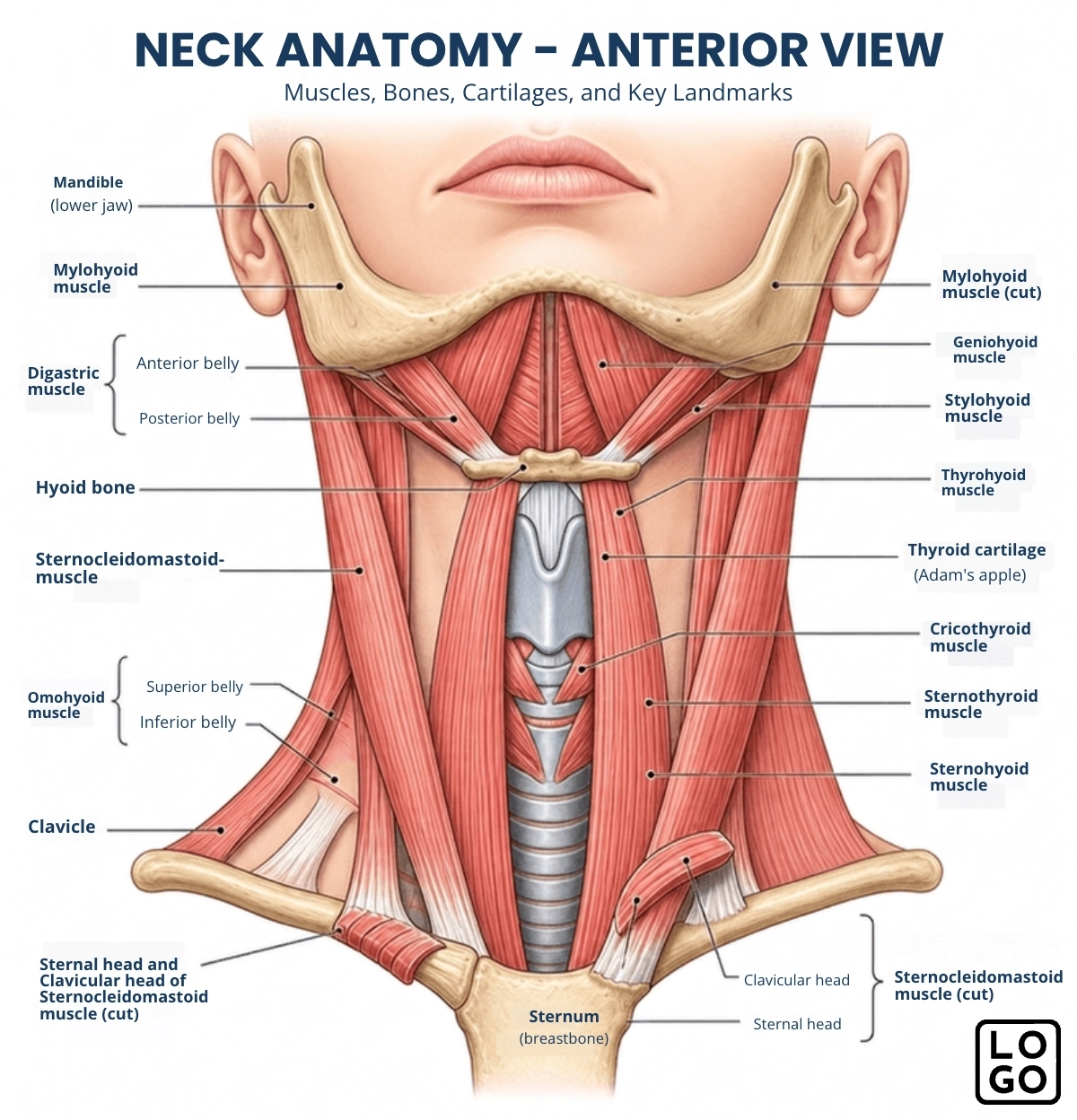
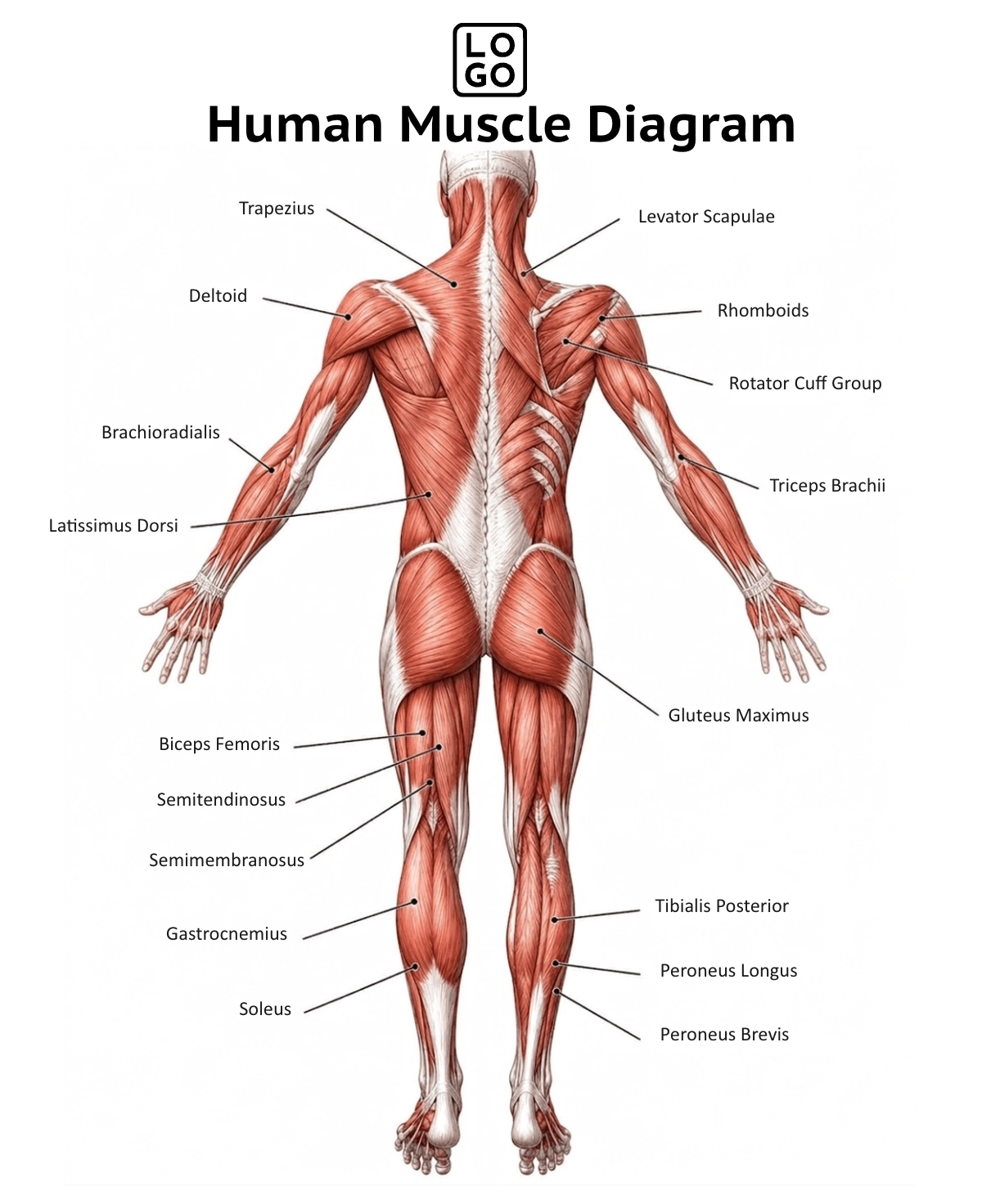
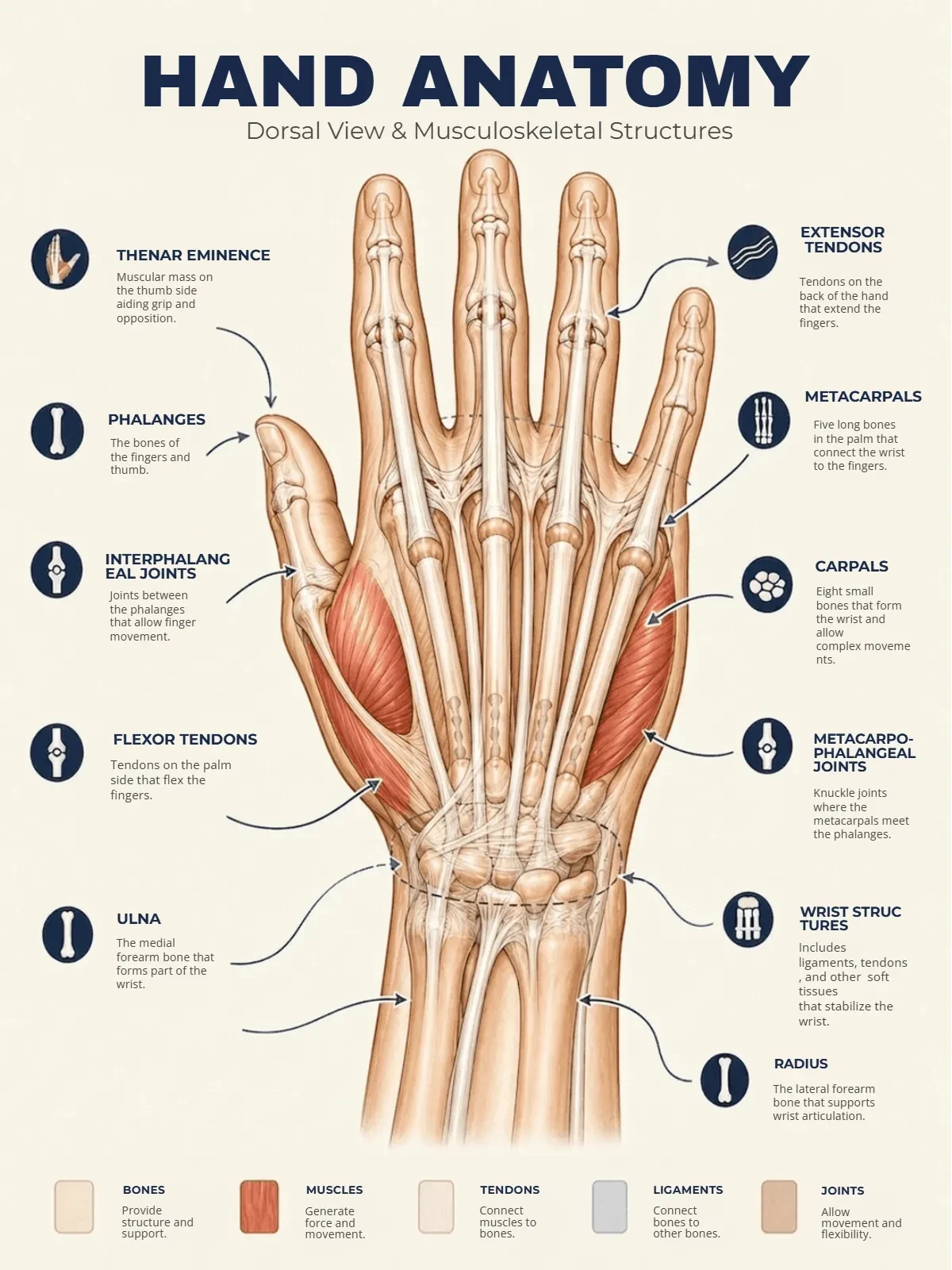
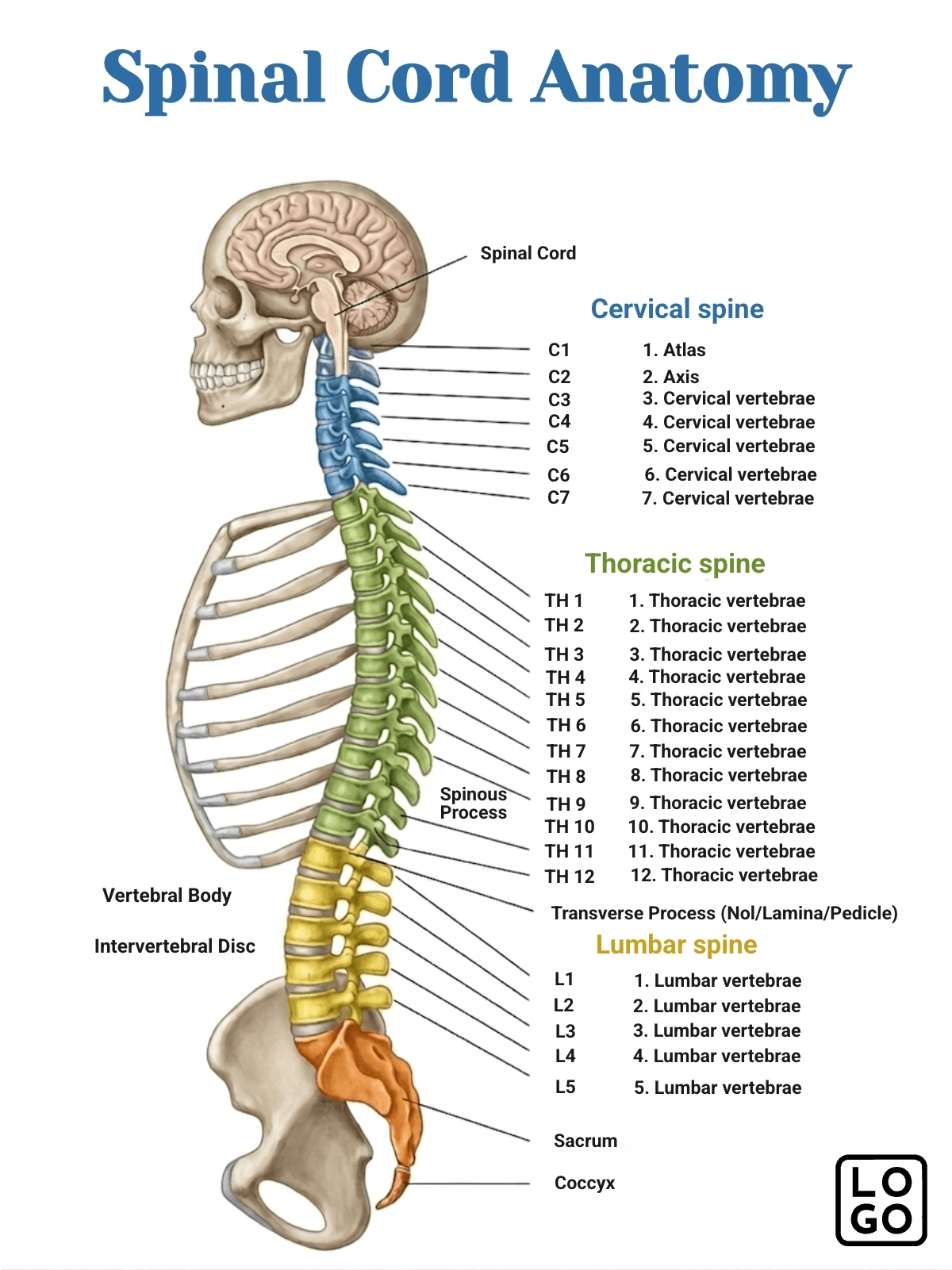
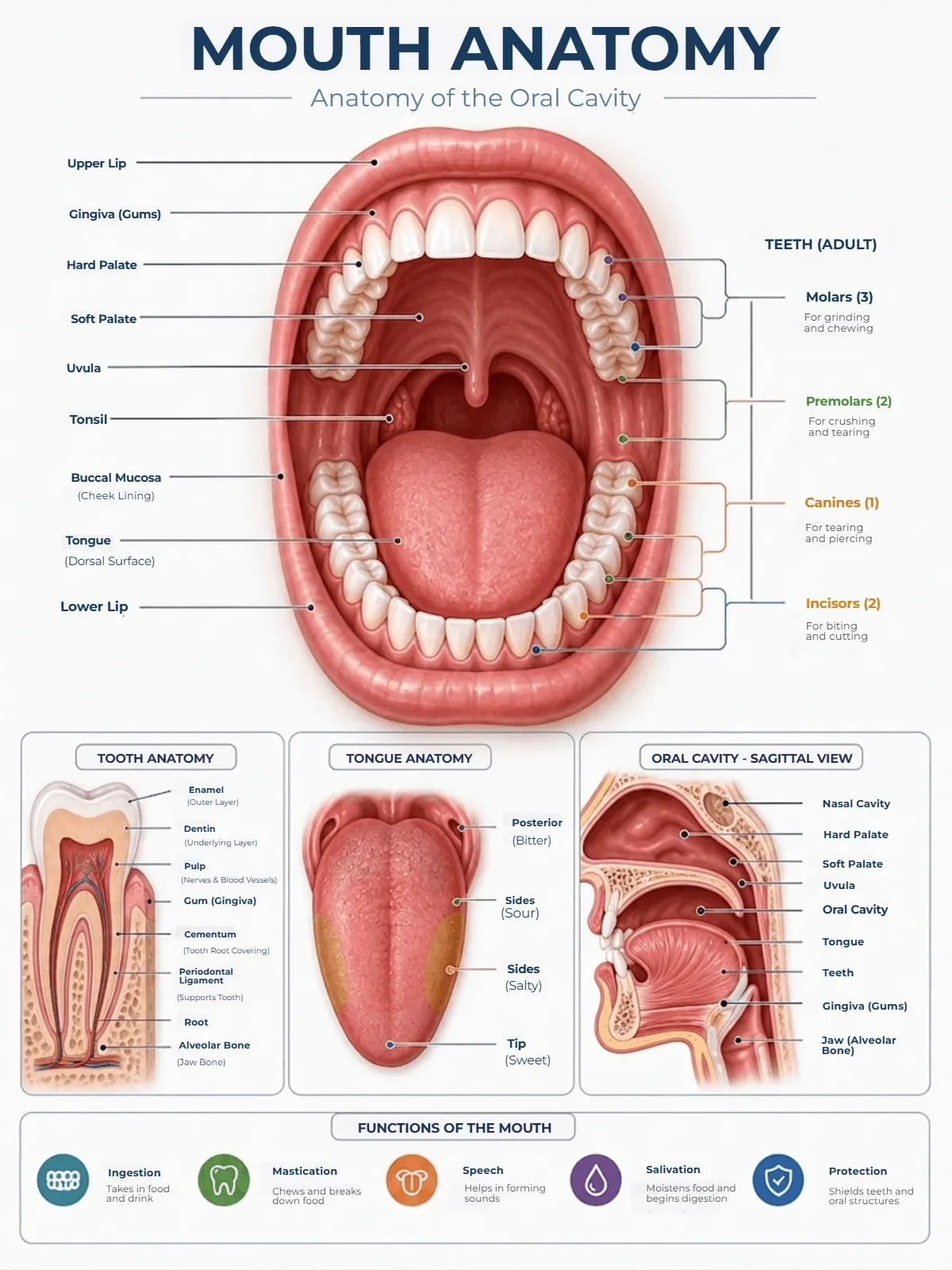
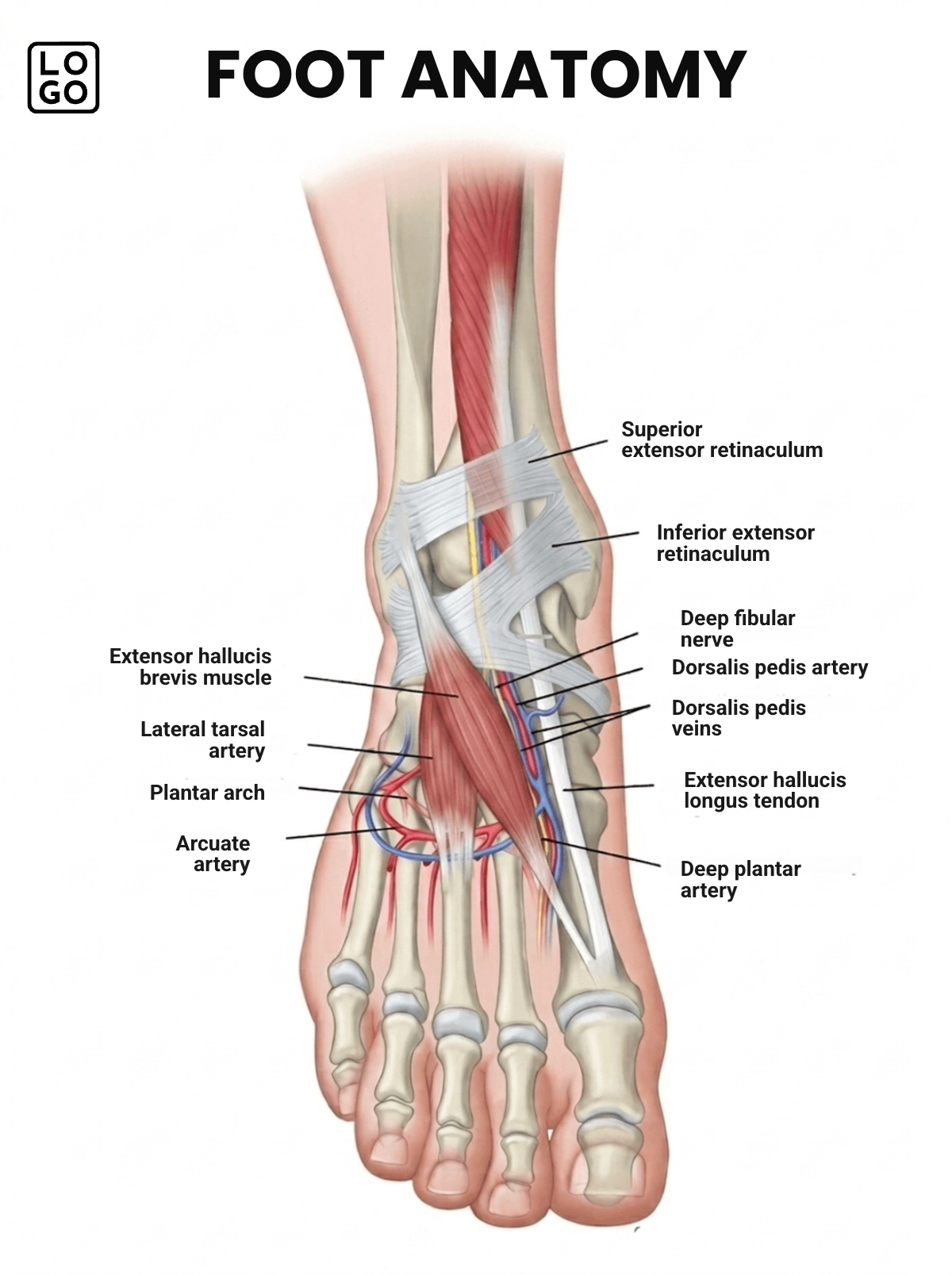
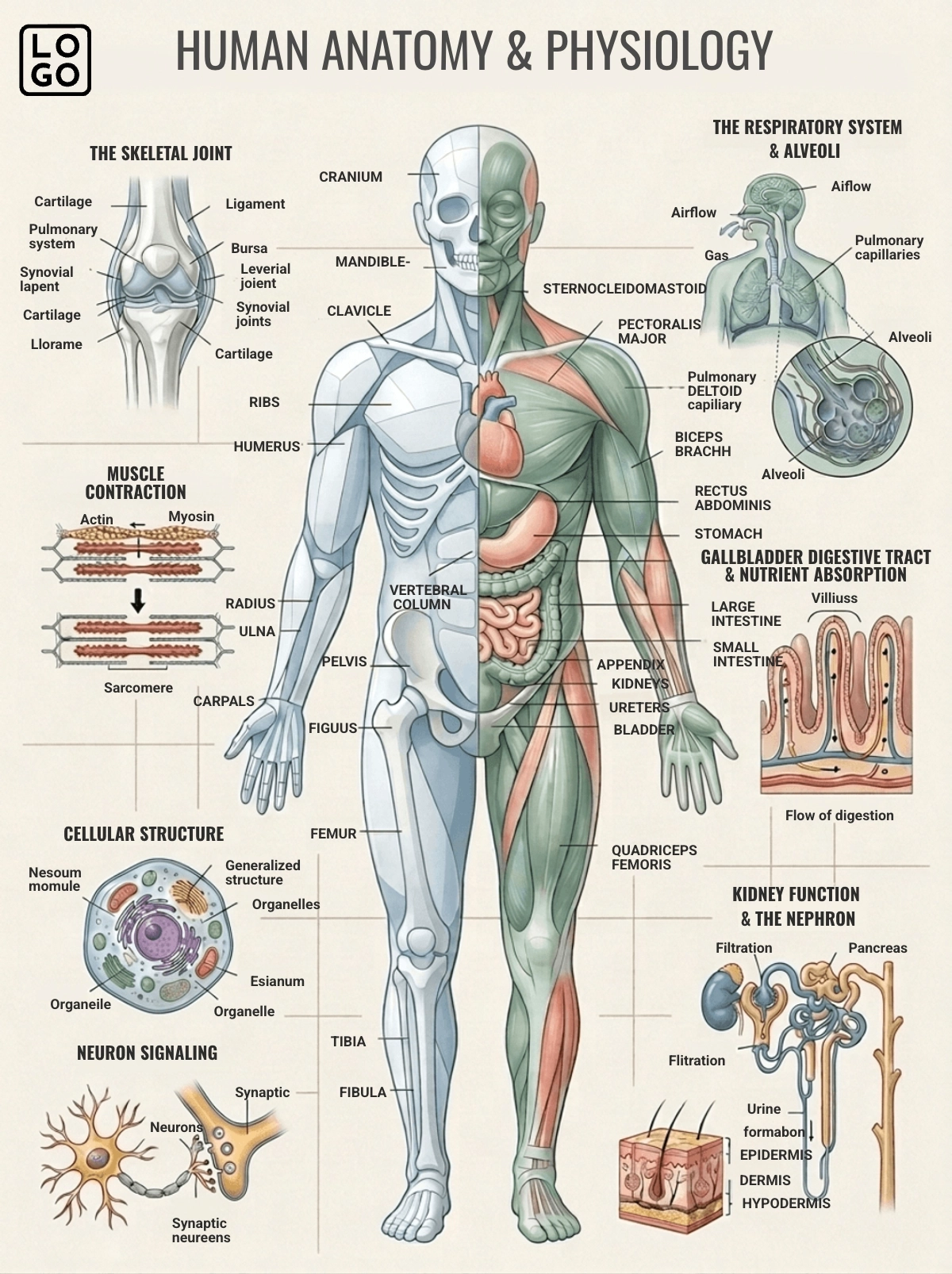
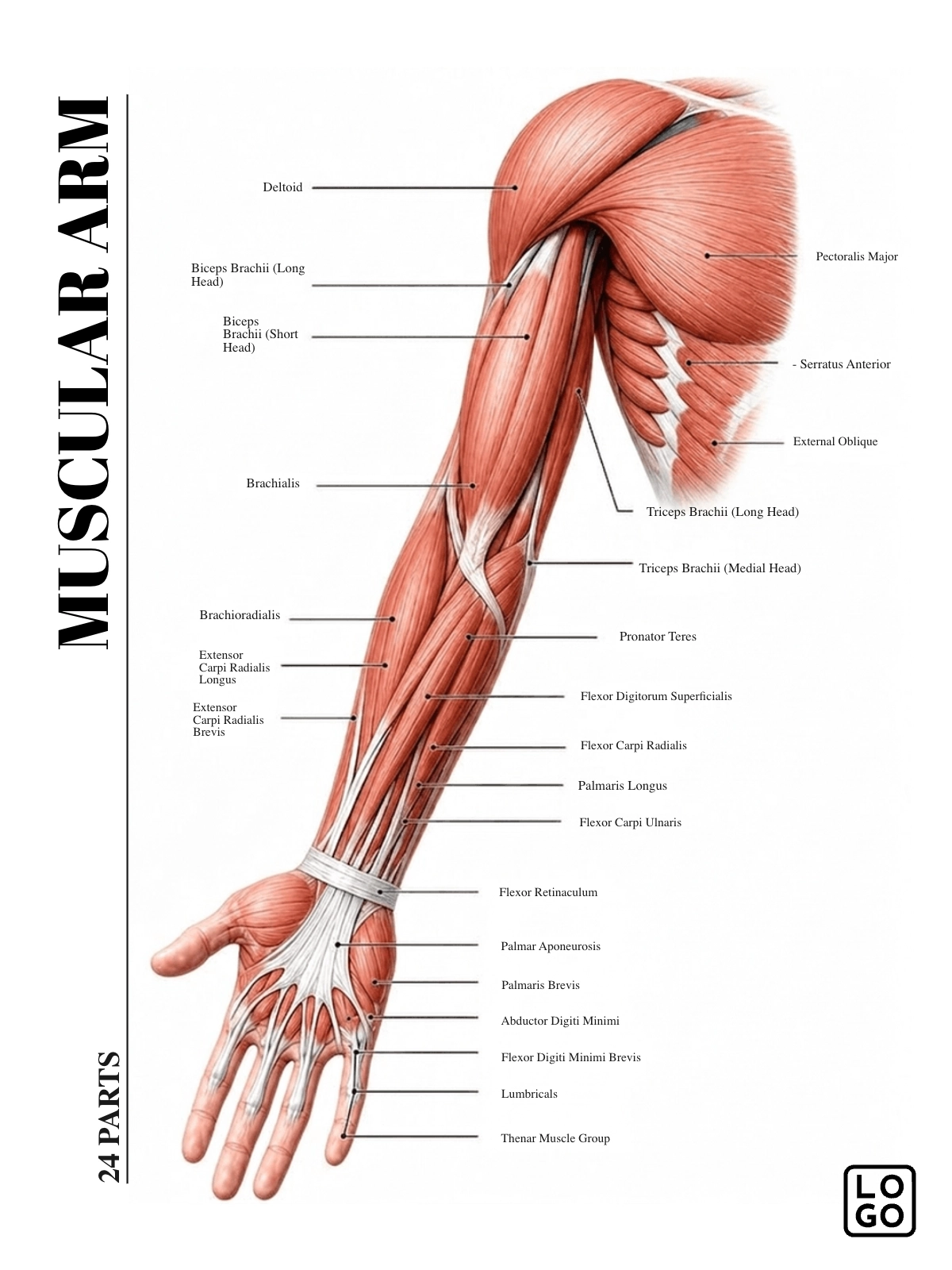
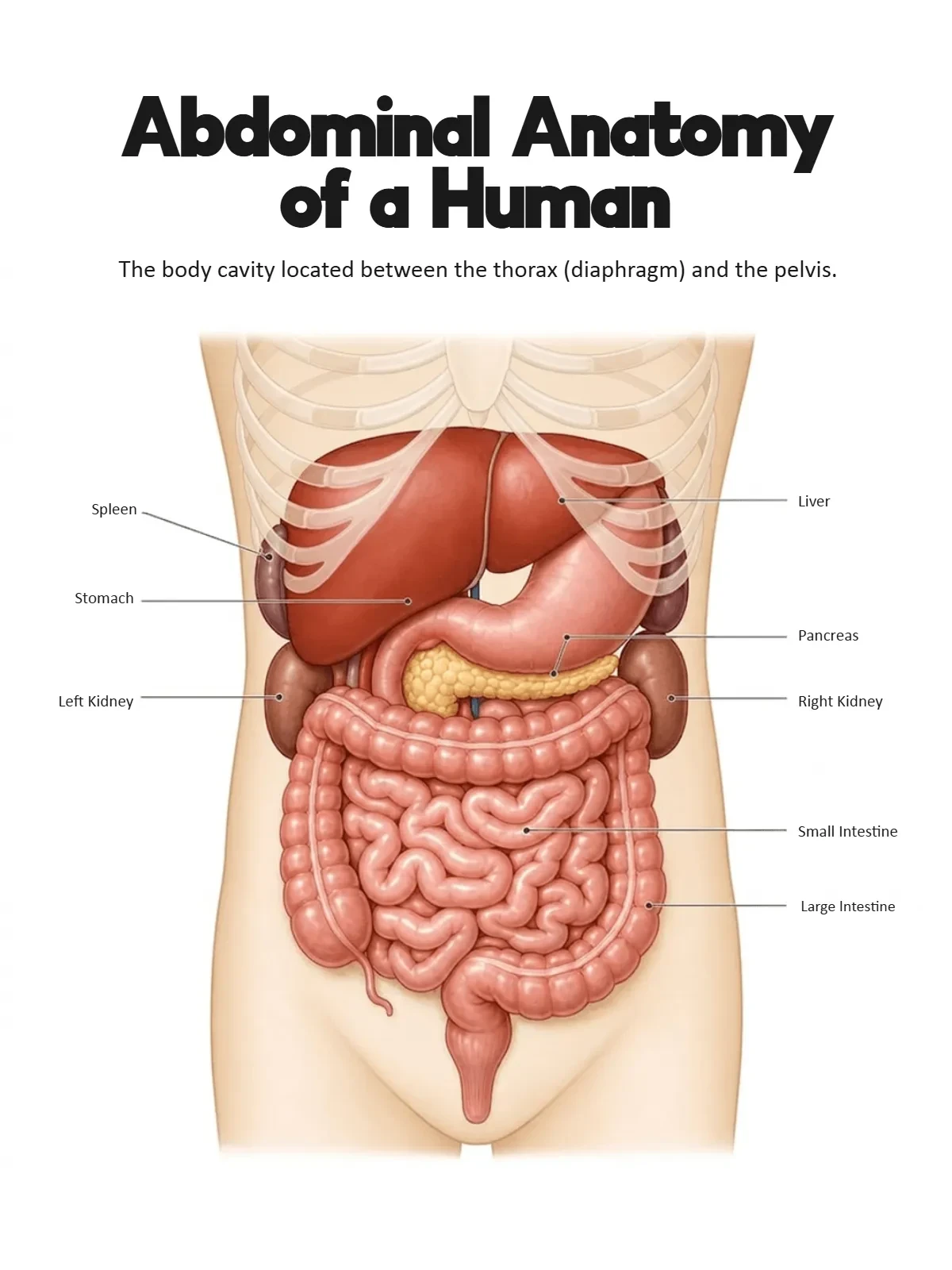
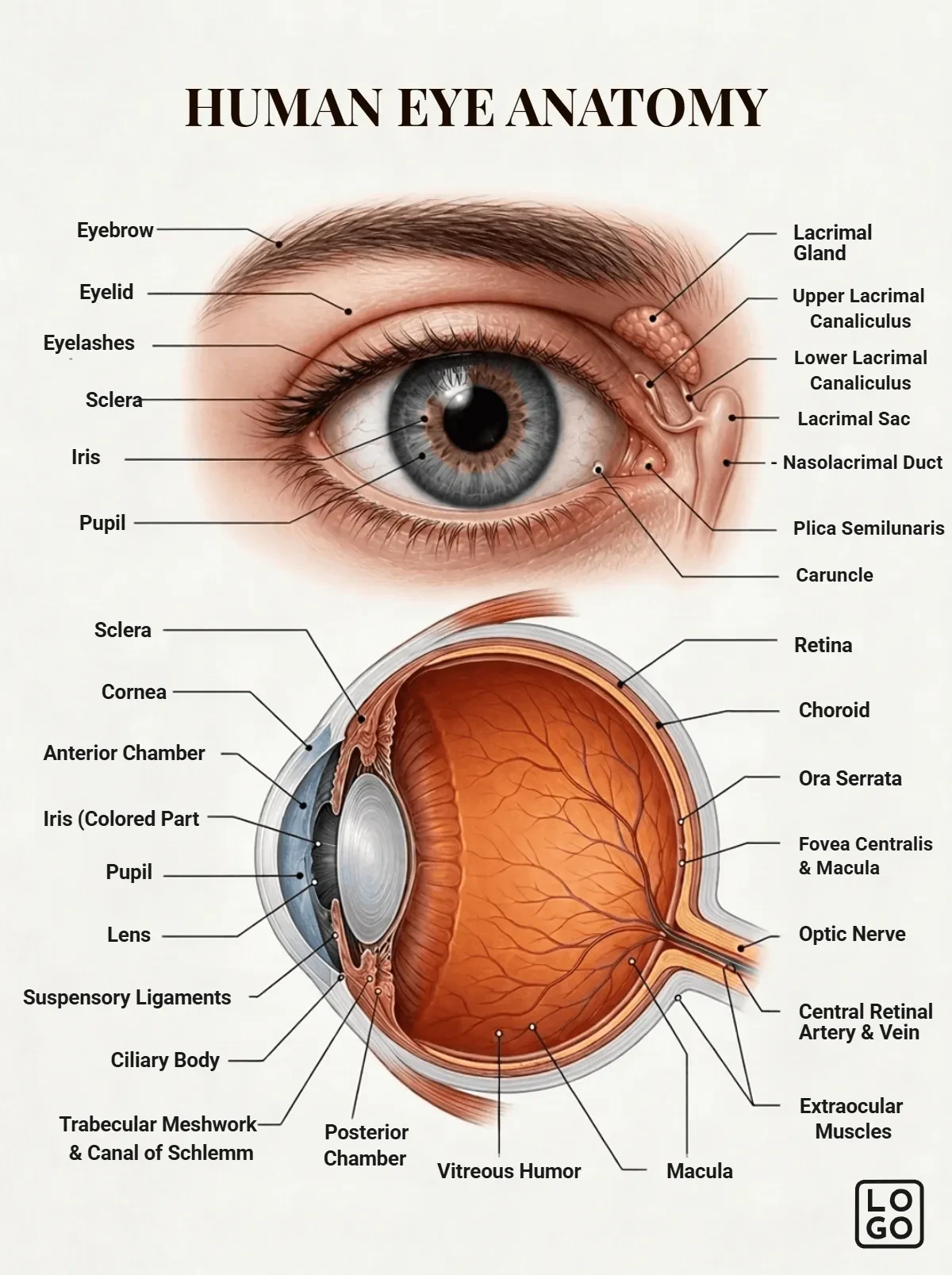
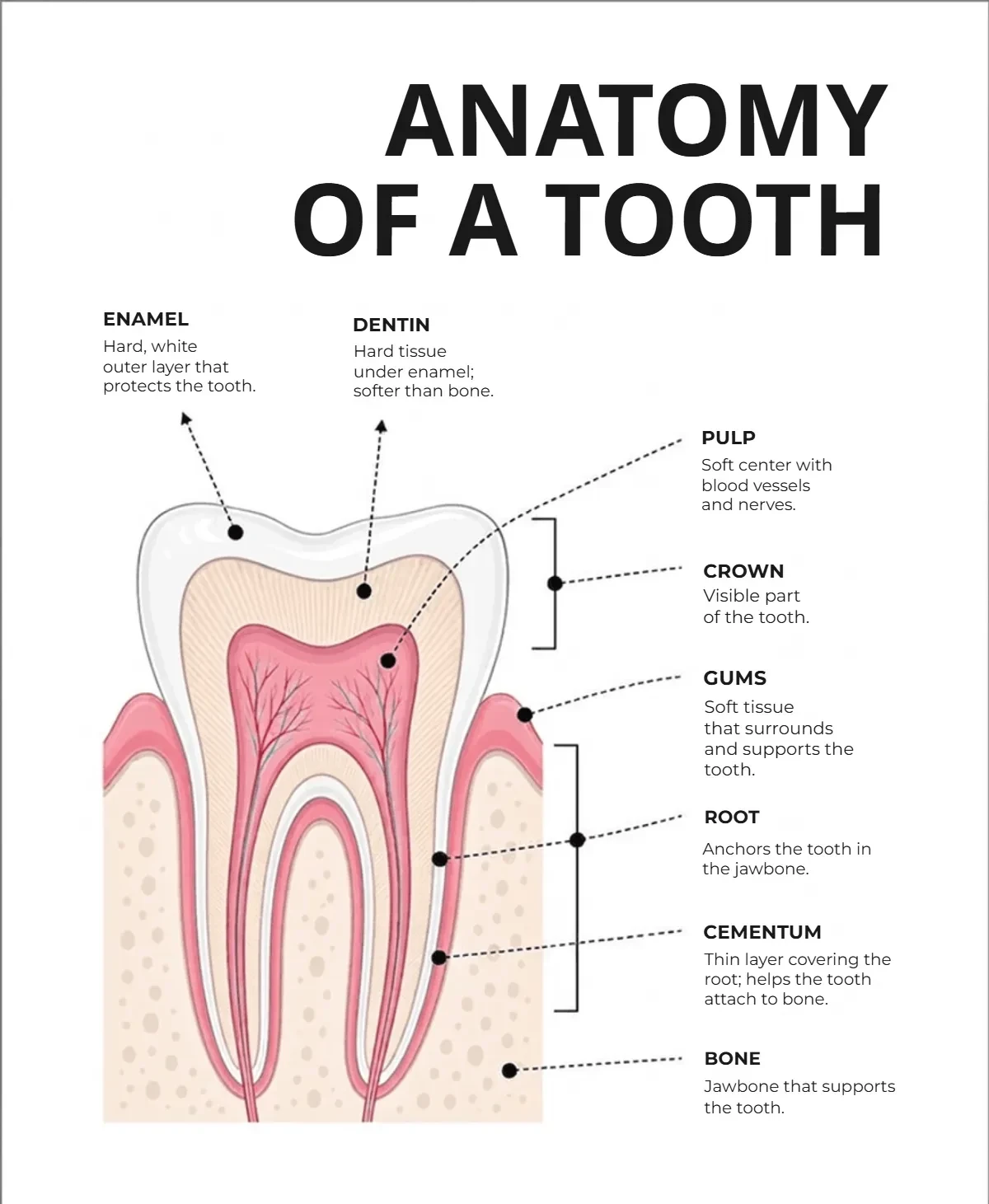
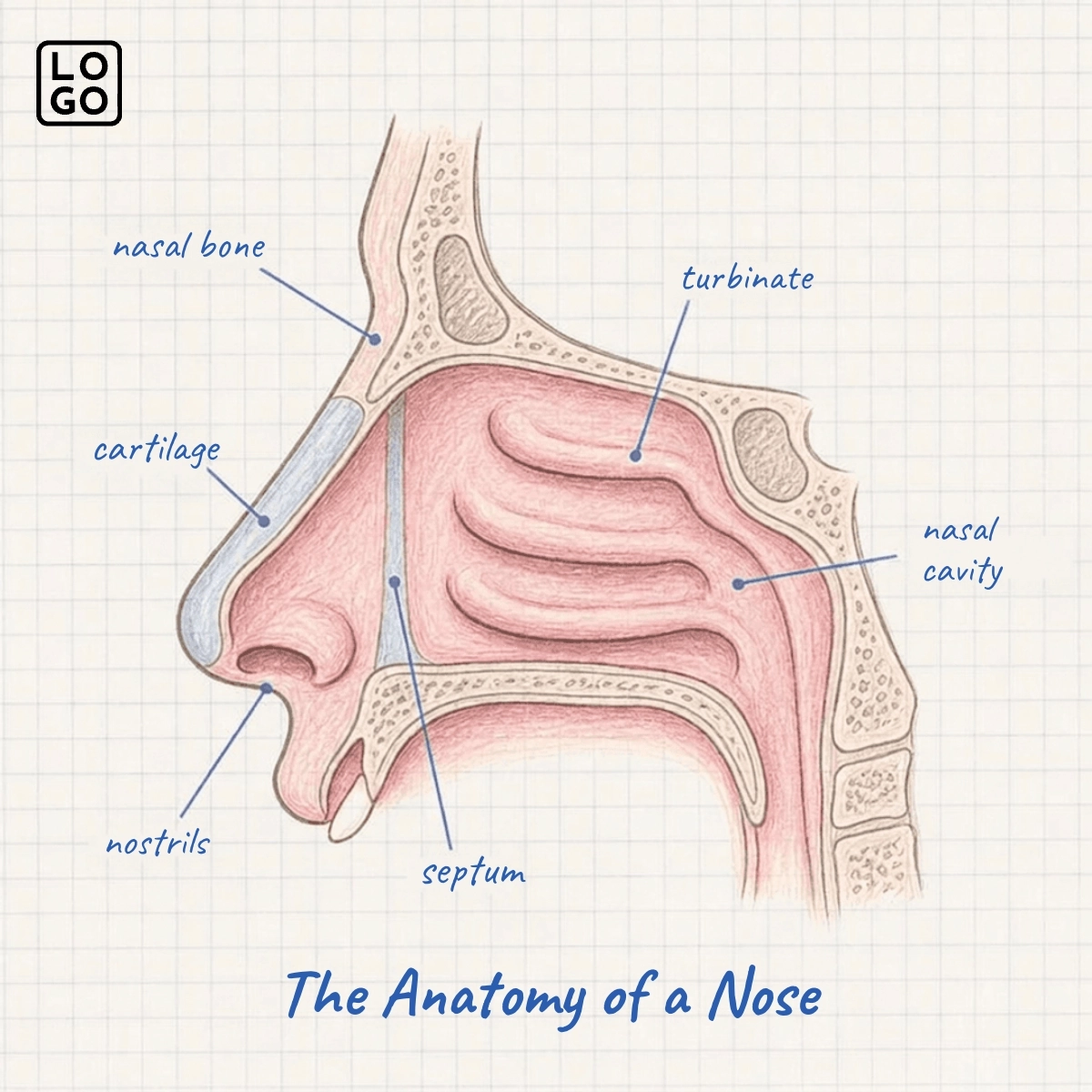
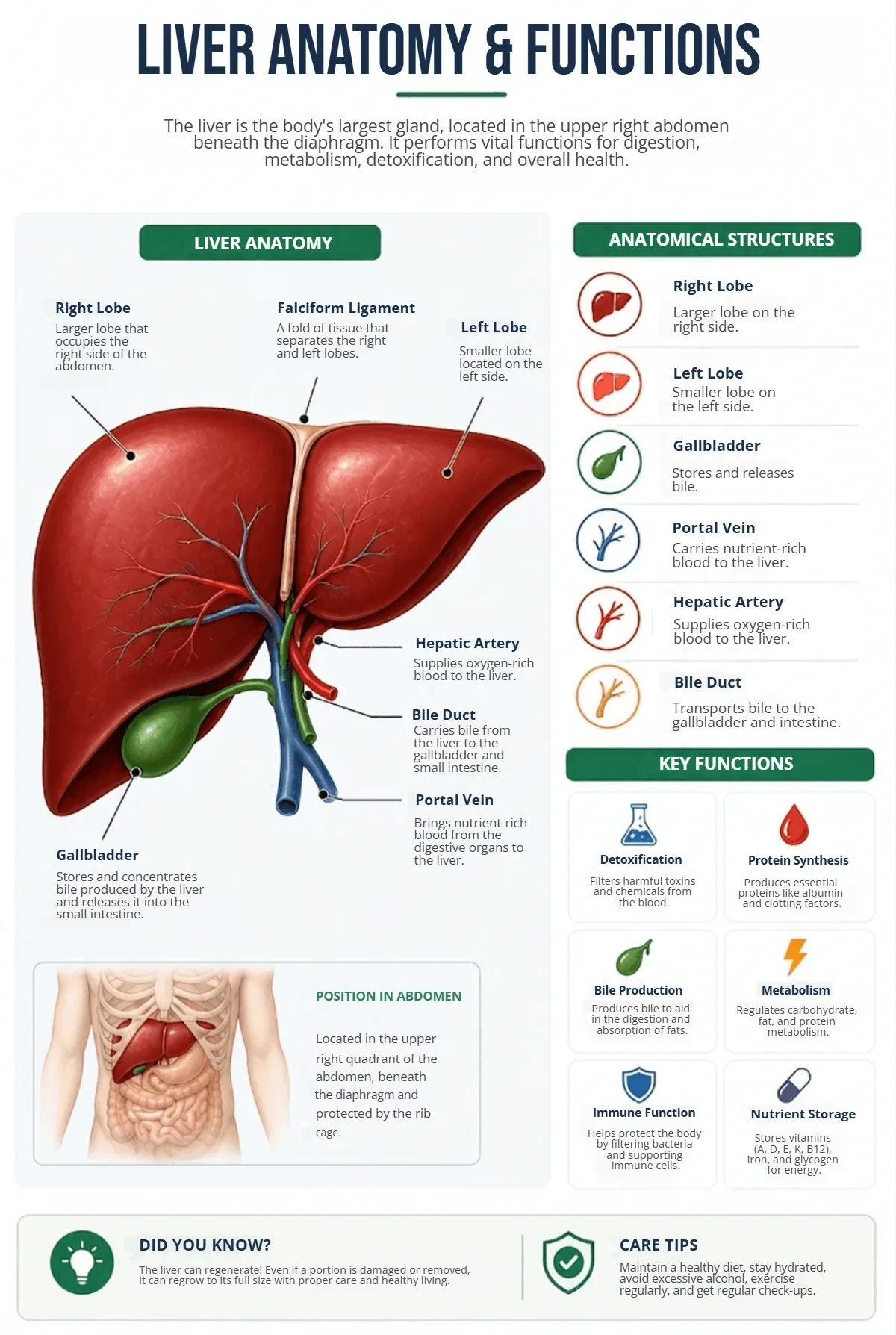
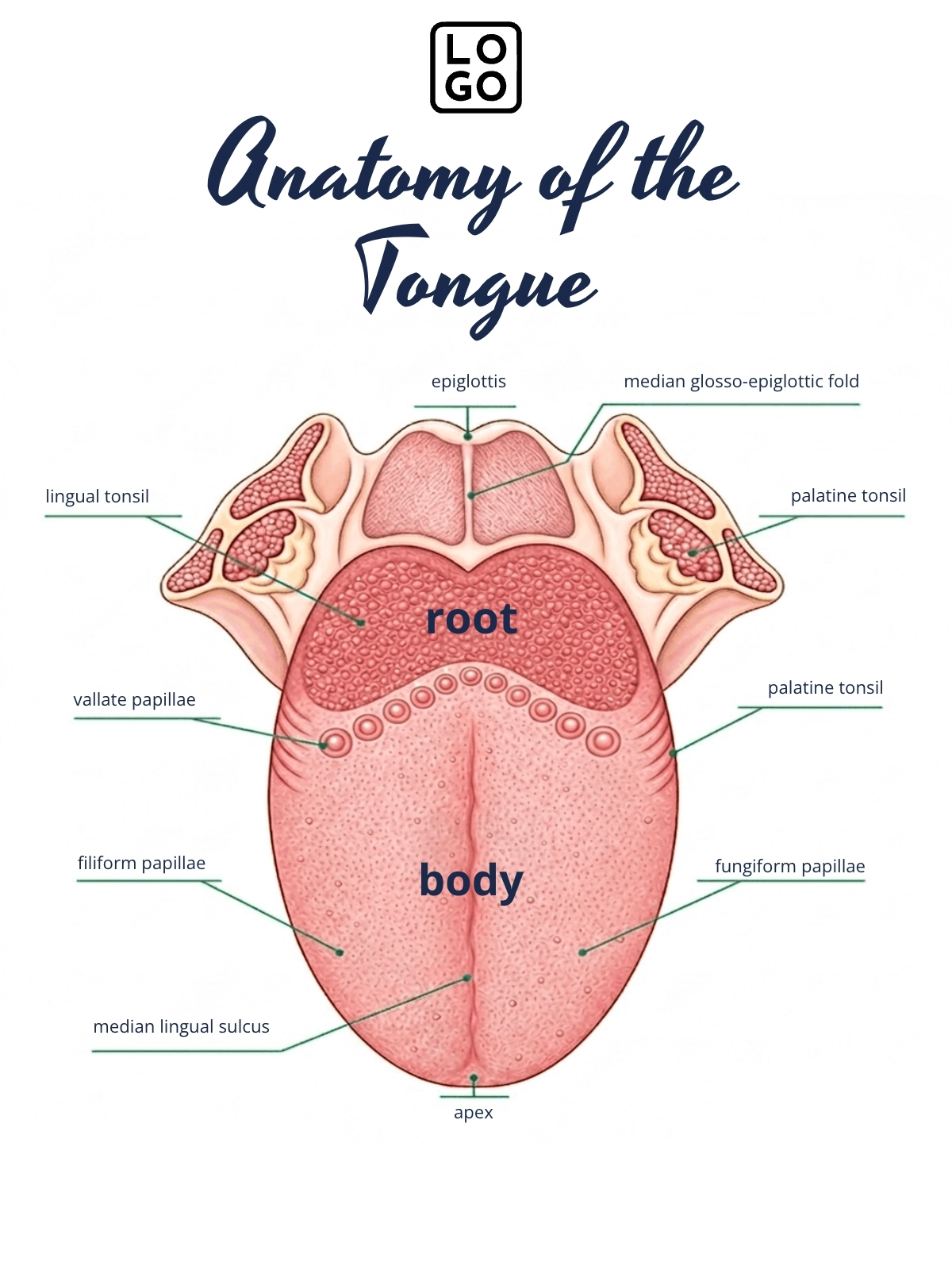
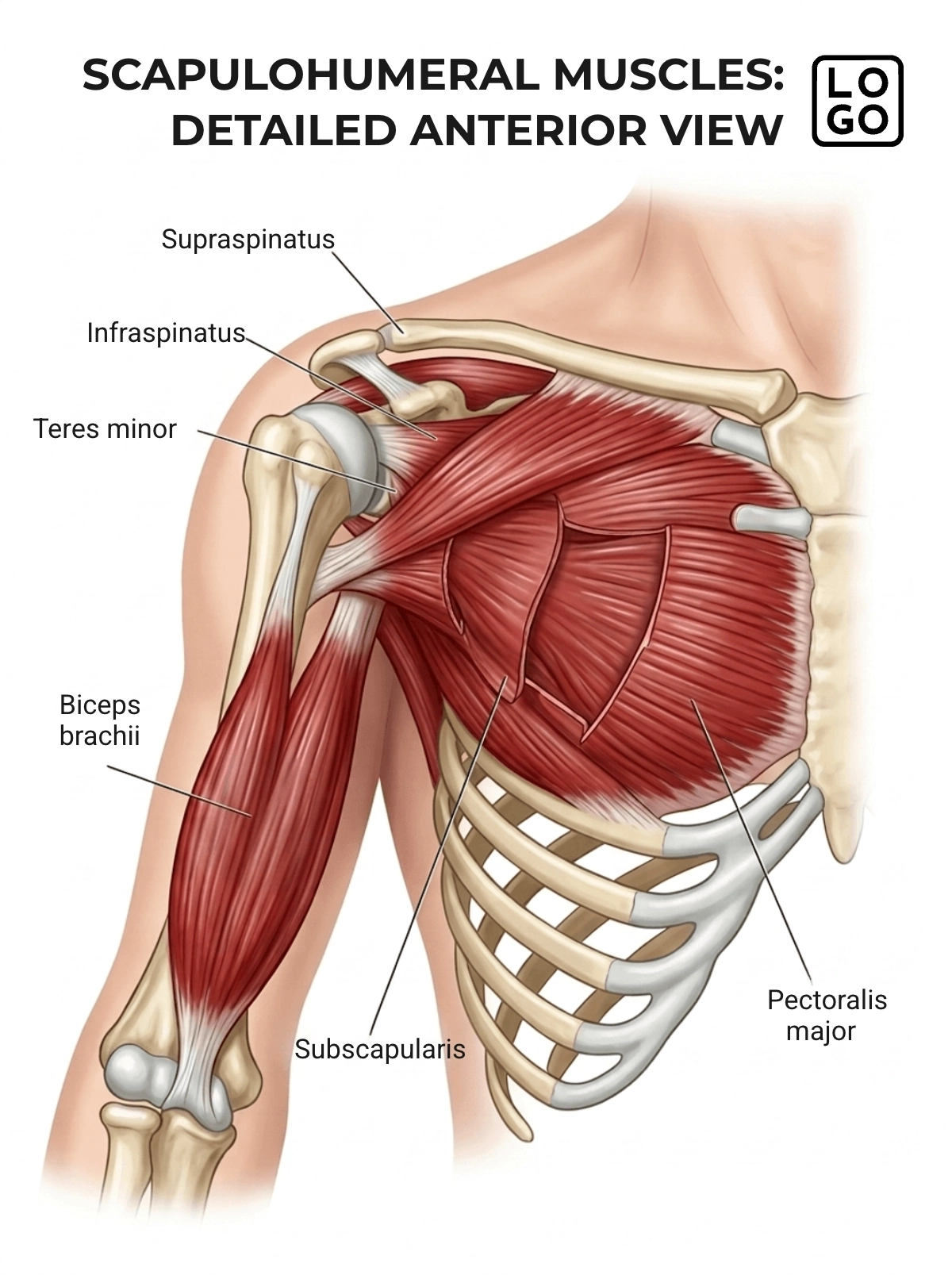
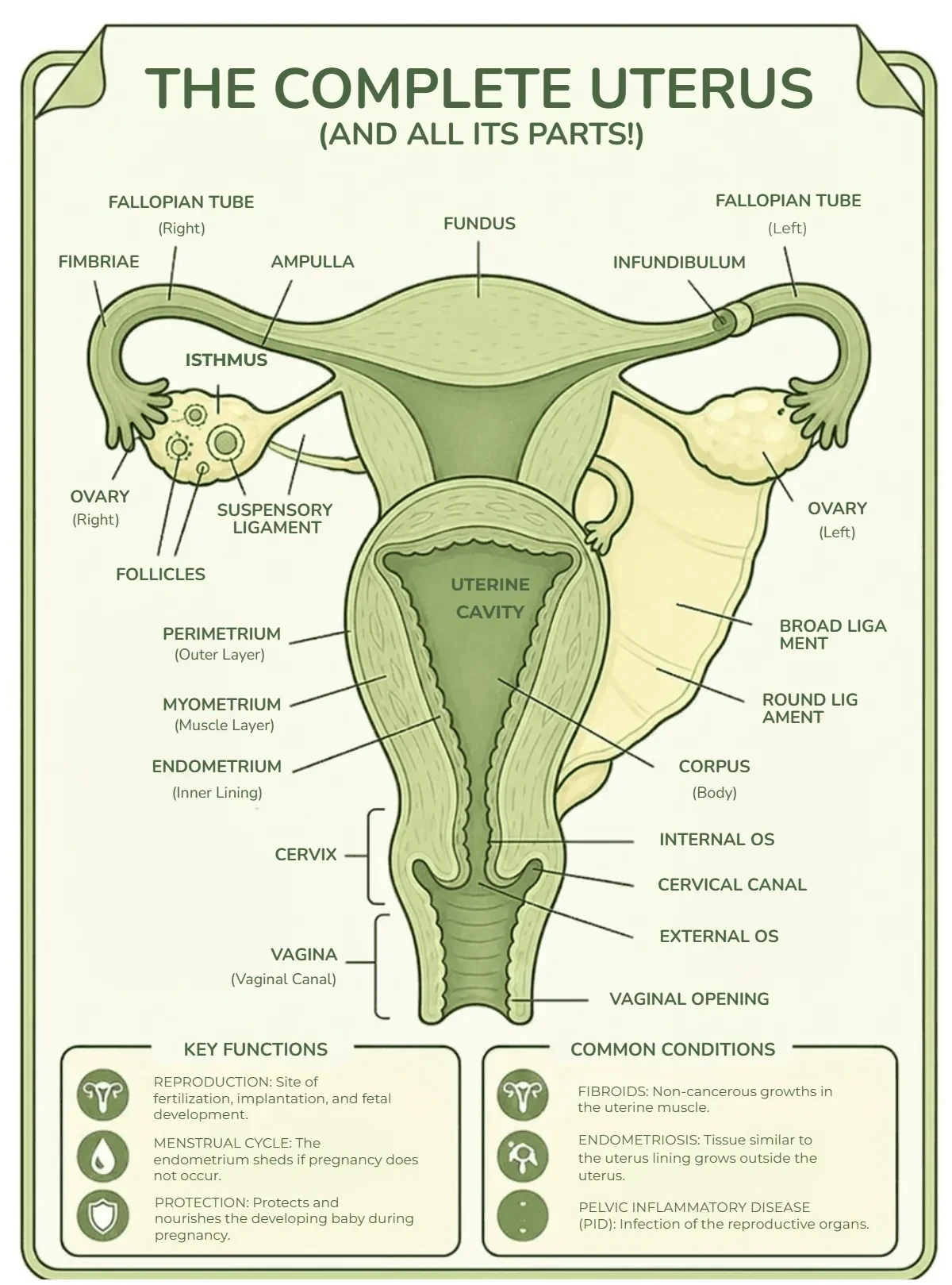
Free Anatomy Editable Templates: Customization Guide, Uses, and Download Formats
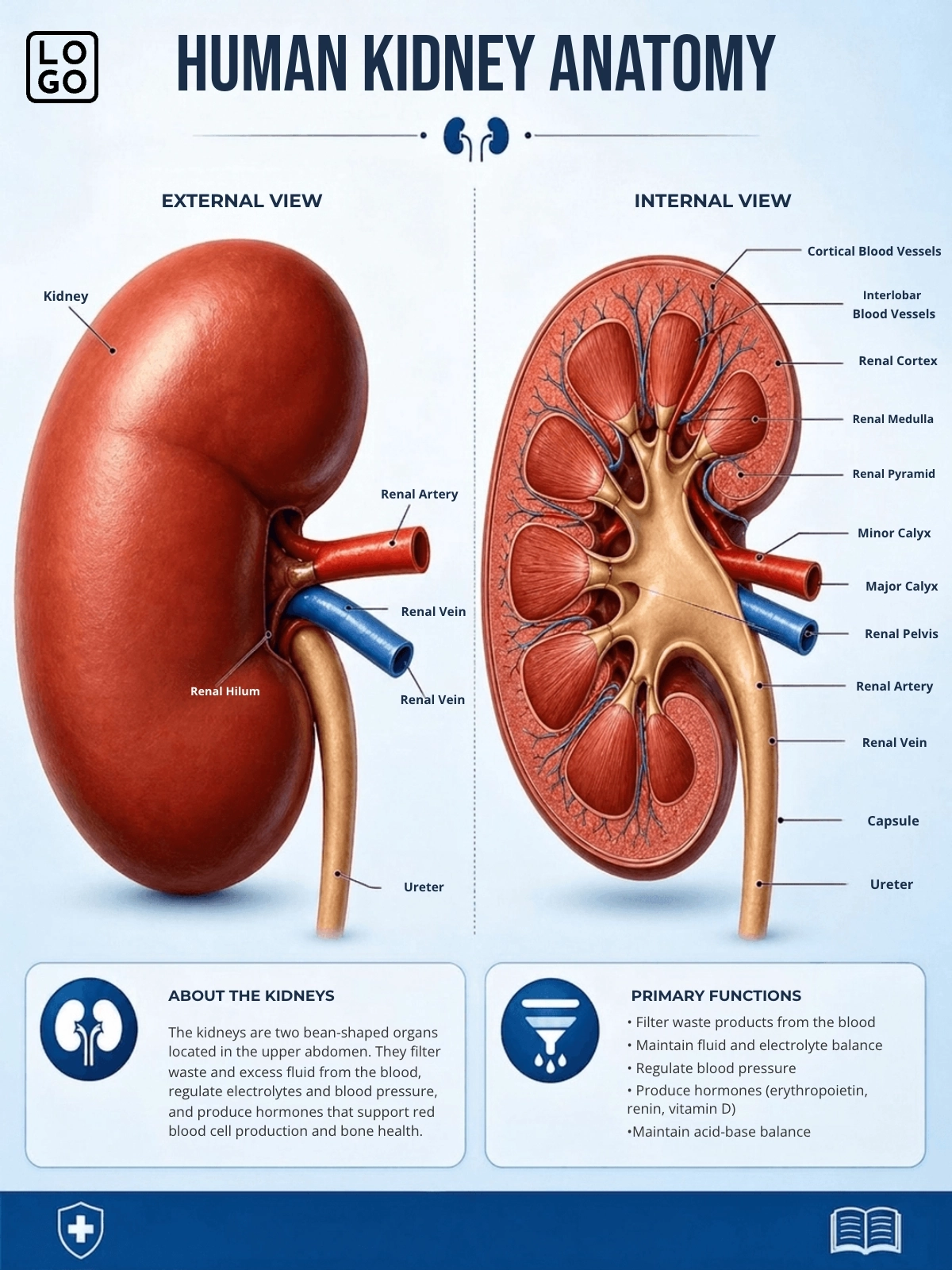
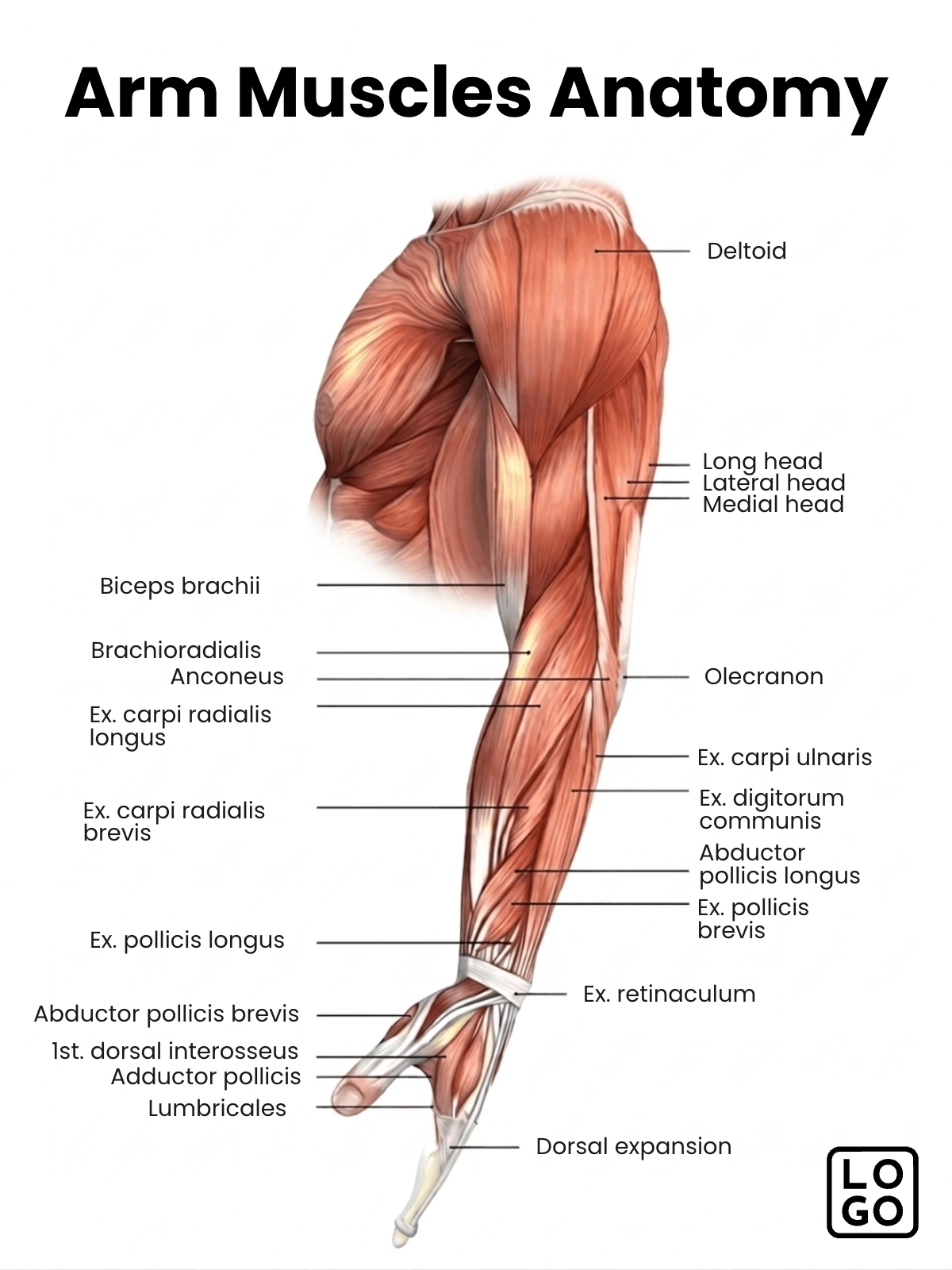
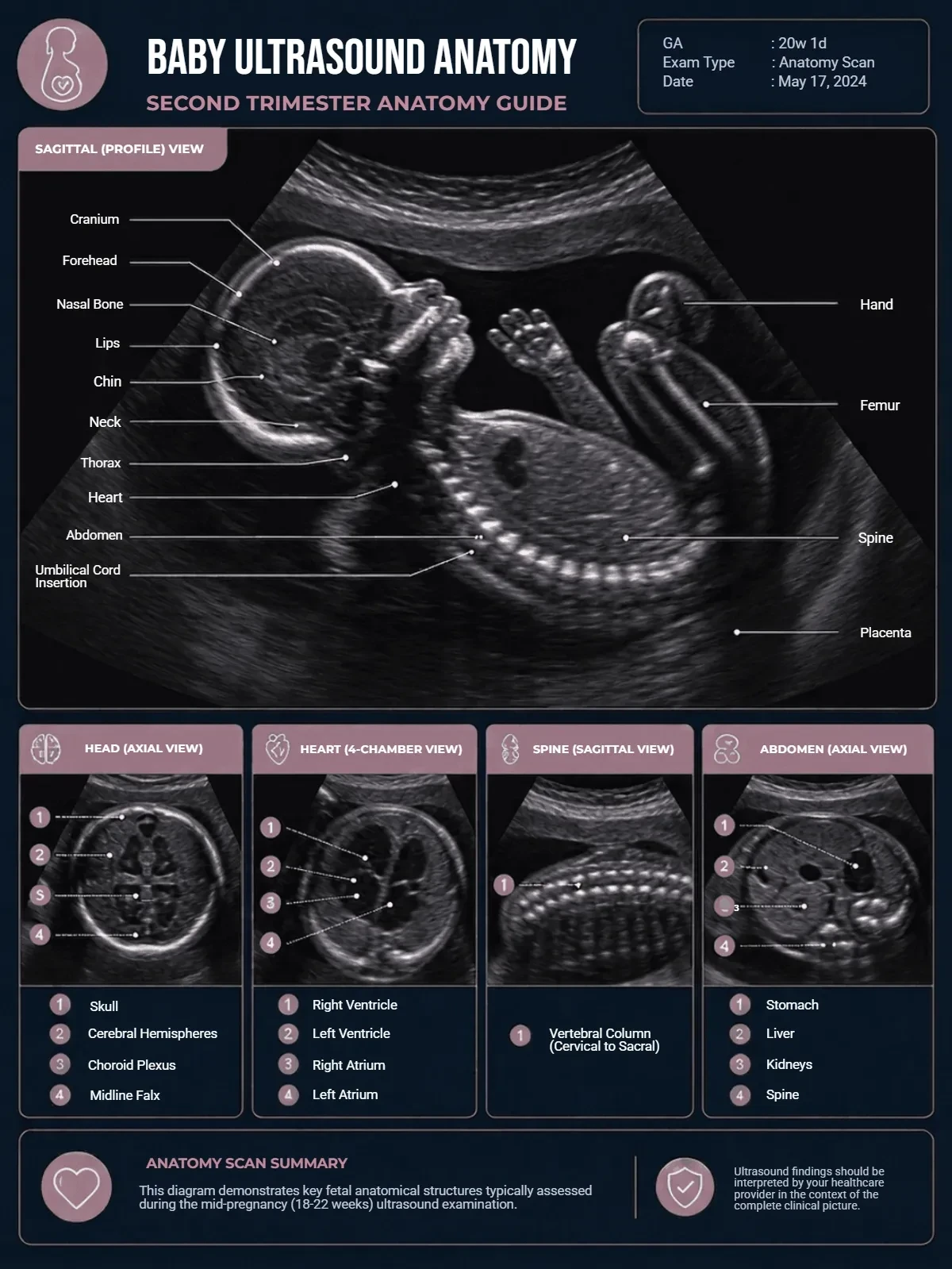
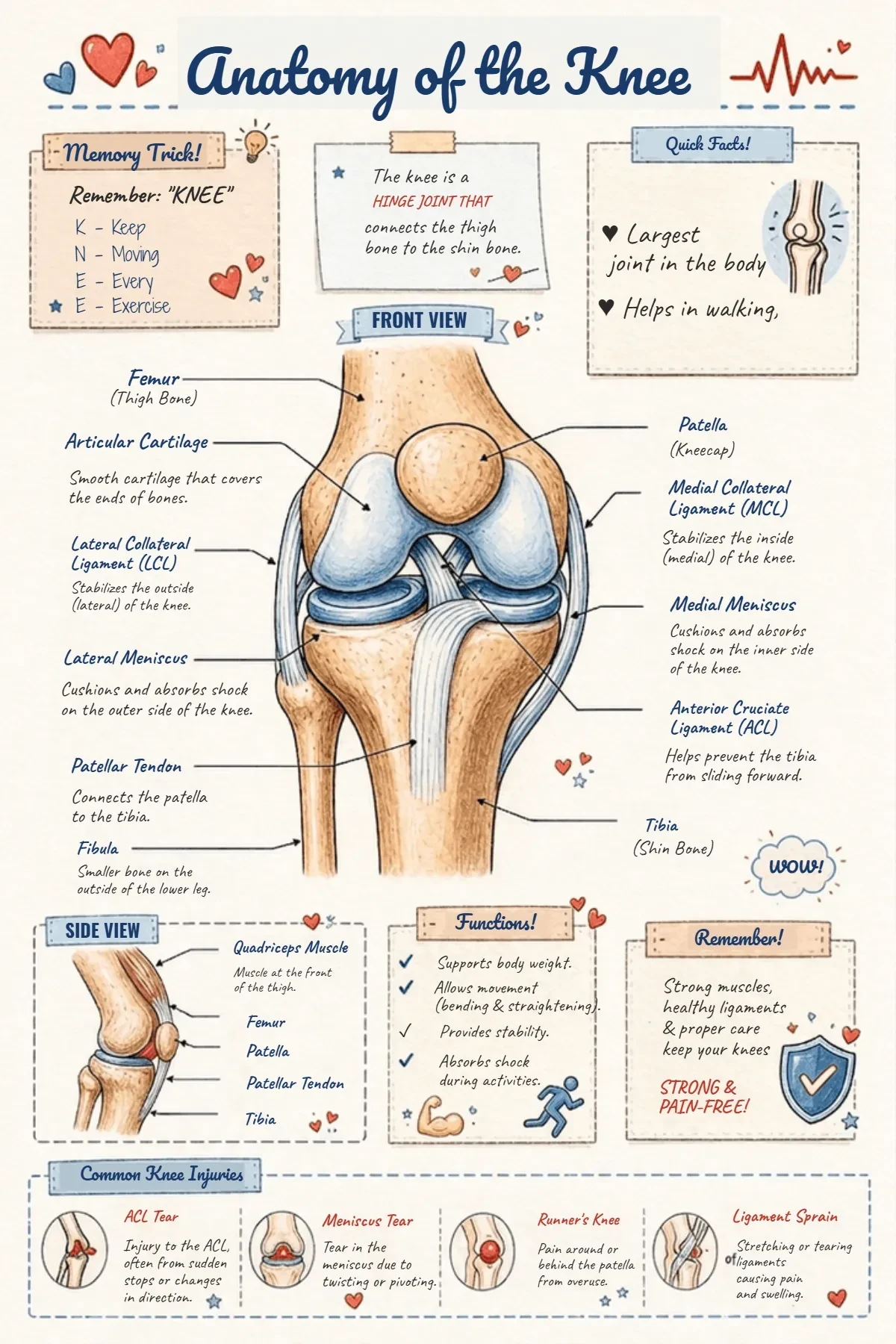
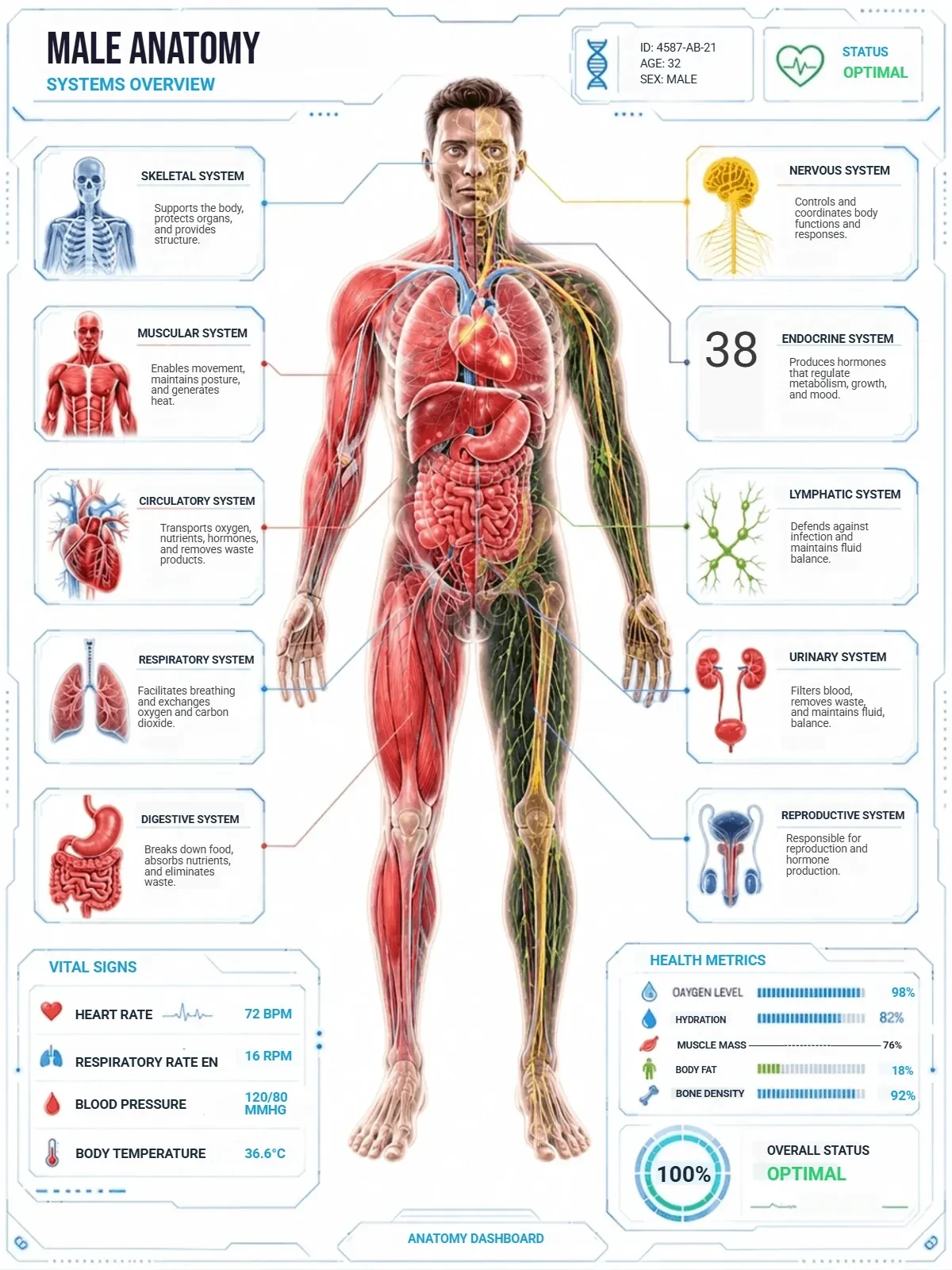
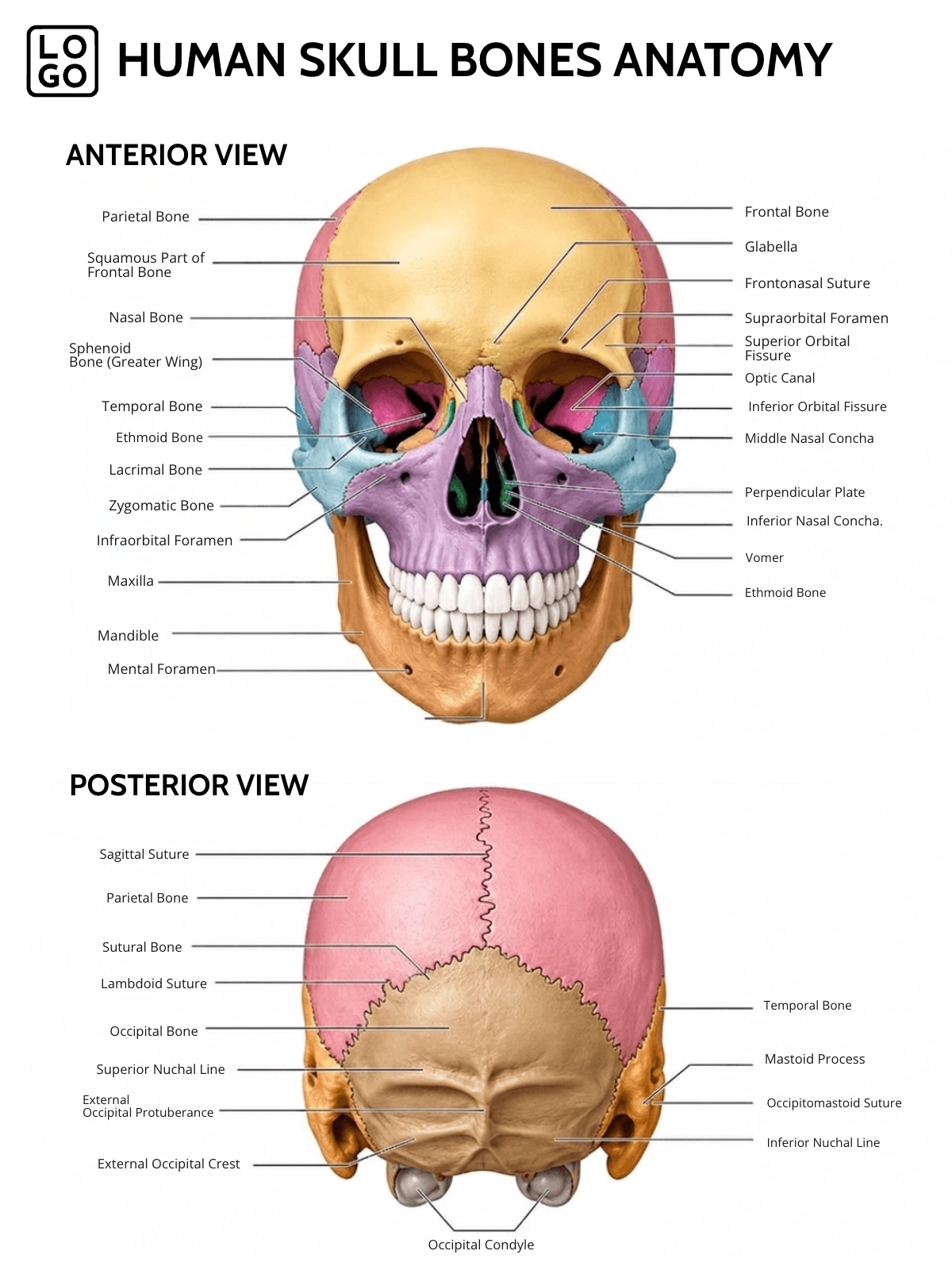
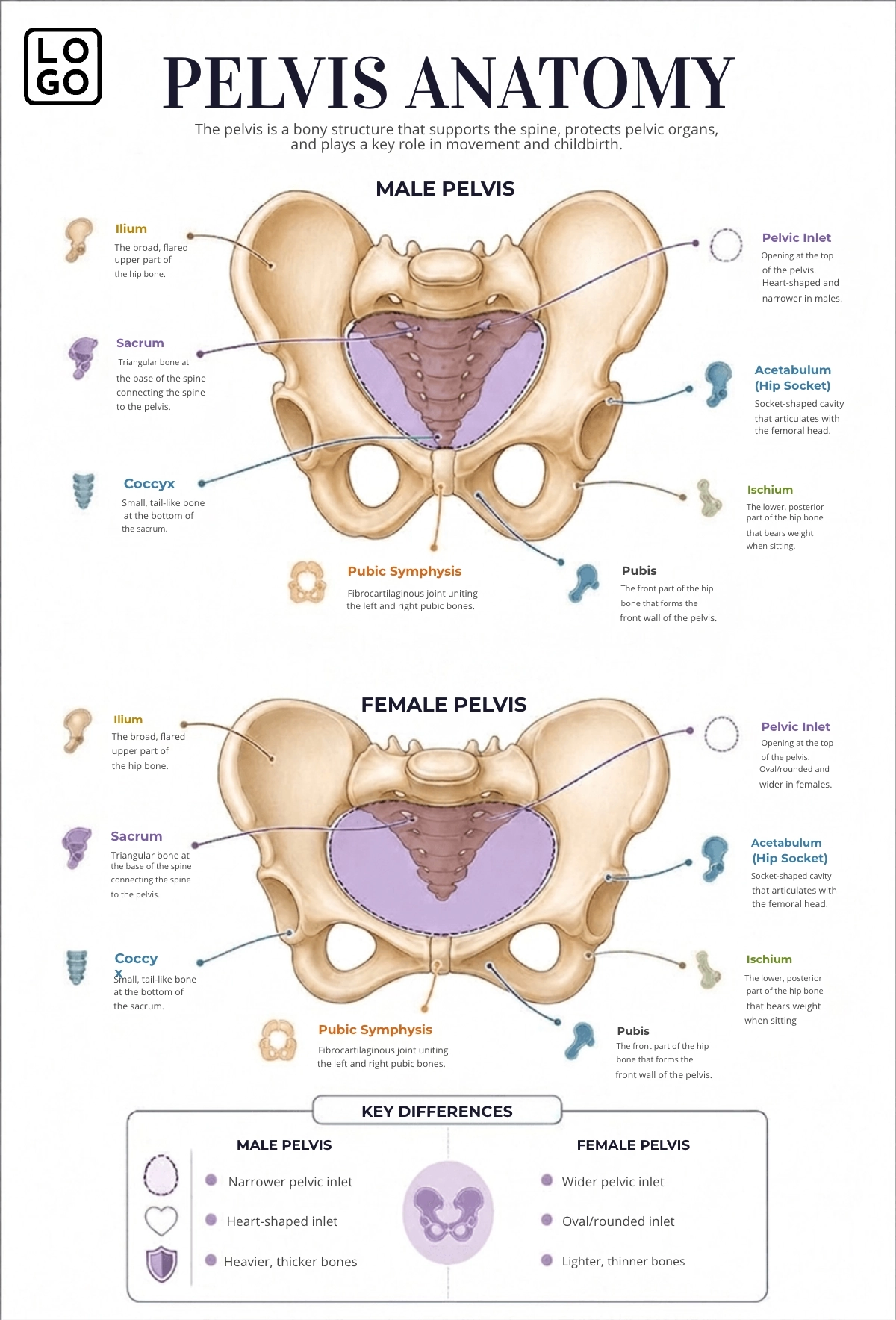
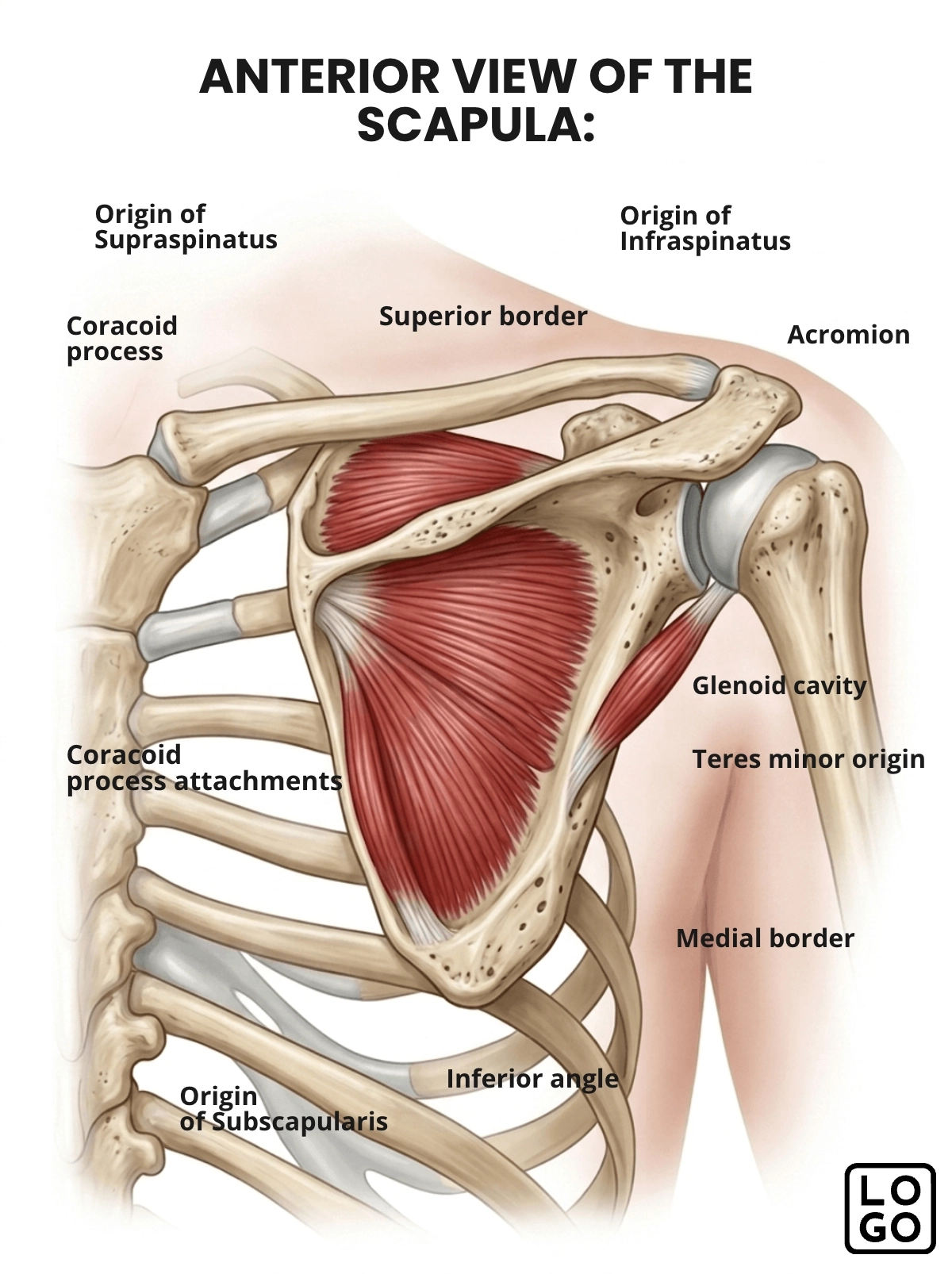
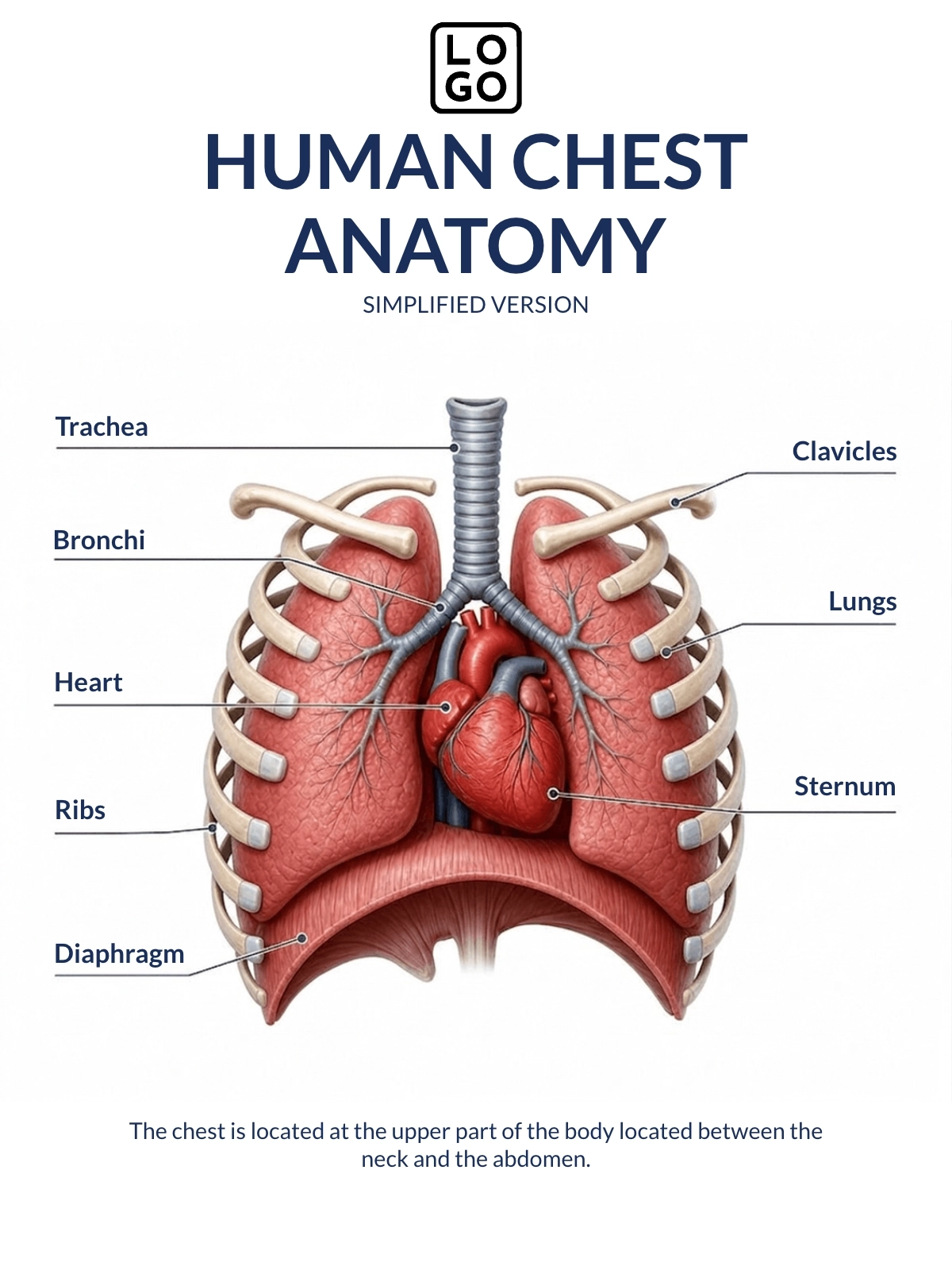
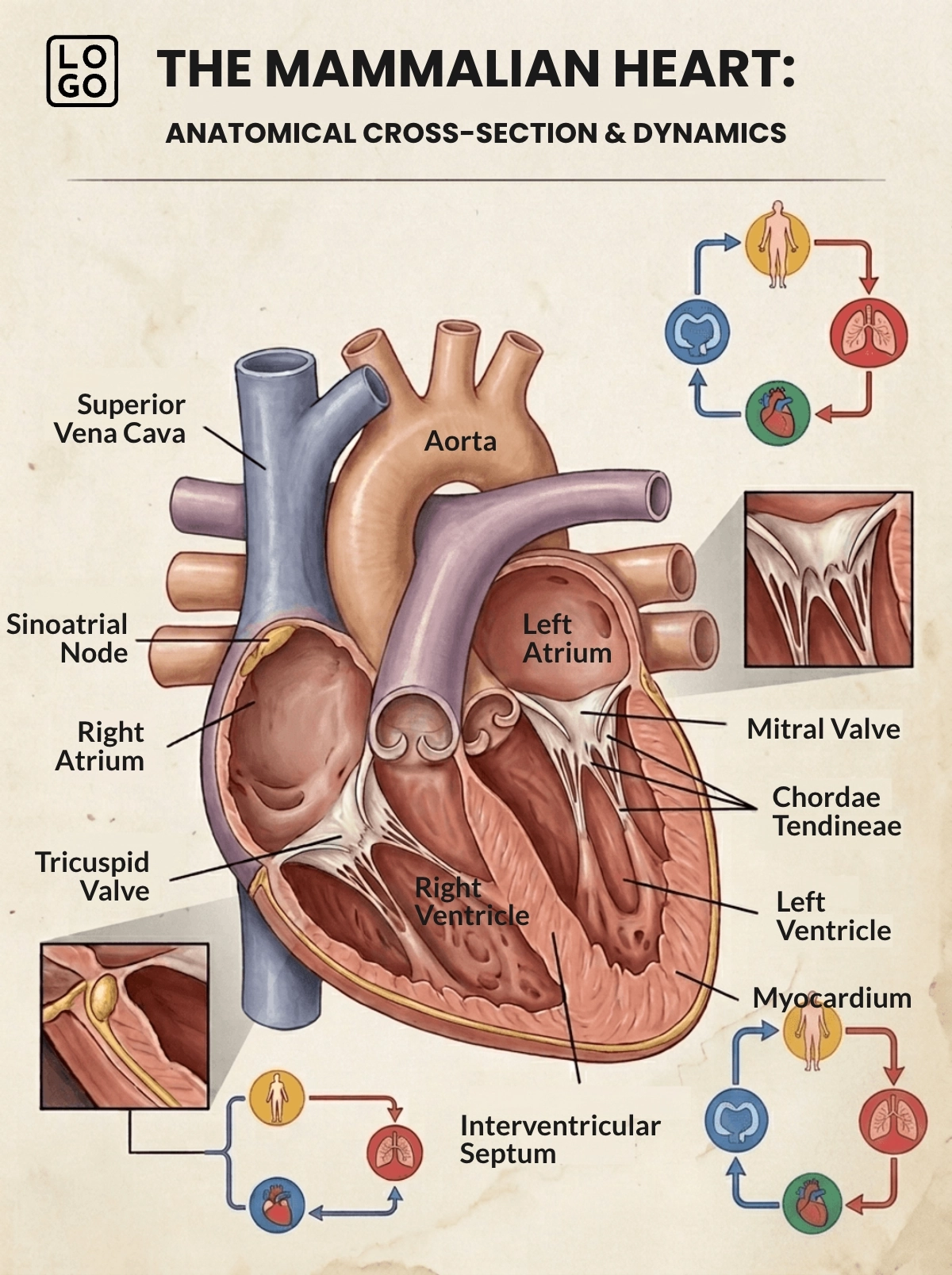
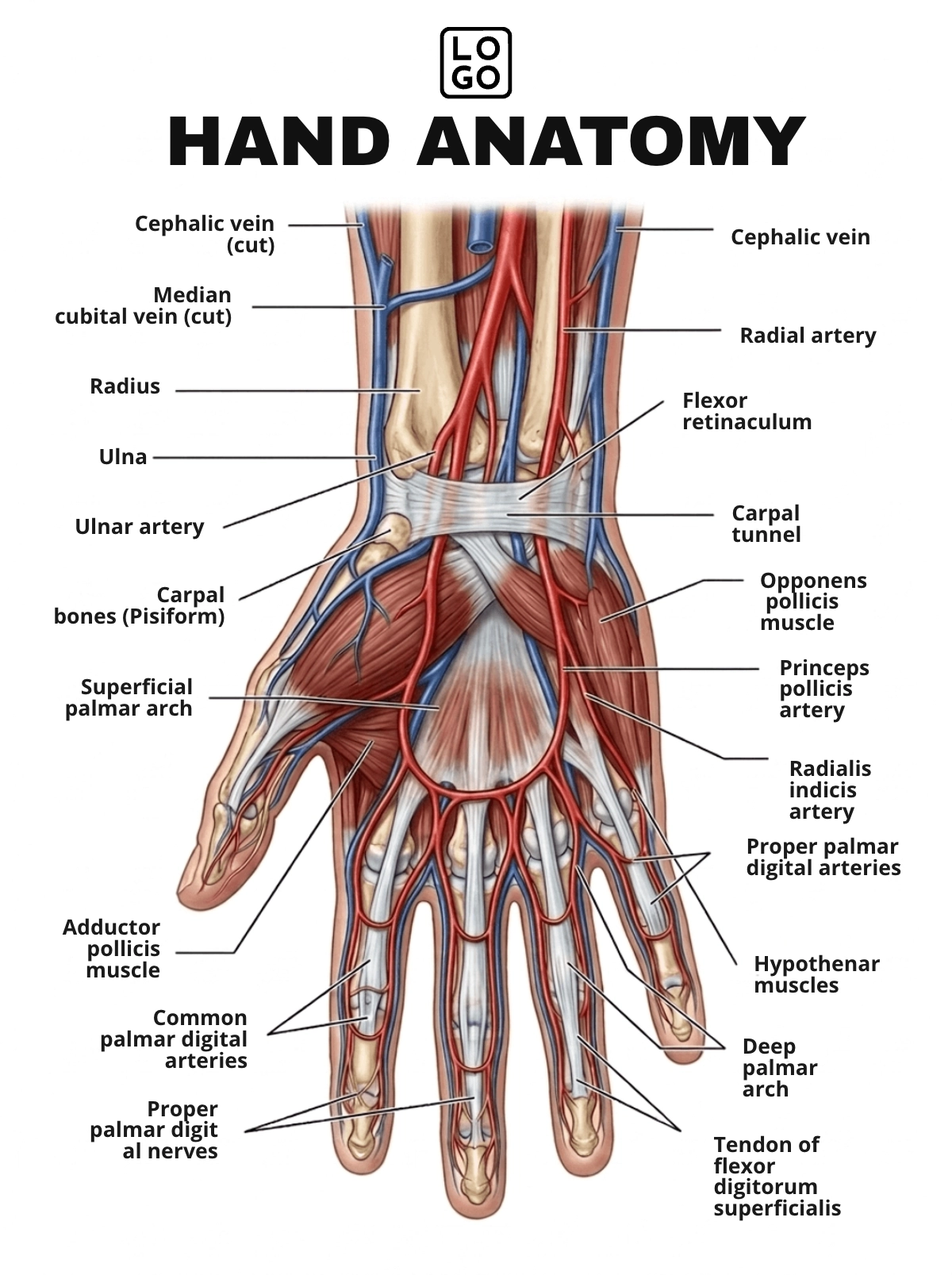
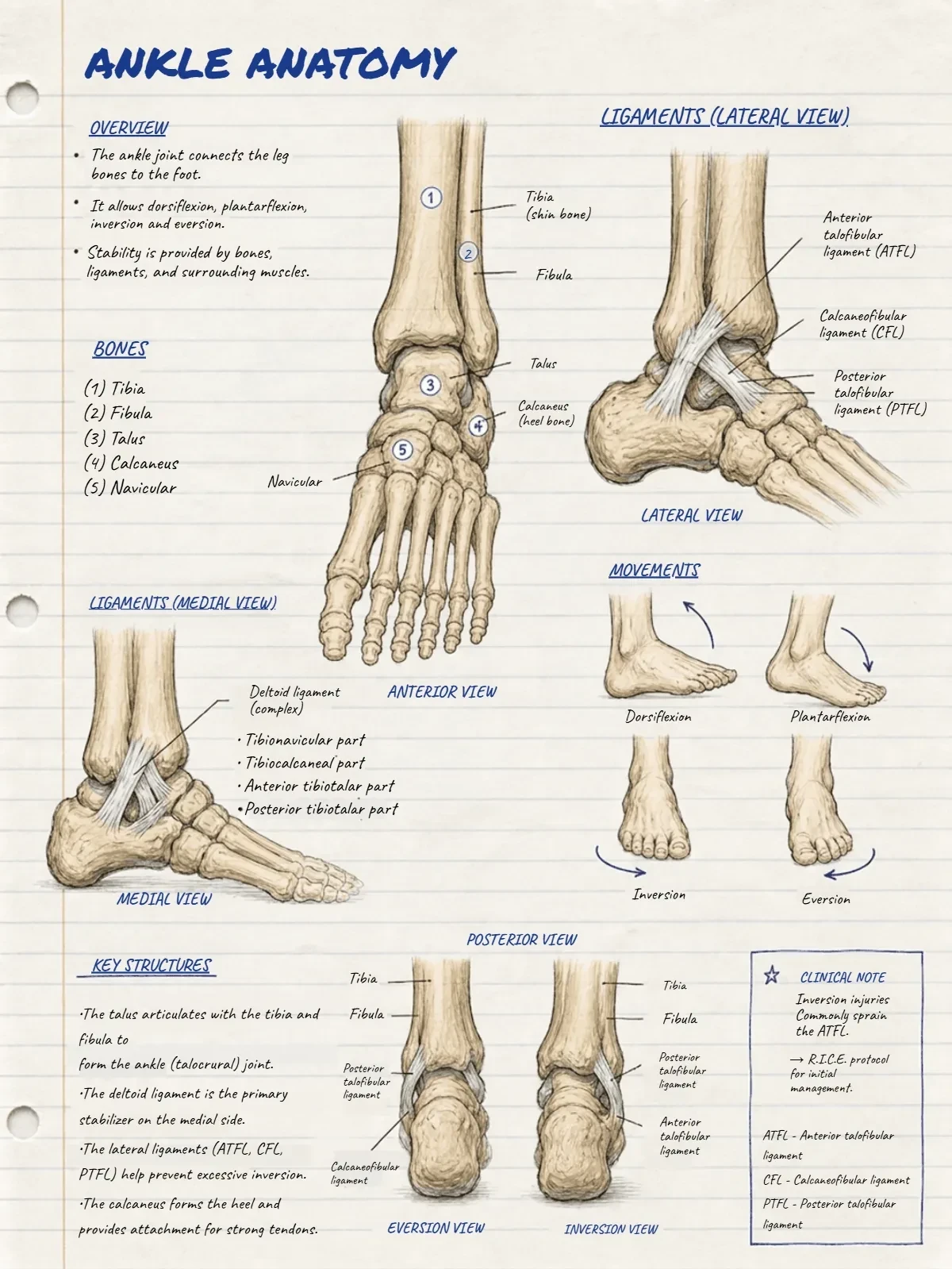
Anatomy refers to the scientific study of the structure of living organisms, often represented through detailed diagrams and charts. Template.net provides editable anatomy templates users can complete or modify directly in the browser to suit their project needs.
What is a Anatomy?
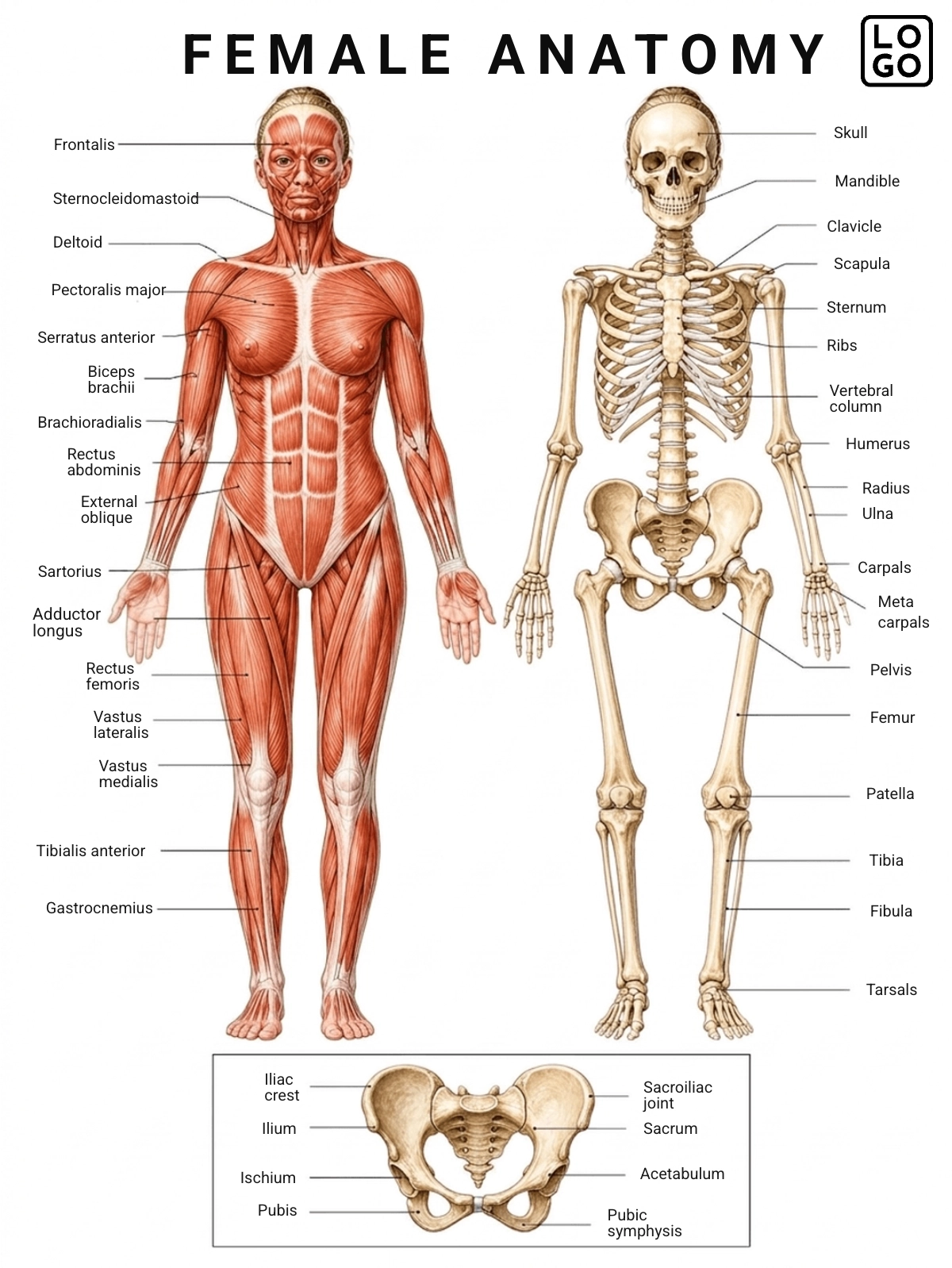
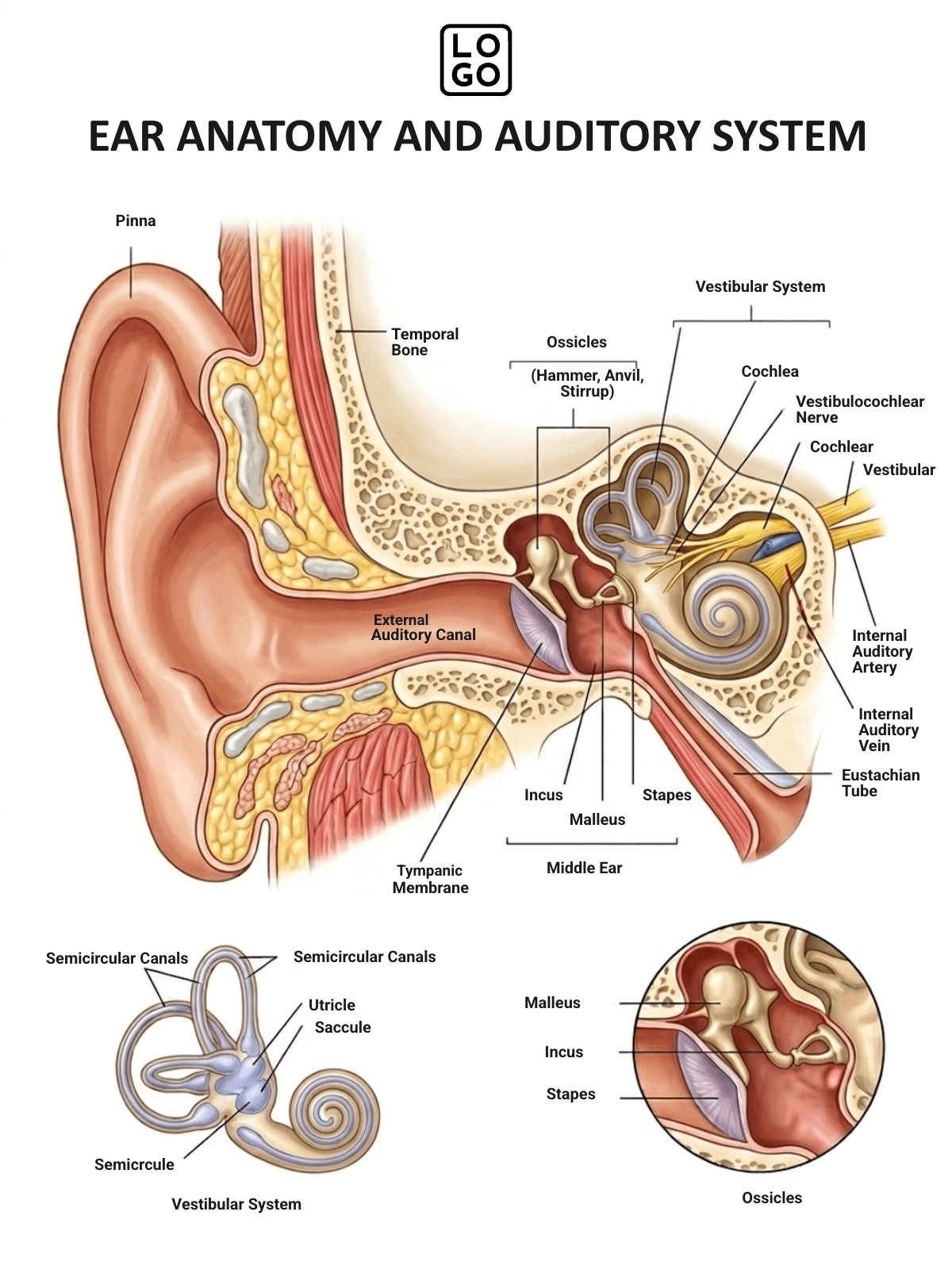
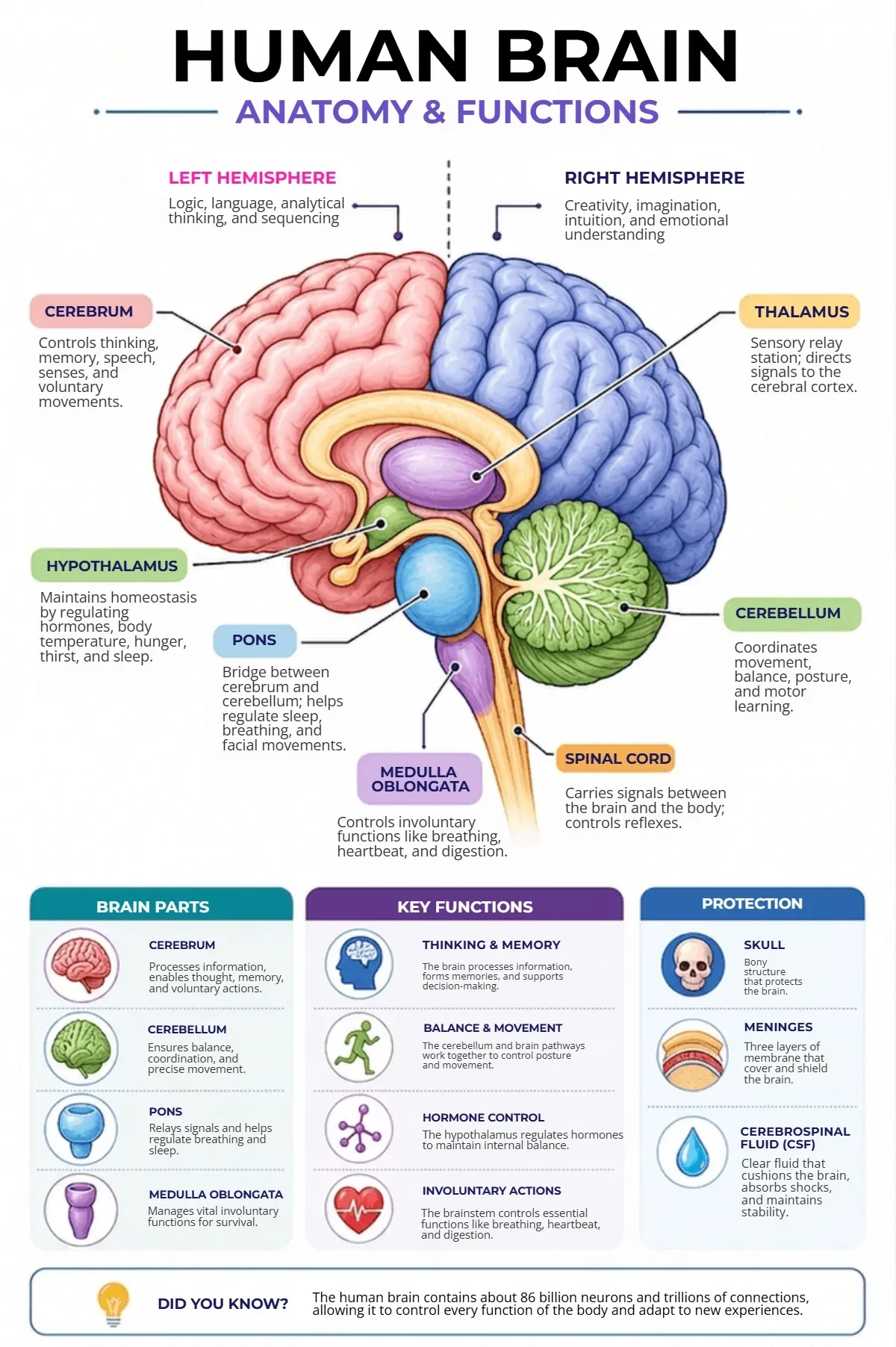
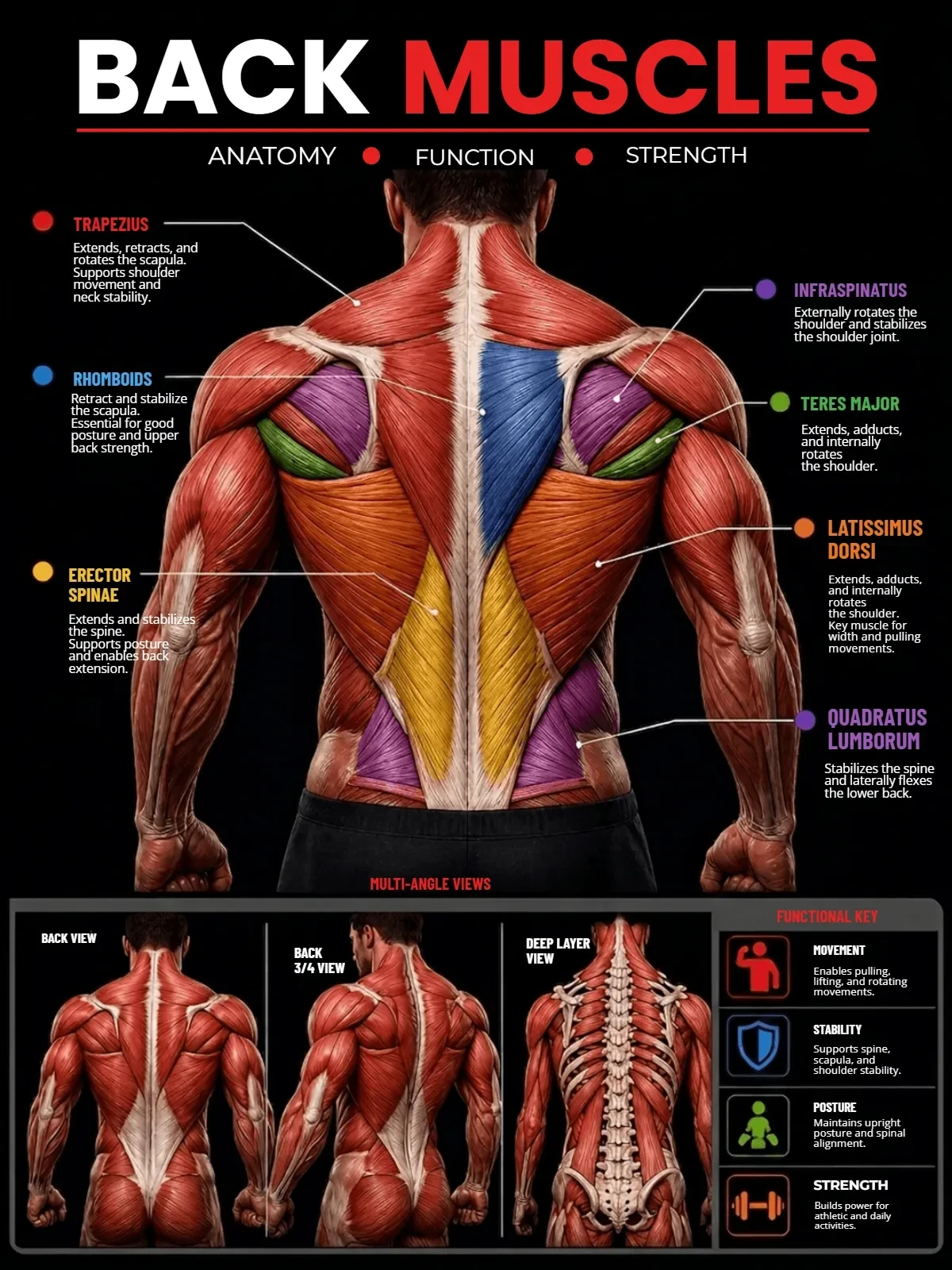
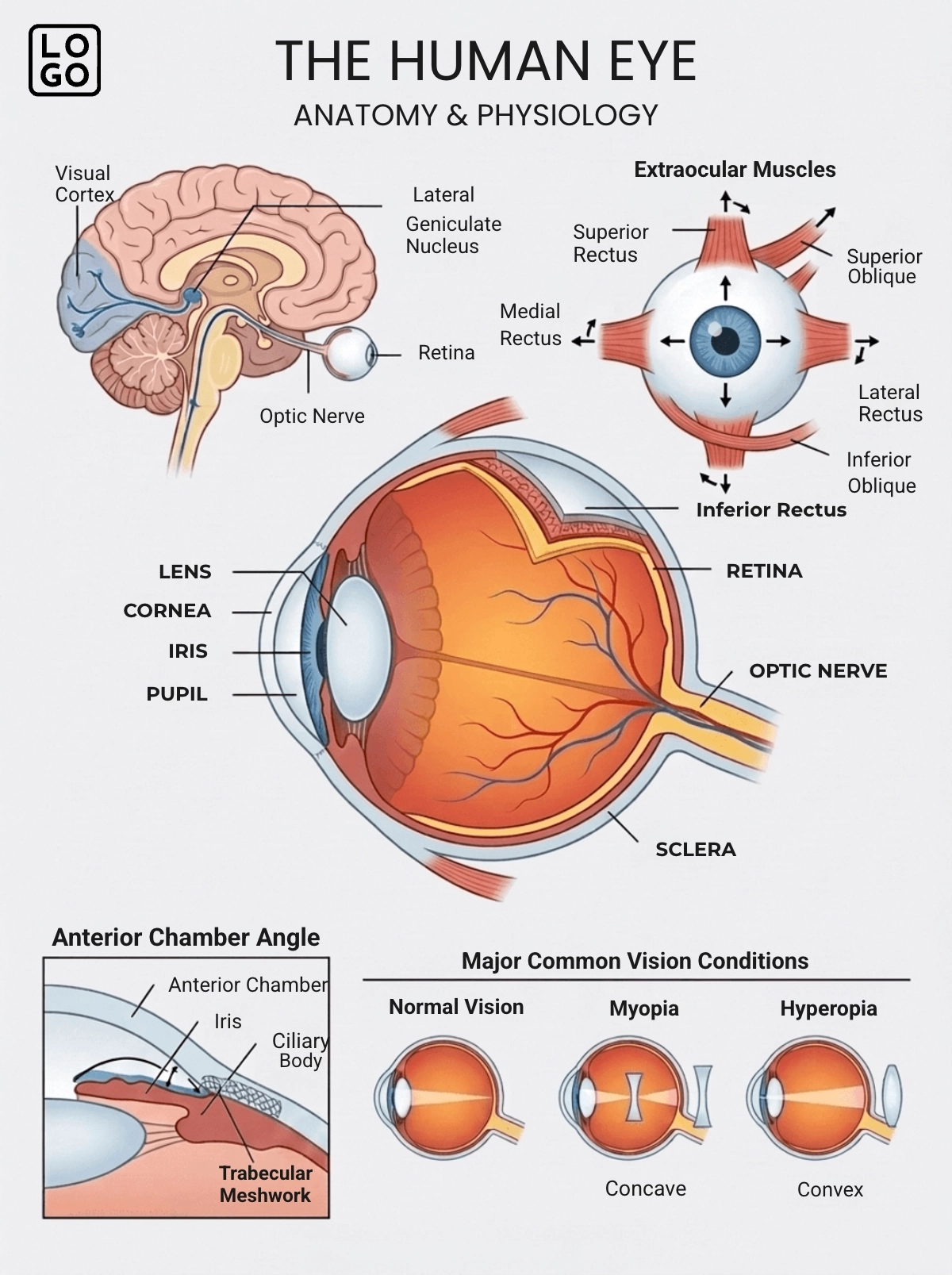
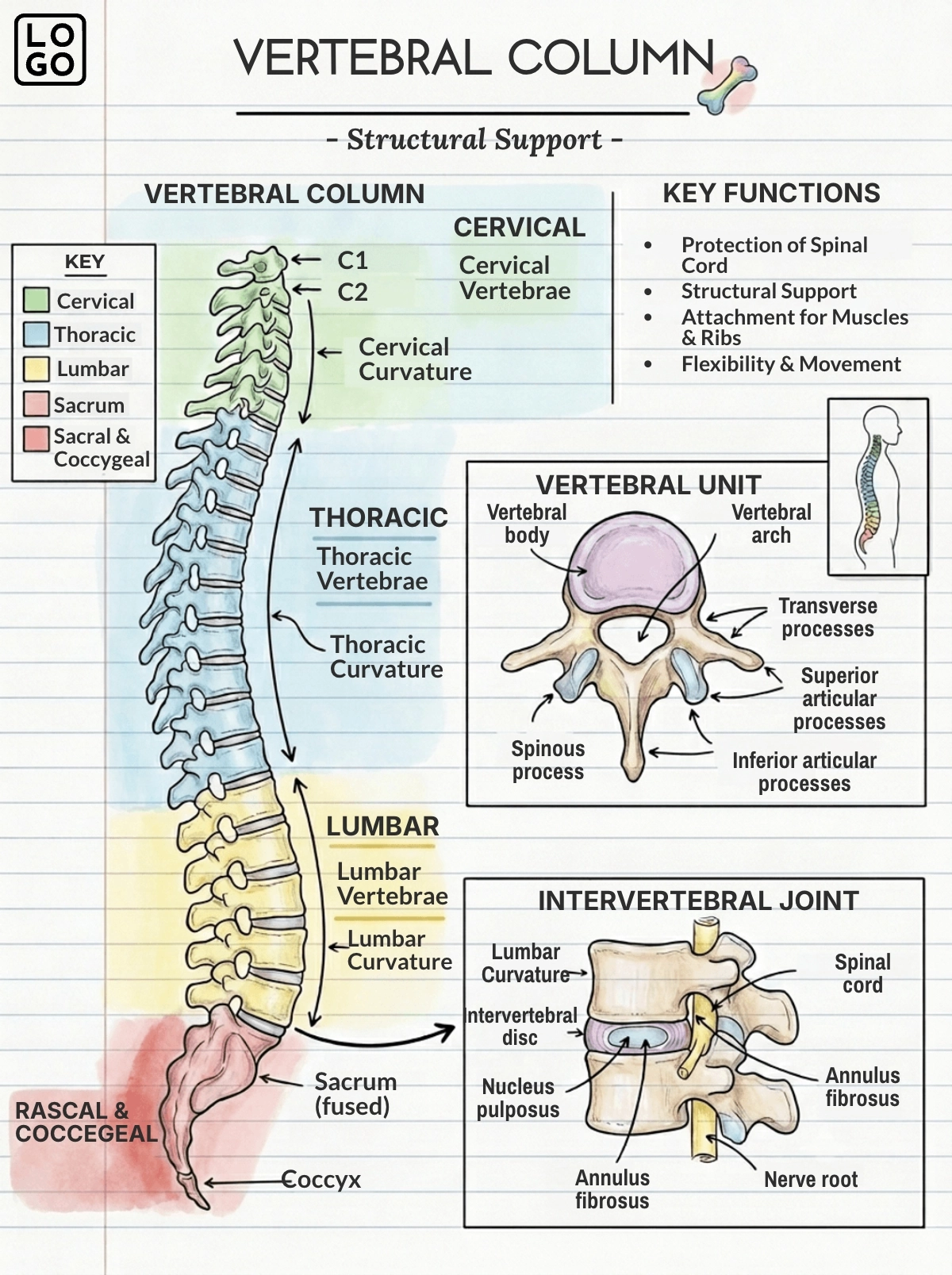
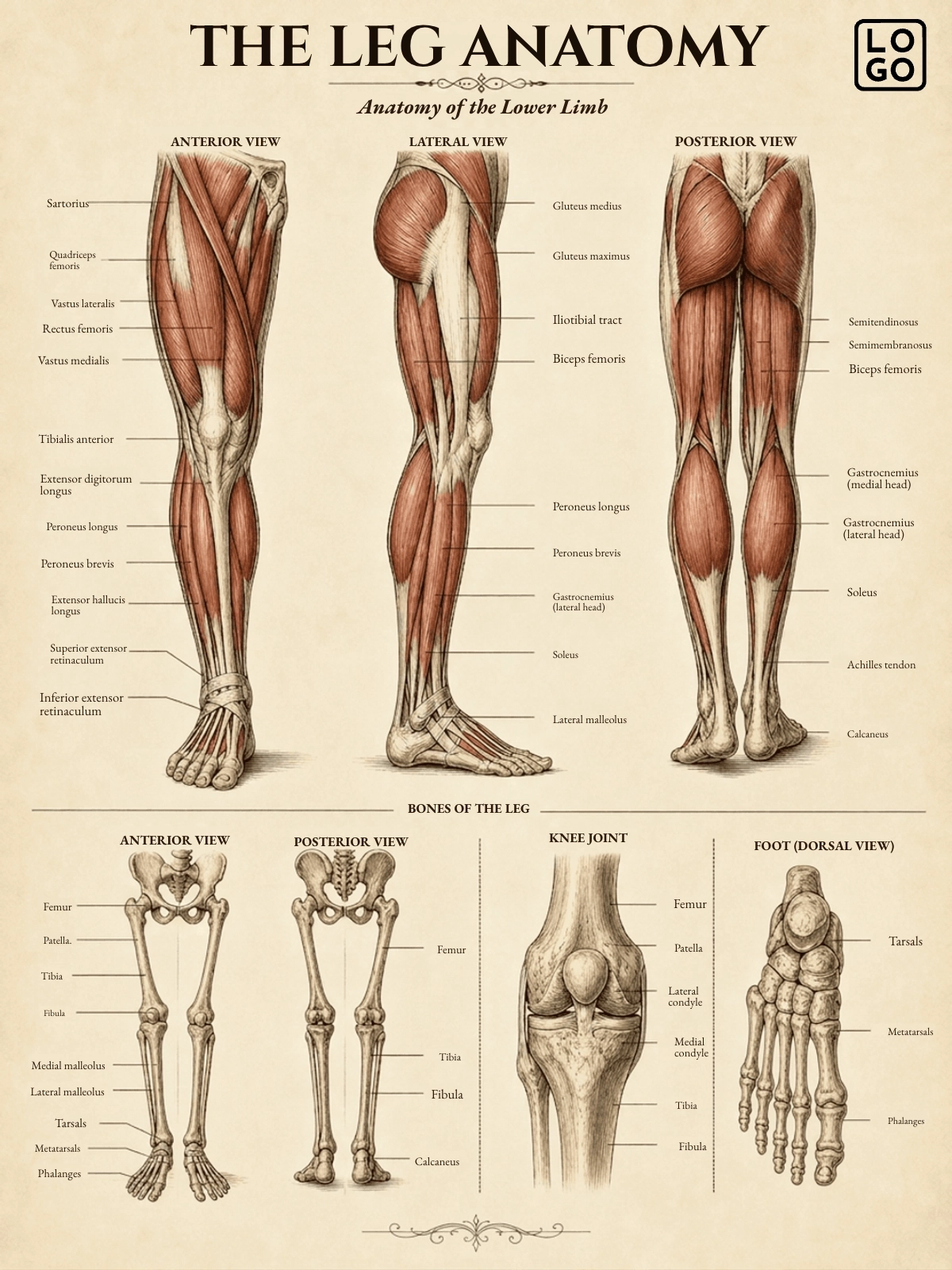
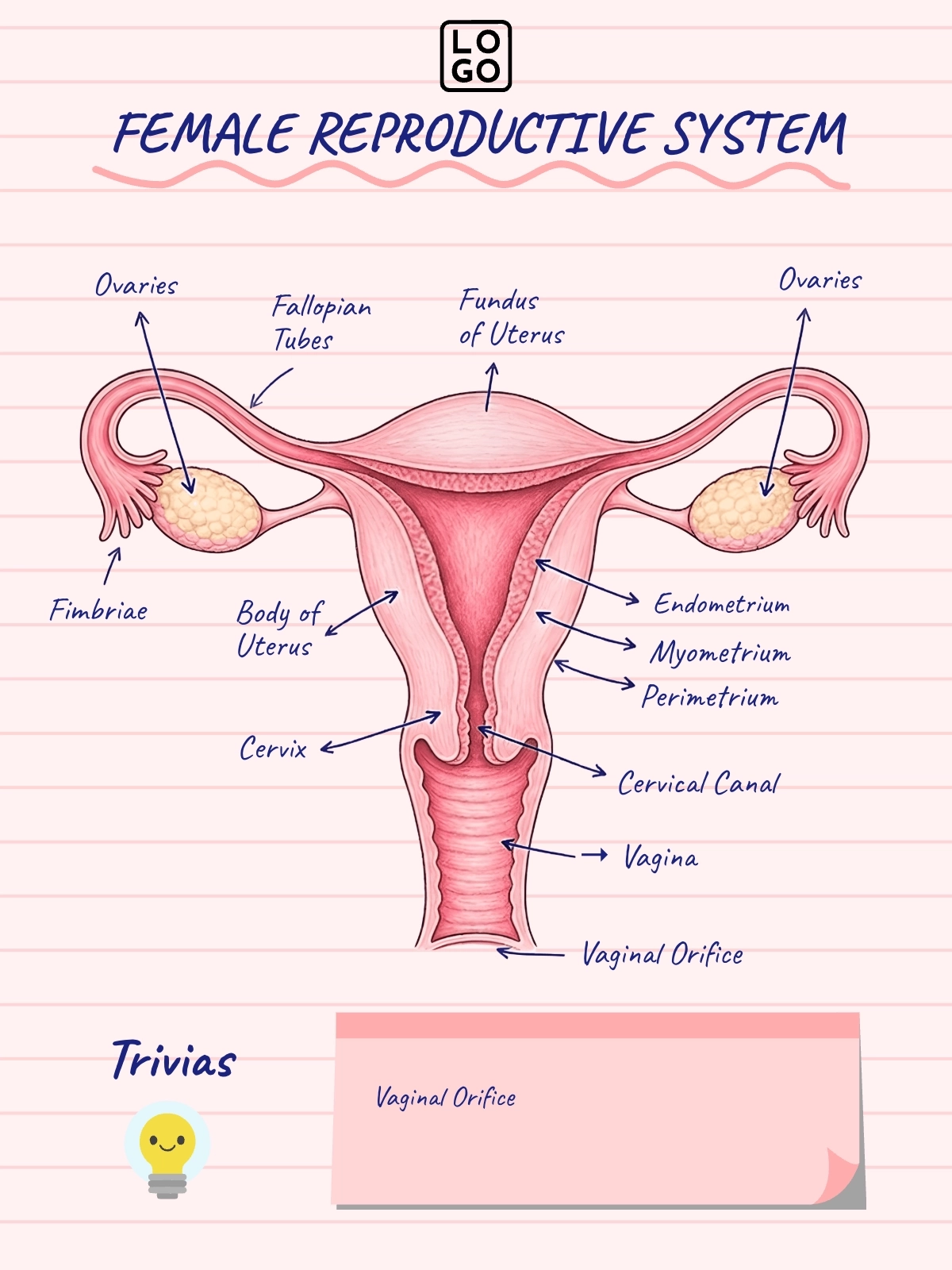
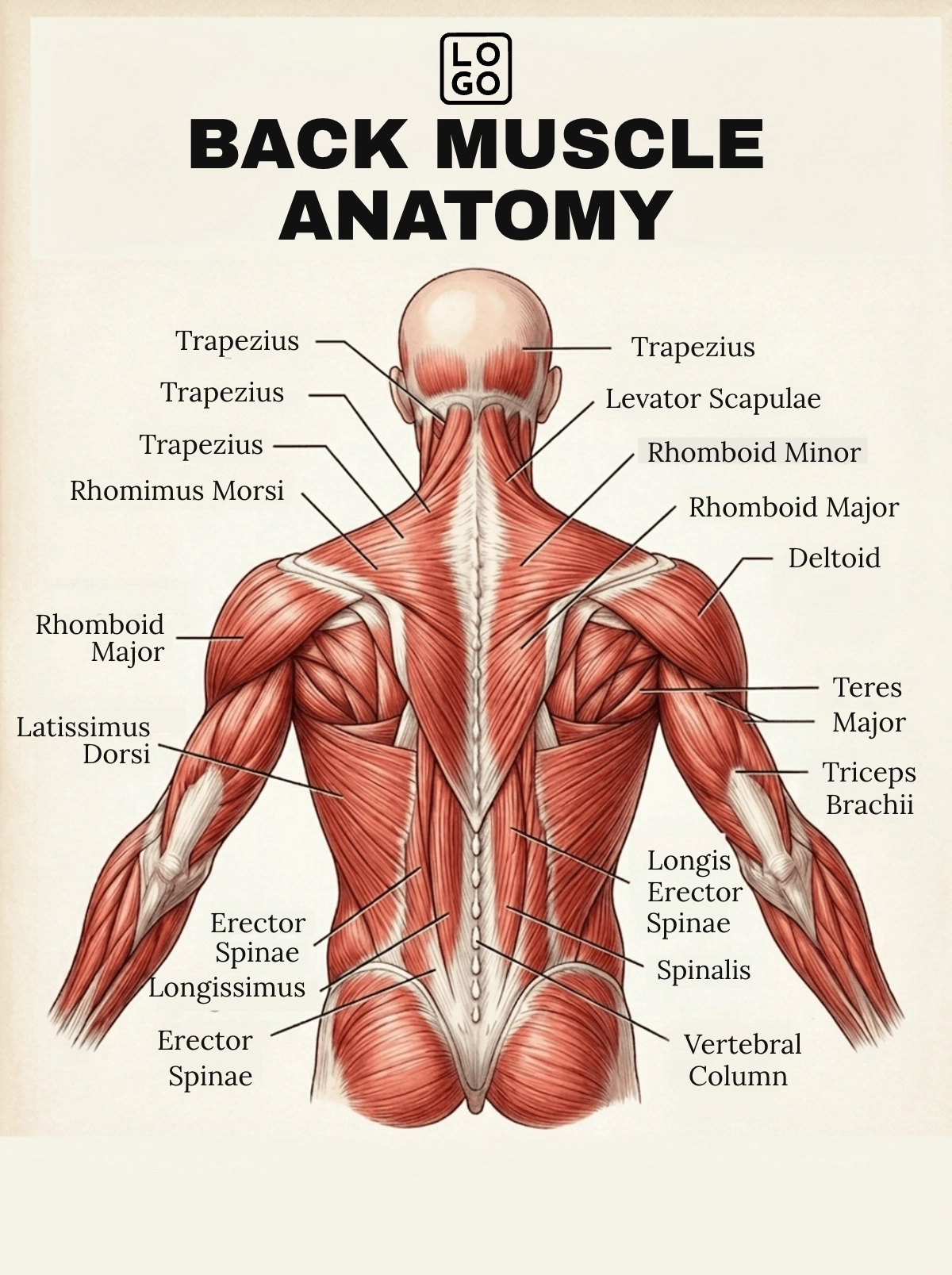
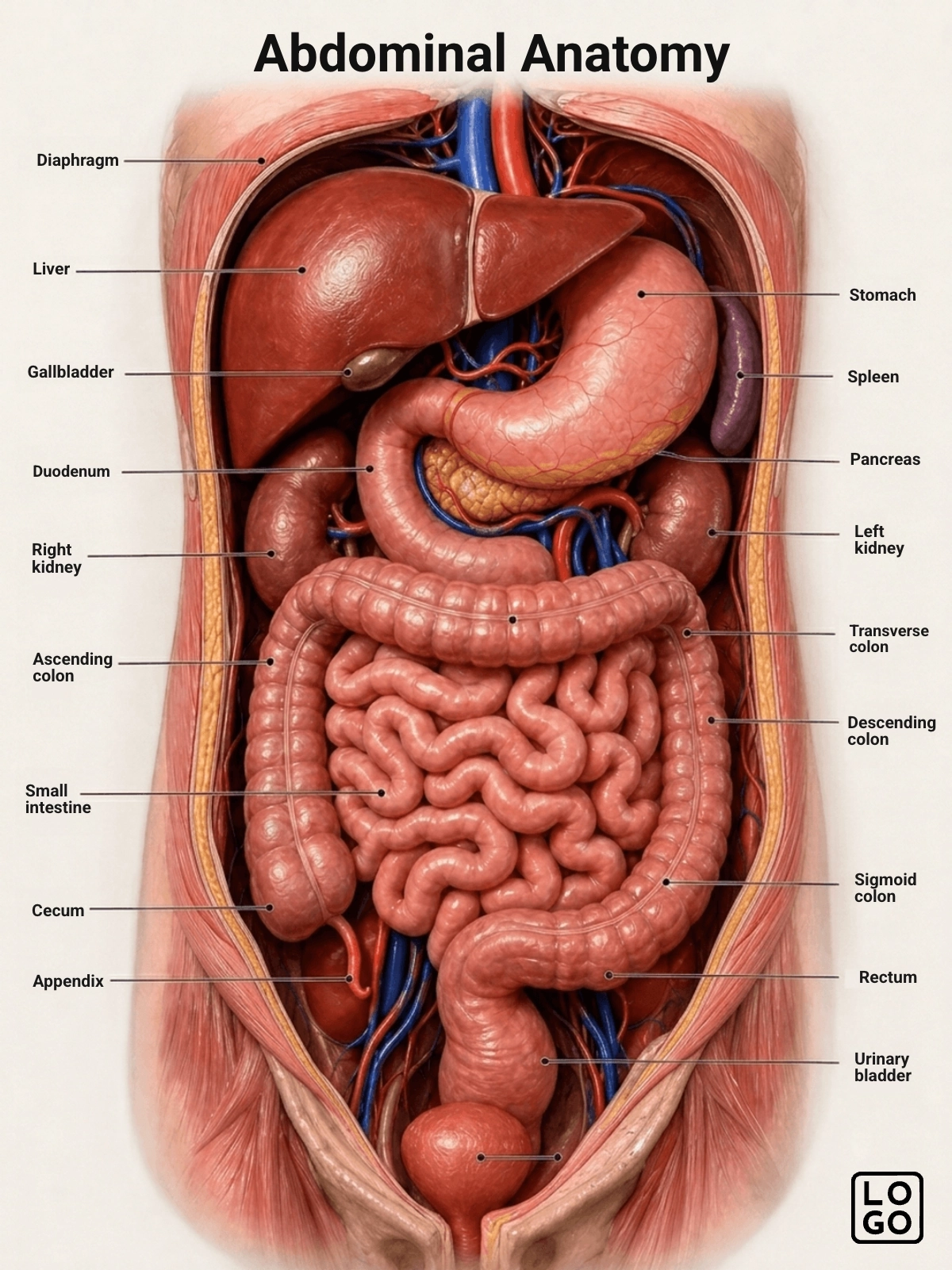
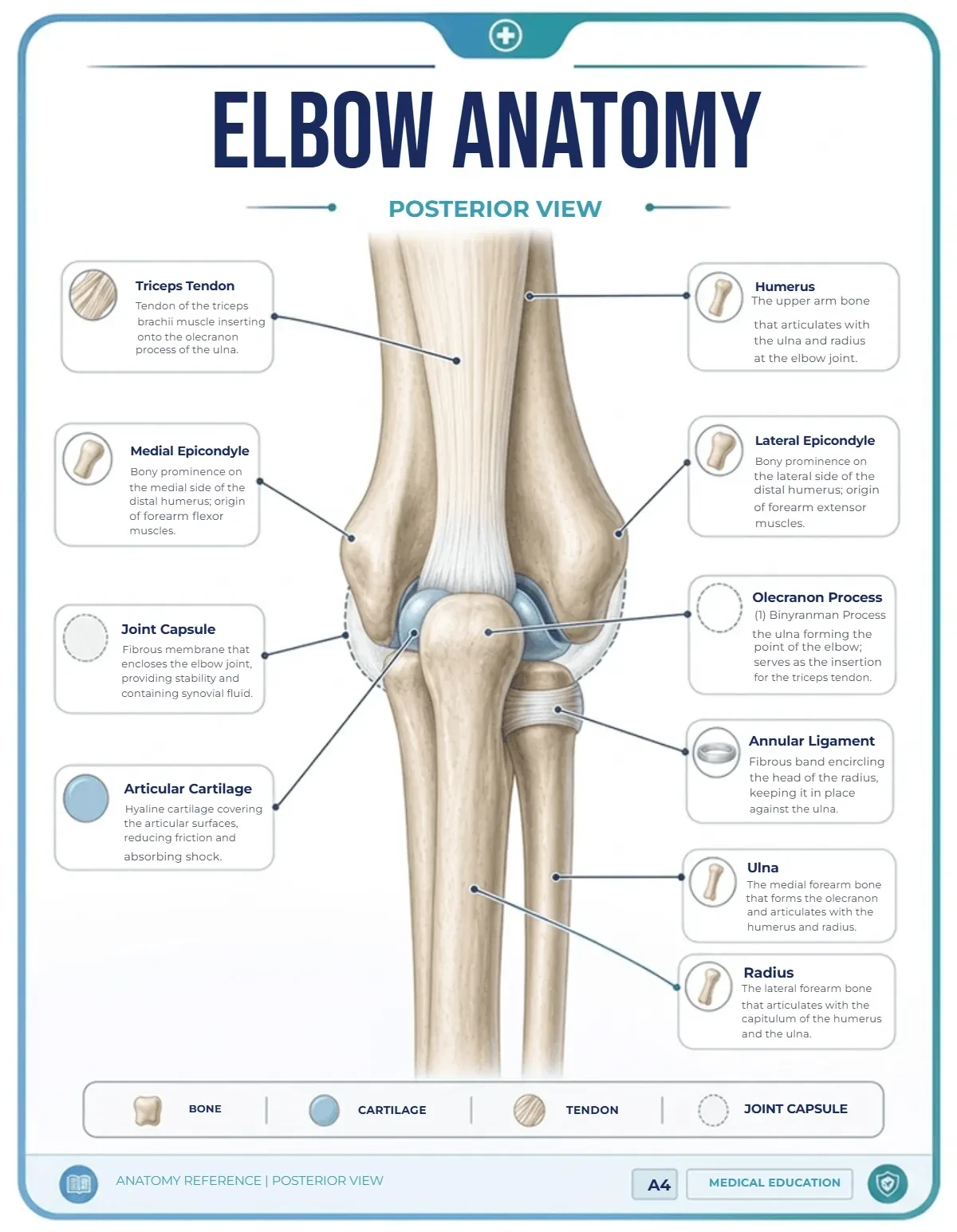
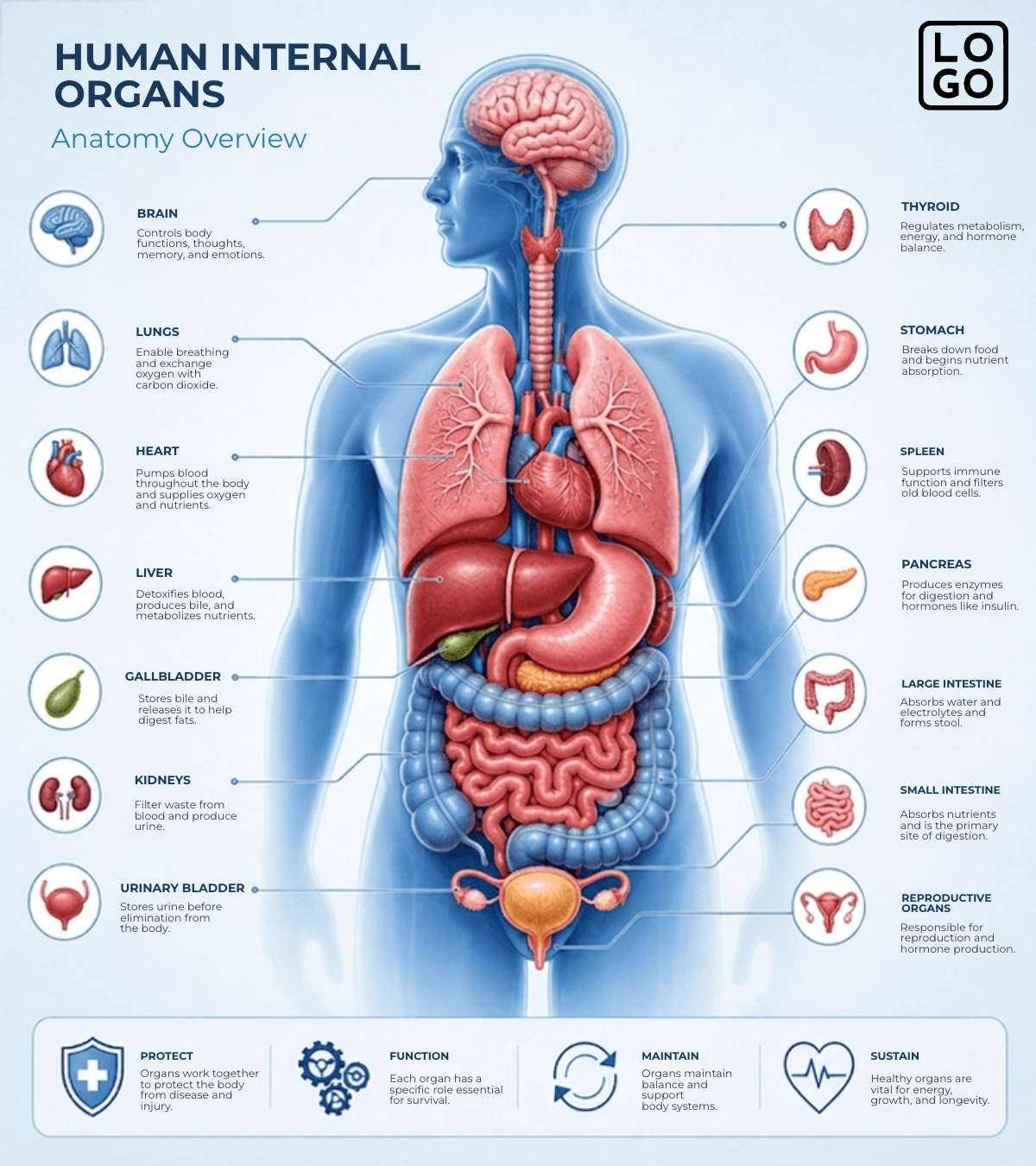
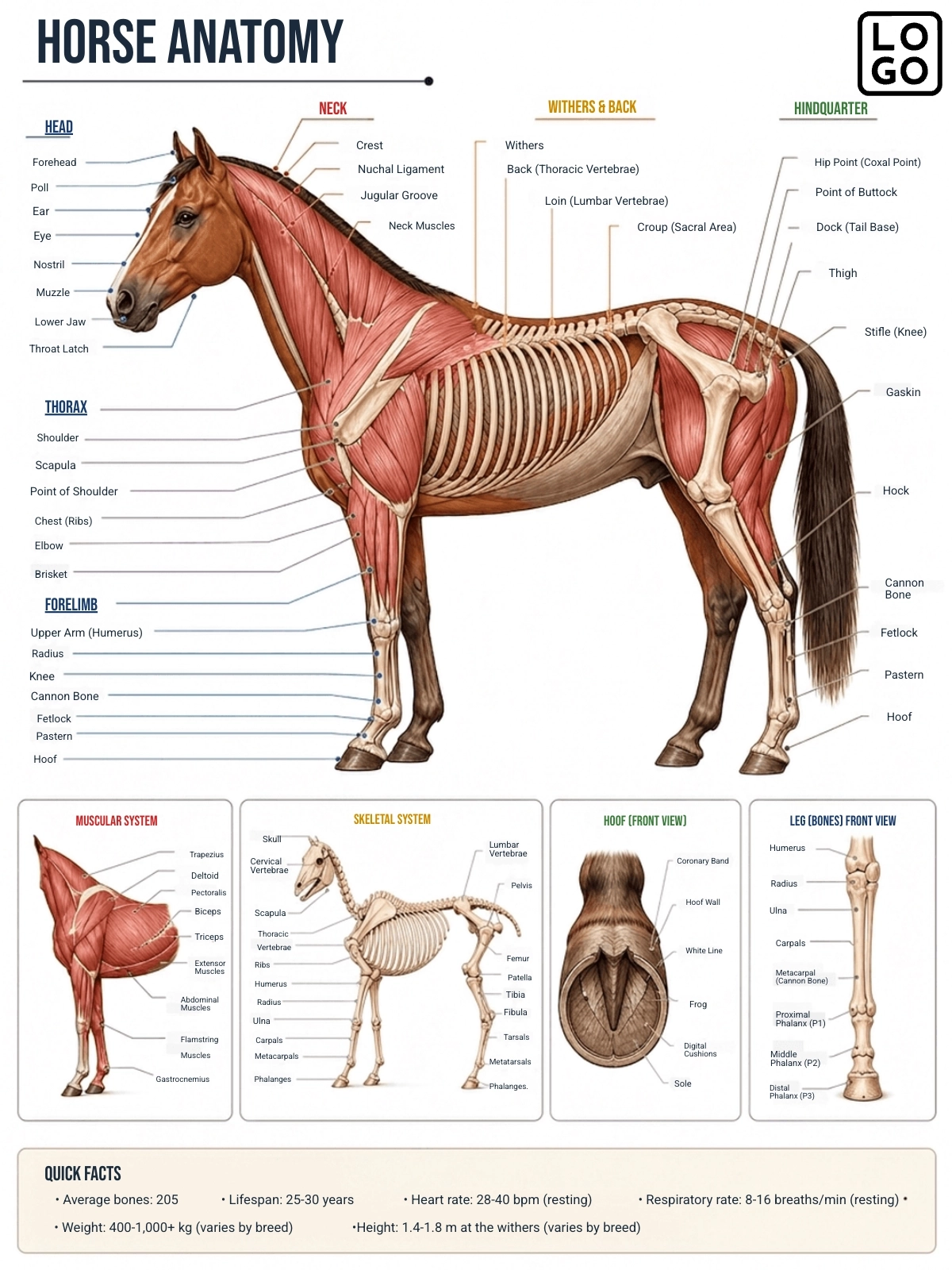
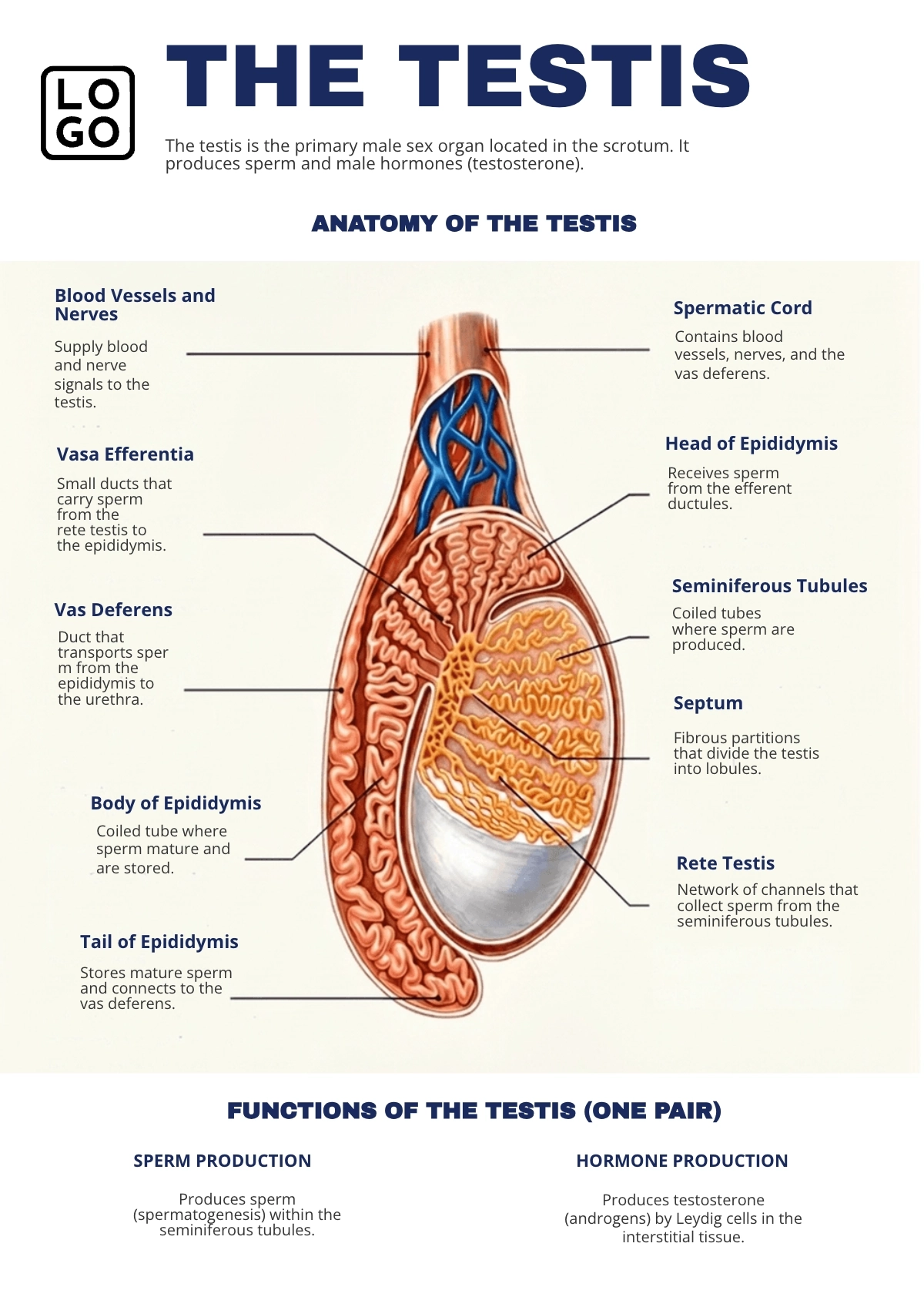
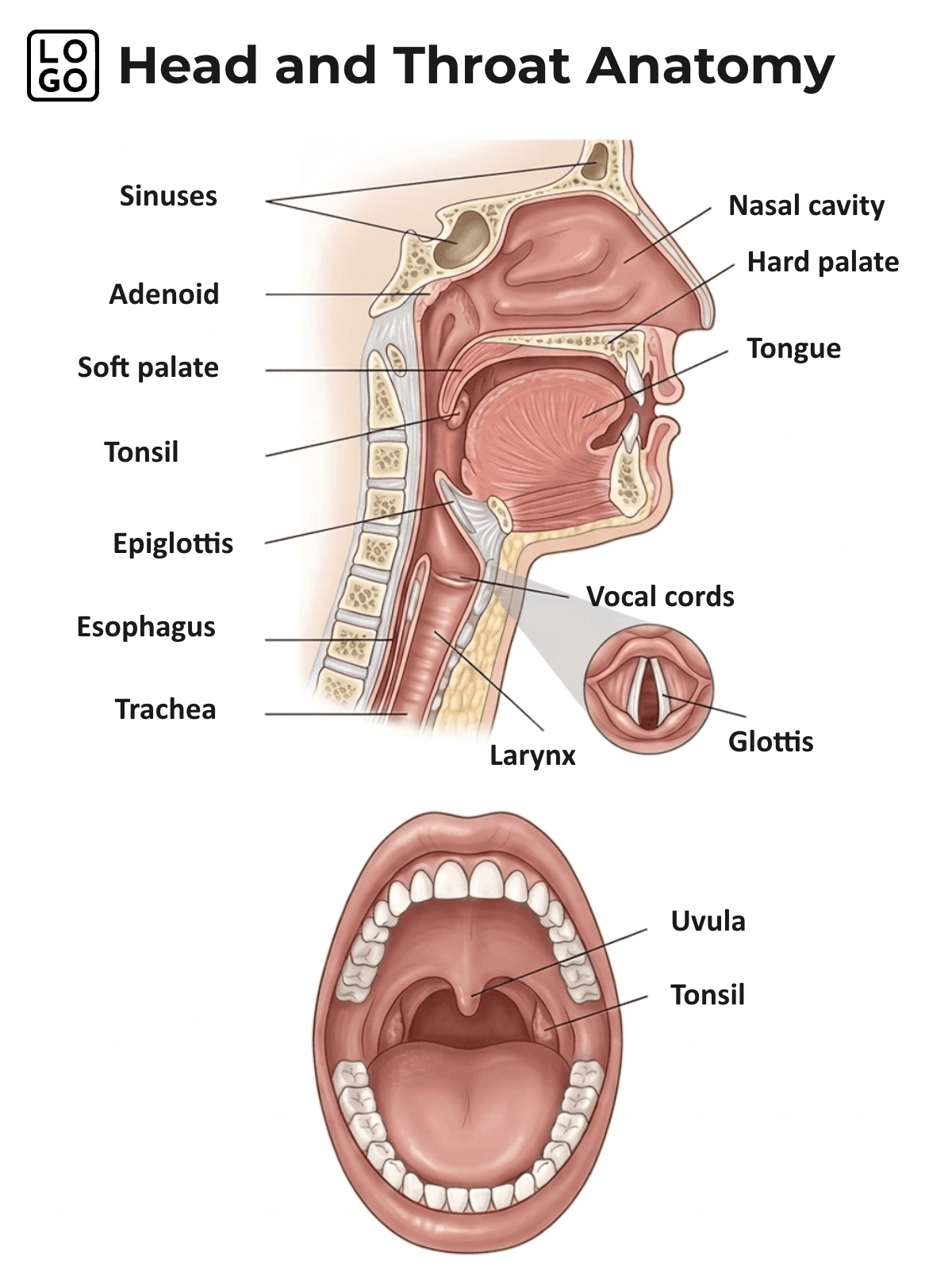
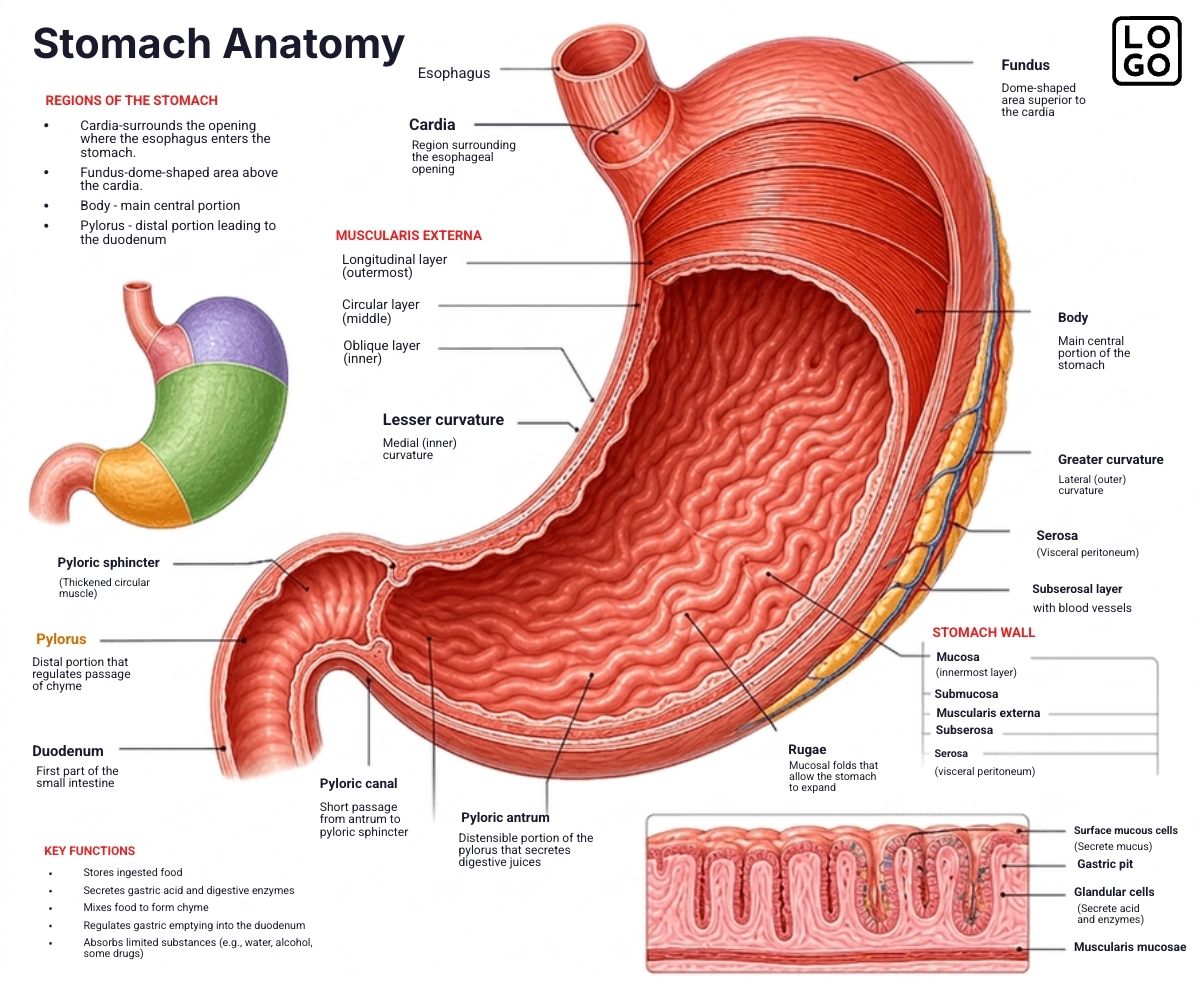
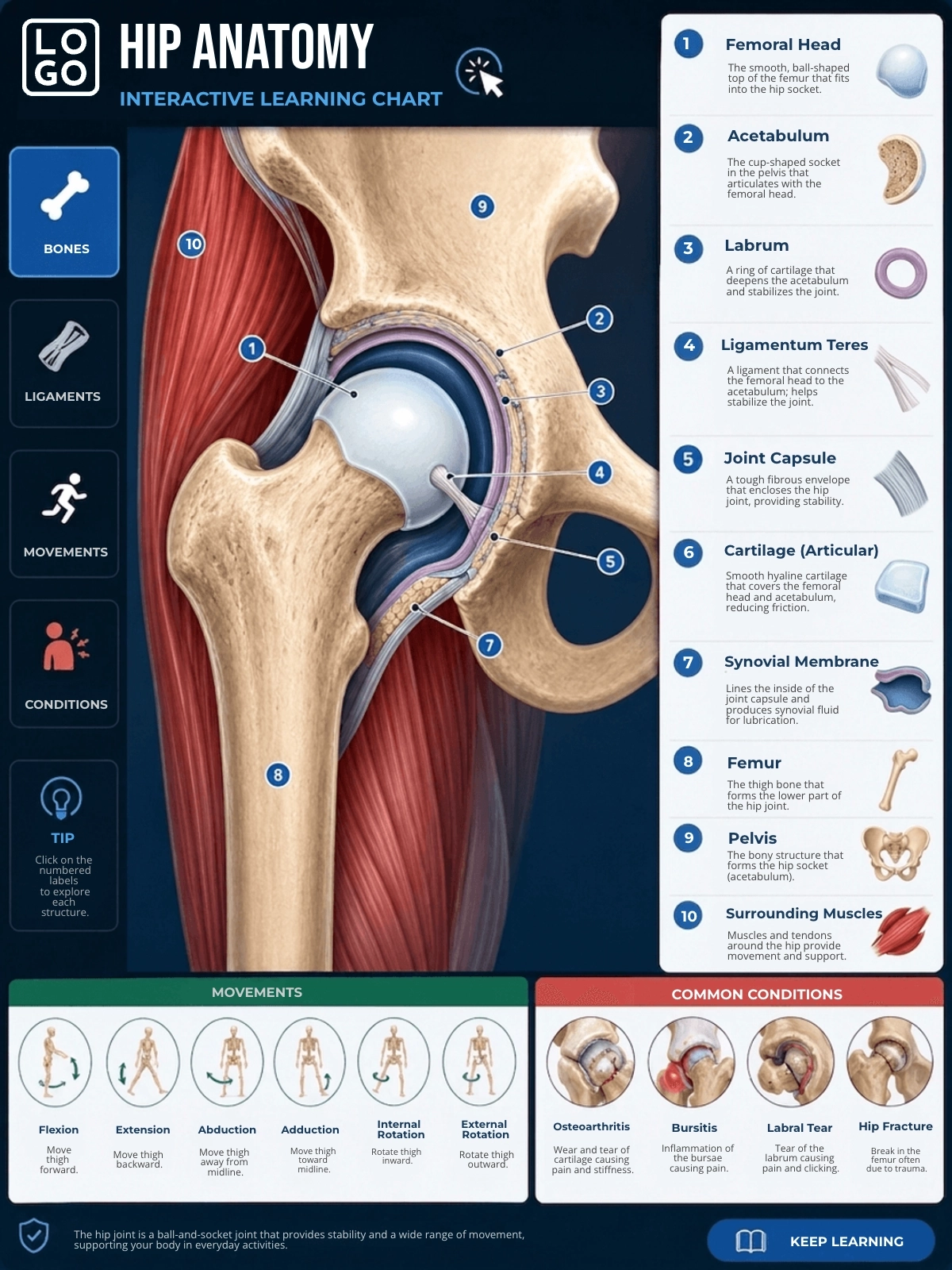
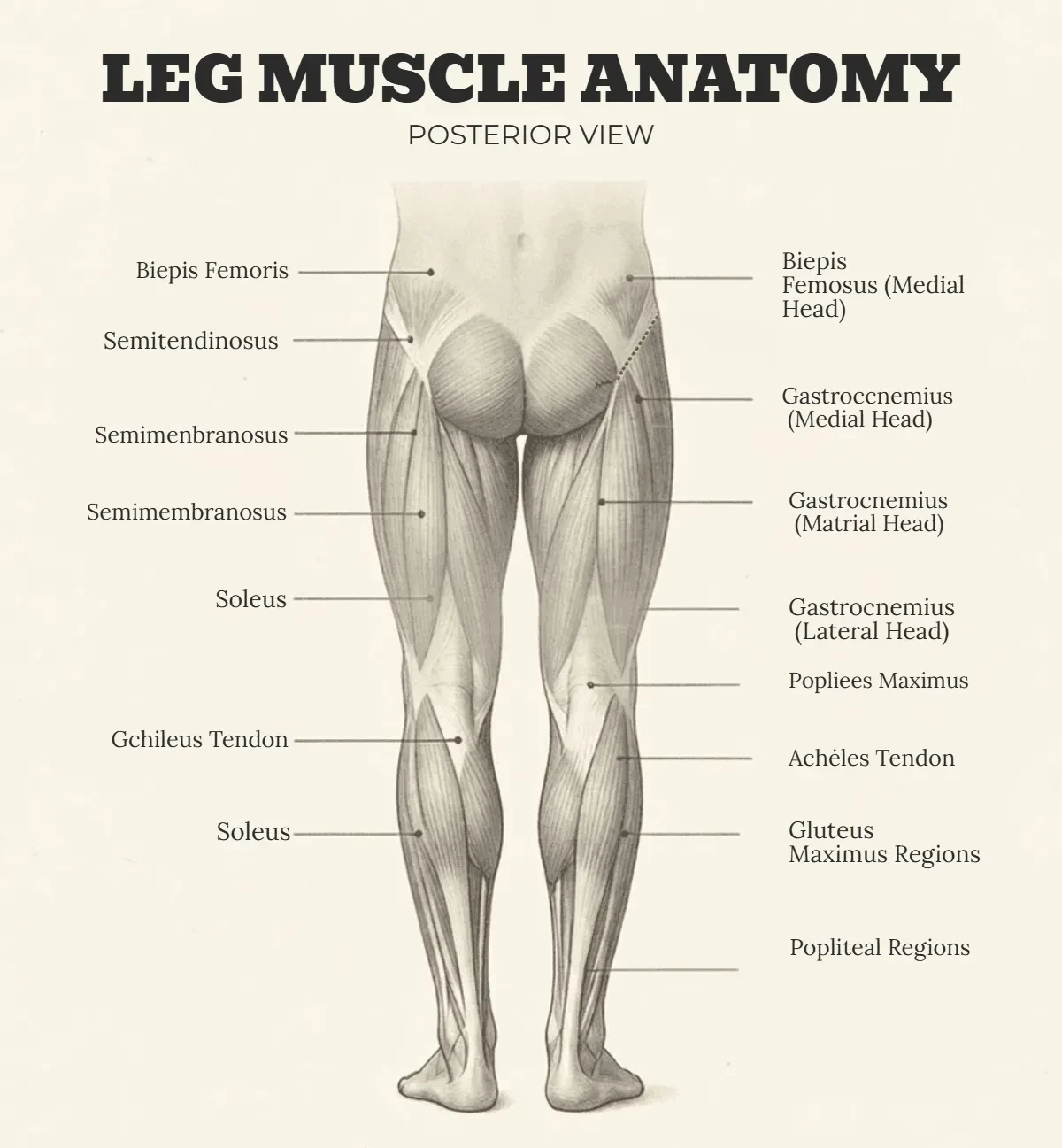
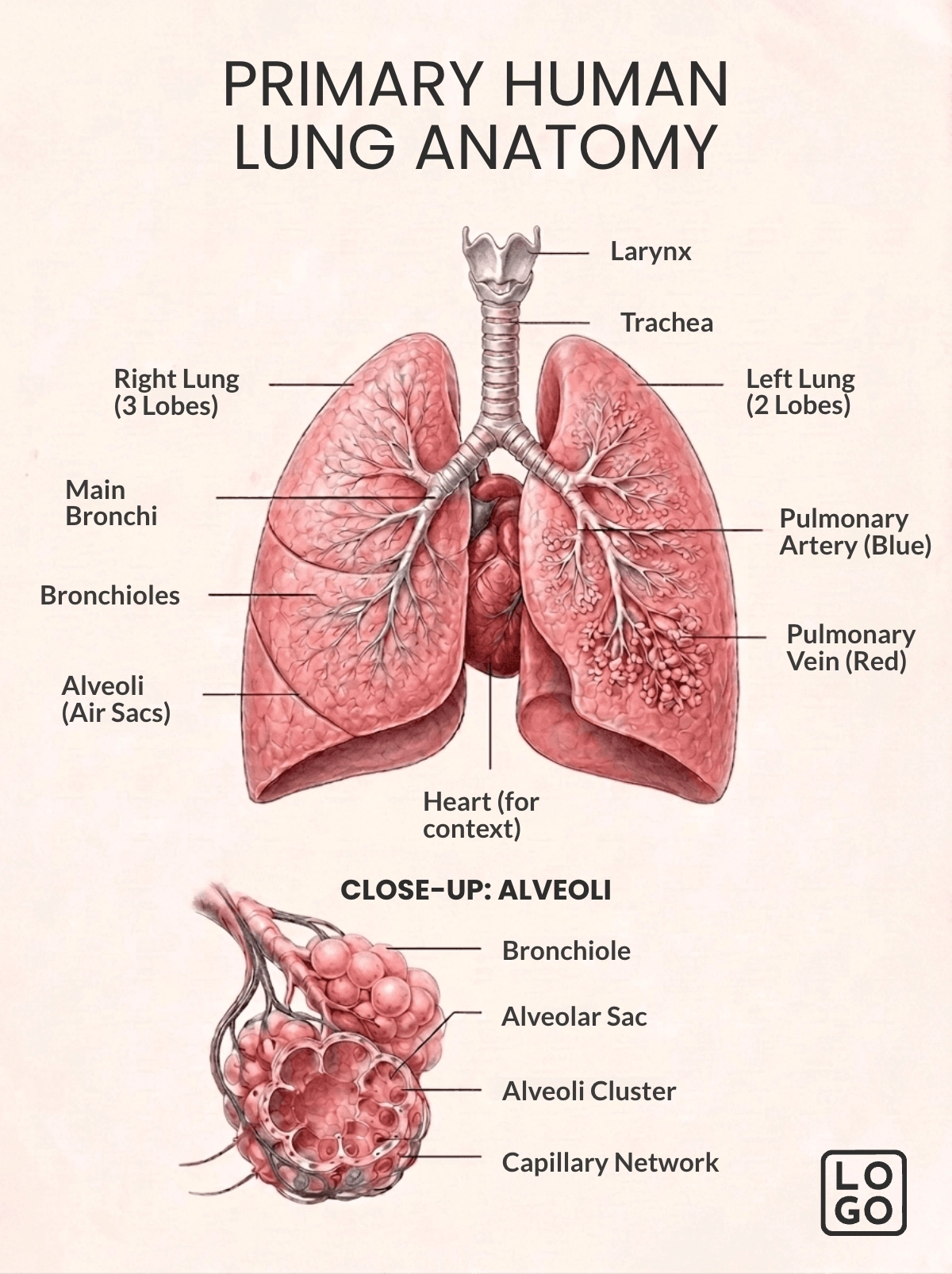
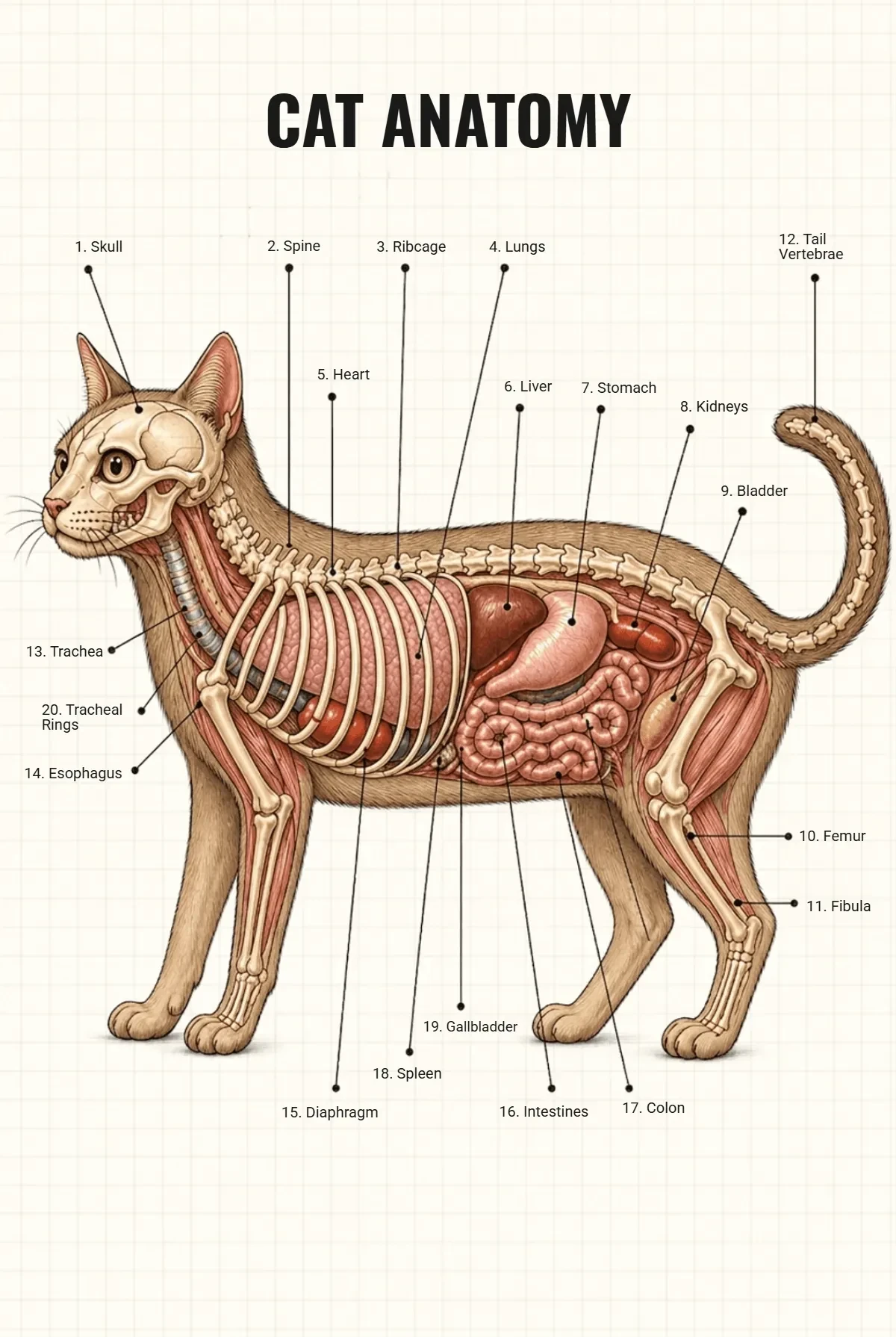
Anatomy is the branch of biology that studies the structure of organisms and their parts. Anatomy templates provide clear, organized visual representations or charts of body structures that help in education, research, and professional documentation.
Why should I use a Anatomy?
Using anatomy templates allows you to present complex biological structures in a clear and accessible format. These editable templates help reduce errors, save time, and ensure accuracy in educational or professional projects.
Who uses Anatomy?
Anatomy templates are commonly used by students, educators, medical professionals, and researchers who need detailed and accurate visual aids for teaching, learning, presentations, or documentation.
What are the best tips for completing my Anatomy?
When completing your anatomy template, focus on accuracy and clarity.
- Label key structures clearly for easy identification.
- Use consistent colors to differentiate parts.
- Include legends or notes for explanation.
- Maintain scale for proportional representation.
Can I create a Anatomy using AI?
While Template.net offers many editable anatomy templates, AI-based generation for anatomy diagrams is available elsewhere on the site. You can use Template.net for AI-assisted template creation.
What file formats can I download for my Anatomy?
Template.net editable anatomy templates support multiple export formats for your convenience, including PDF.
What are the essential elements of an Anatomy template?
Essential elements in an anatomy template include
- Accurate labels for organs and structures.
- Clear diagrams showing relations among parts.
- Legends or keys explaining symbols or colors.
- Scale indicators for size reference.
- Annotations for detailed descriptions.
How is Anatomy used in professional workflows?
Anatomy templates are used in professional workflows for teaching, patient education, medical research, and documentation. They help visualize complex body systems, enhance communication, and support accurate record-keeping.
What are common use cases for Anatomy templates?
Common use cases for anatomy templates include
- Educational materials for students and instructors.
- Medical presentations and reports.
- Research documentation and publications.
- Patient information leaflets explaining anatomy.
- Training resources for healthcare professionals.
