
Free HACCP Templates
Explore professionally designed free HACCP templates you can customize. Achieve professional quality with customizable options. Start designing now!
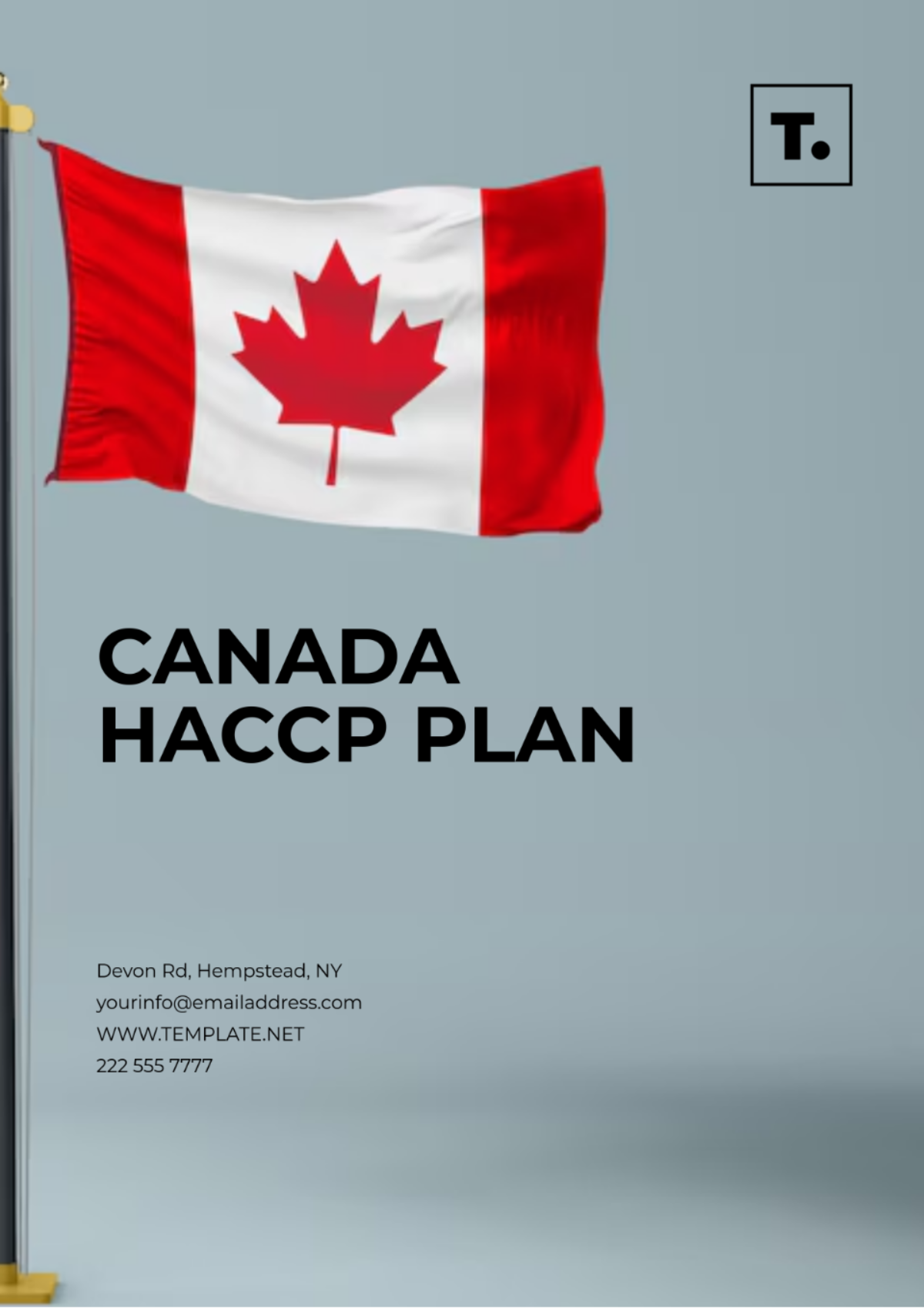
Free HACCP Editable Templates: Professional Quality, Uses, and Online Customization
HACCP stands for Hazard Analysis and Critical Control Points, a systematic approach used to ensure food safety by identifying and controlling potential hazards during production. Template.net offers editable HACCP templates that you can complete or modify directly in your browser for professional use.

What is a HACCP?
HACCP is a preventive food safety system that identifies critical points in food production to control hazards and ensure safe consumption. It involves analyzing processes to detect potential biological, chemical, or physical risks and establishing controls to mitigate them, improving overall food safety management.

Why should I use a HACCP?
Using HACCP helps you systematically manage food safety risks, ensuring compliance with regulatory standards and protecting consumers. It reduces the chance of foodborne illnesses, improves product quality, and supports traceability and accountability in your food production workflow.

Who uses HACCP?
HACCP is used by food manufacturers, processors, restaurants, caterers, and regulatory agencies. Quality assurance teams, safety managers, and compliance officers rely on HACCP to maintain food safety standards and meet legal requirements across the food industry.

What are the best tips for completing my HACCP?
When completing a HACCP template, focus on thorough hazard analysis, accurate identification of critical control points, and clear documentation. Regularly review and update the plan, involve cross-functional teams, and ensure corrective actions and monitoring procedures are well-defined and practical.

Can I create a HACCP using AI?
You can create a HACCP plan using AI tools, but Template.net primarily provides editable HACCP templates for manual customization online. AI may assist in drafting, but professional expertise is essential to tailor HACCP plans to specific processes and hazards.

When should I use a HACCP?
You should use a HACCP plan during food product development, processing, packaging, and distribution stages. Implementing HACCP early helps identify hazards and control points to prevent contamination and ensure safe products throughout the supply chain.

What are the essential elements of a HACCP?
A HACCP plan includes seven essential elements: hazard analysis, identifying critical control points, establishing critical limits, monitoring procedures, corrective actions, verification processes, and record-keeping. These components work together to maintain effective food safety controls.

How is HACCP used in professional workflows?
HACCP integrates into professional workflows by guiding risk assessment, process control, and documentation. It supports quality assurance, regulatory compliance, and continuous improvement in food safety practices within manufacturing, catering, and inspection operations.

What are common scenarios where HACCP templates are applied?
HACCP templates are applied in food processing plants, commercial kitchens, catering services, and food packaging facilities. These templates help standardize safety protocols, facilitate audits, and document compliance with food safety regulations and certifications.
