
Free Mitigation Templates
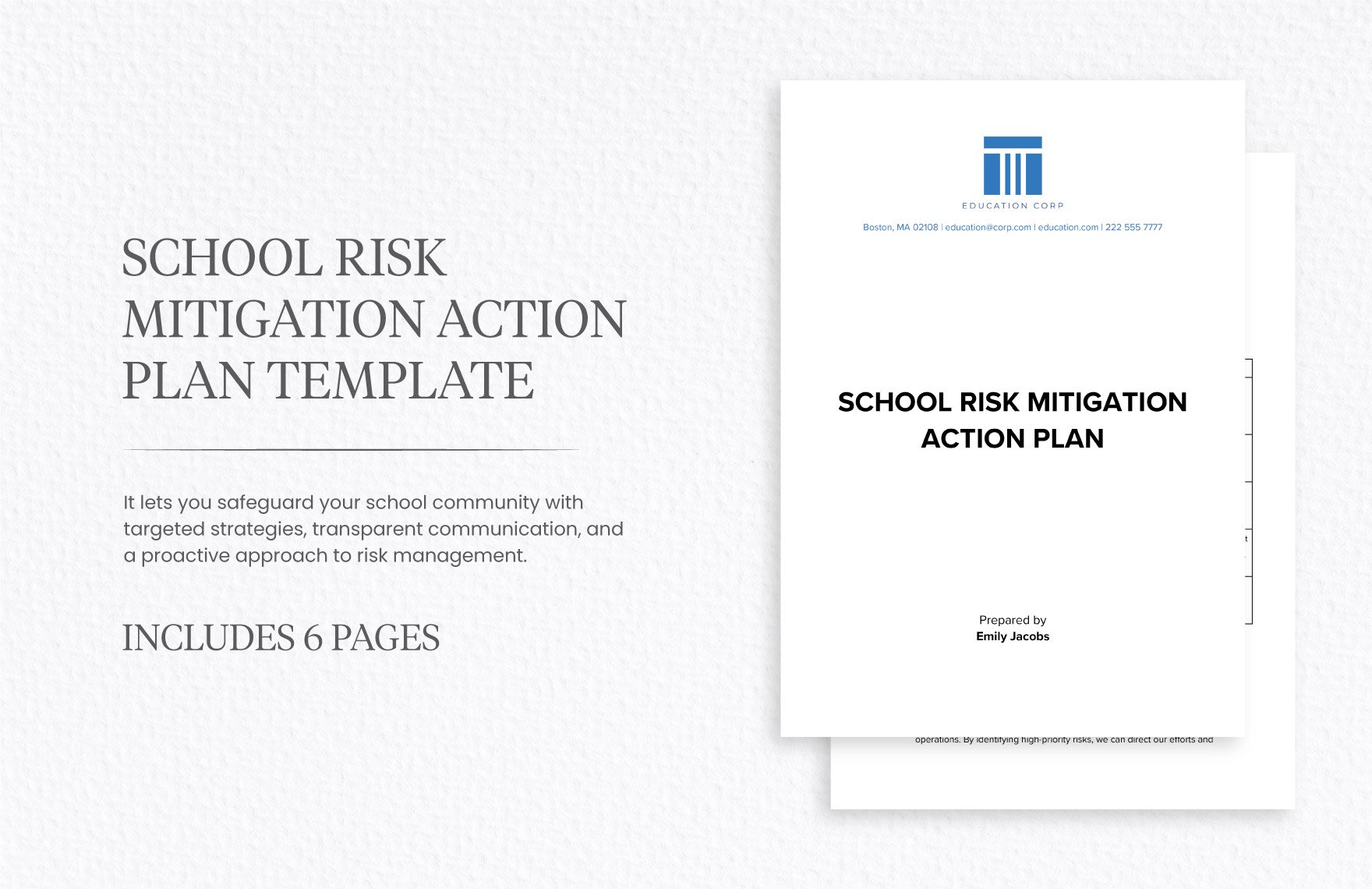
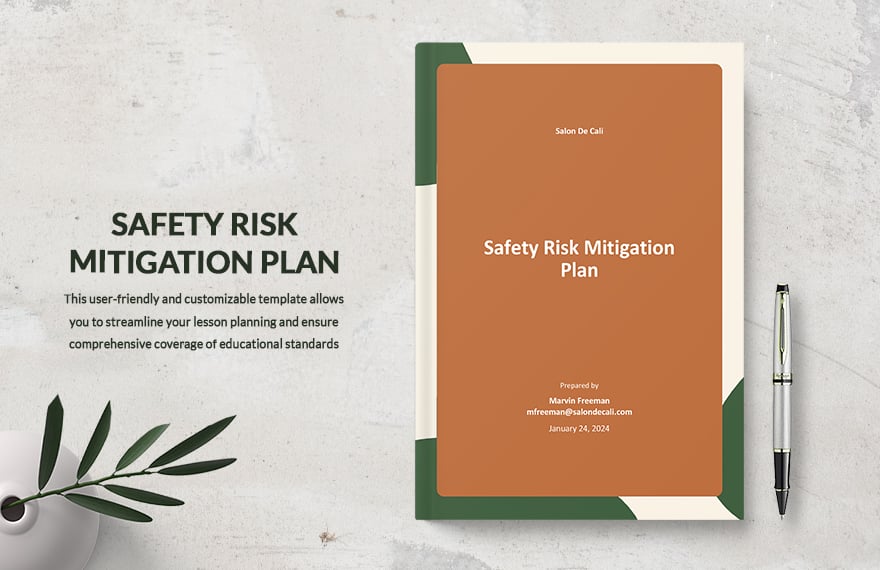
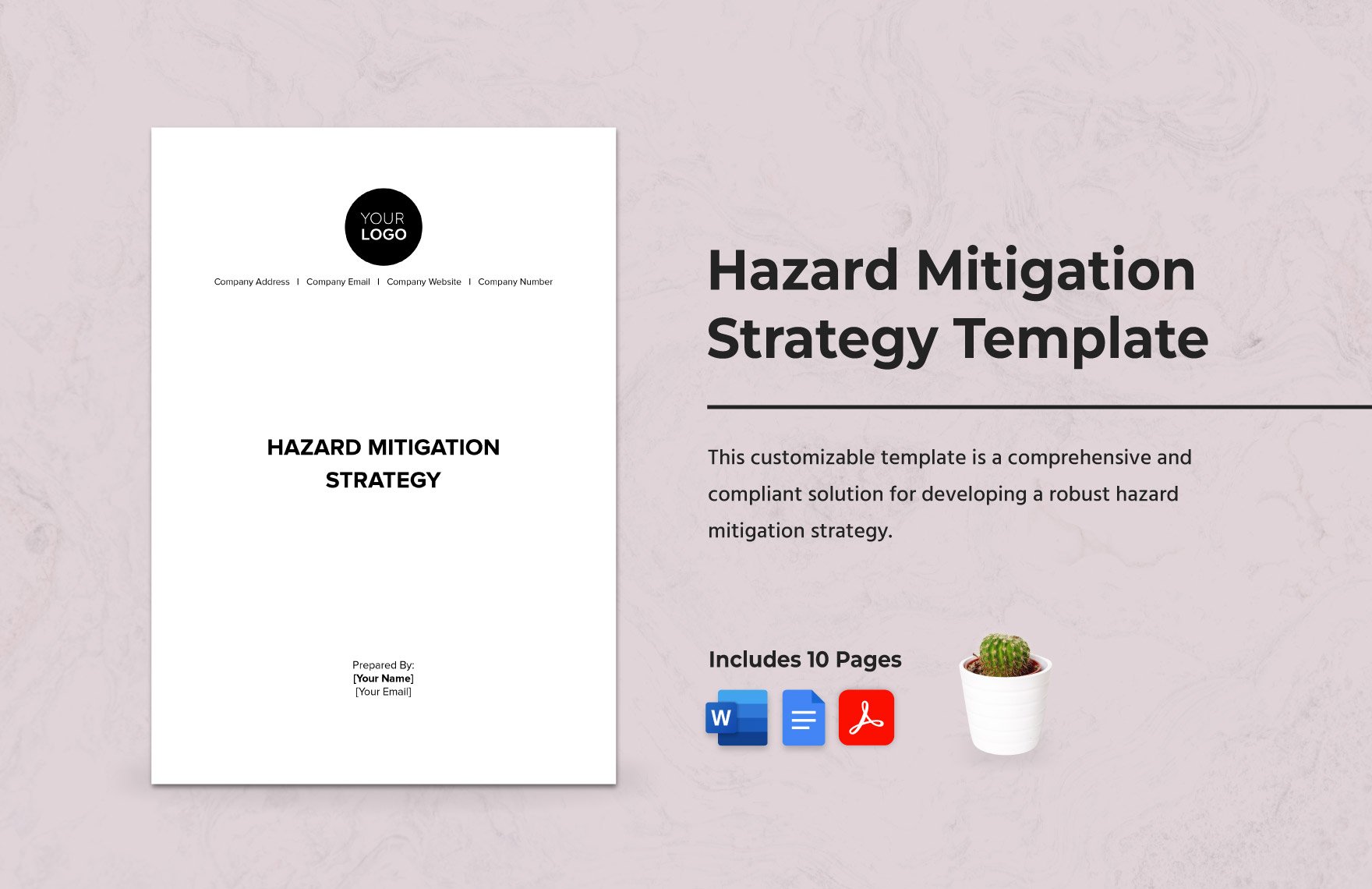
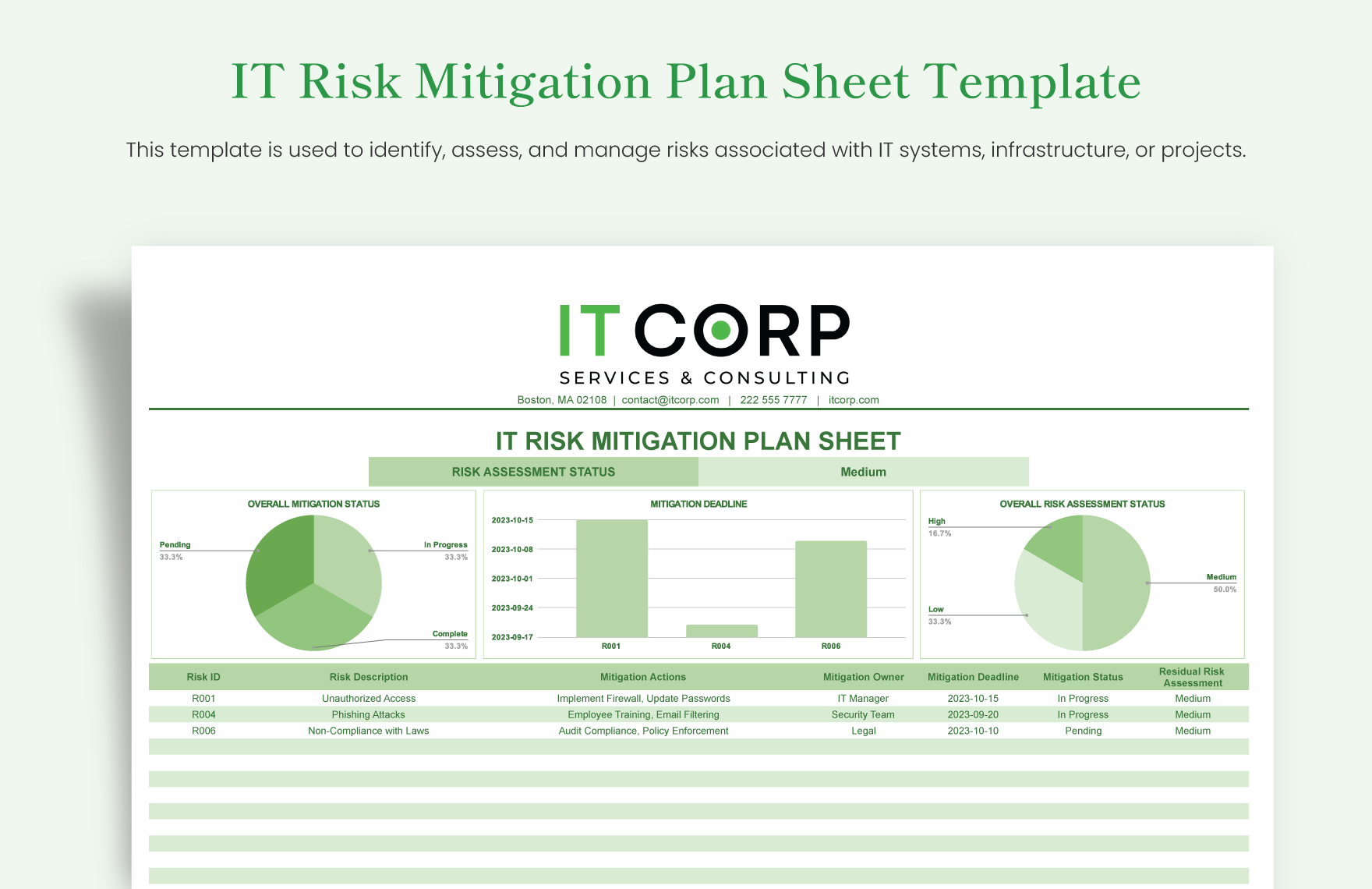
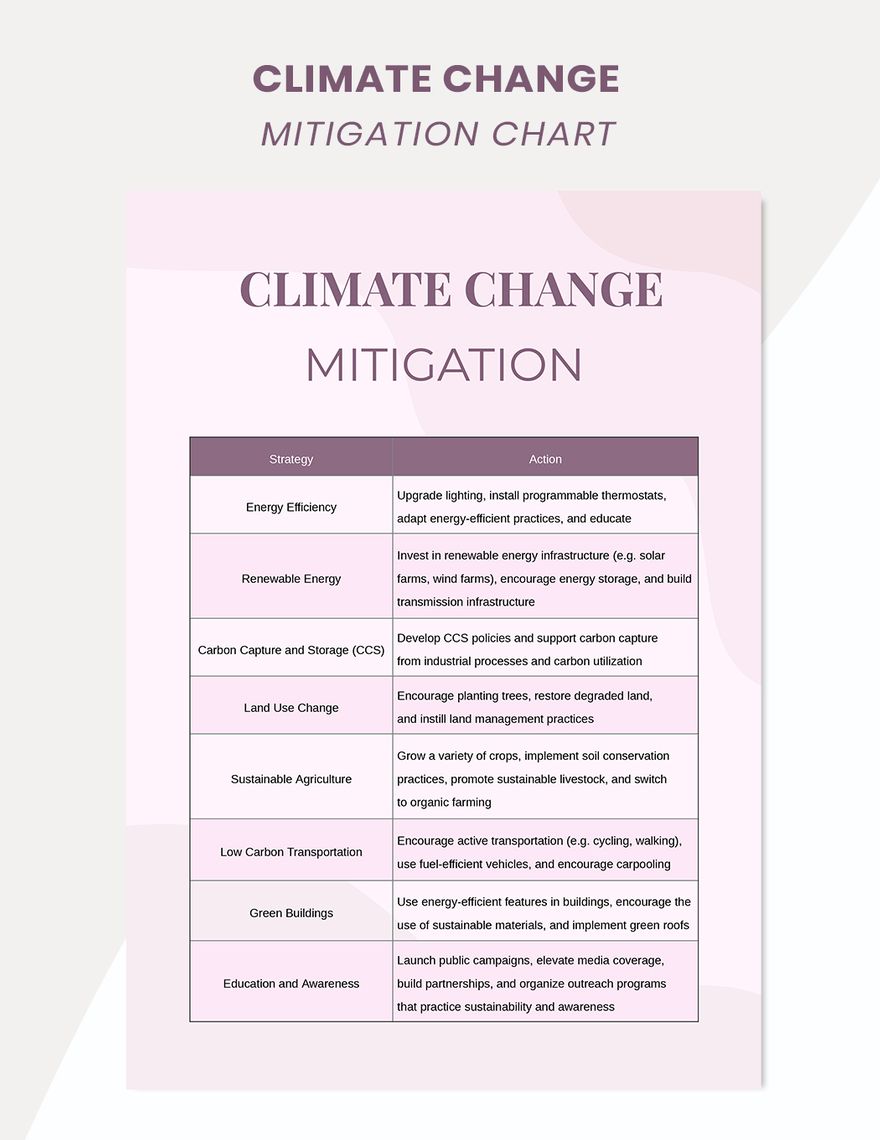
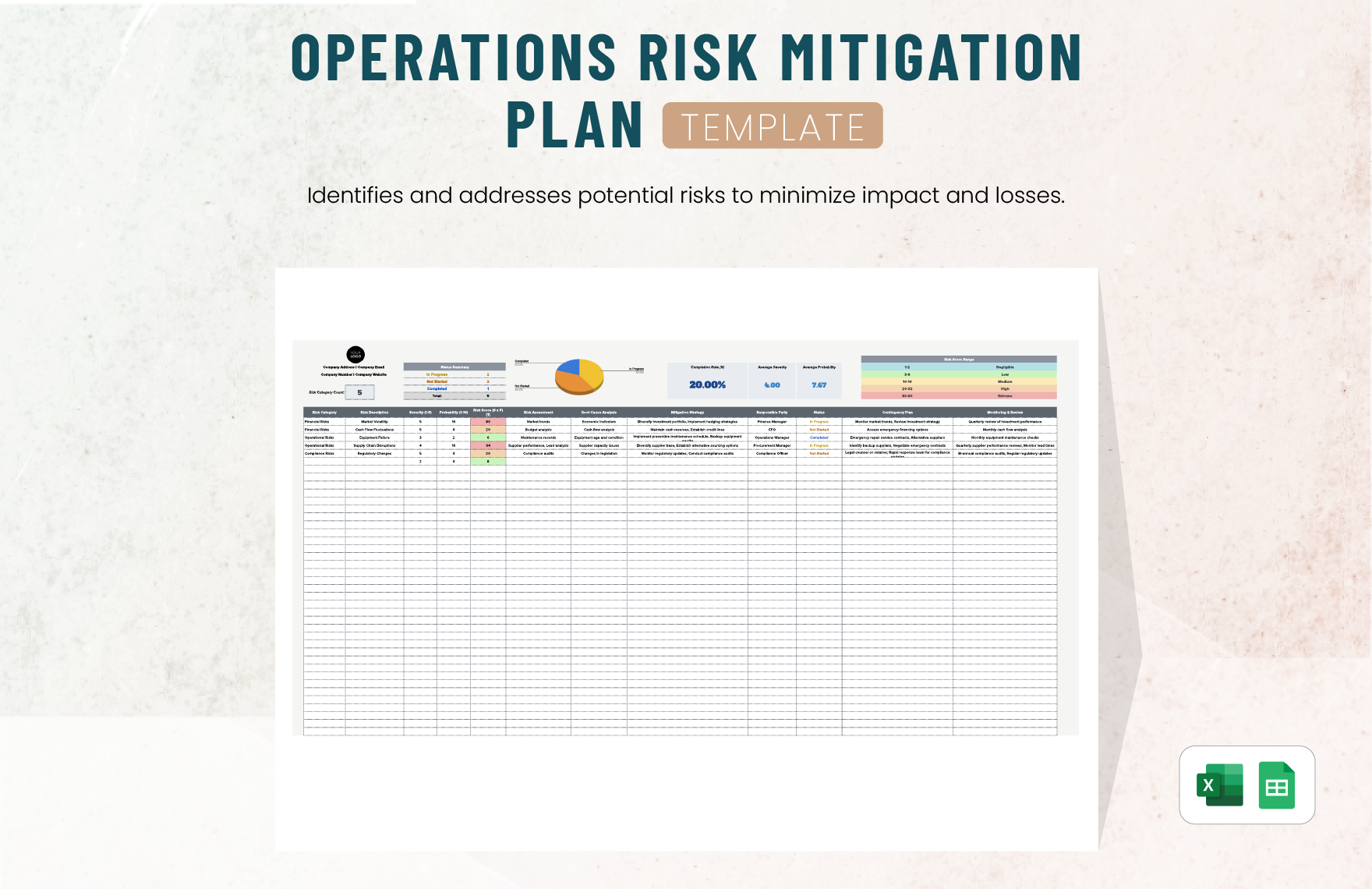
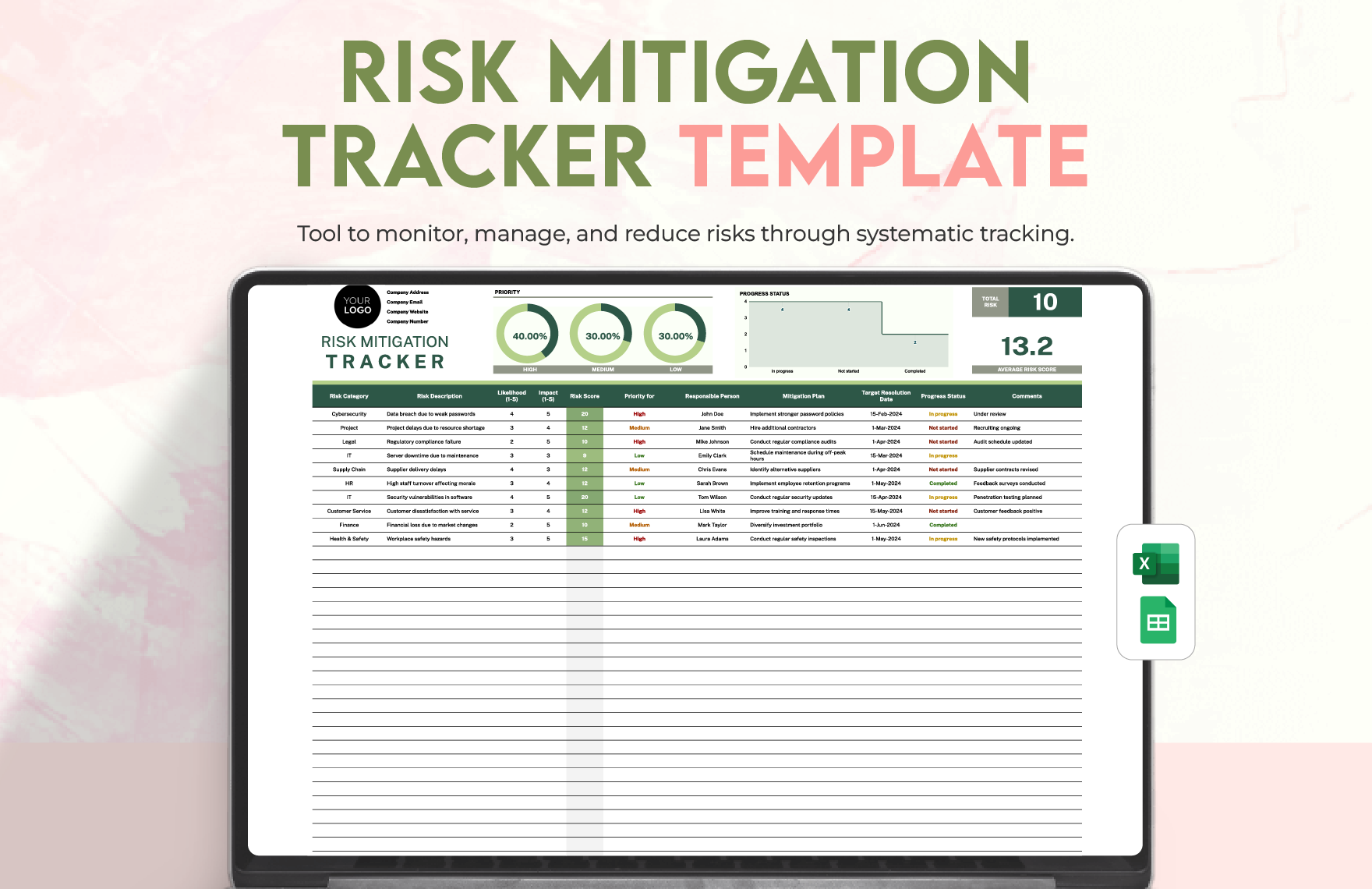
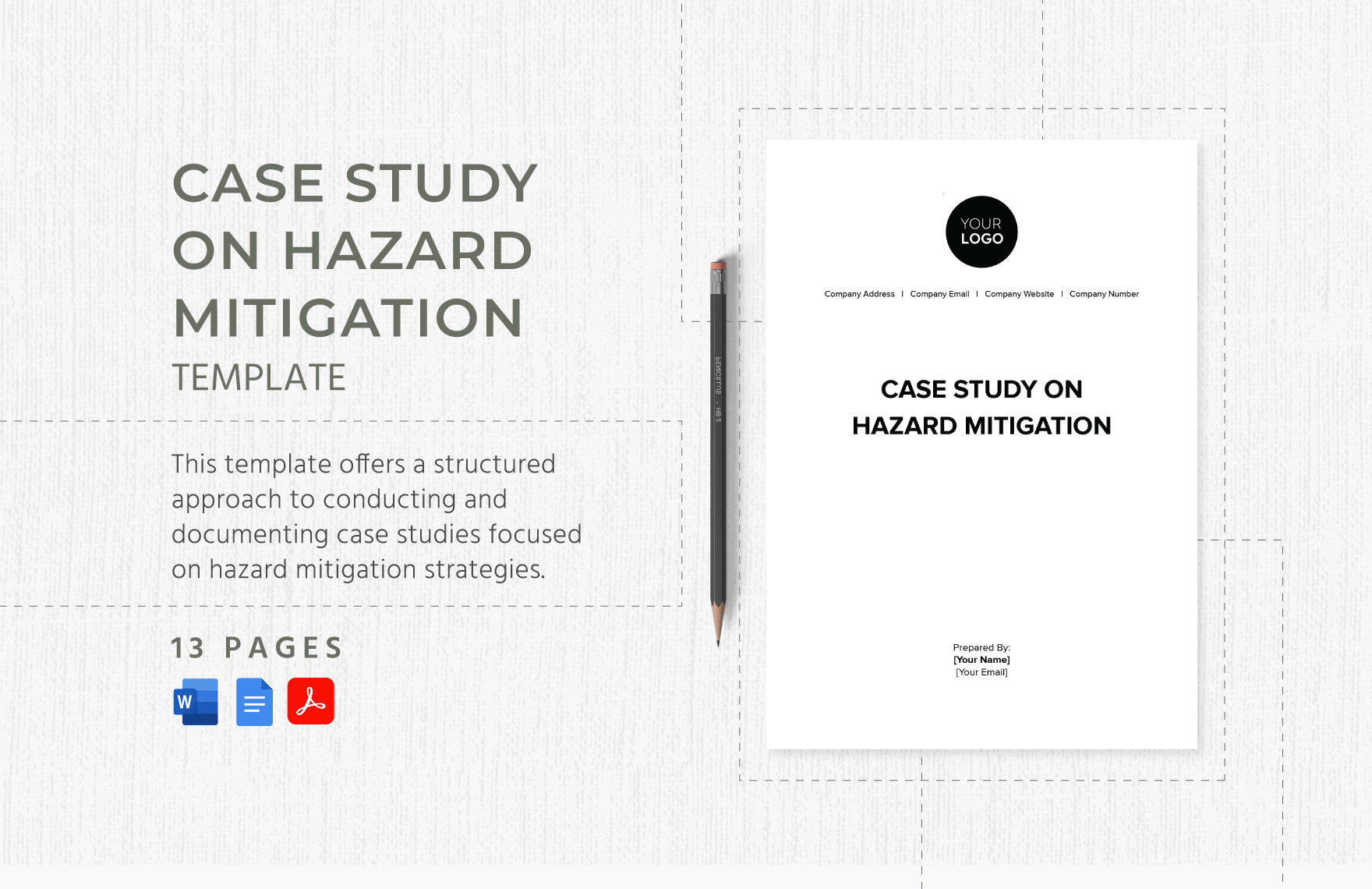
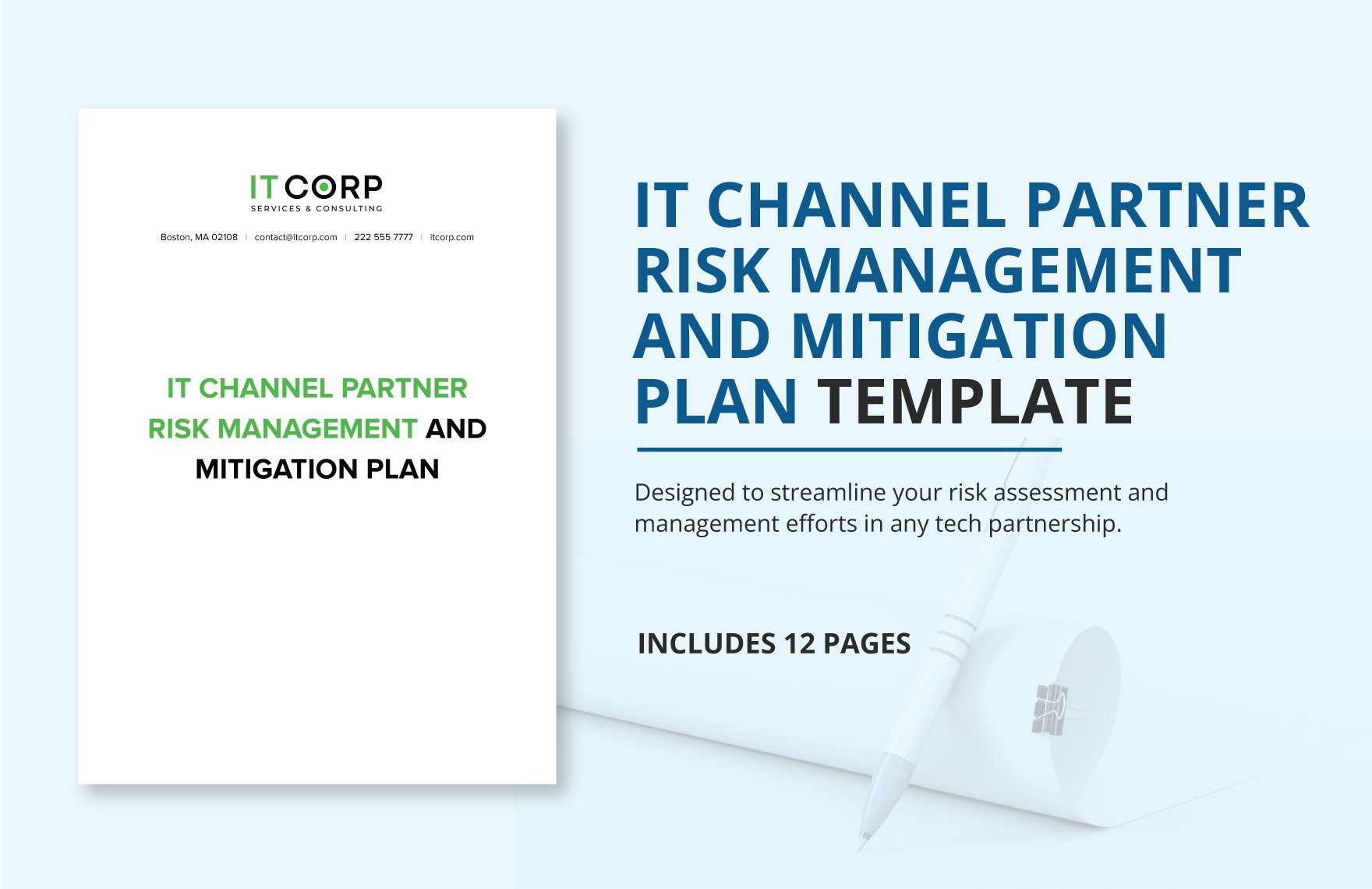
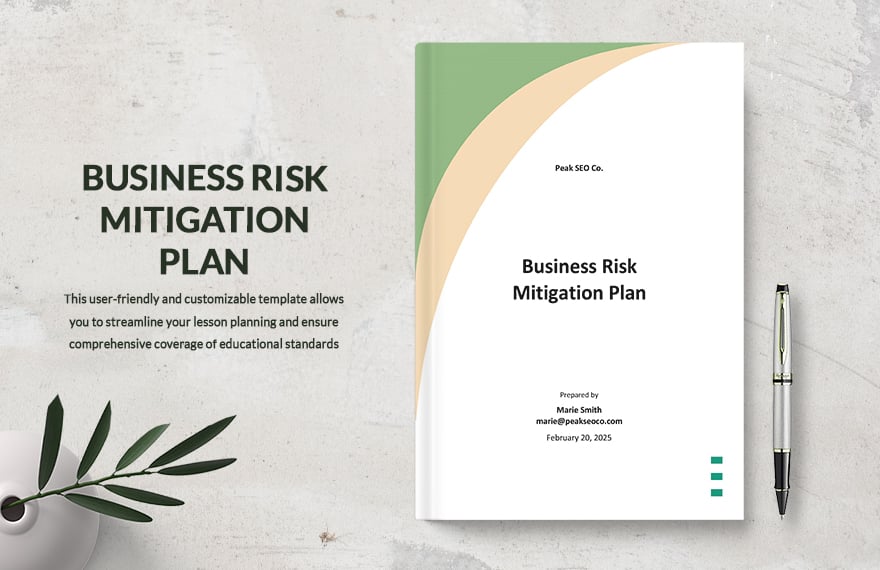
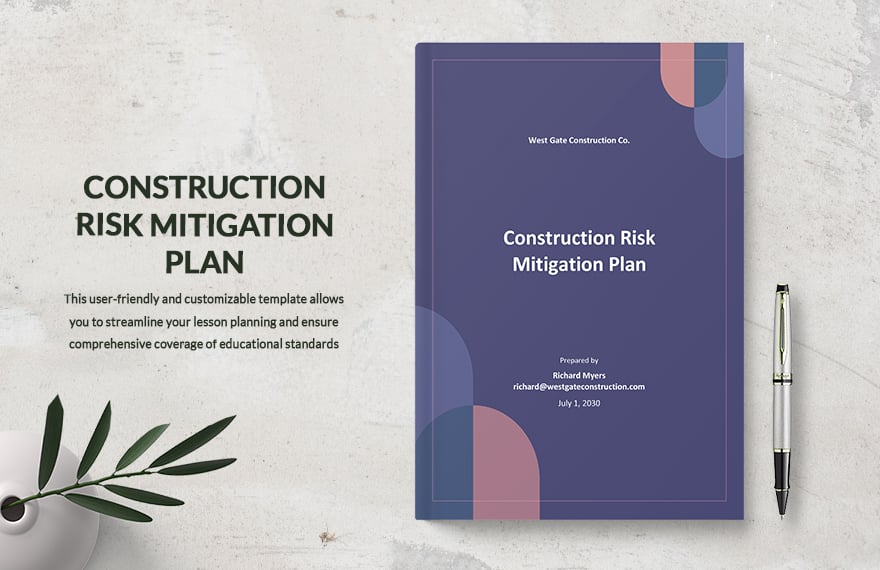
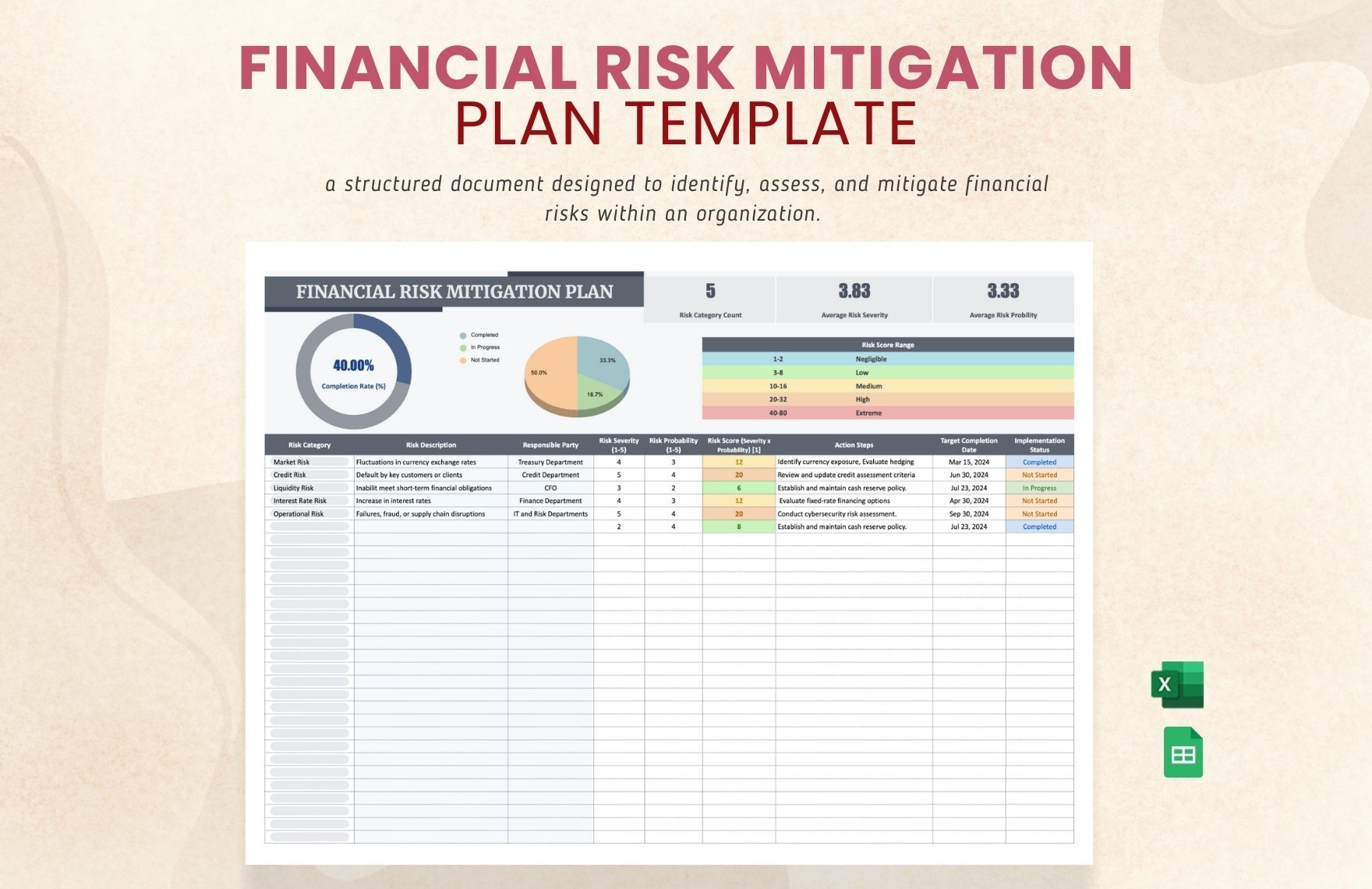
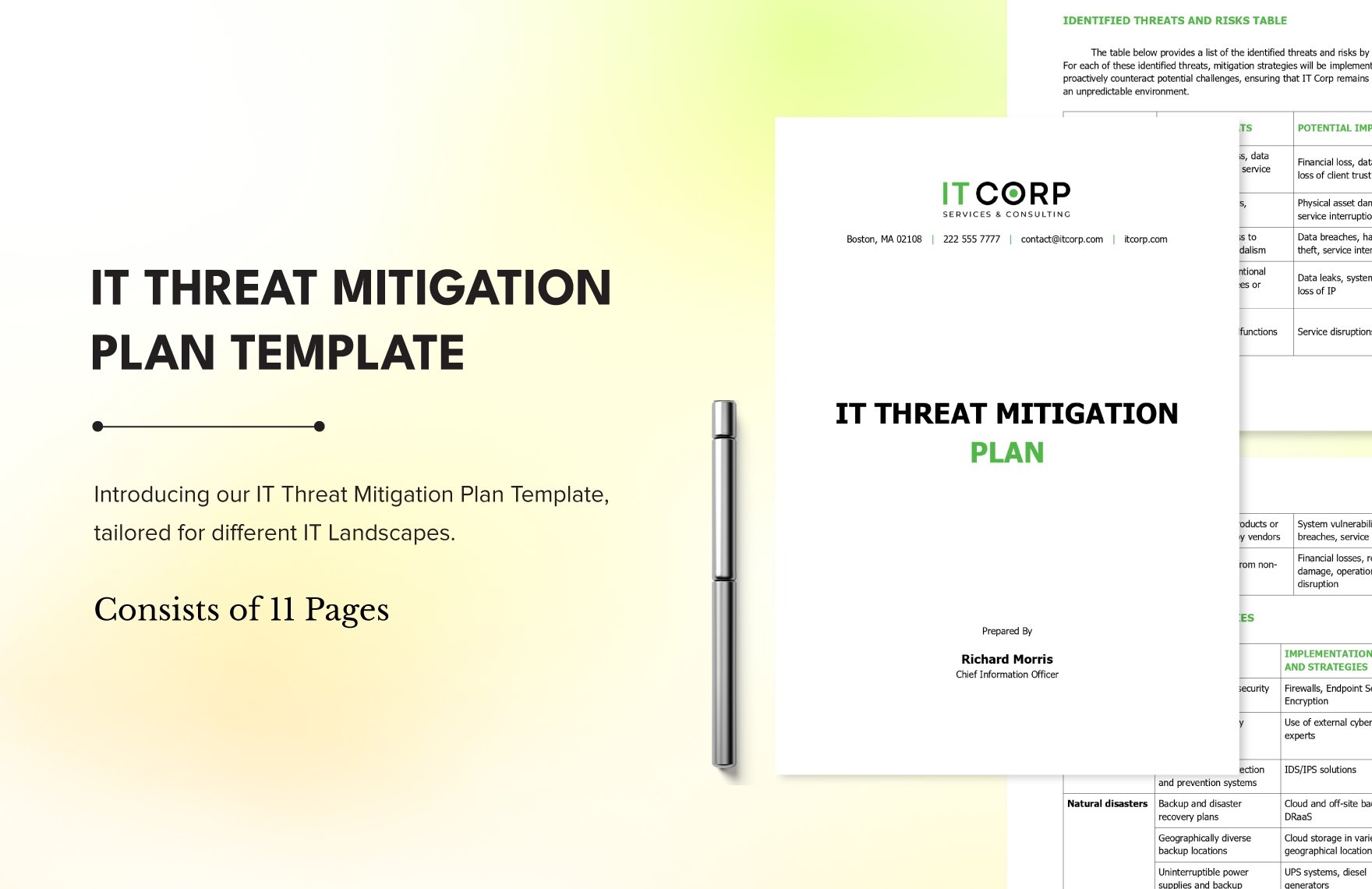
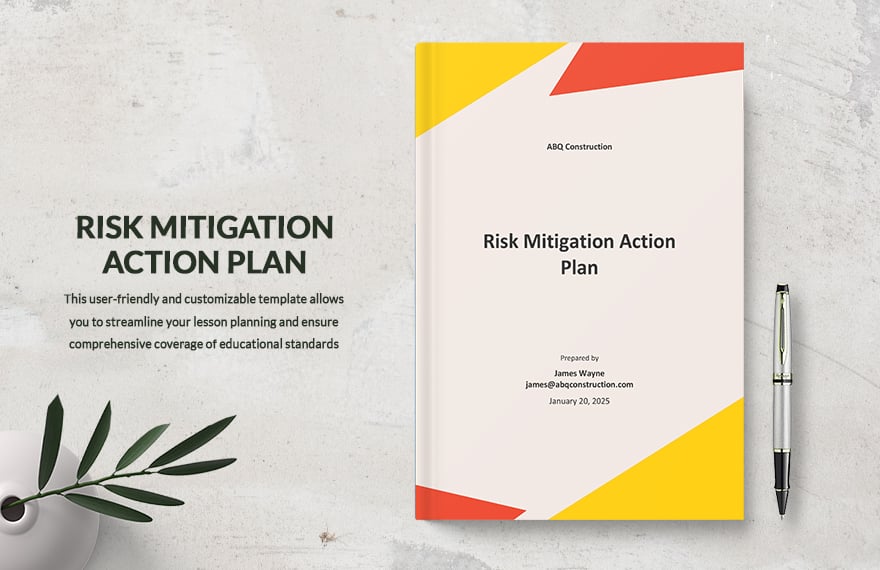
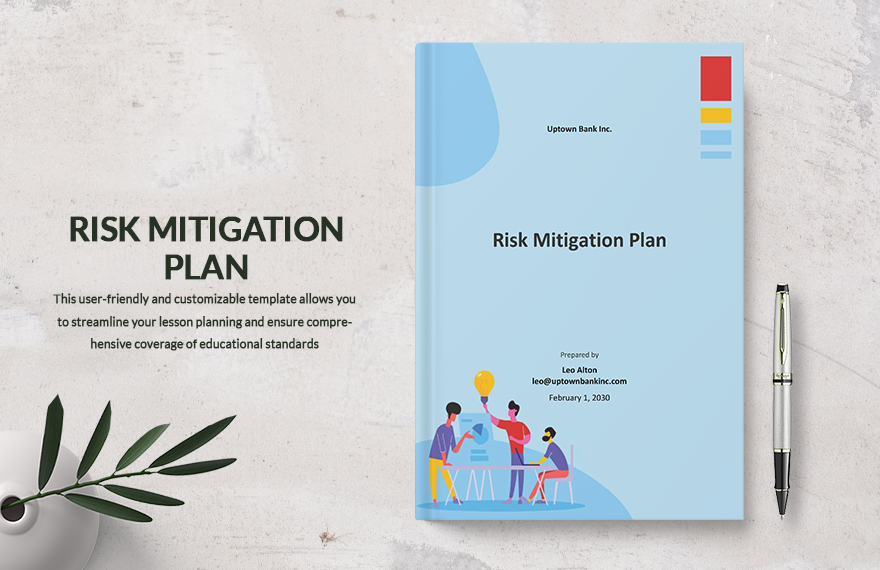
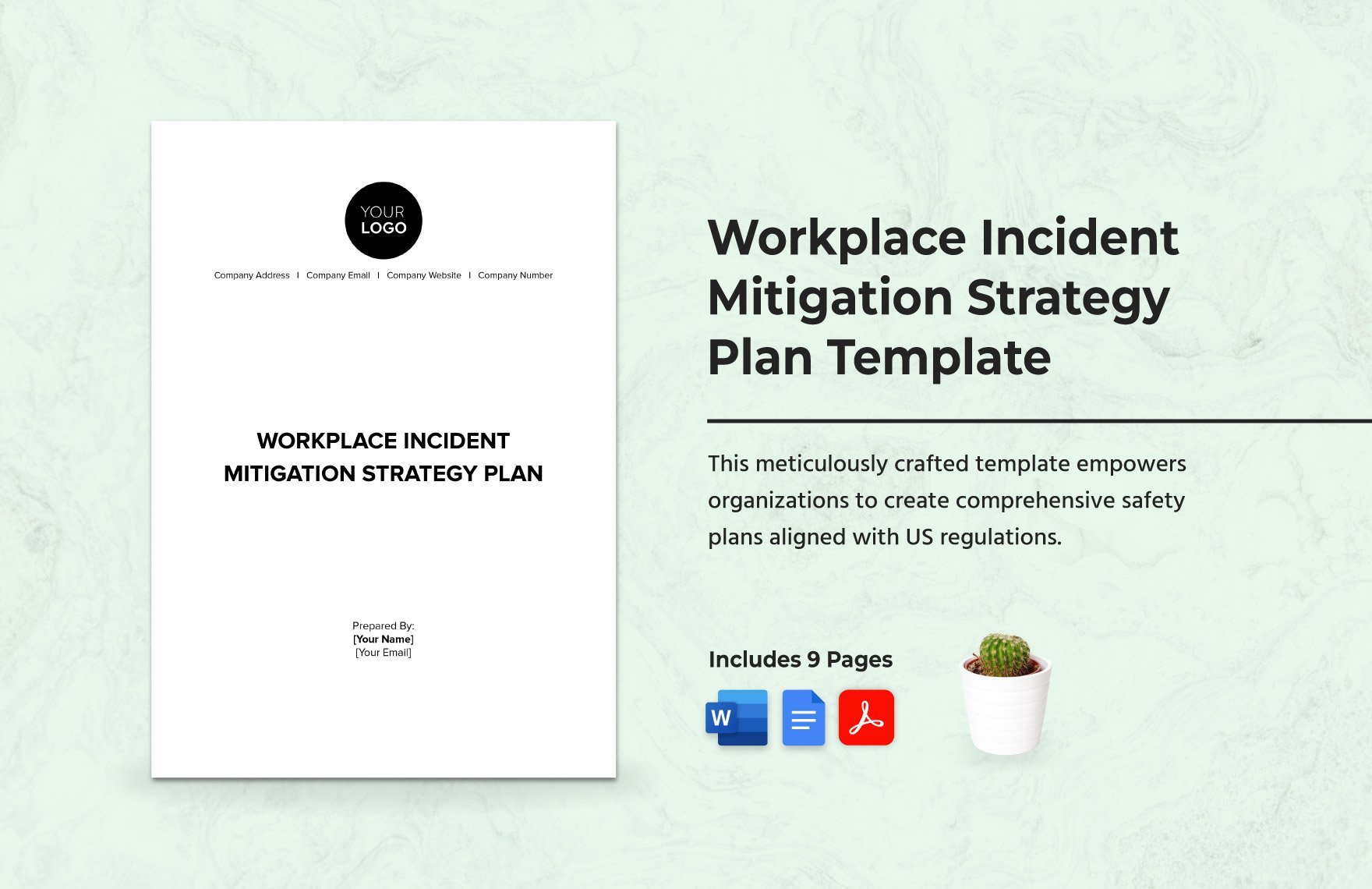
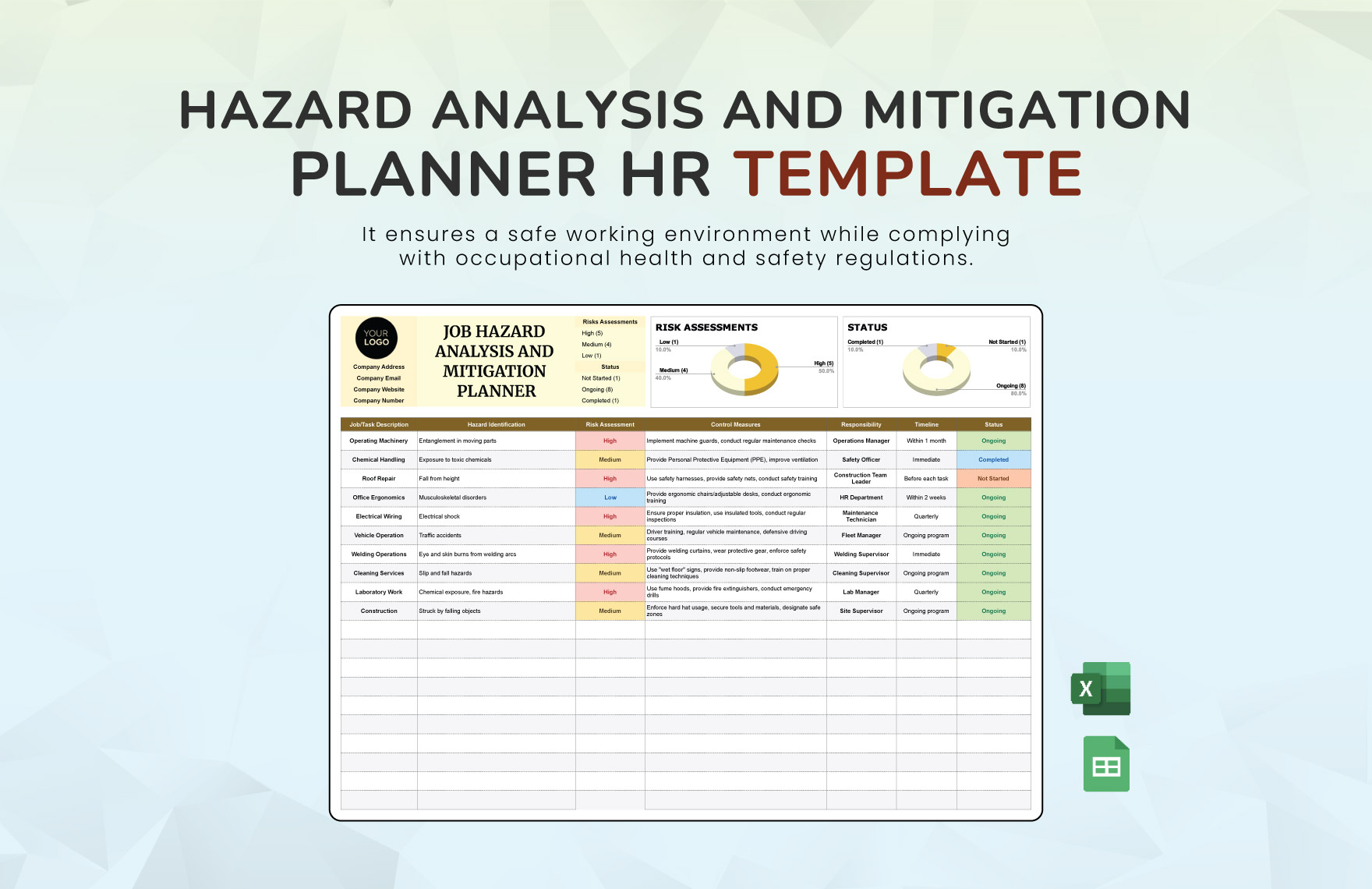
Free Mitigation Templates: Editable Guide, Uses, and Best Practices
What is a Mitigation?
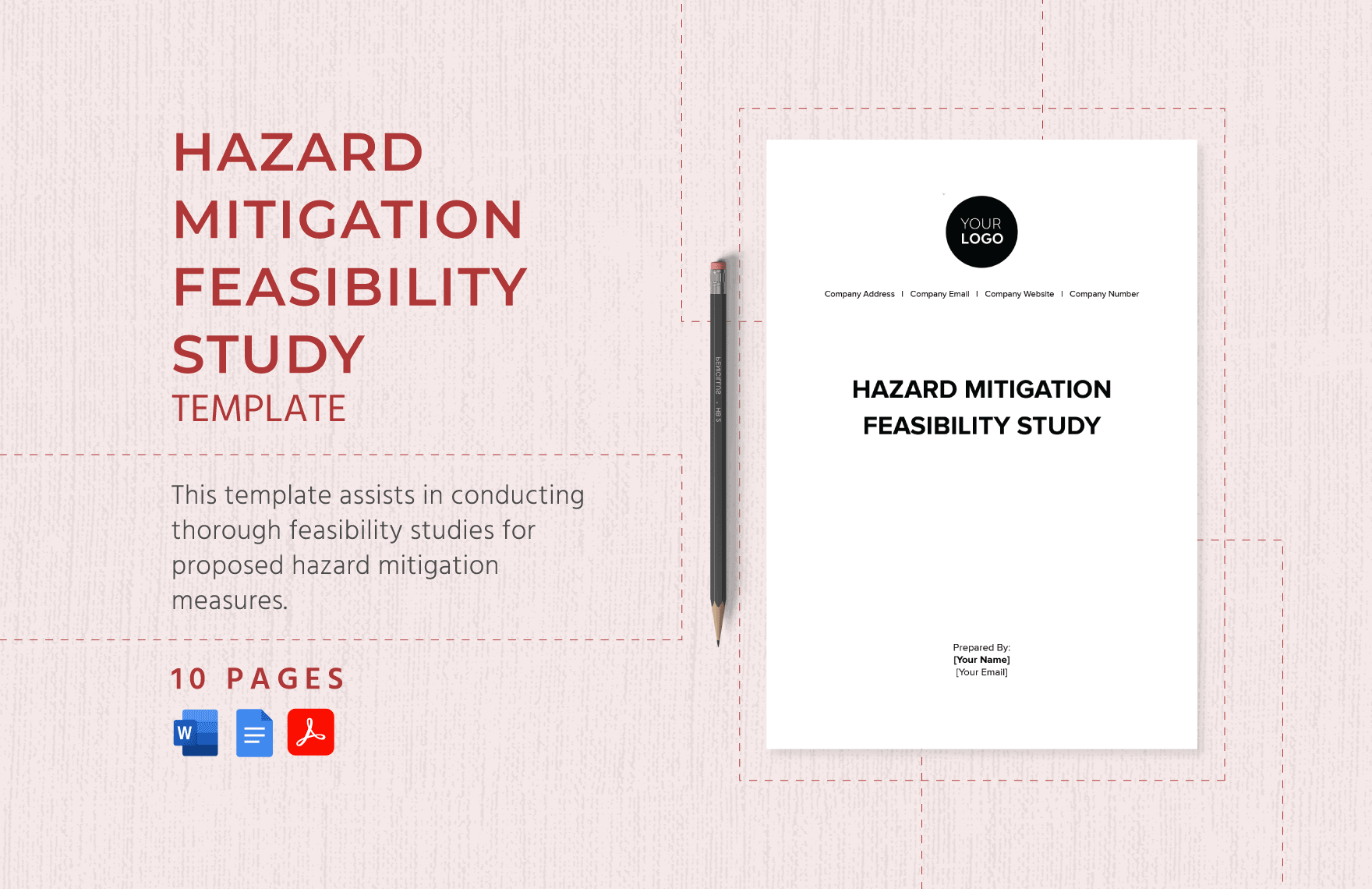
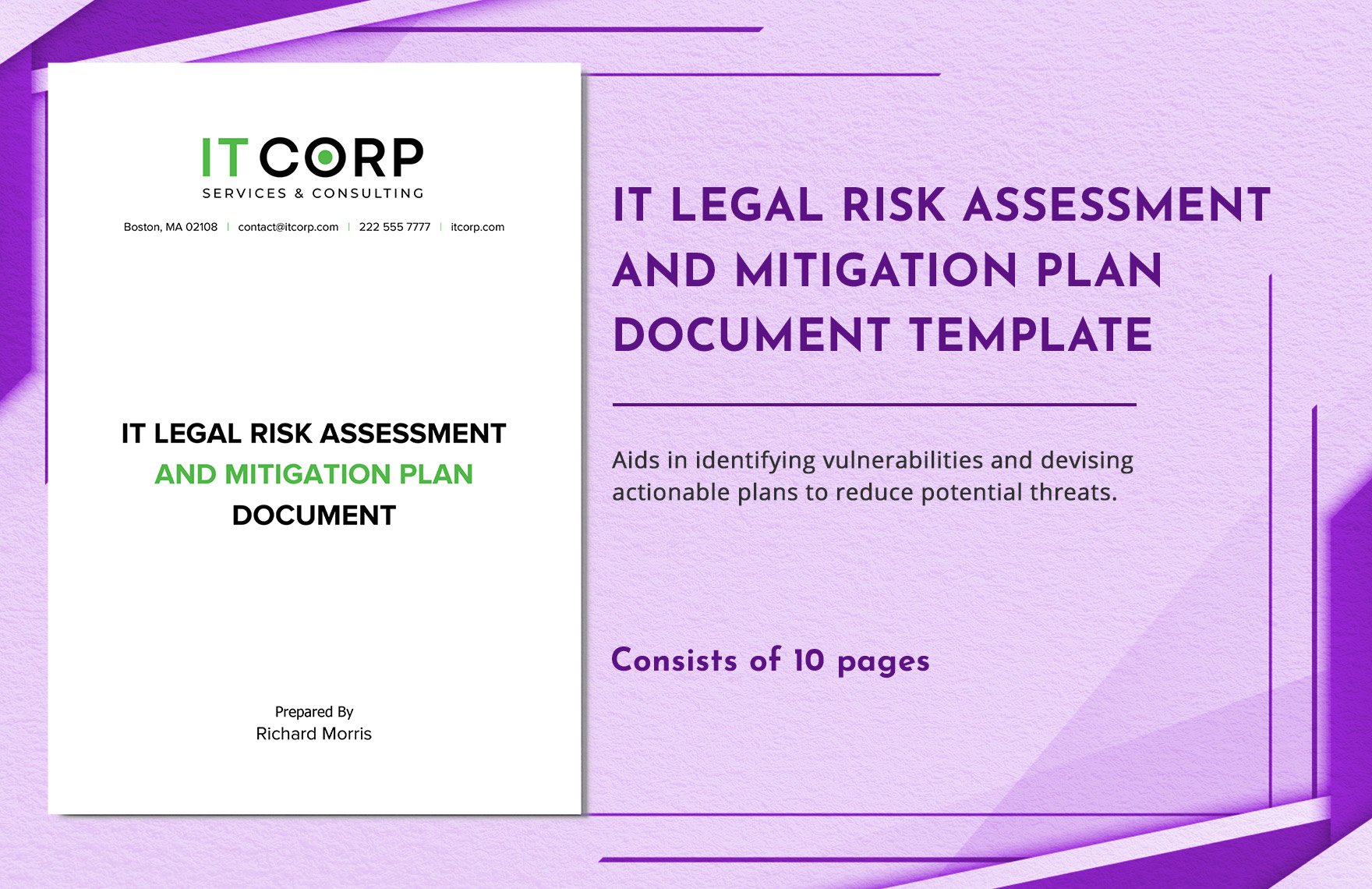
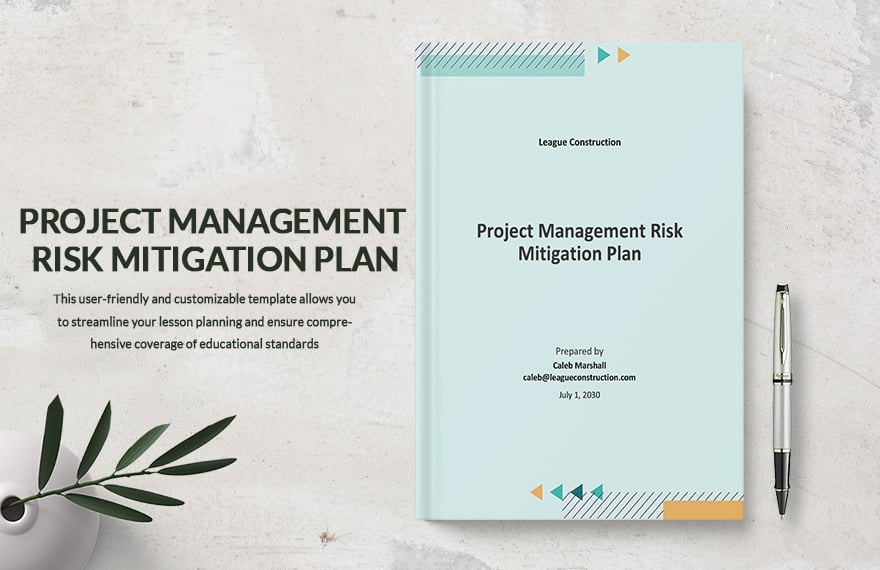
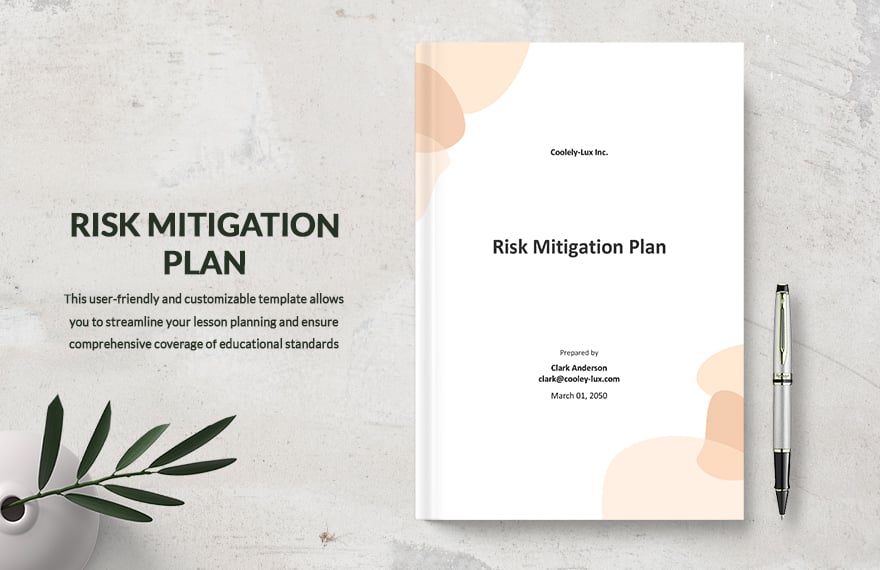
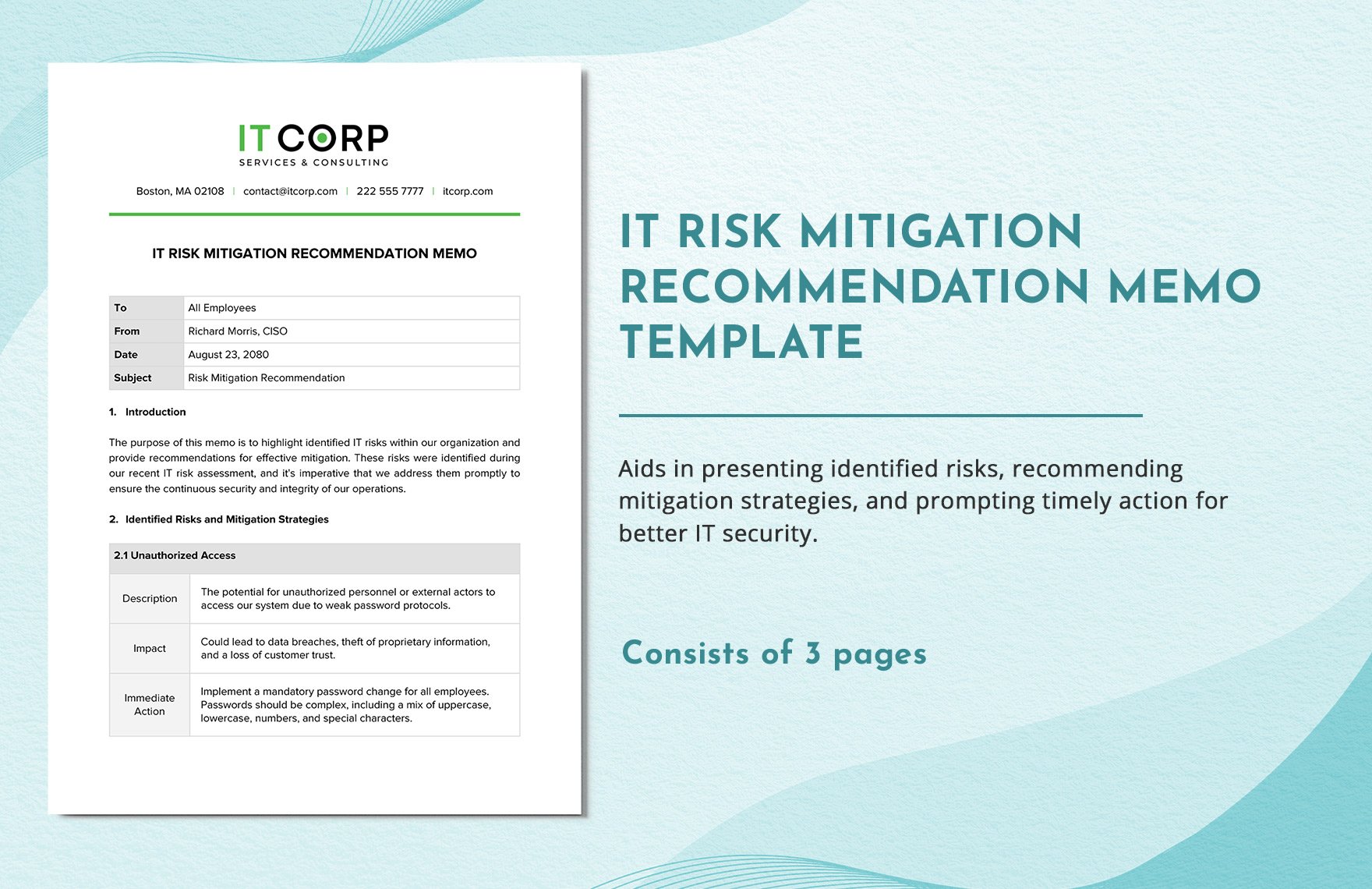
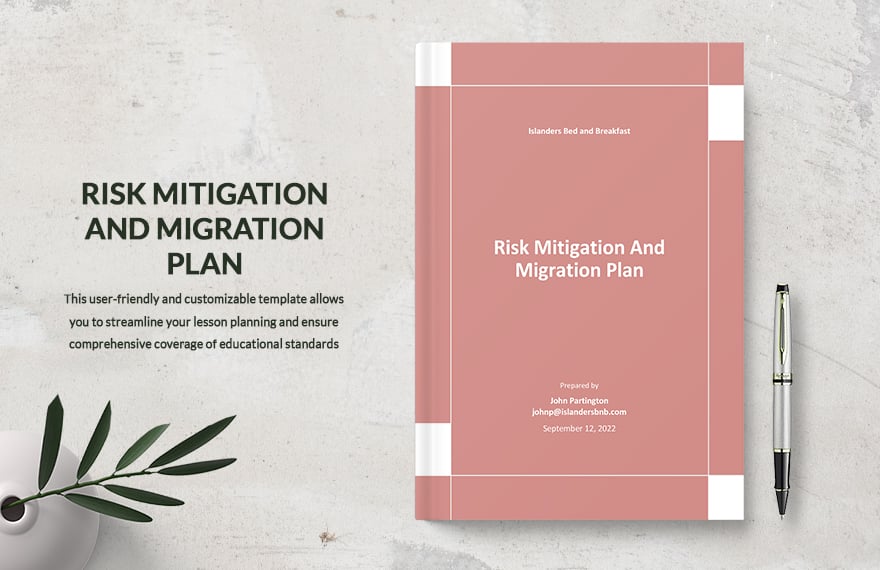
Mitigation is the process of minimizing or controlling risks, damages, or negative impacts in projects, businesses, or environments by implementing strategic actions. Mitigation templates serve as structured documents to plan, record, and communicate these risk reduction strategies effectively.
Why should I use a Mitigation?
Using a Mitigation template helps you systematically identify risks and document measures to reduce potential harm, ensuring clear communication and accountability. You gain a professional framework to organize and track mitigation efforts, enhancing project success and compliance.
Who uses Mitigation?
Mitigation is commonly used by project managers, risk analysts, environmental consultants, compliance officers, and business leaders. These professionals rely on editable mitigation templates to document risk control measures across industries like construction, IT, healthcare, and finance.
What are the best tips for completing my Mitigation?
When completing a Mitigation template, ensure you clearly identify risks, prioritize them based on impact, and specify actionable mitigation steps. Include timelines, responsible parties, and monitoring methods to improve effectiveness and accountability.
Can I create a Mitigation using AI?
While Template.net offers editable mitigation templates for manual customization, you can also explore AI-based tools on the domain to generate mitigation content. These AI tools assist in drafting risk assessments and mitigation plans but are separate from the editable templates.
When should I use a Mitigation?
You should use a Mitigation template when planning projects, conducting risk assessments, or complying with legal and safety requirements. Mitigation documentation is essential before project execution, during ongoing risk monitoring, and when responding to incidents.
What are the essential elements of a Mitigation template?
A comprehensive Mitigation template typically includes the following elements:
- Risk identification: Description of potential risks
- Impact assessment: Evaluation of risk severity
- Mitigation measures: Actions to reduce risk
- Responsible parties: Individuals accountable for implementation
- Timeline: Deadlines for mitigation activities
- Monitoring: Methods to track effectiveness
How is Mitigation used in professional workflows?
Mitigation is integrated into professional workflows as a proactive risk management step. Teams use editable mitigation templates to document, communicate, and monitor risk control strategies throughout project lifecycles, ensuring compliance and reducing potential losses.
What are common use cases for Mitigation templates?
Common use cases for Mitigation templates include:
- Project risk management: Planning risk reduction in construction or IT projects
- Environmental impact control: Managing ecological risks in development
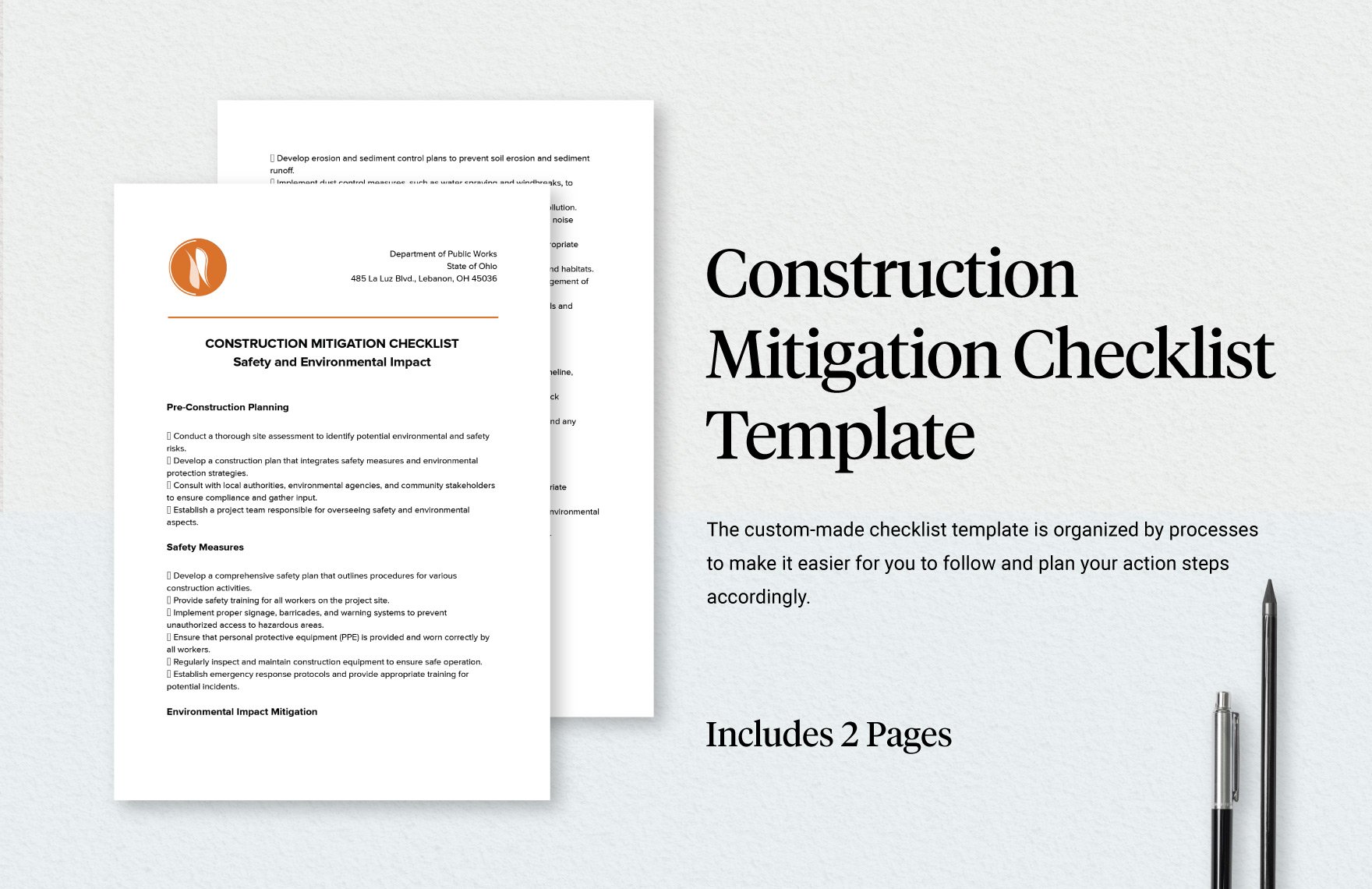
- Compliance documentation: Meeting regulatory safety standards
- Business continuity: Preparing for operational disruptions
- Health and safety plans: Reducing workplace hazards
