
Free Six Sigma Templates




Six Sigma Editable Templates: Informational Guide, Uses, and Online Editing
Six Sigma is a set of professional-quality methodologies and tools aimed at improving business processes and reducing defects to enhance overall efficiency. Template.net offers a wide range of editable Six Sigma templates that users can complete or modify directly within their browser for immediate application in projects and workflows.
What is a Six Sigma?
Six Sigma is a disciplined, data-driven approach and methodology for eliminating defects in any process. It focuses on process improvement by identifying and removing the causes of errors and minimizing variability through statistical methods and quality management tools.
Why should I use a Six Sigma?
Six Sigma helps you improve quality and efficiency by reducing process variation and defects. Using Six Sigma templates enables consistent documentation and analysis, supporting better decision-making and measurable improvements in your projects.
Who uses Six Sigma?
Six Sigma is used by professionals across manufacturing, healthcare, finance, and service industries. Quality managers, process engineers, project leaders, and business analysts commonly implement Six Sigma to optimize workflows and enhance customer satisfaction.
What are the best tips for completing my Six Sigma?
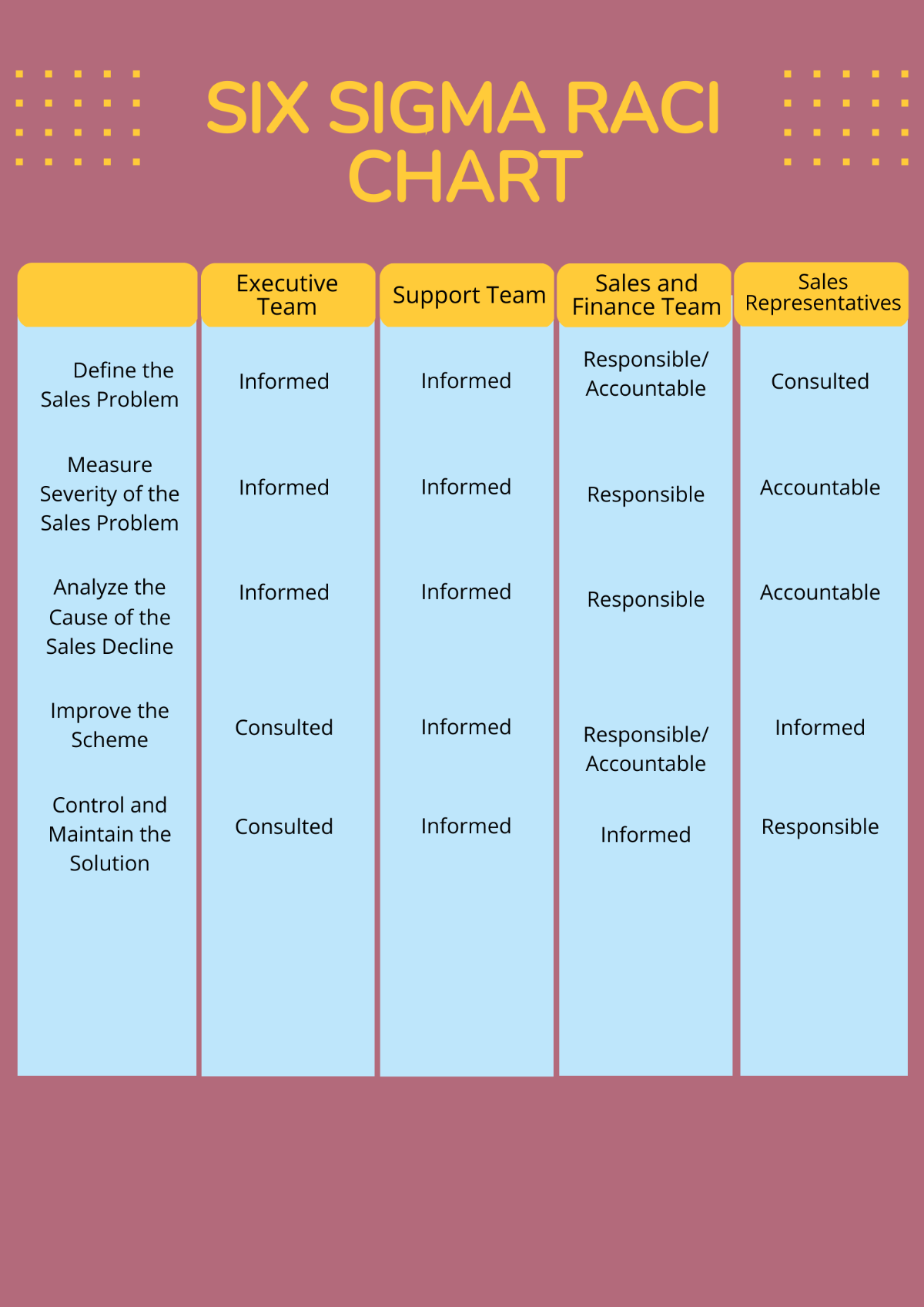
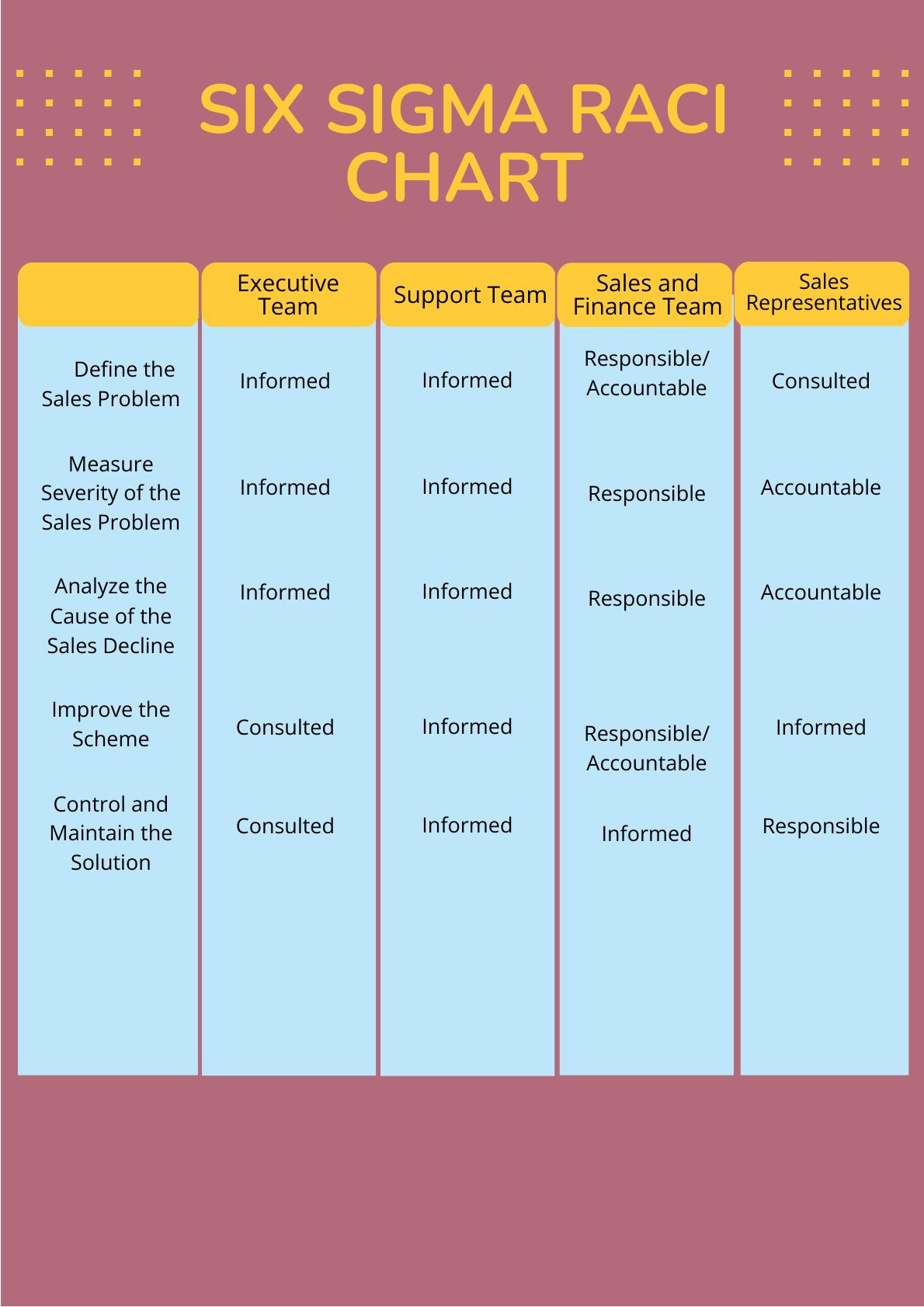
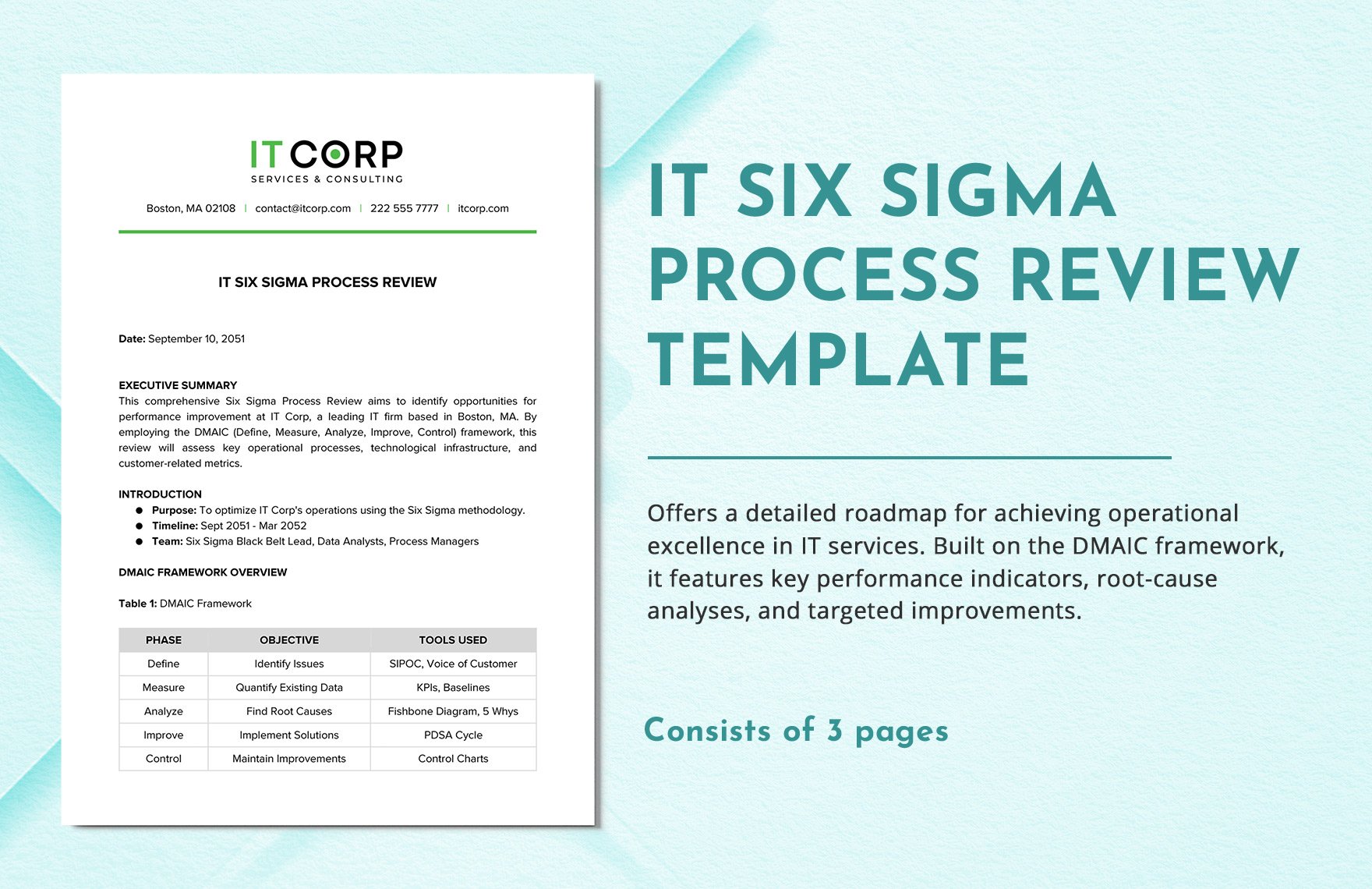
To complete your Six Sigma templates effectively, focus on accurate data collection, clear problem definition, and thorough analysis. Use the templates to structure your project phases such as Define, Measure, Analyze, Improve, and Control, ensuring each section is detailed and measurable.
Can I create a Six Sigma using AI?
You can leverage AI tools to assist in generating content for Six Sigma templates, but Template.net primarily offers editable templates for manual customization and completion directly in your browser to suit your specific project needs.
When should I use a Six Sigma?
Six Sigma is best used when you need to improve process quality, reduce defects, or enhance efficiency. It is particularly effective in projects aiming for measurable improvements and consistent results across operational workflows.
What are the essential elements of a Six Sigma template?
Six Sigma templates typically include the following essential elements:
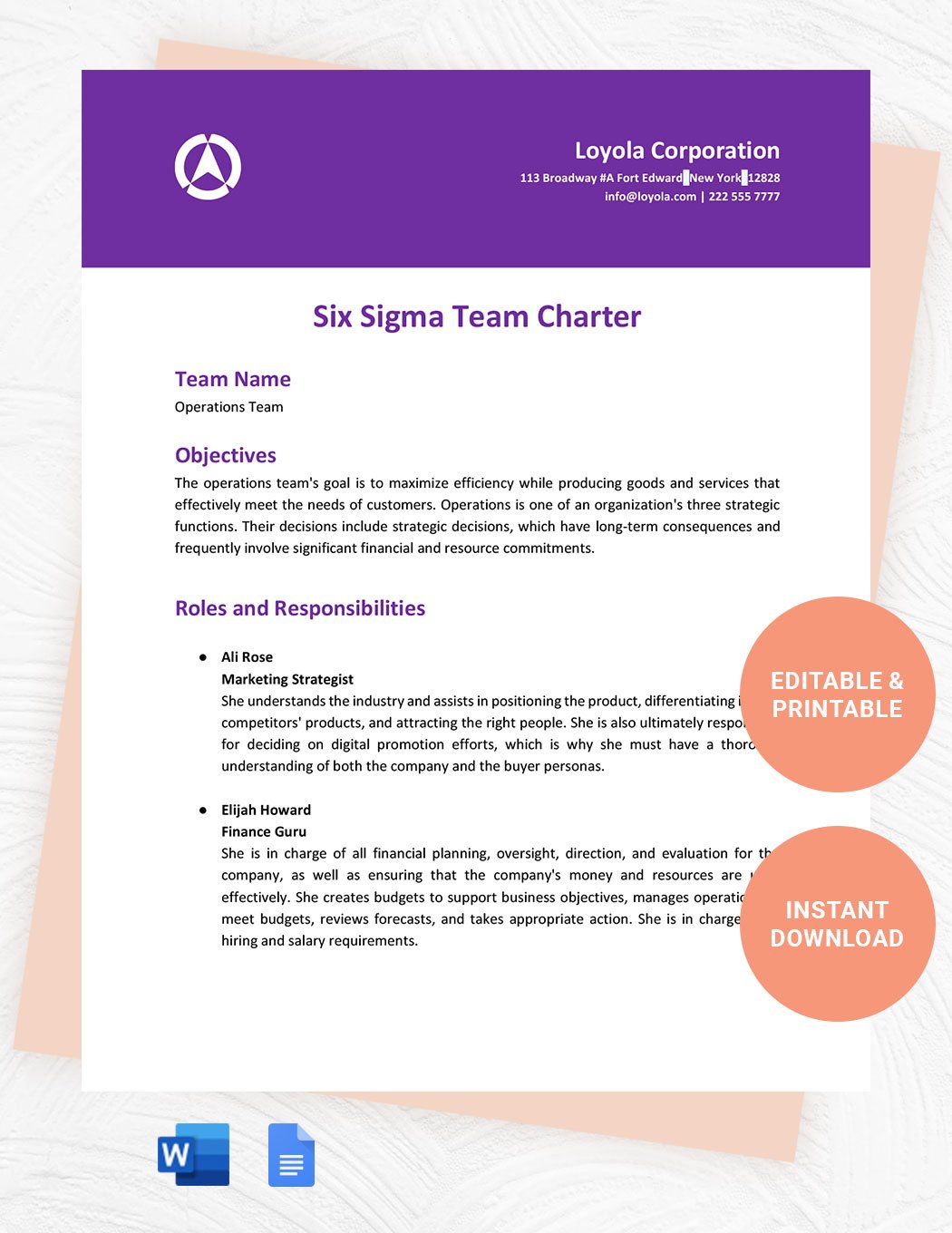
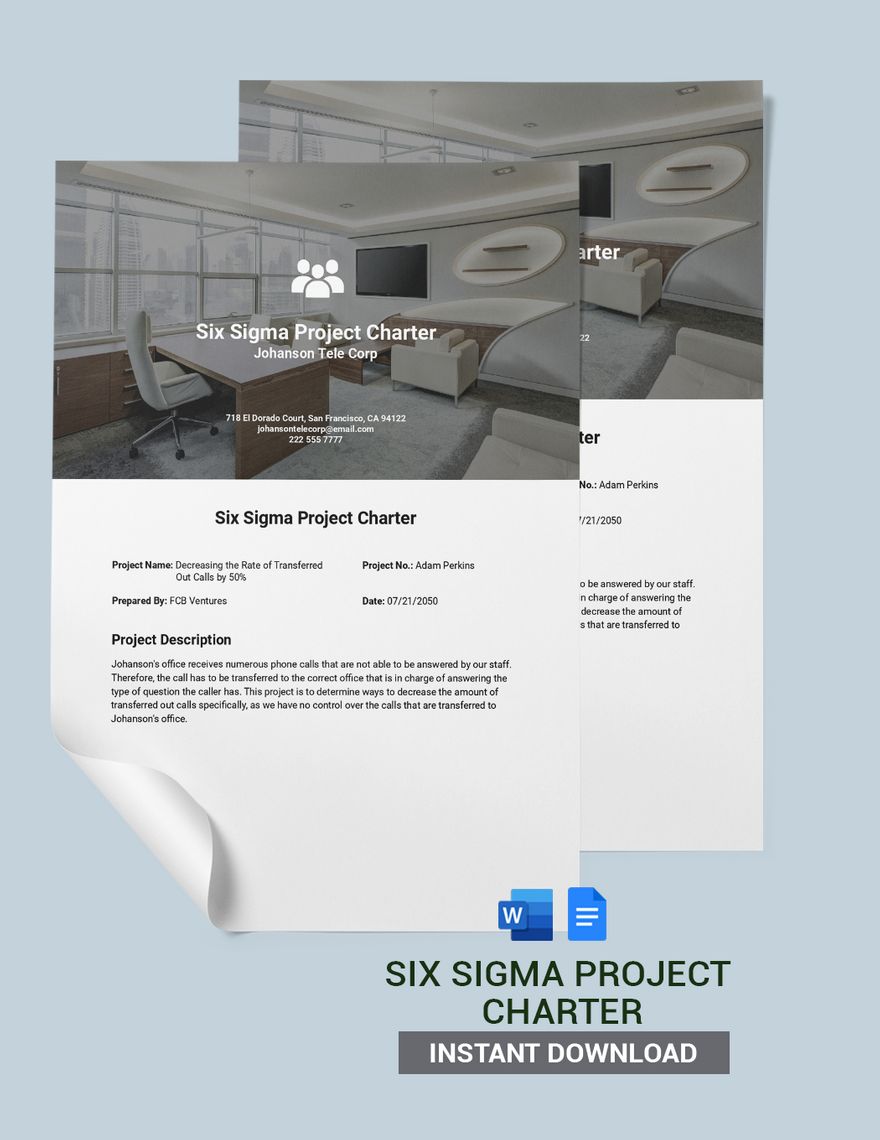
- Project Charter: Defines scope, goals, and stakeholders.
- Process Map: Visualizes workflow steps.
- Data Collection Plan: Details metrics and methods.
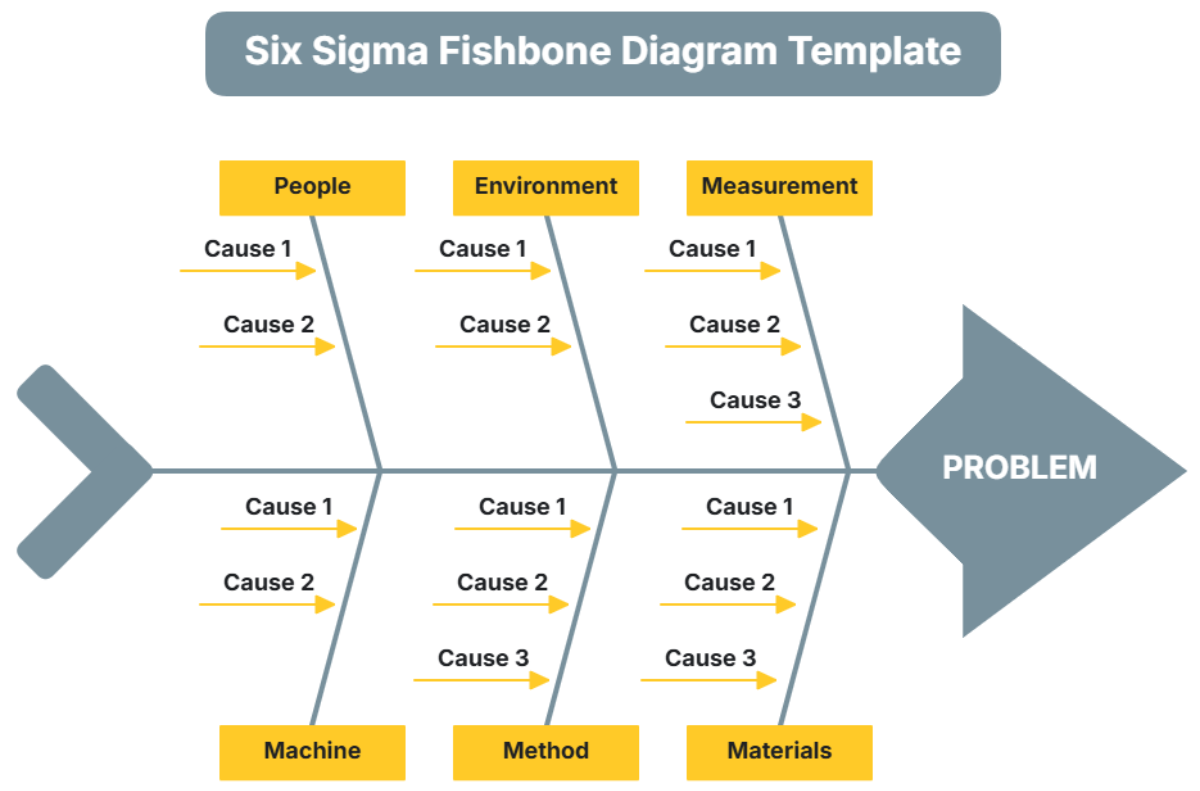
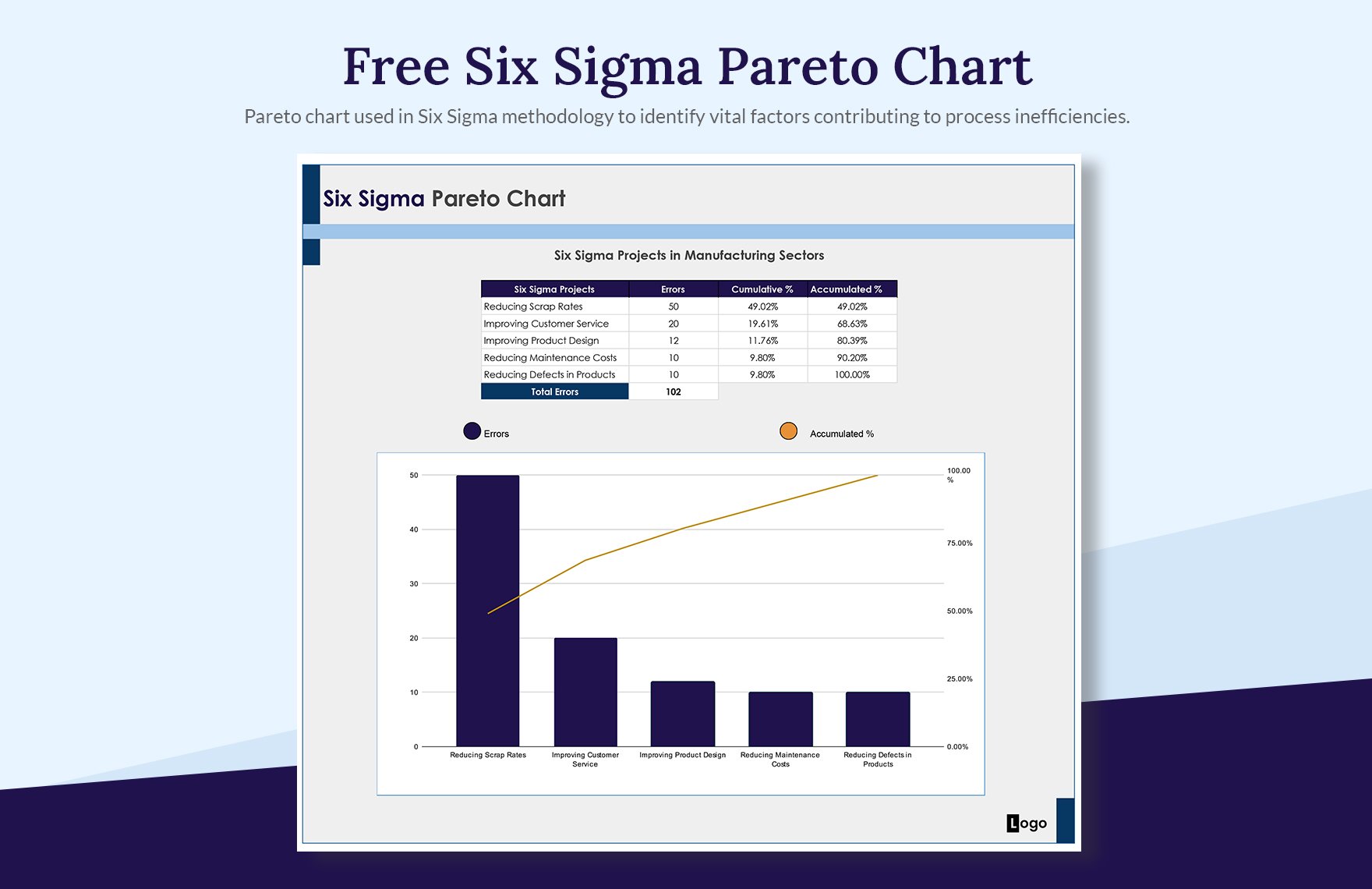
- Cause and Effect Analysis: Identifies root causes.
- Improvement Plan: Outlines actions to reduce defects.
- Control Plan: Ensures sustainability of improvements.
How is Six Sigma used in professional workflows?
Six Sigma is integrated into professional workflows to systematically identify inefficiencies and defects. Teams use Six Sigma templates to document each phase of the improvement process, enabling data-driven decisions and maintaining quality standards throughout operations.
What are common use cases for Six Sigma templates?
Common use cases for Six Sigma templates include:
- Quality Improvement Projects: Streamlining production or service delivery.
- Process Optimization: Reducing cycle times and costs.
- Root Cause Analysis: Diagnosing defects and failures.
- Compliance Documentation: Meeting industry standards.
- Performance Reporting: Tracking project outcomes.
