
Free Bill Templates


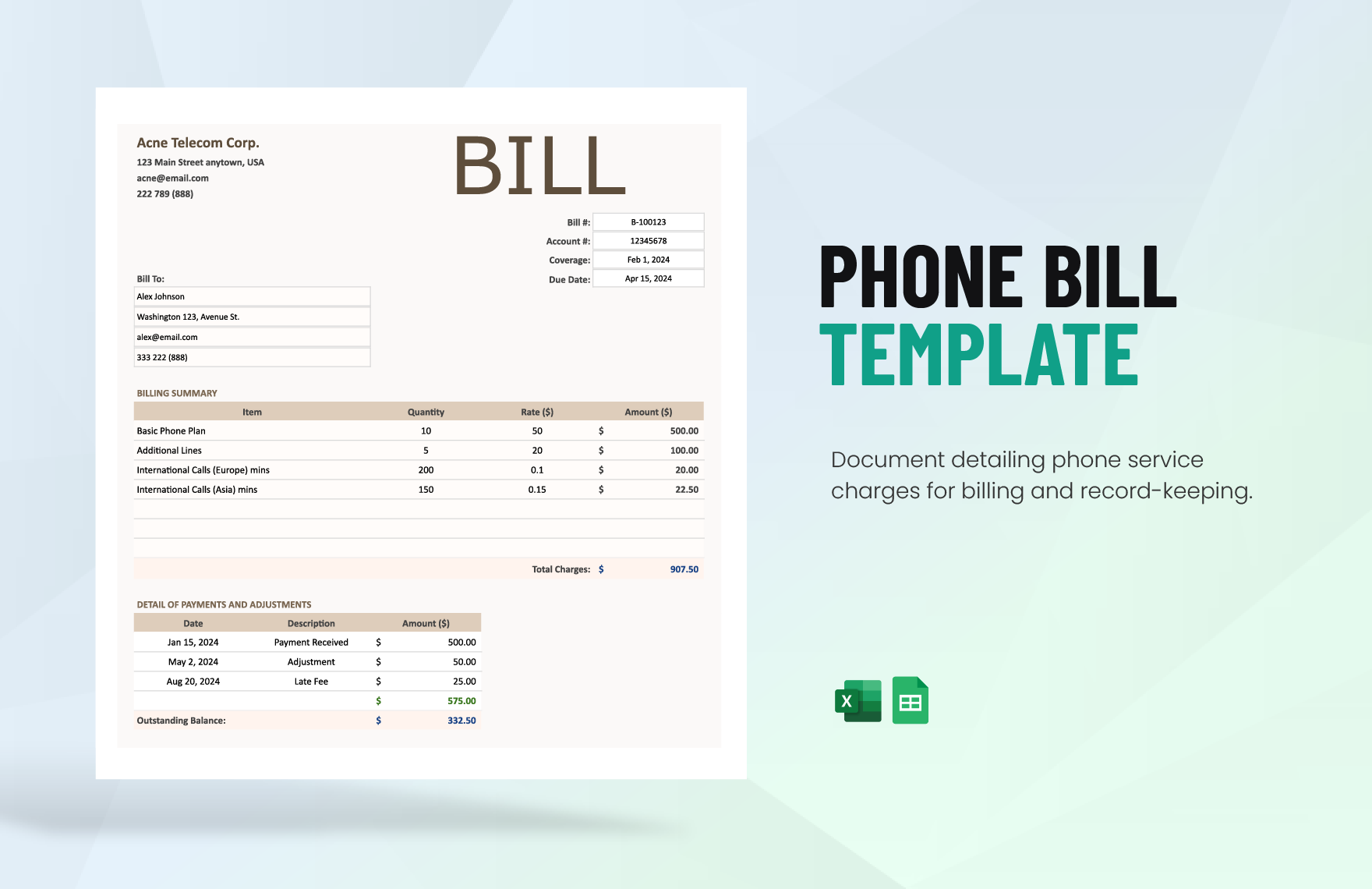
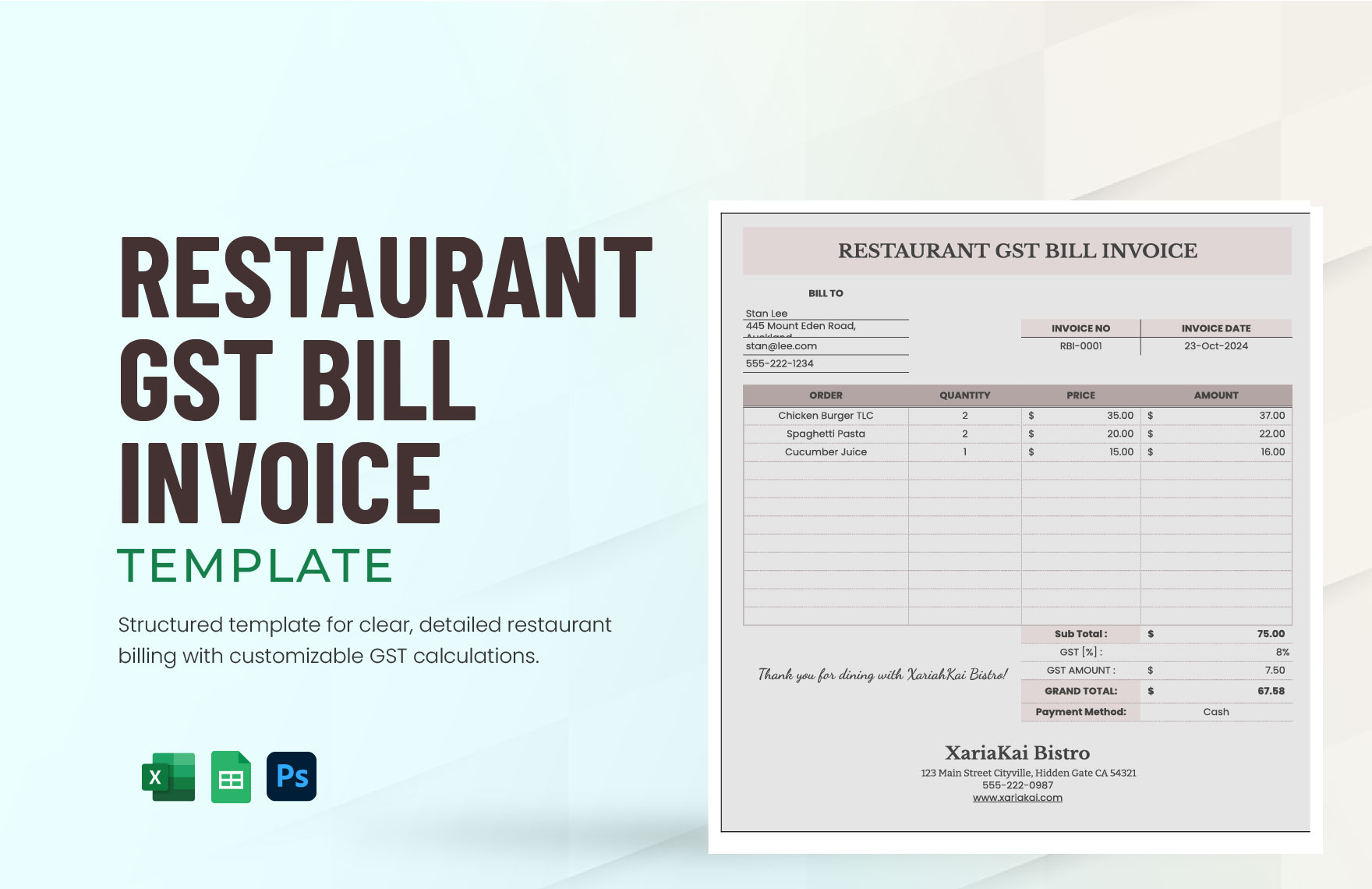
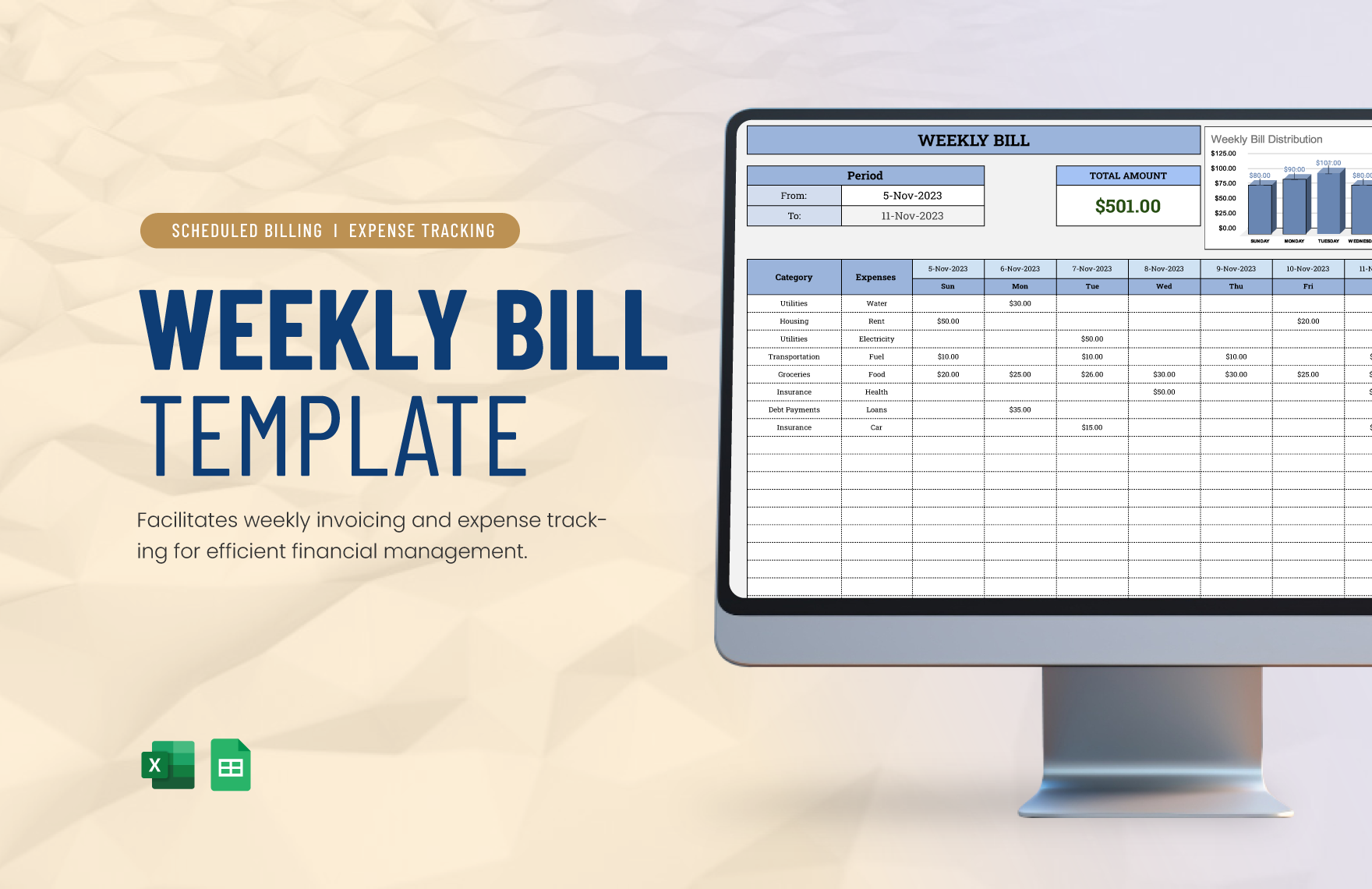
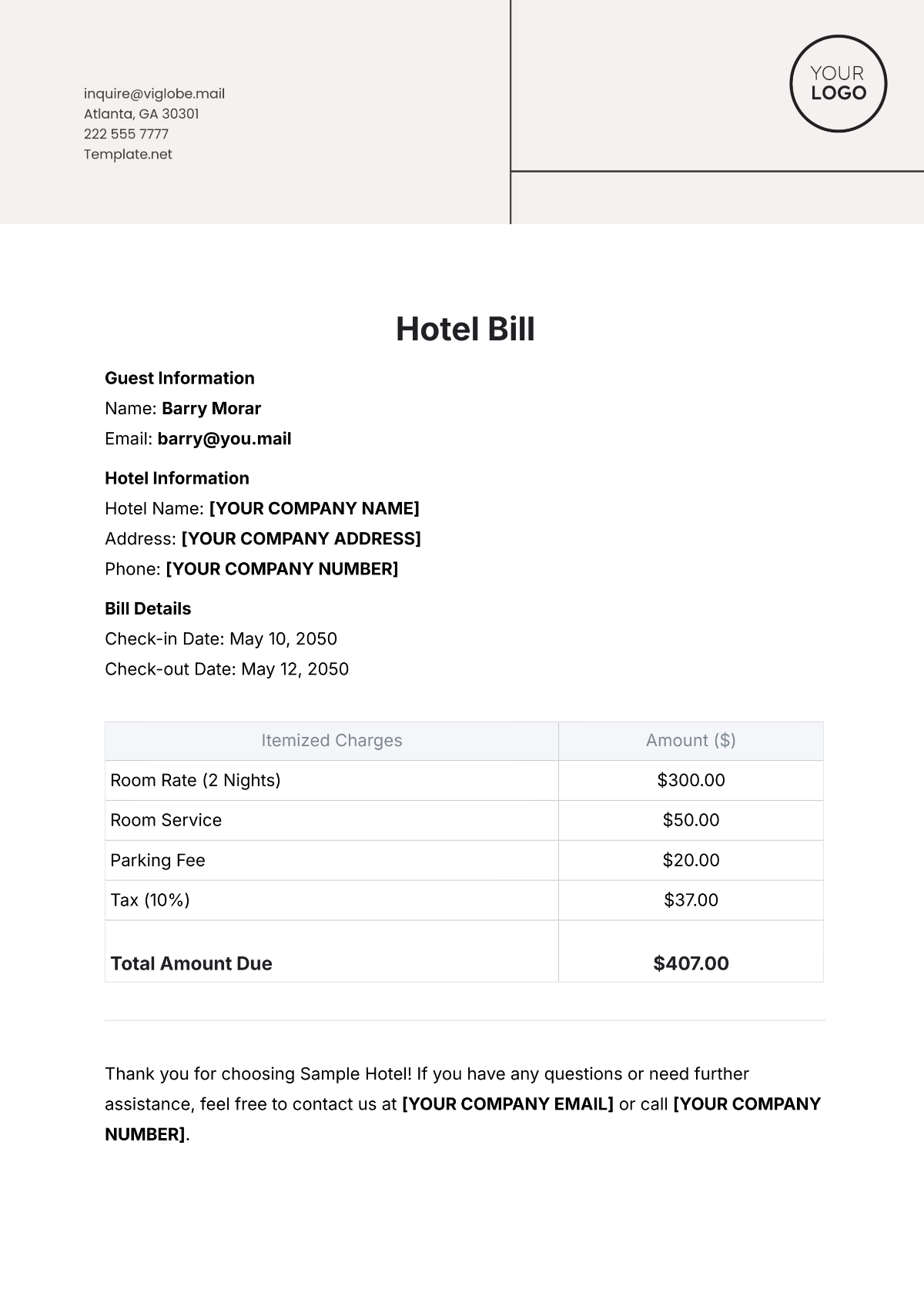
Free Bill Templates: Editable Drafting Guide, Uses, and Download Formats
What is a Bill?
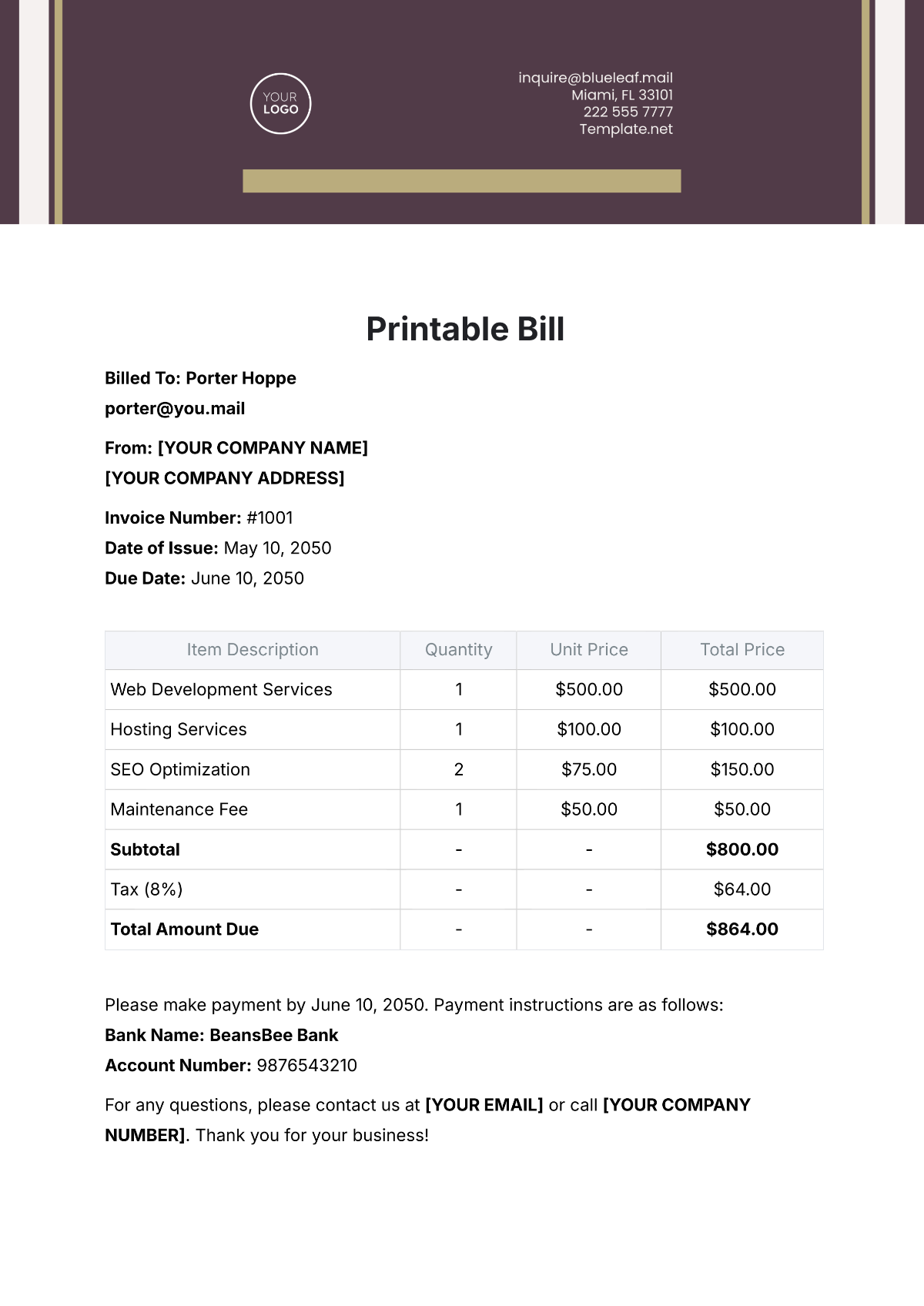
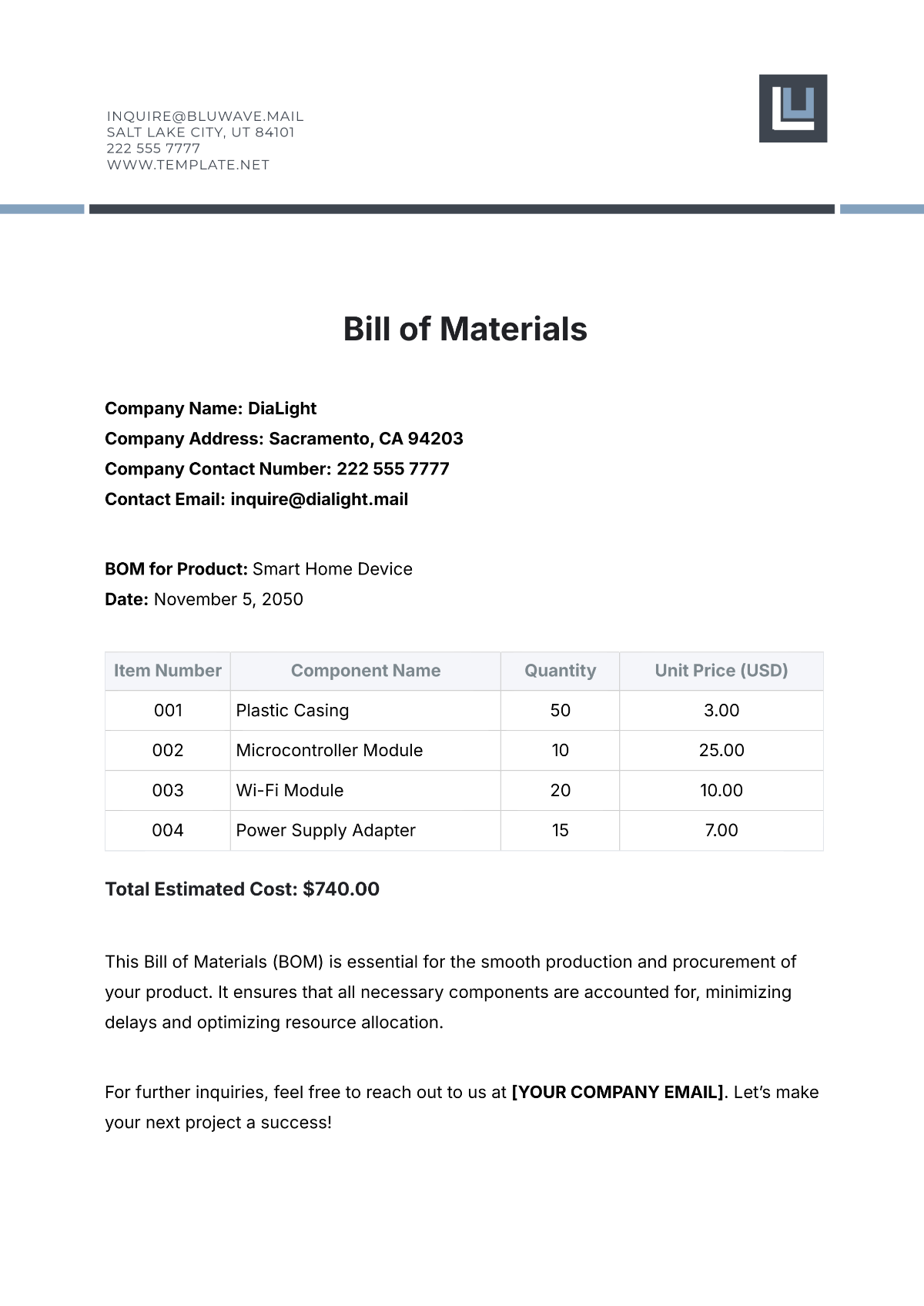
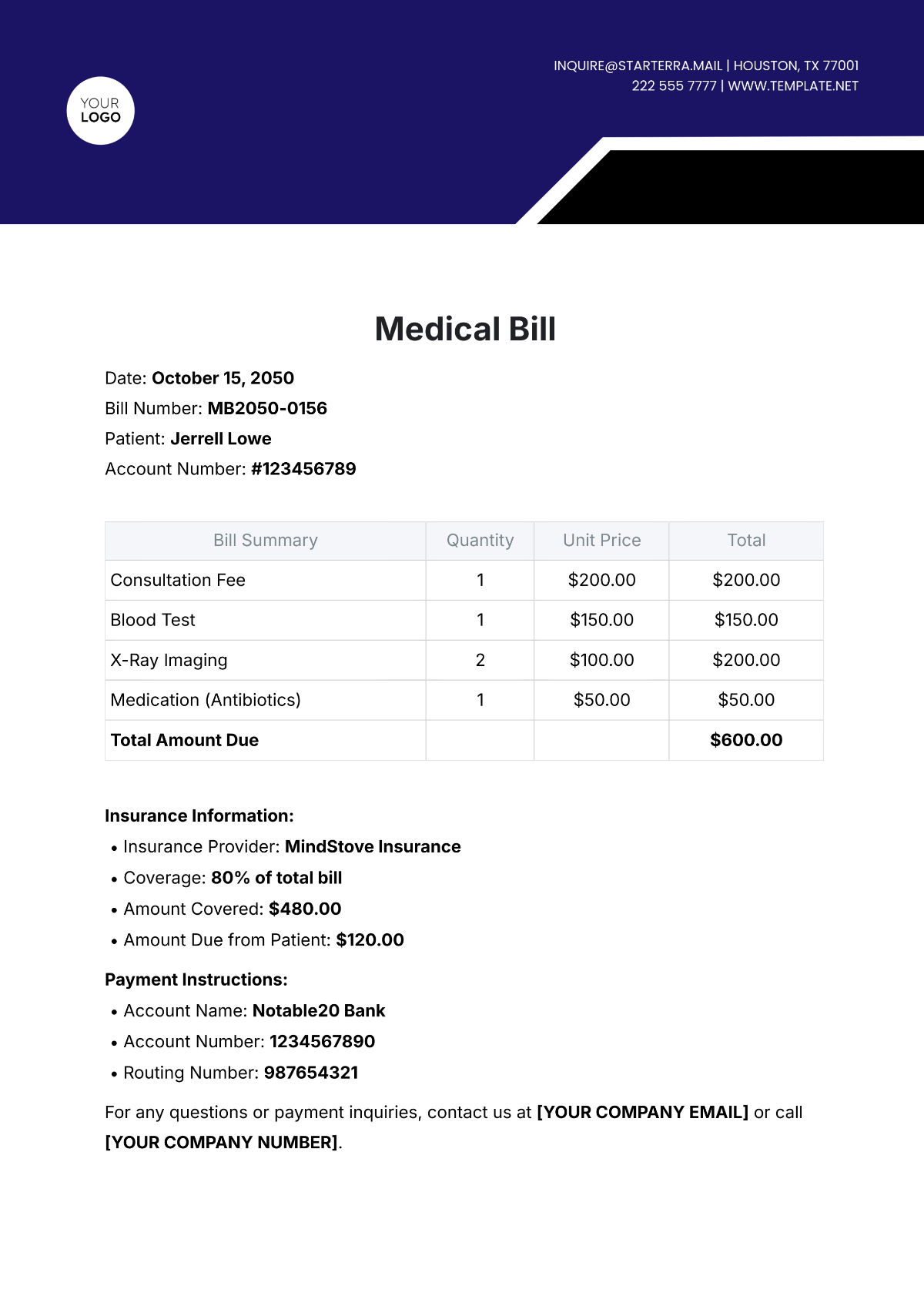
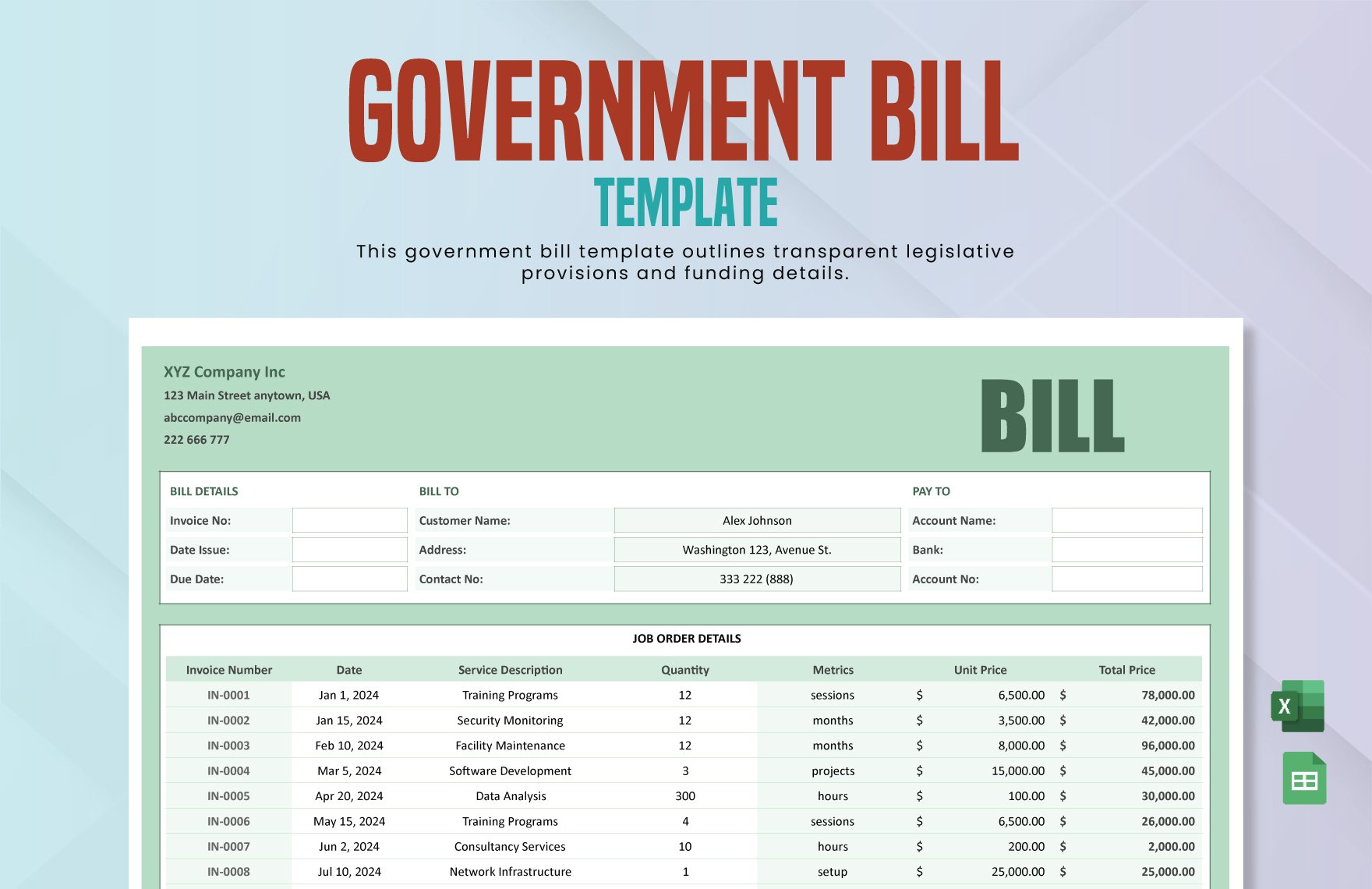
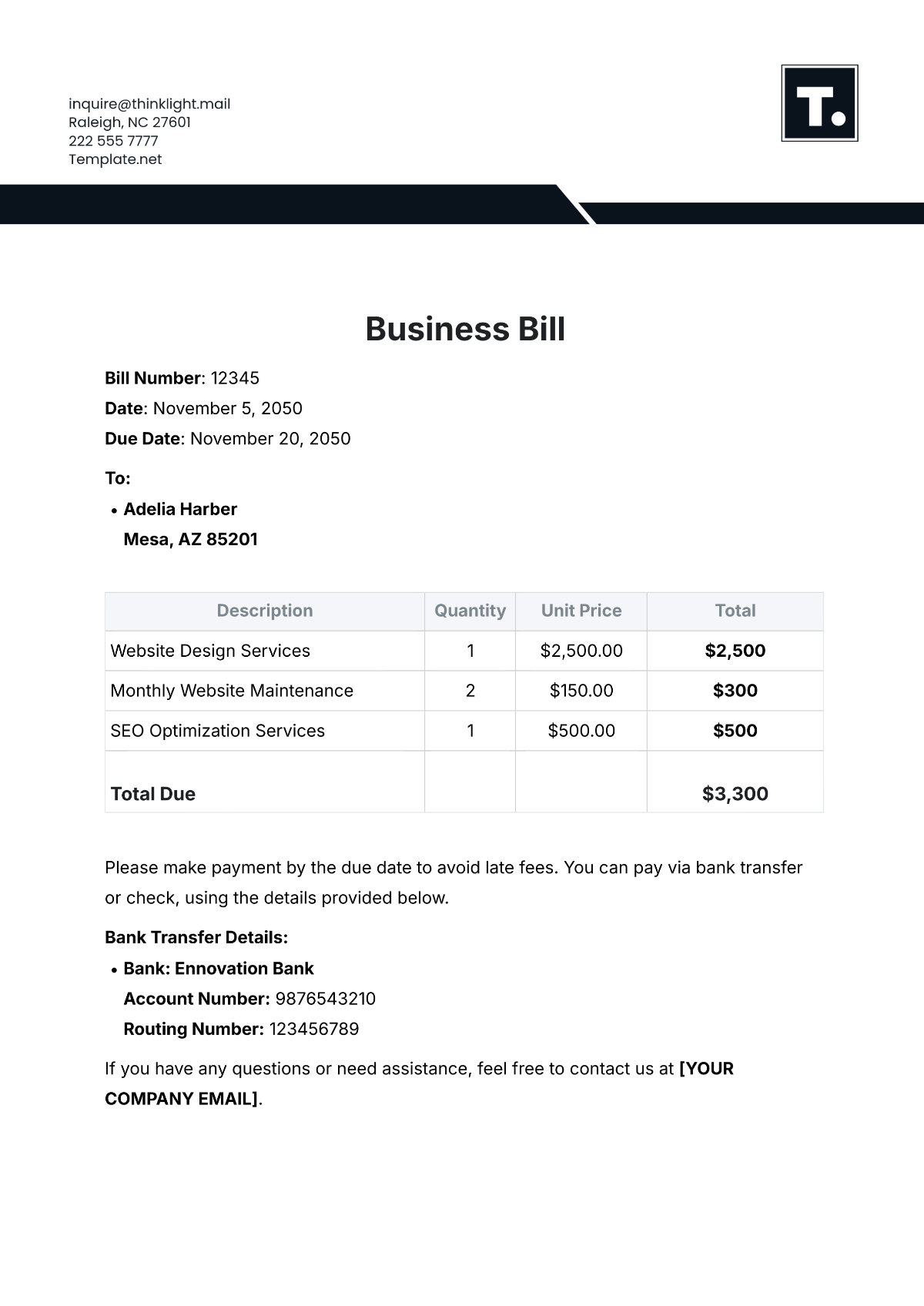
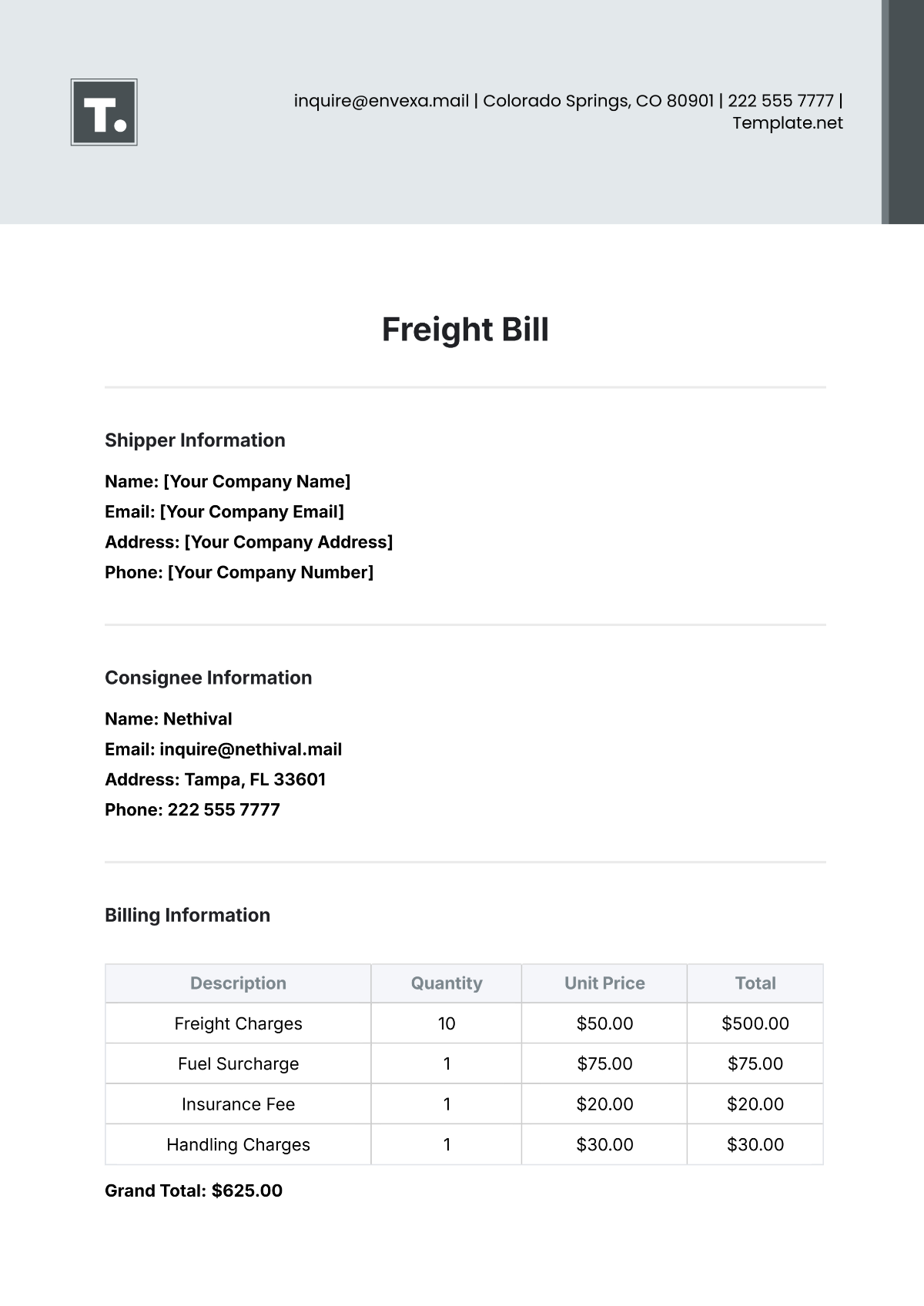
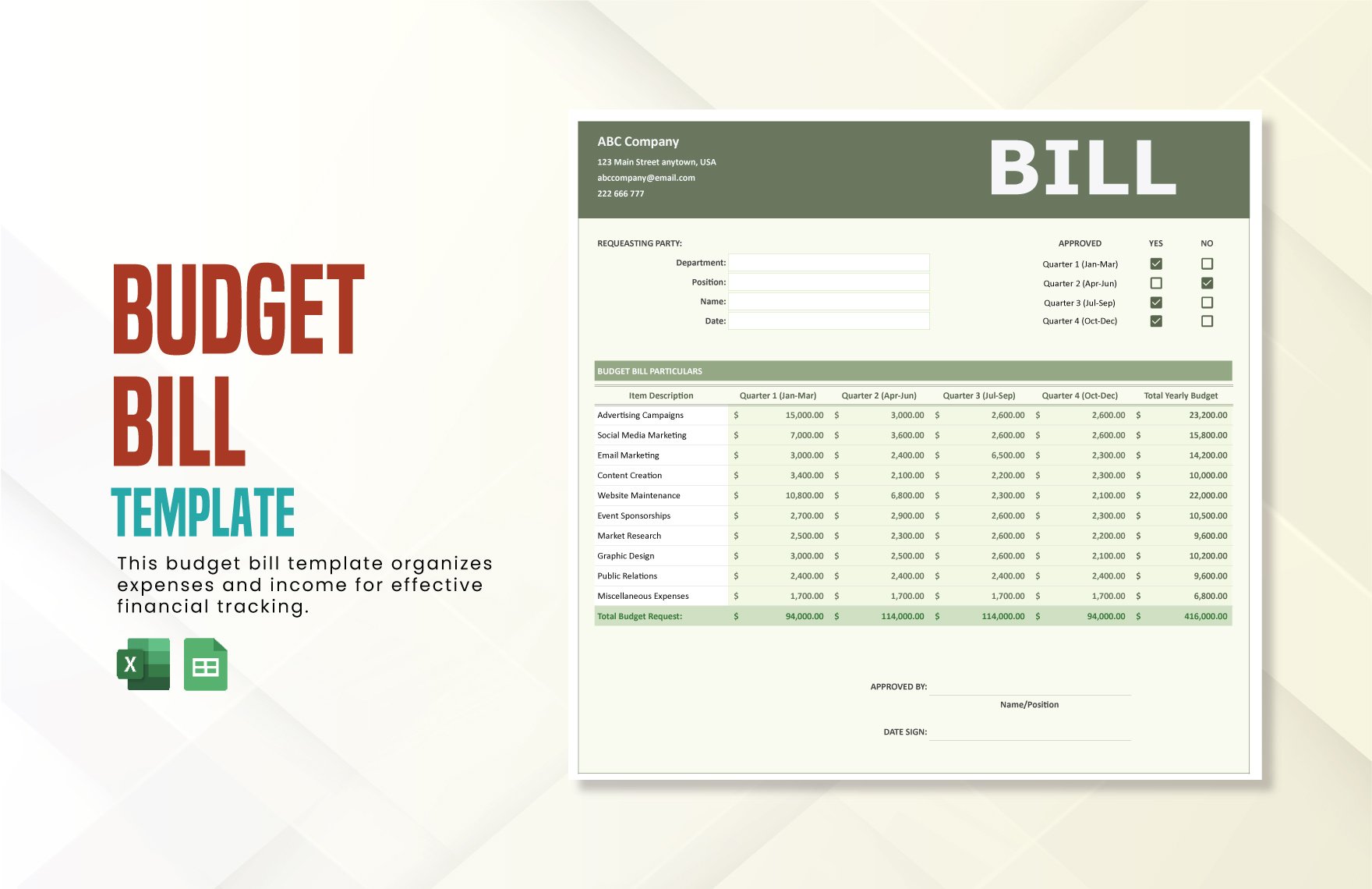
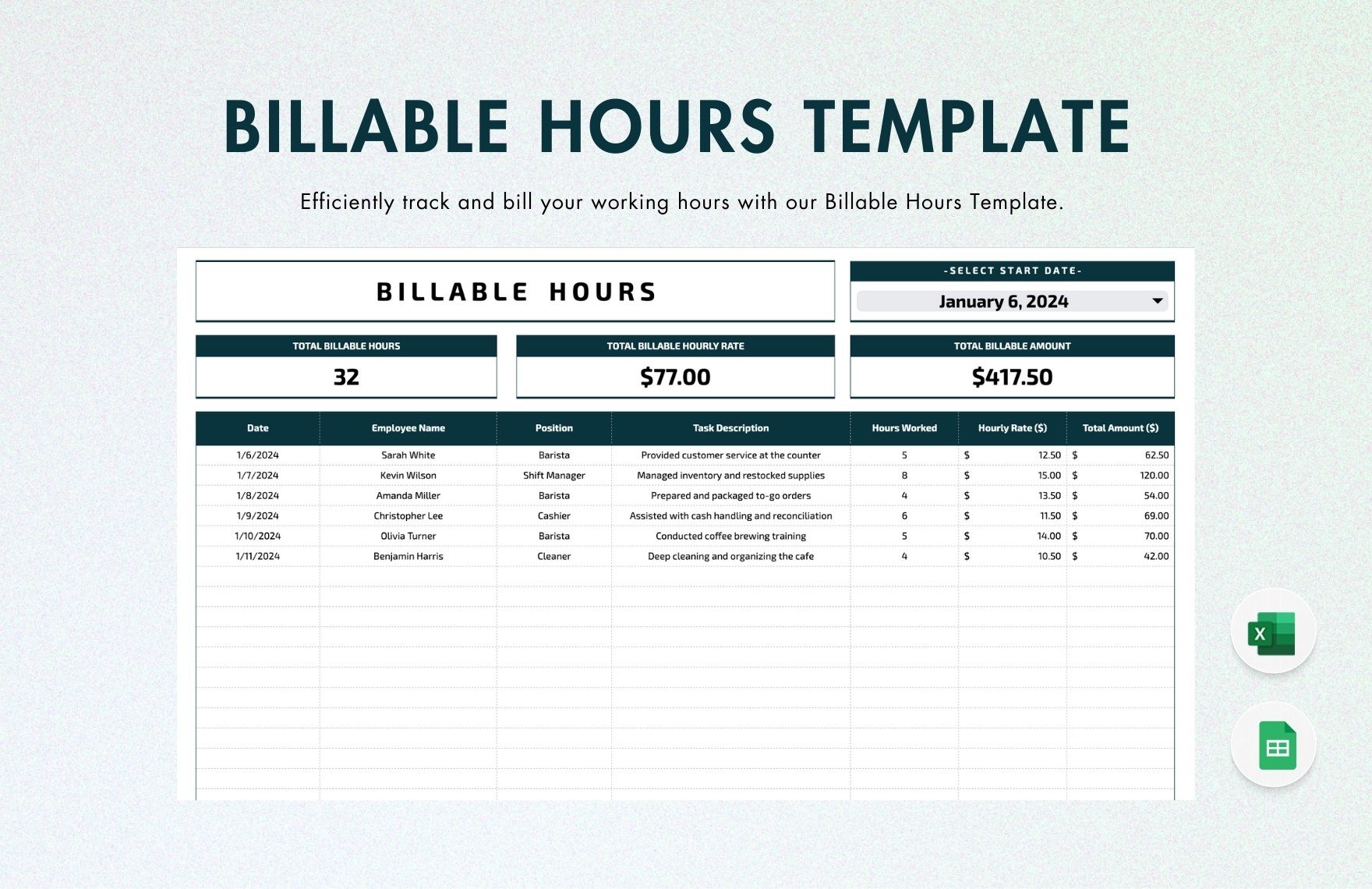
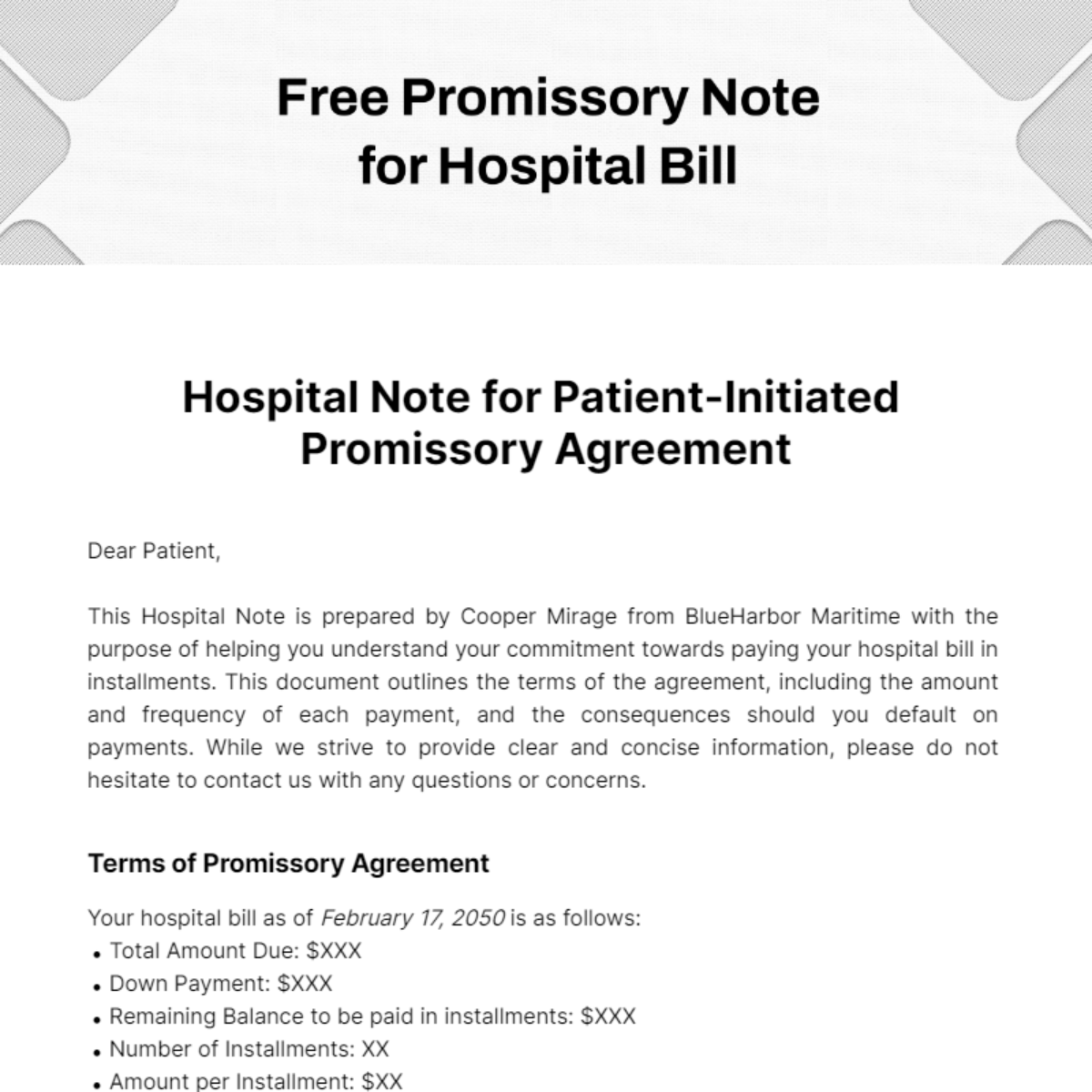
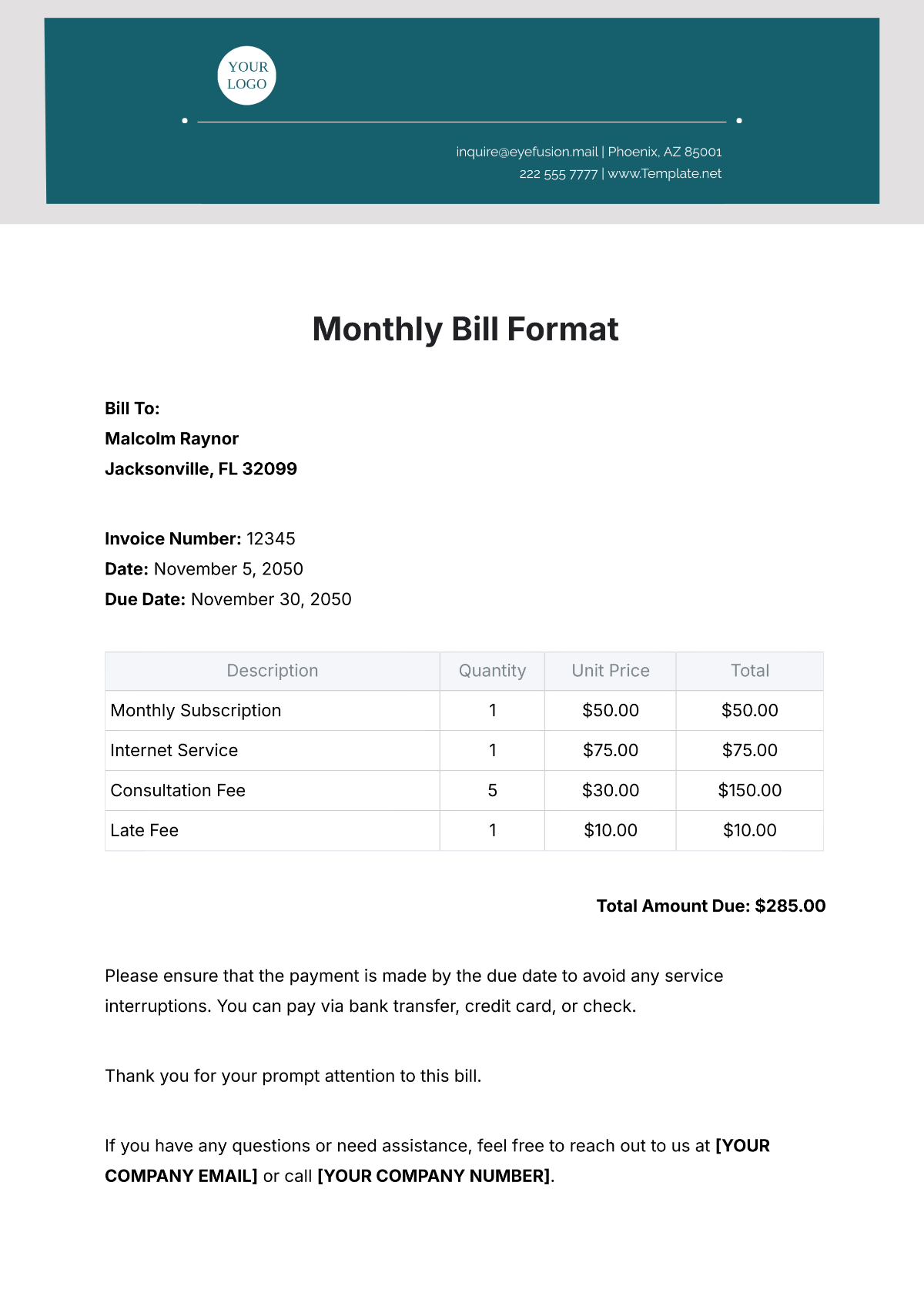
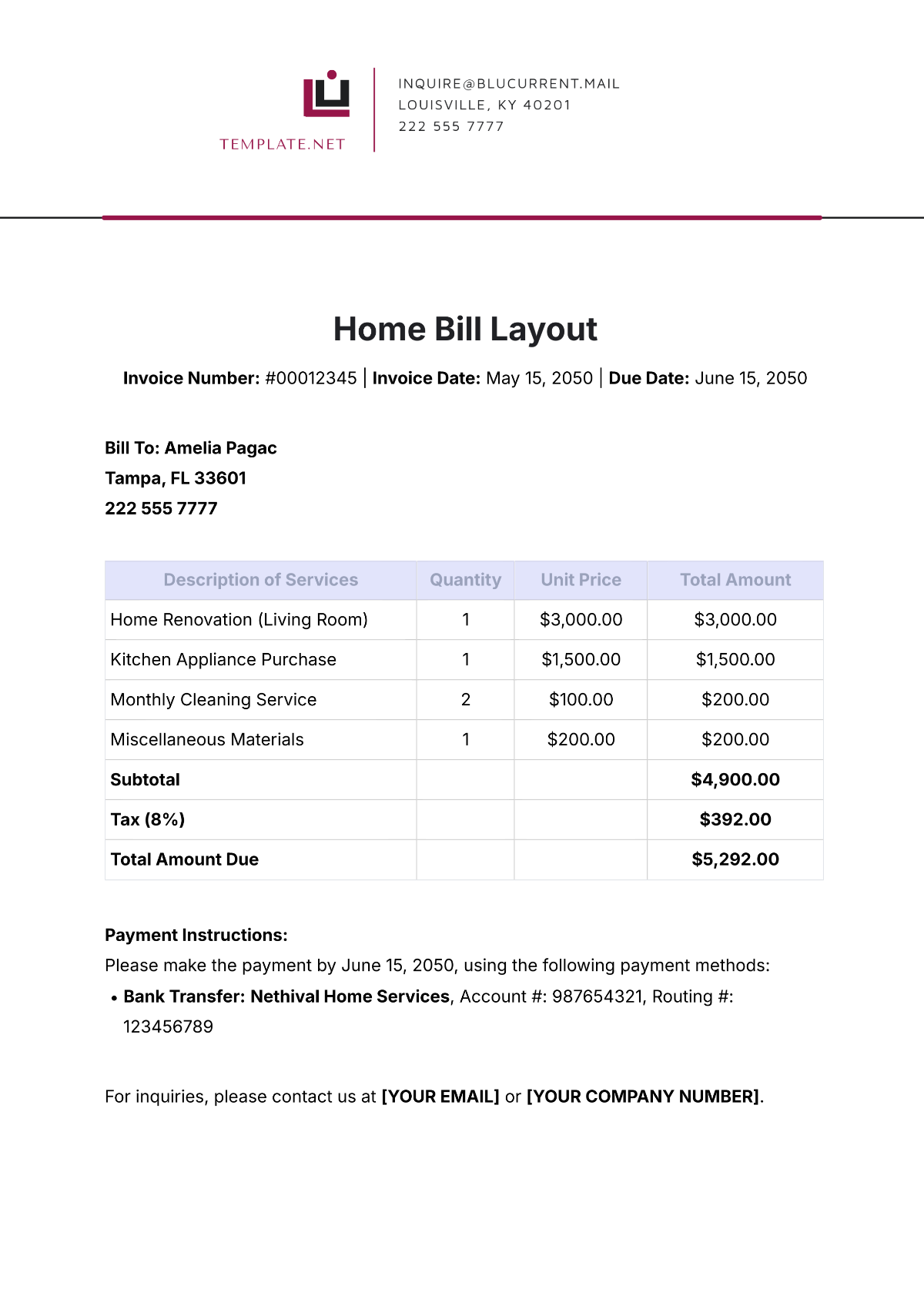
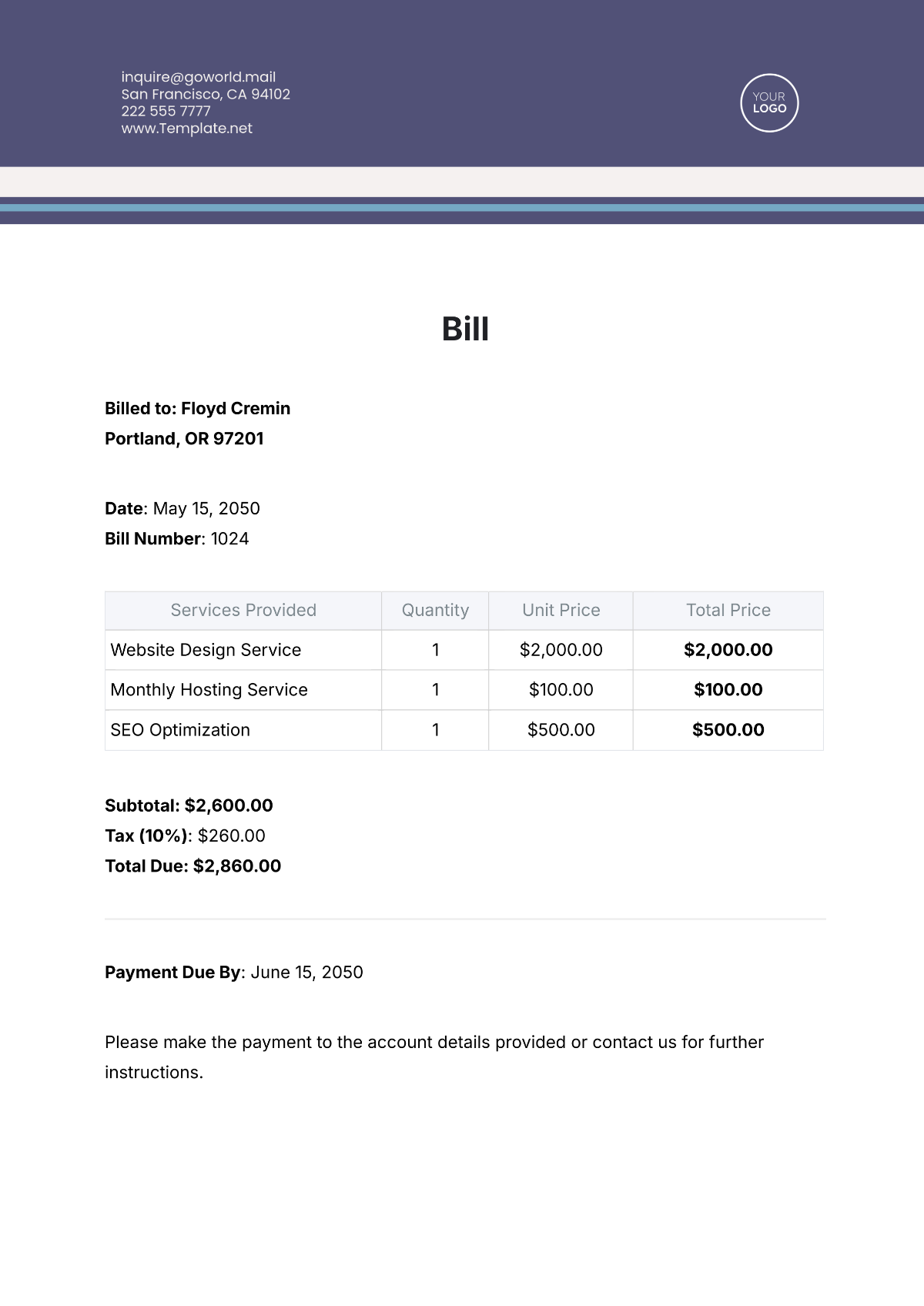
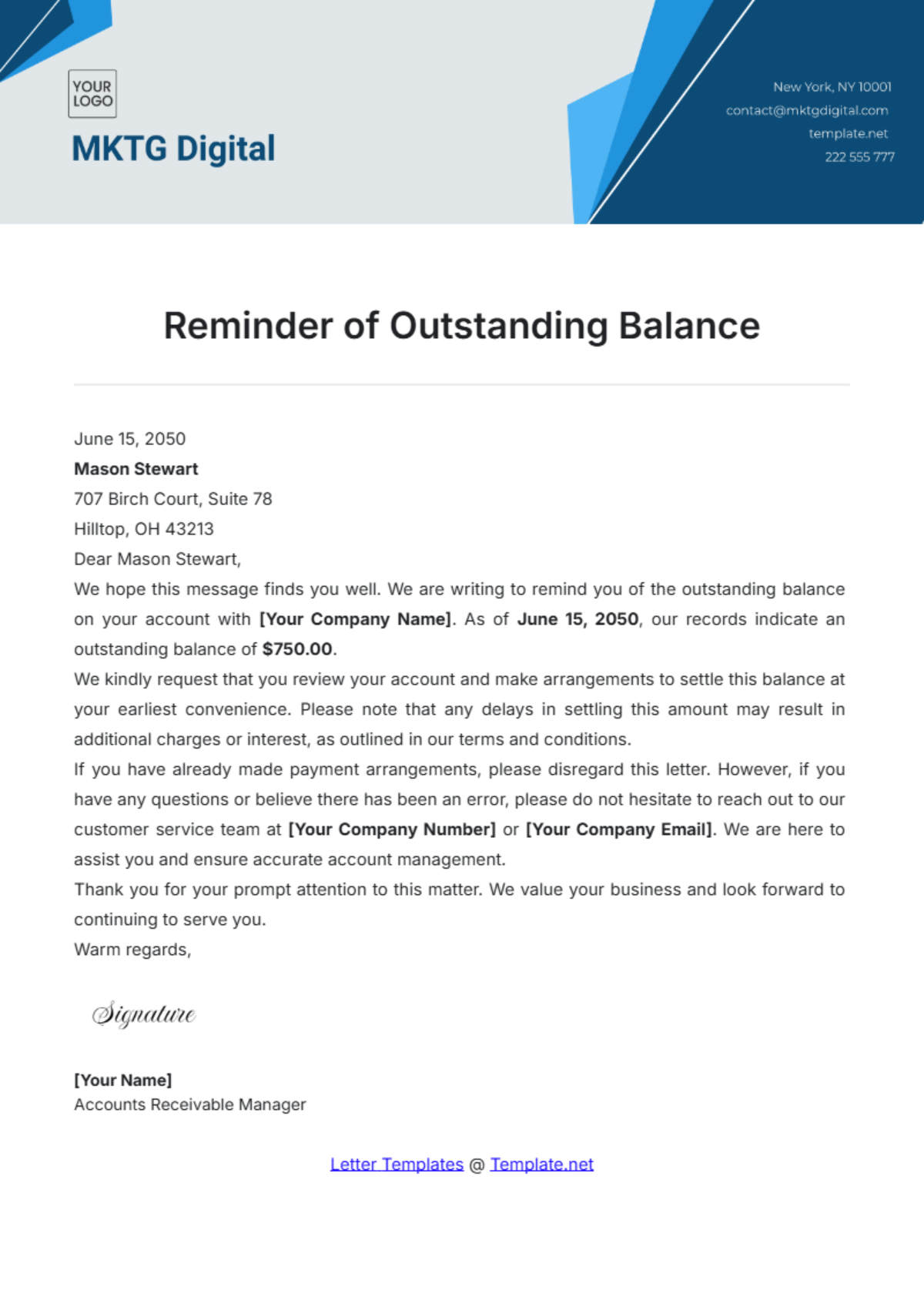
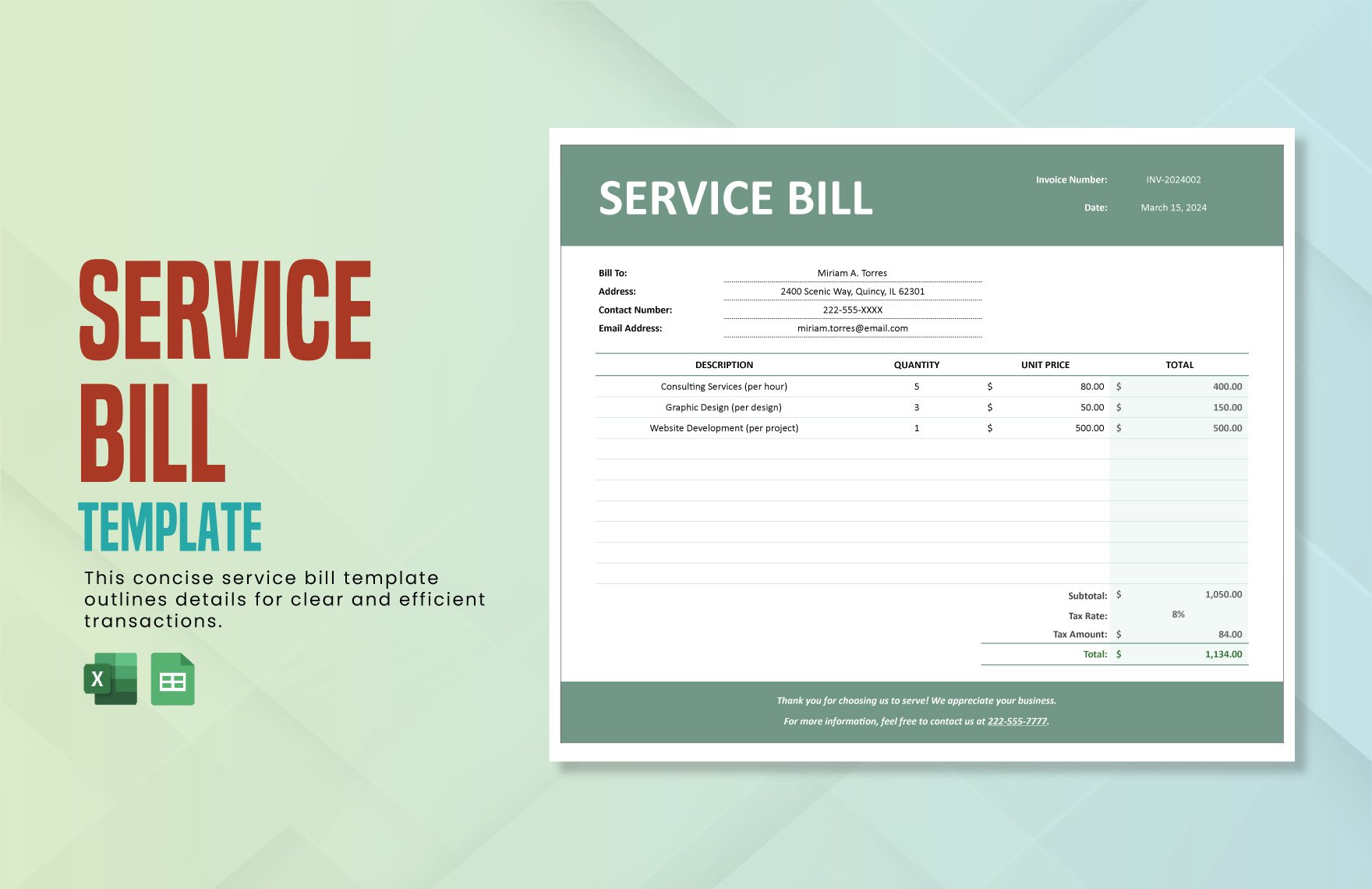
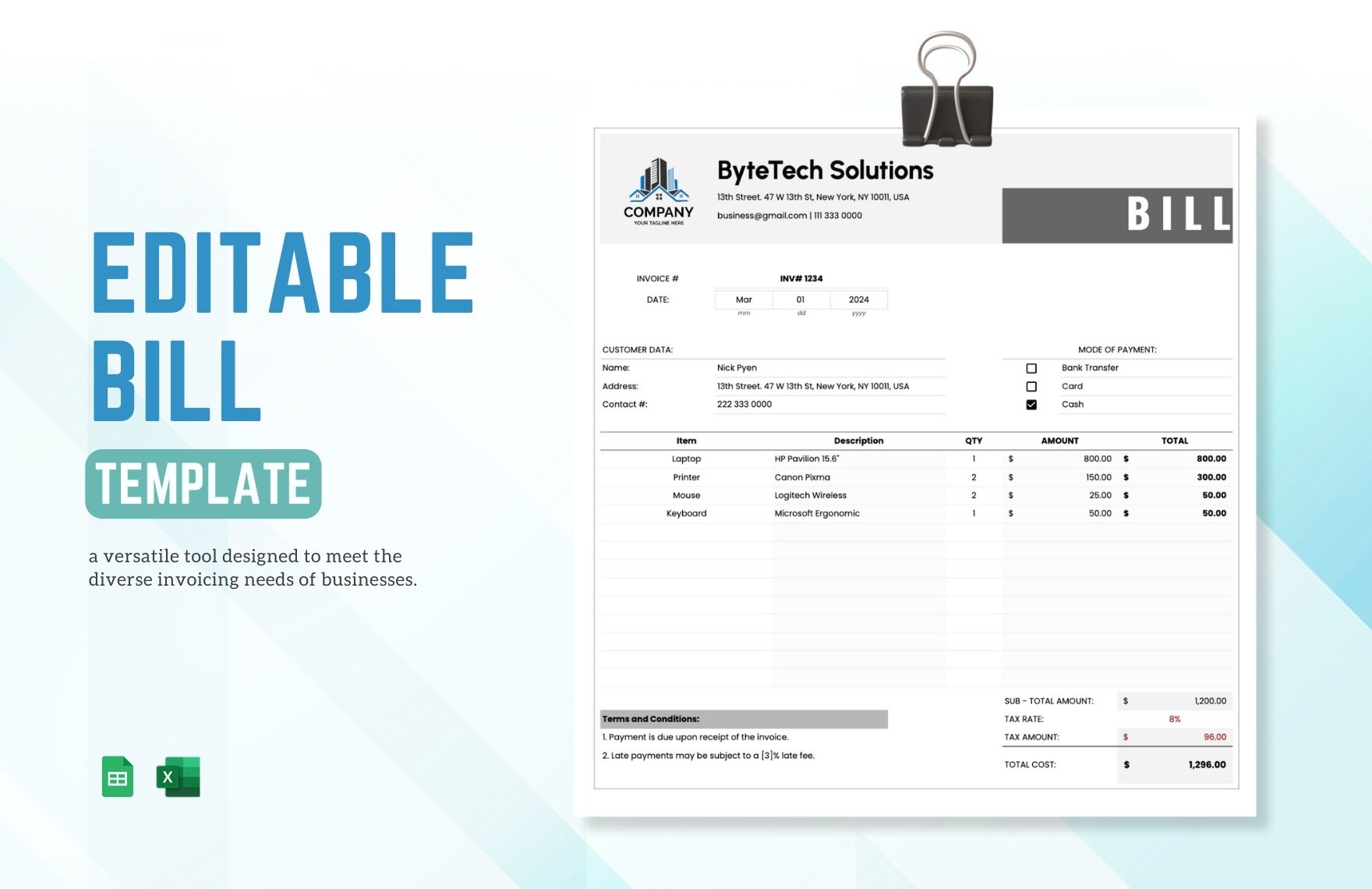
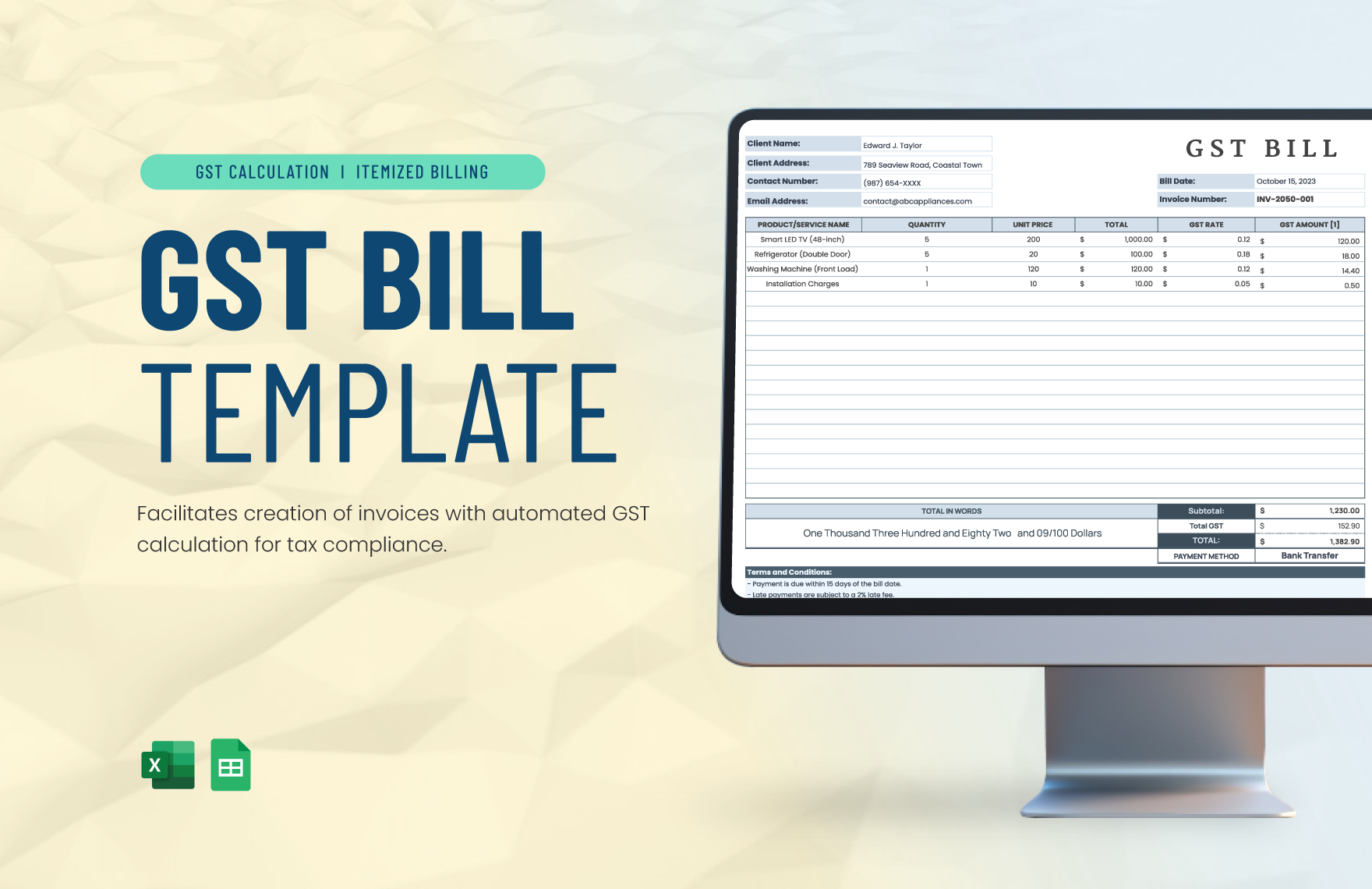
A Bill is a formal document that itemizes goods or services provided and specifies the amount due for payment. Bills serve as an essential financial record in various industries, ensuring transparency and accountability between parties.
Why should I use a Bill?
Using a Bill helps you maintain clear communication regarding payment obligations, enhances financial tracking, and supports professional transactions. Bills provide a structured way to document charges and prevent misunderstandings between payers and recipients.
Who uses Bill?
Bill templates are commonly used by businesses, freelancers, service providers, and organizations that need to request payment or record transactions accurately. Anyone involved in sales, services, or rentals can utilize Bills to formalize financial exchanges.
What are the best tips for completing my Bill?
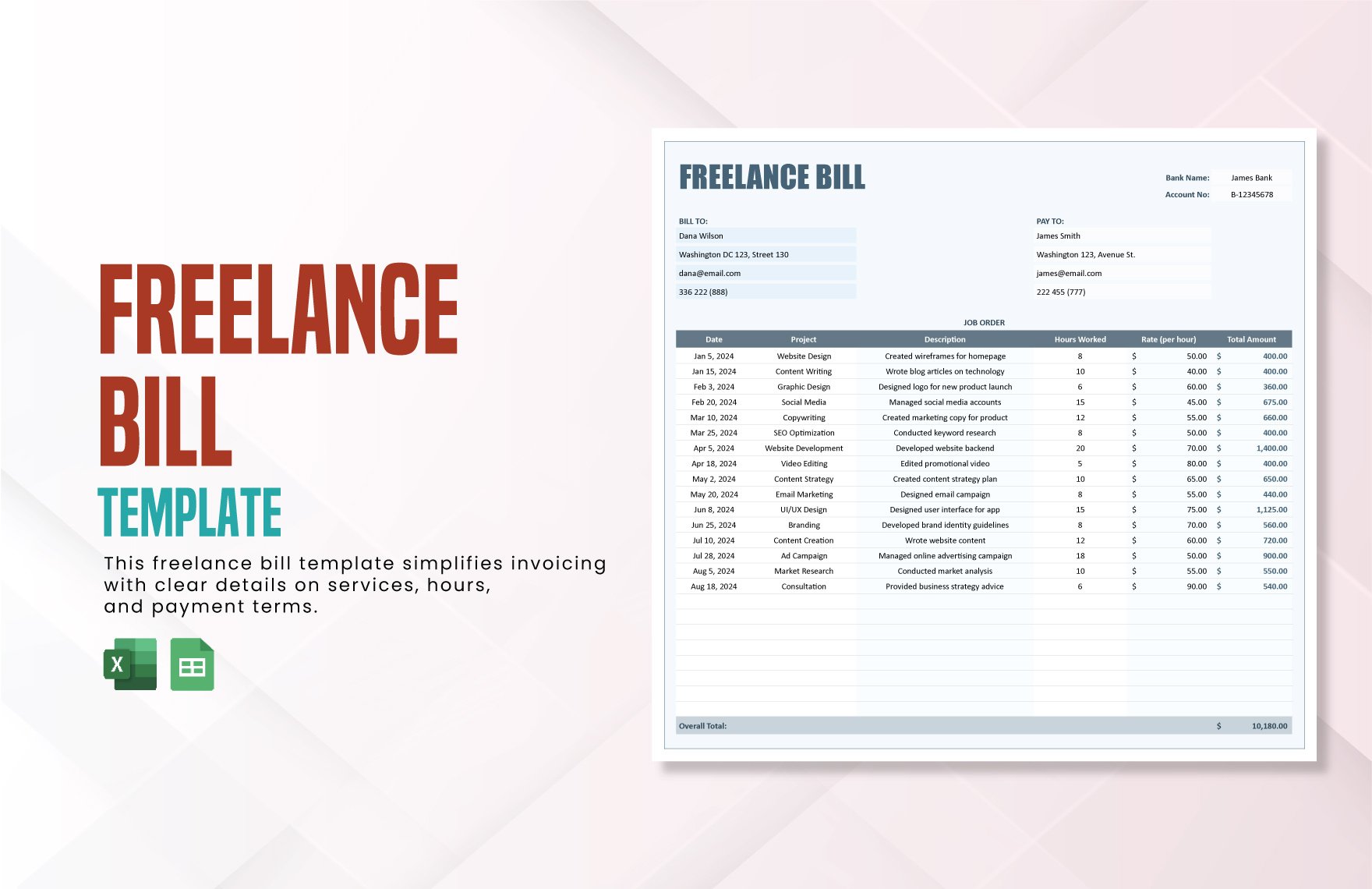
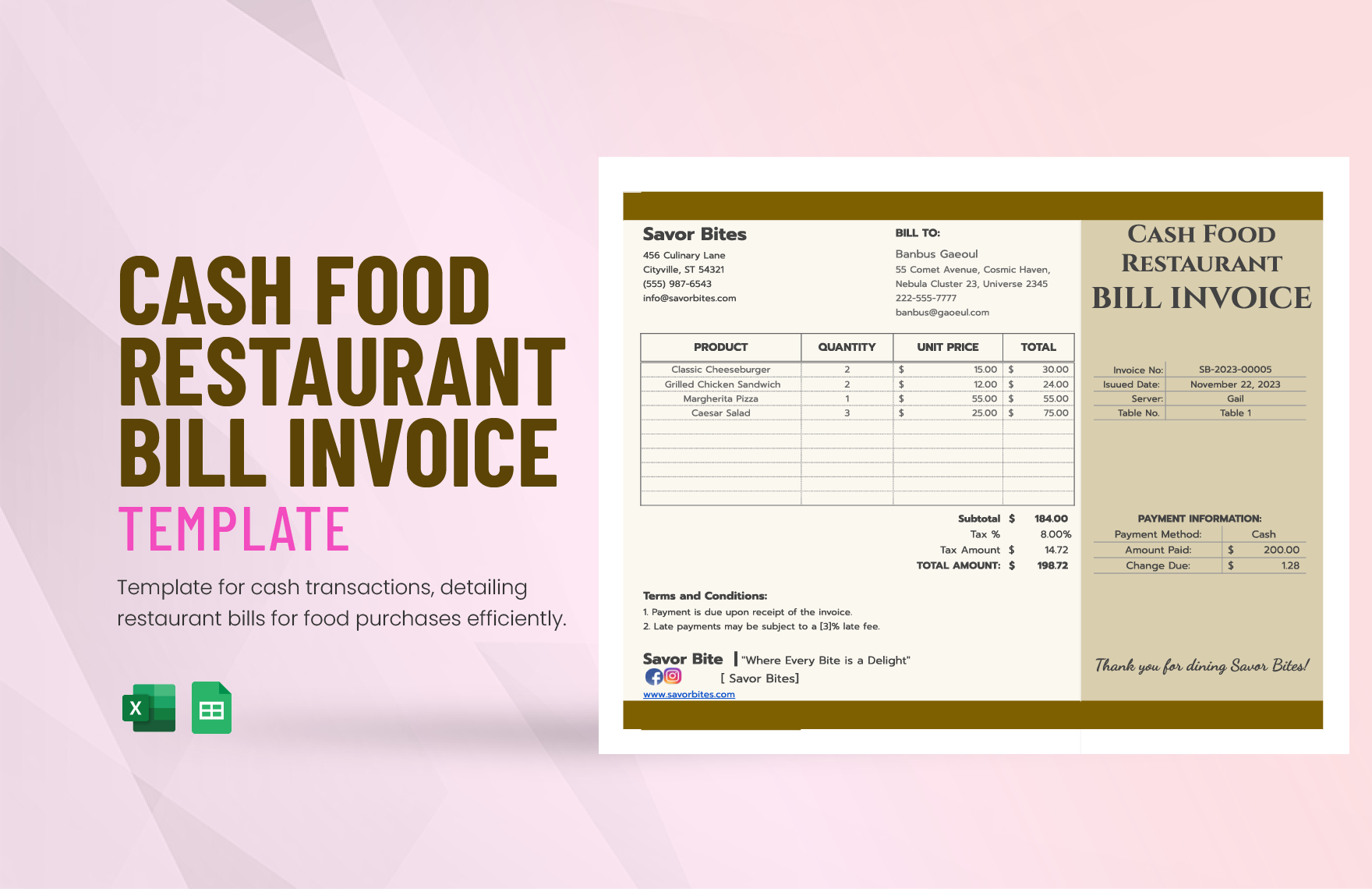
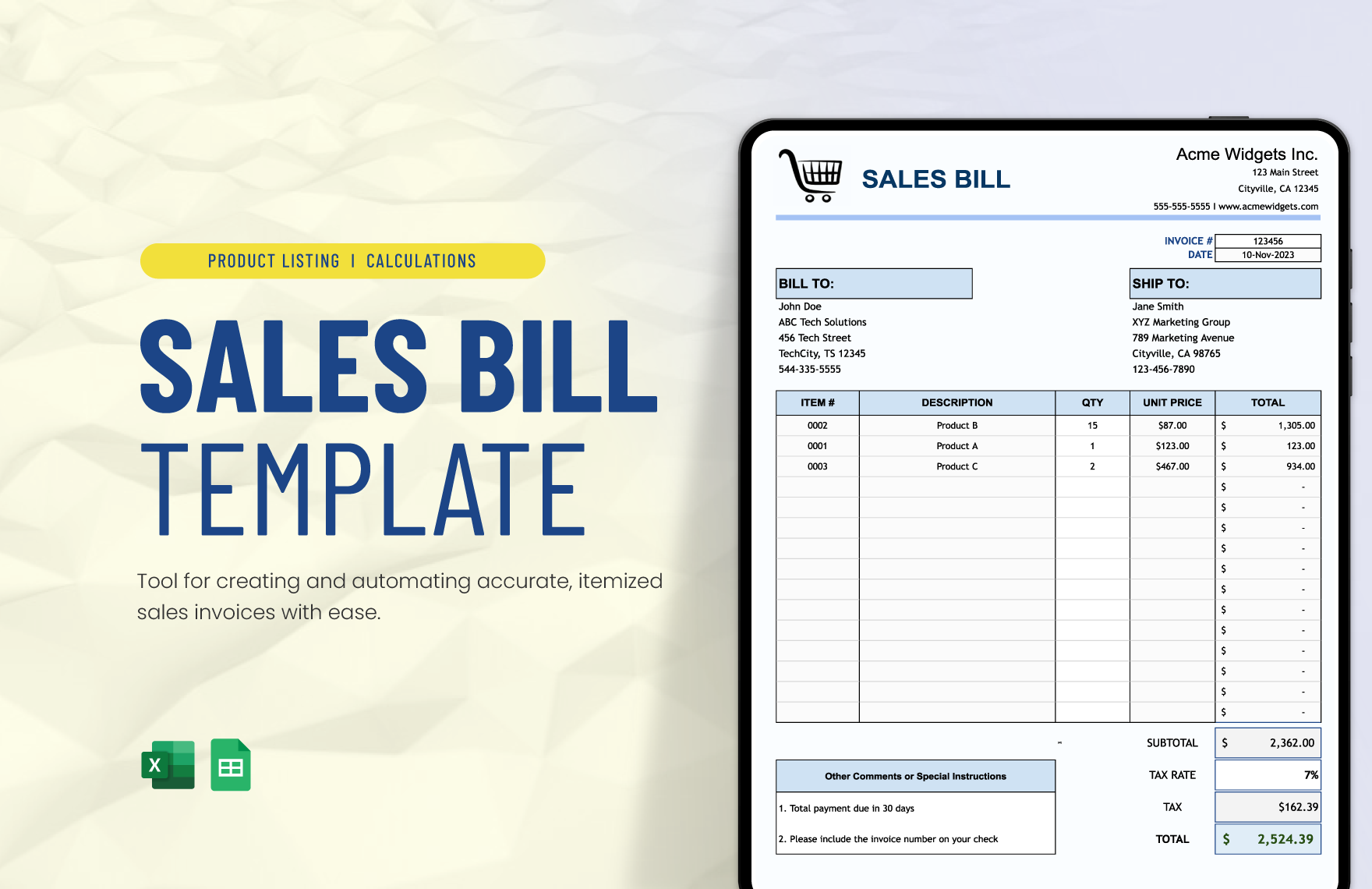
When completing a Bill, ensure you include clear descriptions of goods or services, accurate quantities, unit prices, total amounts, payment terms, and contact information. Double-check calculations and customize the template to reflect your branding for professionalism.
Can I create a Bill using AI?
While Template.net primarily offers editable Bill templates, you can complement your workflow with AI-assisted tools available elsewhere on the platform to generate or customize Bills more efficiently, enhancing accuracy and saving time.
What file formats can I download for my Bill?
Template.net provides editable Bill templates compatible with multiple file formats including Apple Pages, Word, Google Sheets, and Google Docs to suit your preferred software.
What essential elements should my Bill include?
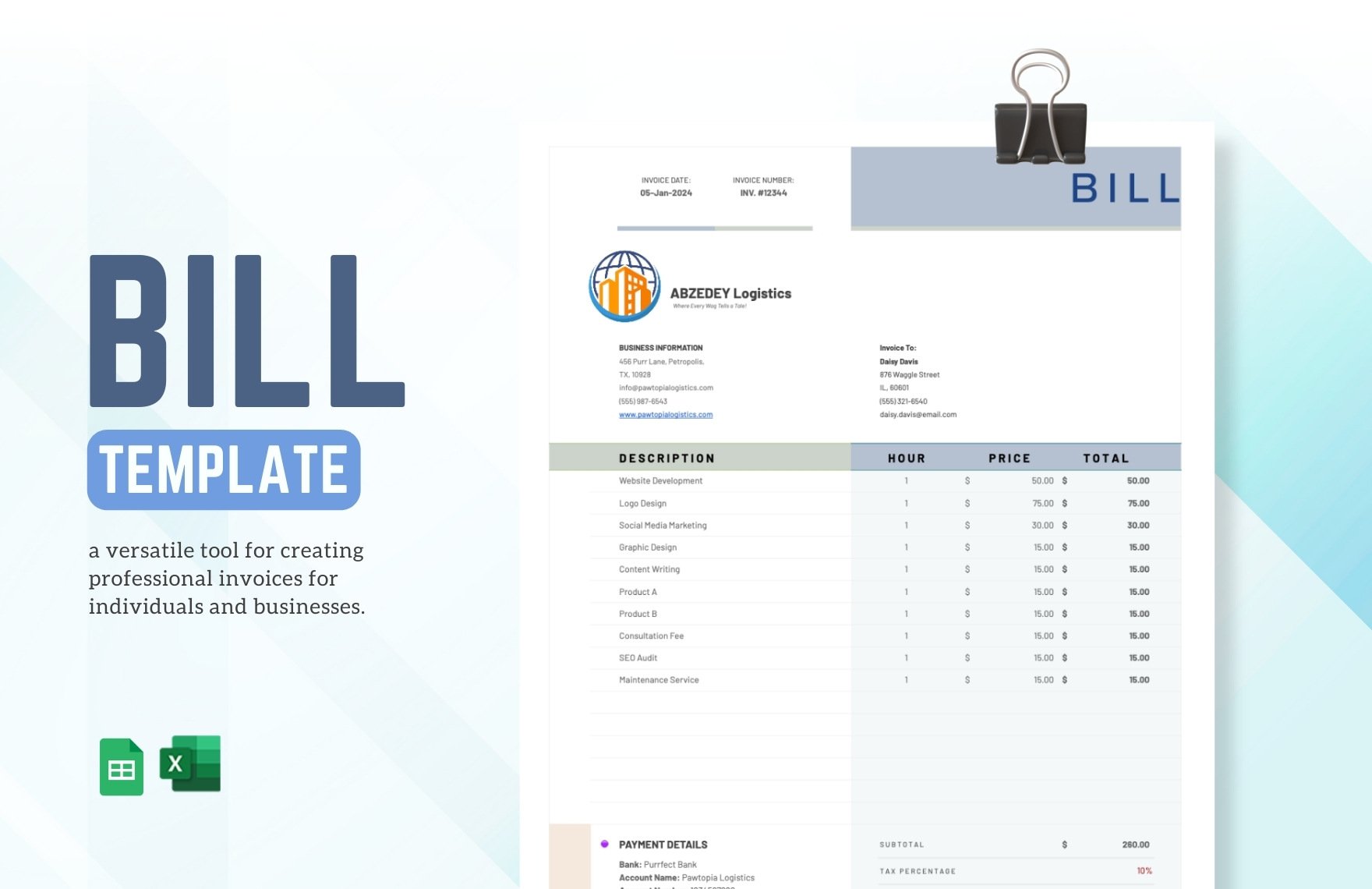
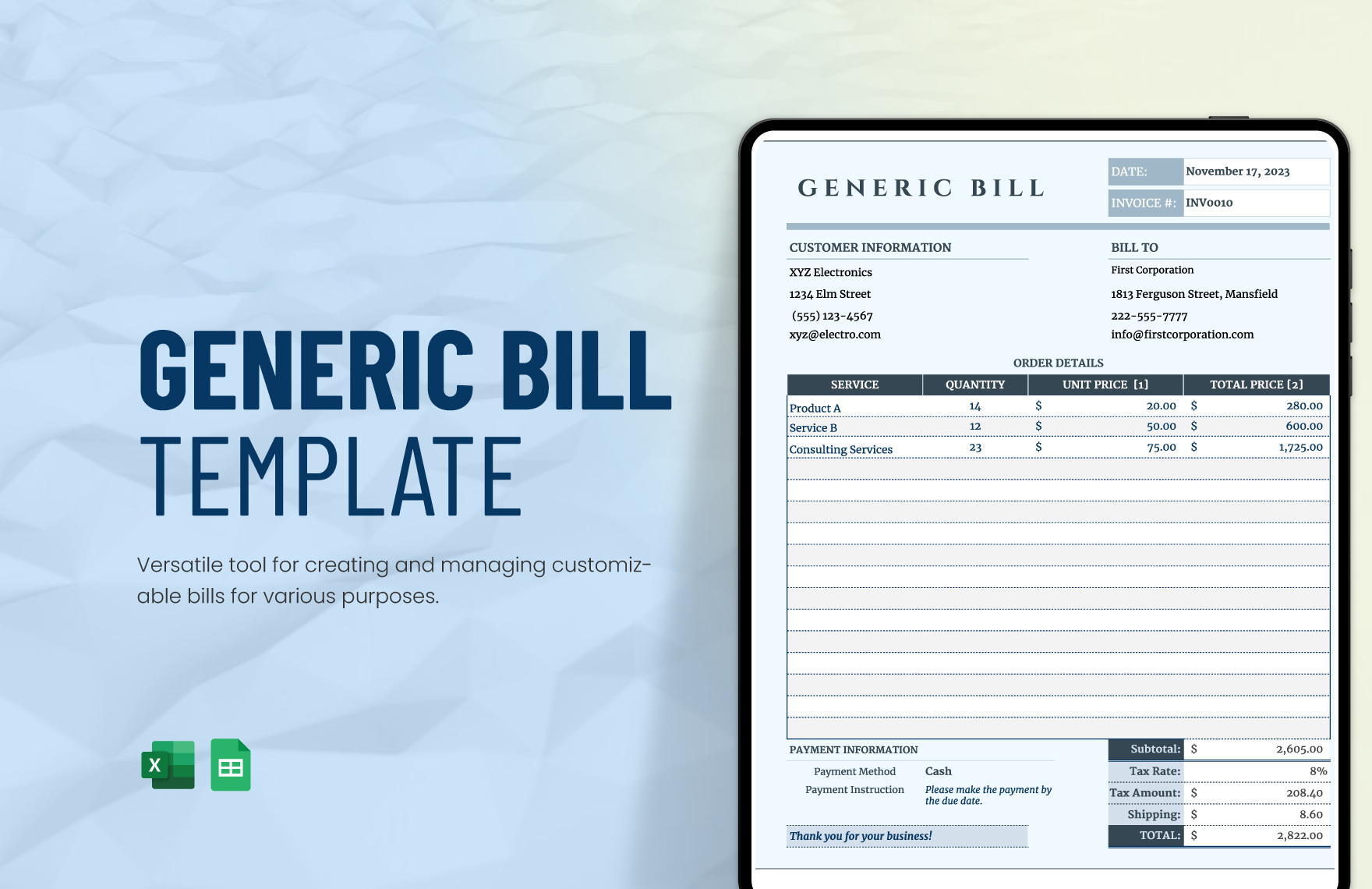
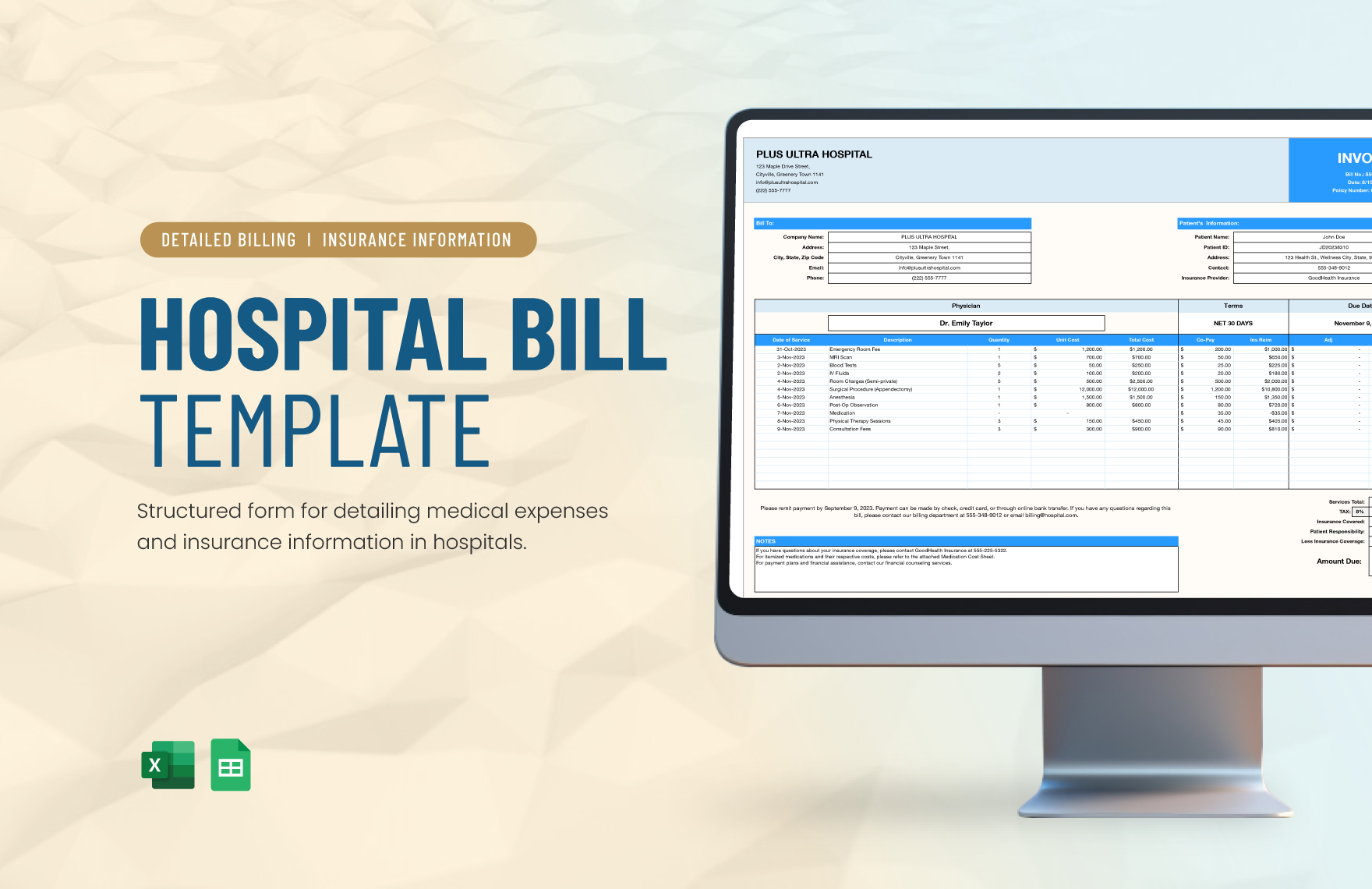
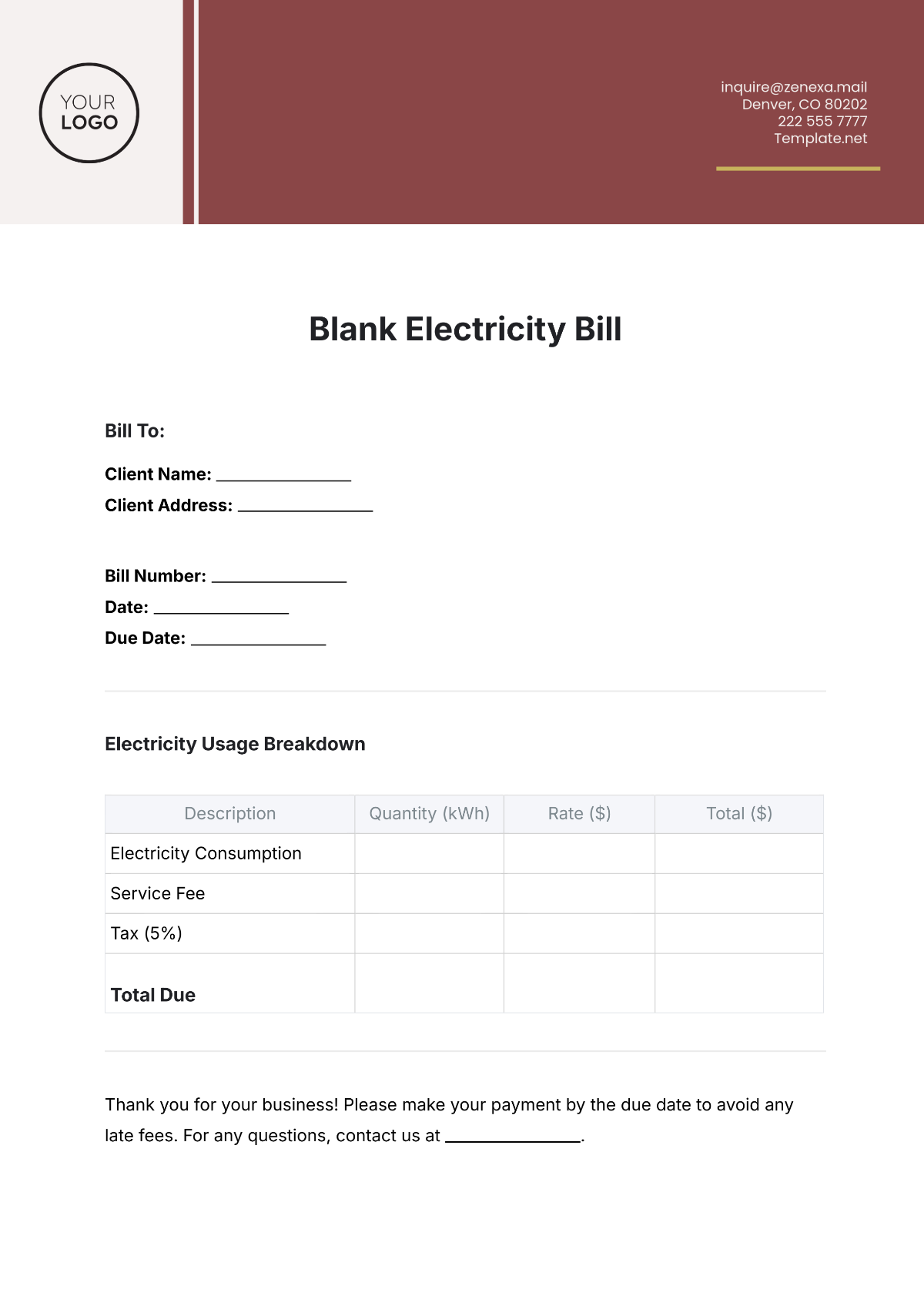
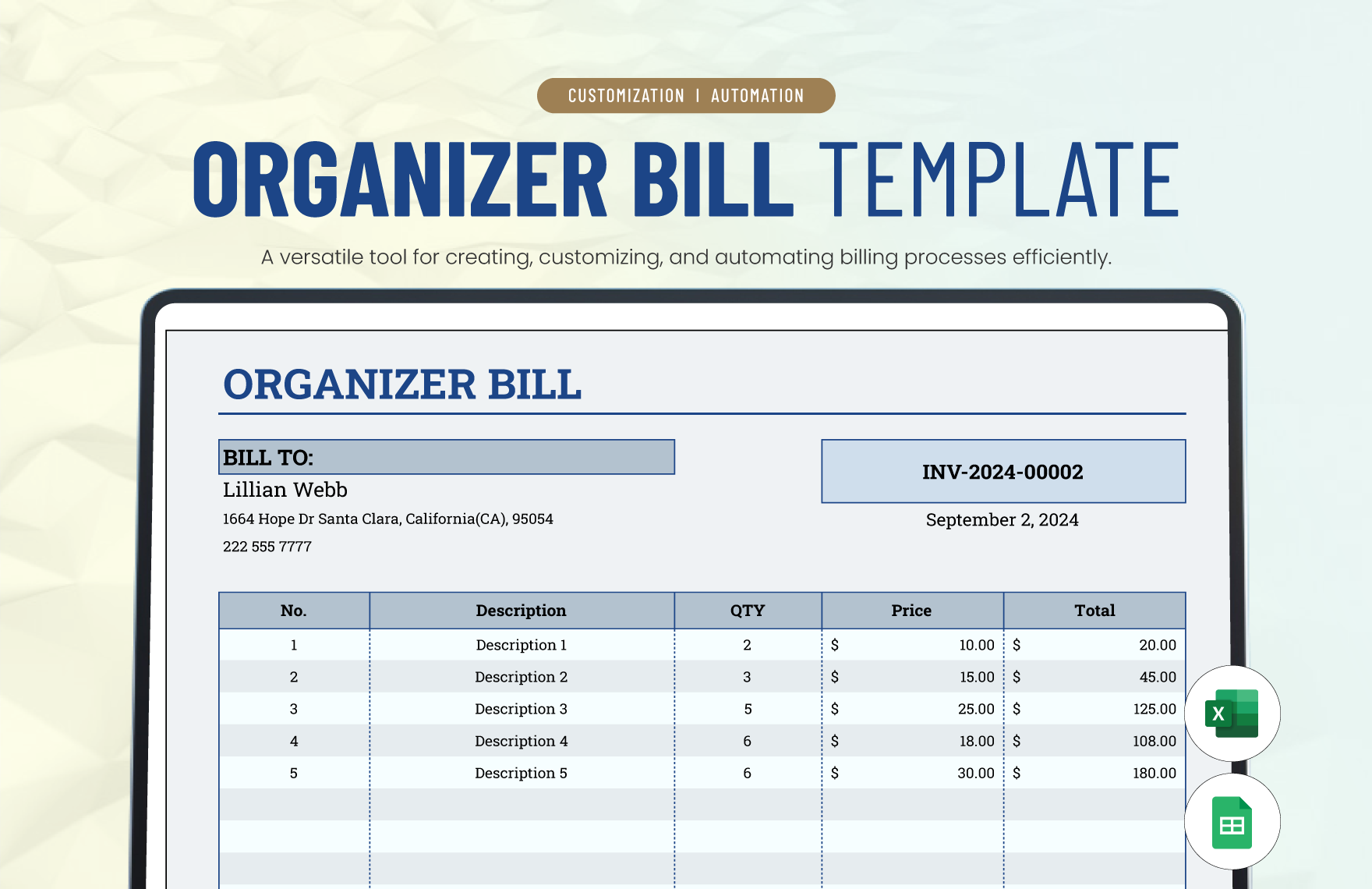
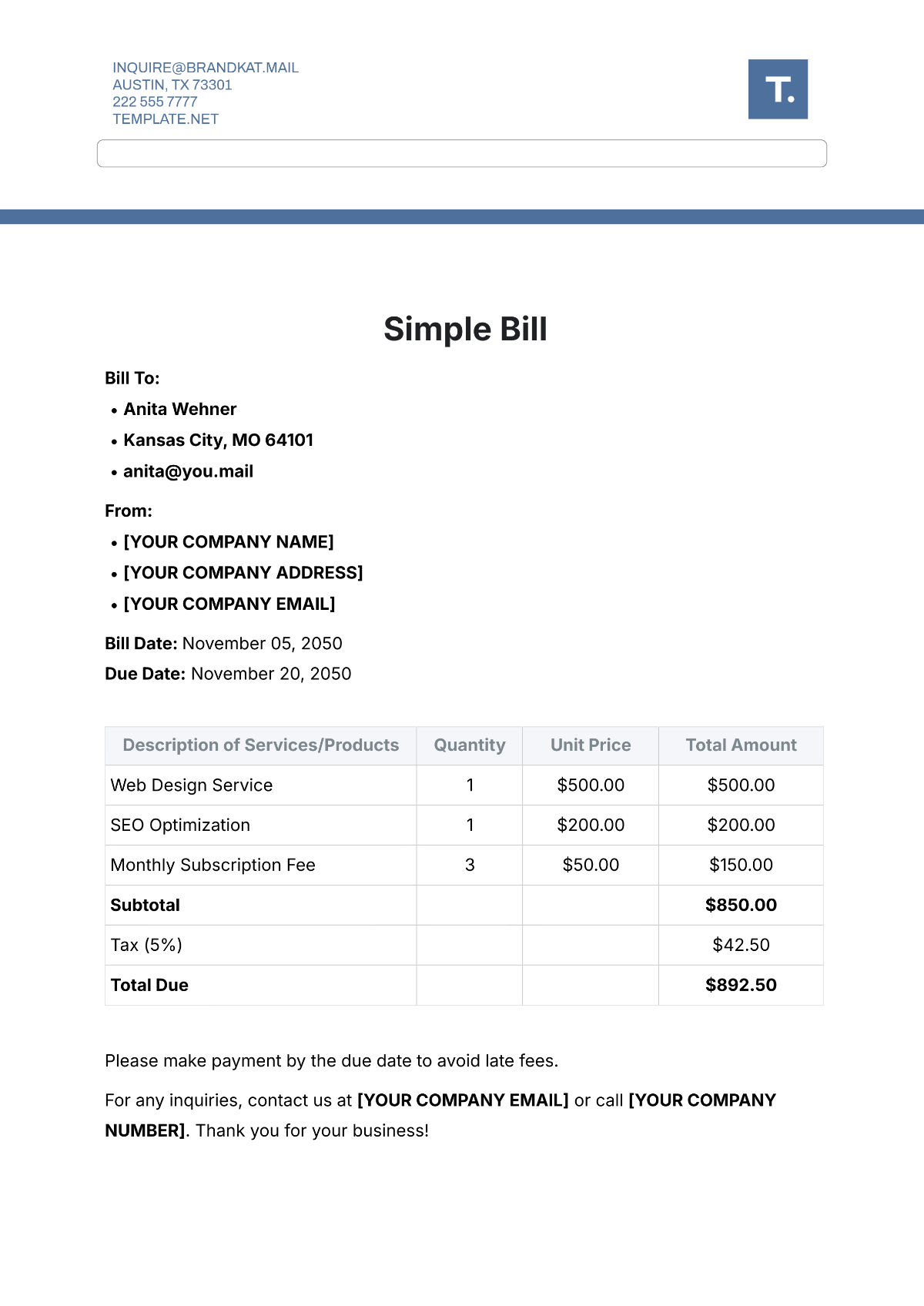
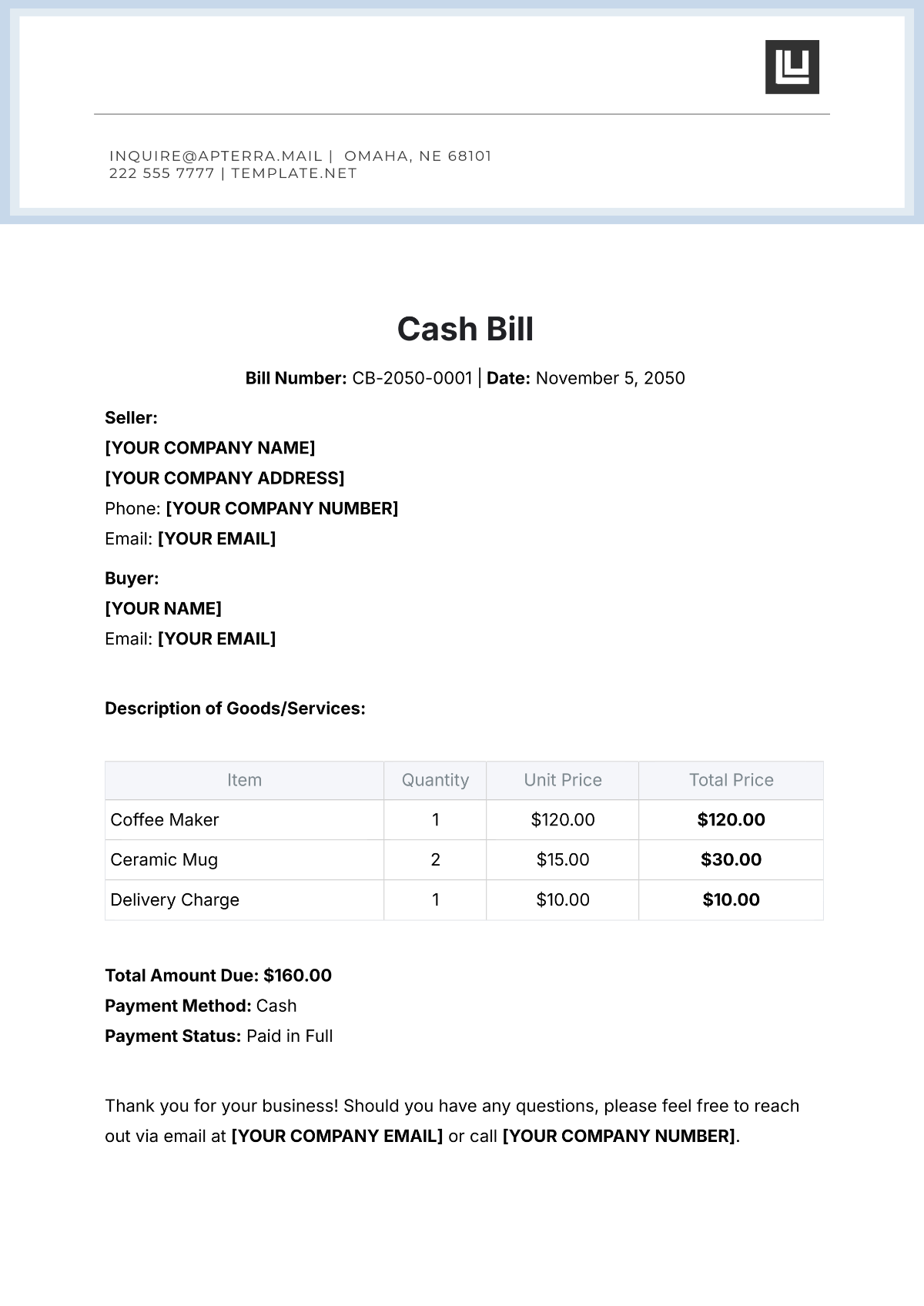
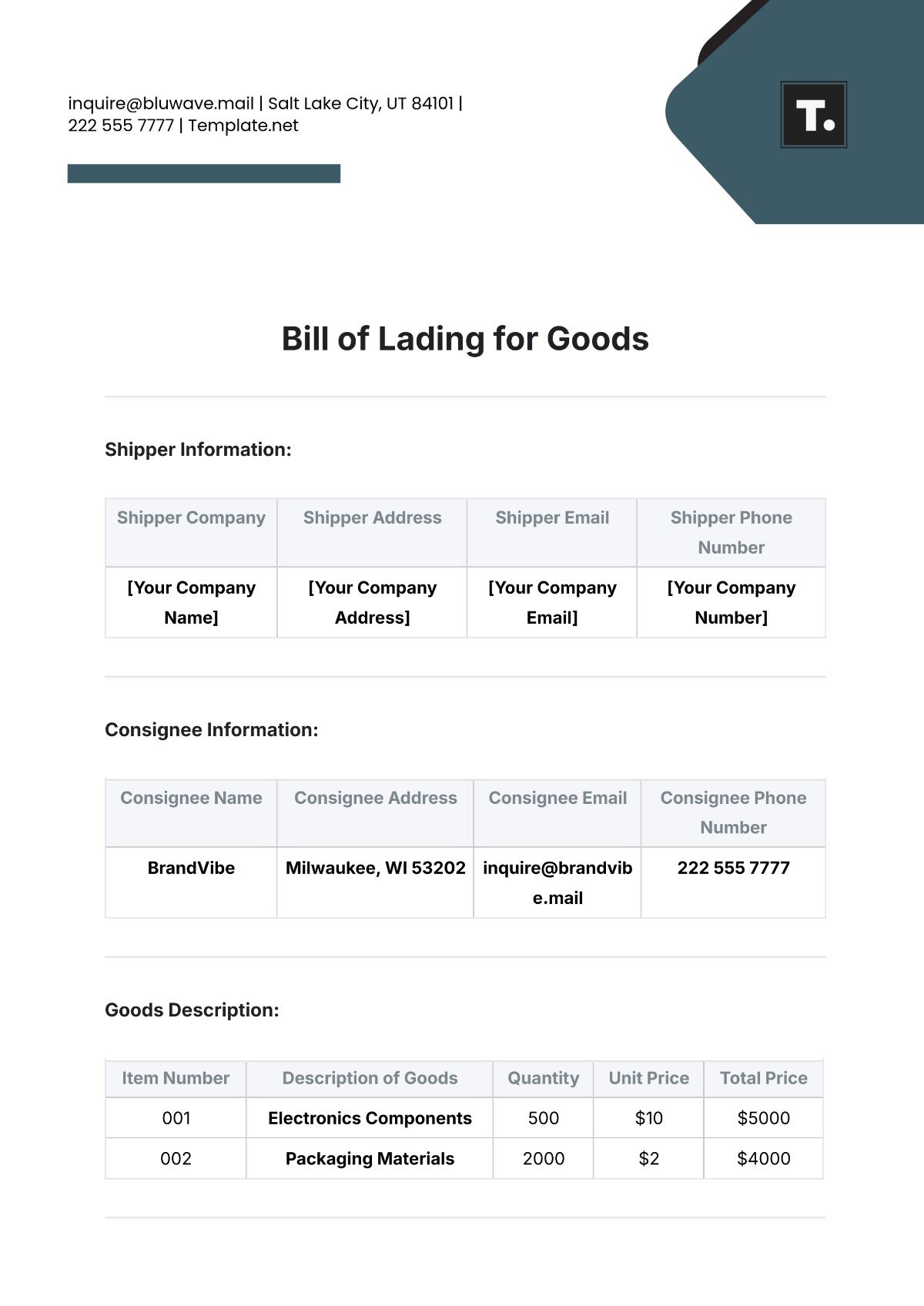
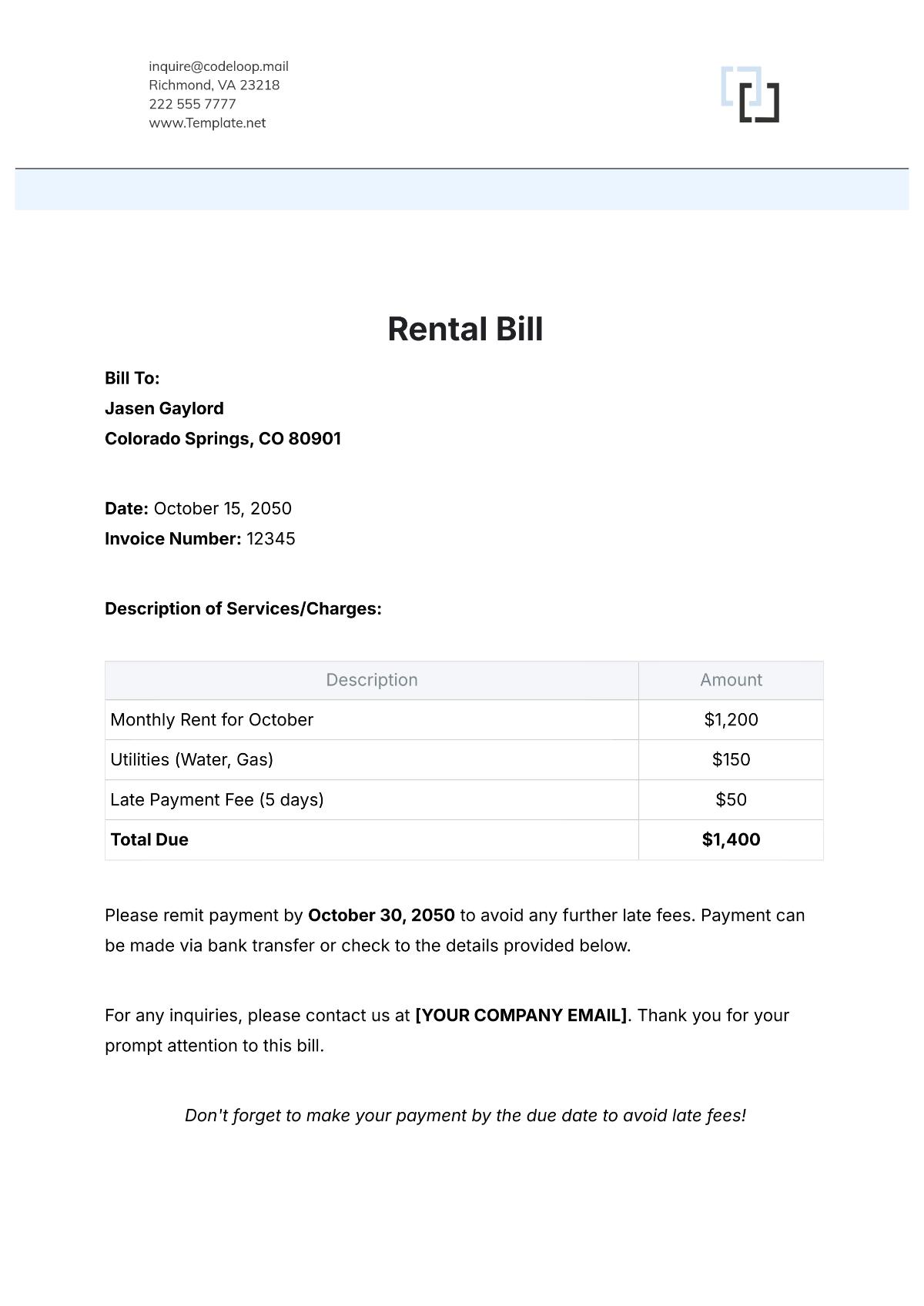
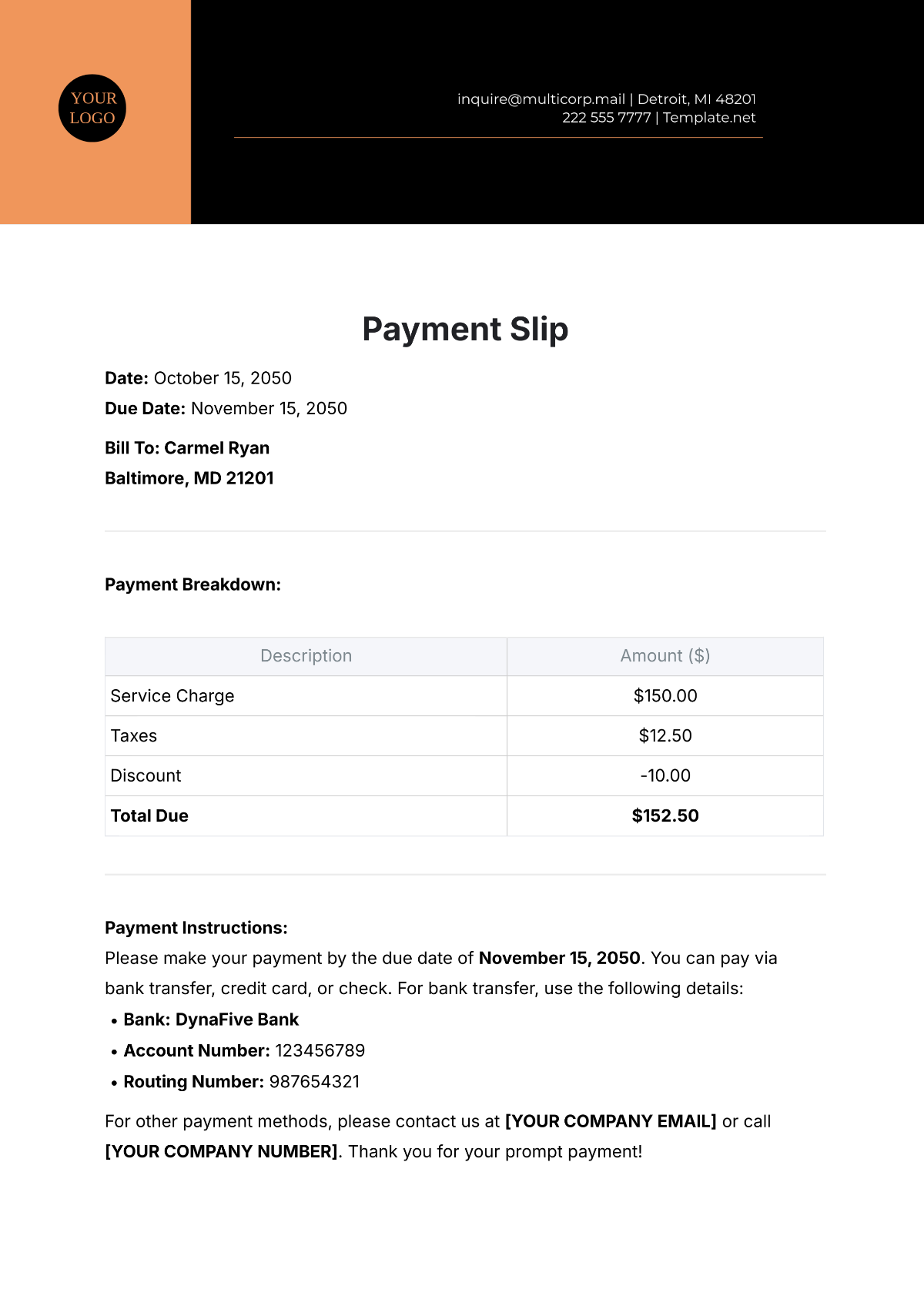
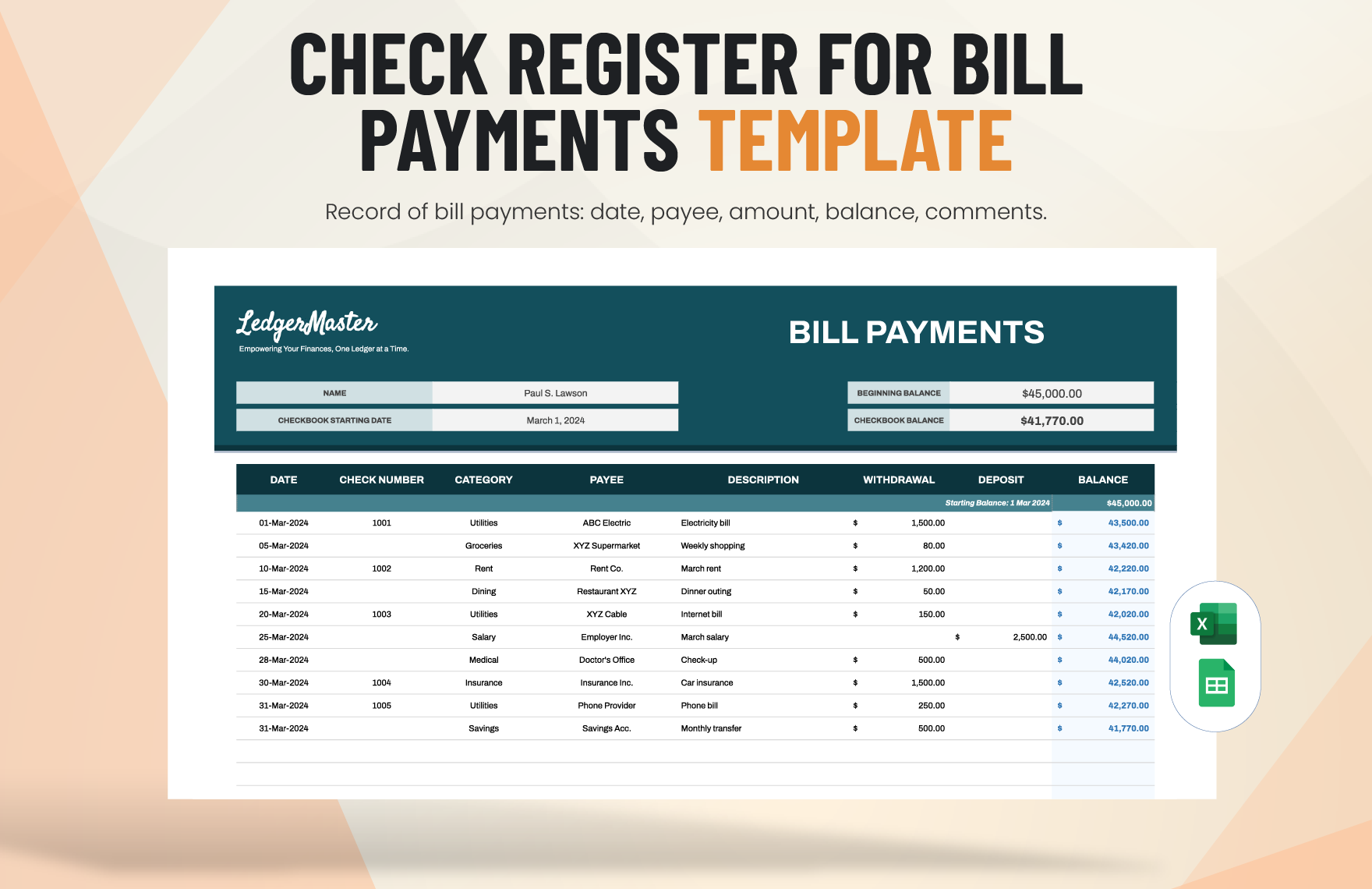
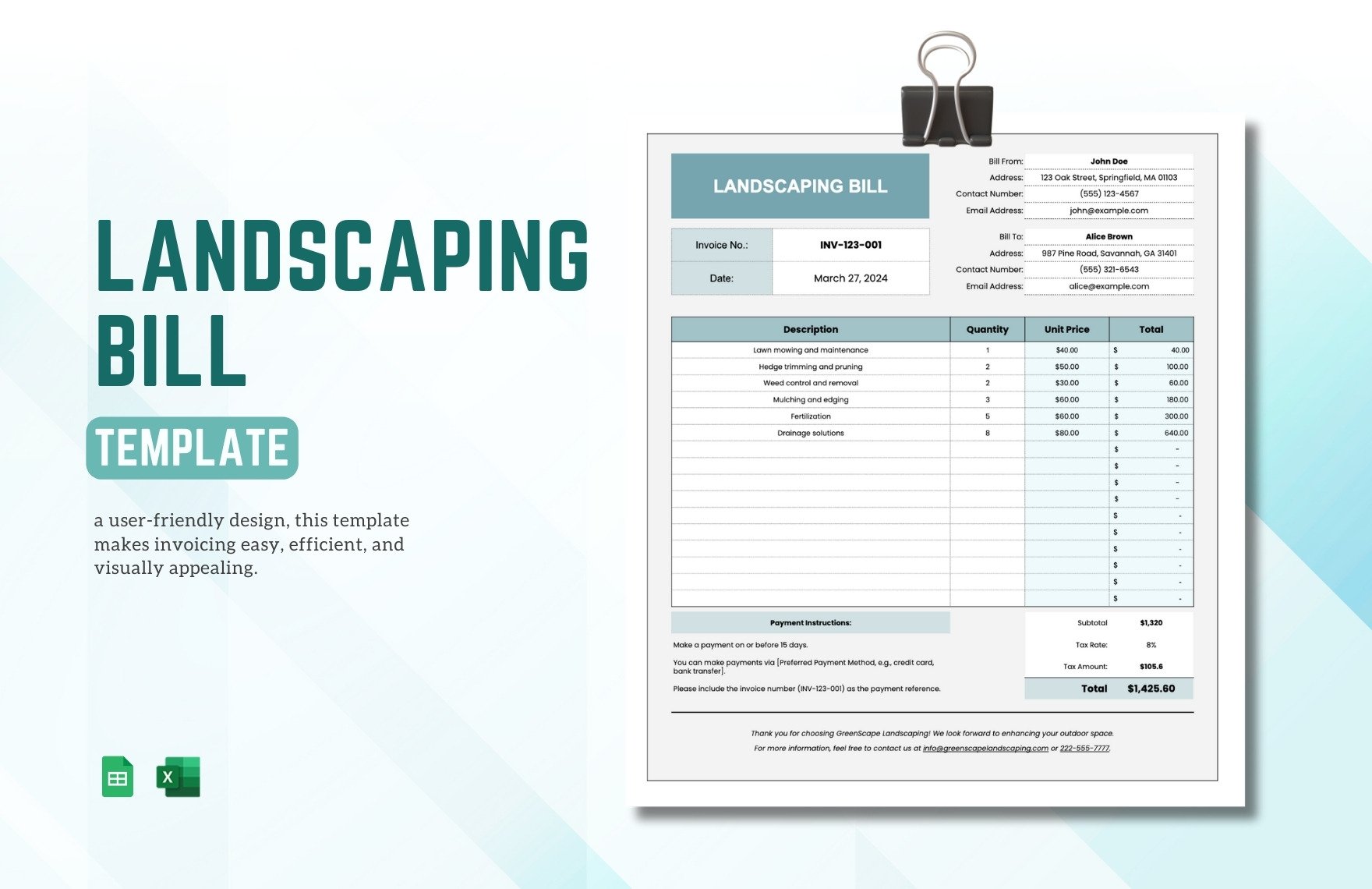
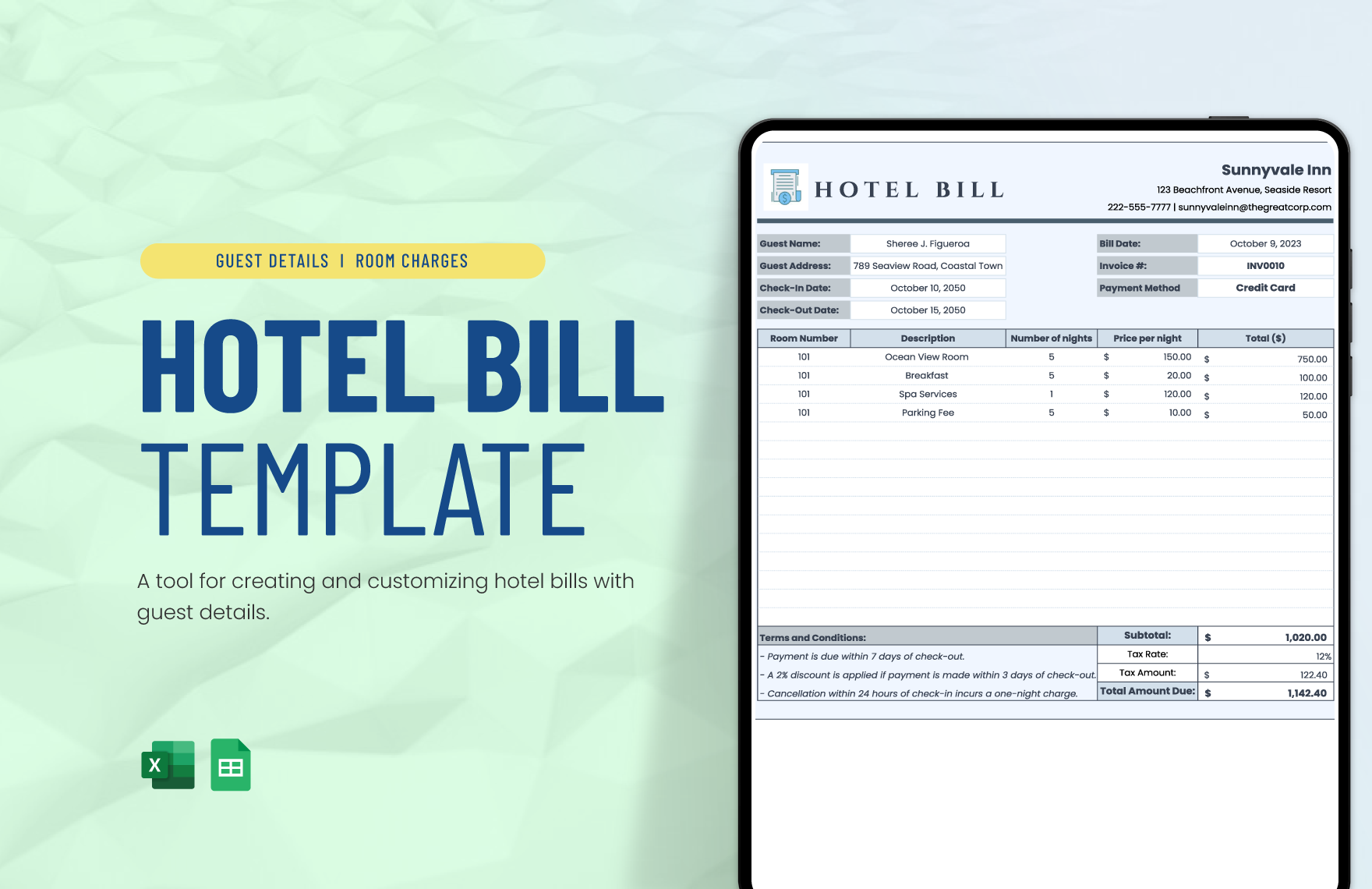
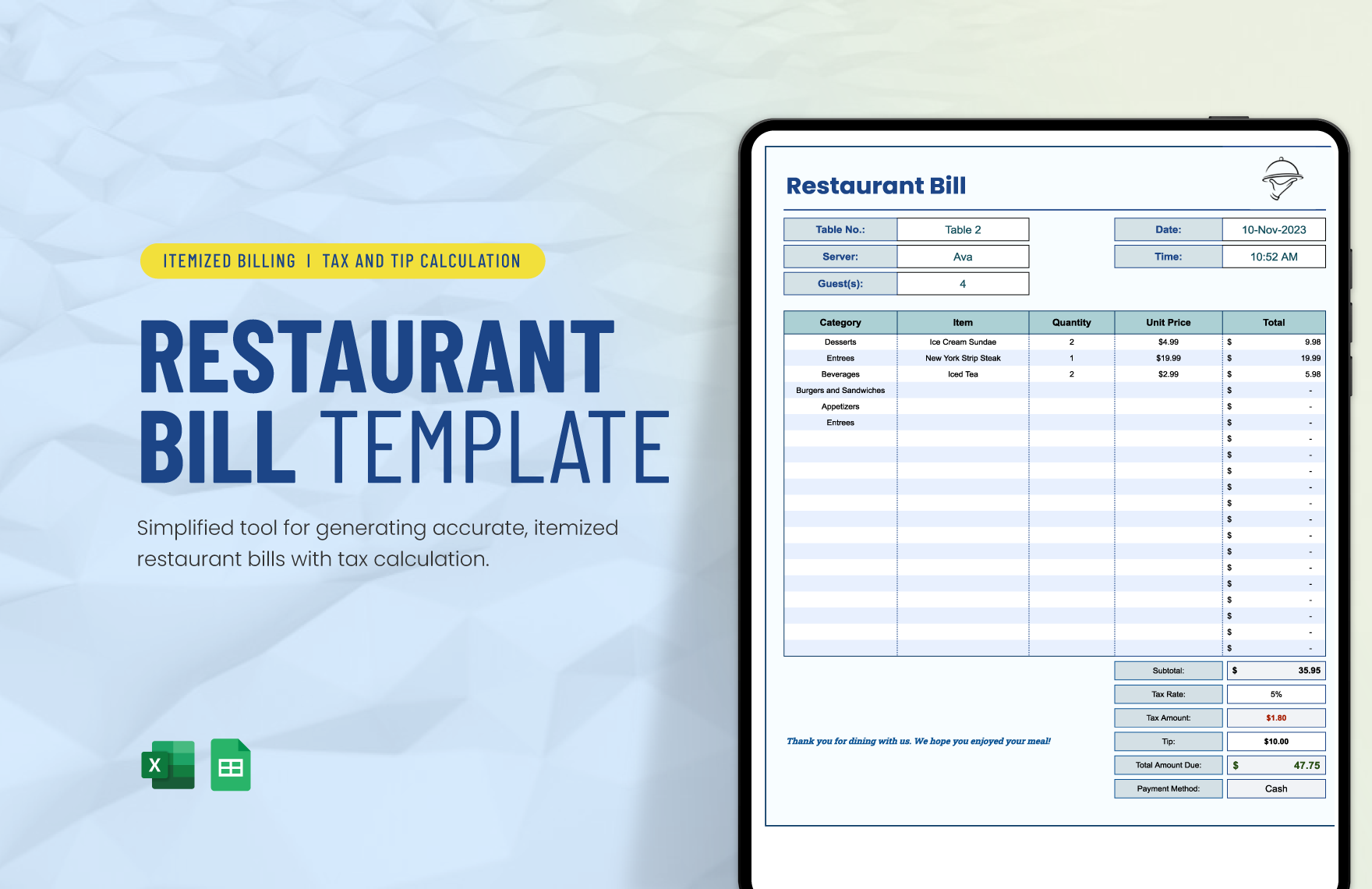
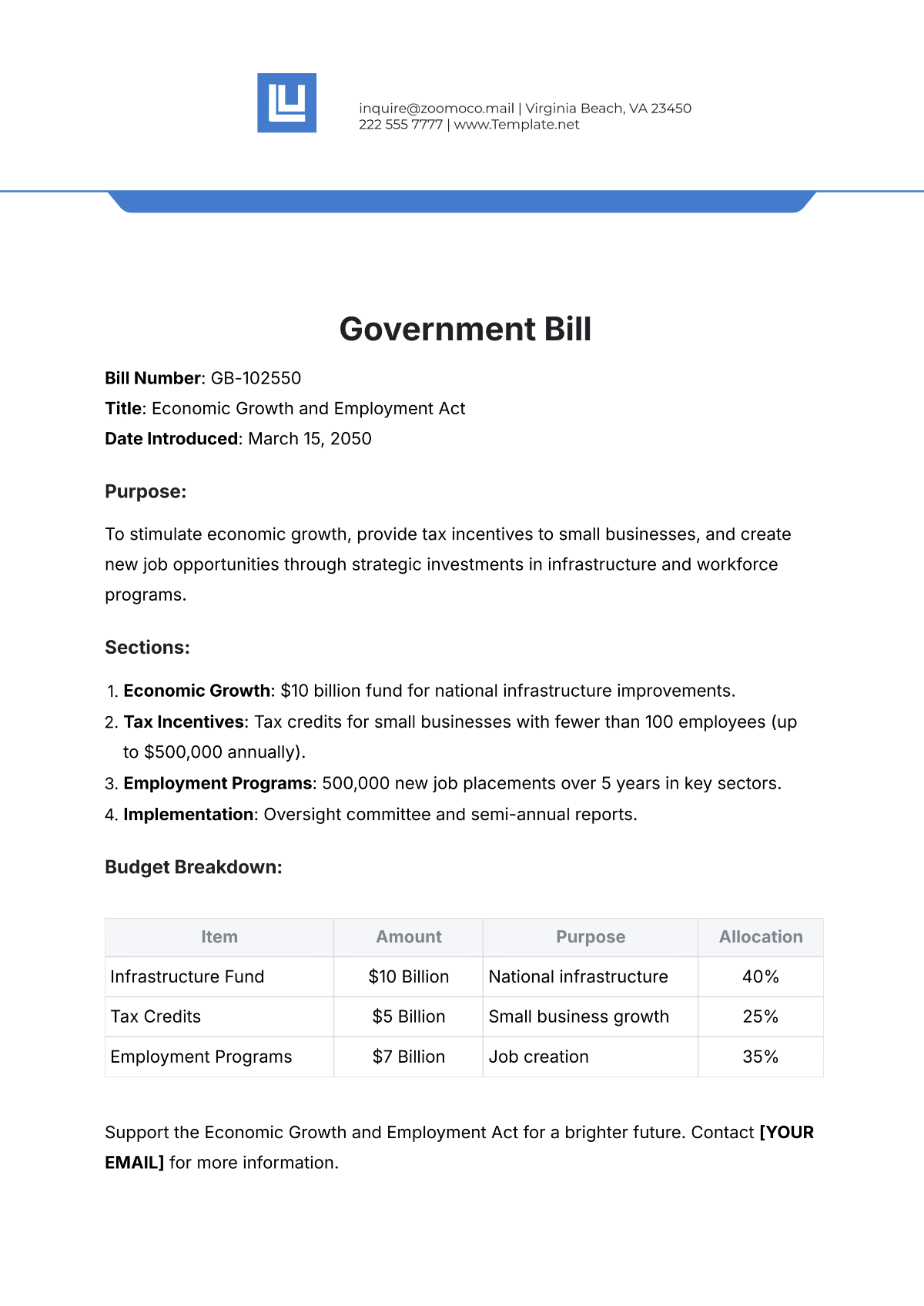
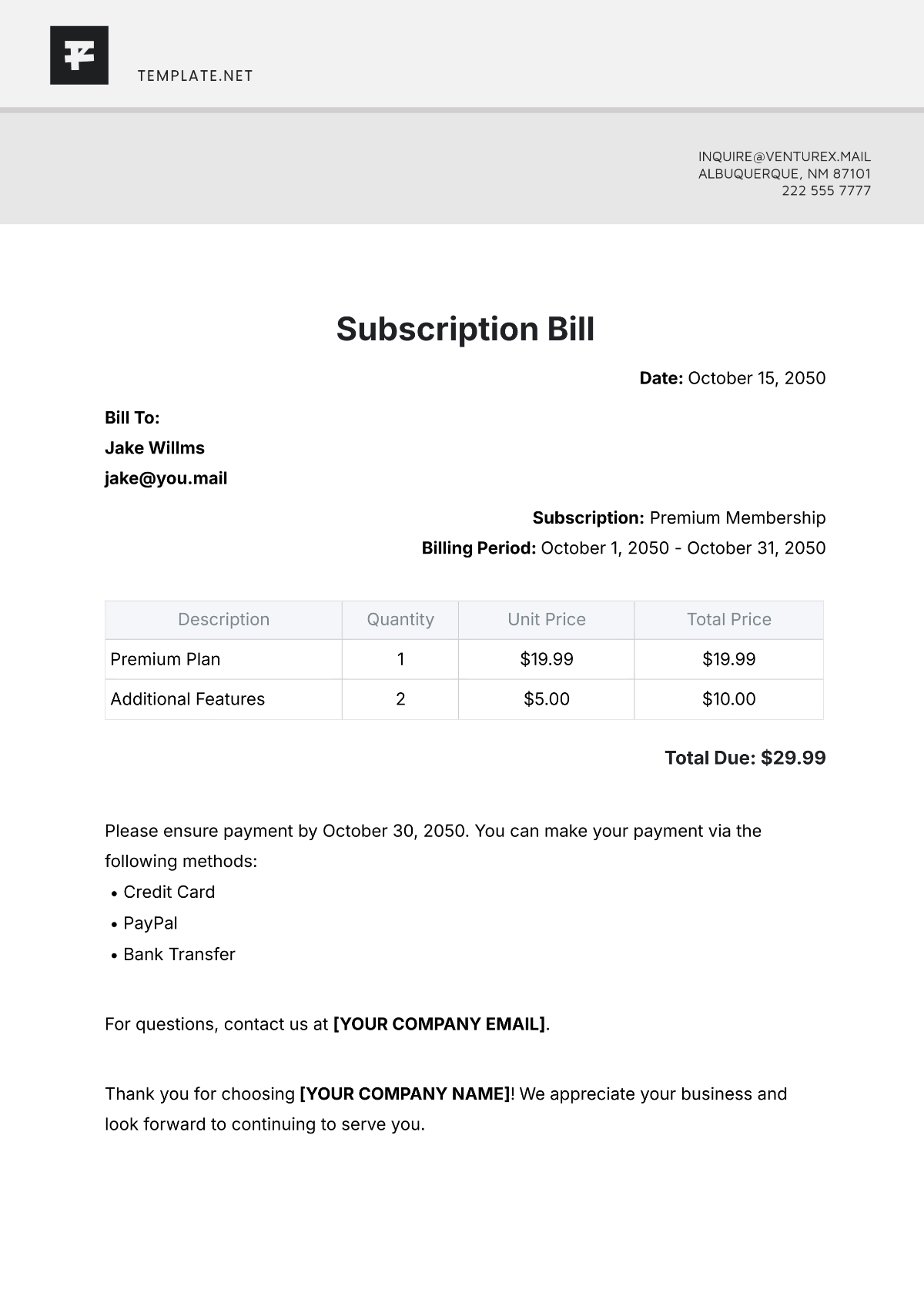
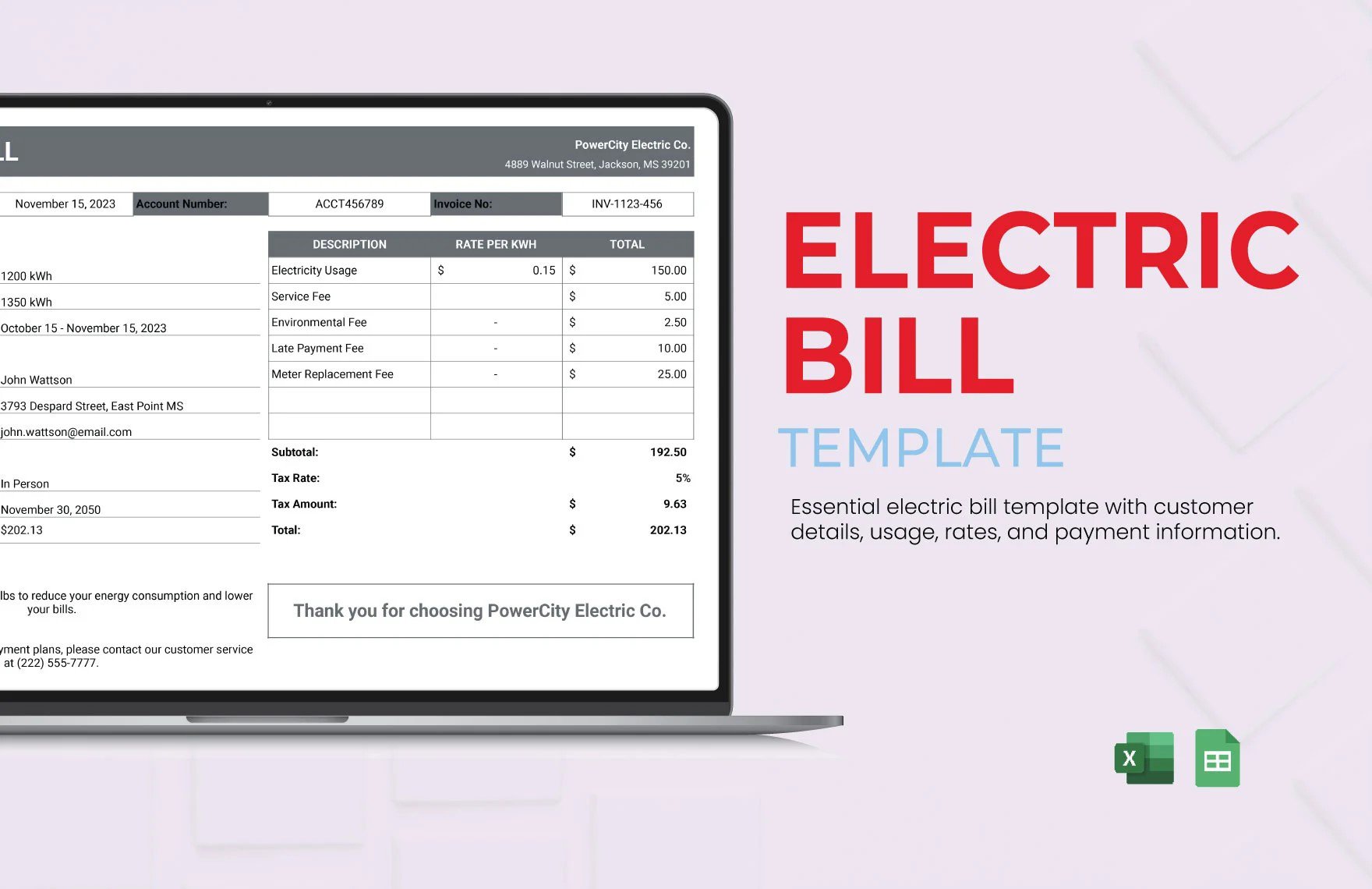
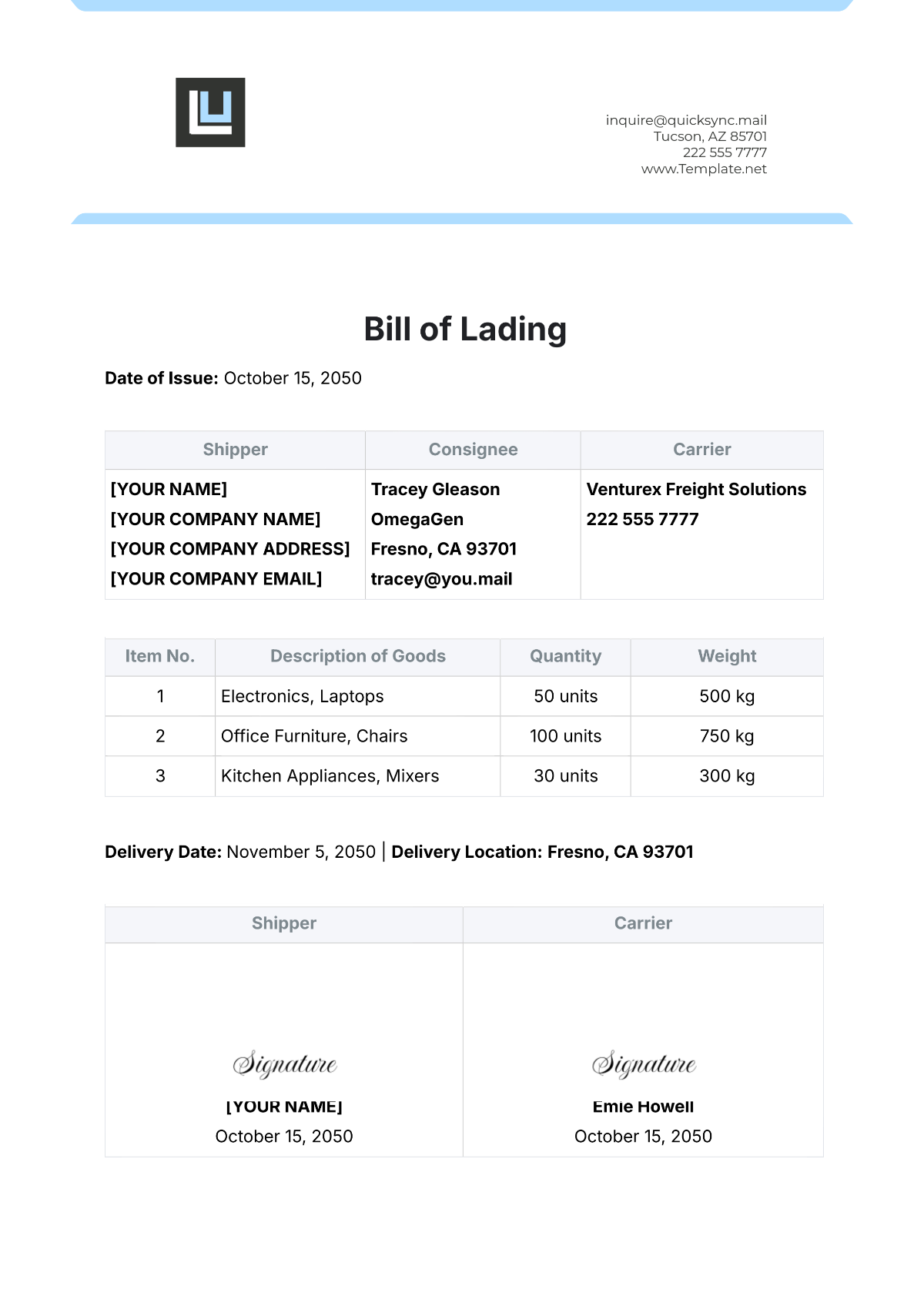
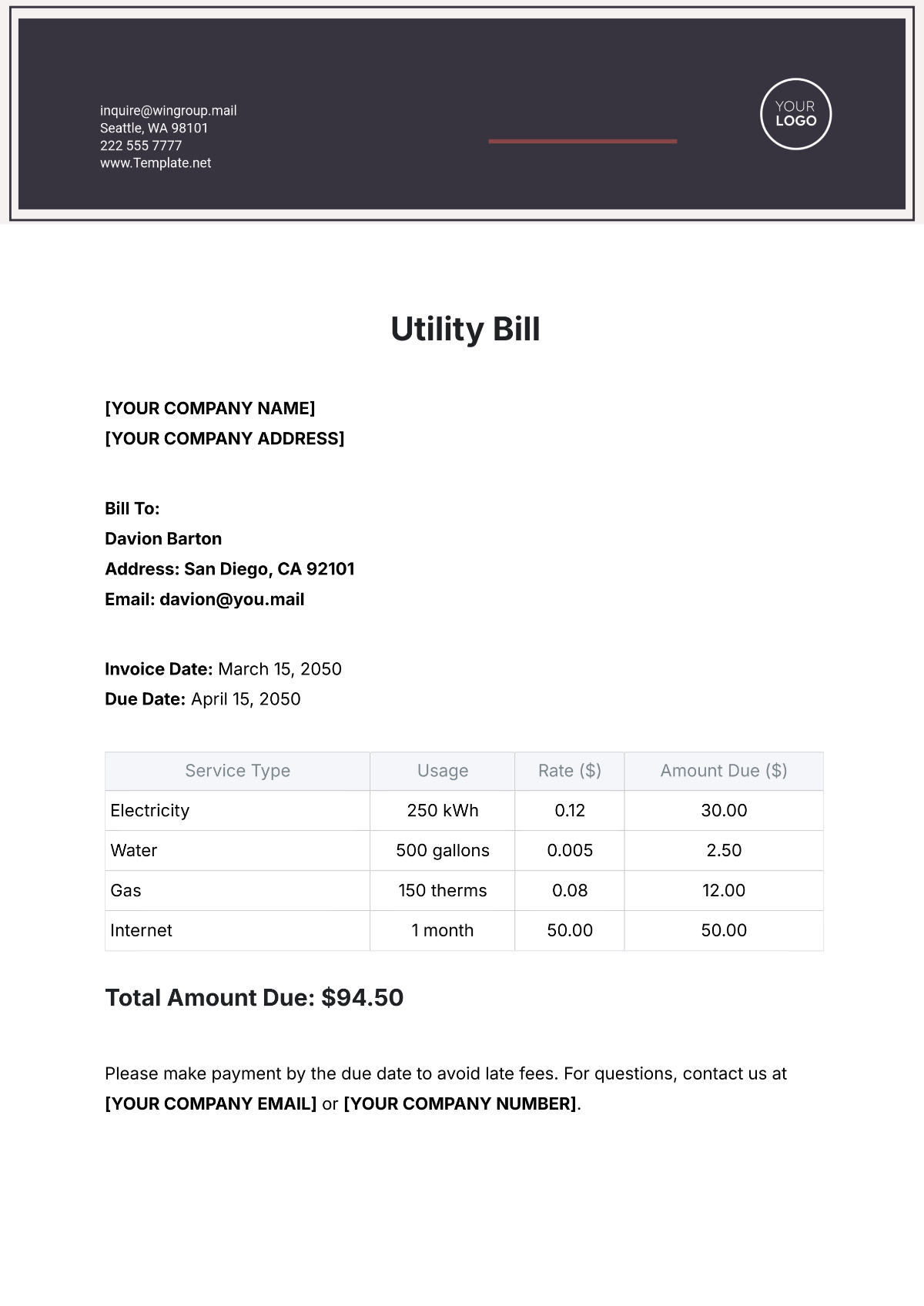
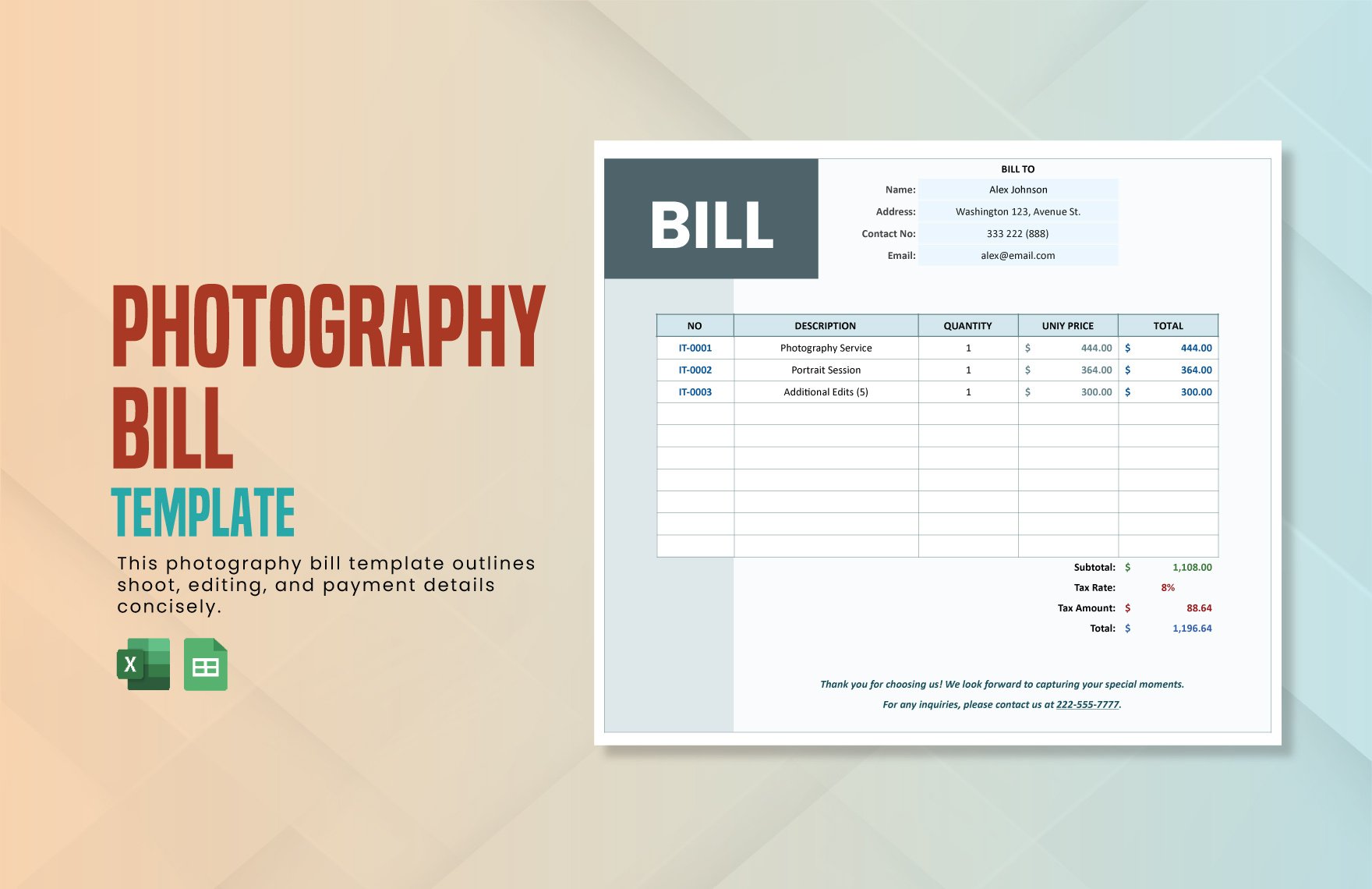
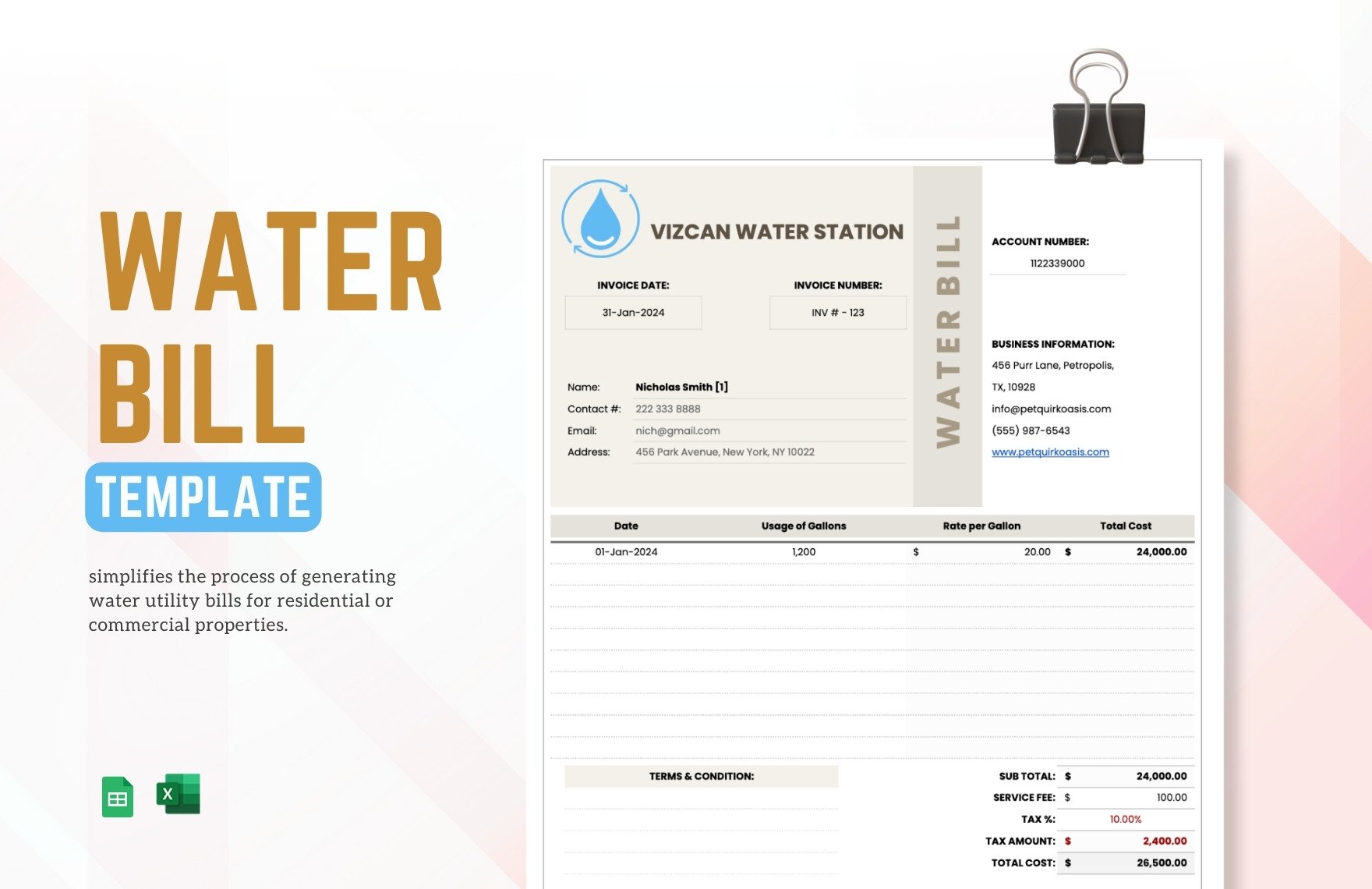
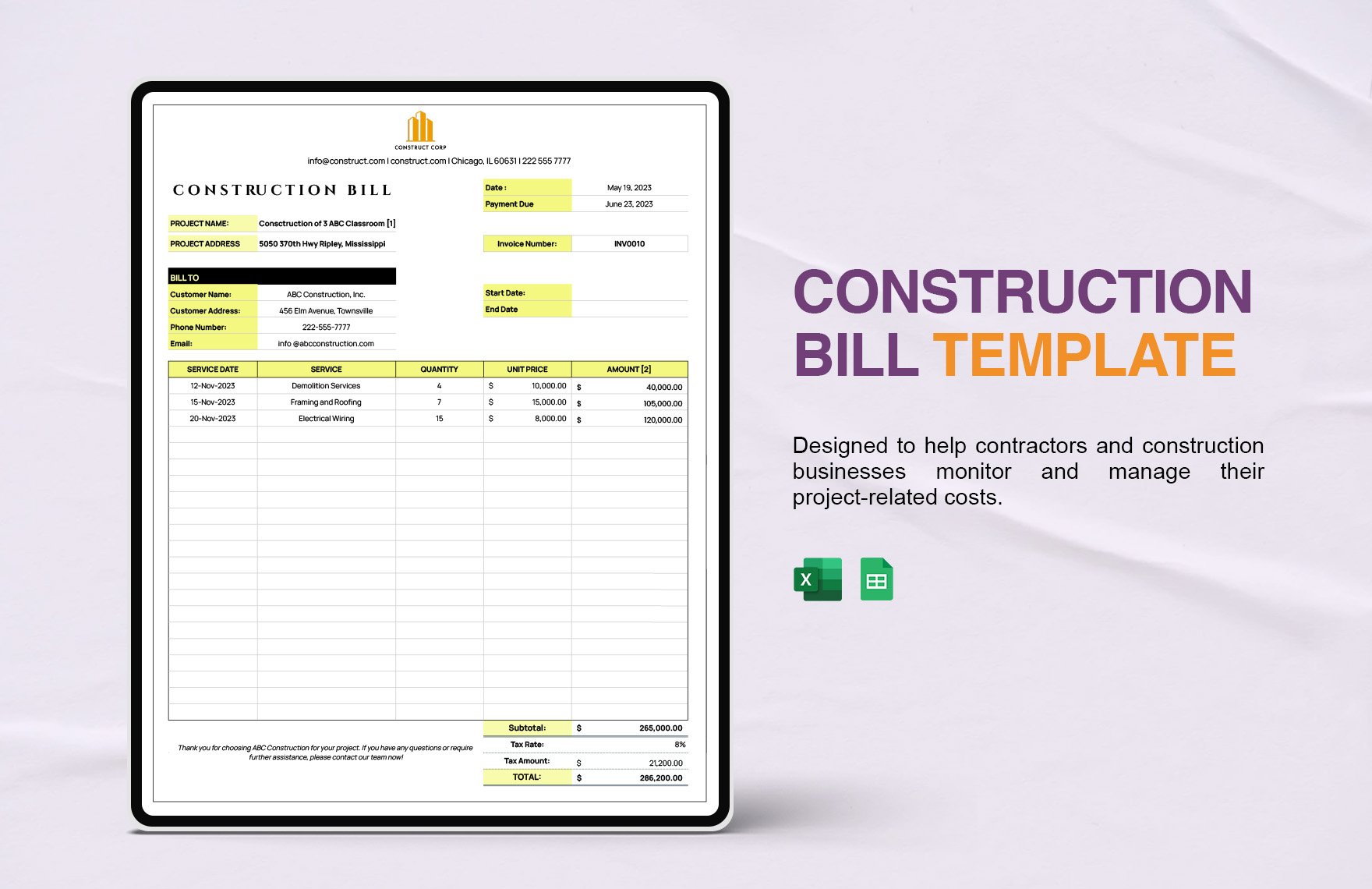
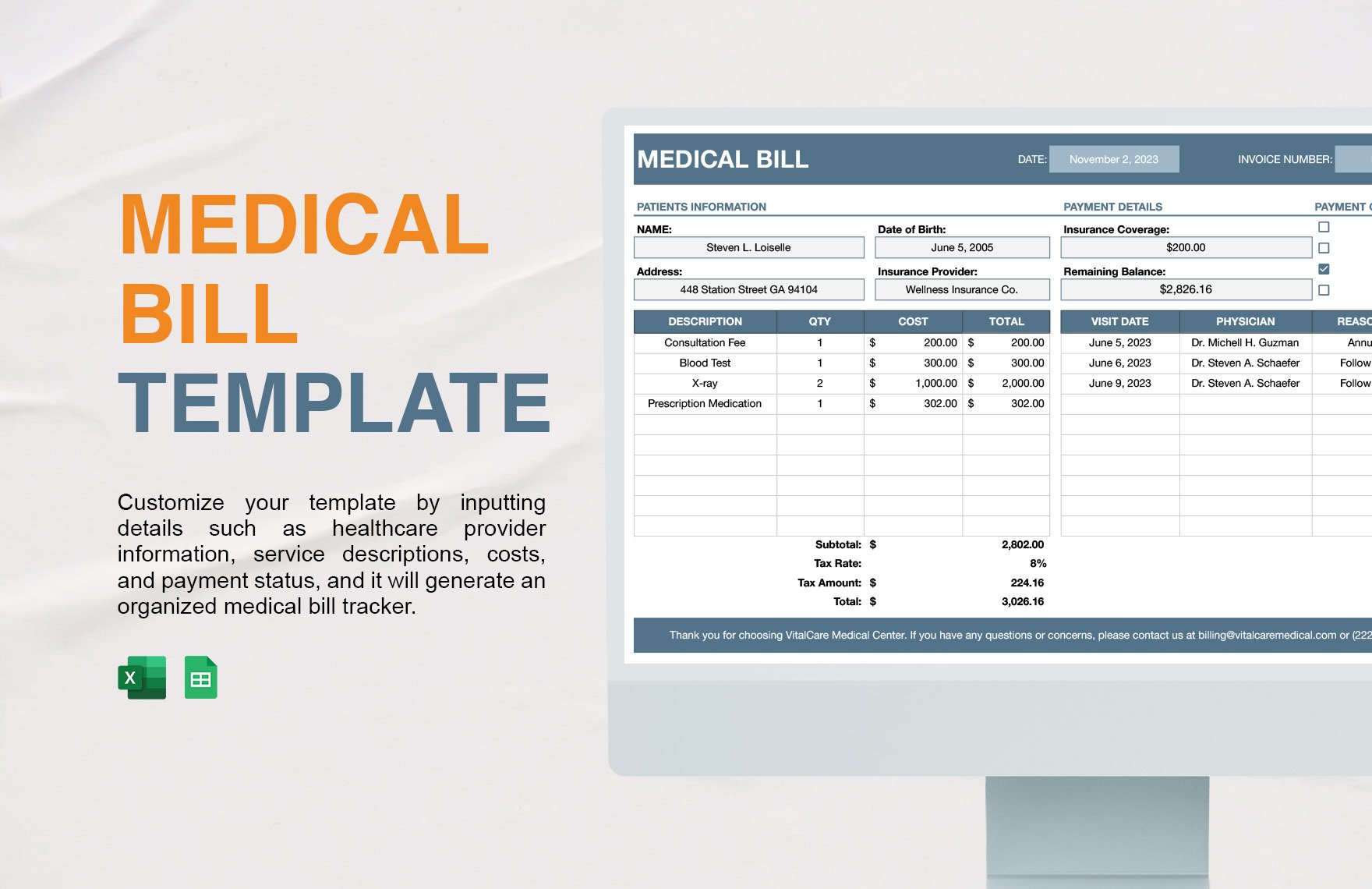
A Bill should include essential elements such as the issuer's and recipient's contact details, invoice number, date, itemized list of products or services, individual prices, total amount due, payment terms, and any applicable taxes or discounts.
How does using a Bill benefit my workflow?
Using a structured Bill streamlines your billing process by organizing charges clearly, facilitating faster payments, reducing errors, and providing legally compliant financial documentation. Editable templates help maintain consistency across transactions.
When should I use a Bill?
You should use a Bill whenever you need to formally request payment for goods sold or services rendered. Bills are also useful for record-keeping, auditing, and providing customers with detailed statements of their financial obligations.
