
Free Quality Control Templates


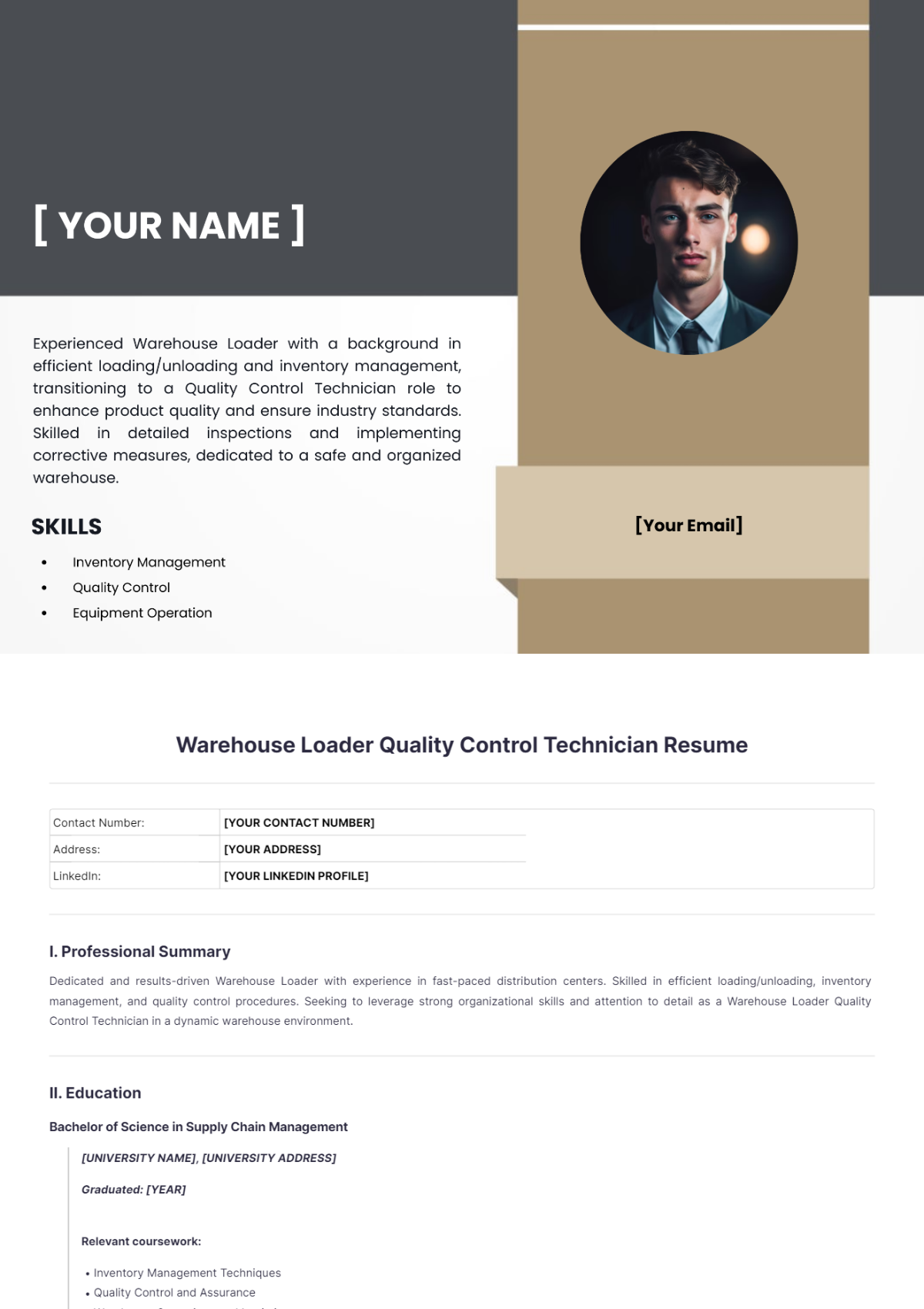
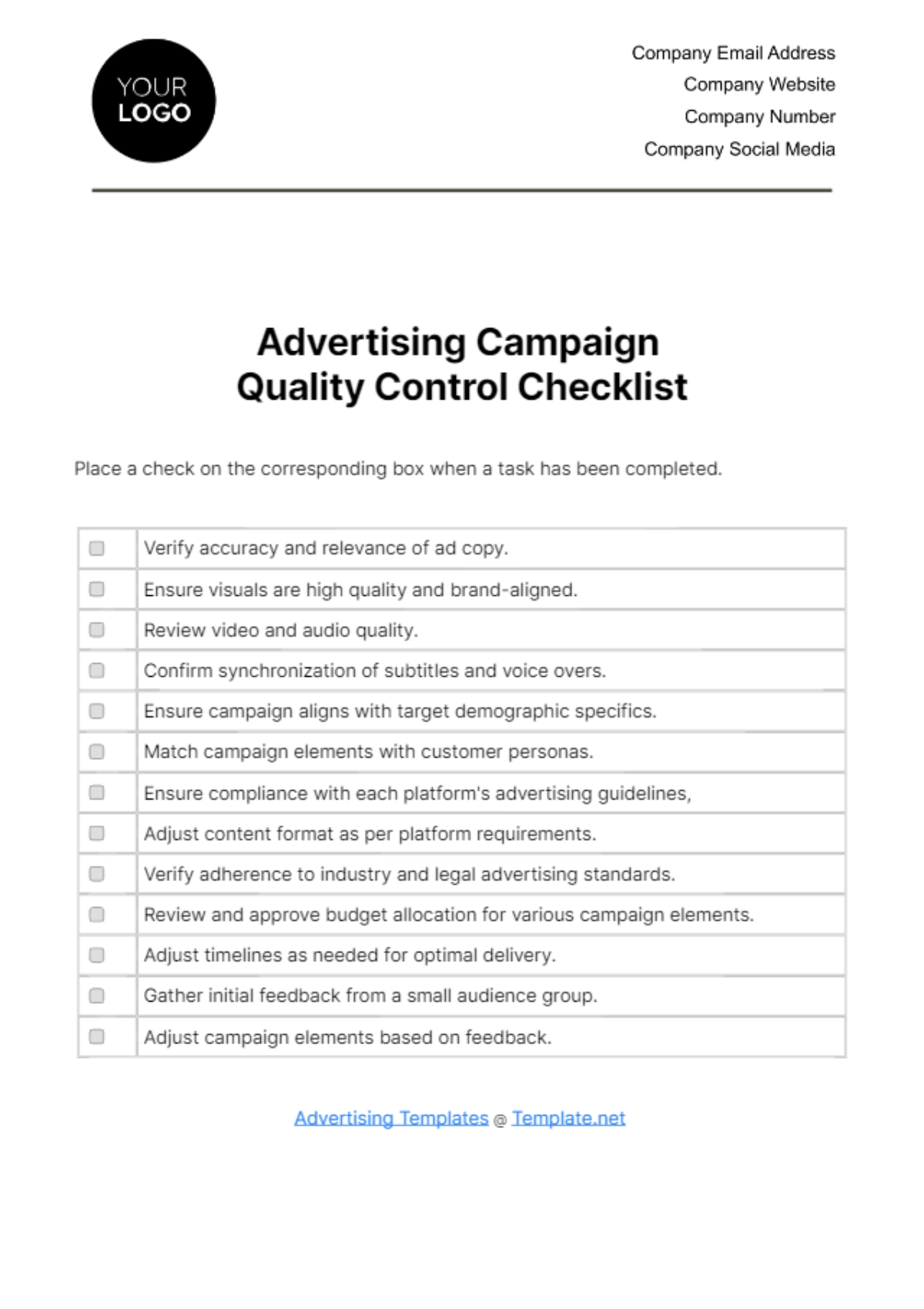
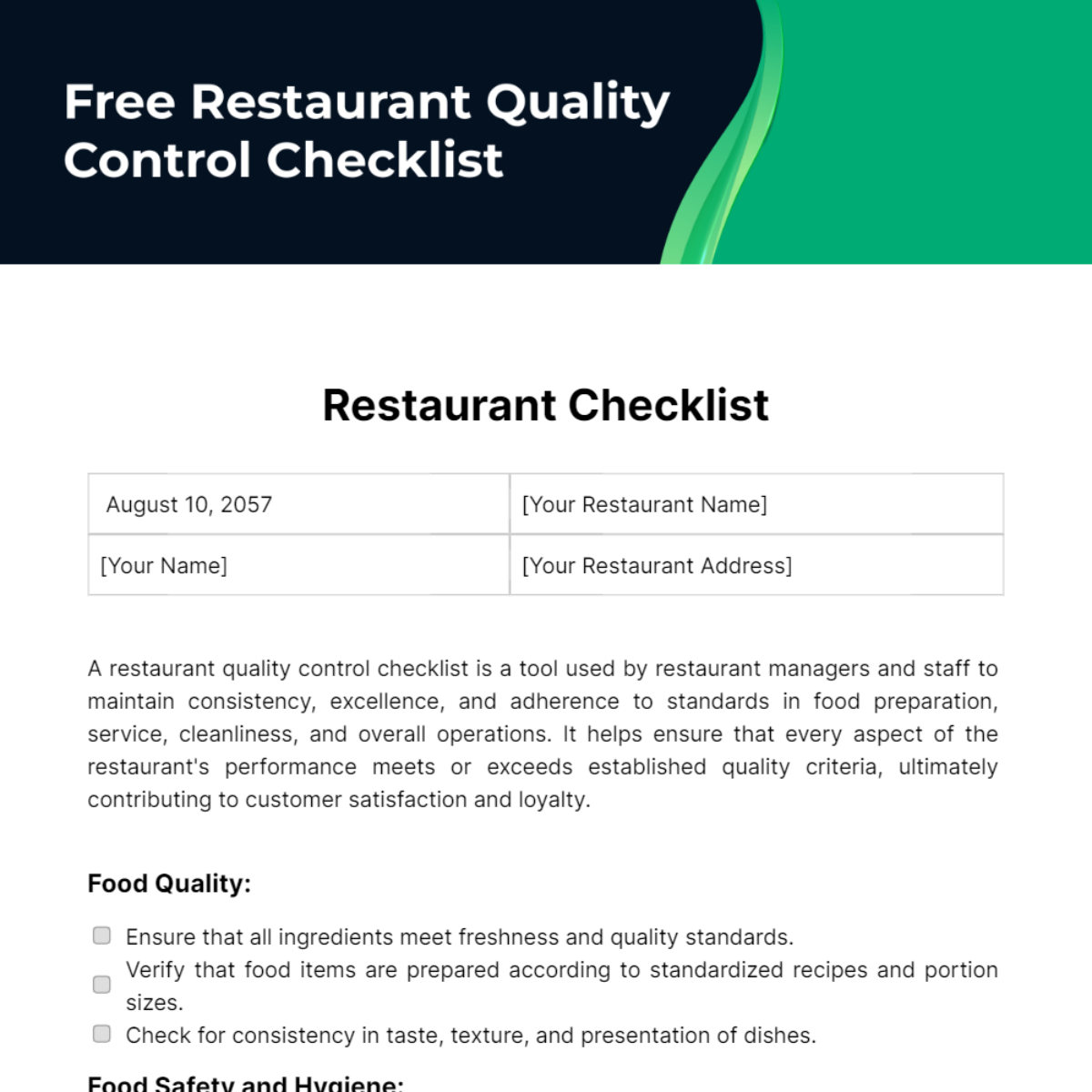









Free Quality Control Editable Templates: Definition, Uses, and Customization Options
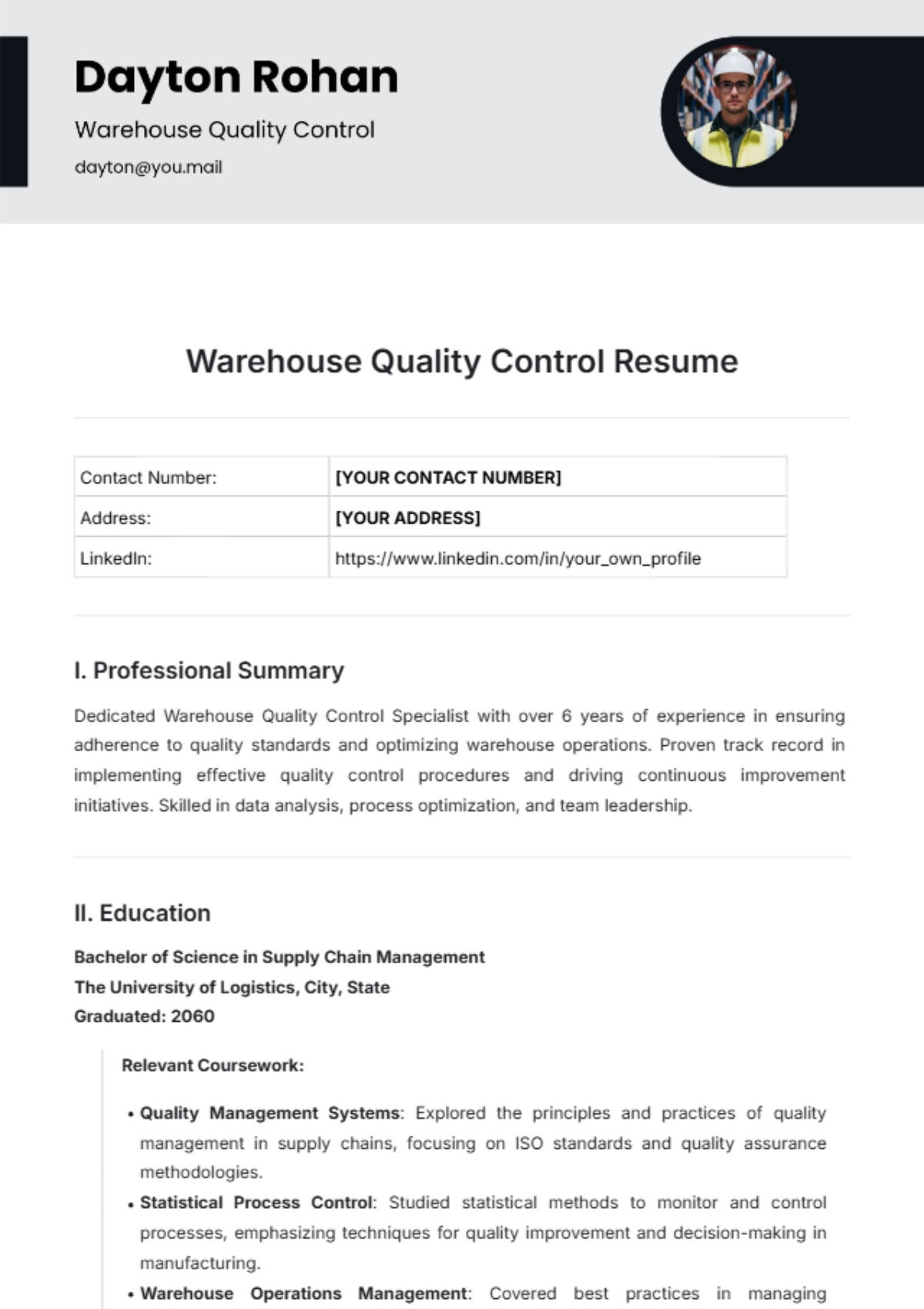
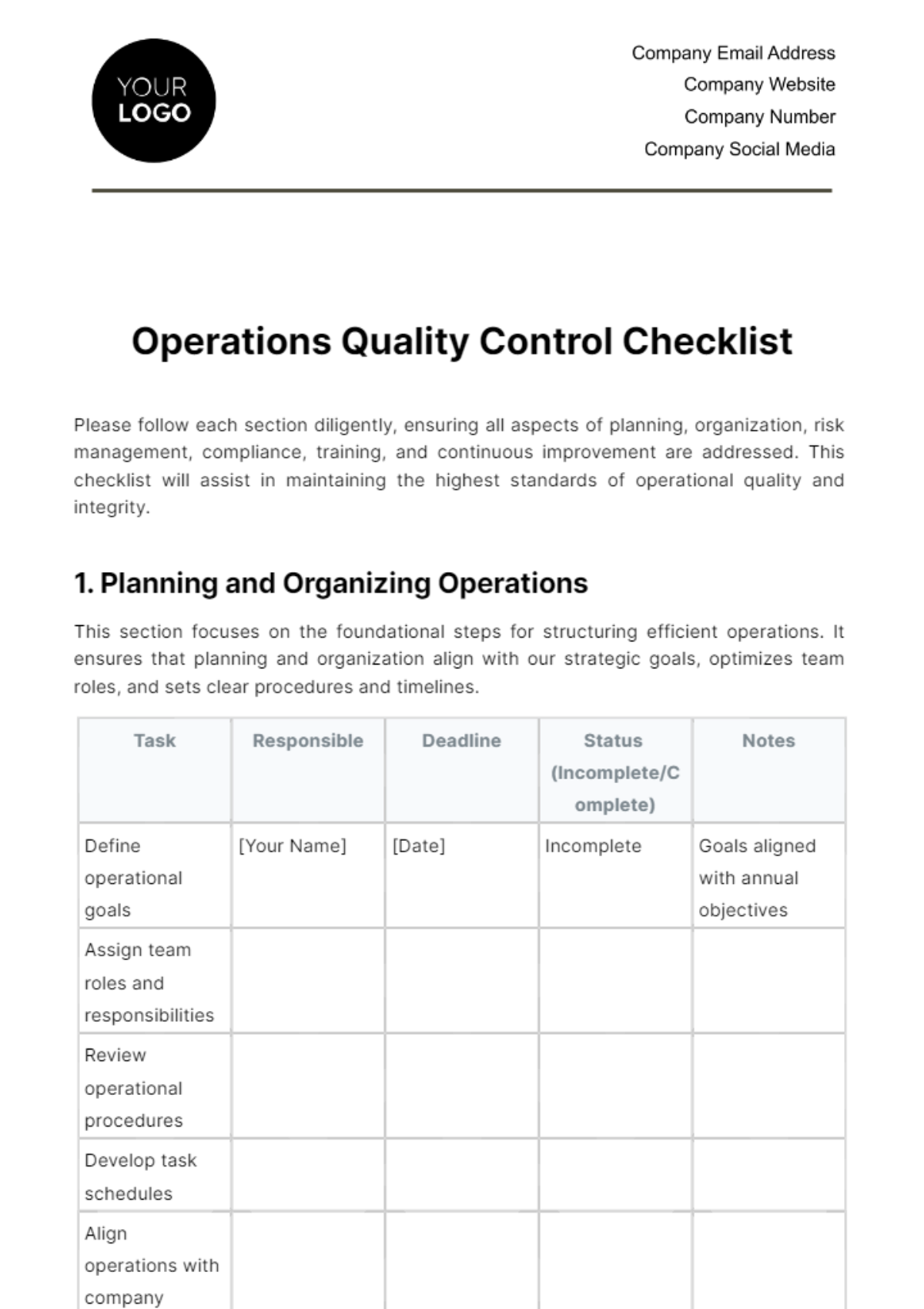
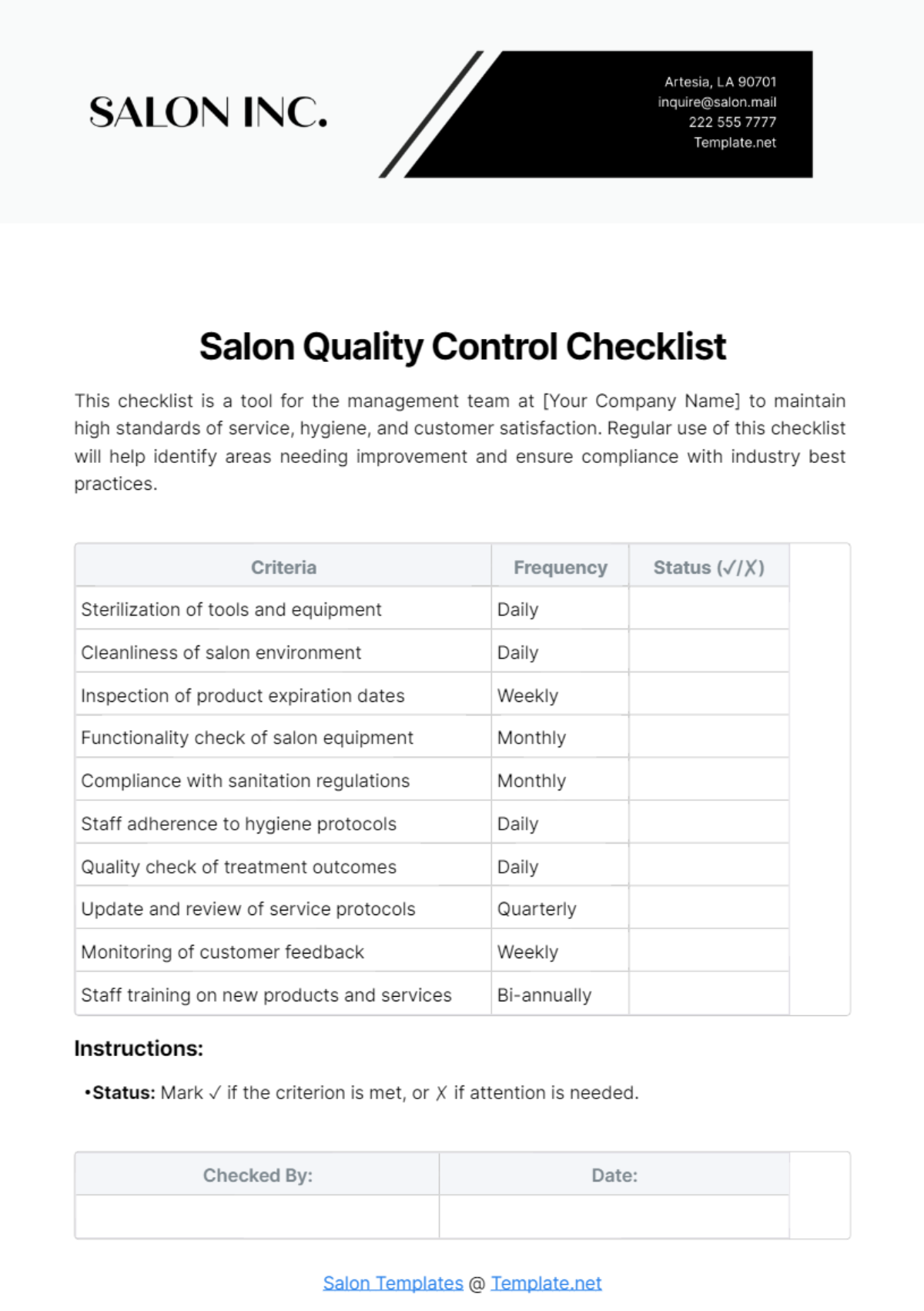
Quality Control refers to processes and documentation ensuring products and services meet defined standards for professional results. Template.net offers editable Quality Control templates that you can complete or modify directly in the browser for seamless project management.
What is a Quality Control?
Quality Control is a systematic process used to ensure that products or services meet specific standards and requirements. It involves monitoring, inspecting, and documenting compliance to guarantee consistent professional results and minimize defects.
Why should I use a Quality Control?
Using Quality Control helps maintain high standards, reduce errors, and improve customer satisfaction. It ensures that your projects comply with industry regulations and deliver consistent, reliable outcomes.
Who uses Quality Control?
Quality Control is used by professionals in manufacturing, healthcare, construction, software development, and service industries. Quality managers, inspectors, and project leaders rely on Quality Control templates to document and enforce standards.
What are the best tips for completing my Quality Control?
To complete a Quality Control template effectively, you should:
- Understand standards: Familiarize yourself with applicable regulations or guidelines.
- Be thorough: Inspect all relevant processes and components.
- Document clearly: Use precise language and complete all sections.
- Review regularly: Update the template to reflect changes or improvements.
Can I create a Quality Control using AI?
You can create a Quality Control using AI tools available on Template.net or other platforms. However, this category focuses on editable templates that you customize and complete in the browser for precise control and professional accuracy.
When should I use a Quality Control?
Quality Control should be used during production, service delivery, and project execution stages to monitor compliance with standards and detect defects early. Applying Quality Control templates helps maintain consistency across workflows.
What are the essential elements of a Quality Control?
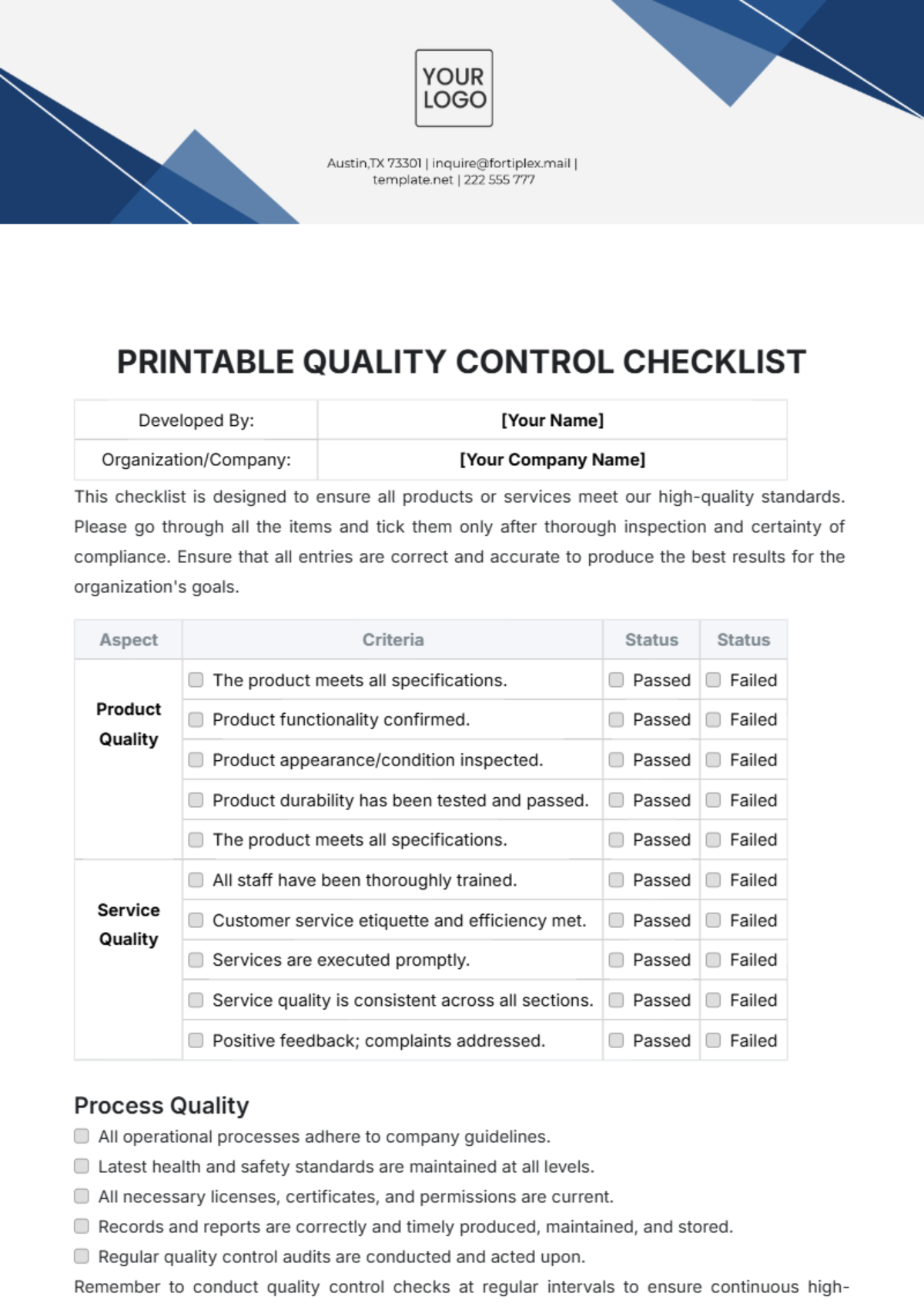
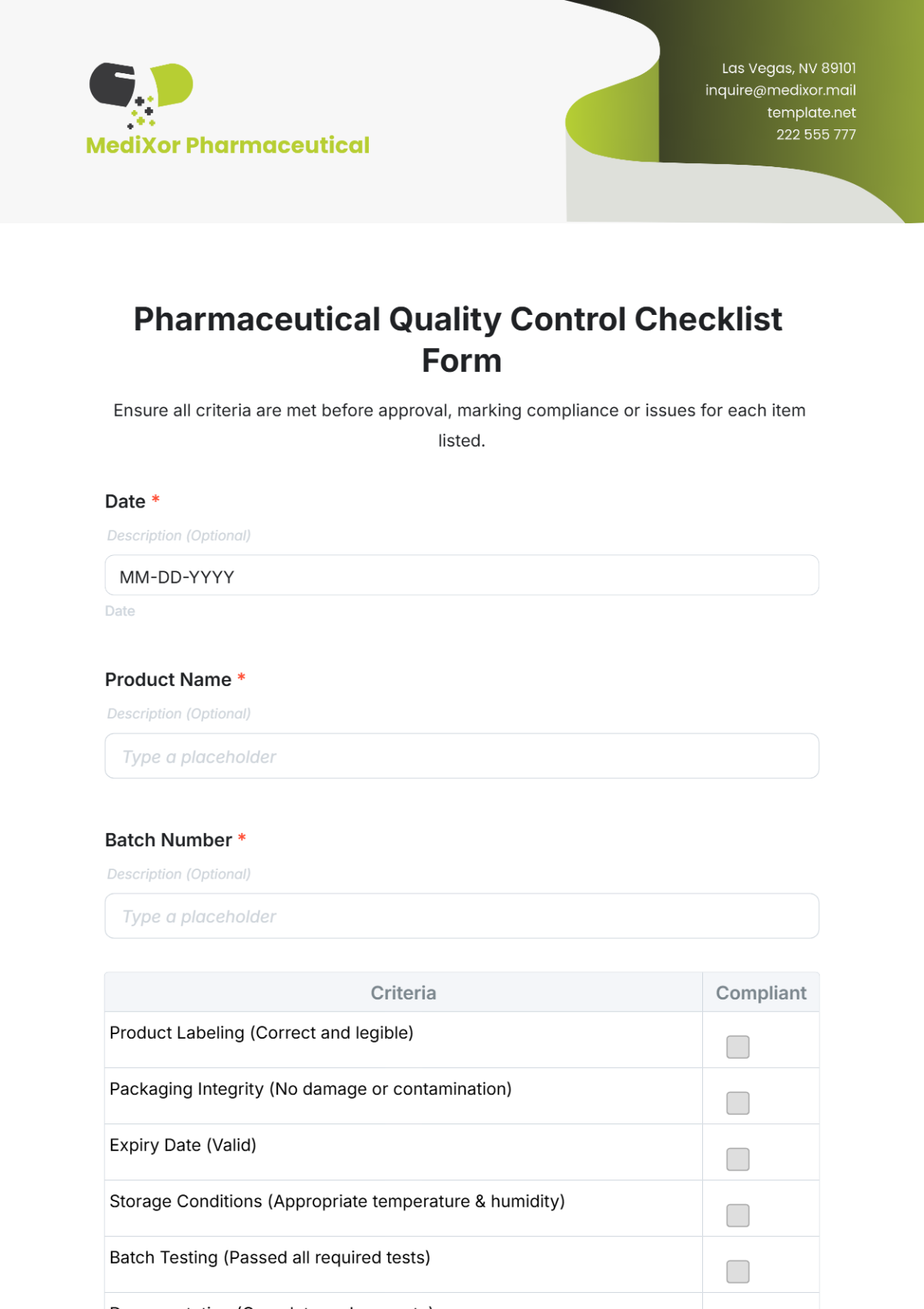
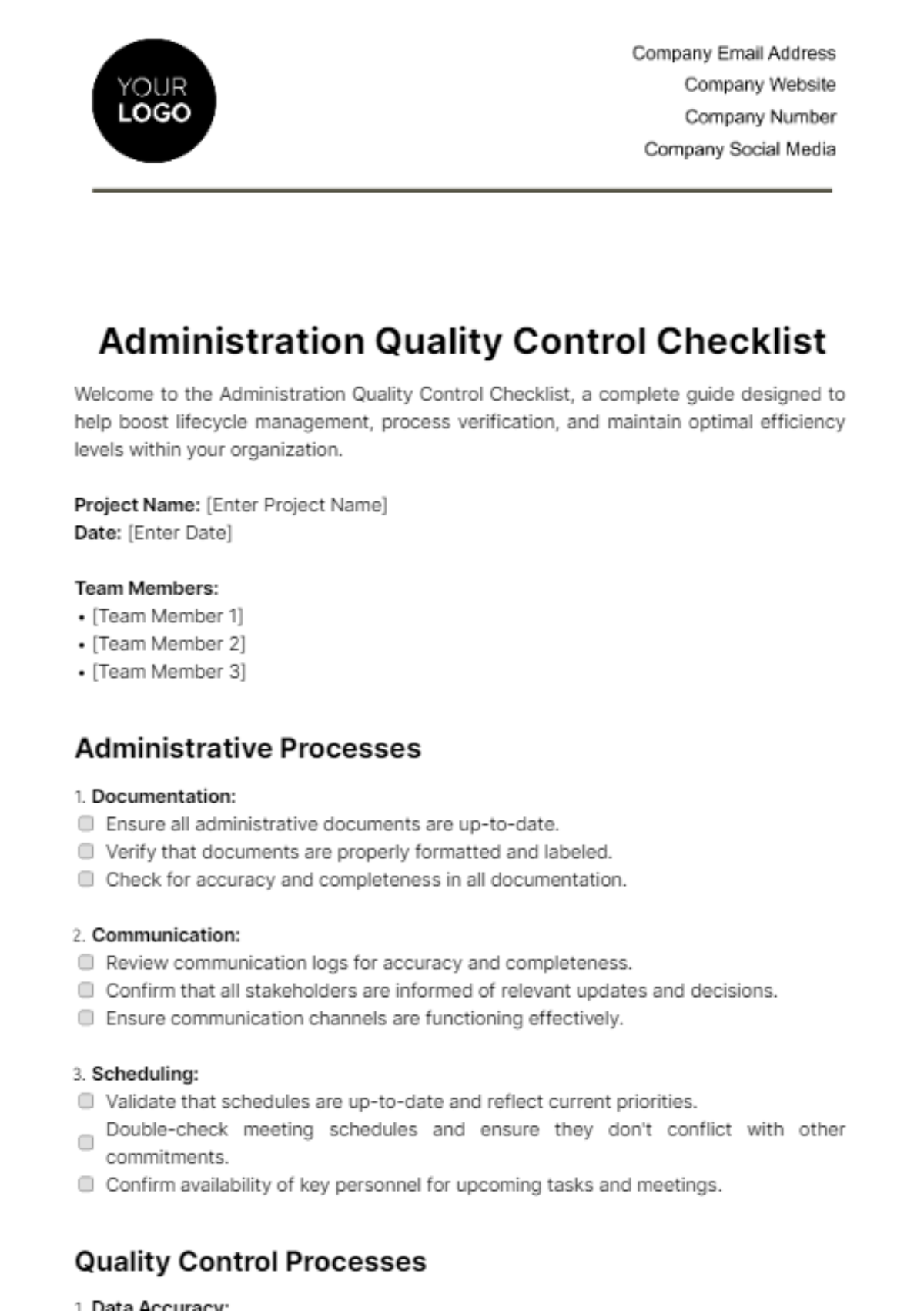
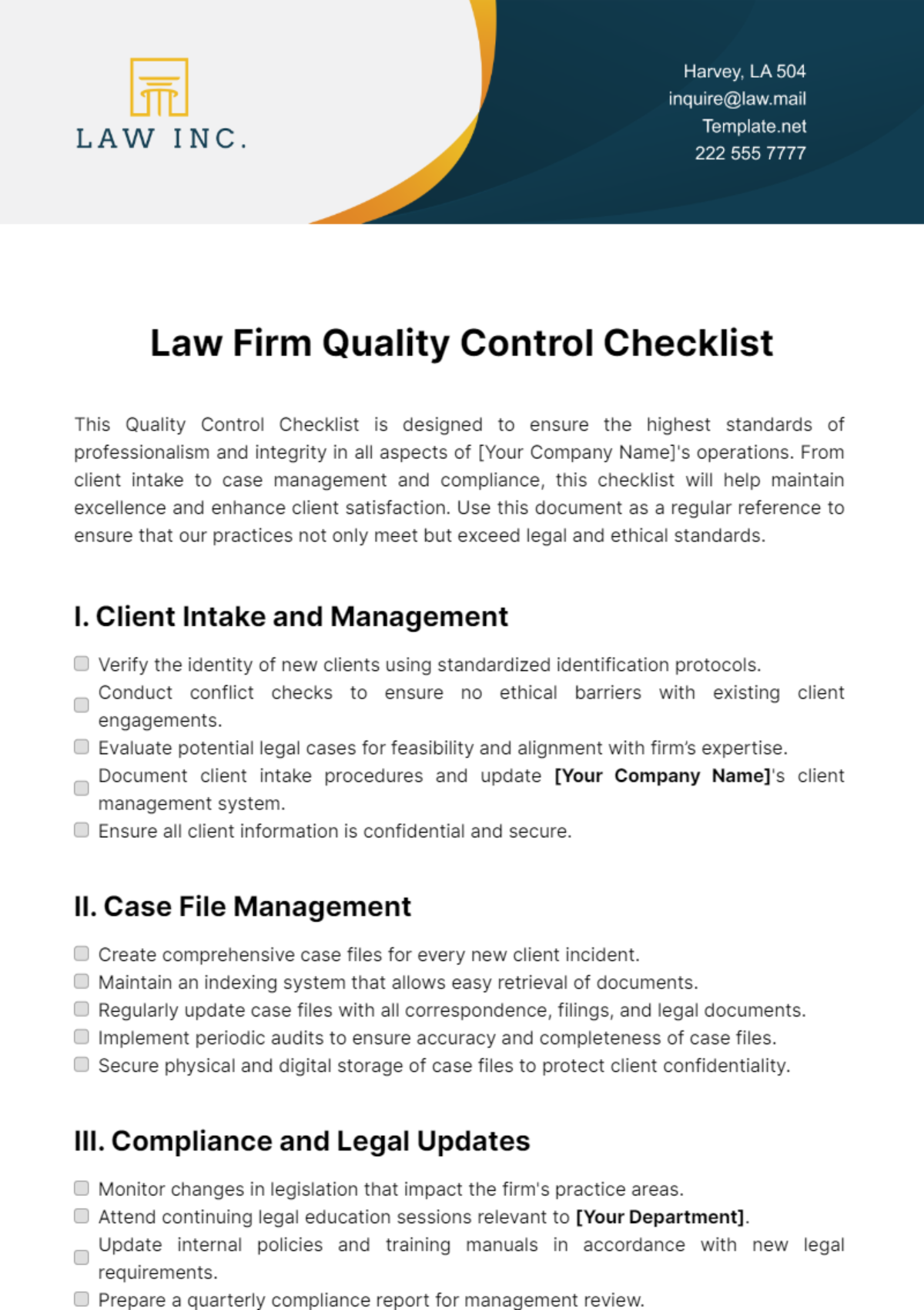
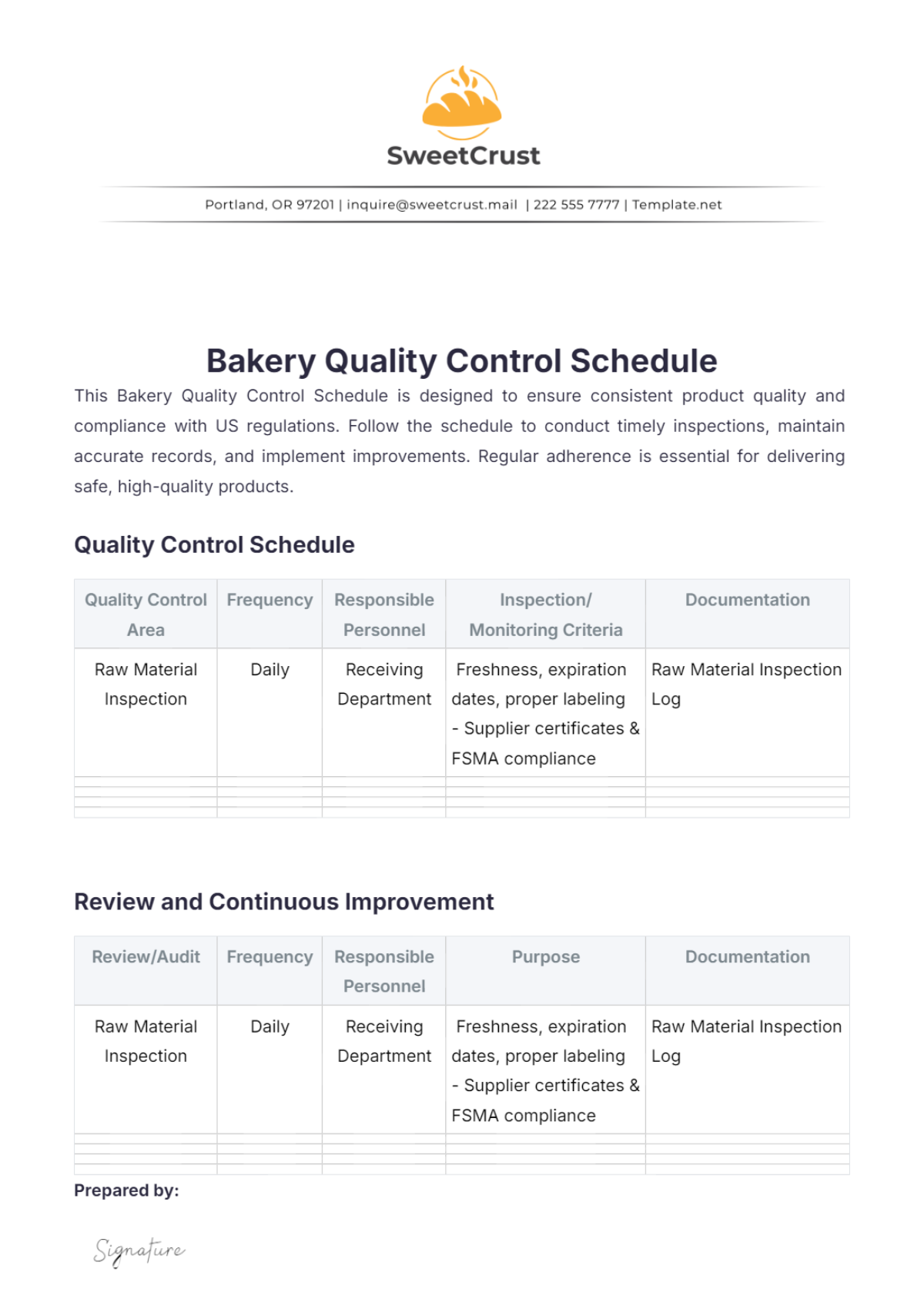
A Quality Control template typically includes these essential elements:
- Inspection criteria: Defines standards to measure against.
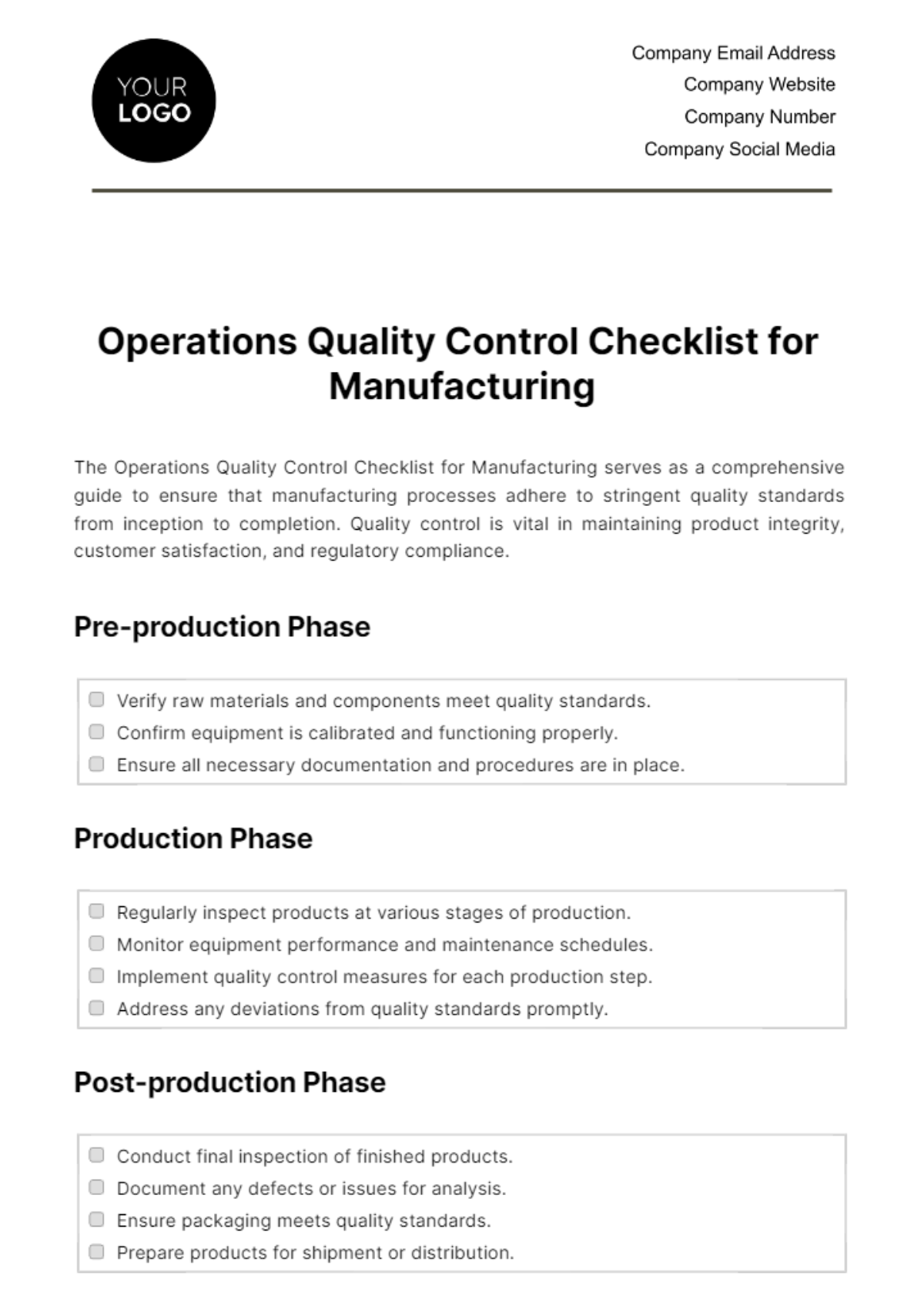
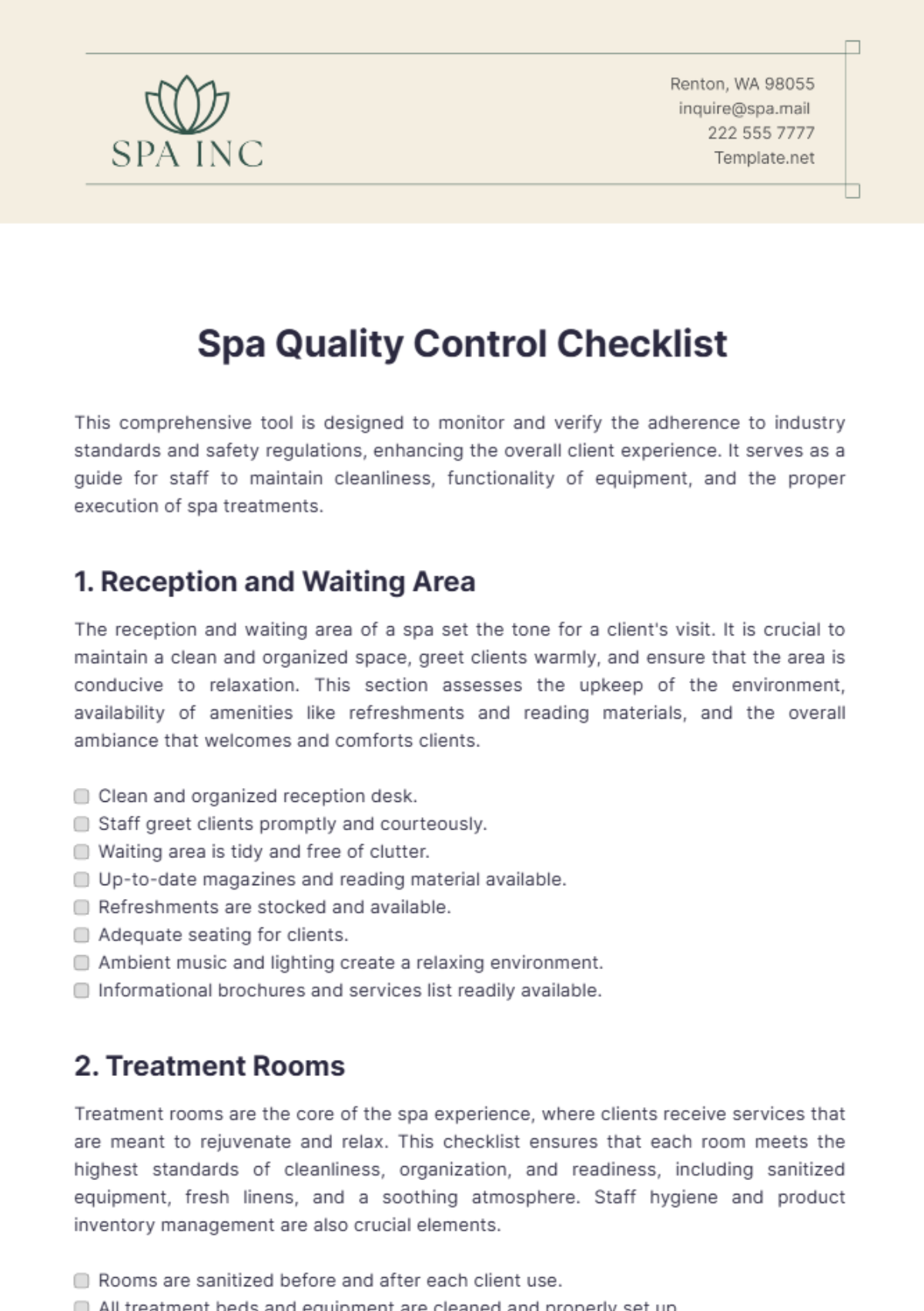
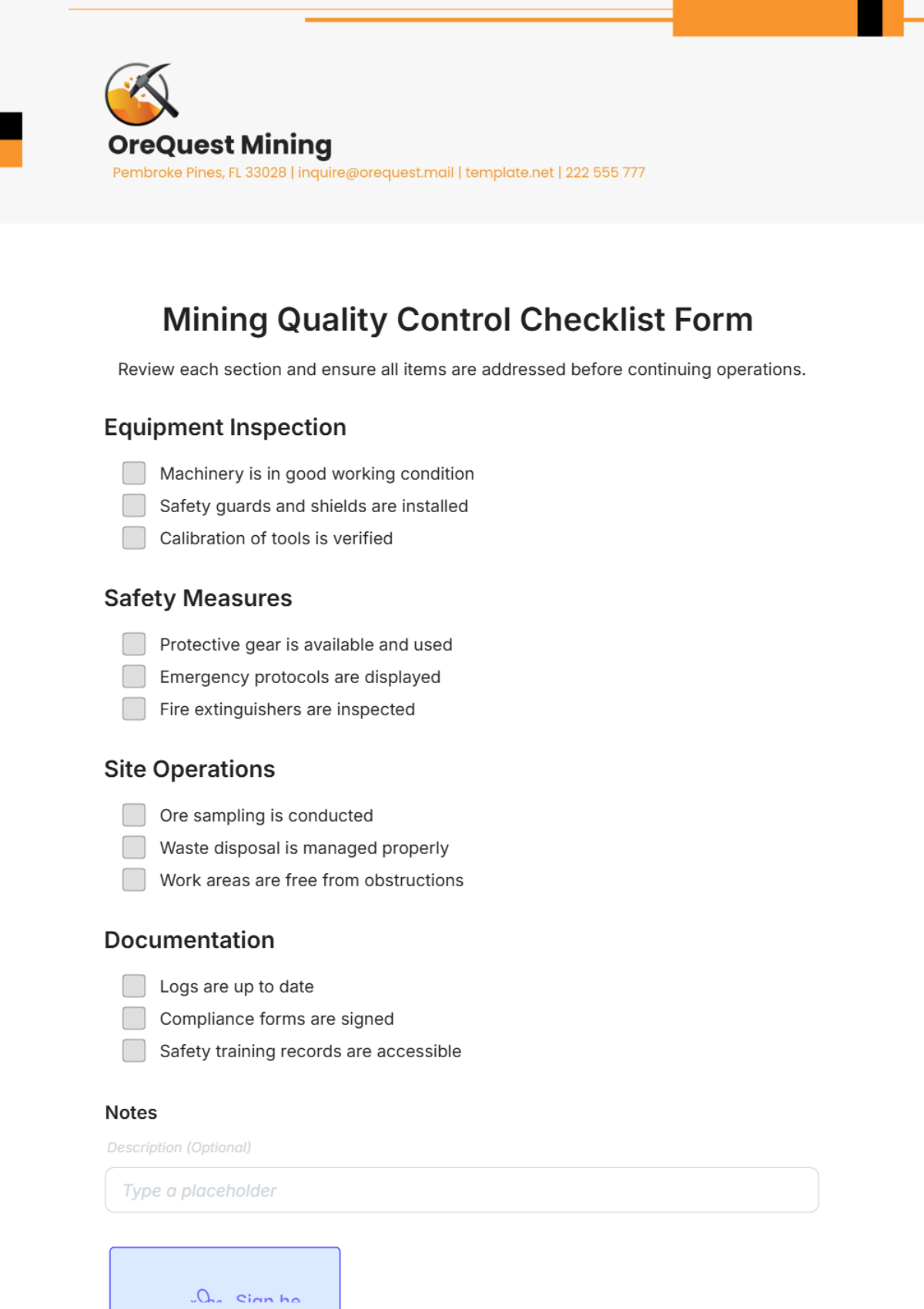
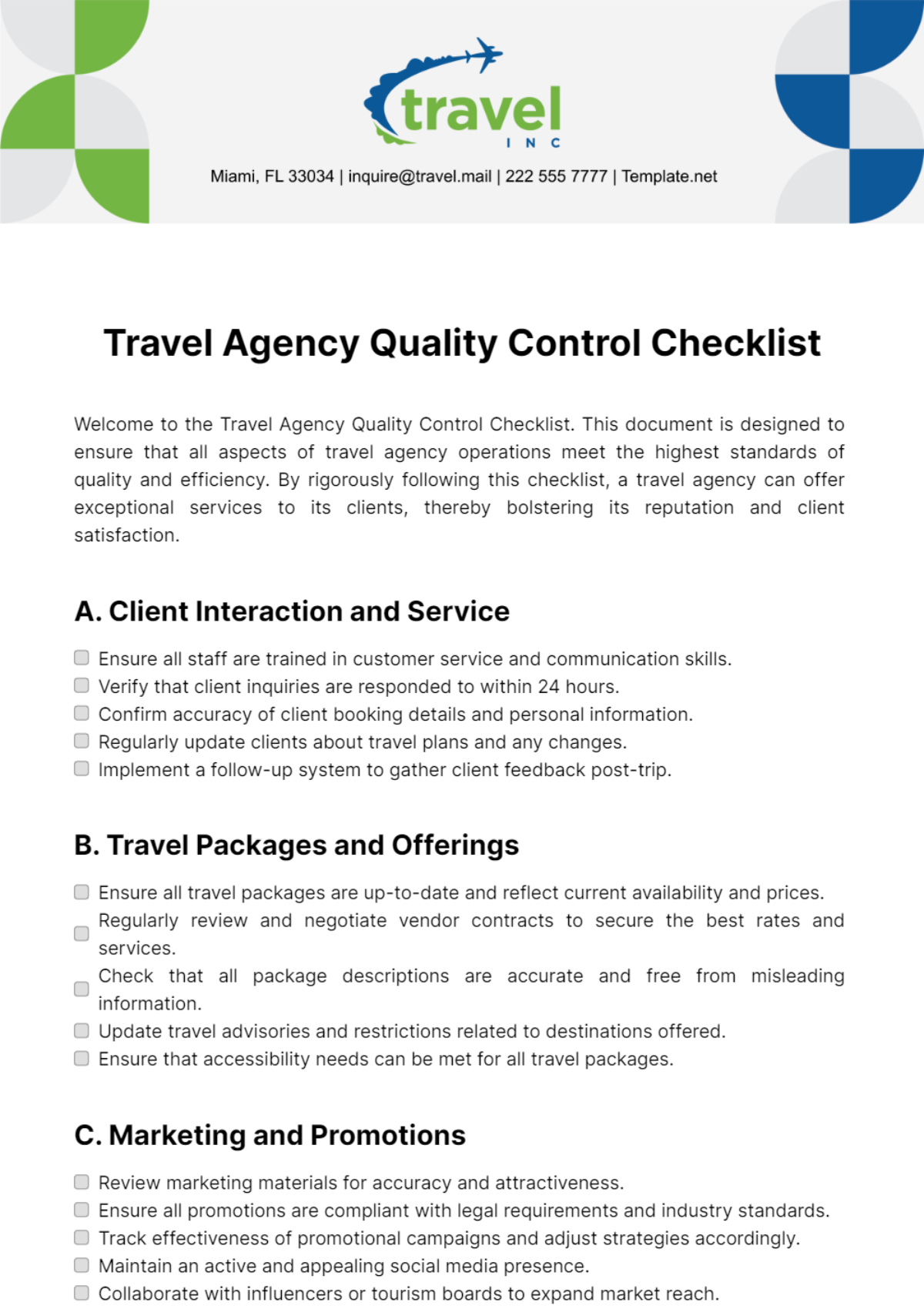
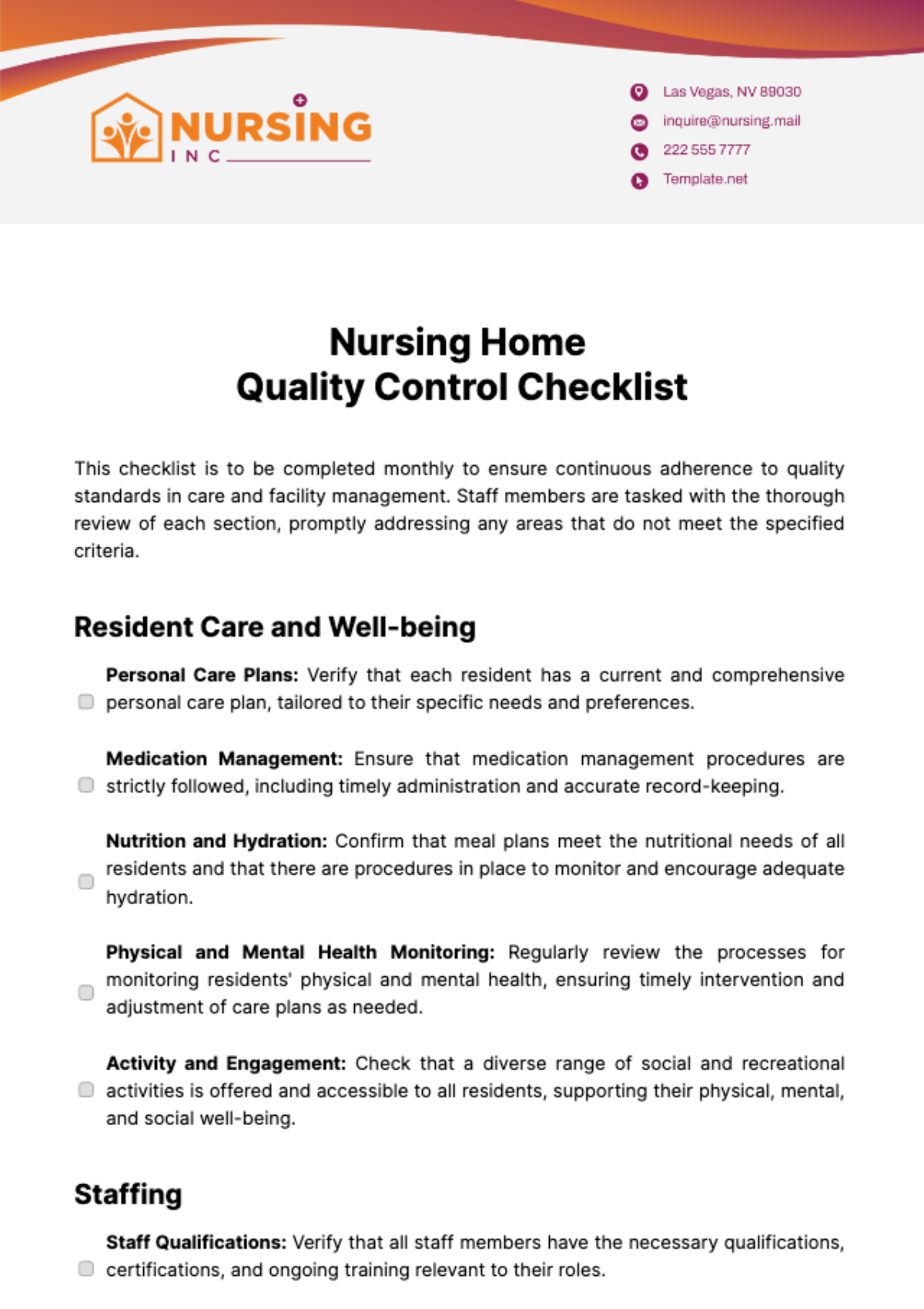
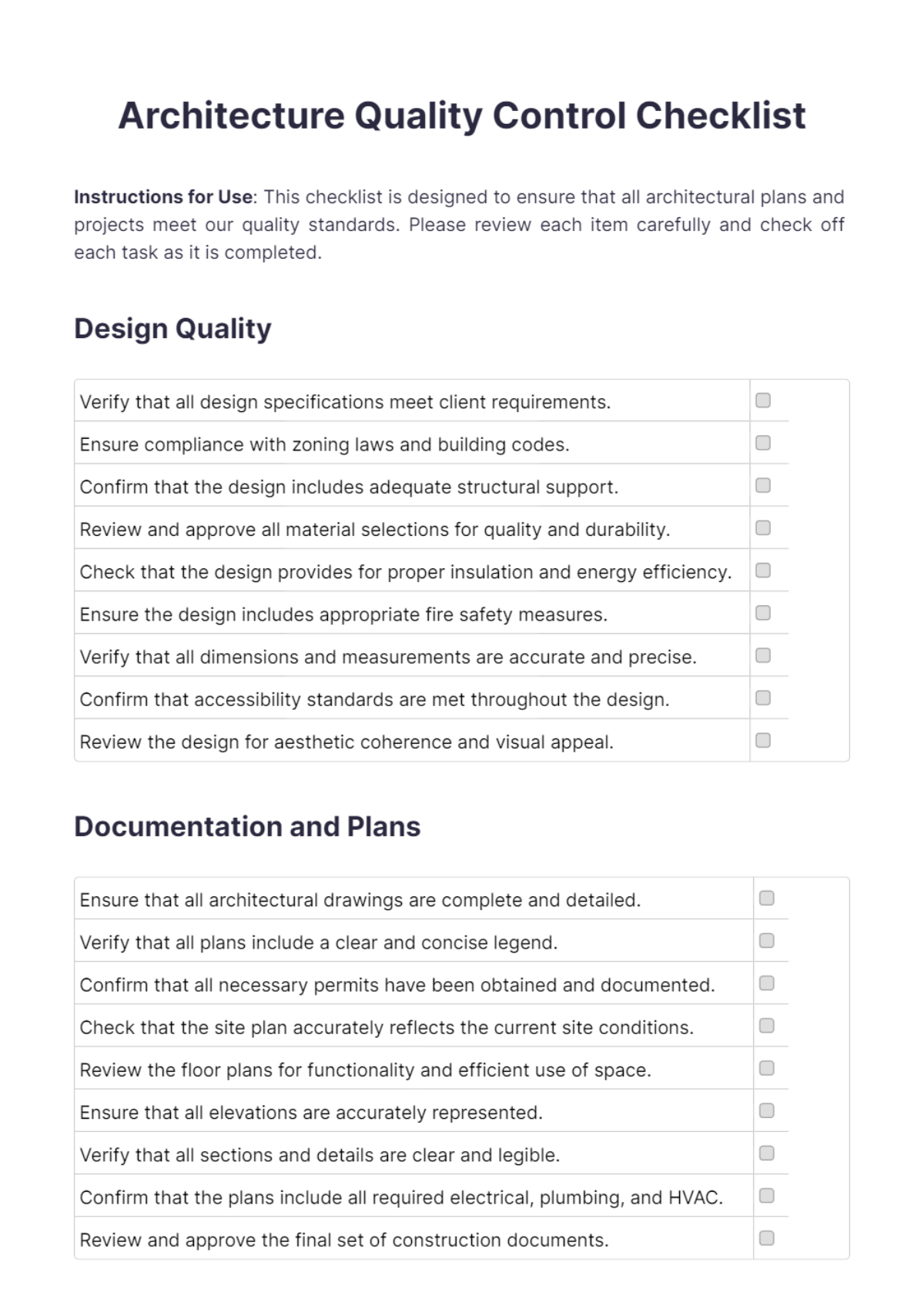
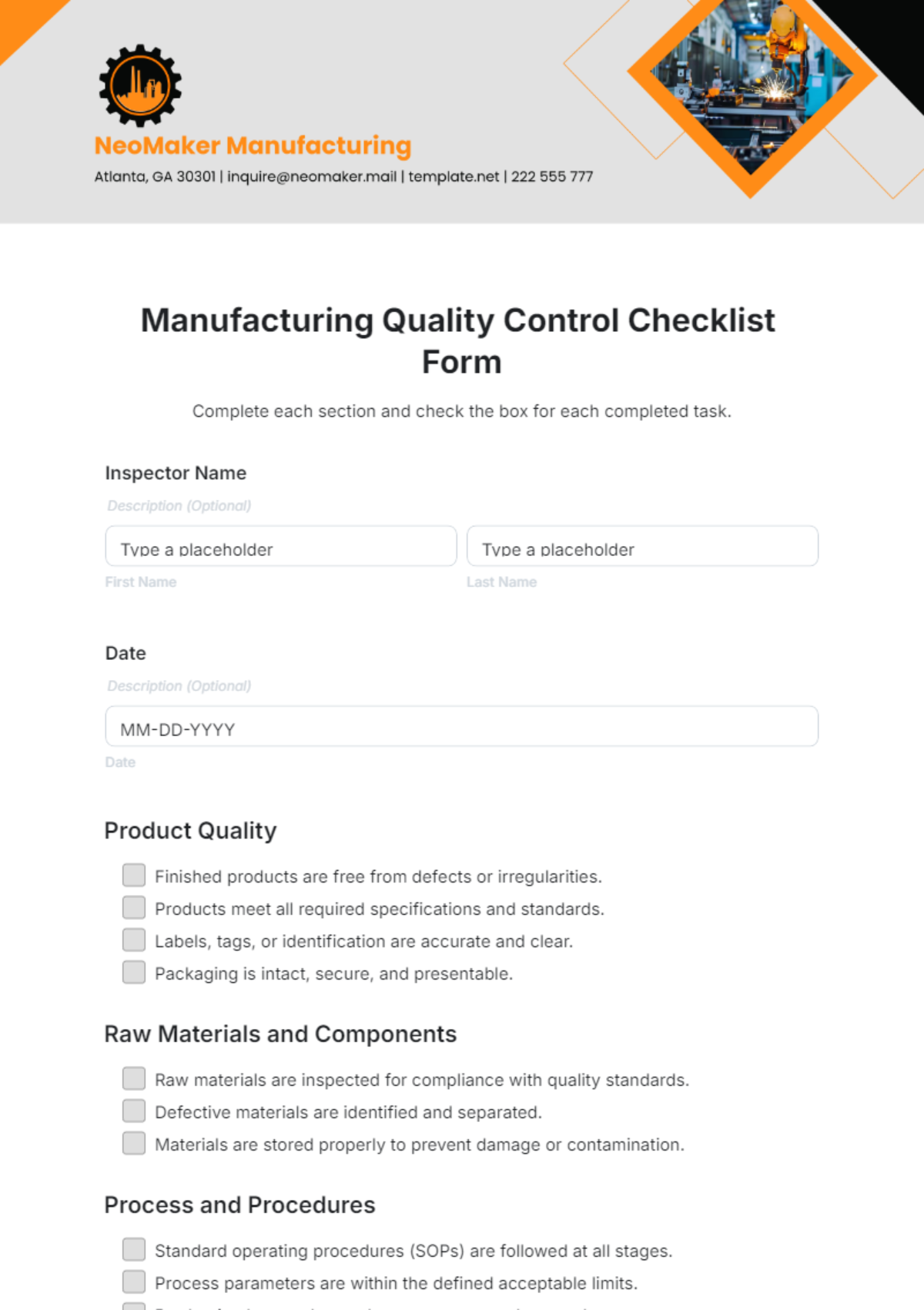
- Checklists: Lists specific items or processes to verify.
- Results documentation: Records findings and deviations.
- Corrective actions: Details steps for resolving issues.
- Approvals: Includes signatures or authorizations.
How is Quality Control used in professional workflows?
Quality Control is integrated into professional workflows to ensure continuous compliance and improvement. It is used to monitor every stage of a project or production, enabling timely identification and correction of defects to meet quality benchmarks.
What are common use cases for Quality Control templates?
Quality Control templates are commonly used for:
- Manufacturing inspections: Verifying product conformity.
- Service audits: Ensuring service delivery standards.
- Project reviews: Documenting quality checkpoints.
- Compliance reporting: Meeting regulatory requirements.
- Process improvement: Identifying areas for enhancement.
