
Pharmaceutical AI
Generate, Customize, and share editable AI-powered Pharmaceutical templates for docs, designs, whiteboards, charts, forms & more — all free, all in one place.
Free Pharmaceutical Templates


 Edit Online
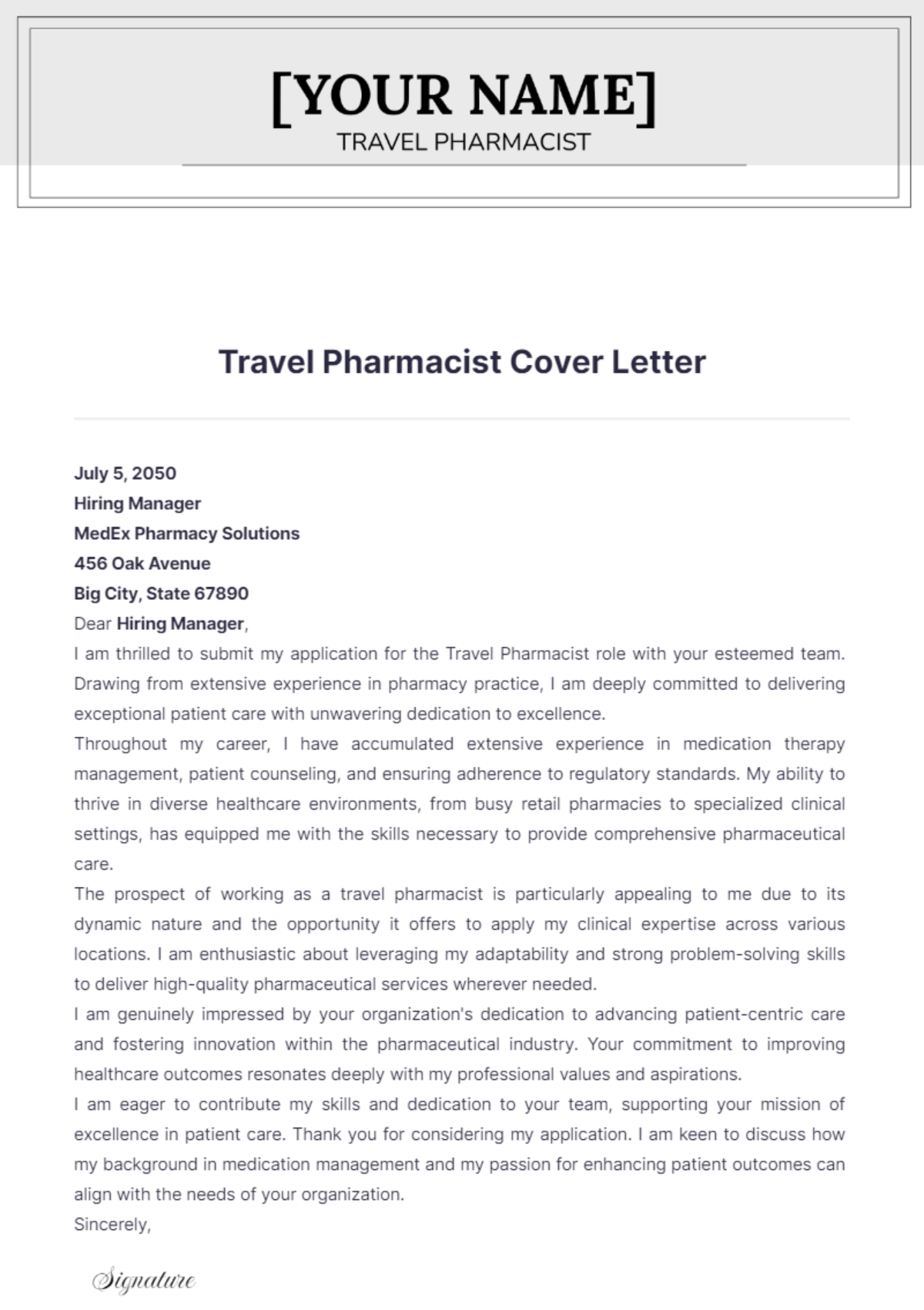
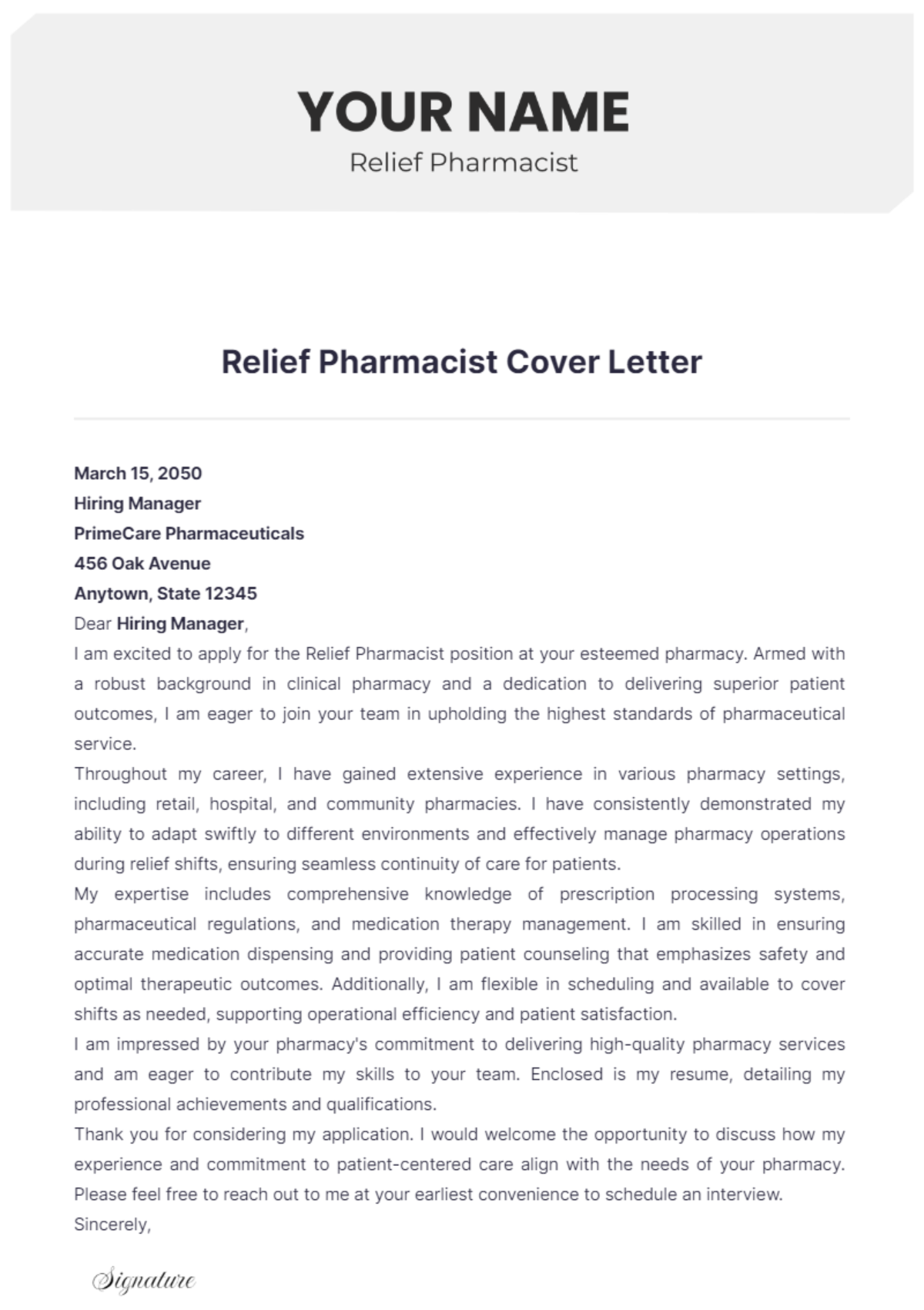
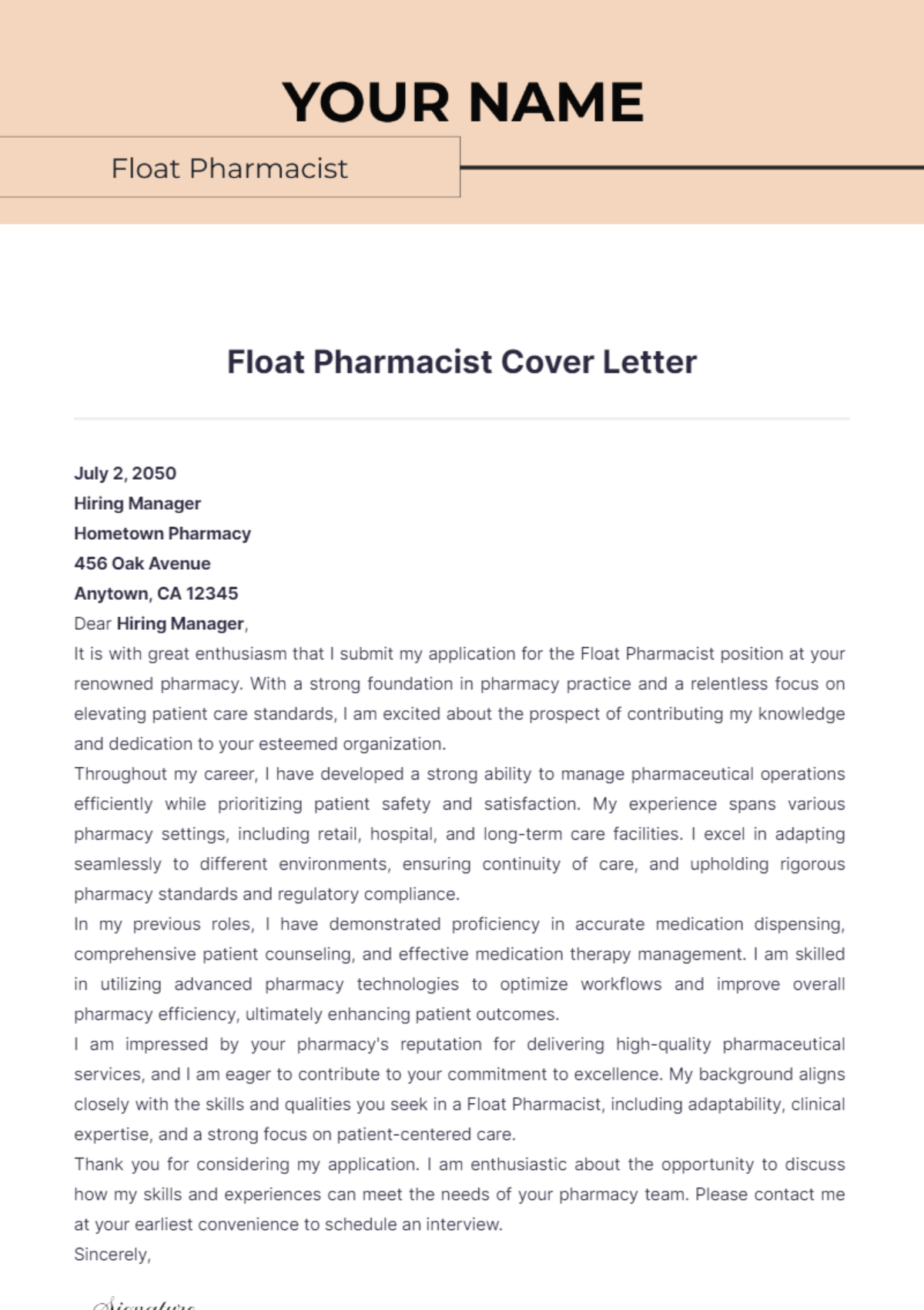
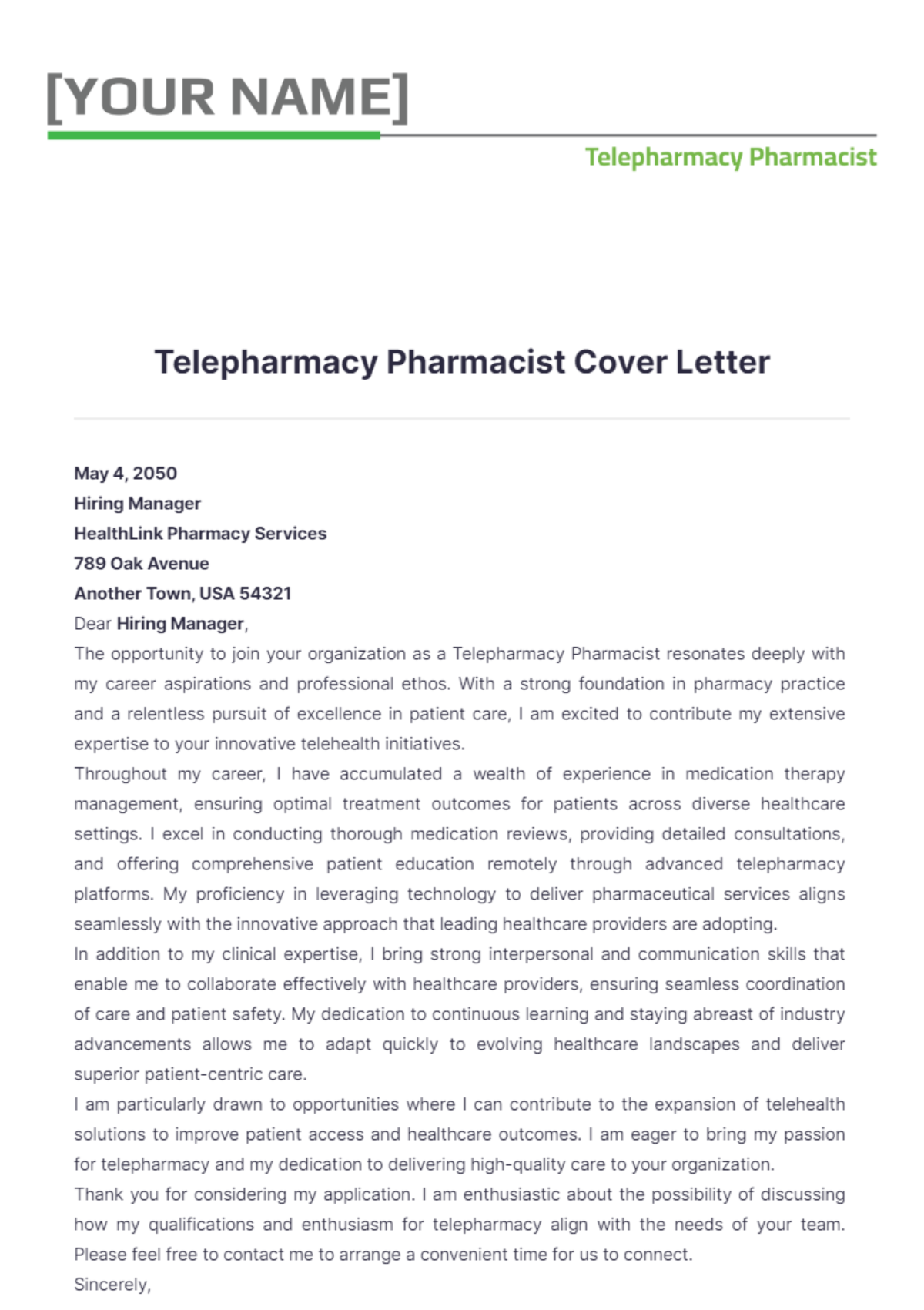
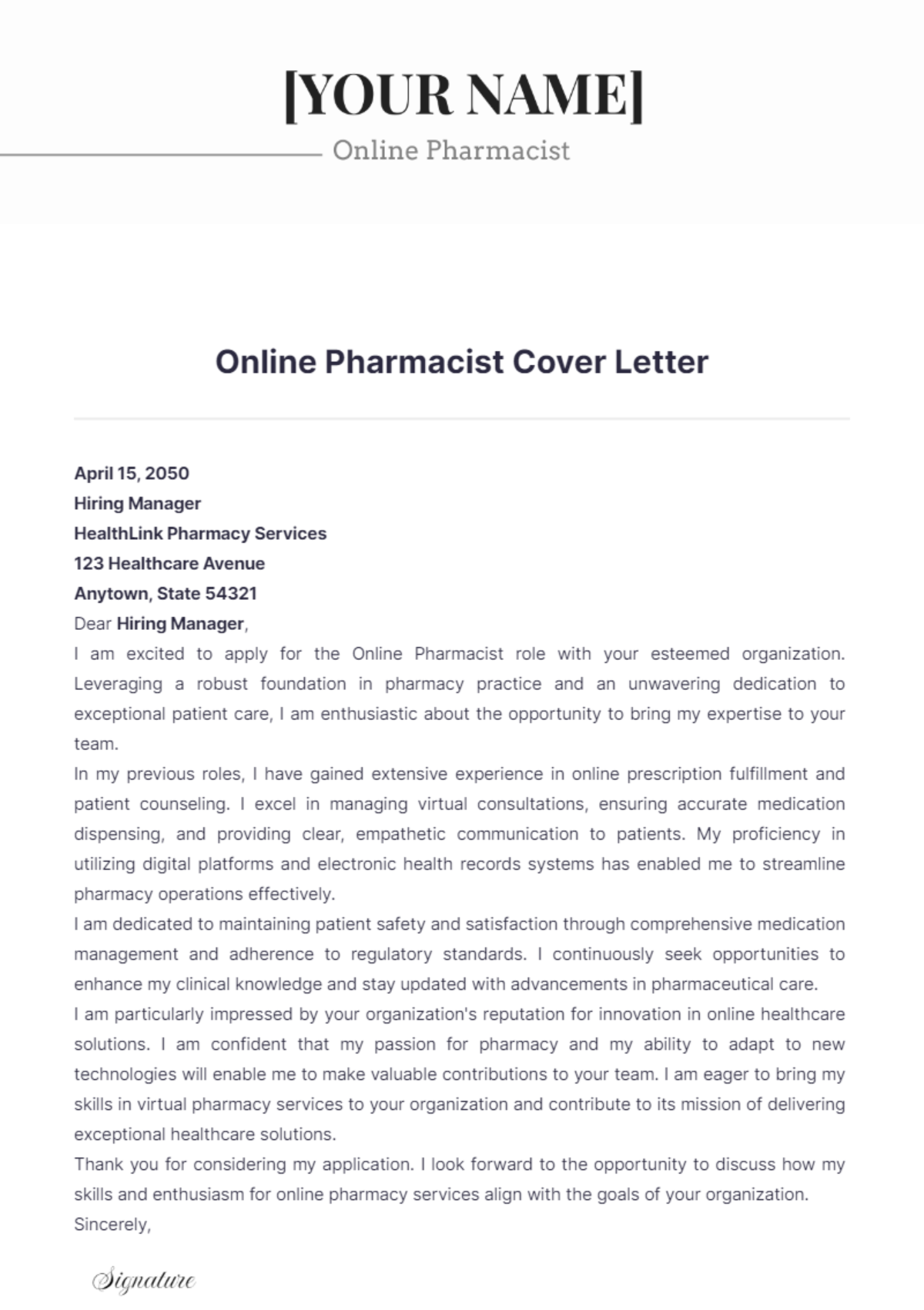
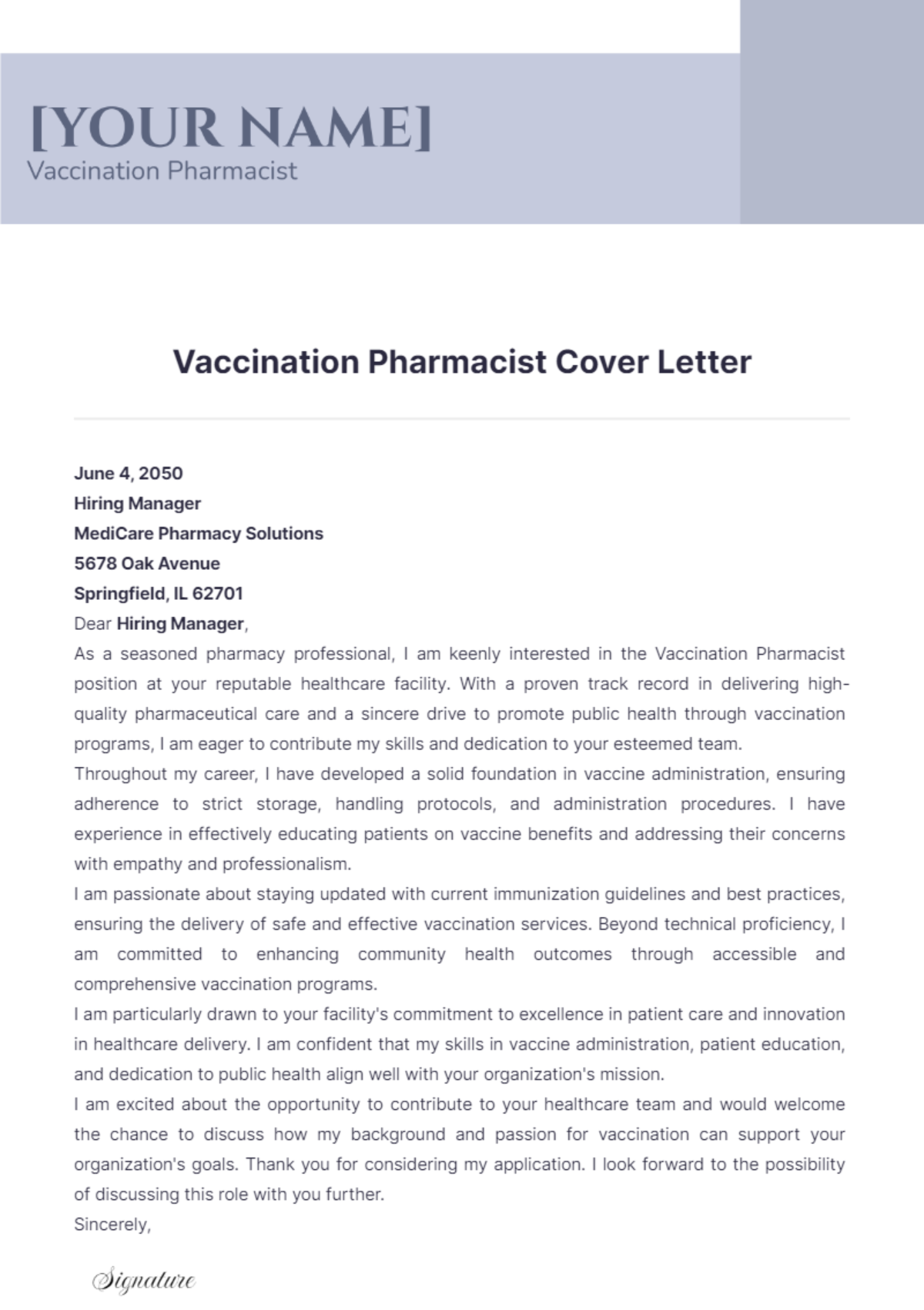



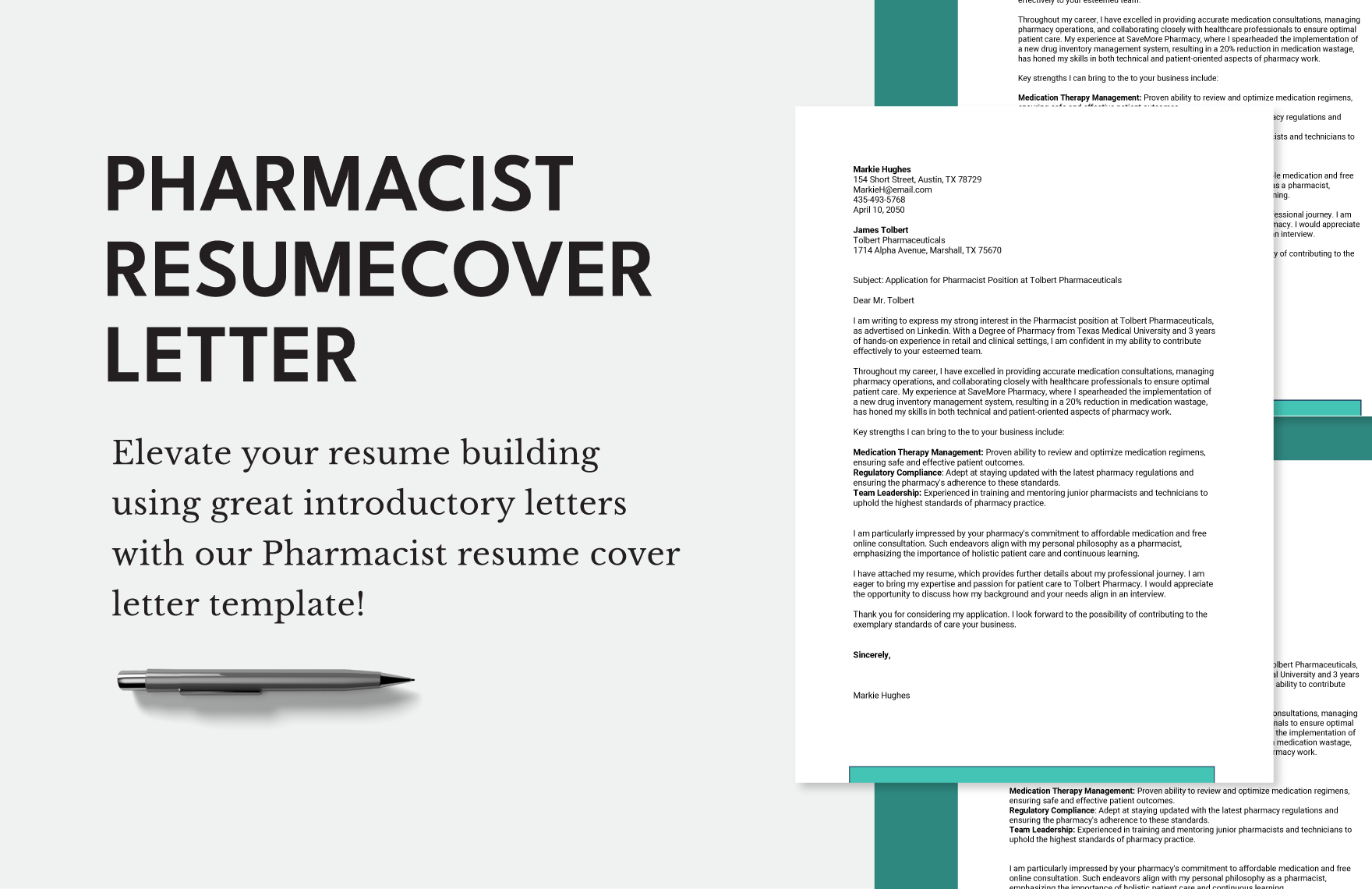
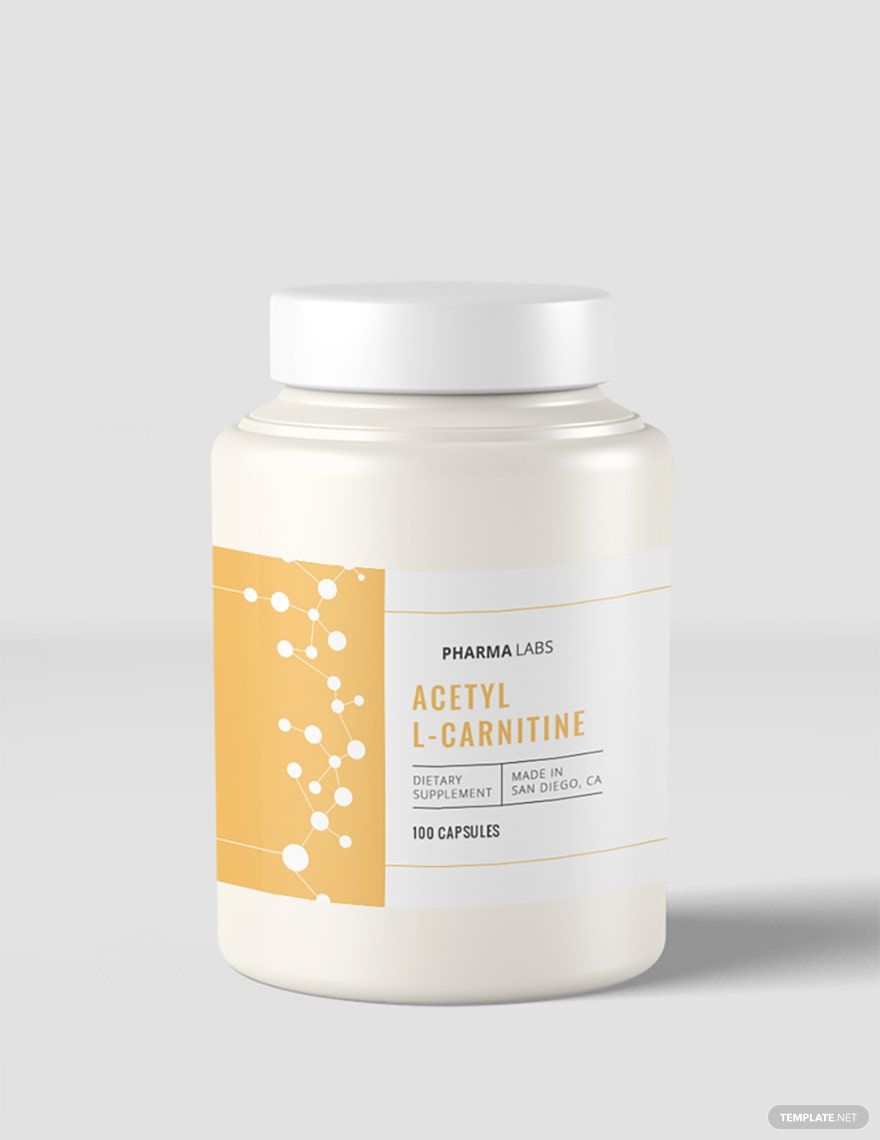
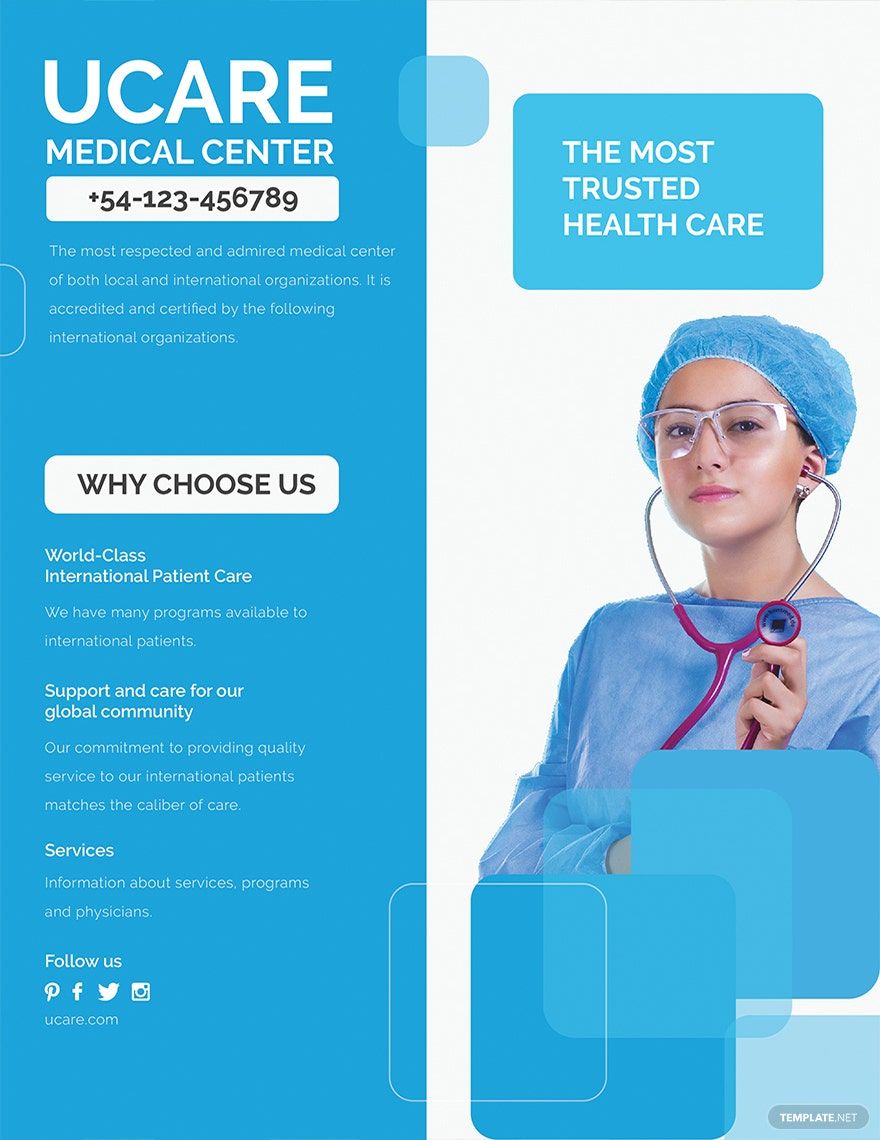
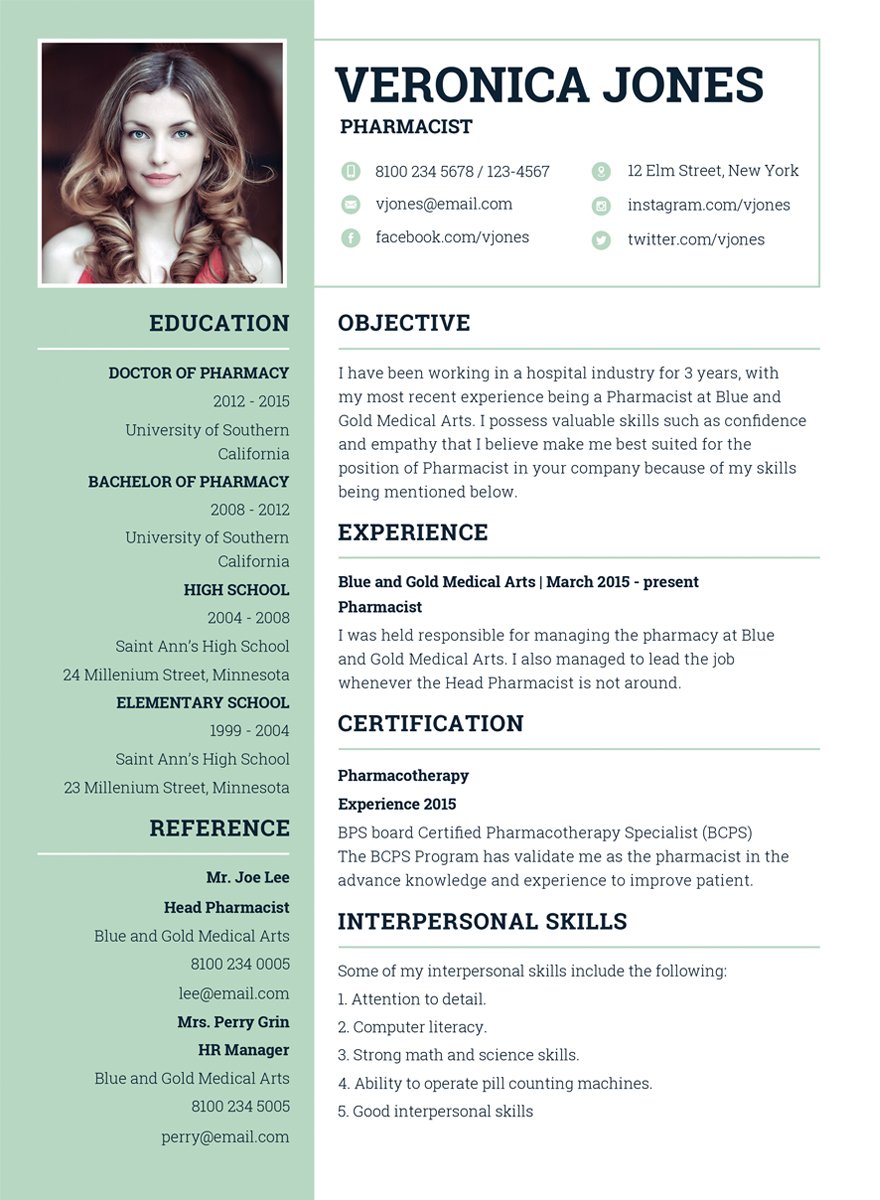
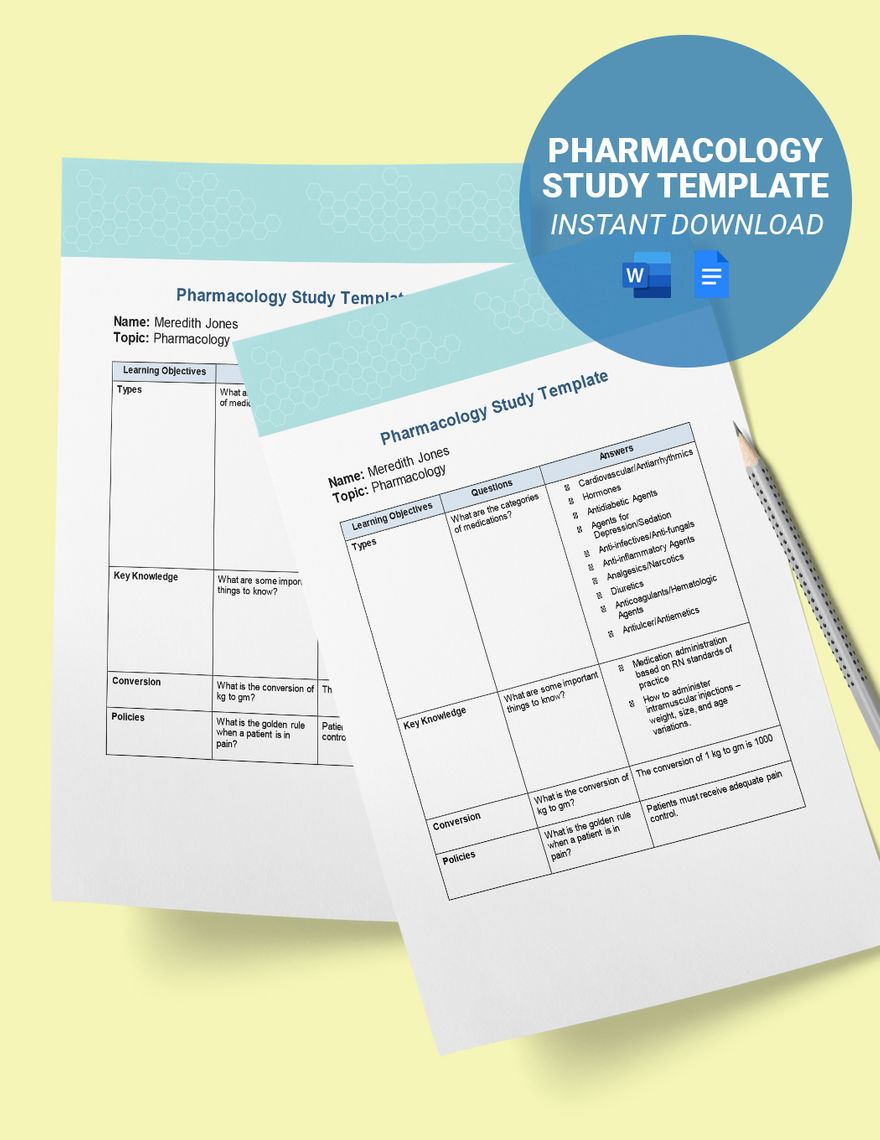

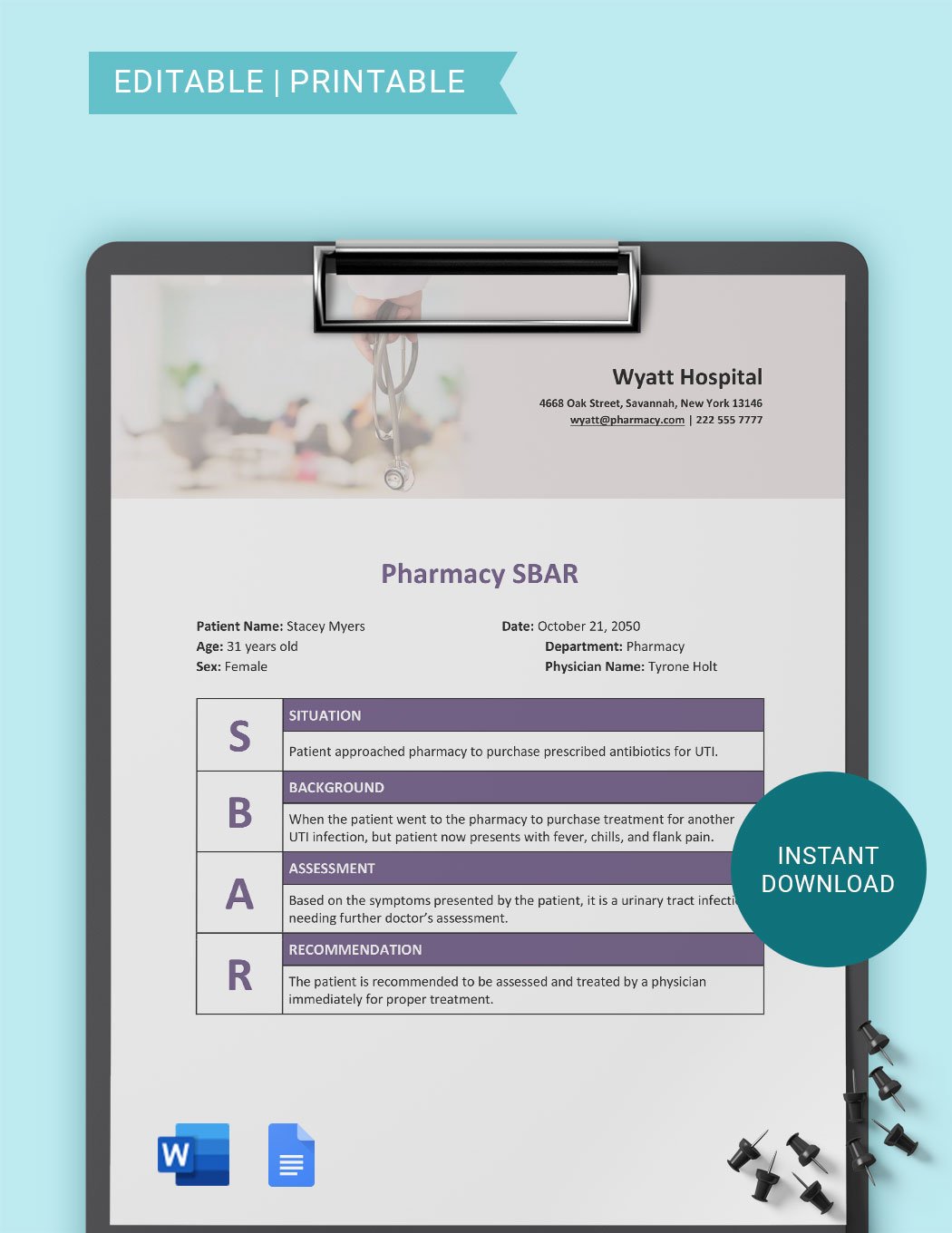

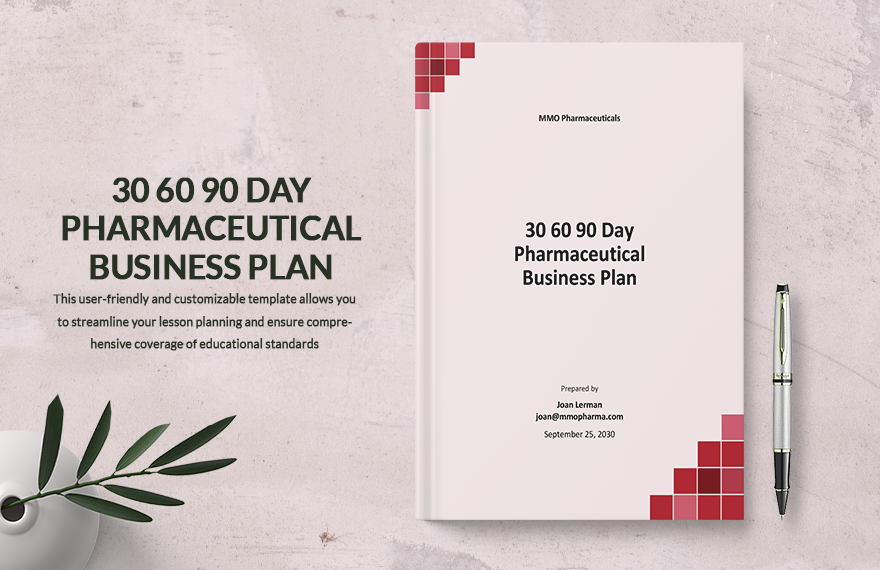
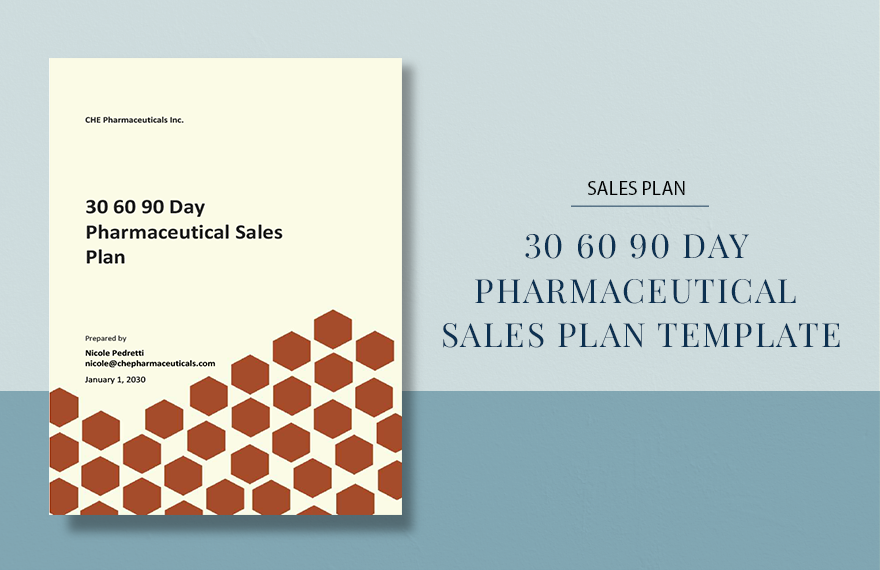
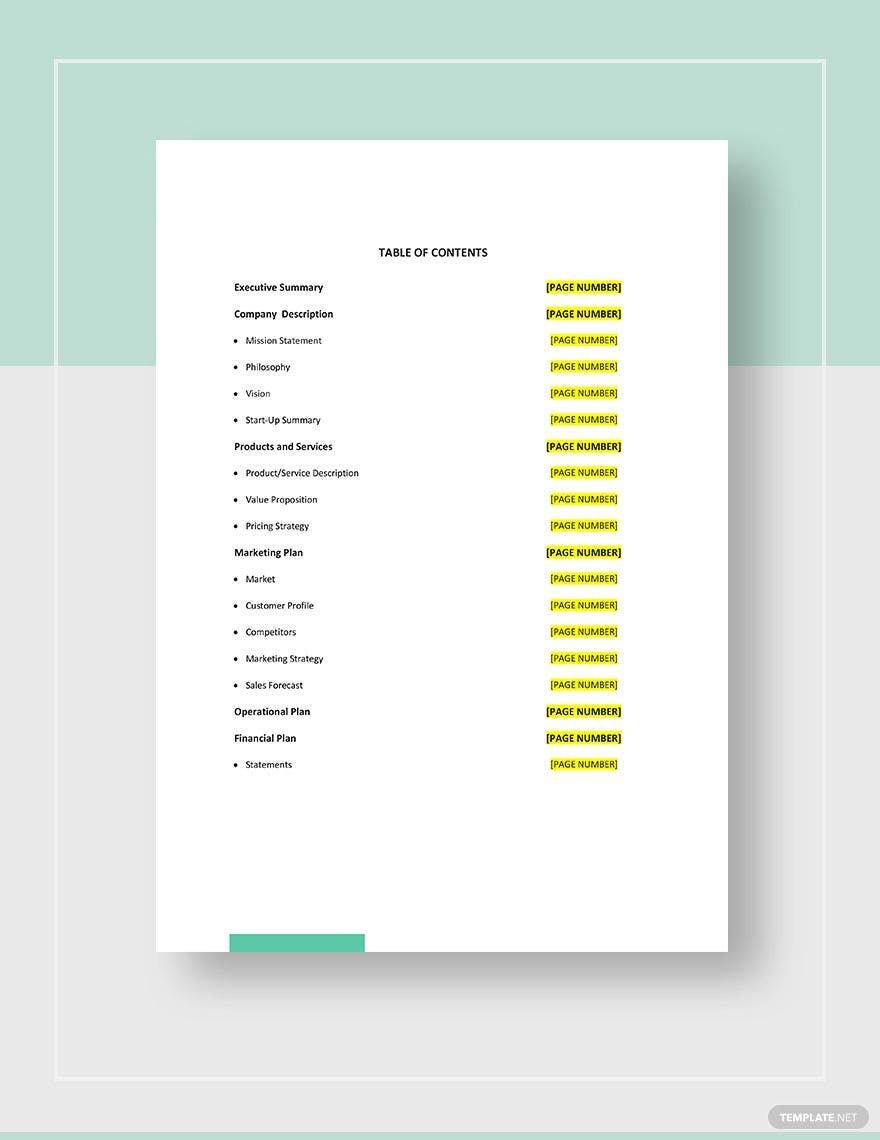
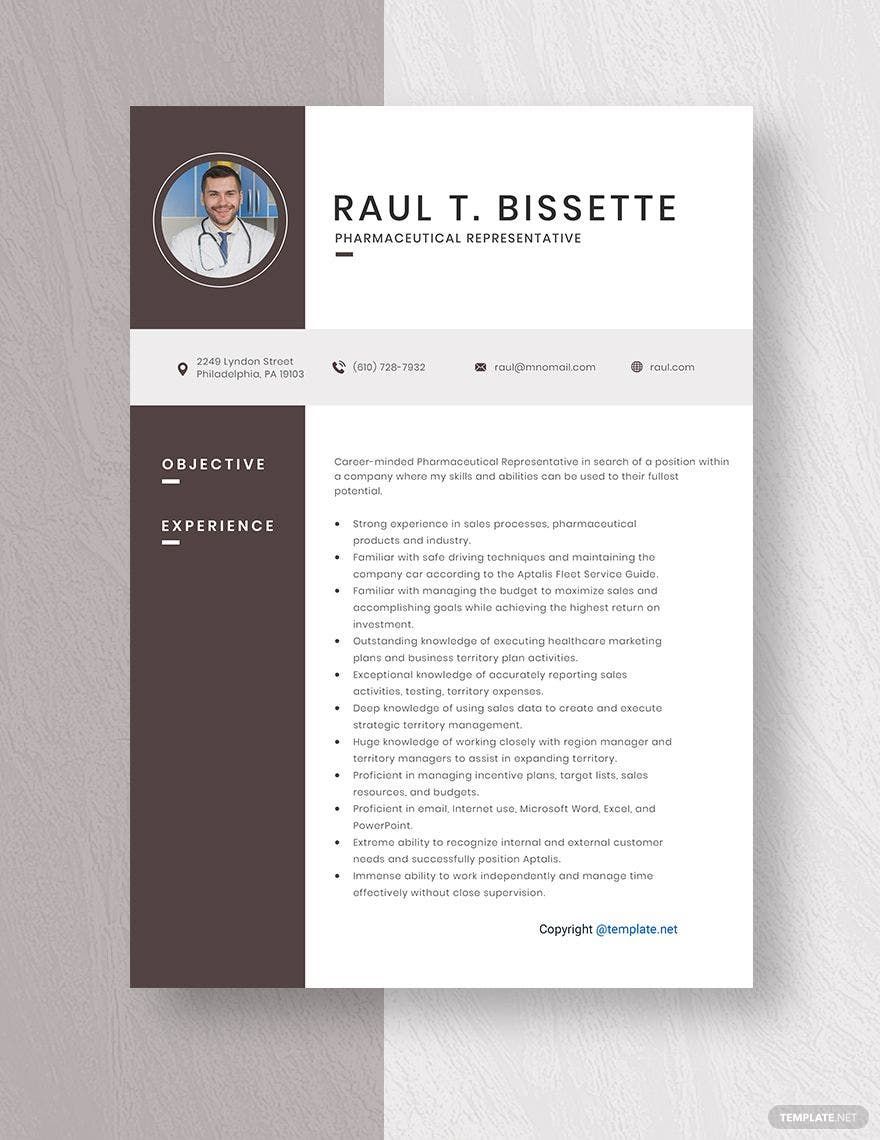
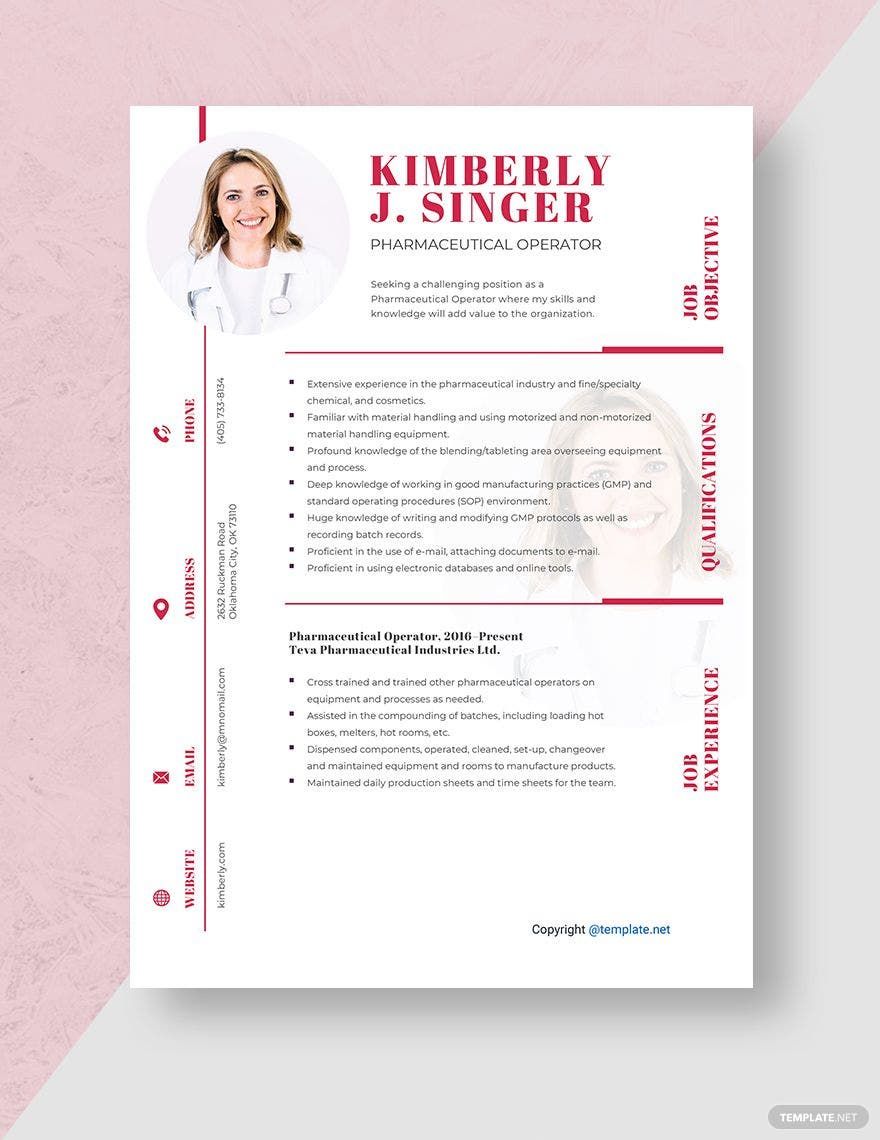
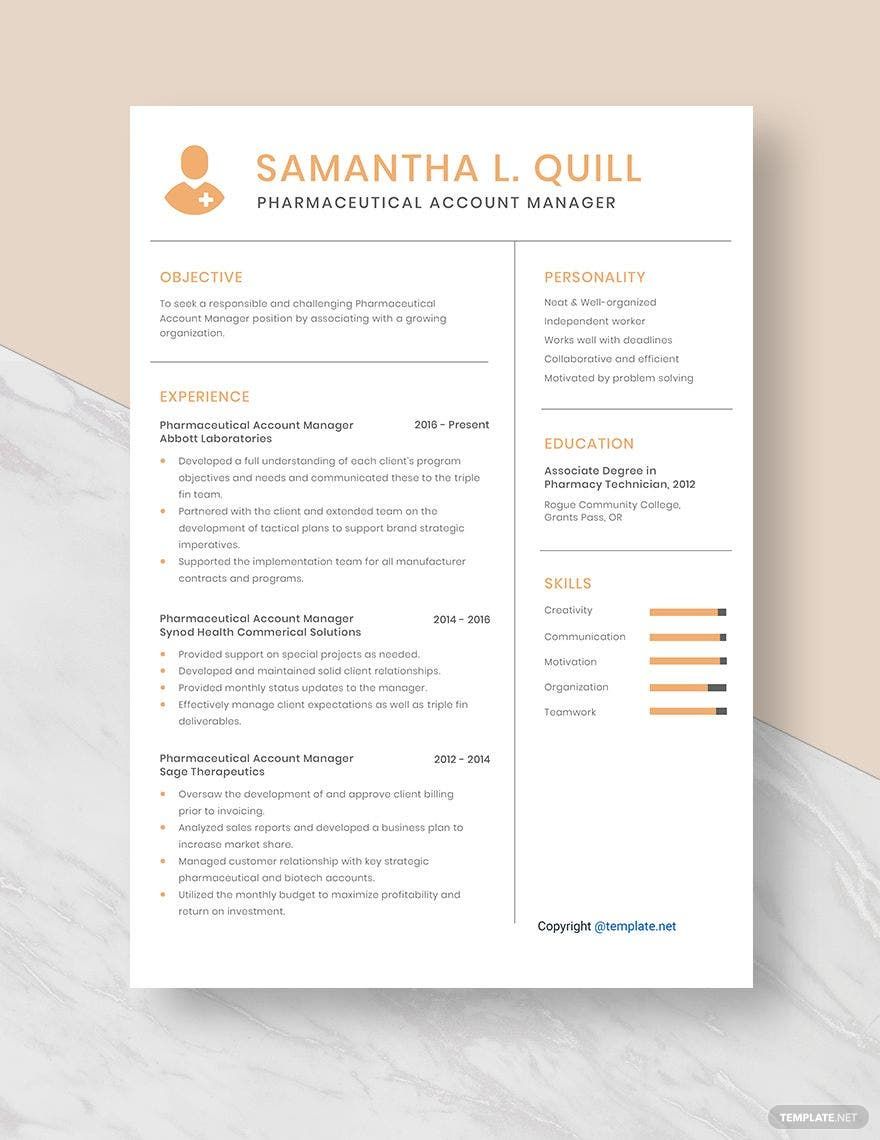
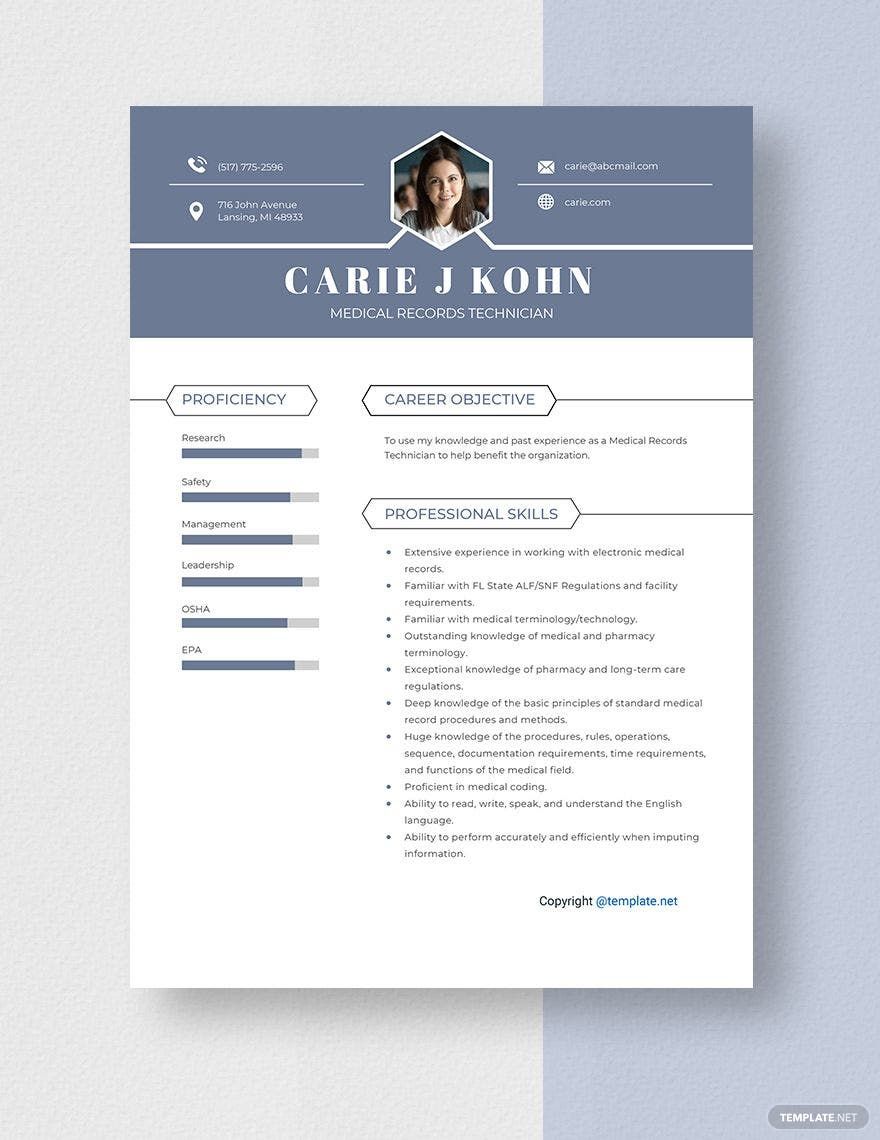
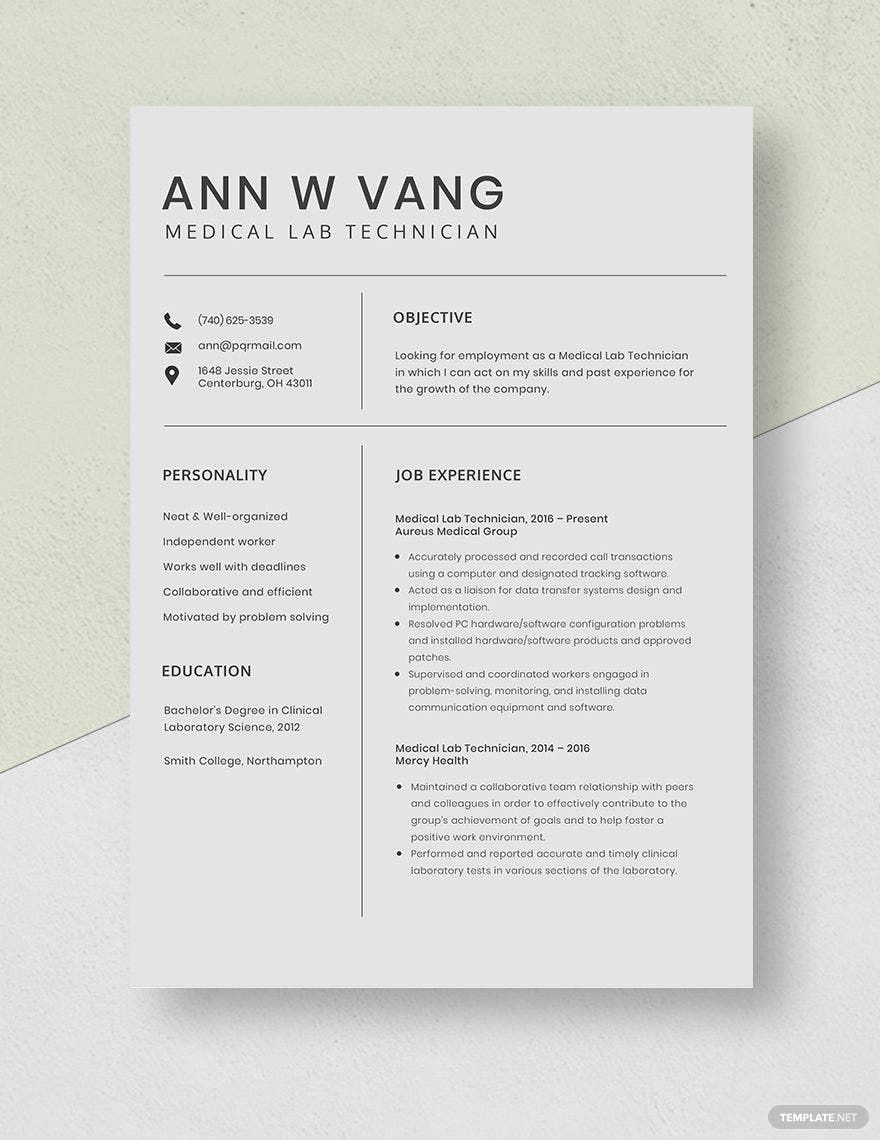
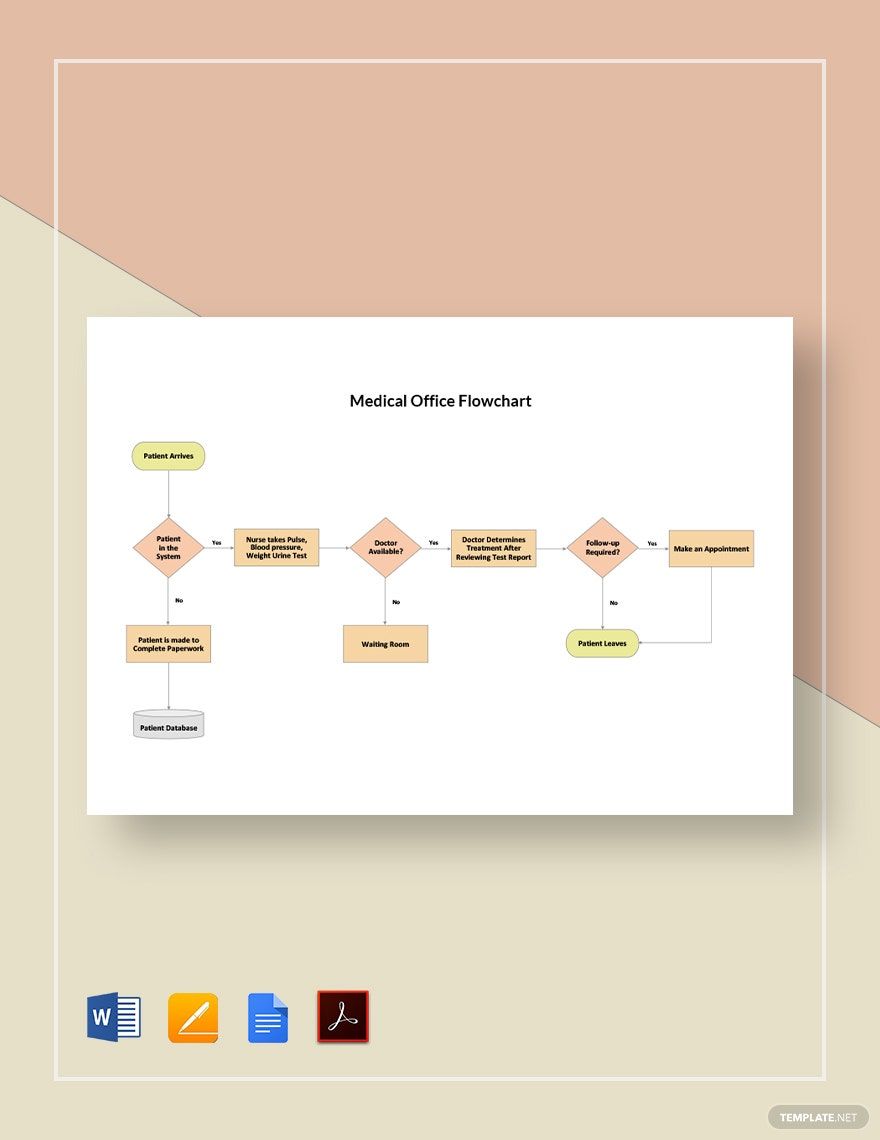
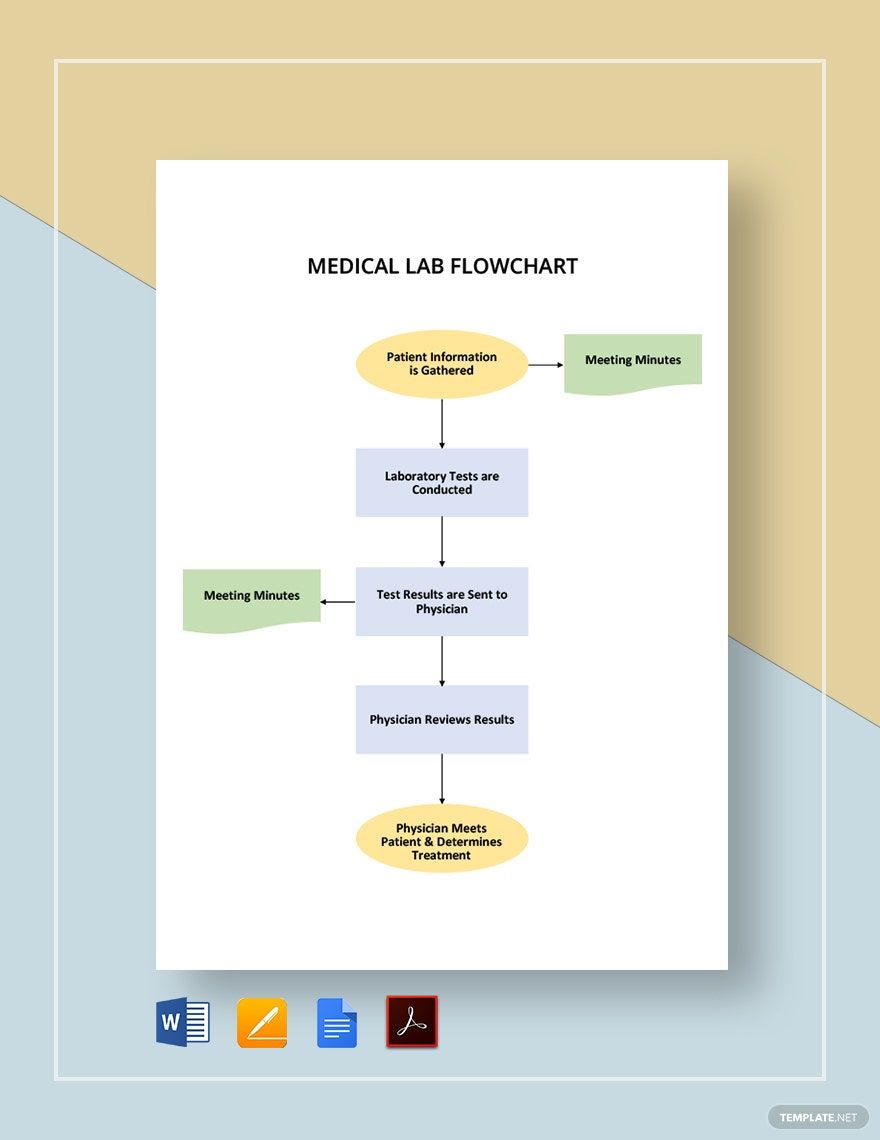
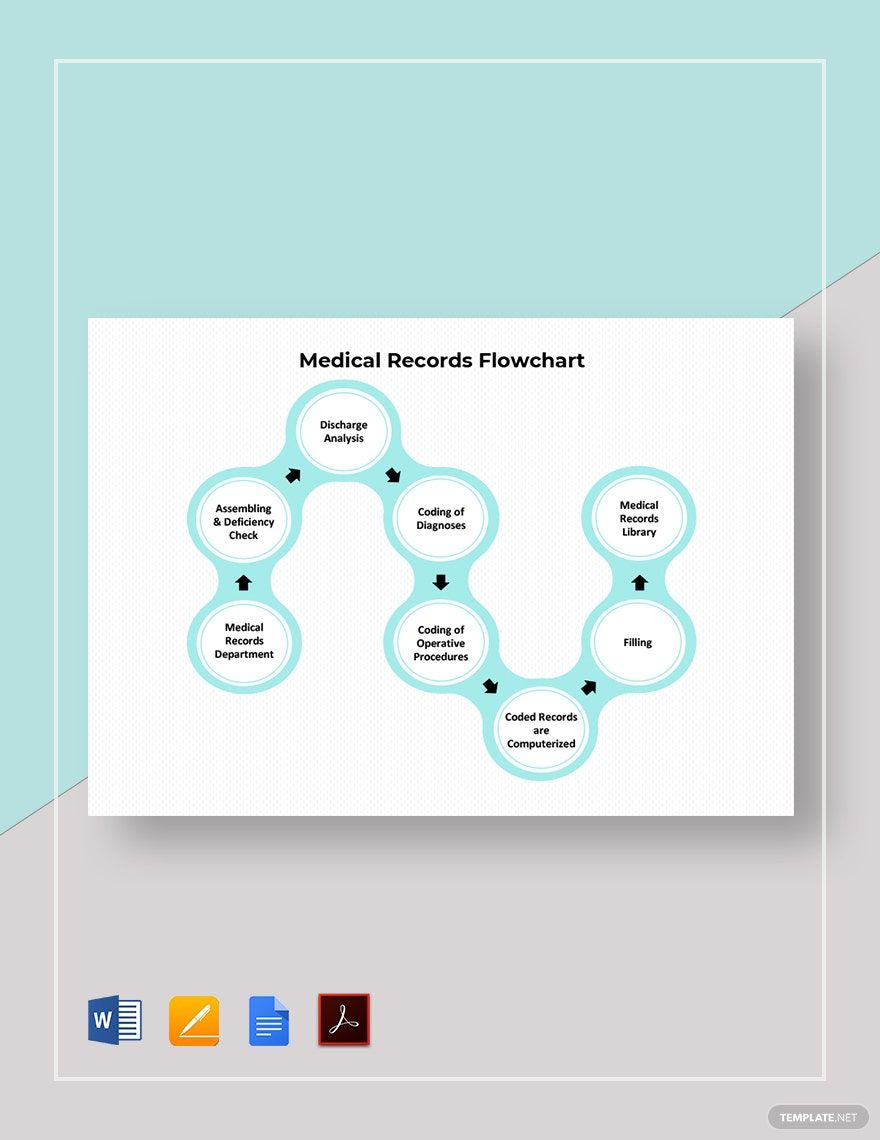
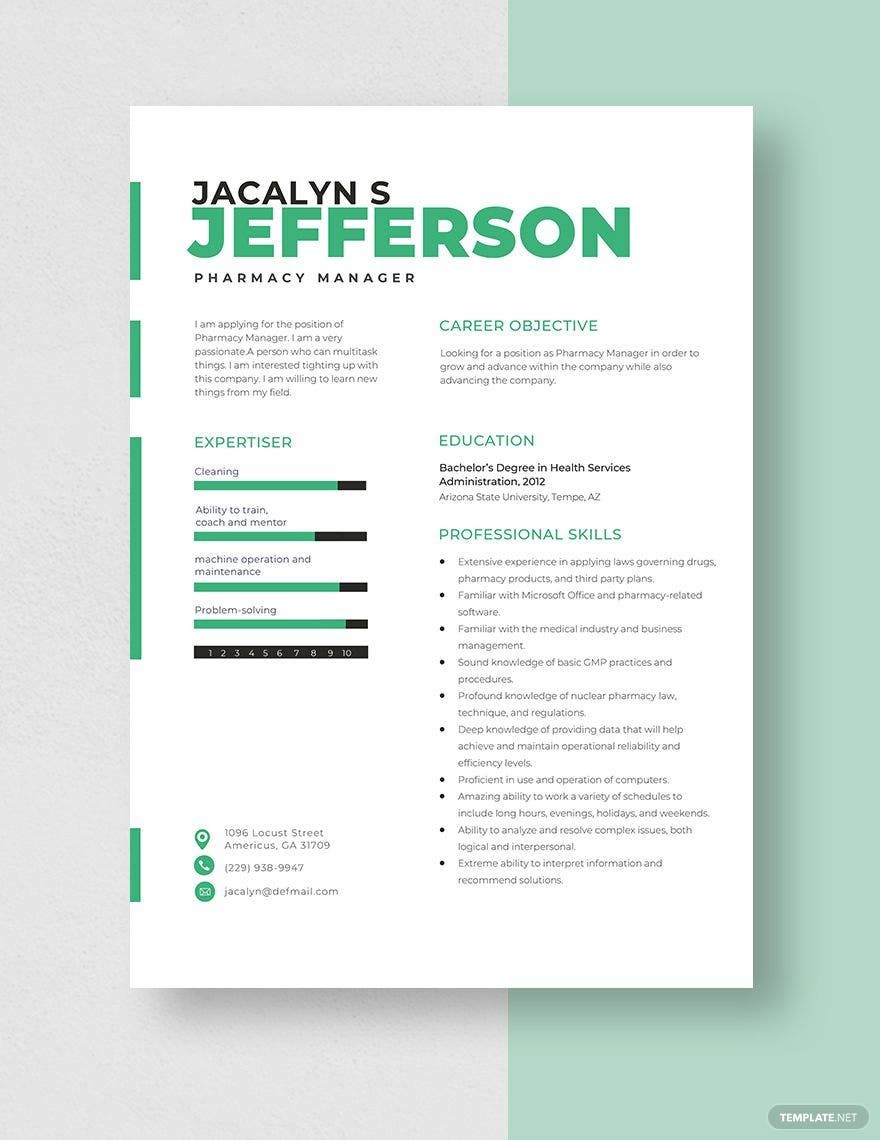
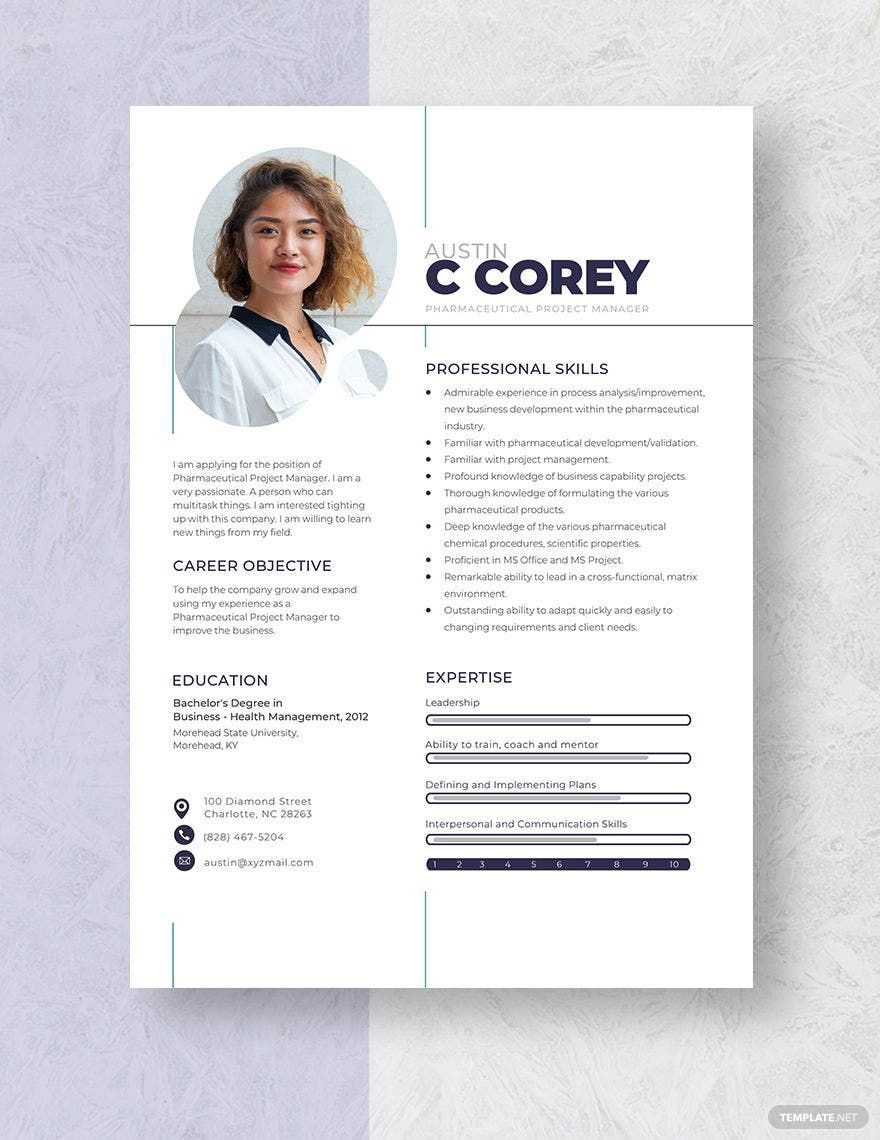
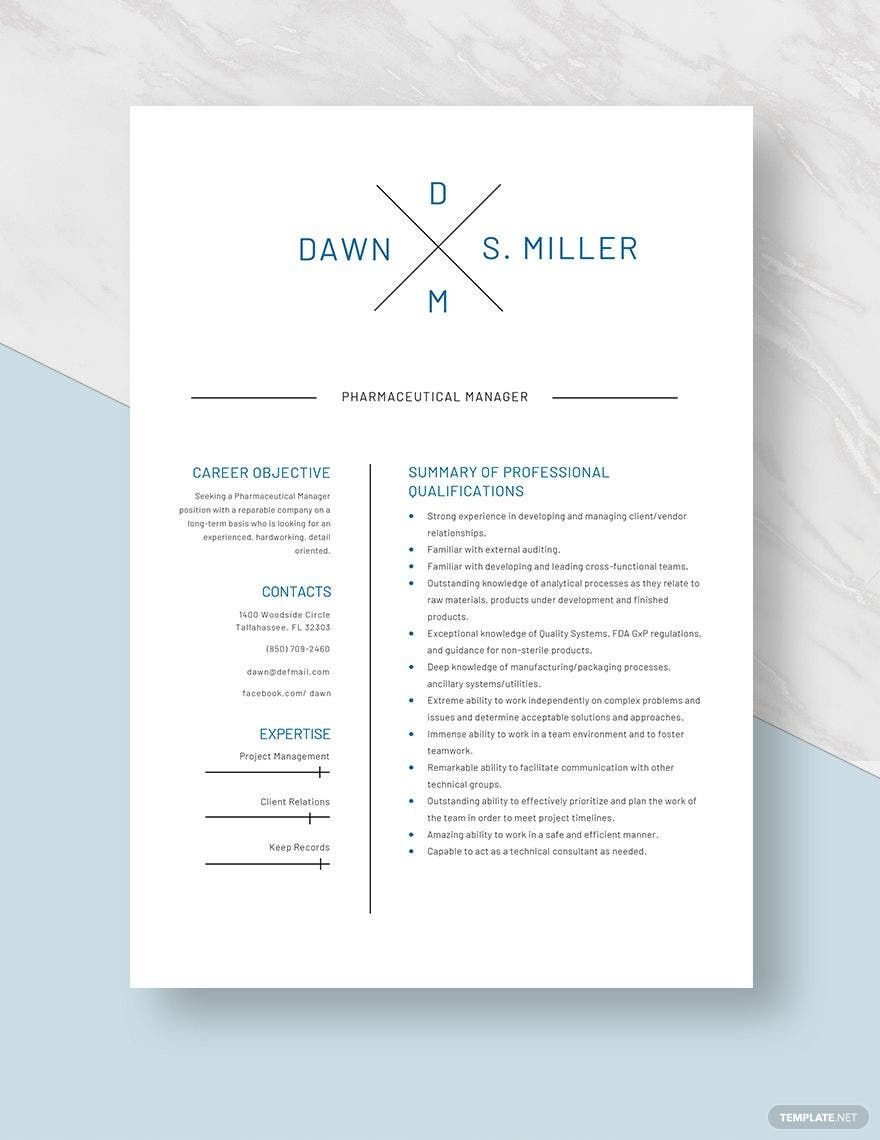
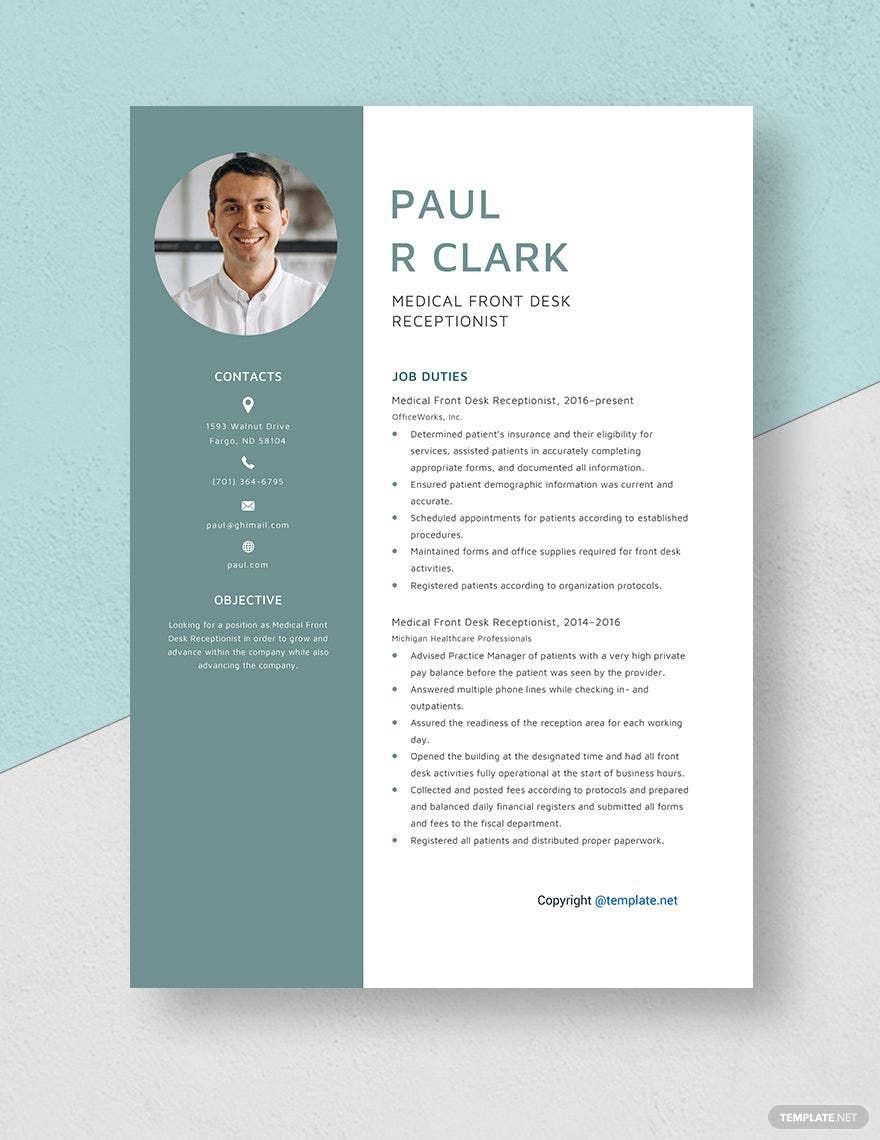
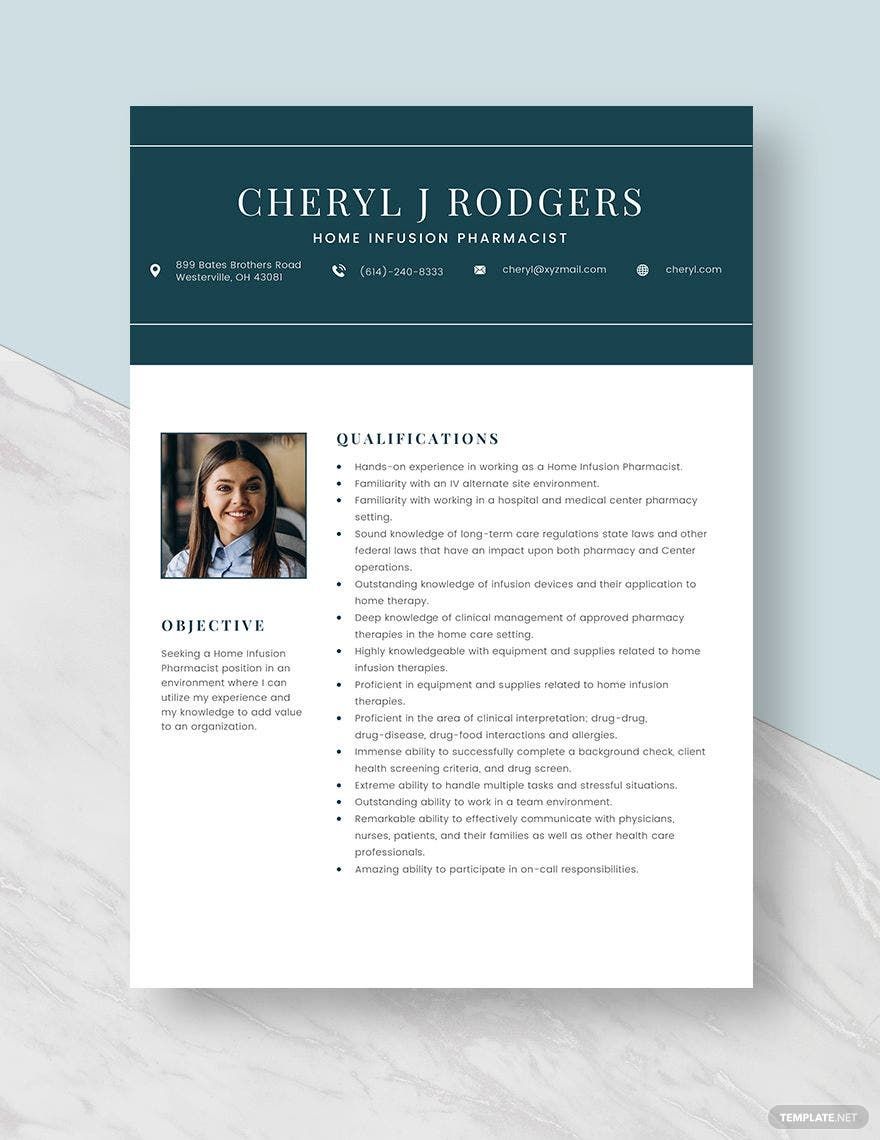
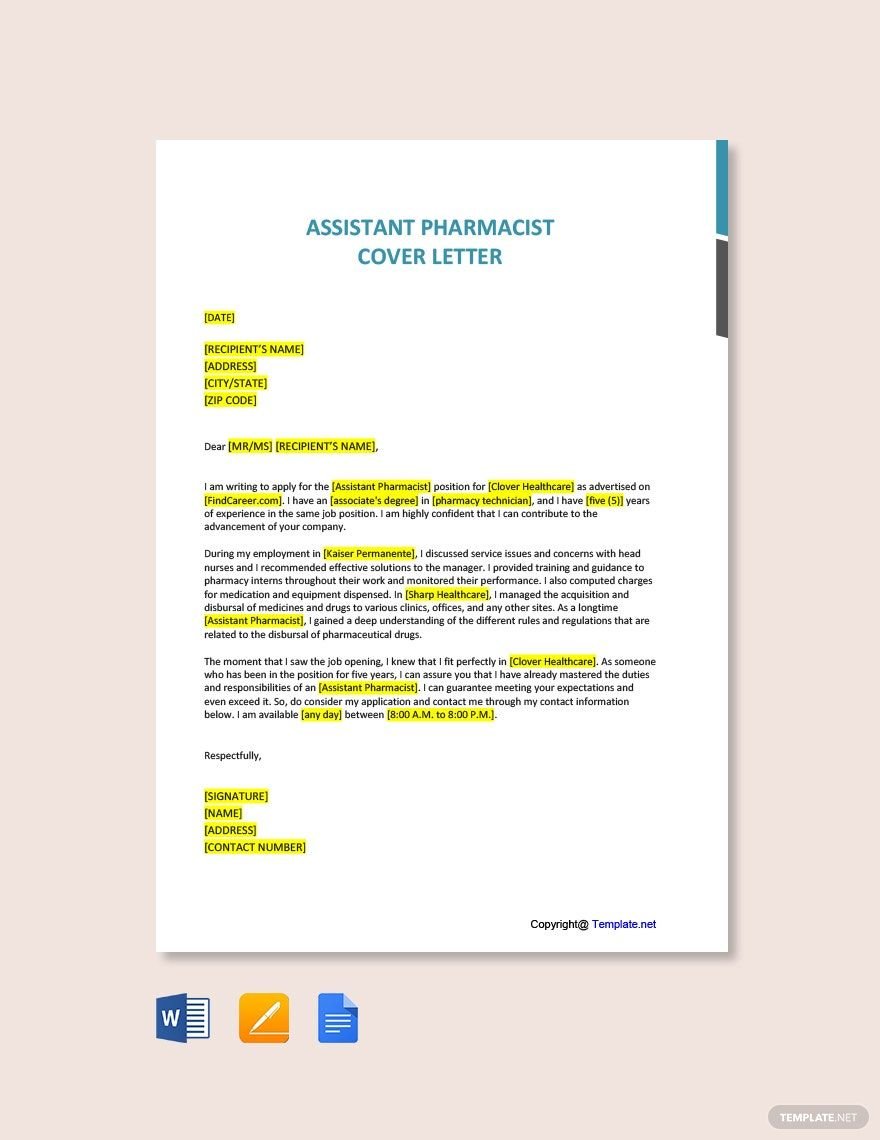
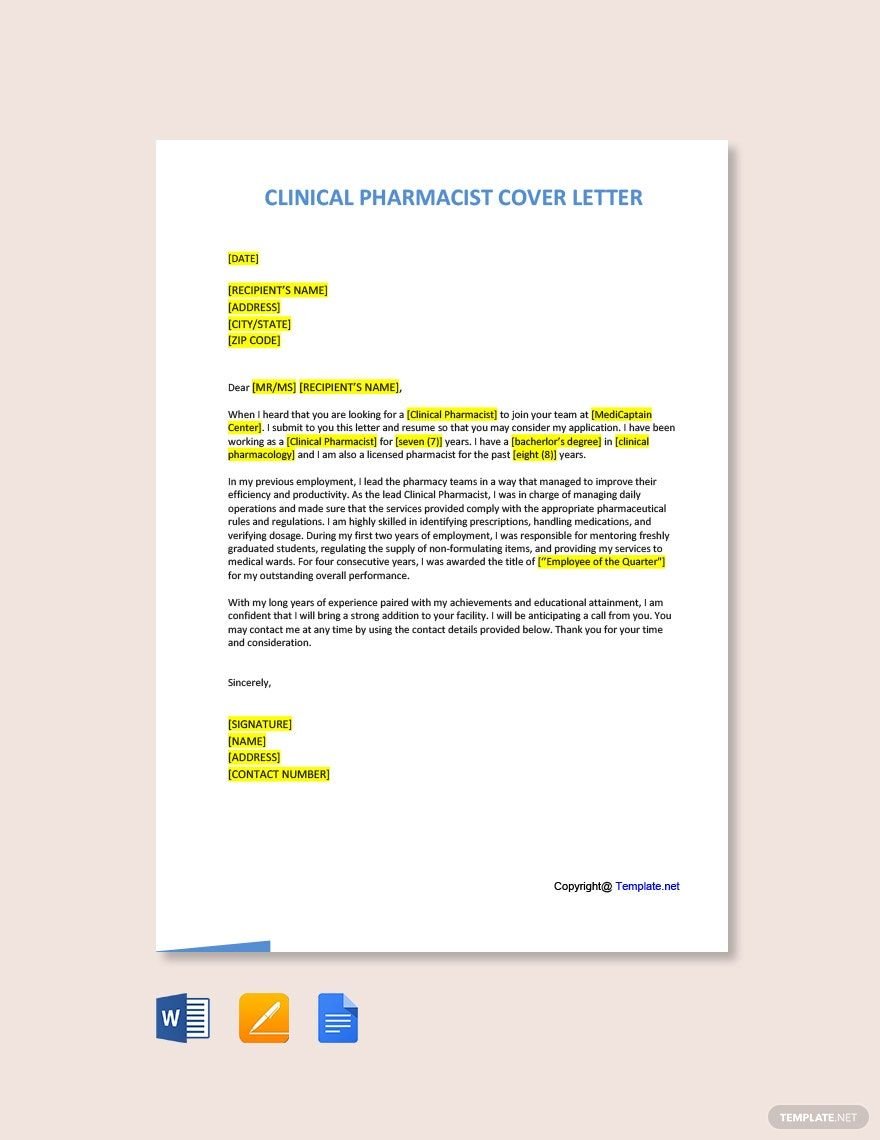
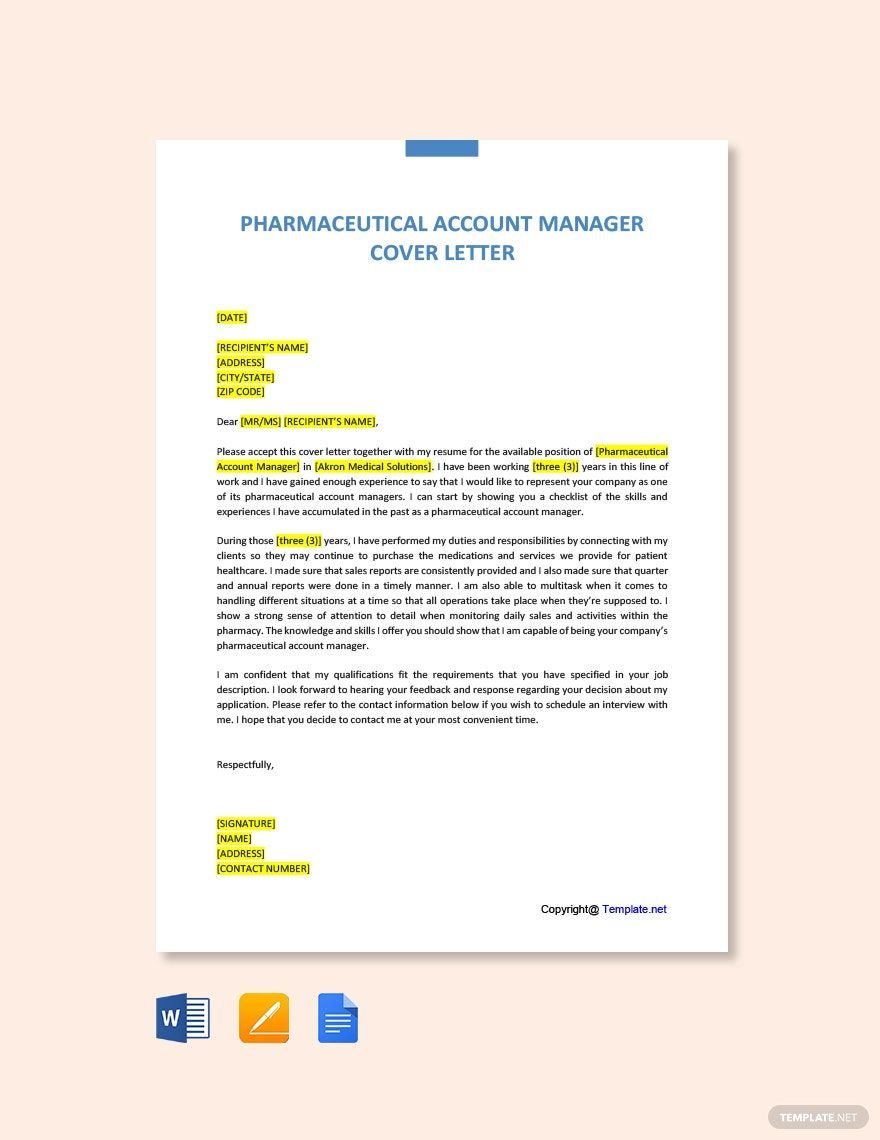
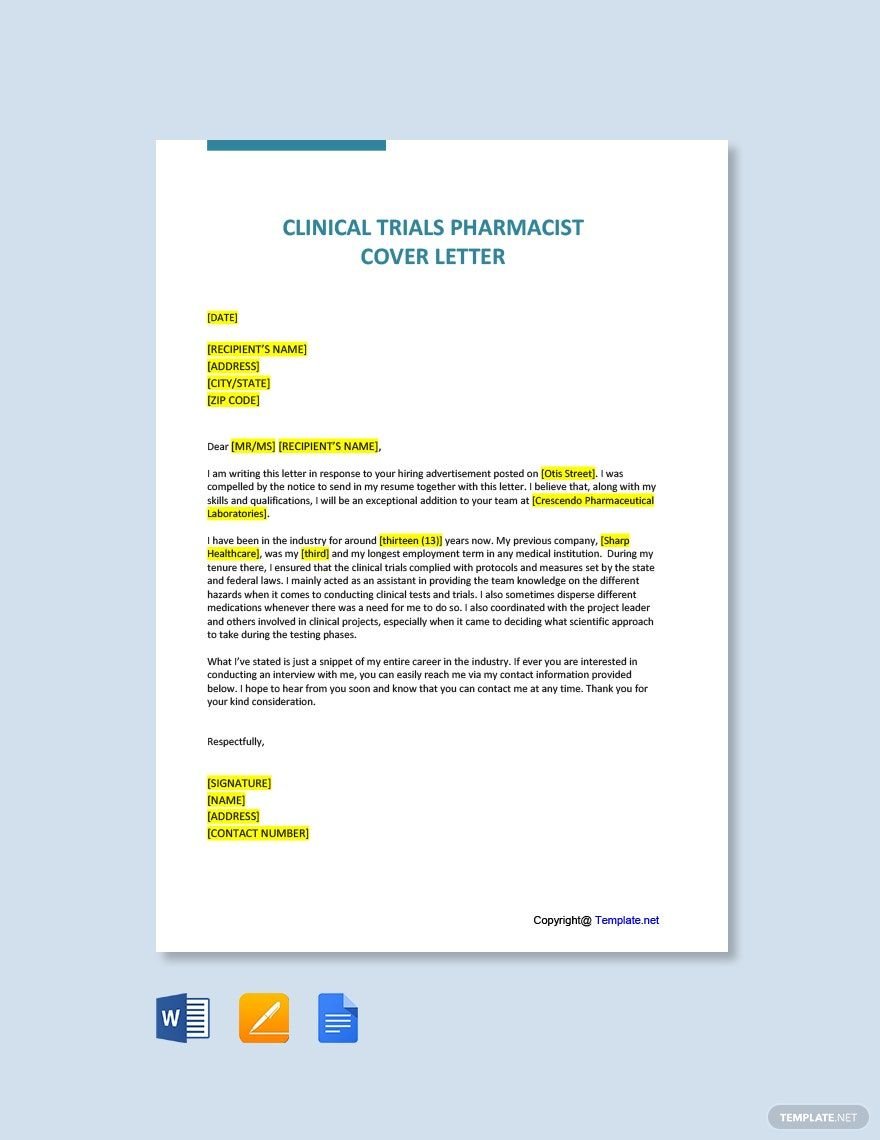
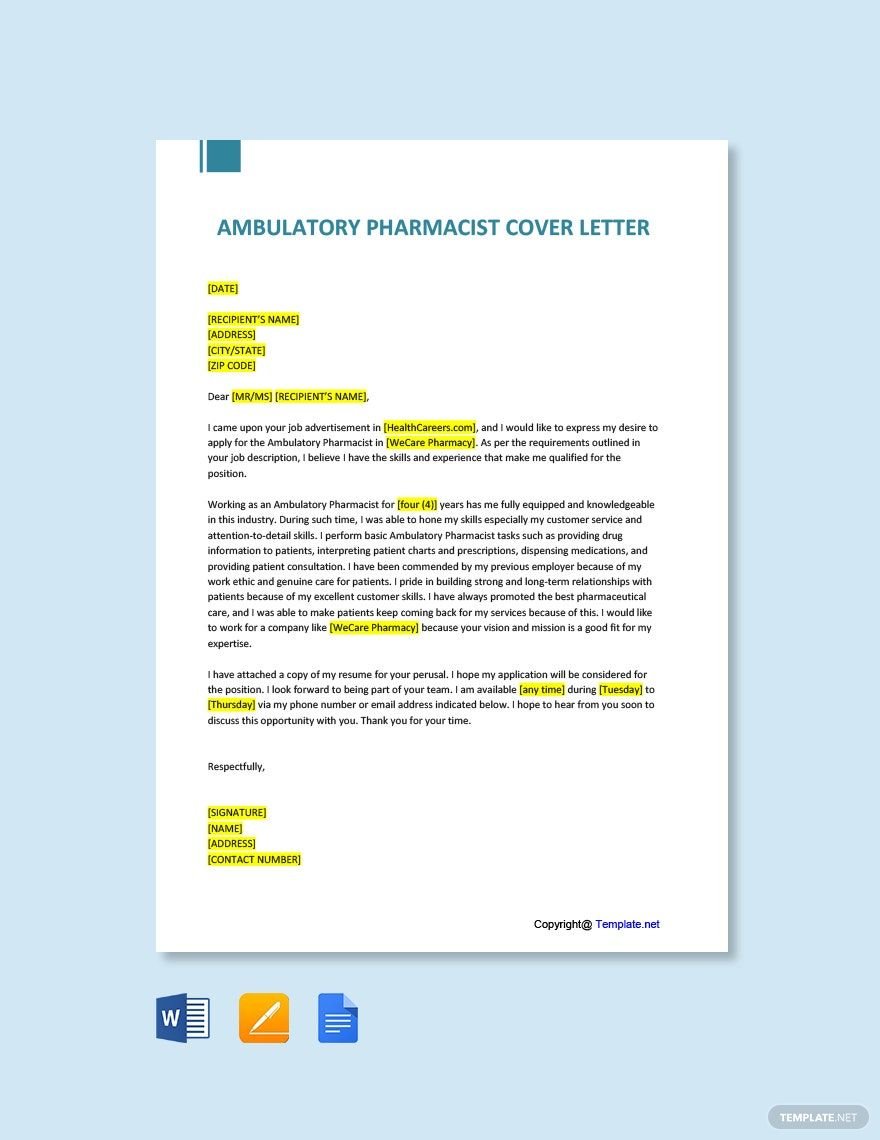
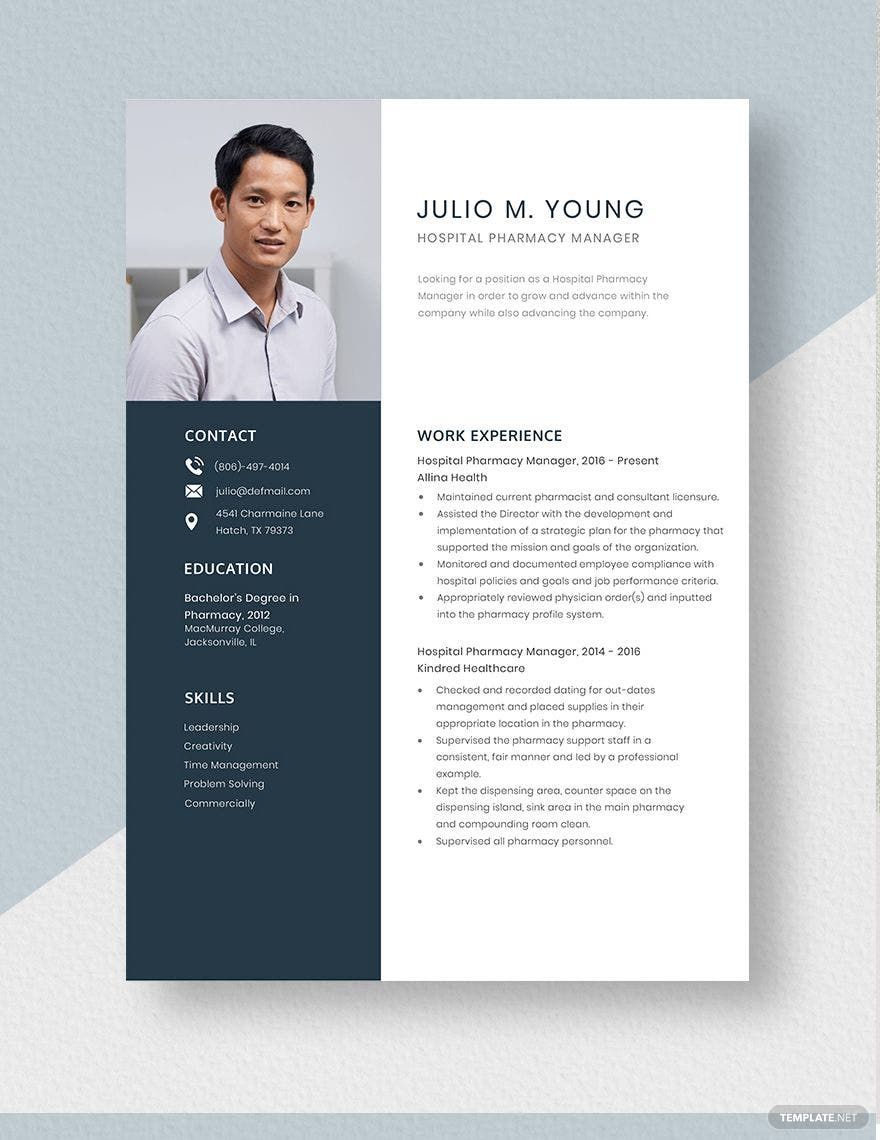
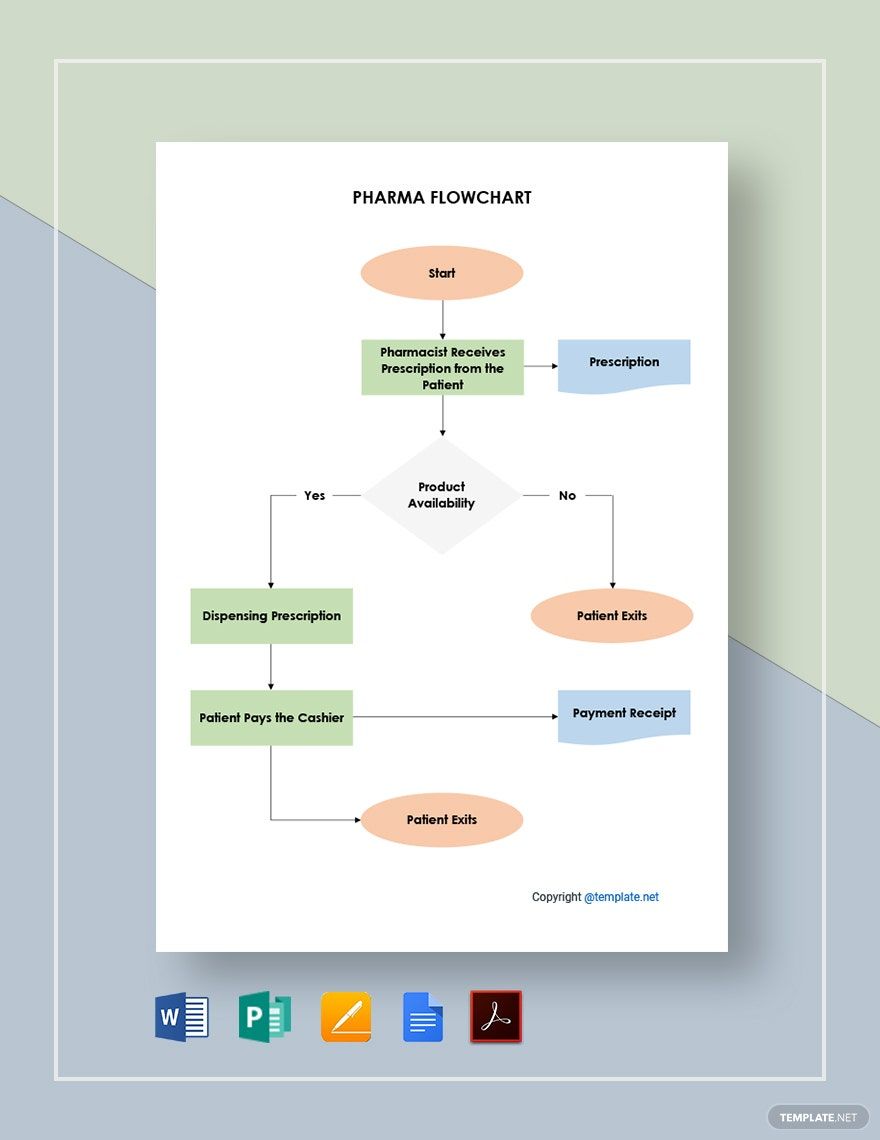
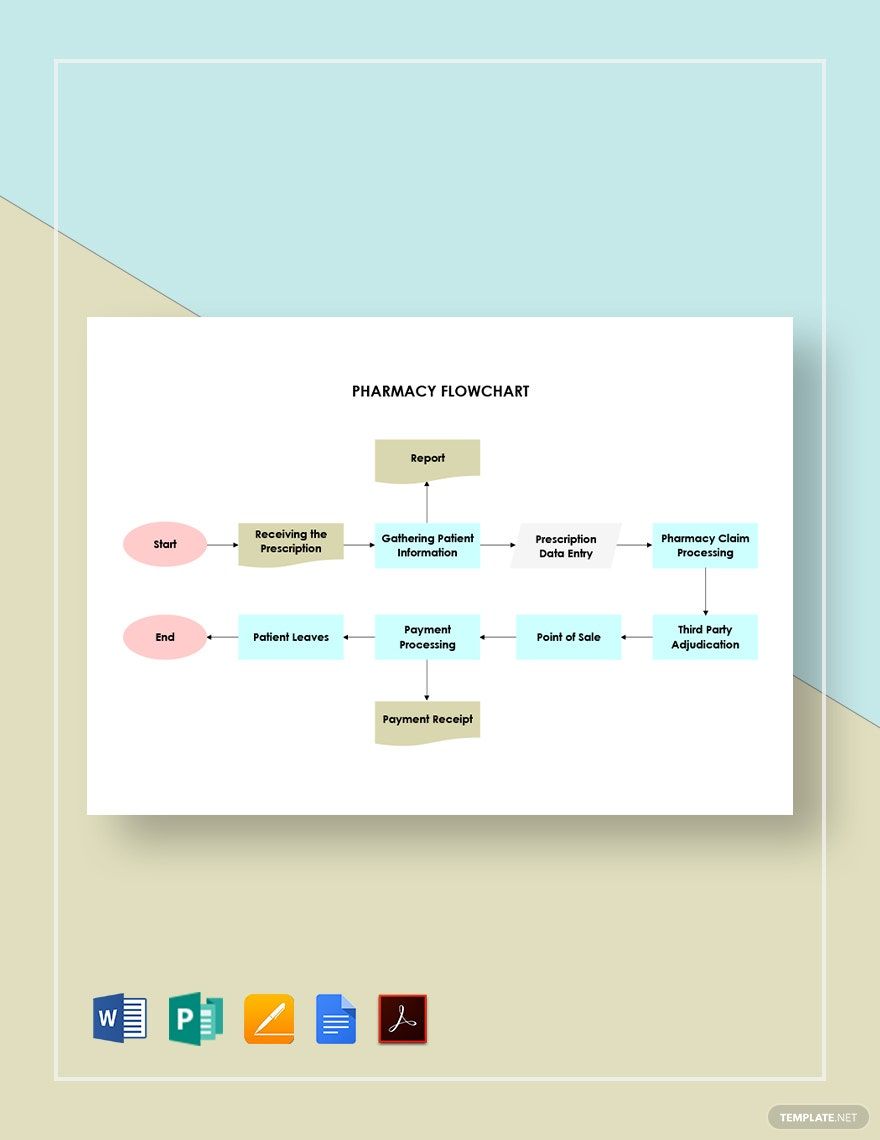
Free Pharmaceutical Editable Templates: Uses, Features, and Download Formats
What is a Pharmaceutical?
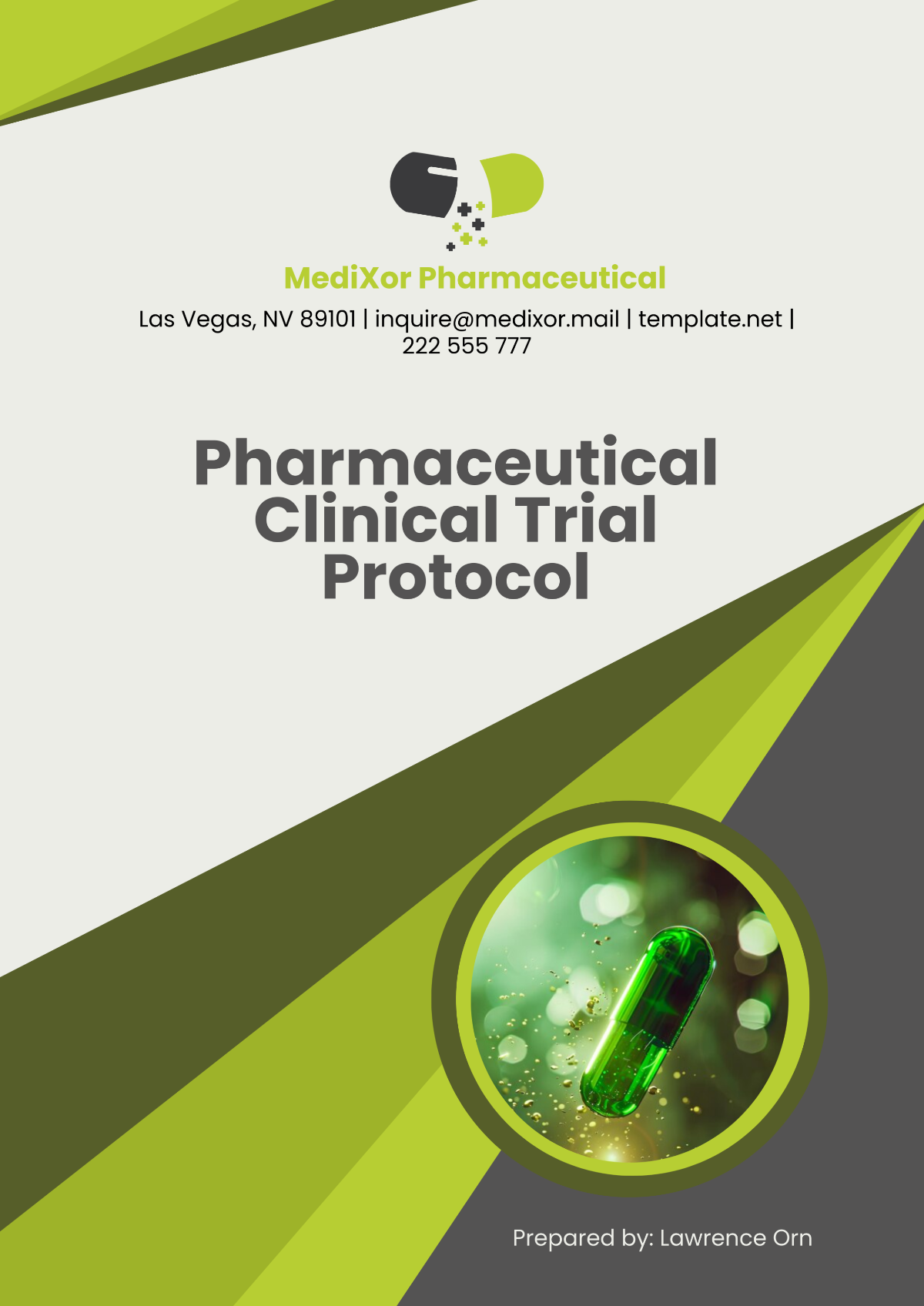
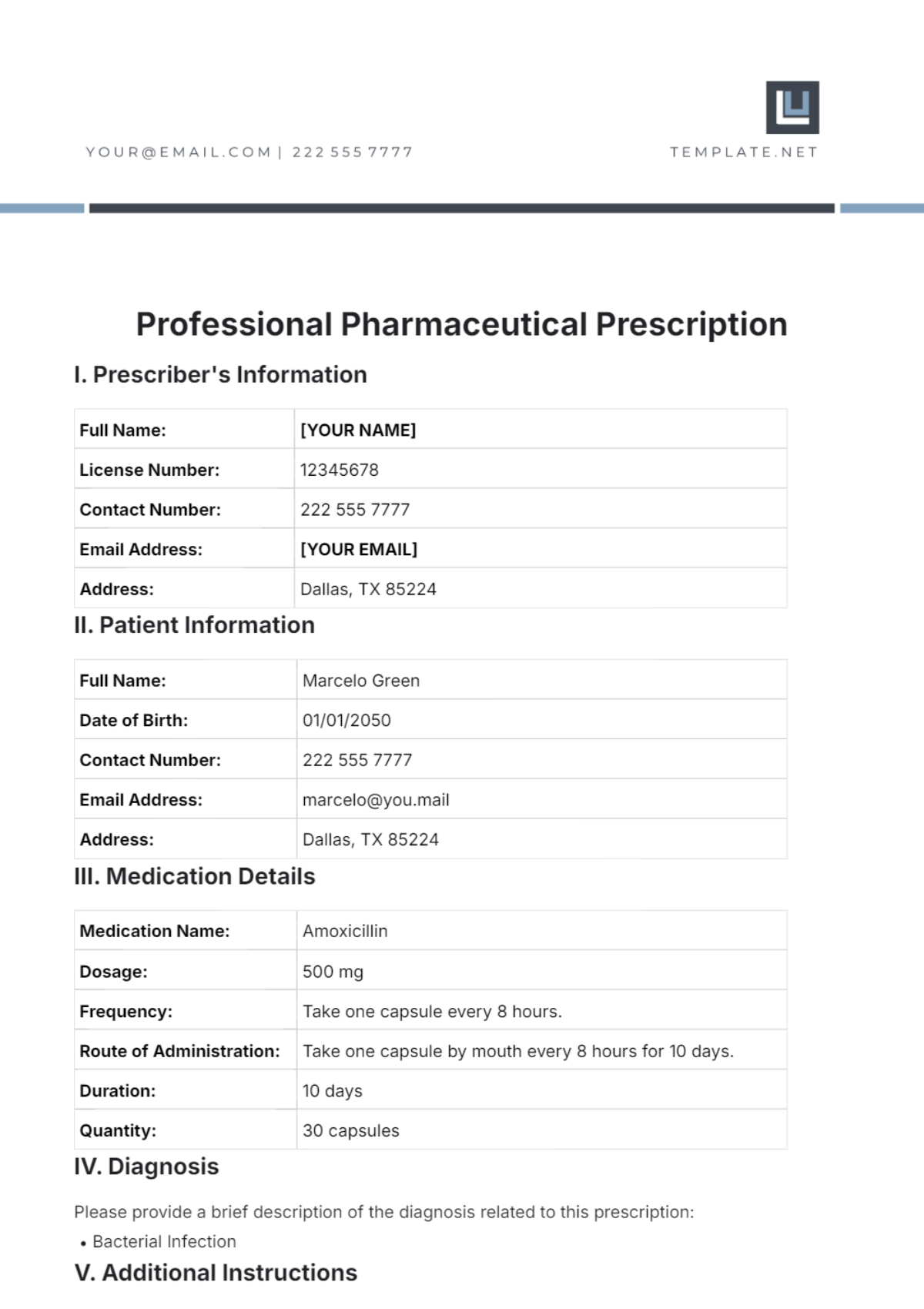
Pharmaceutical is a category of editable templates that includes standard operating procedures, clinical trial protocols, quality checklists, policies, and process flowcharts used in the pharmaceutical industry. These templates facilitate compliance, documentation, and process management essential to pharmaceutical workflows.
Why should I use a Pharmaceutical?
You should use Pharmaceutical editable templates to ensure accuracy, consistency, and compliance in your documentation. These templates streamline the creation of professional documents that meet industry standards, saving time and reducing errors in pharmaceutical operations.
Who uses Pharmaceutical?
Pharmaceutical templates are typically used by pharmaceutical professionals, clinical researchers, quality assurance teams, regulatory affairs specialists, and process managers who require reliable documentation for compliance and operational efficiency.
What are the best tips for completing my Pharmaceutical?
To complete your Pharmaceutical template effectively, ensure you customize all sections to reflect your organization's specific procedures, verify compliance with regulatory requirements, maintain clear and concise language, and review the document thoroughly for accuracy before finalizing.
Can I create a Pharmaceutical using AI?
You can create or enhance Pharmaceutical documents using AI tools available on Template.net or other platforms. AI can assist in generating drafts or improving content, but the primary focus here remains on editable templates that you customize directly in your browser.
What file formats can I download for my Pharmaceutical?
Template.net supports multiple export formats for your Pharmaceutical editable templates including Word, Google Docs, PDF, PSD, InDesign, Apple Pages, Publisher, and Illustrator.
What are the essential elements of a Pharmaceutical?
Pharmaceutical templates typically include key elements such as a title page, purpose statement, scope, definitions, procedure steps, responsibilities, documentation requirements, quality controls, and references to regulatory standards to ensure comprehensive coverage.
How are Pharmaceutical templates used in professional workflows?
Pharmaceutical templates are used to standardize documentation processes, facilitate regulatory compliance, guide operational procedures, ensure quality assurance, and support clinical research activities within pharmaceutical organizations.
What professional standards apply to Pharmaceutical?
Pharmaceutical documents must comply with industry standards such as Good Manufacturing Practice (GMP), Good Clinical Practice (GCP), FDA regulations, and ISO quality standards to ensure safety, efficacy, and regulatory adherence.
