
Construction AI
Generate, Customize, and share editable AI-powered Construction templates for docs, designs, whiteboards, charts, forms & more — all free, all in one place.
Free Construction Templates


 Edit Online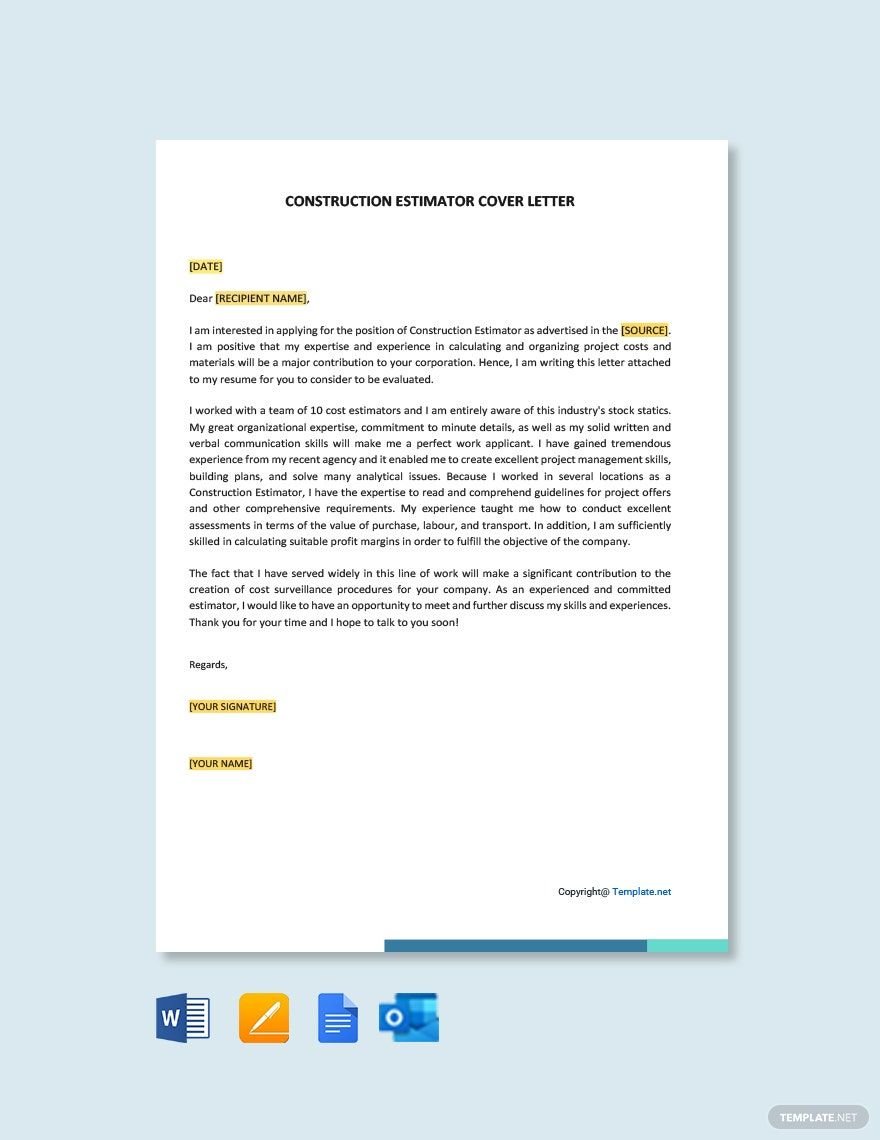
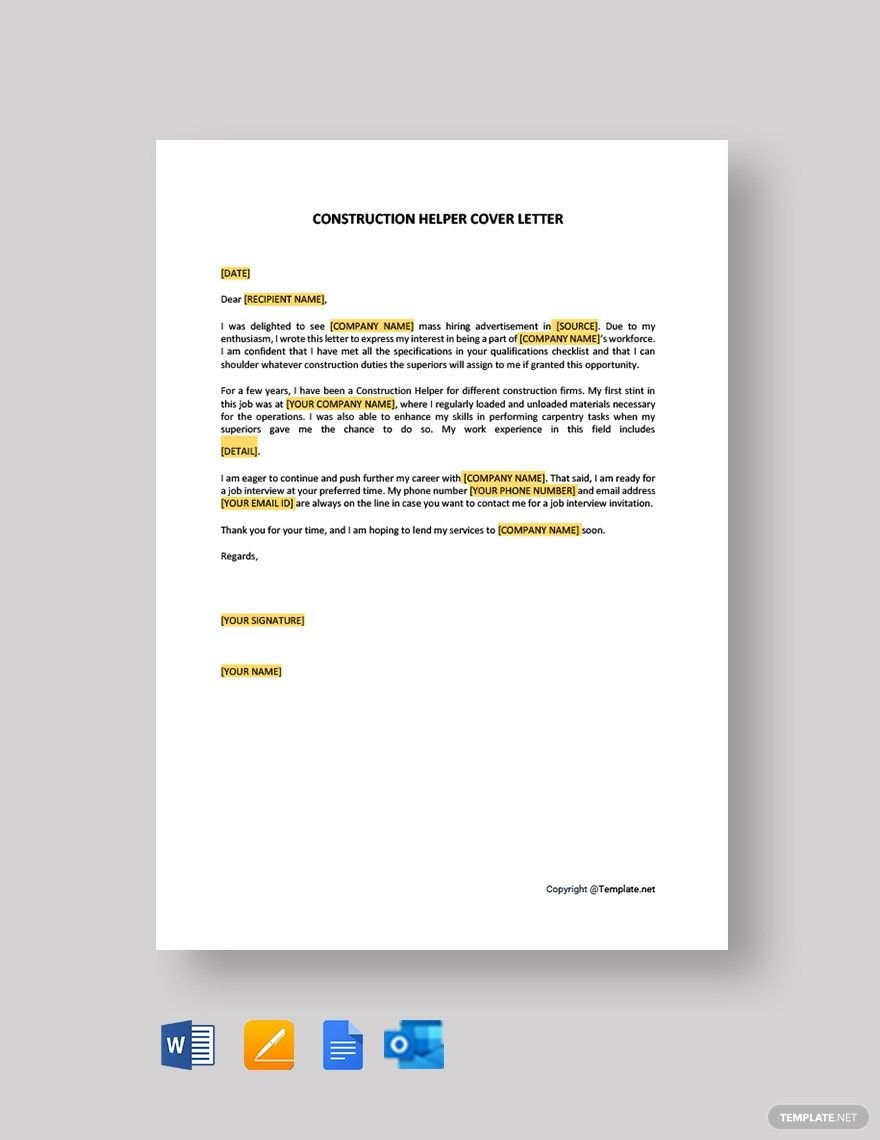
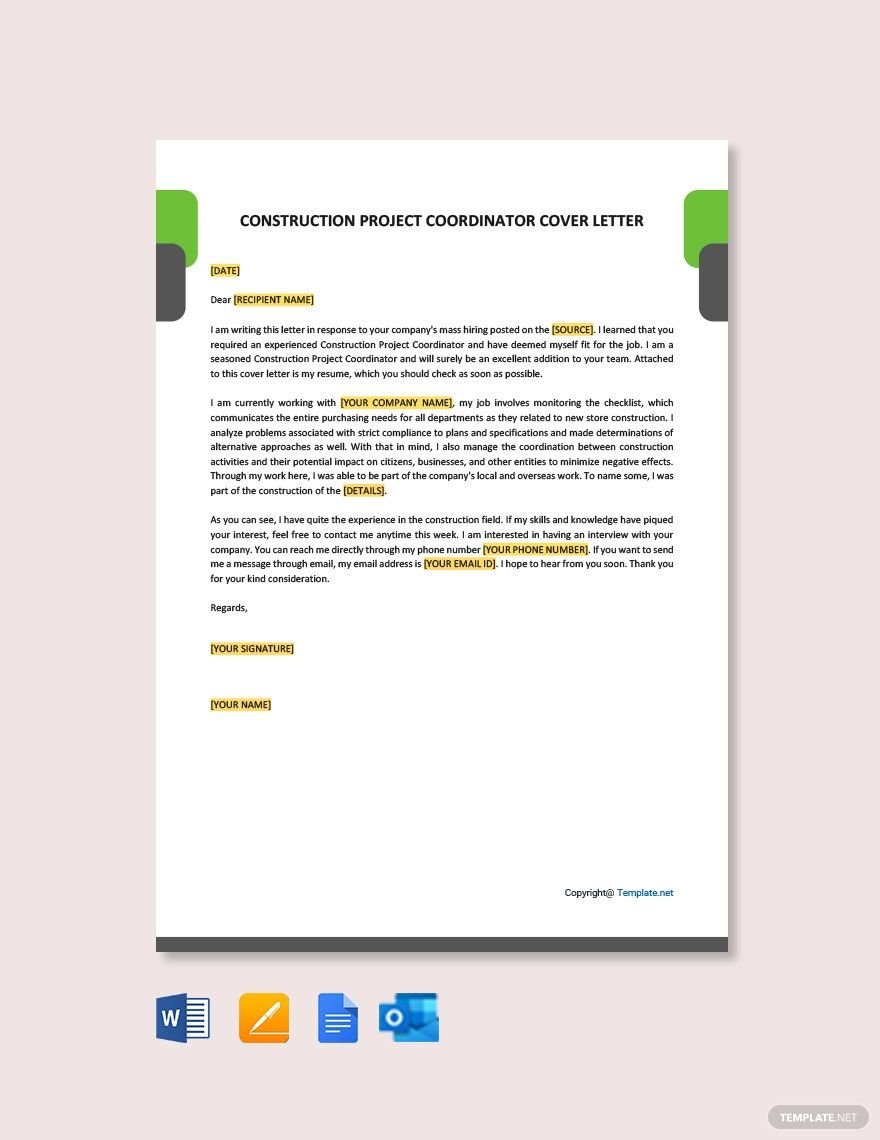
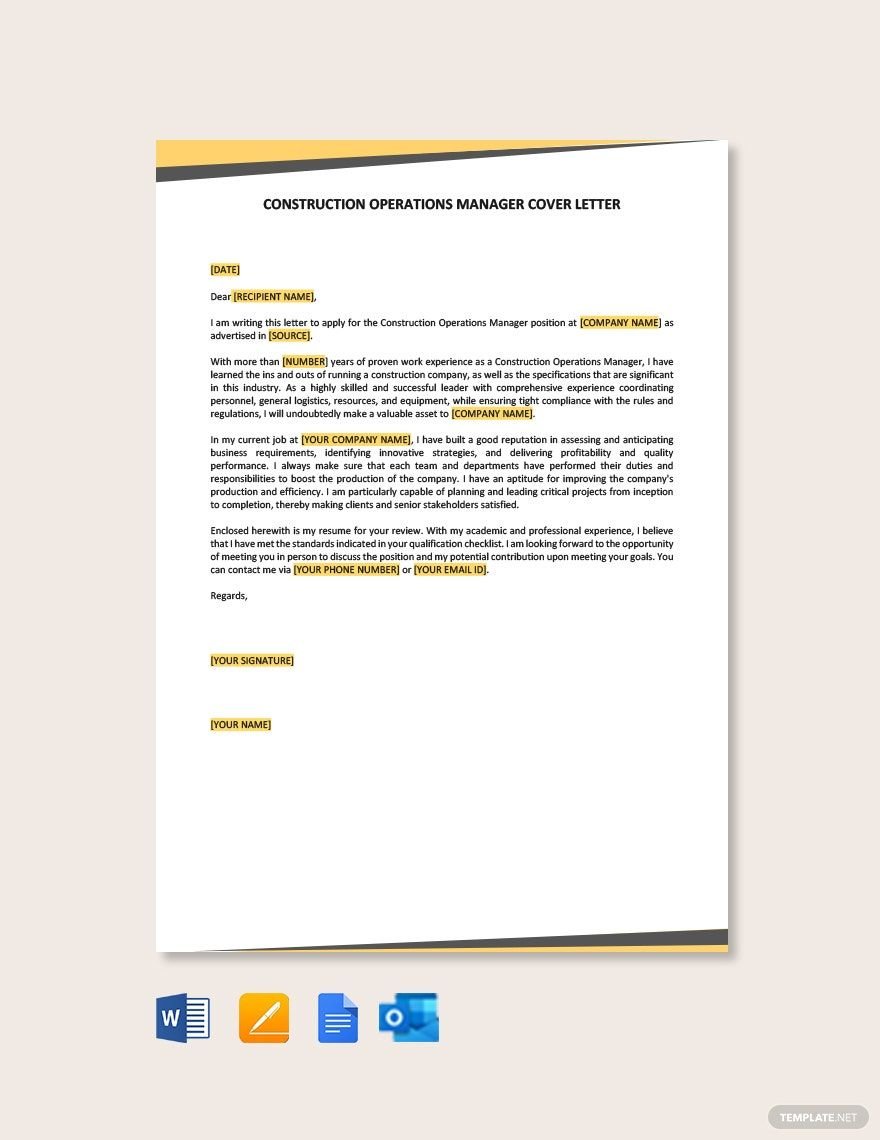
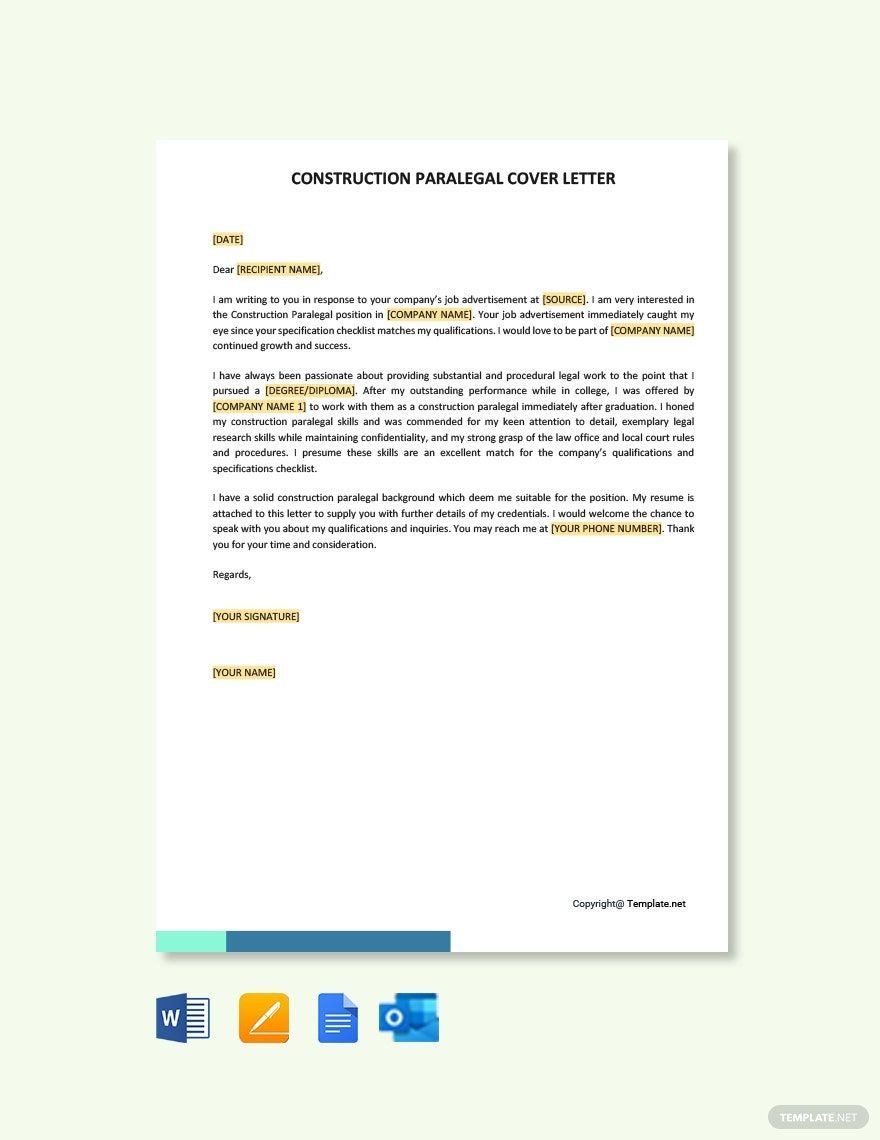
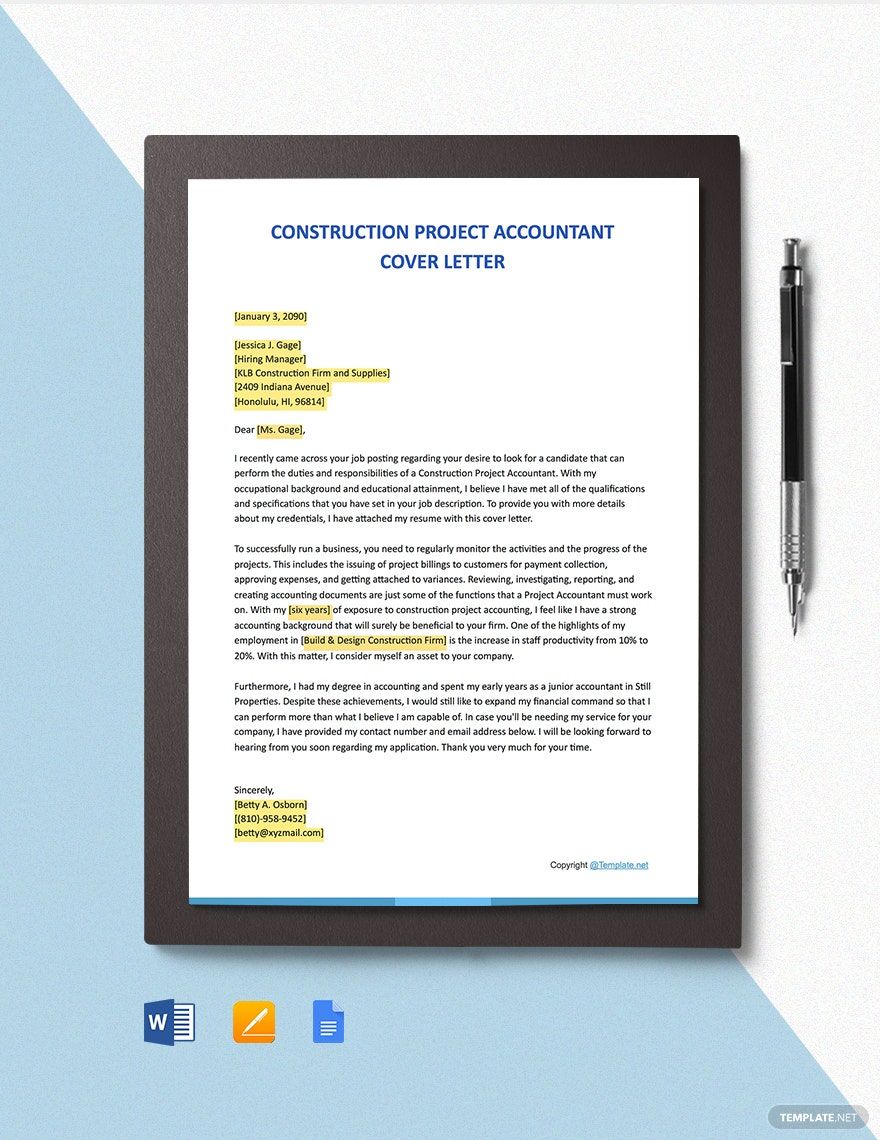
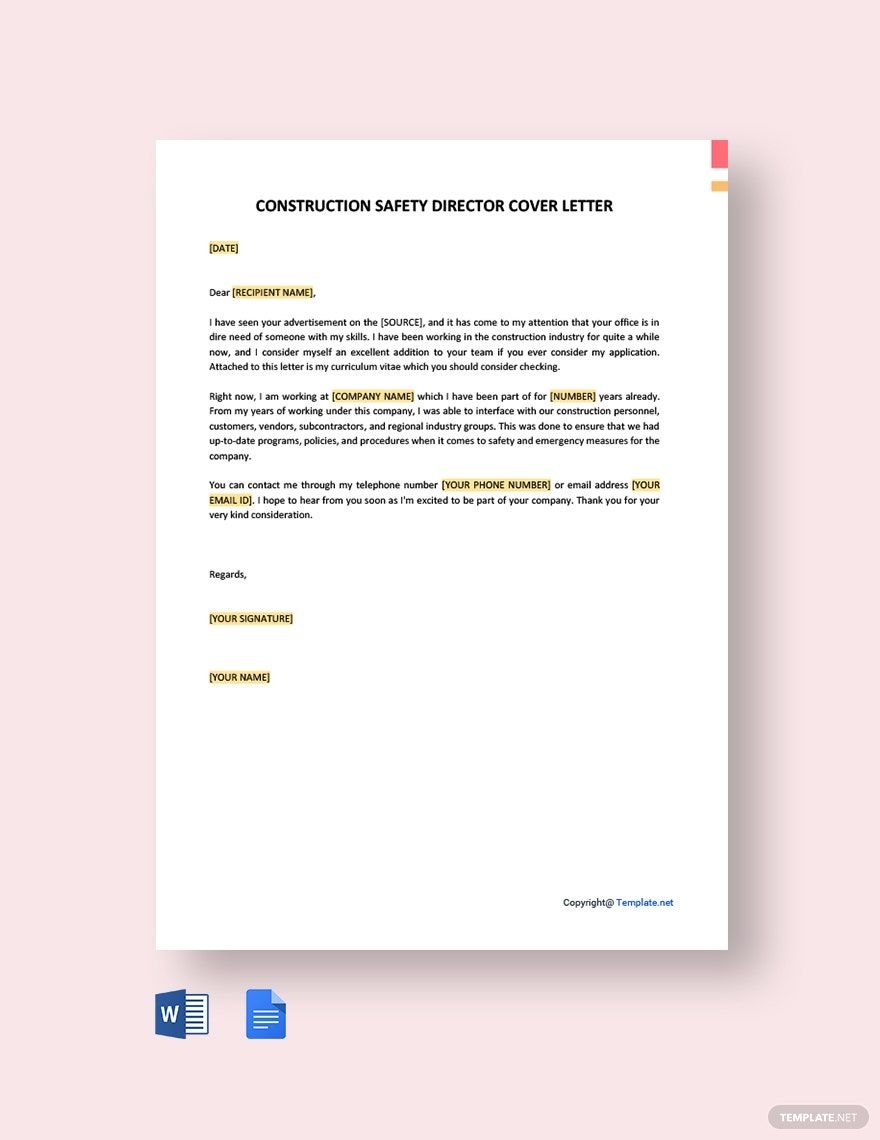
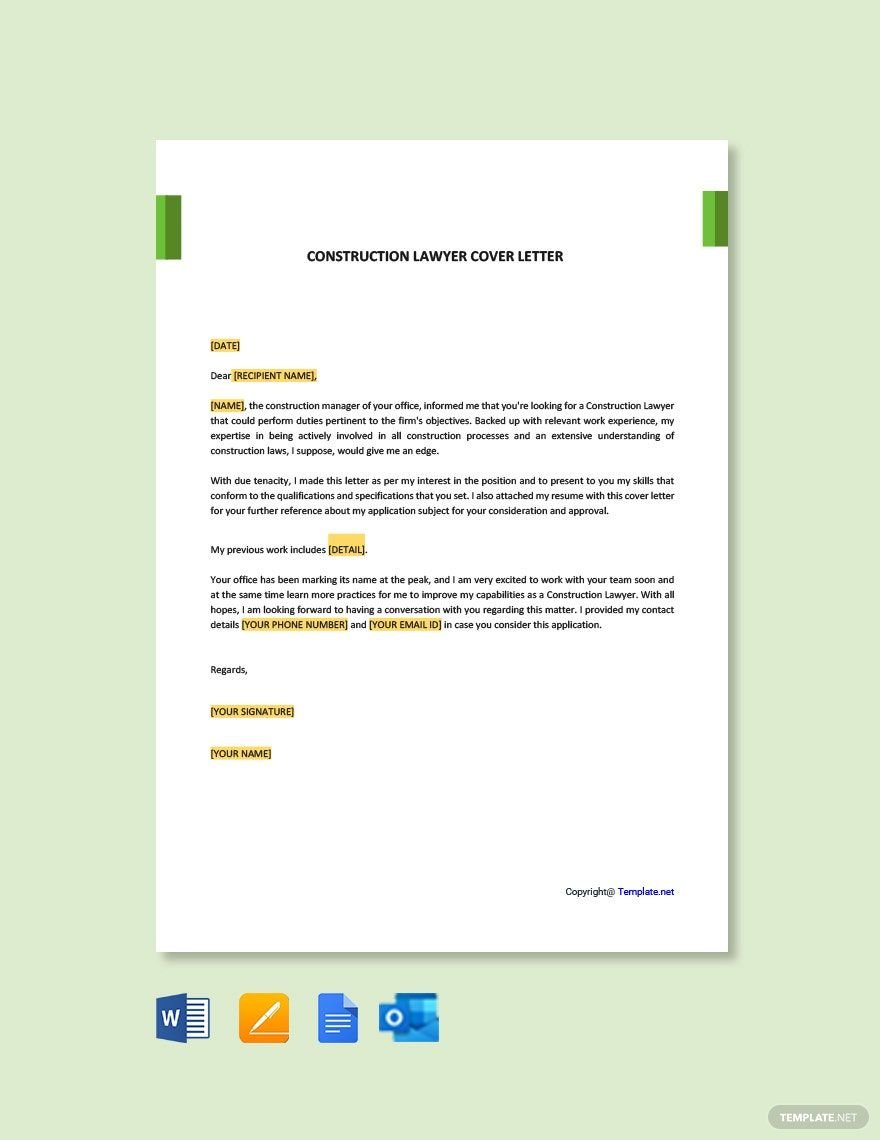
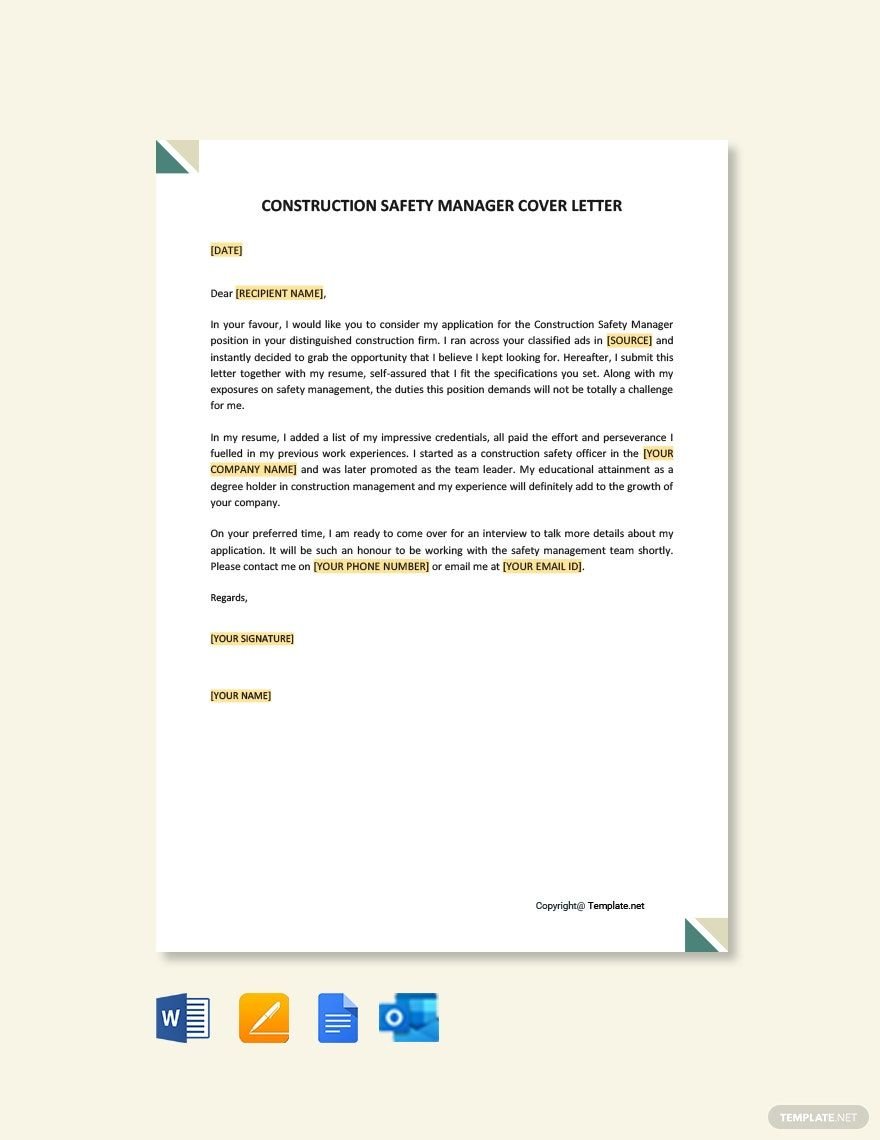
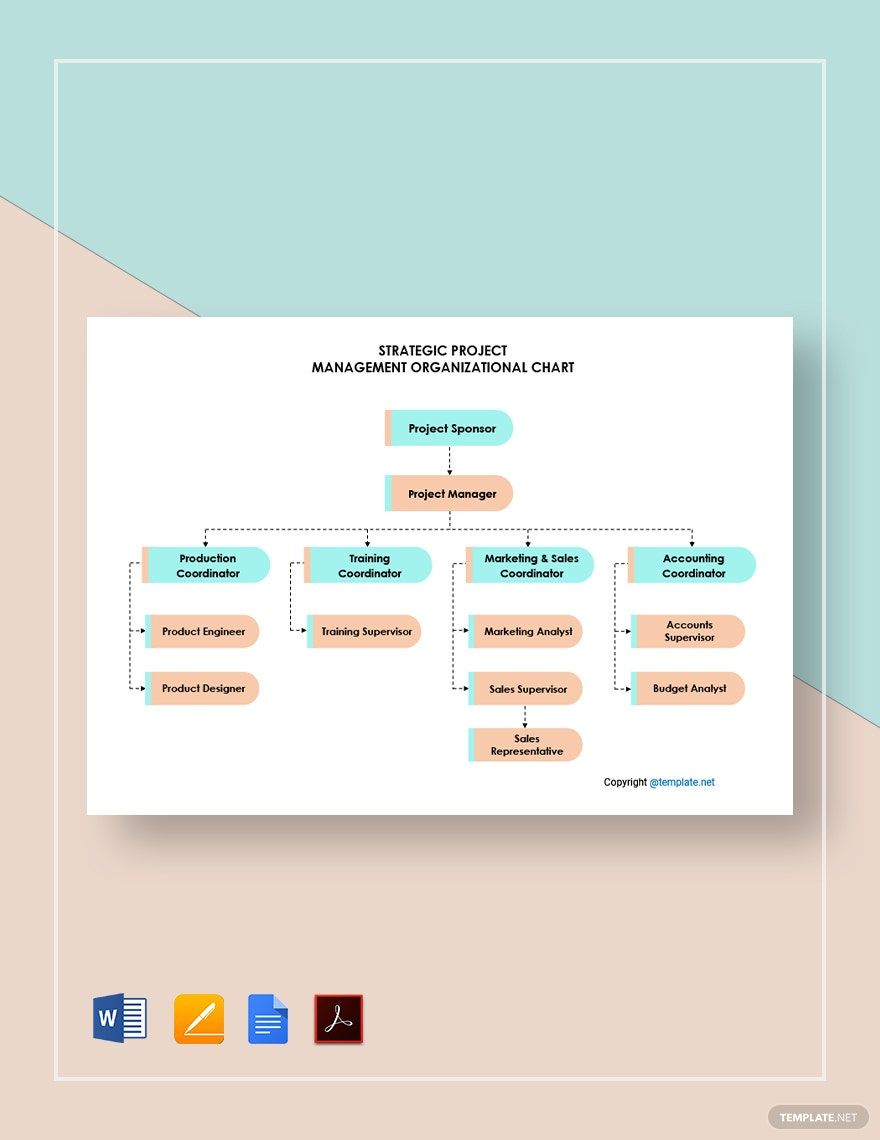
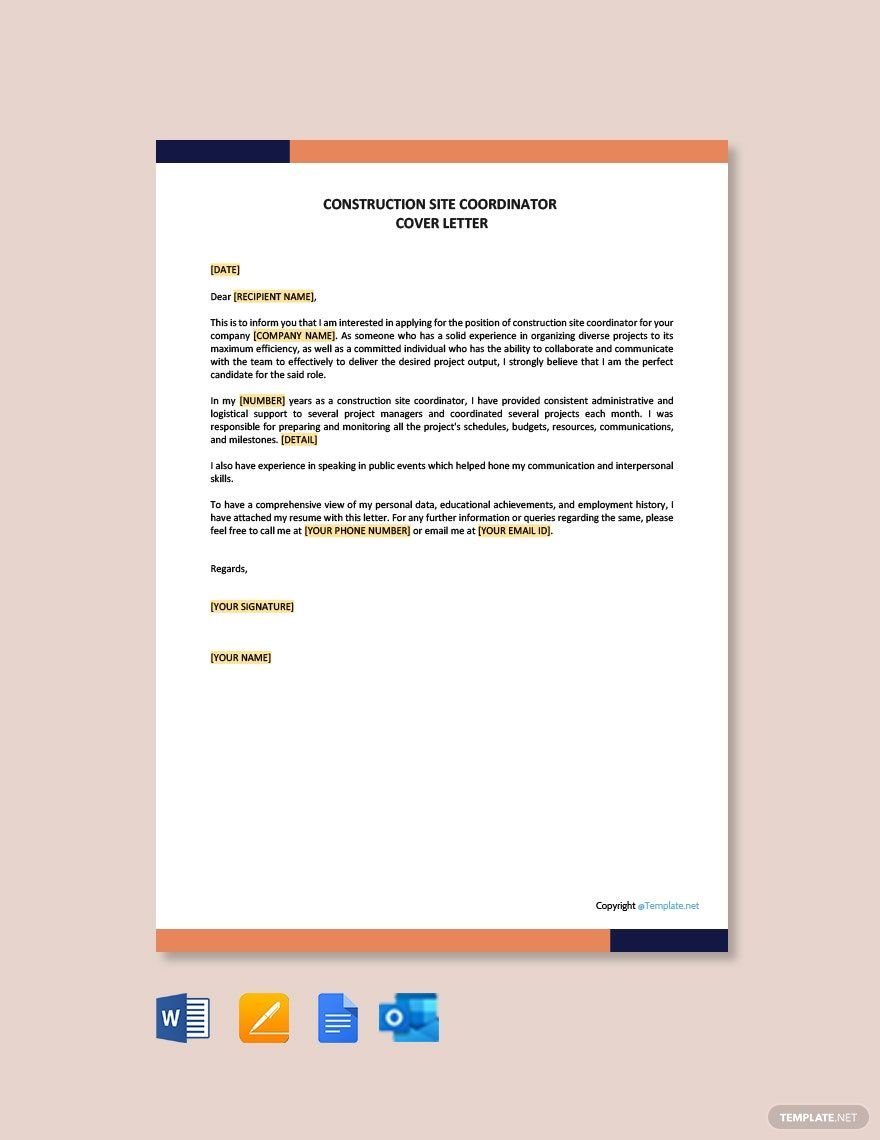
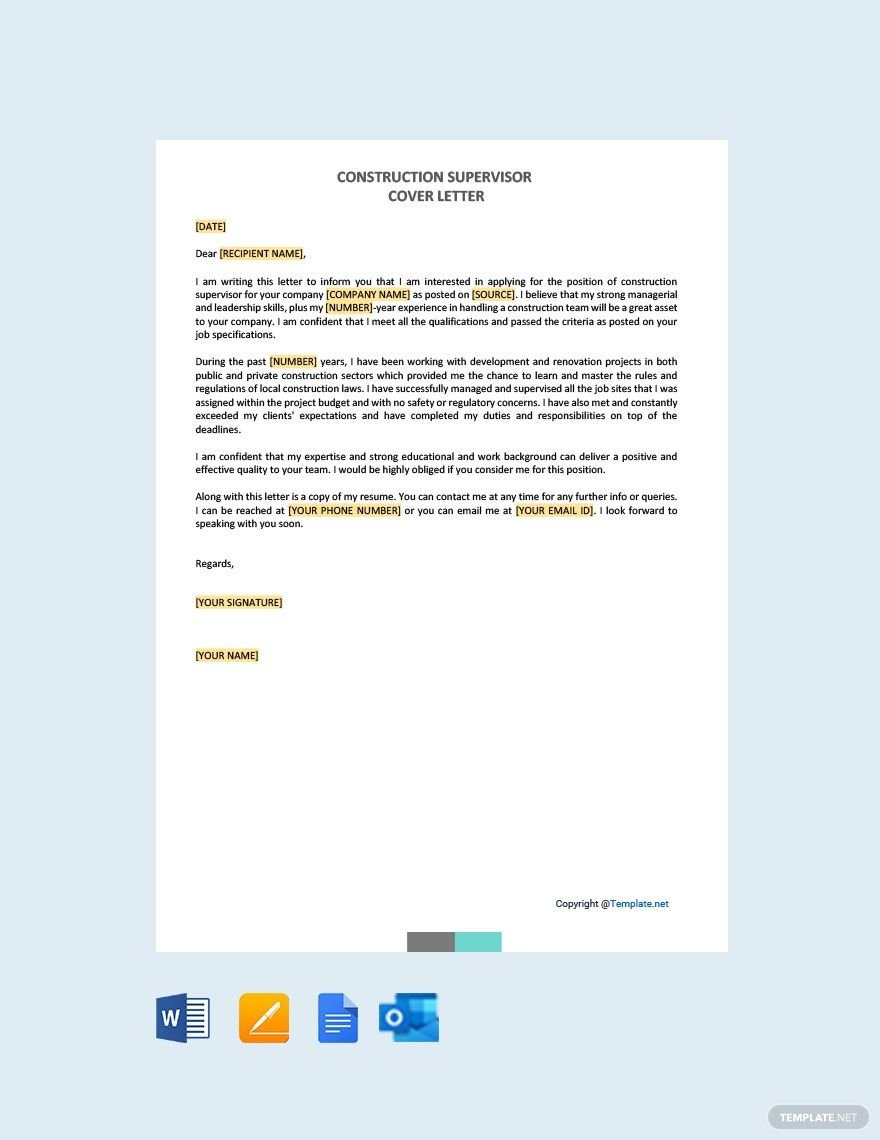
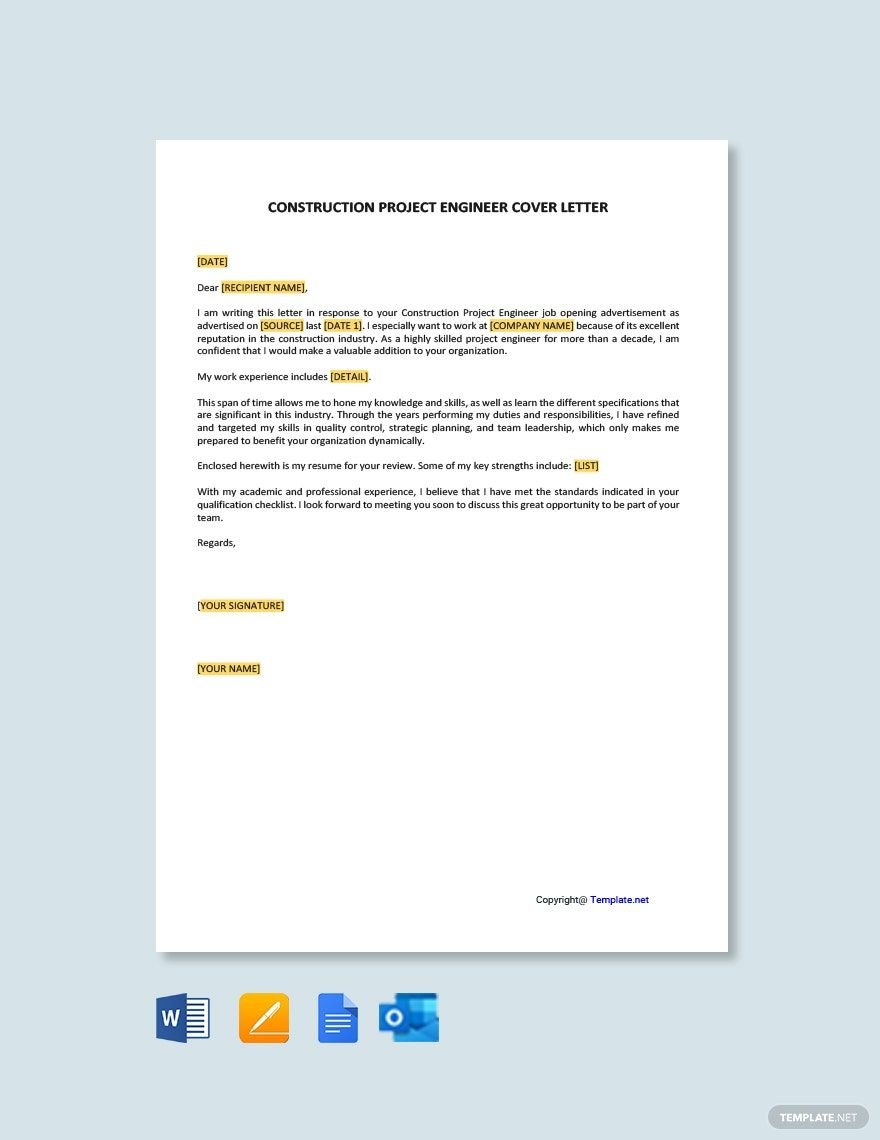
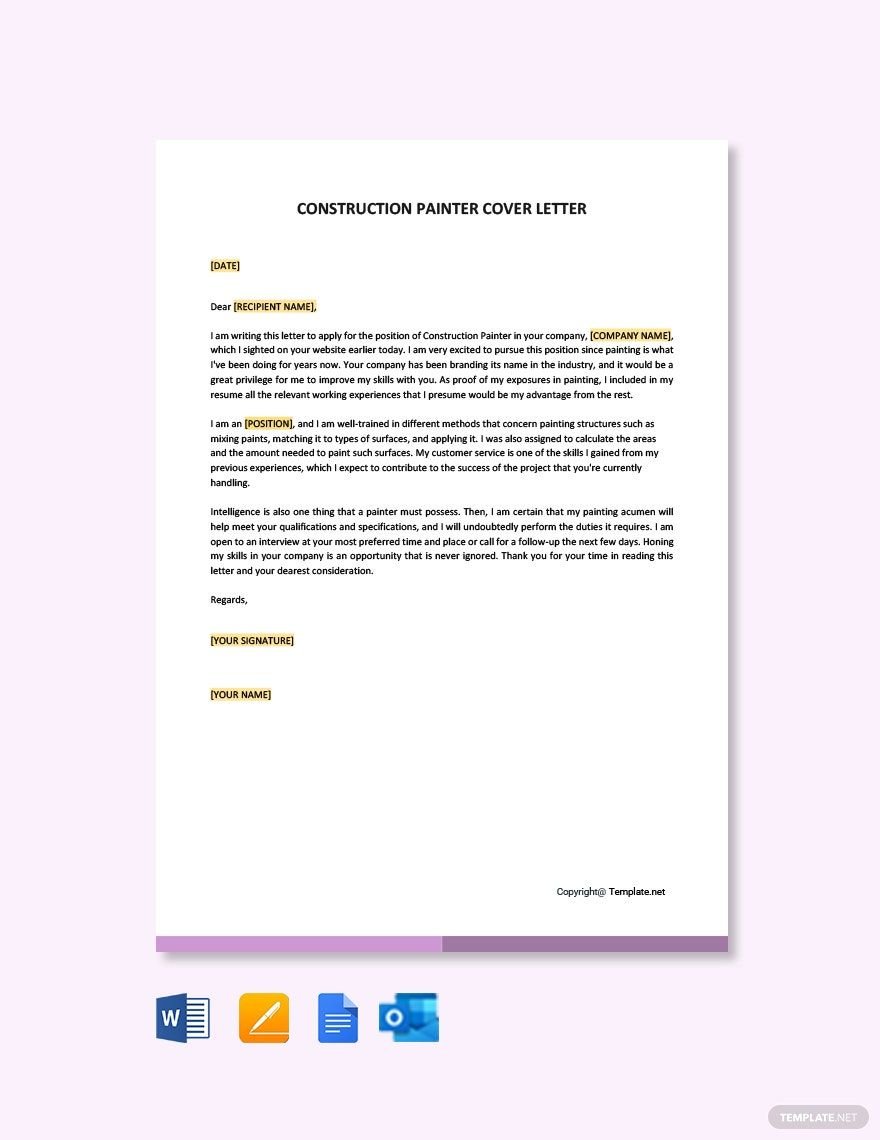
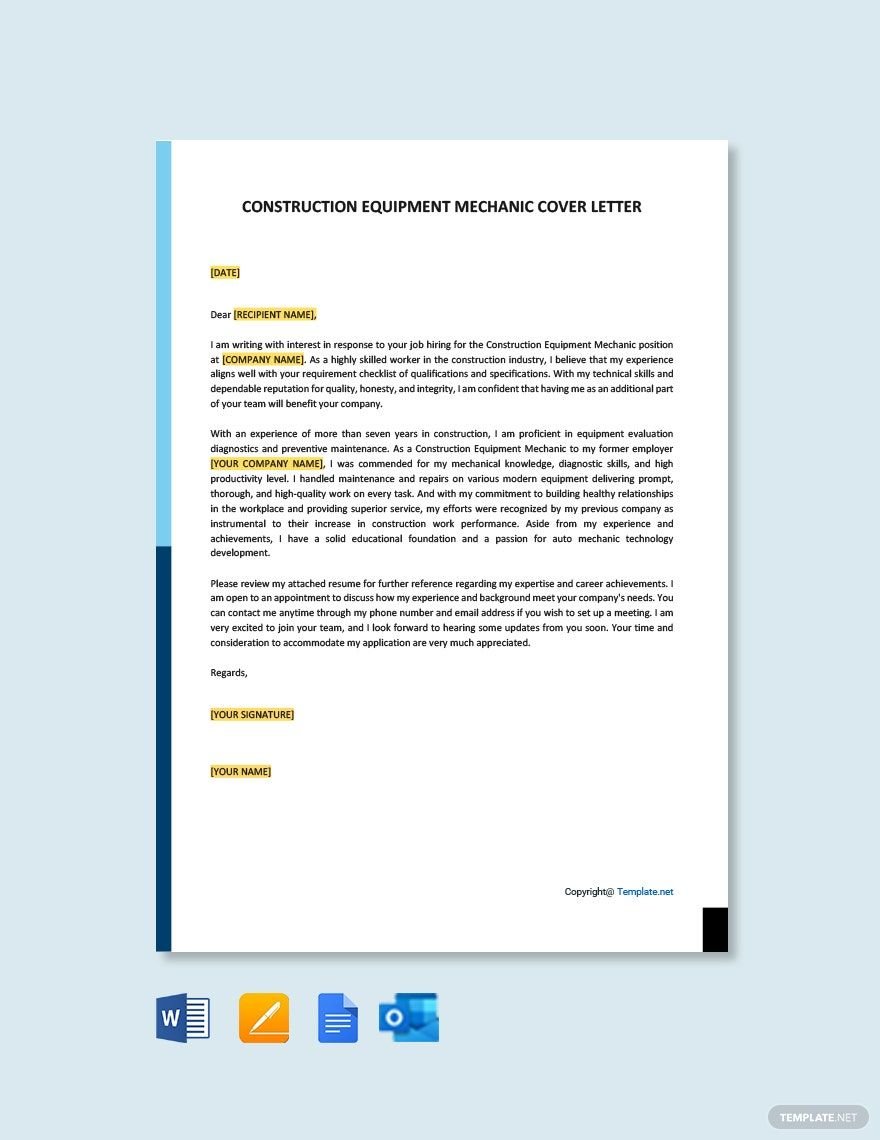
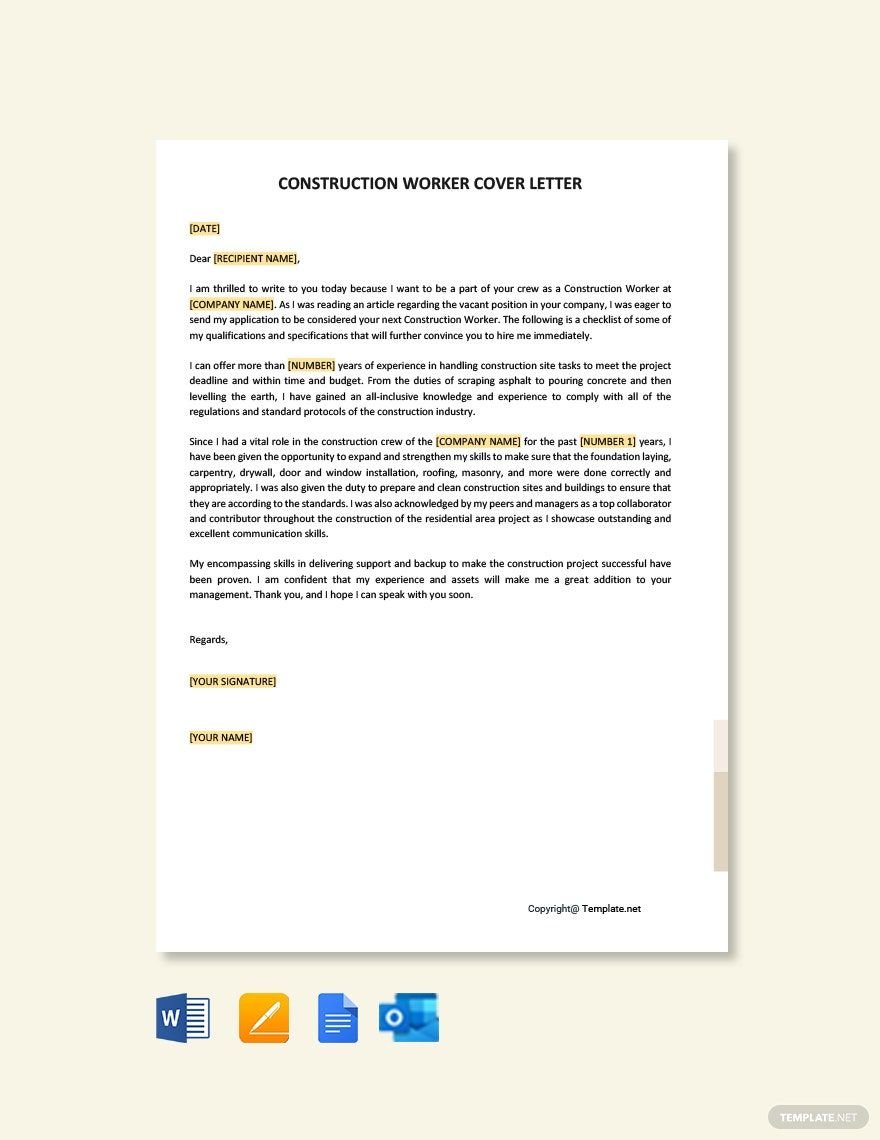
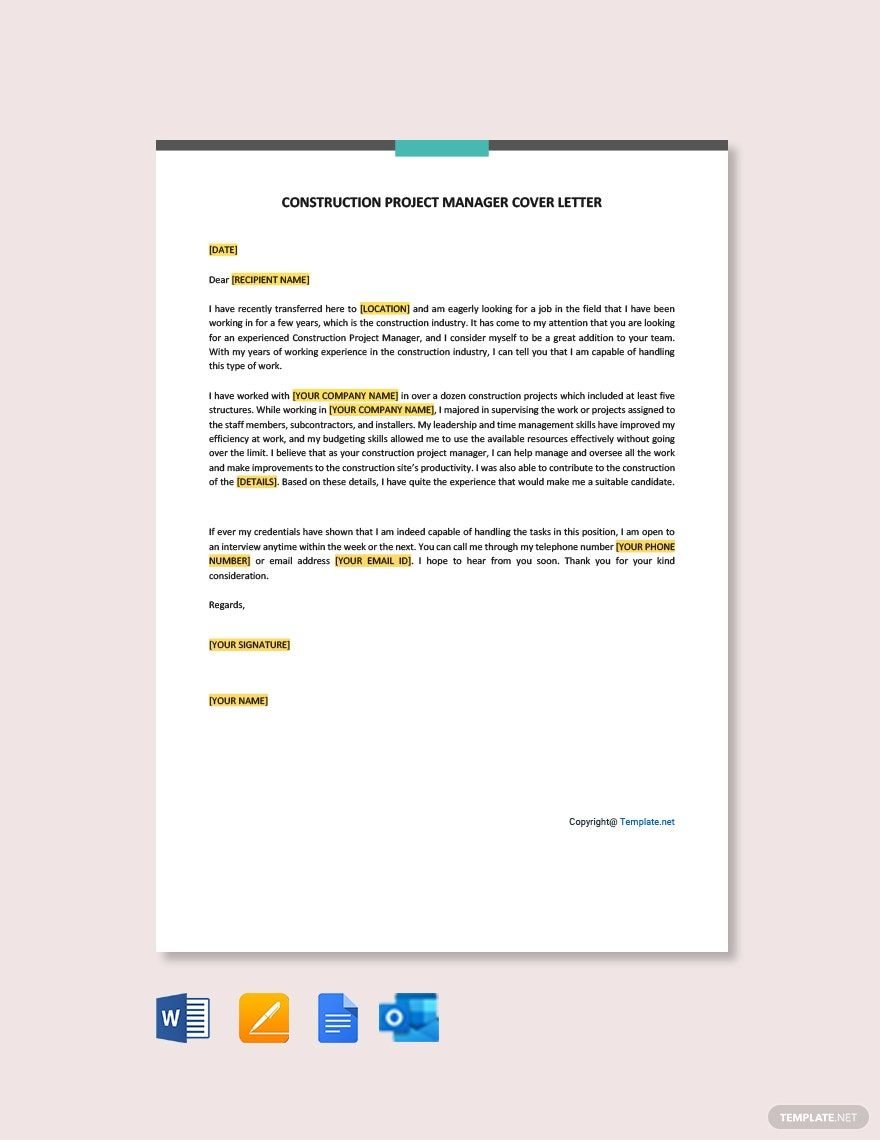
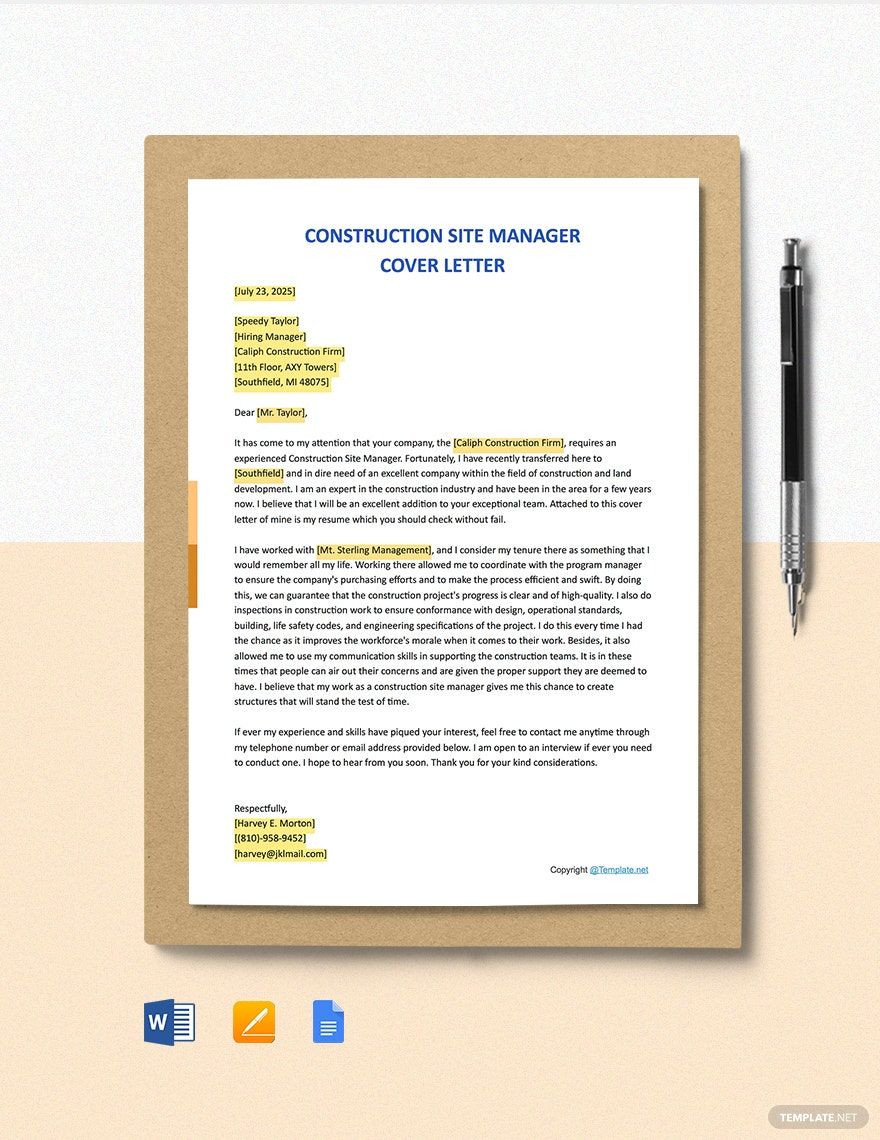
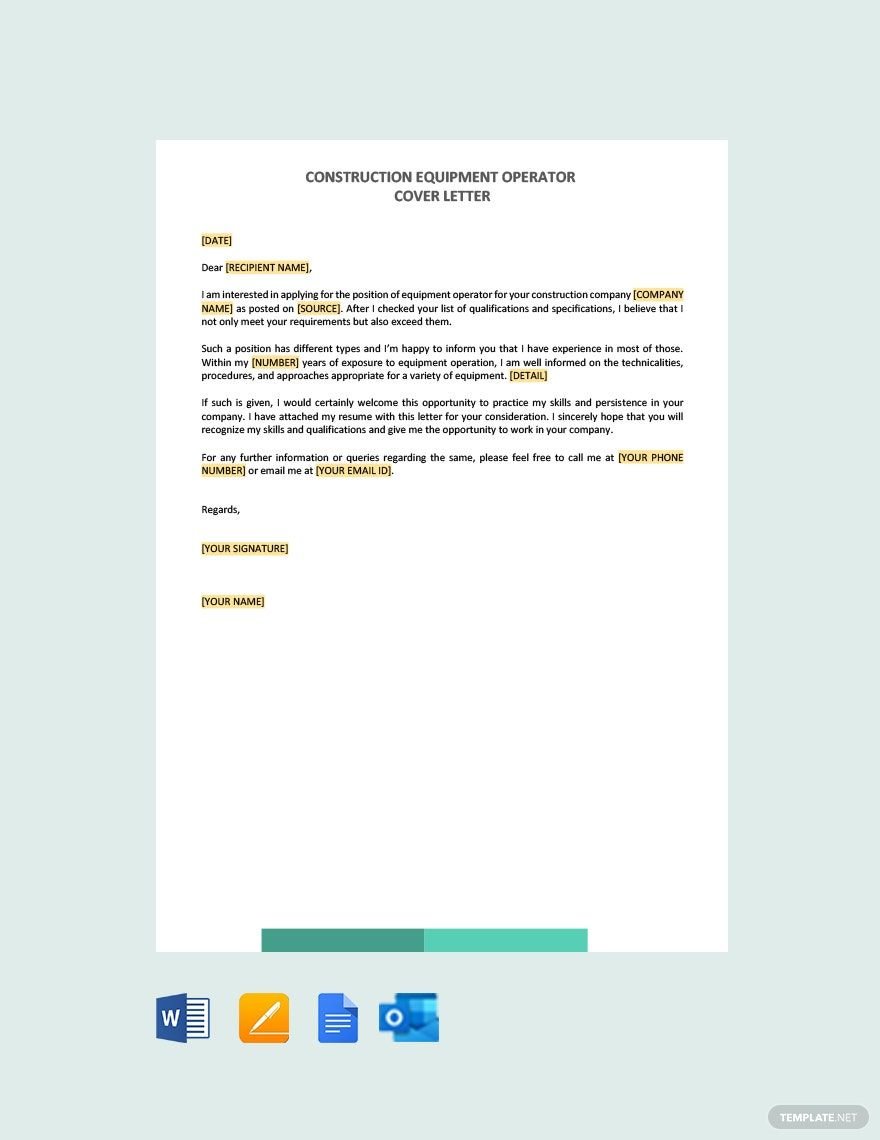
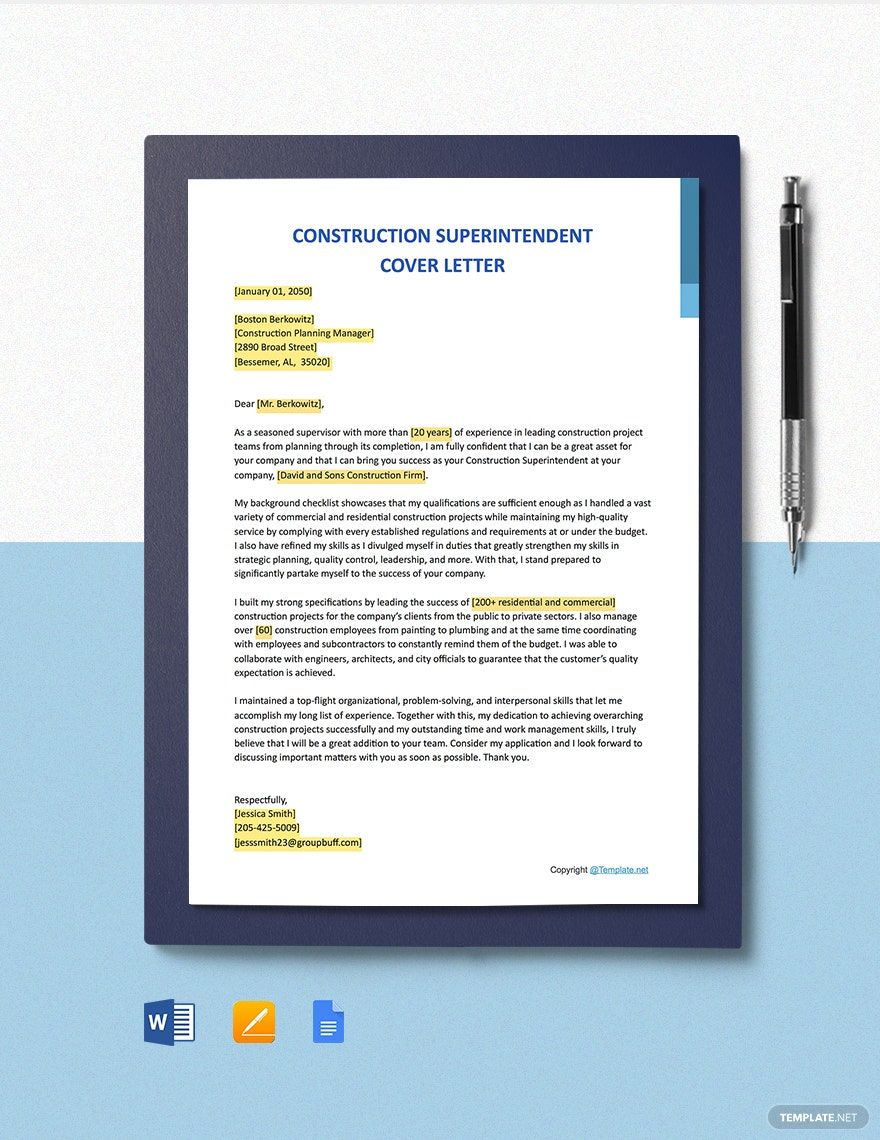
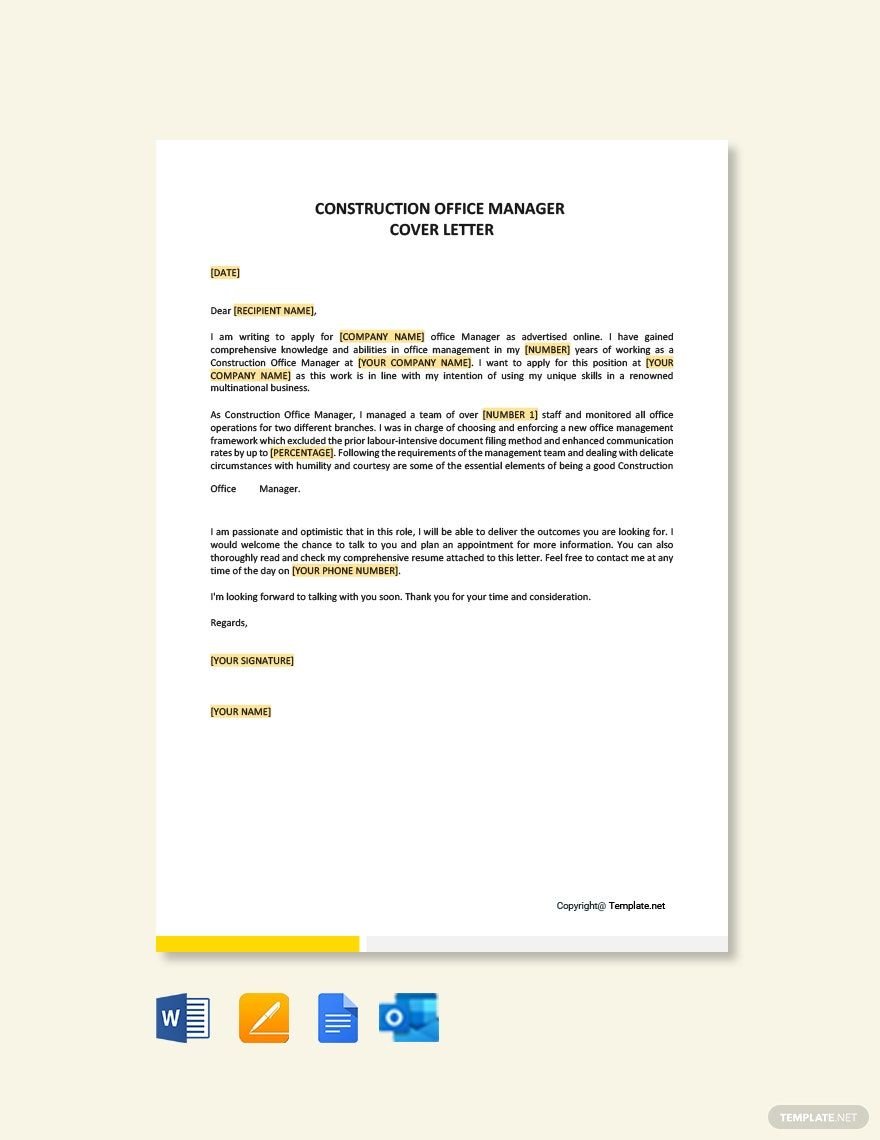
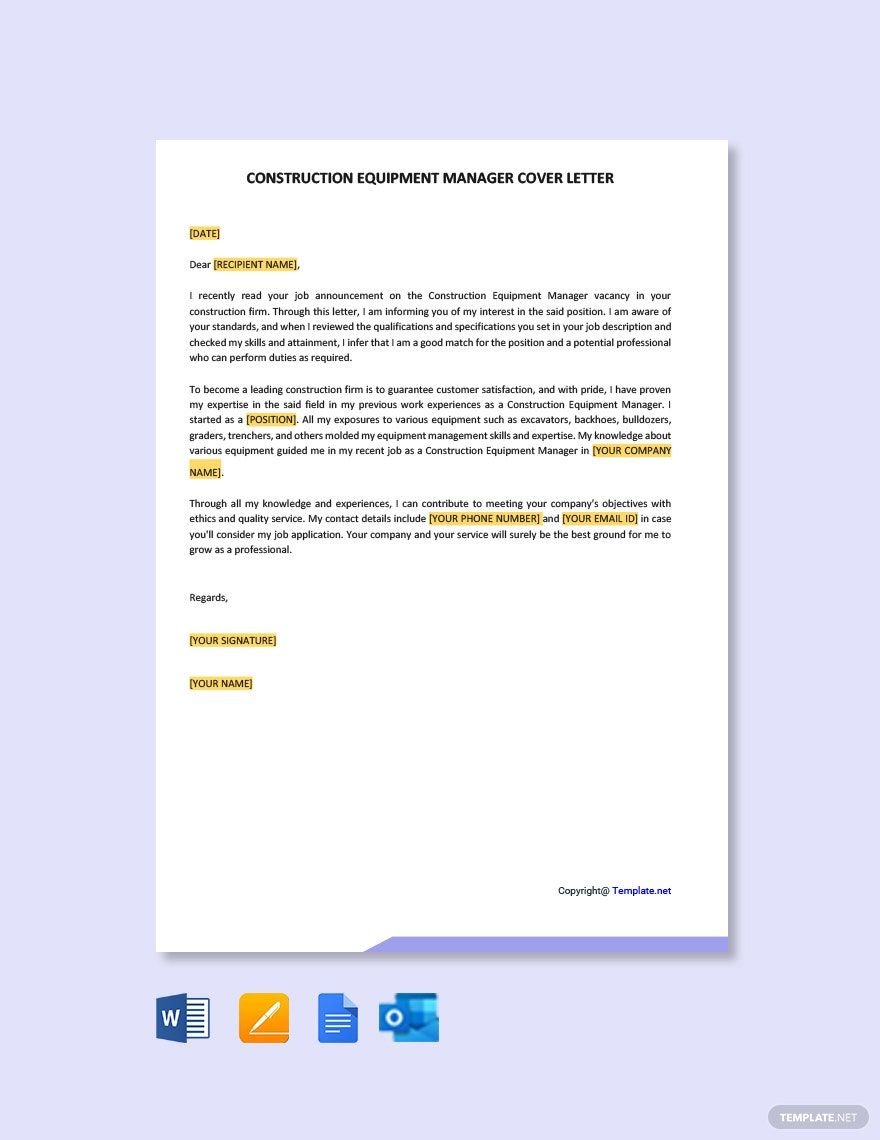
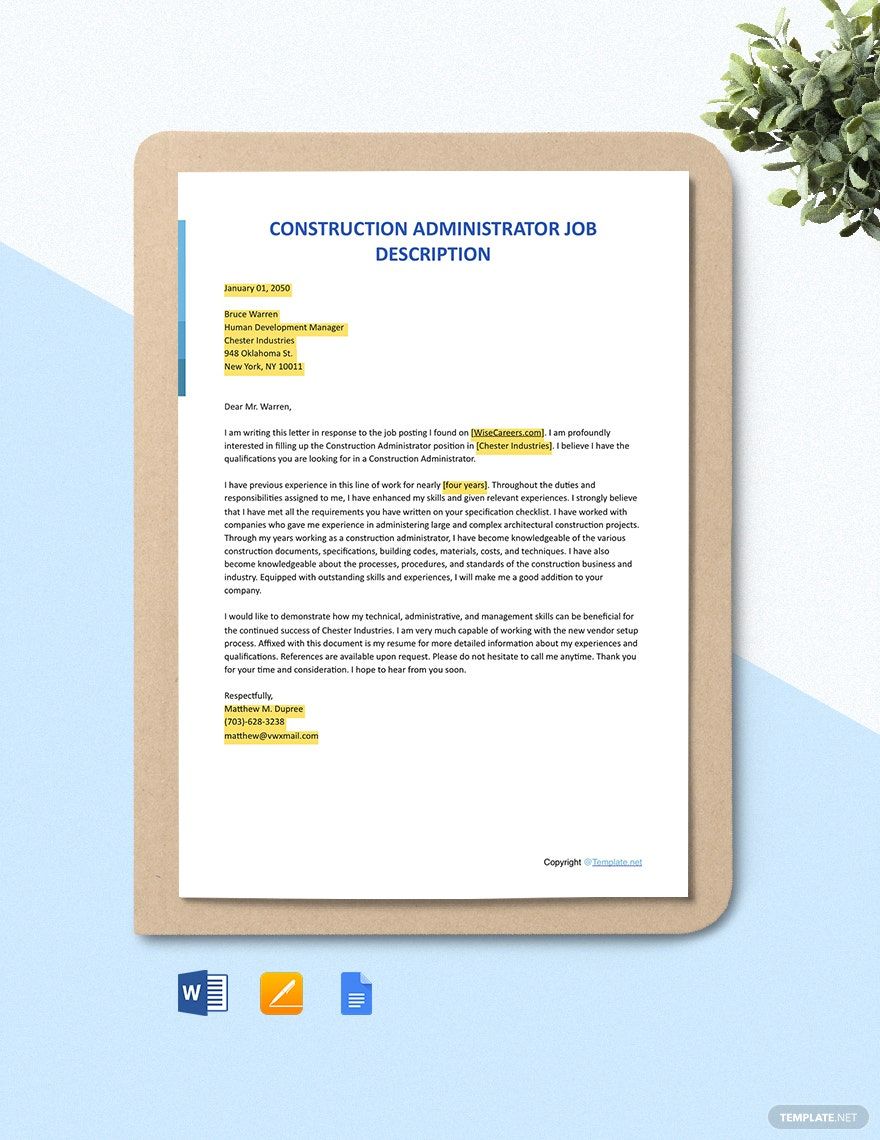
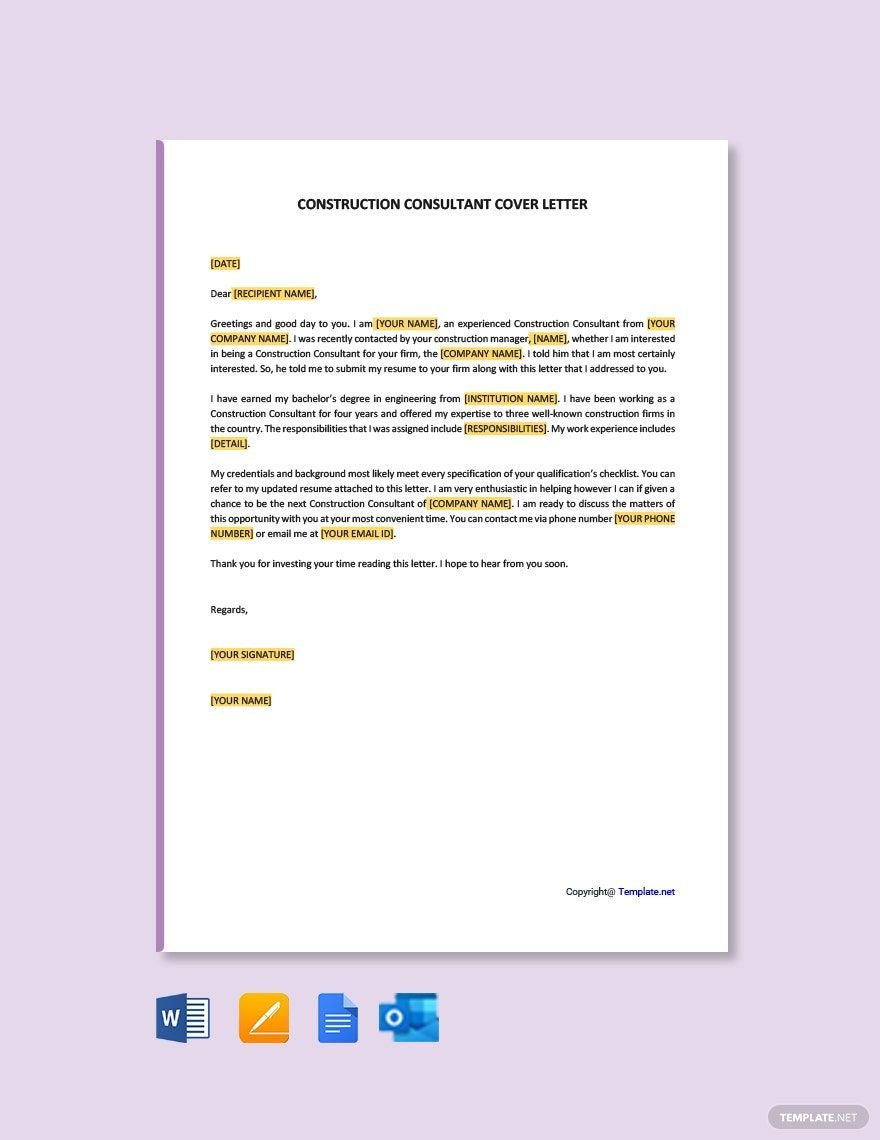
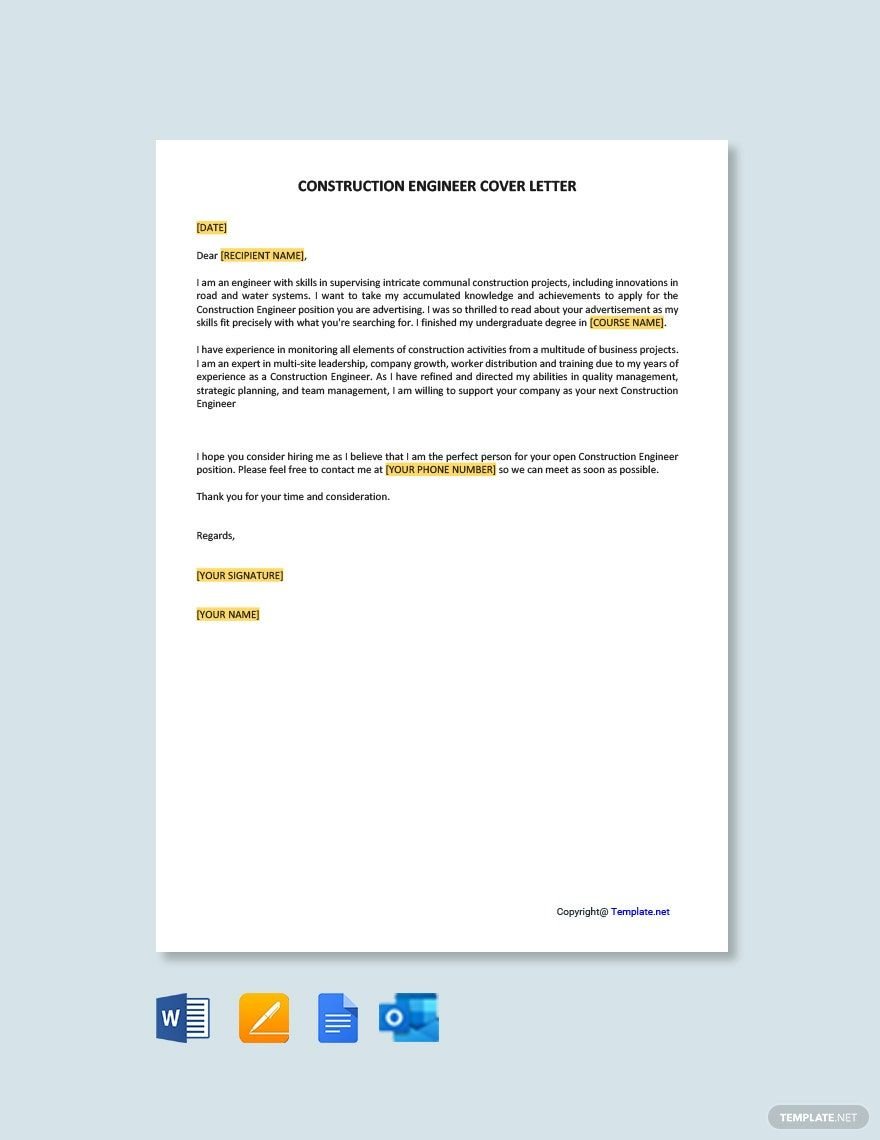
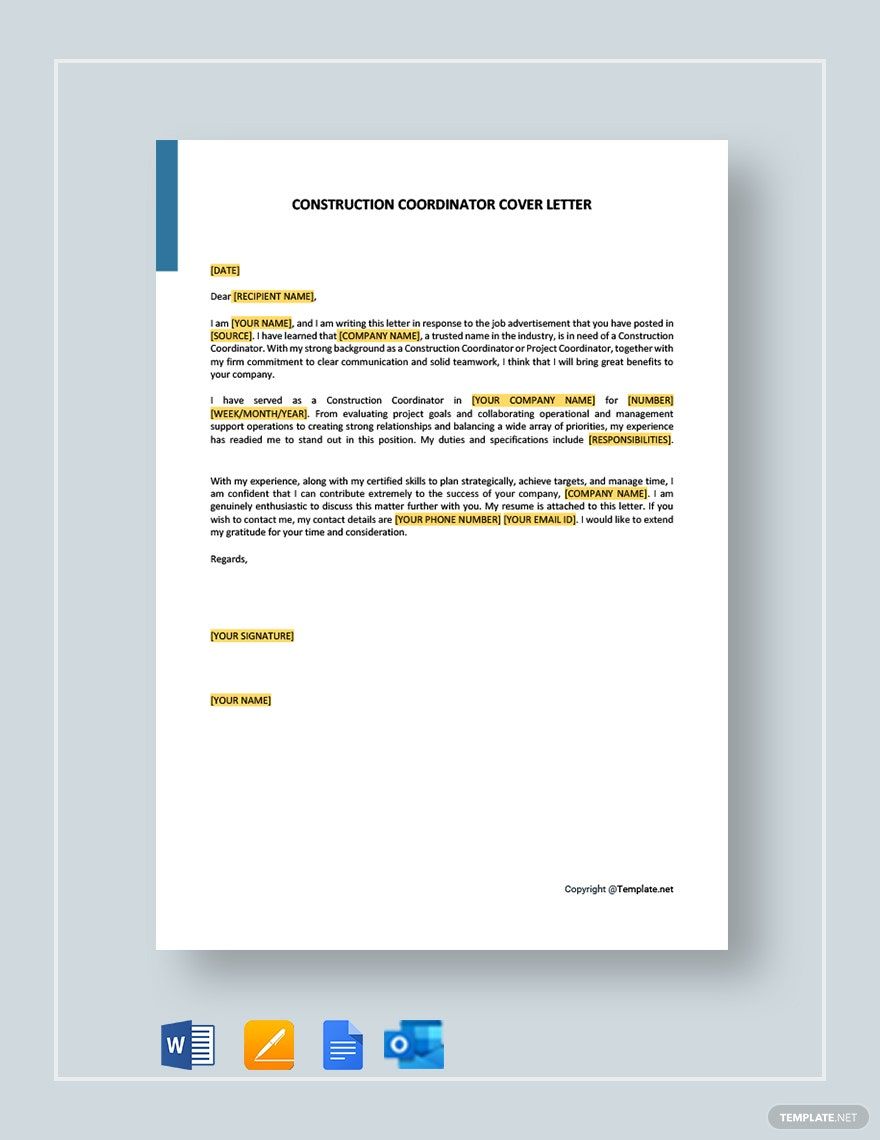
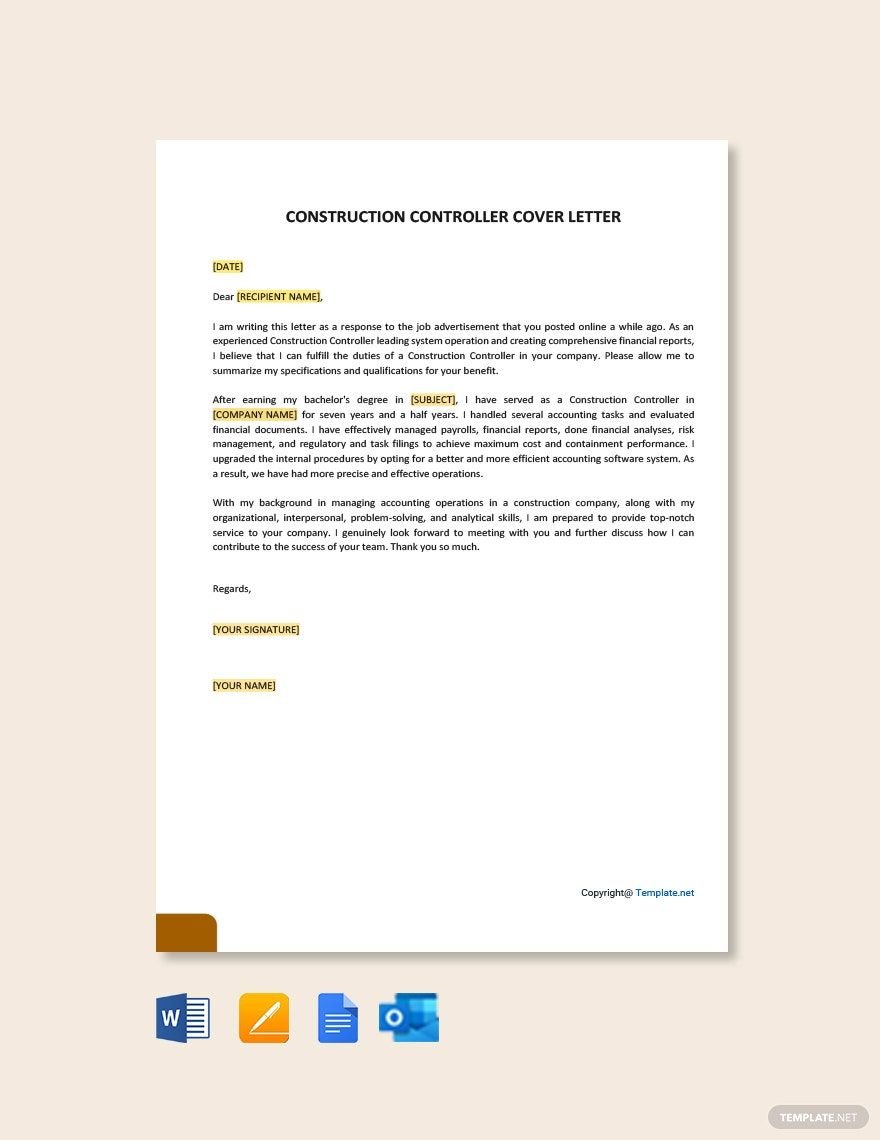
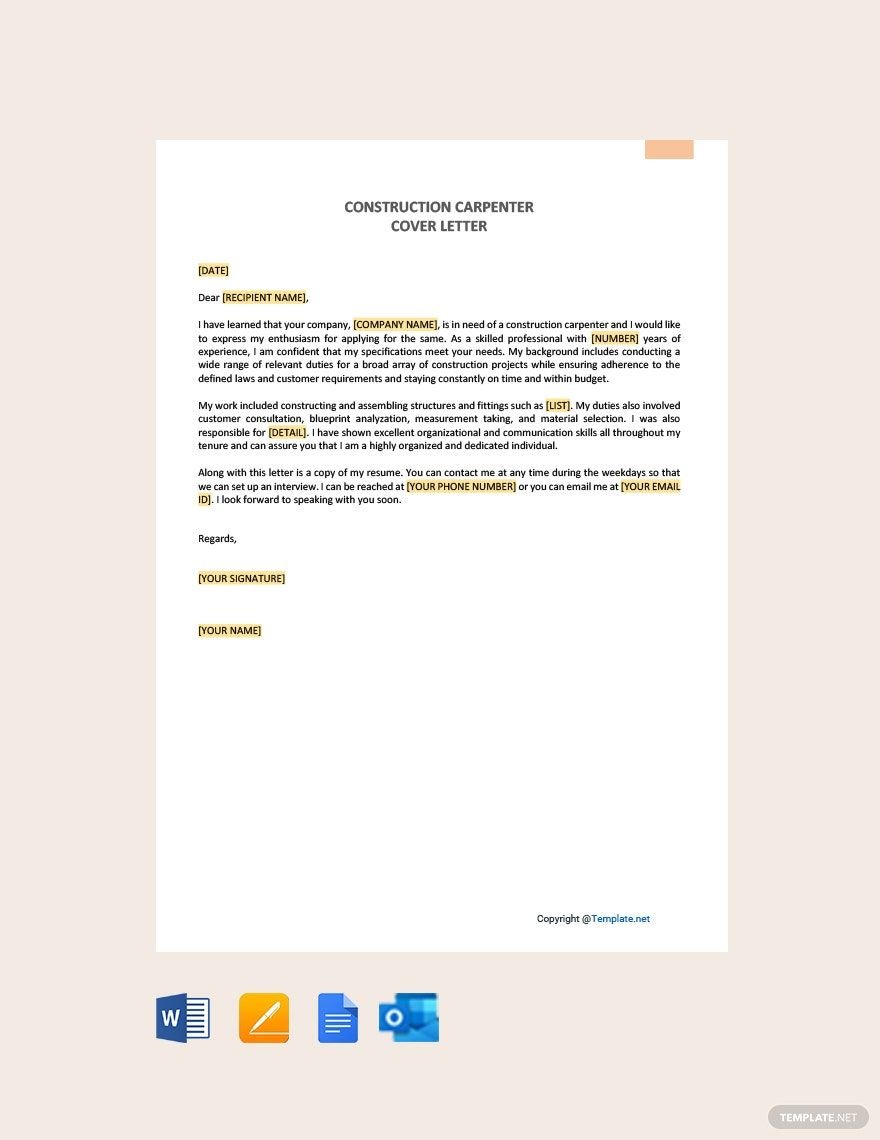
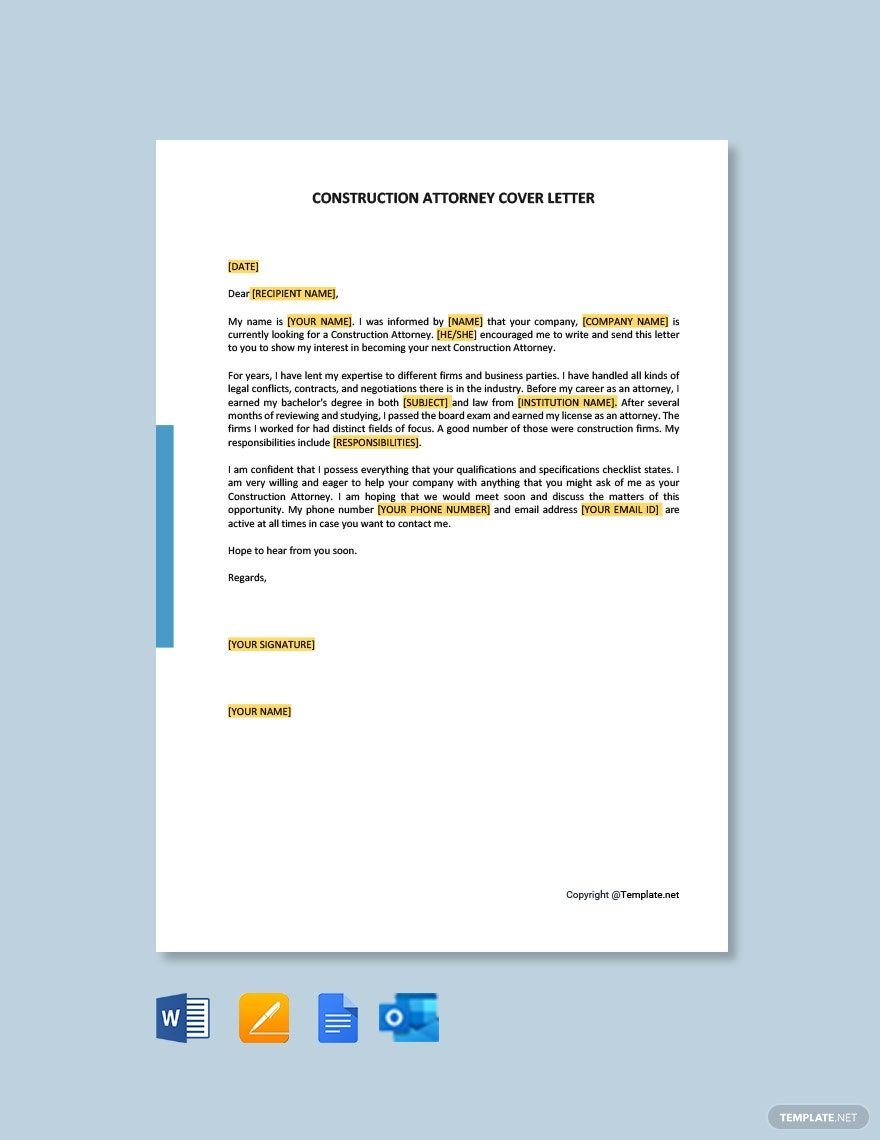
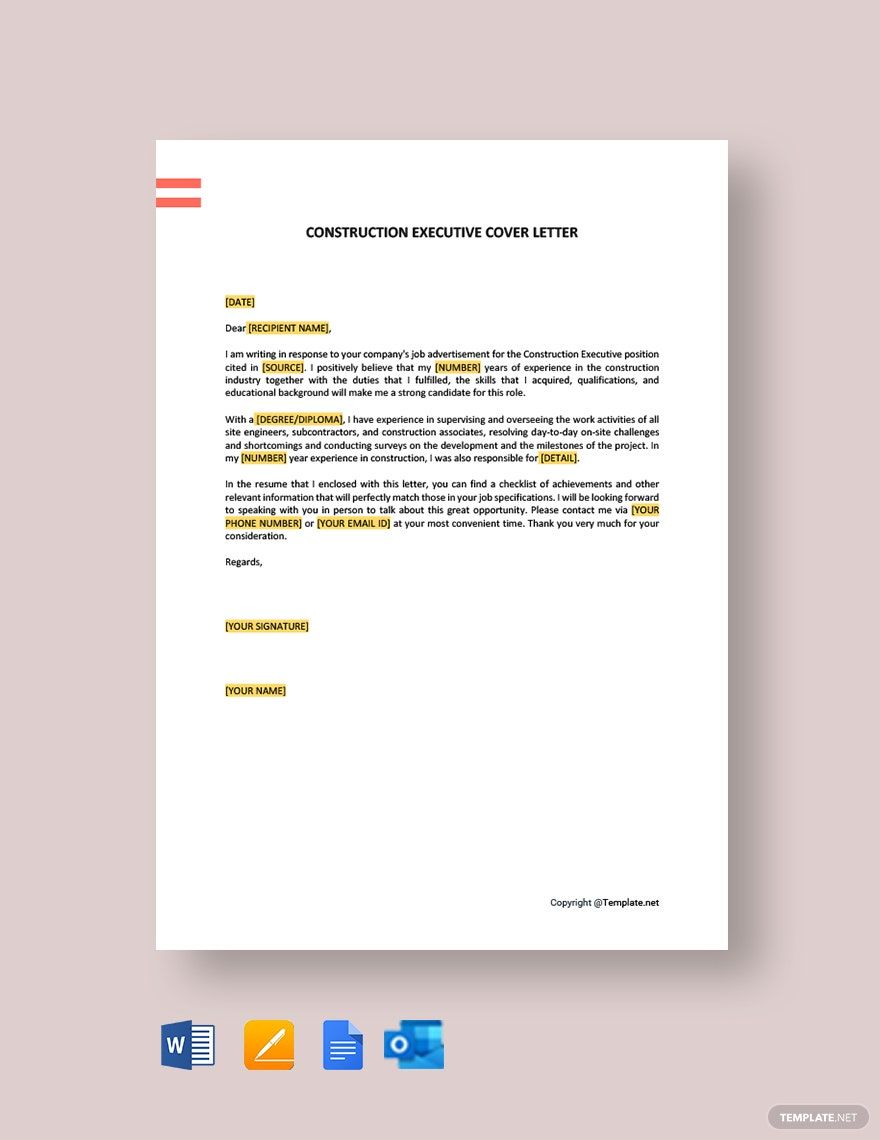
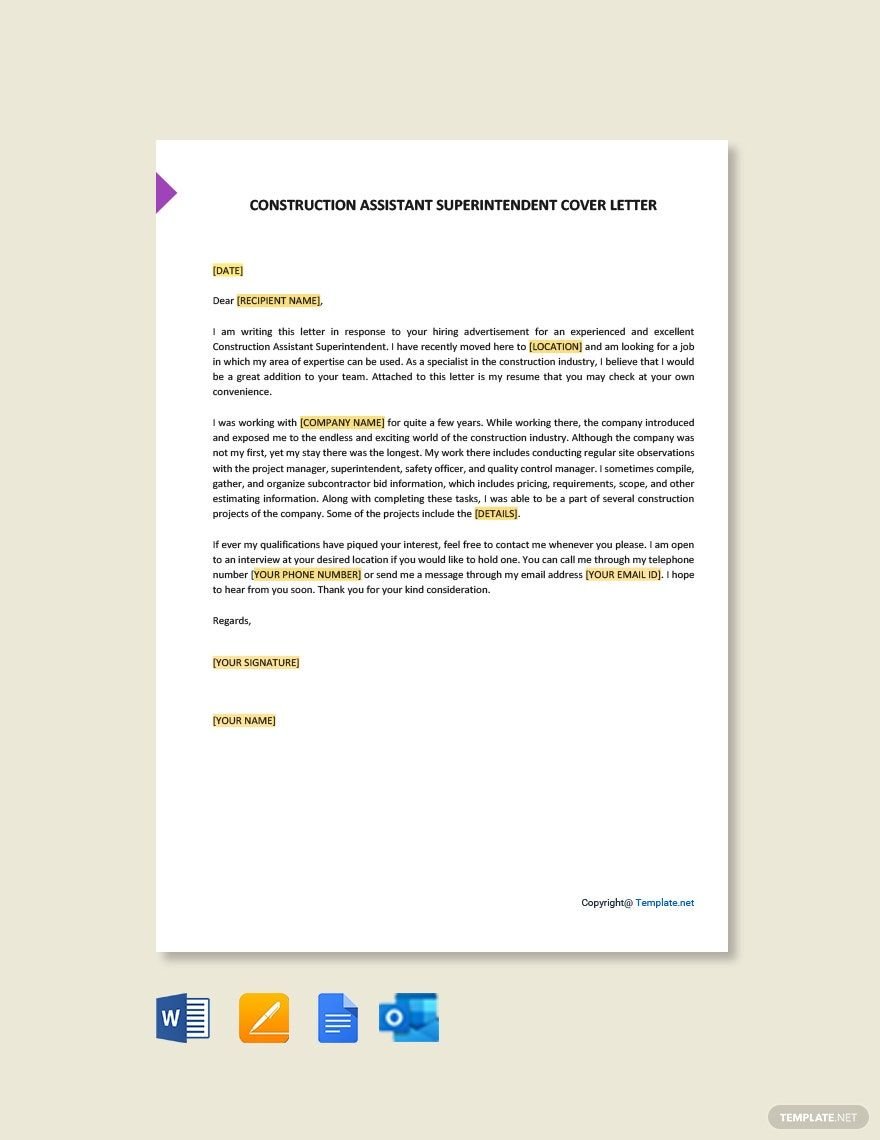
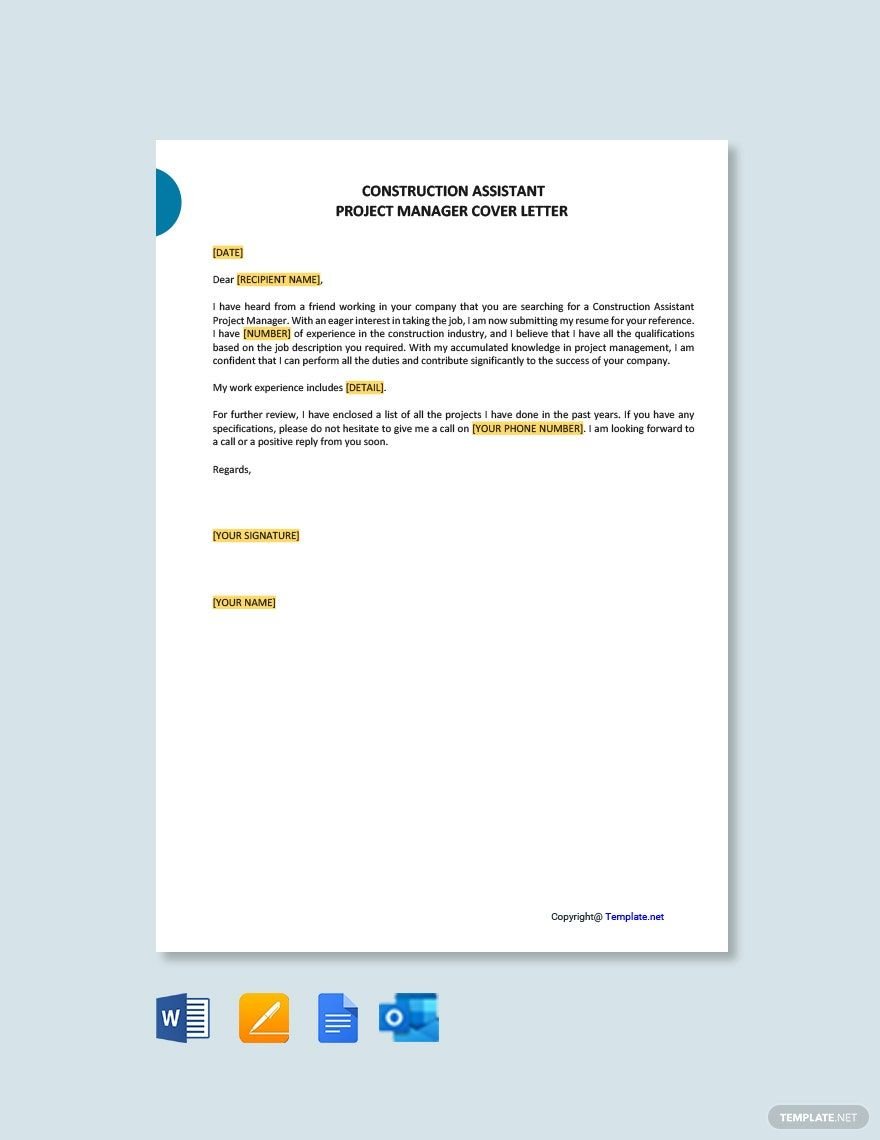
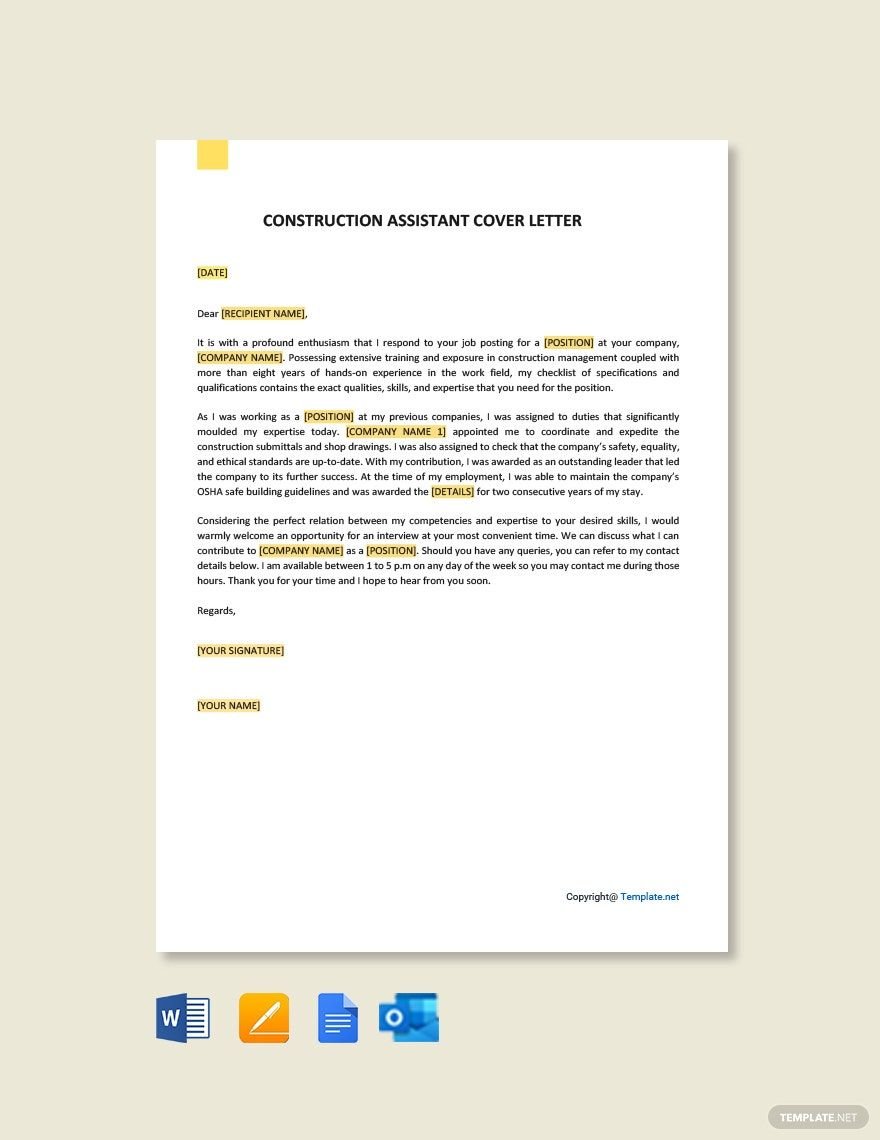
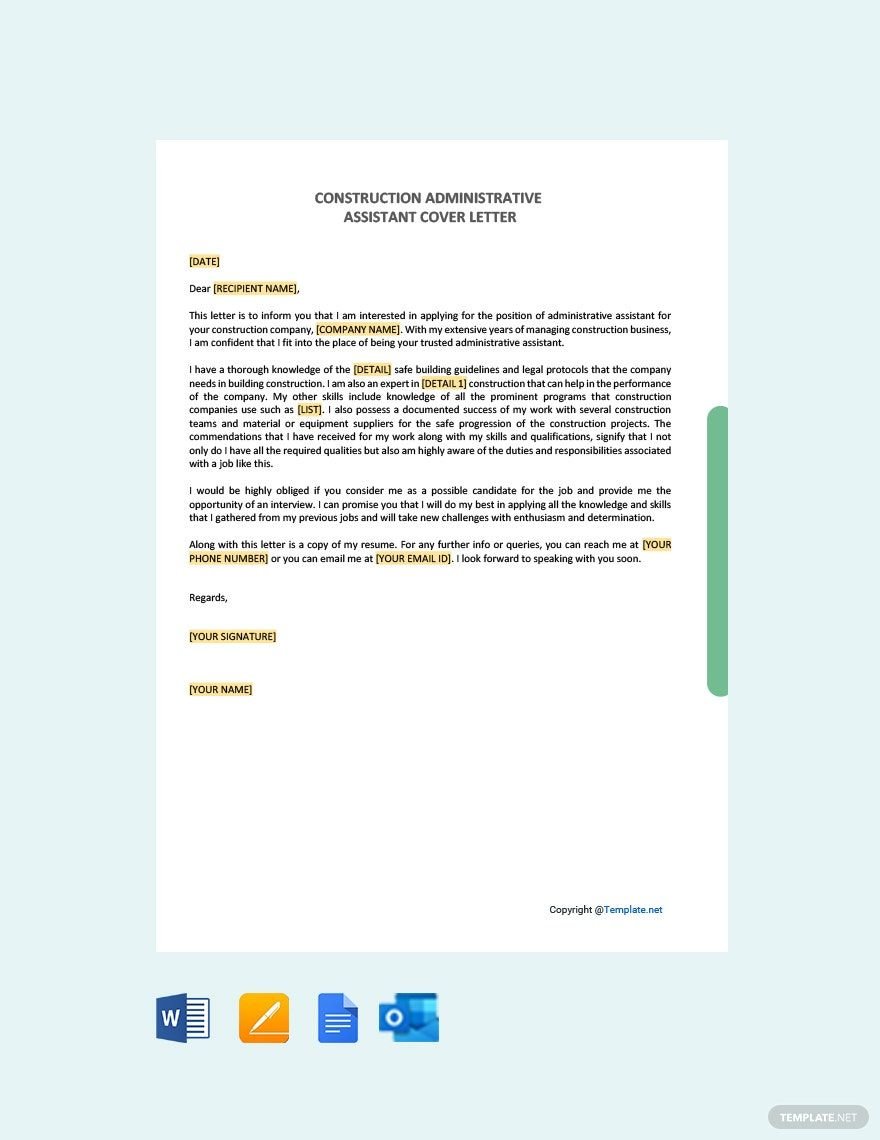
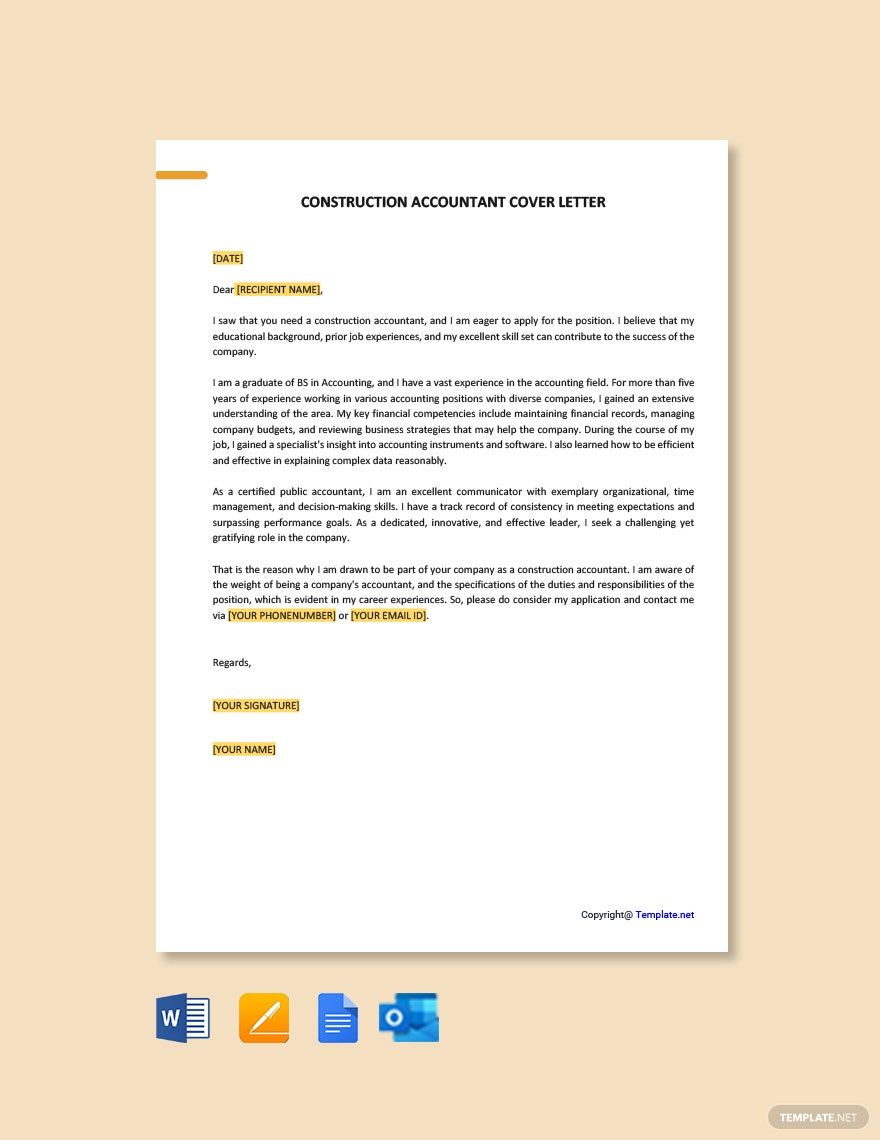
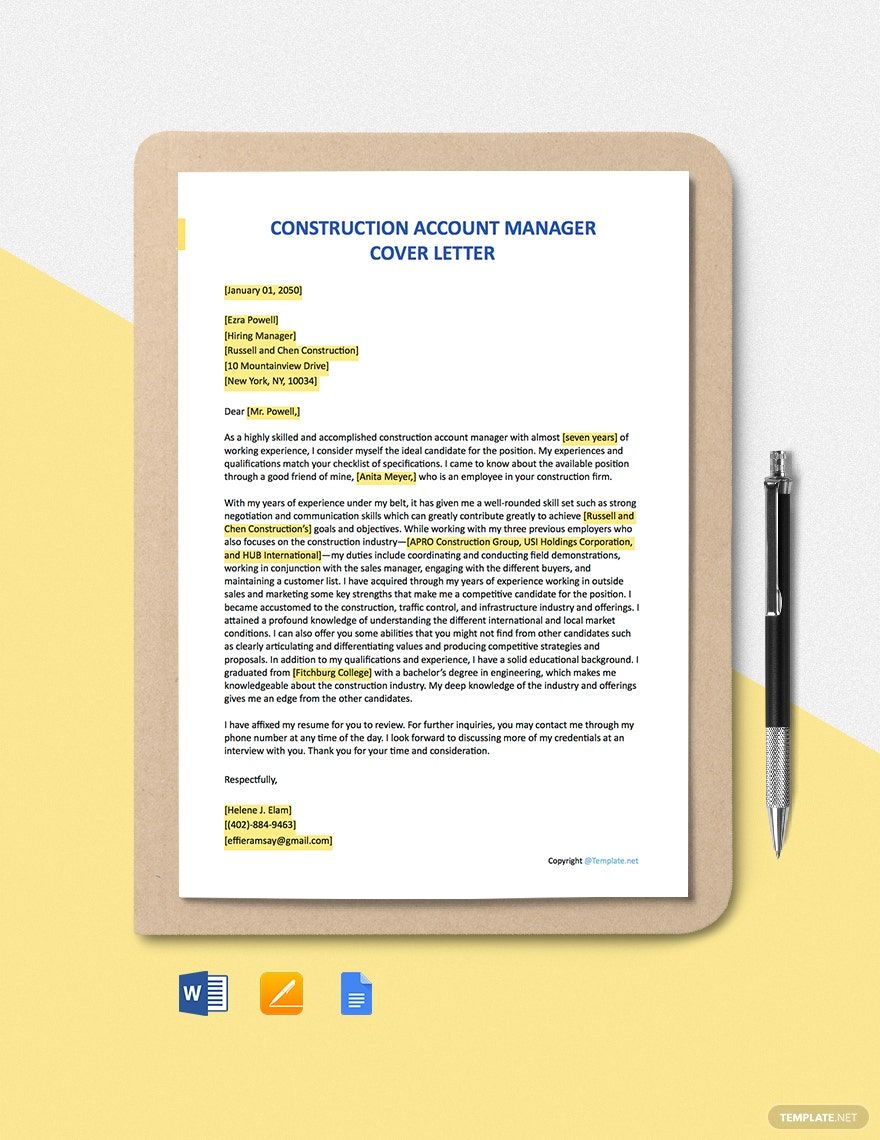
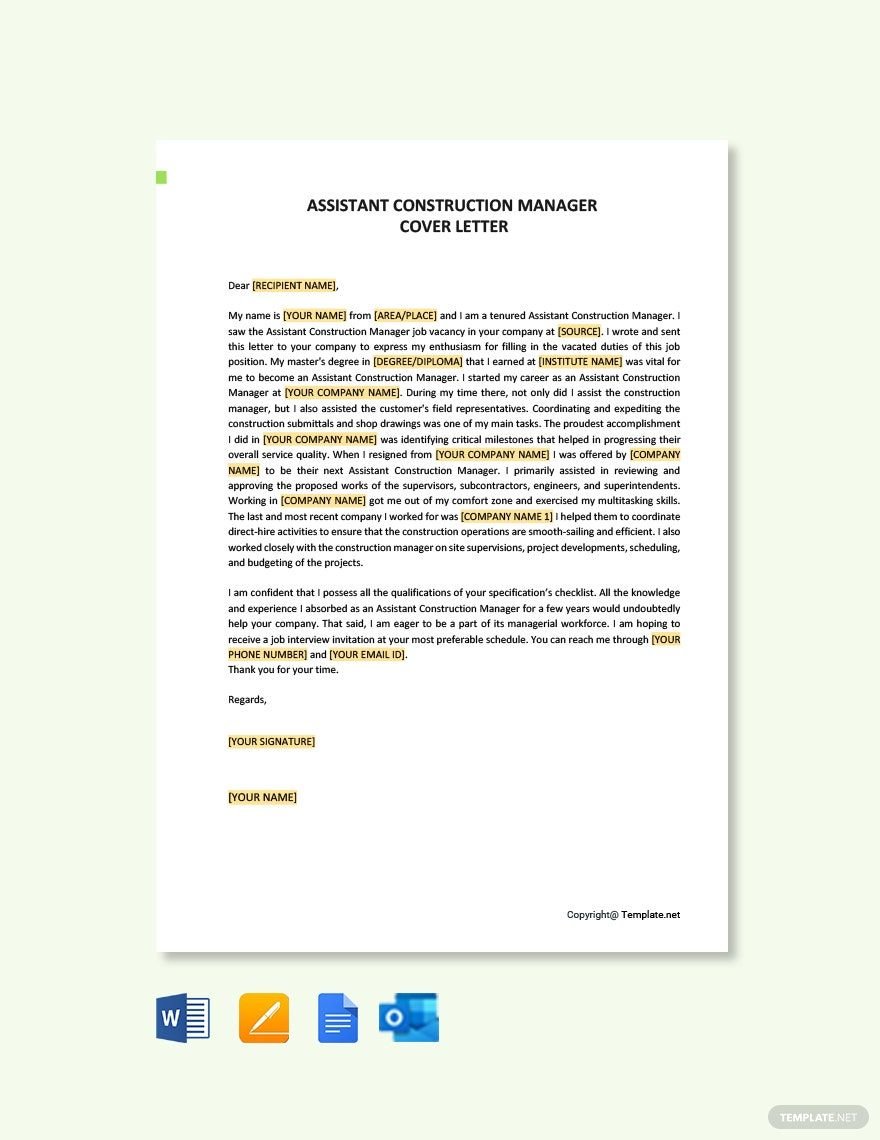
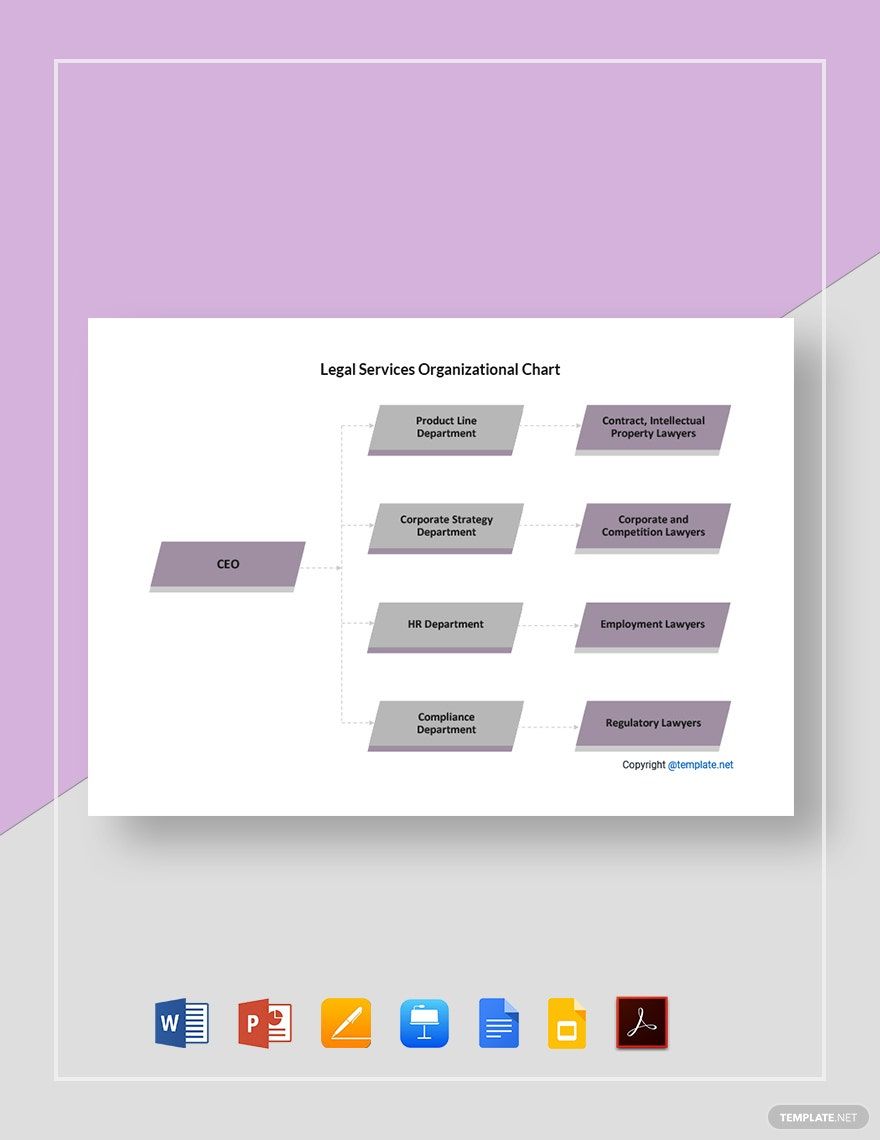
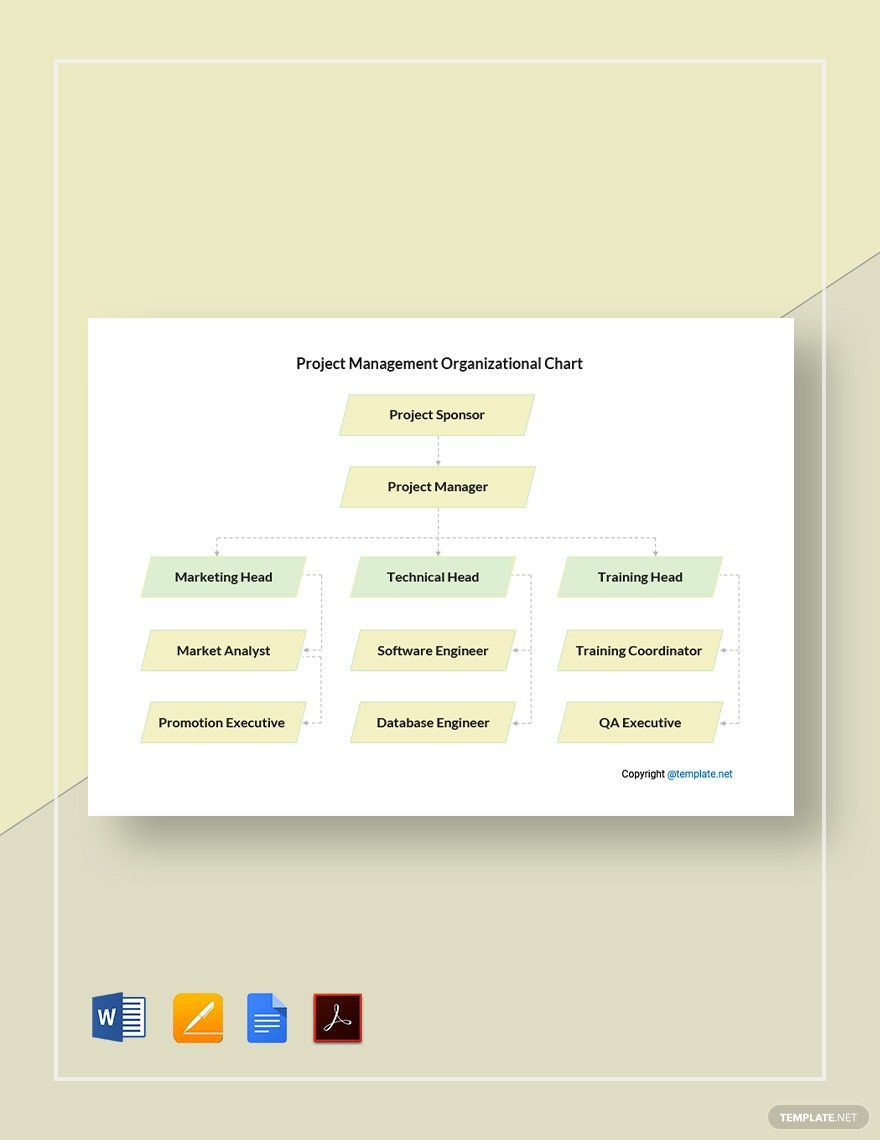
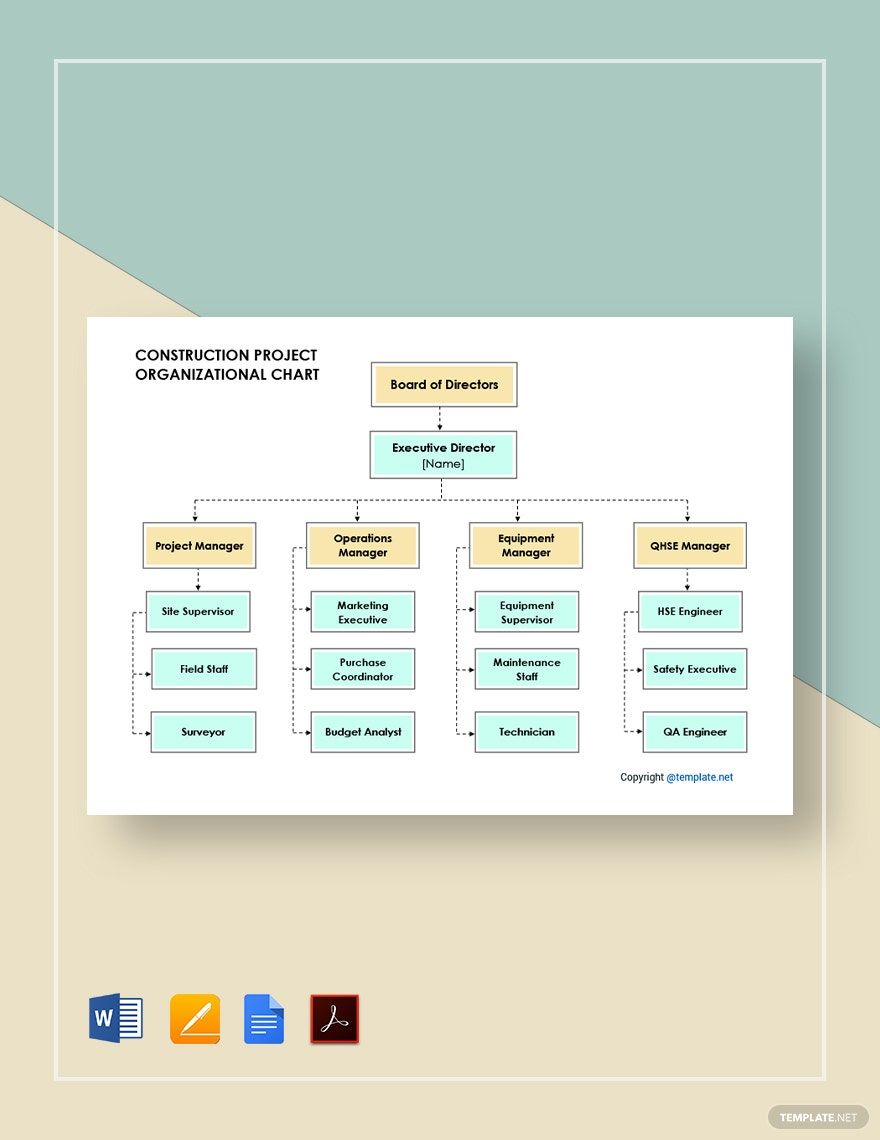
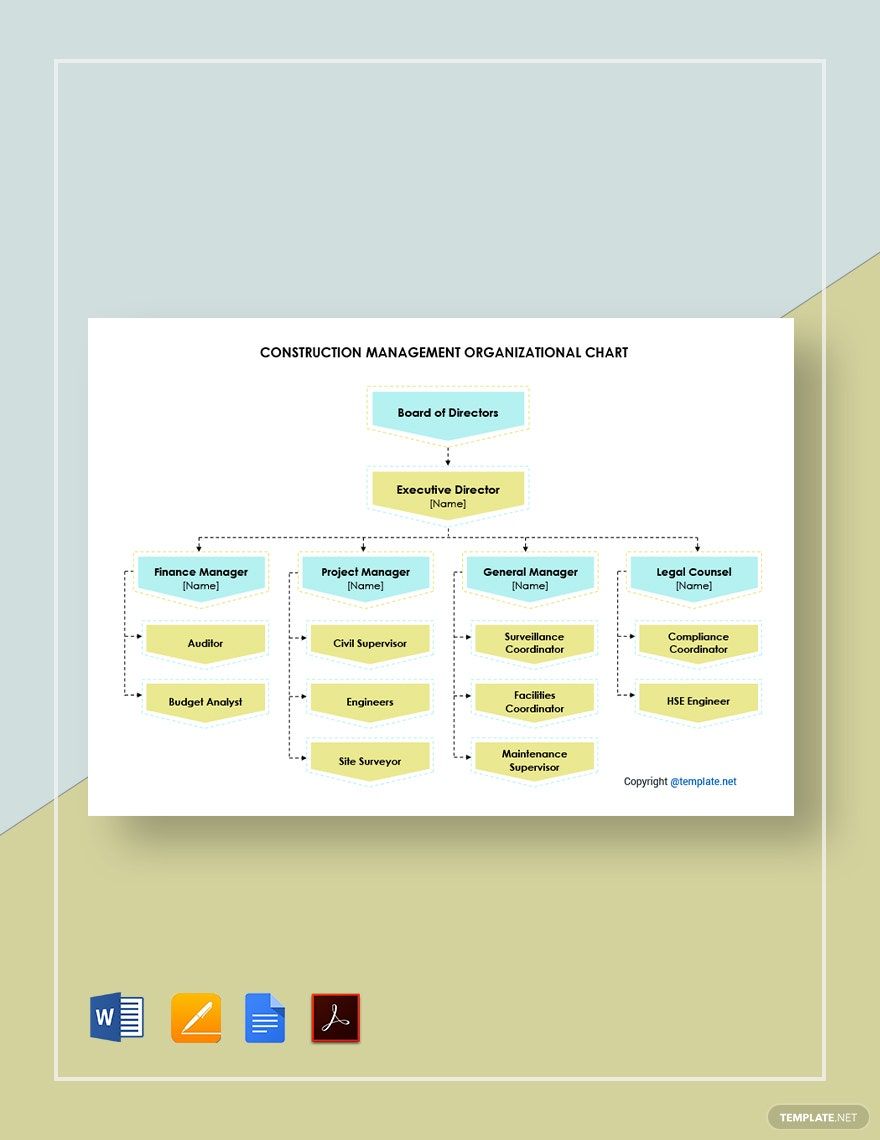
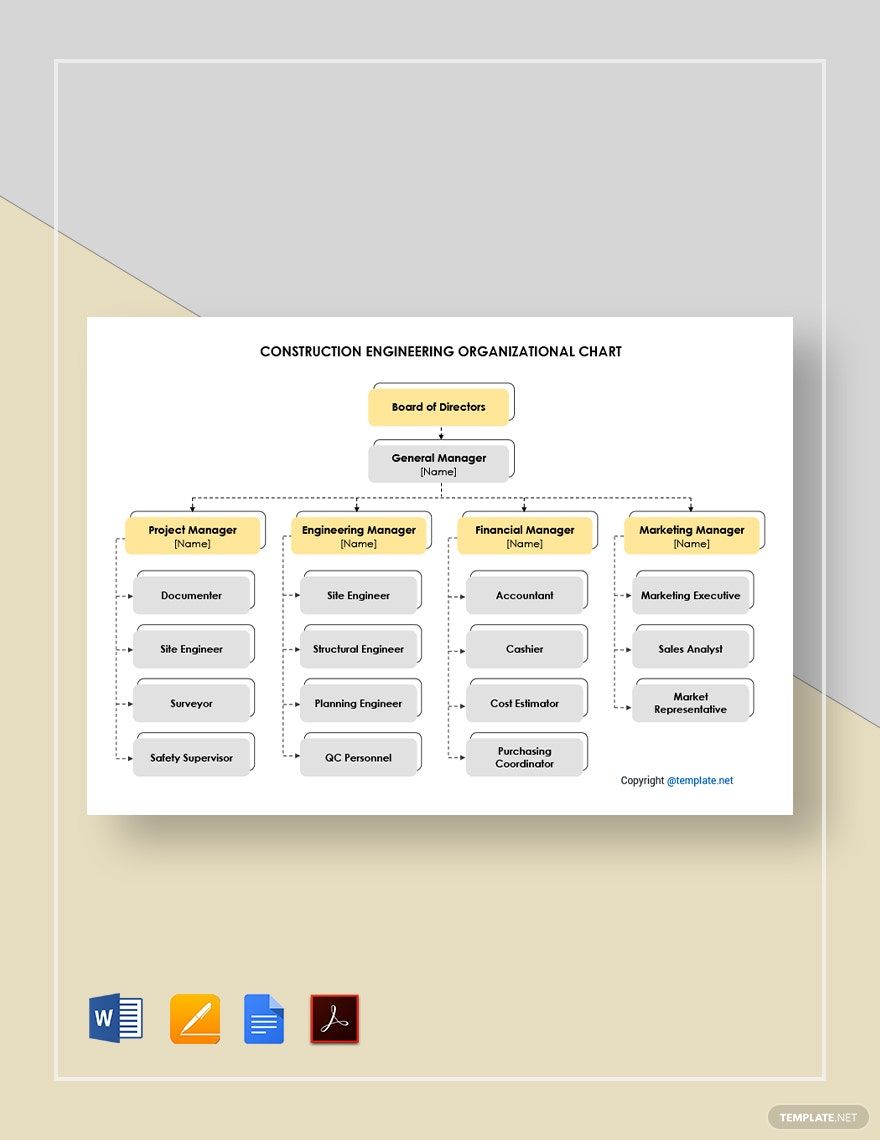
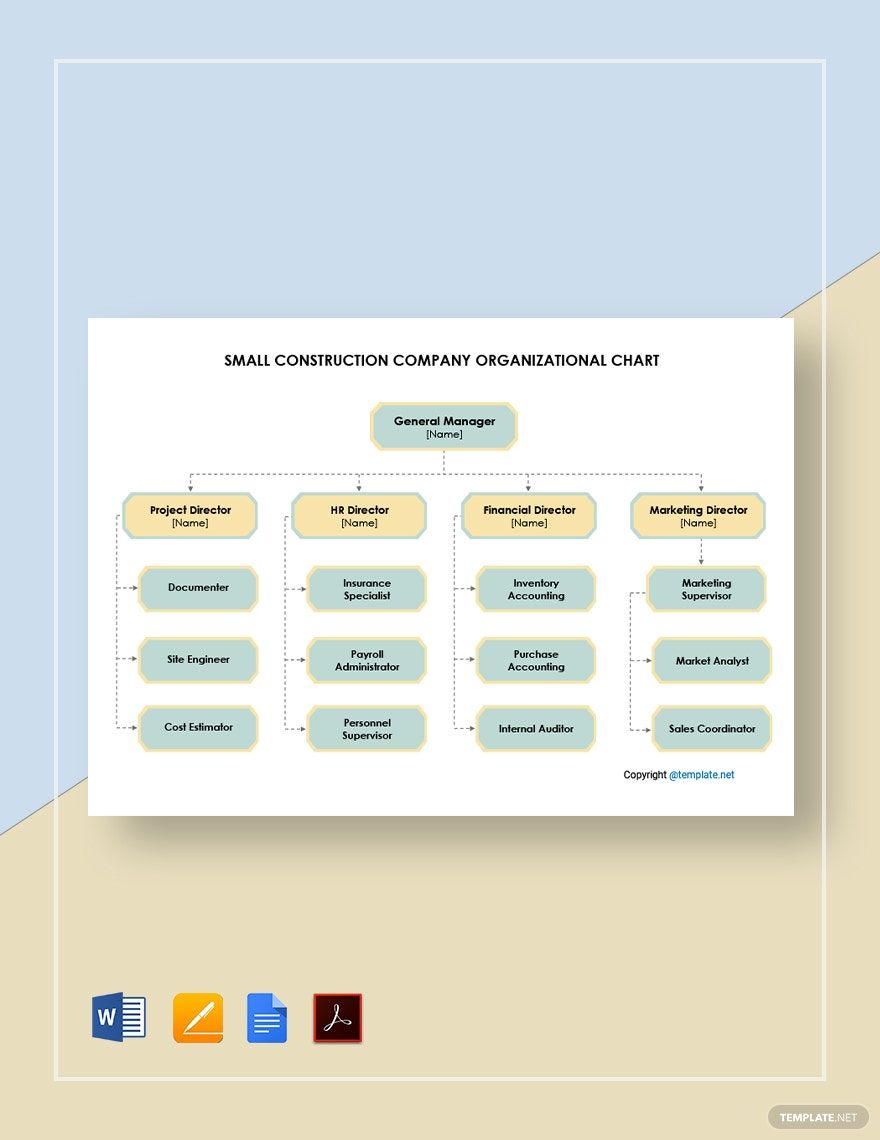
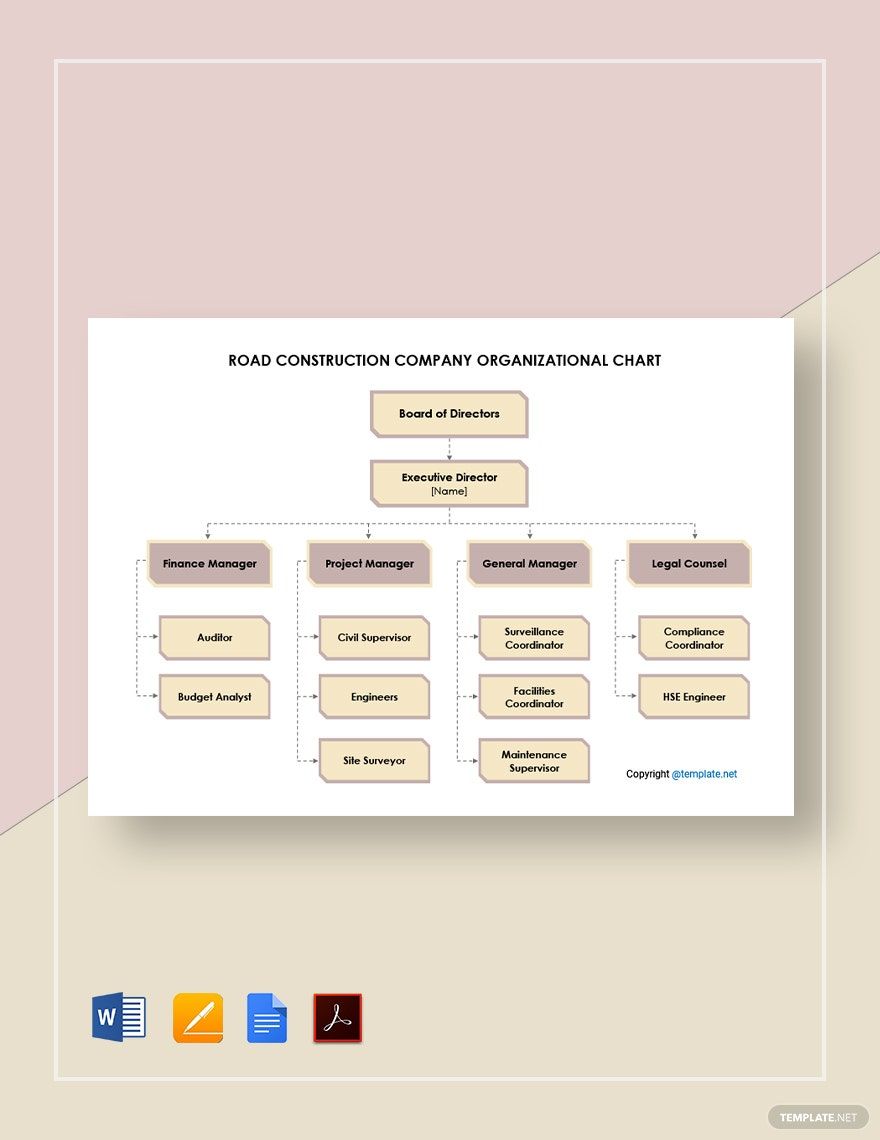
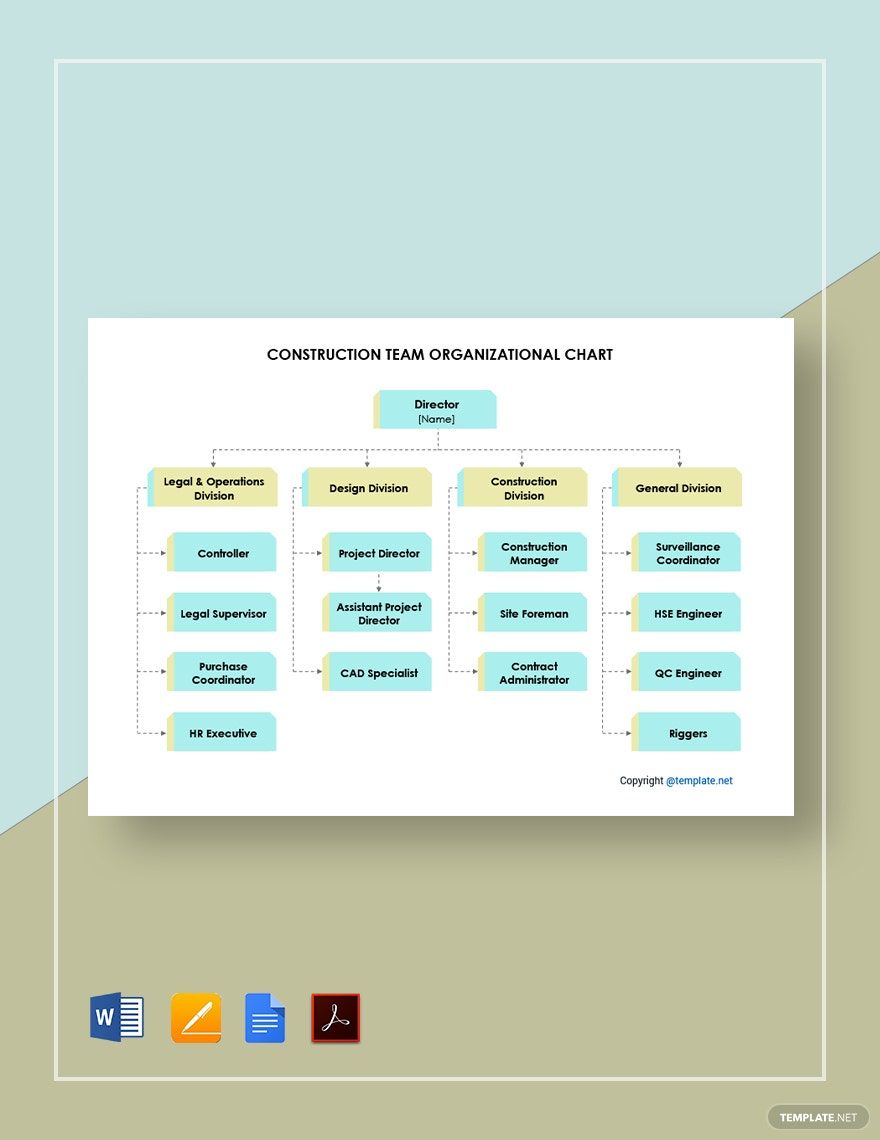
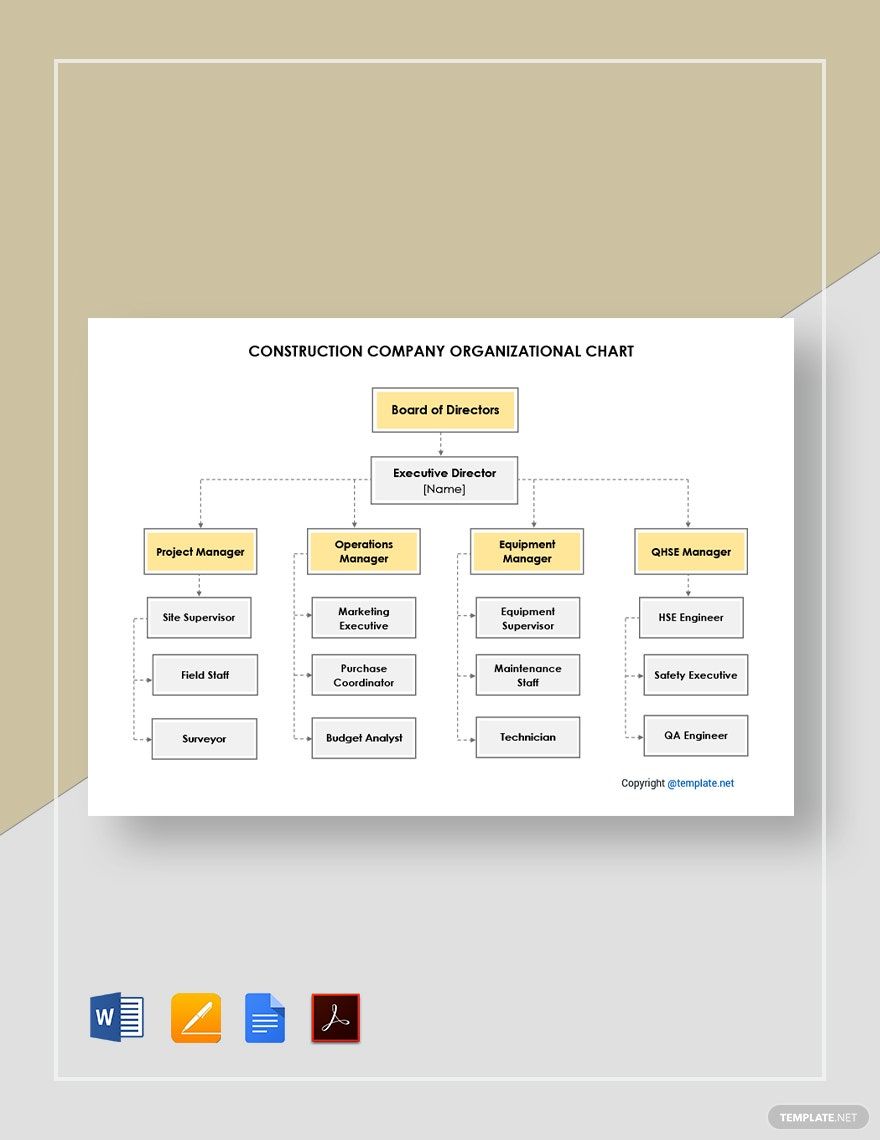
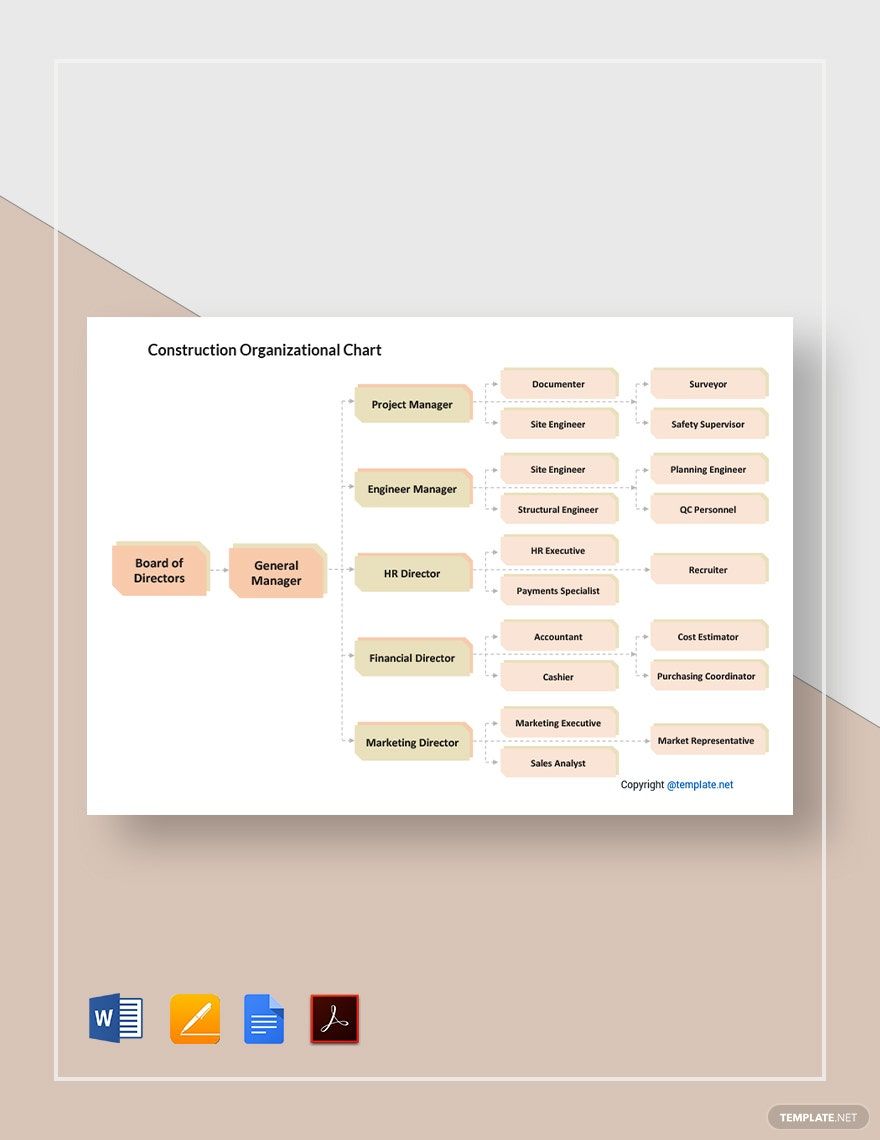
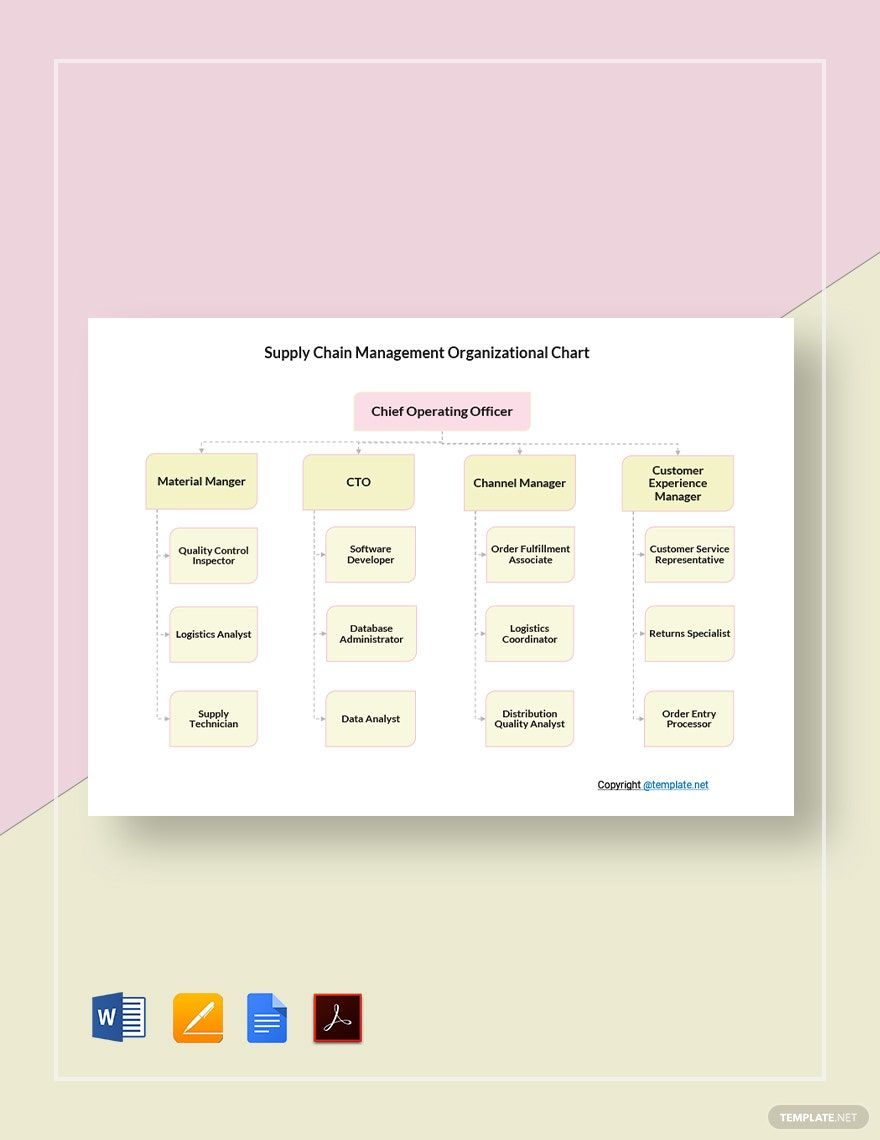
Free Construction Templates: Editable Guide, Uses, and Download Formats
What is a Construction?
A Construction is a comprehensive document or form used in the building and infrastructure industry to organize, track, and report project details such as plans, budgets, schedules, and safety checklists. These documents help ensure accuracy and professionalism in construction workflows.
Why should I use a Construction?
You should use a Construction because it provides structured, accurate, and professional templates that streamline project management, improve communication, and help maintain compliance with industry standards, reducing errors and delays on job sites.
Who uses Construction?
Construction templates are commonly used by contractors, project managers, architects, engineers, and site supervisors who require reliable documentation to plan, track, and report on construction projects efficiently and consistently.
What are the best tips for completing my Construction?
When completing a Construction, ensure you include clear project objectives, detailed timelines, precise budget estimates, safety compliance sections, and regularly update progress to maintain accuracy and usefulness throughout the project lifecycle.
Can I create a Construction using AI?
You can enhance your Construction documents by generating content with AI tools available on Template.net, allowing you to quickly produce accurate and professional reports or plans that suit your project needs.
What file formats can I download for my Construction?
Template.net offers editable Construction templates that support multiple export formats including PSD, Illustrator, Word, Excel, PowerPoint, InDesign, Publisher, Apple Pages, Apple Keynote, Apple Numbers, HTML5, Google Docs, PDF, Google Sheets, Outlook, and Google Slides.
What are the essential elements of a Construction?
Essential elements of a Construction template include a project overview, detailed budget, timelines, safety checklists, resource allocation, material lists, progress reports, compliance documentation, and contact information for stakeholders.
How is Construction used in professional workflows?
Construction documents are used to standardize project planning, track progress, ensure regulatory compliance, and communicate project status among teams, enabling efficient coordination and decision-making in professional building projects.
What are common use cases for Construction templates?
Common use cases for Construction templates include preparing site inspection reports, creating budget estimates, developing safety manuals, outlining project plans, documenting material orders, and managing subcontractor agreements for construction projects.
