
Free Genogram Templates: Customizable Structure Guide, Uses, and Download Formats
What is a Genogram?
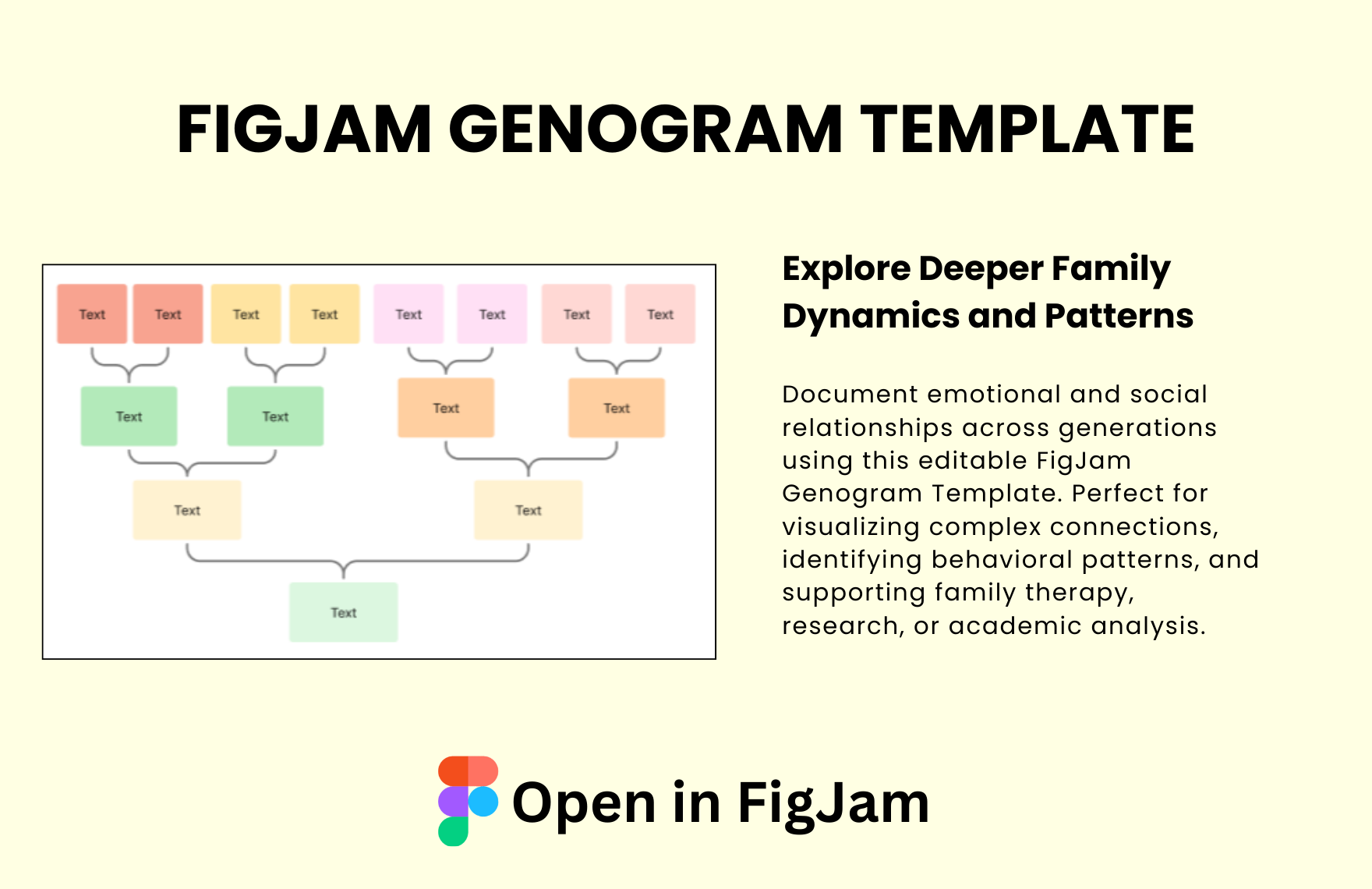
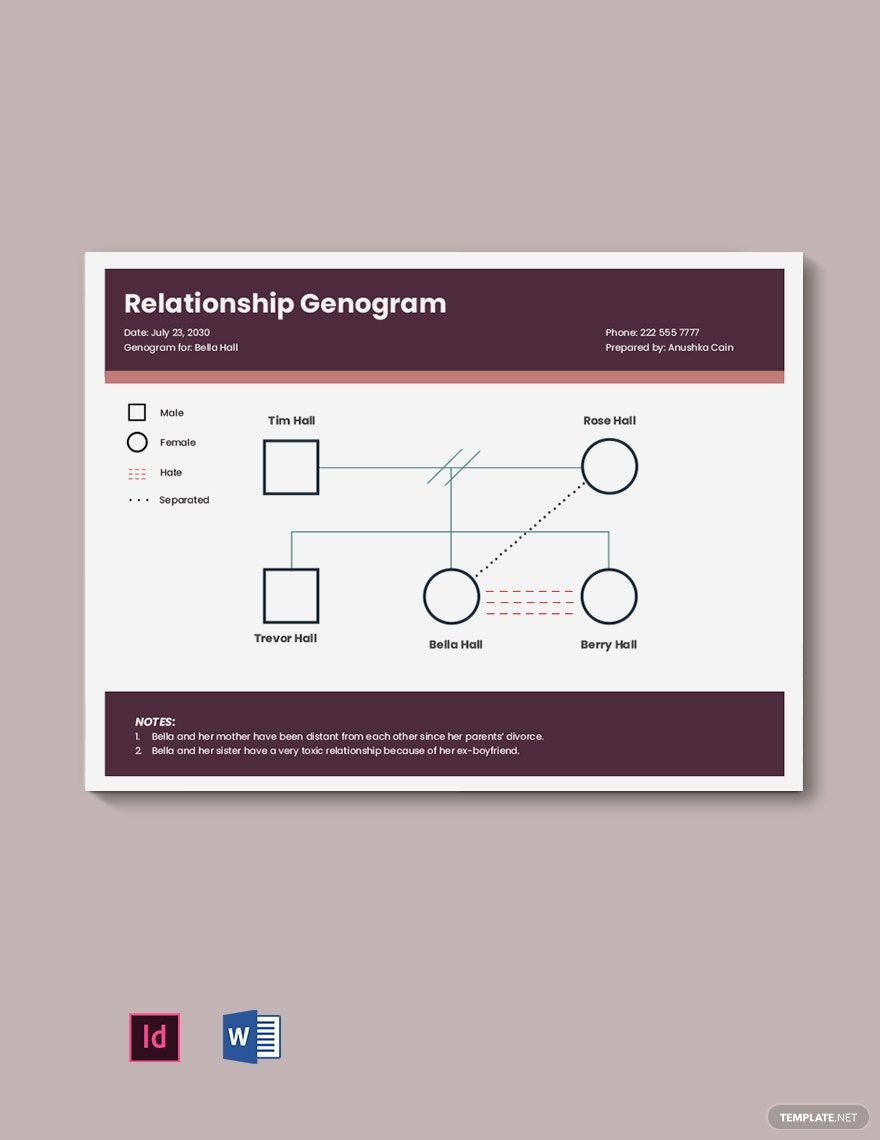
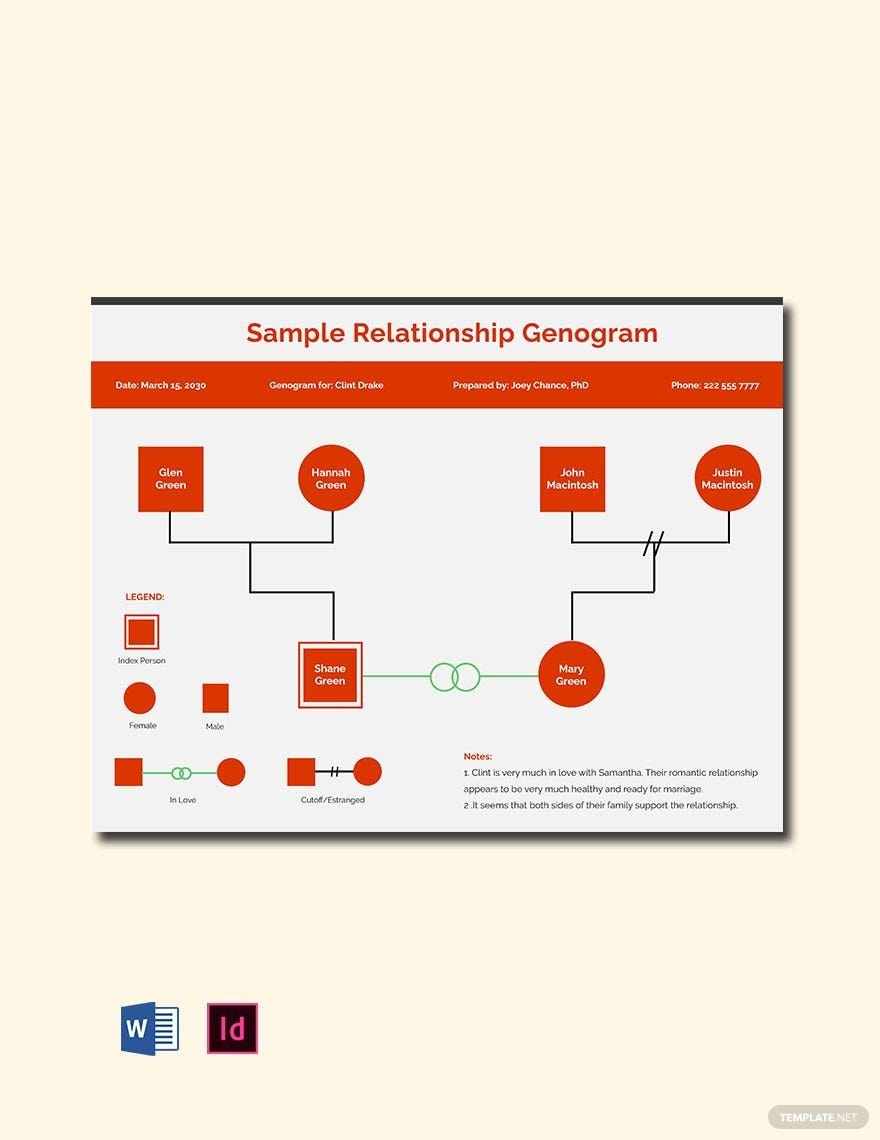
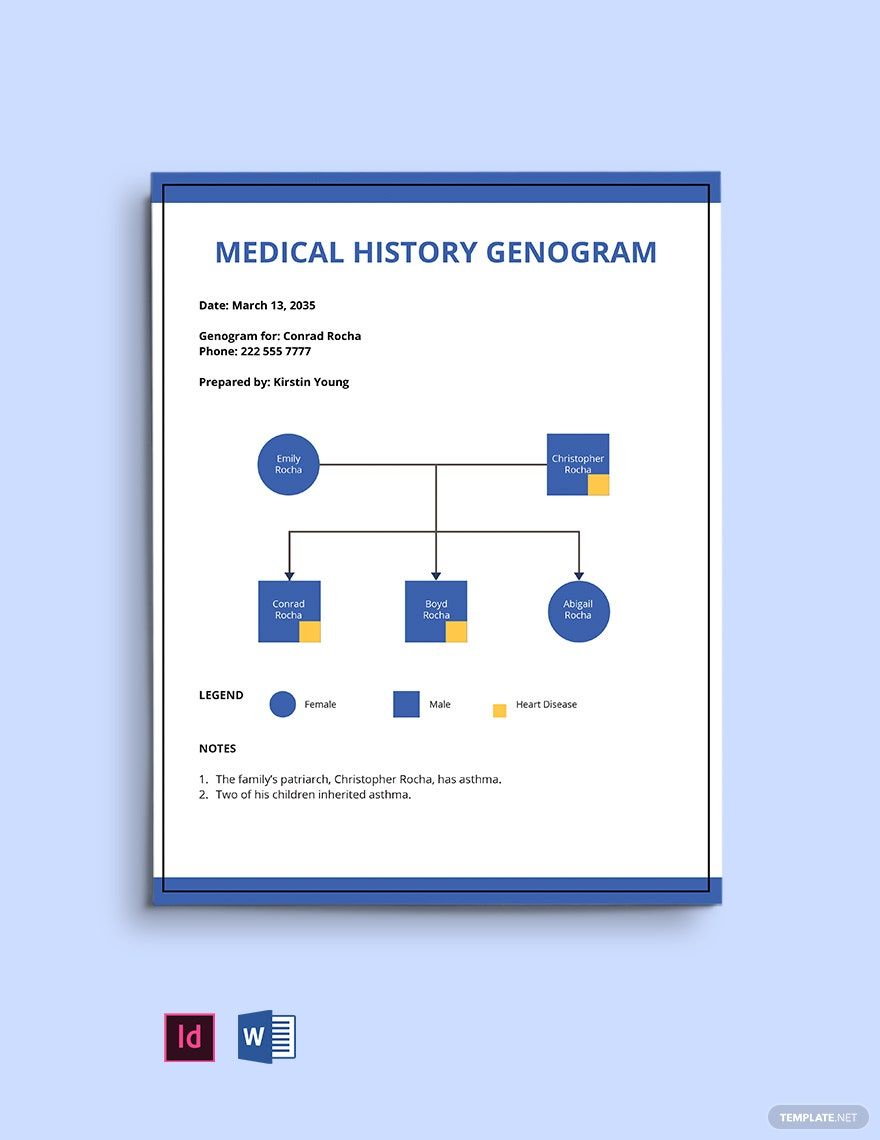
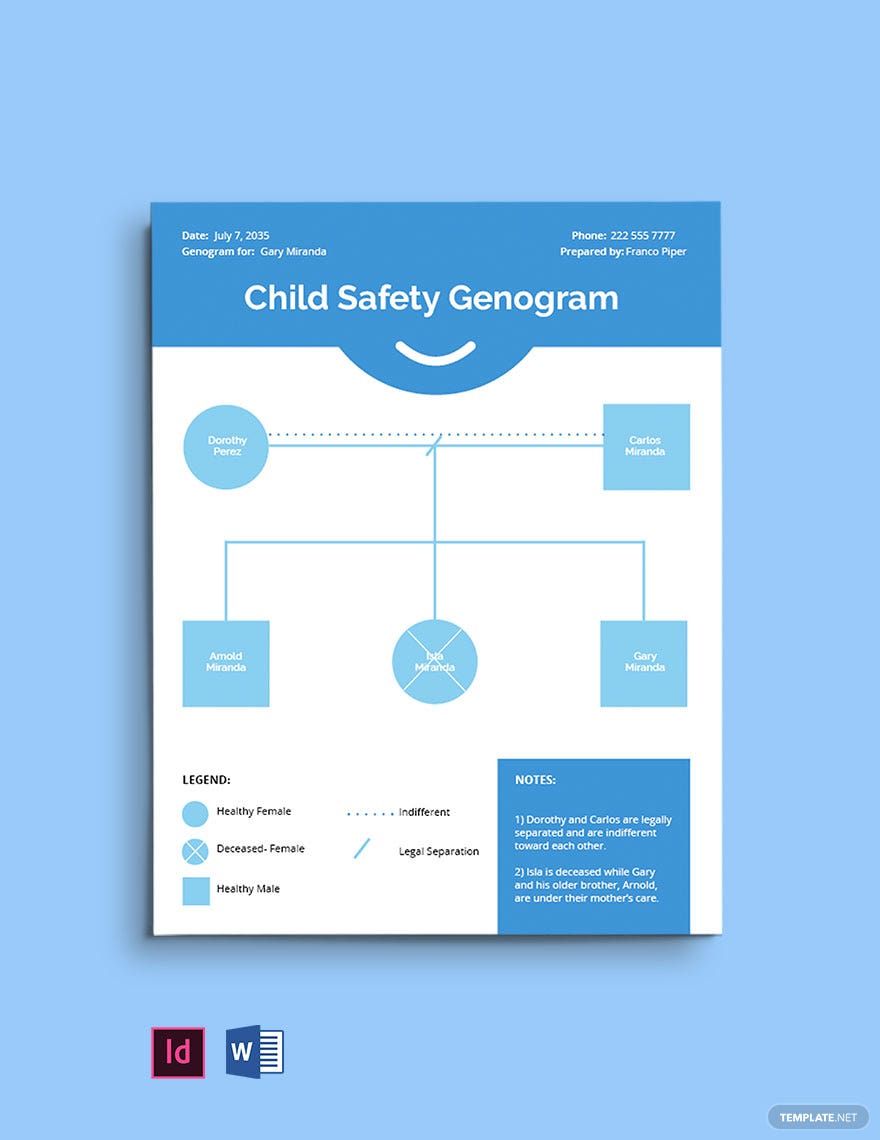
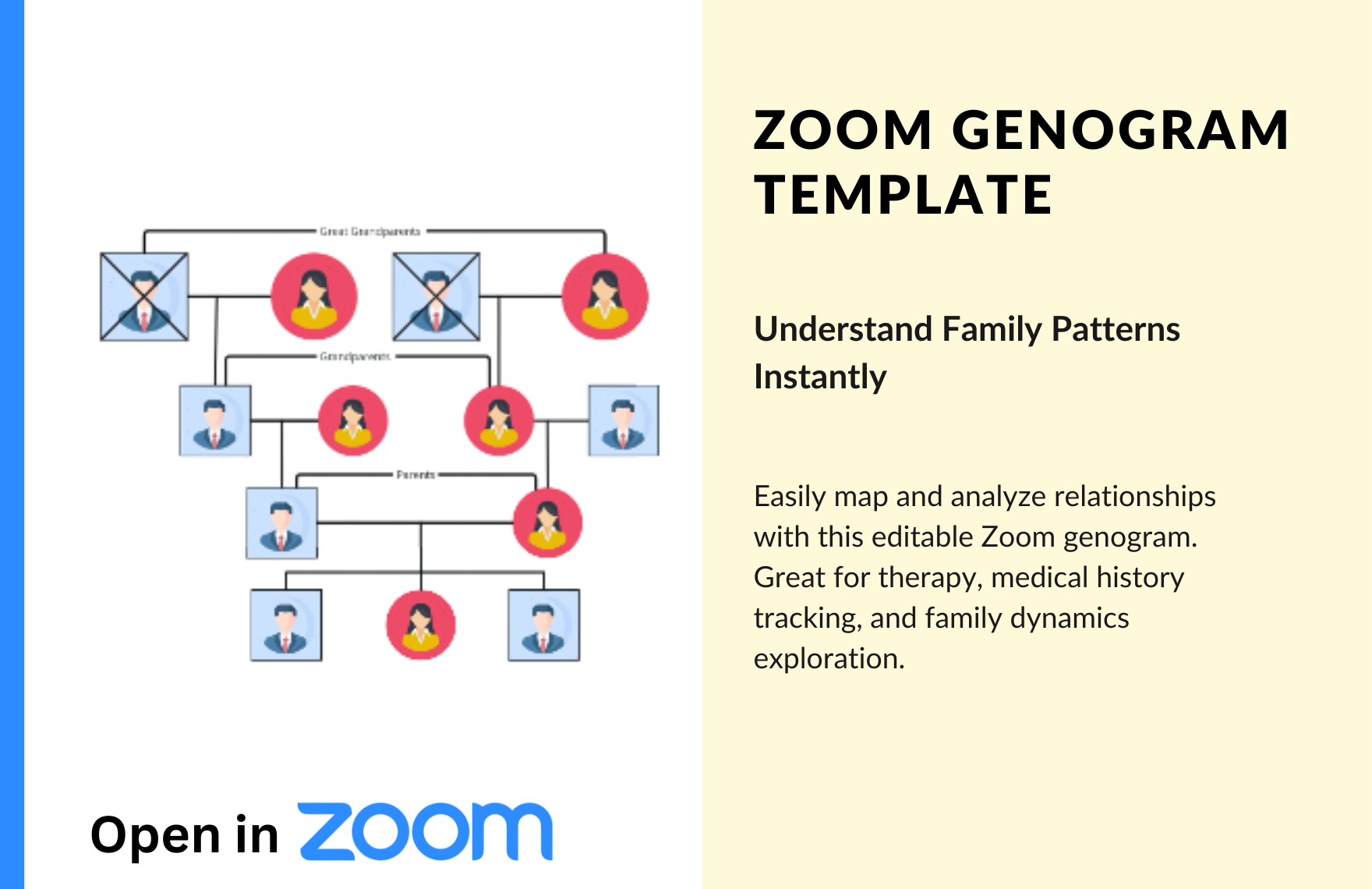
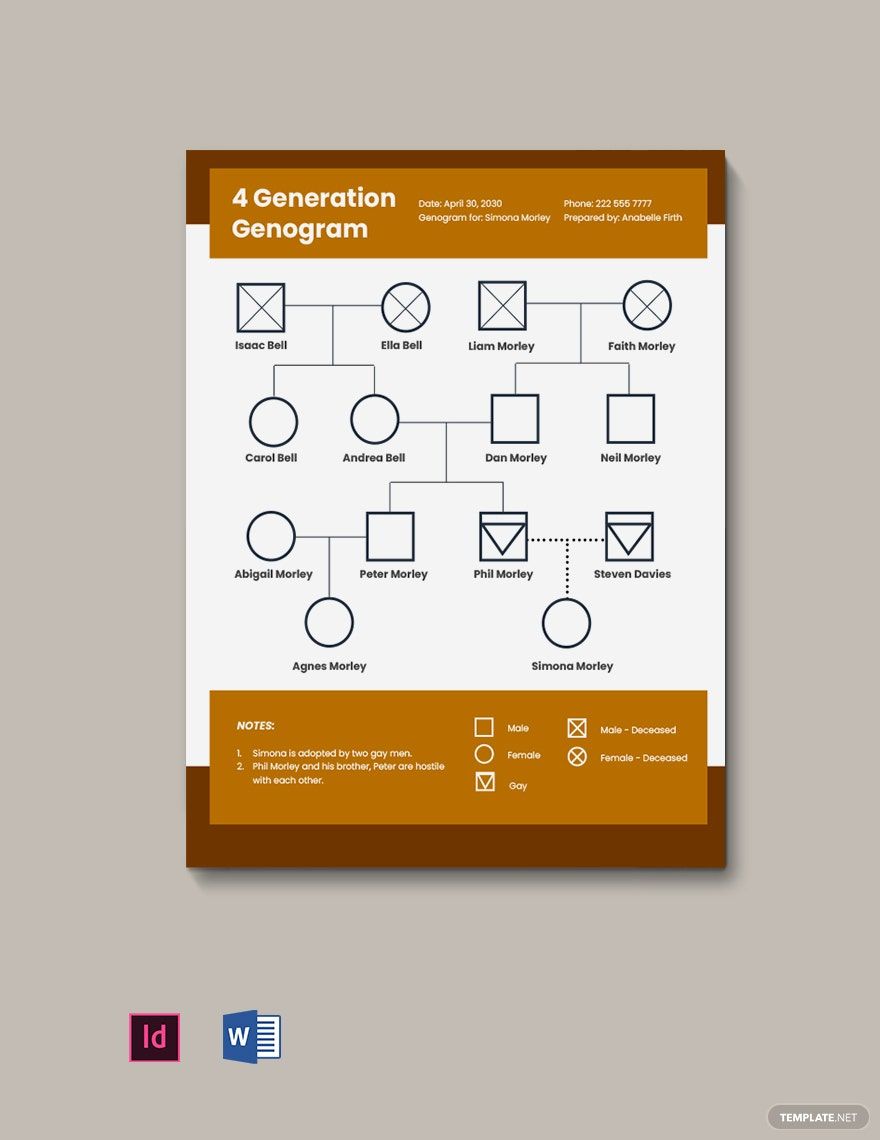
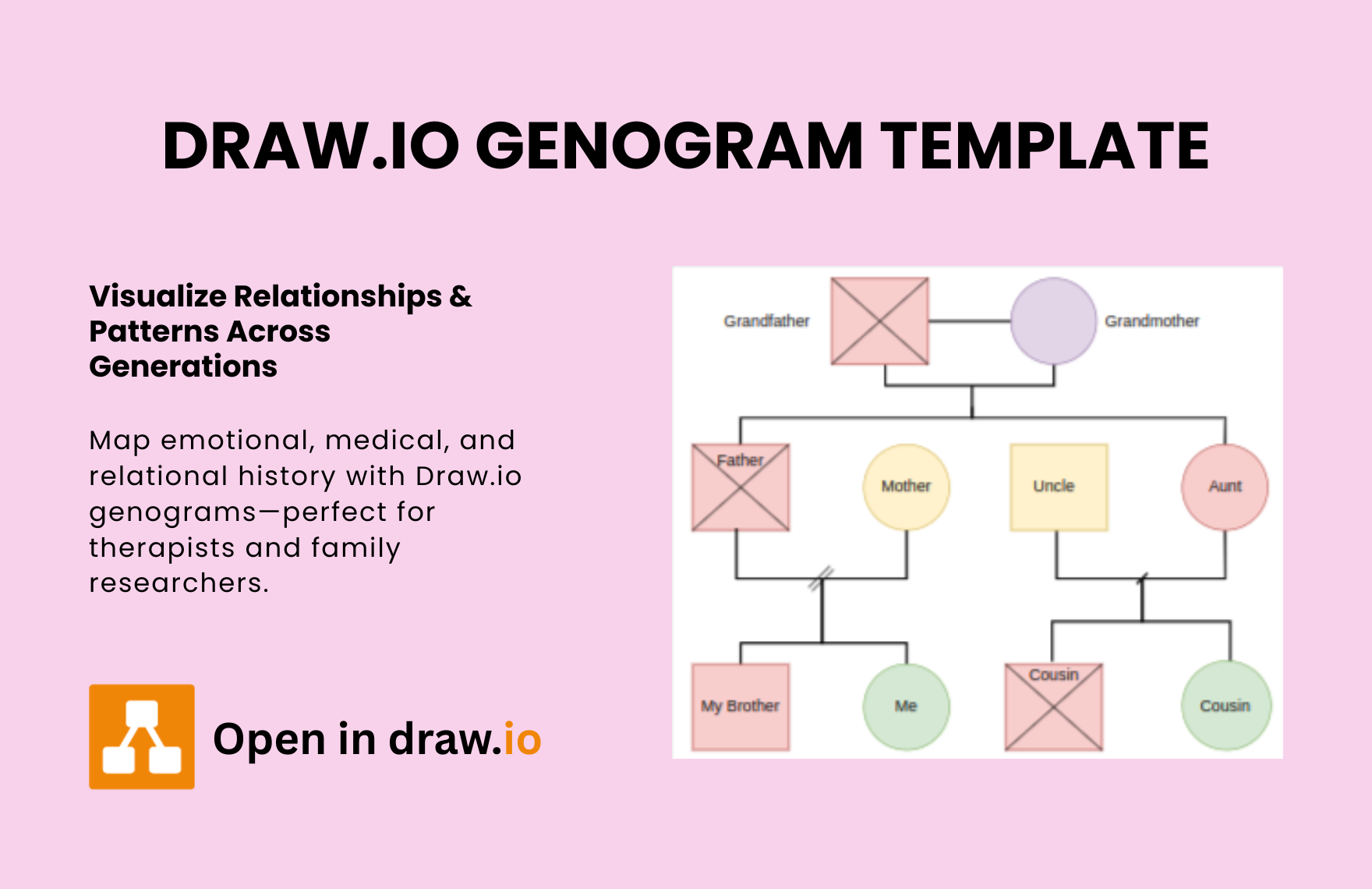
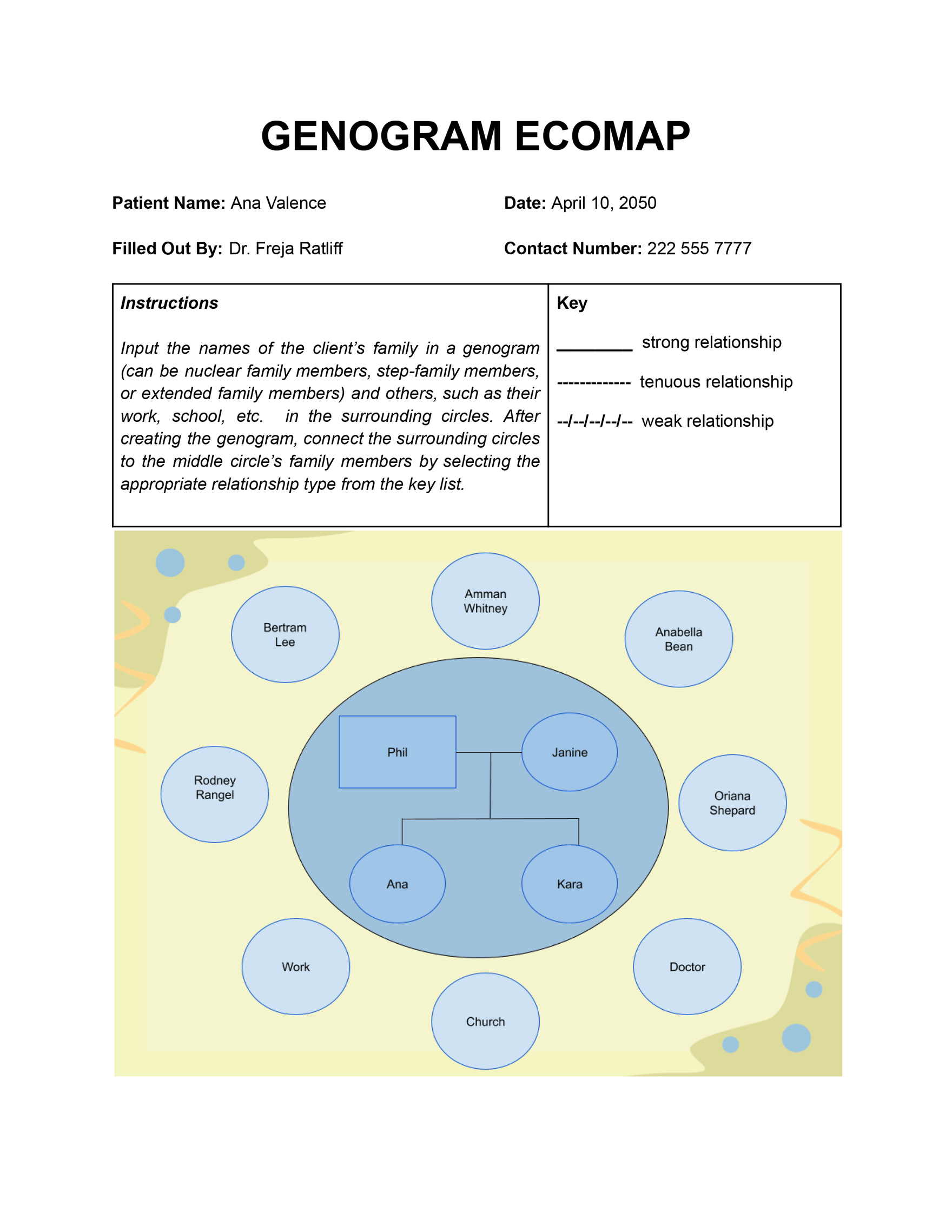
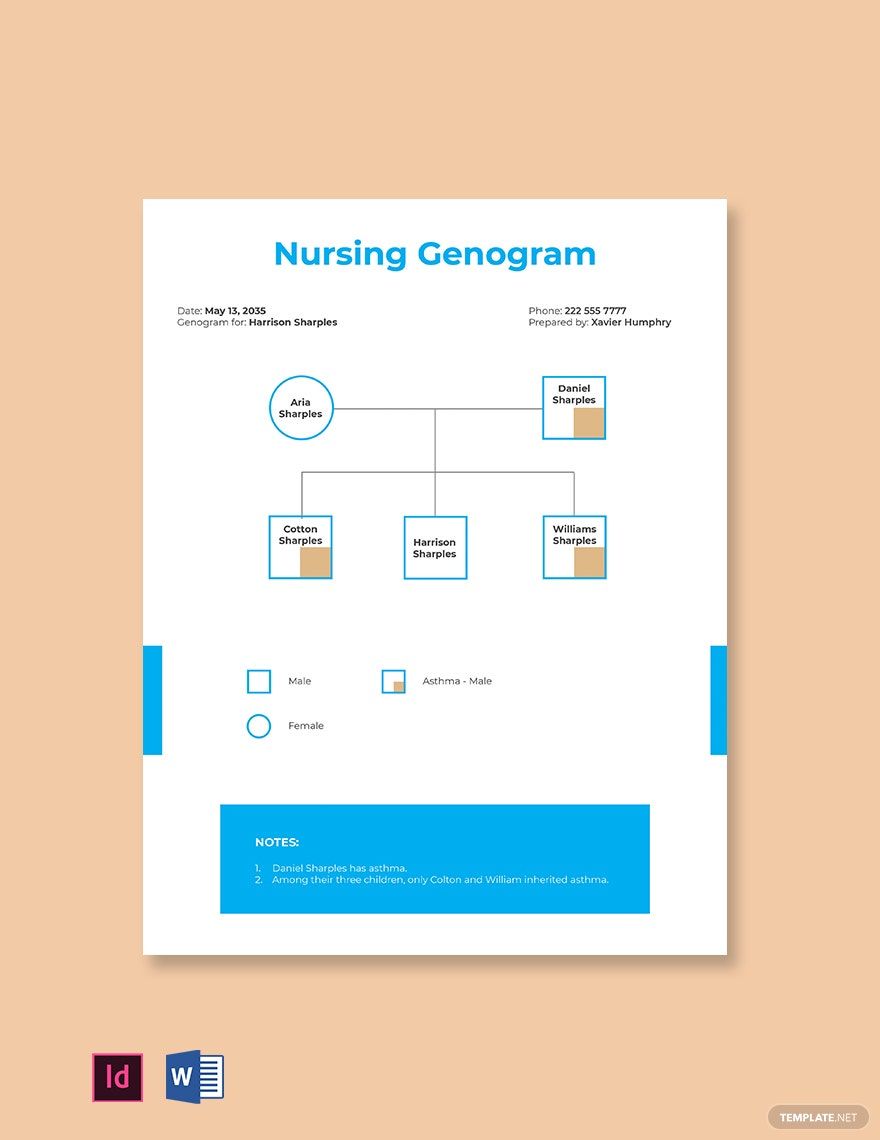
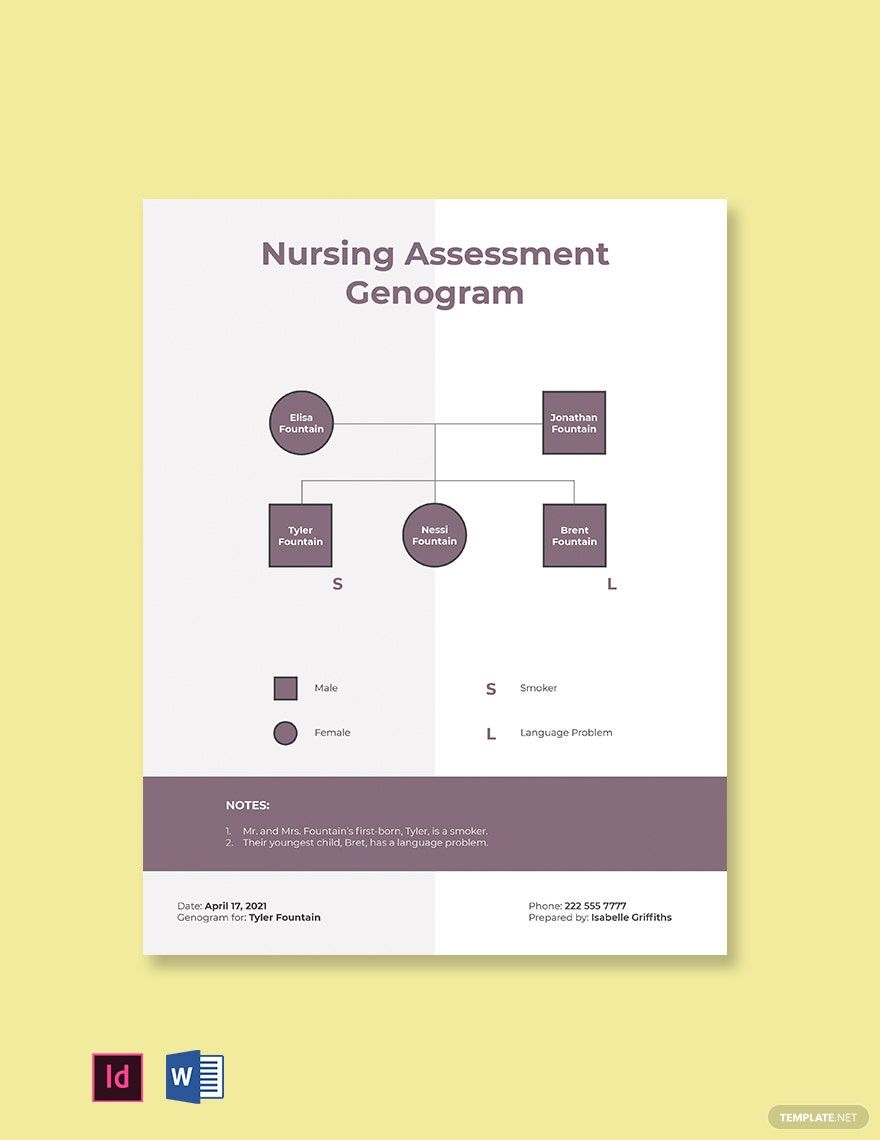
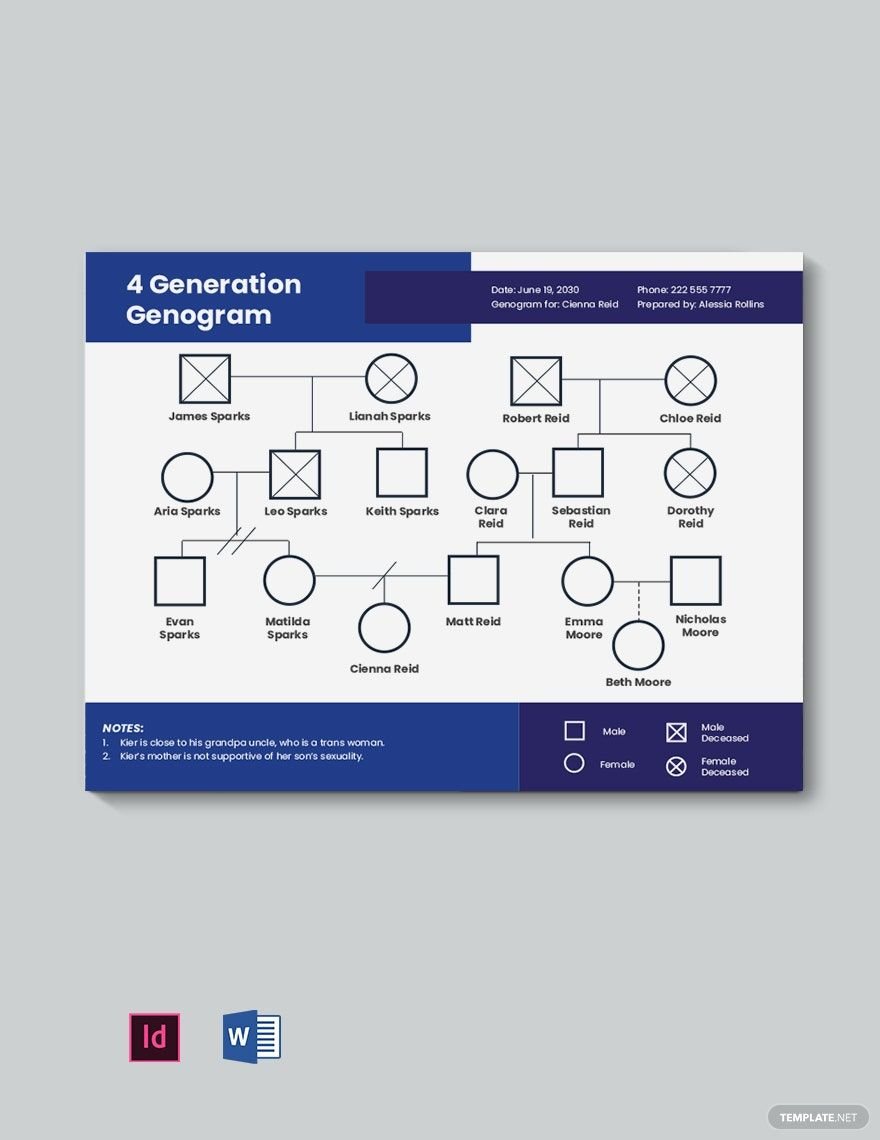
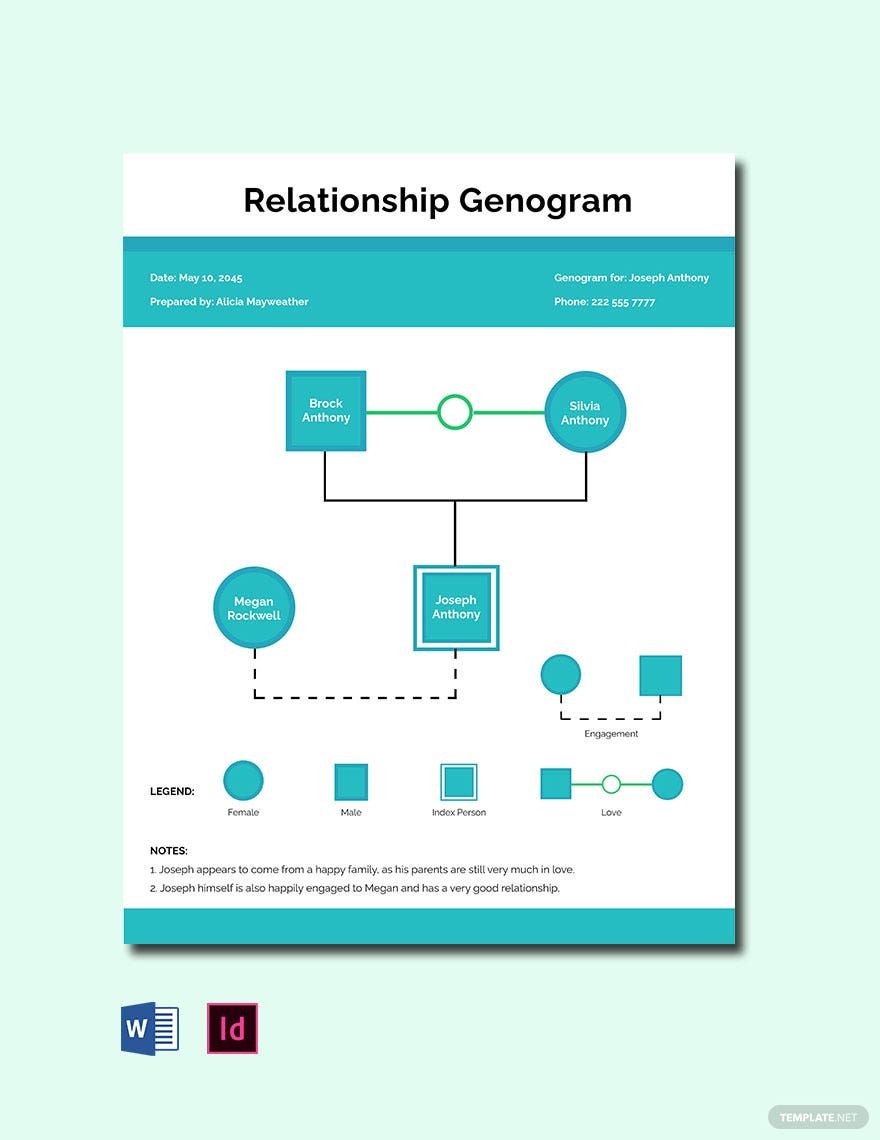
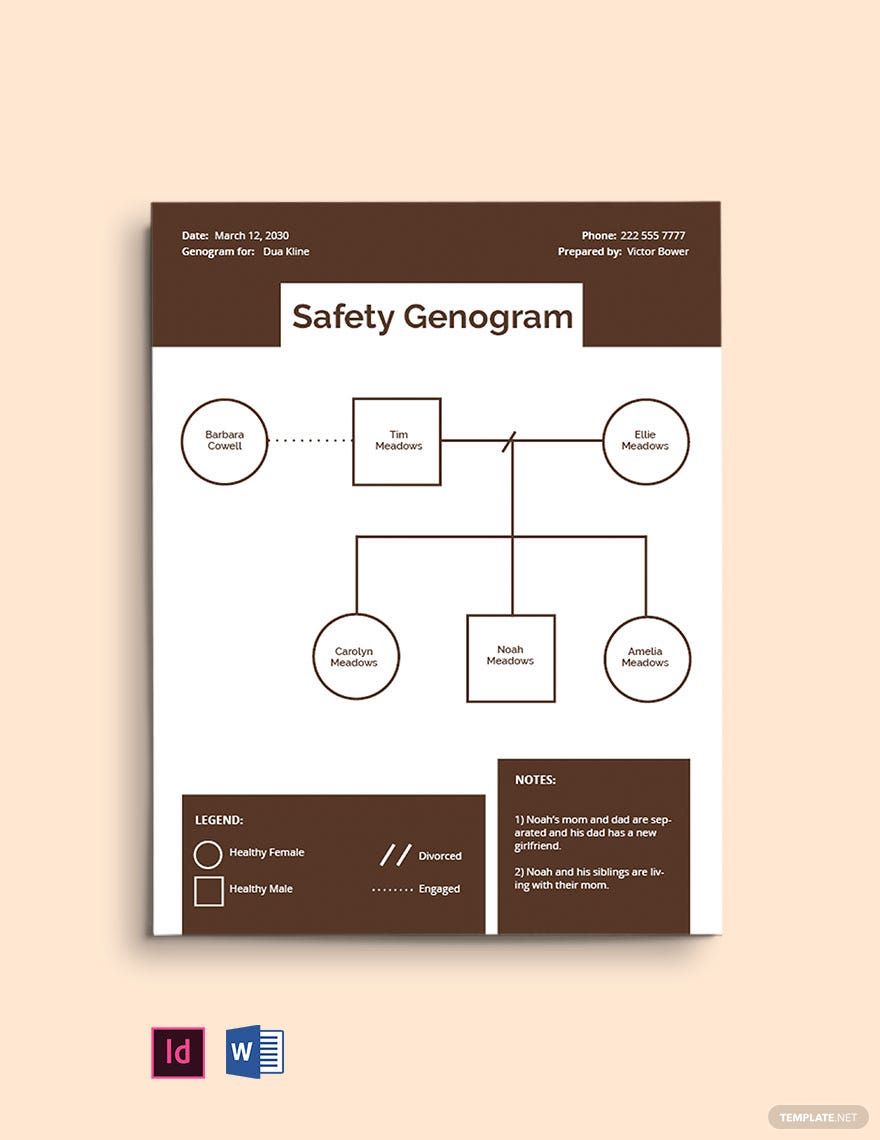
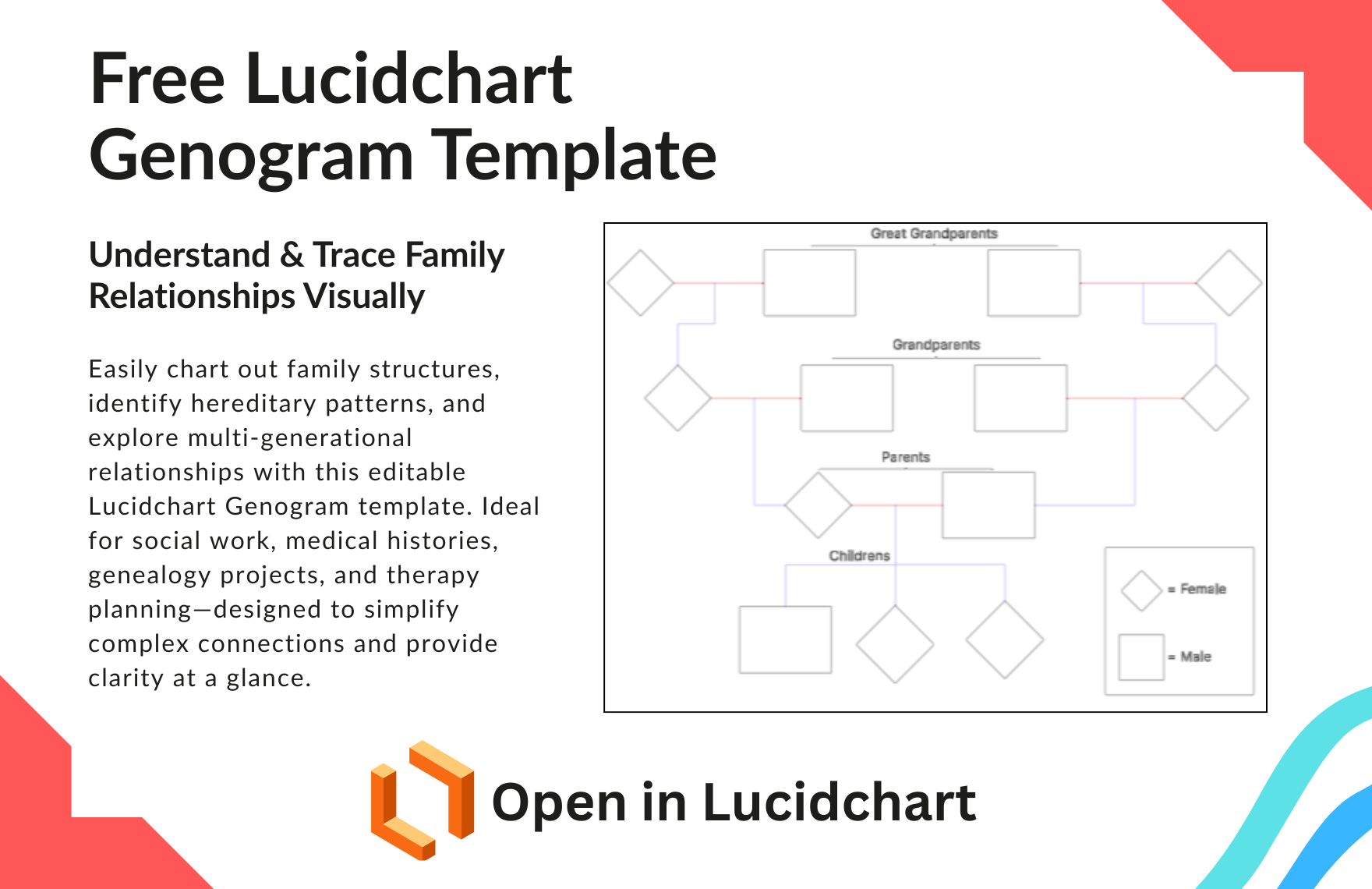
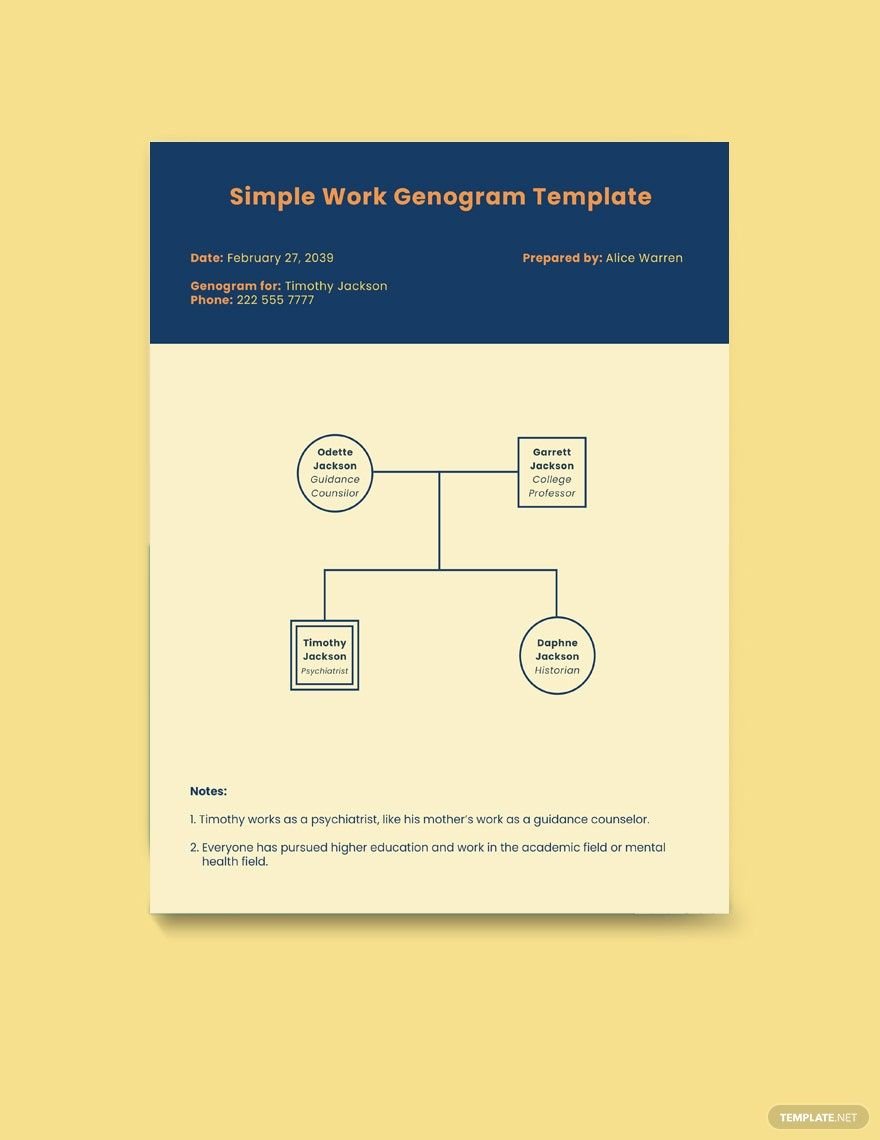
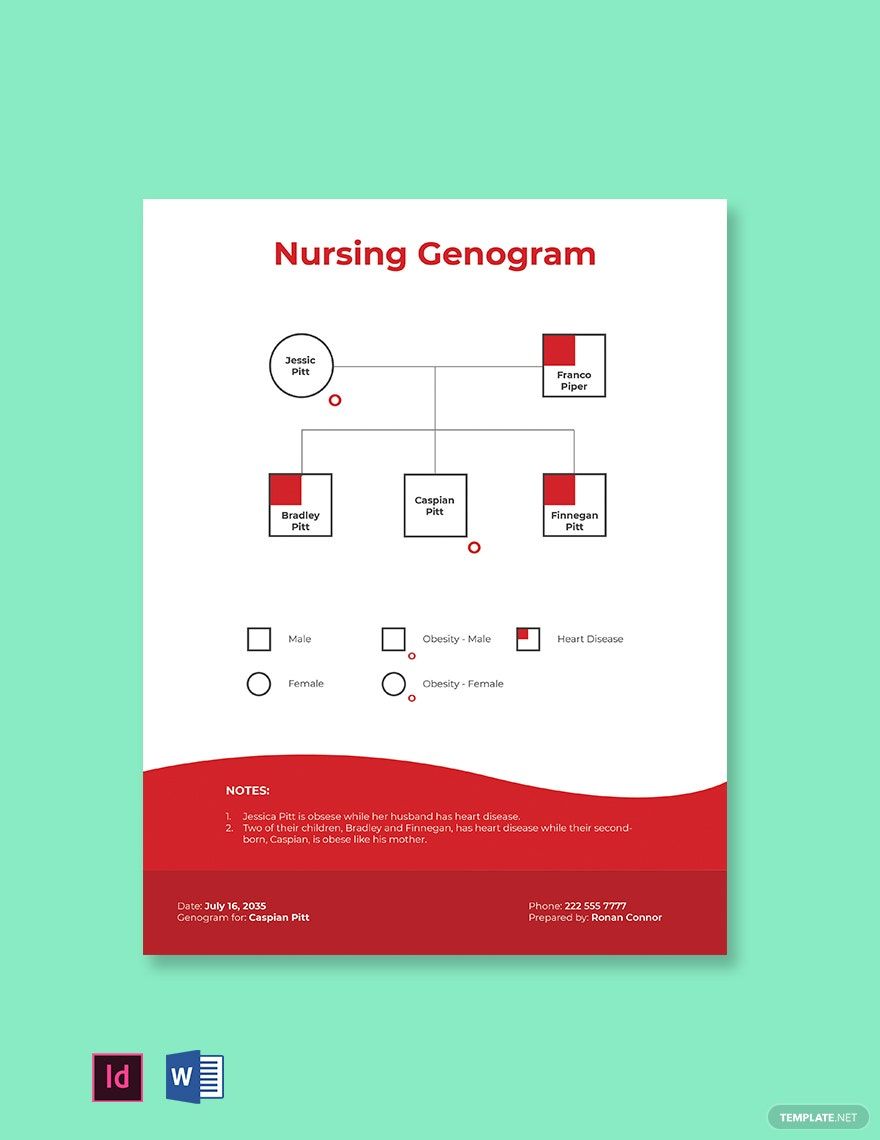
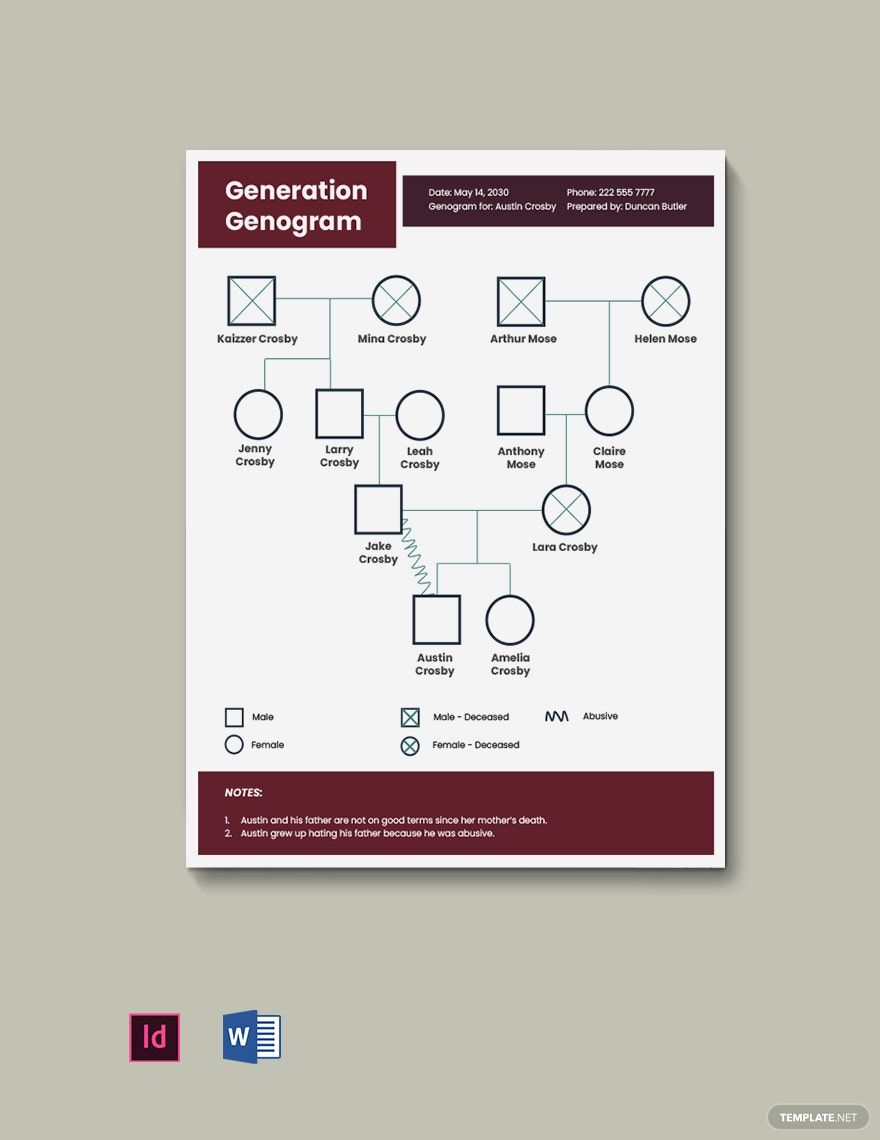
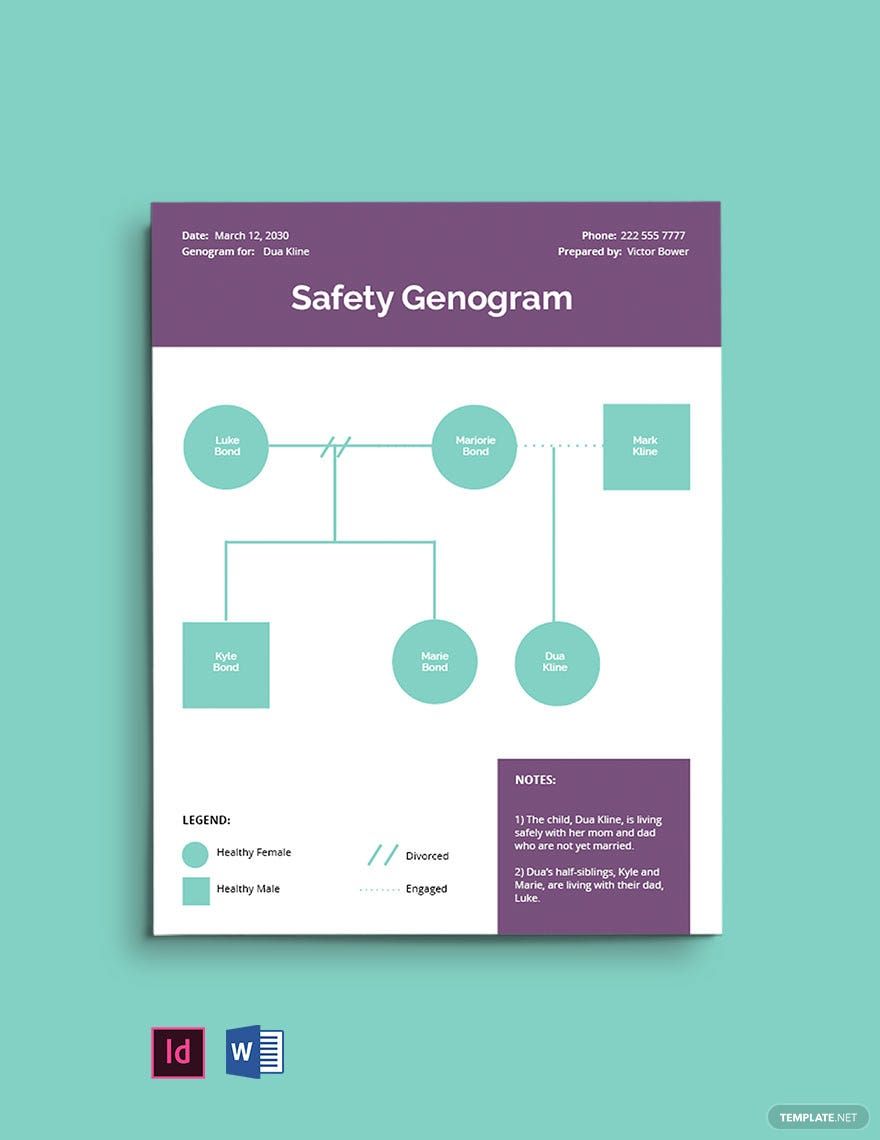
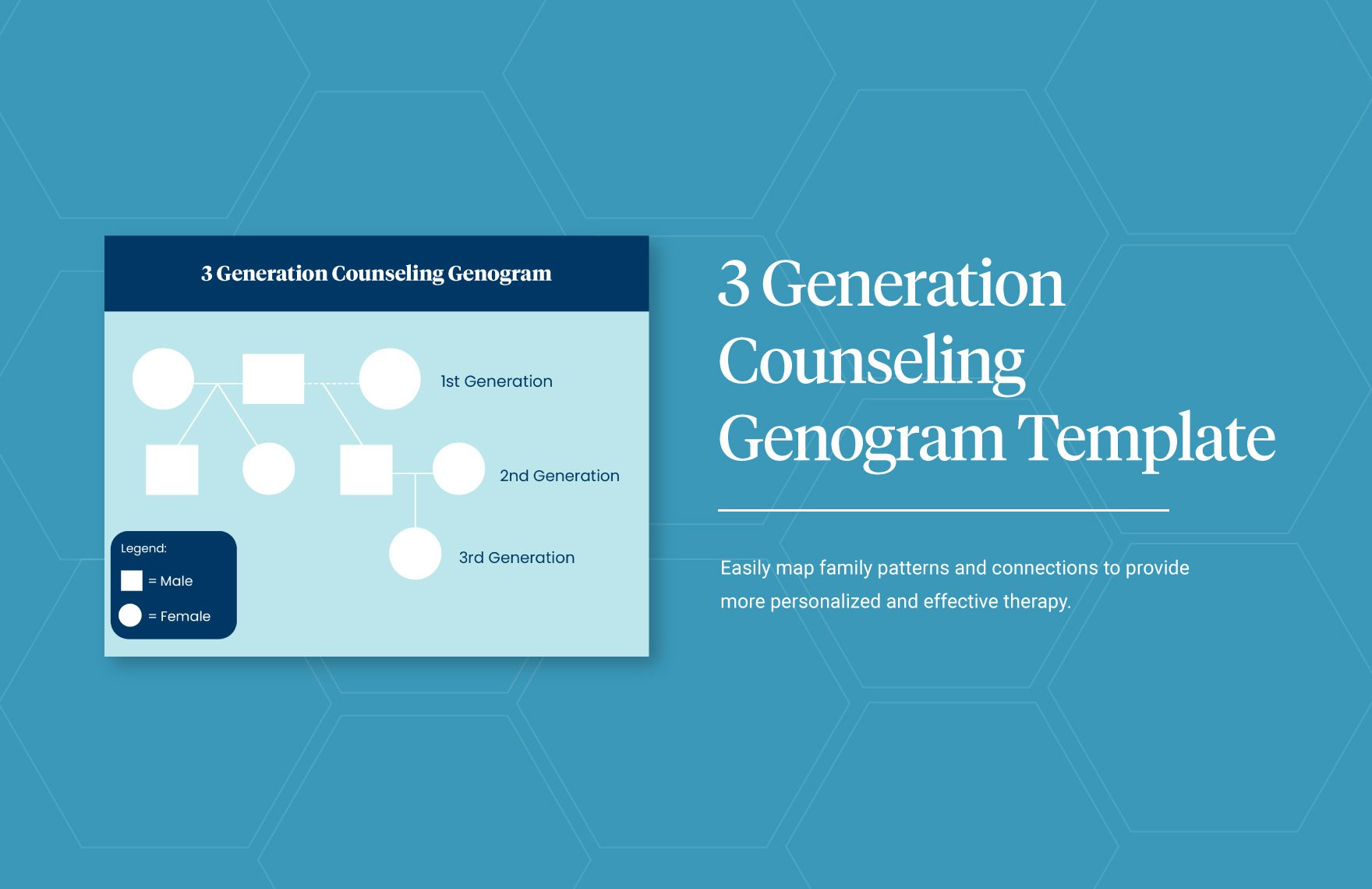
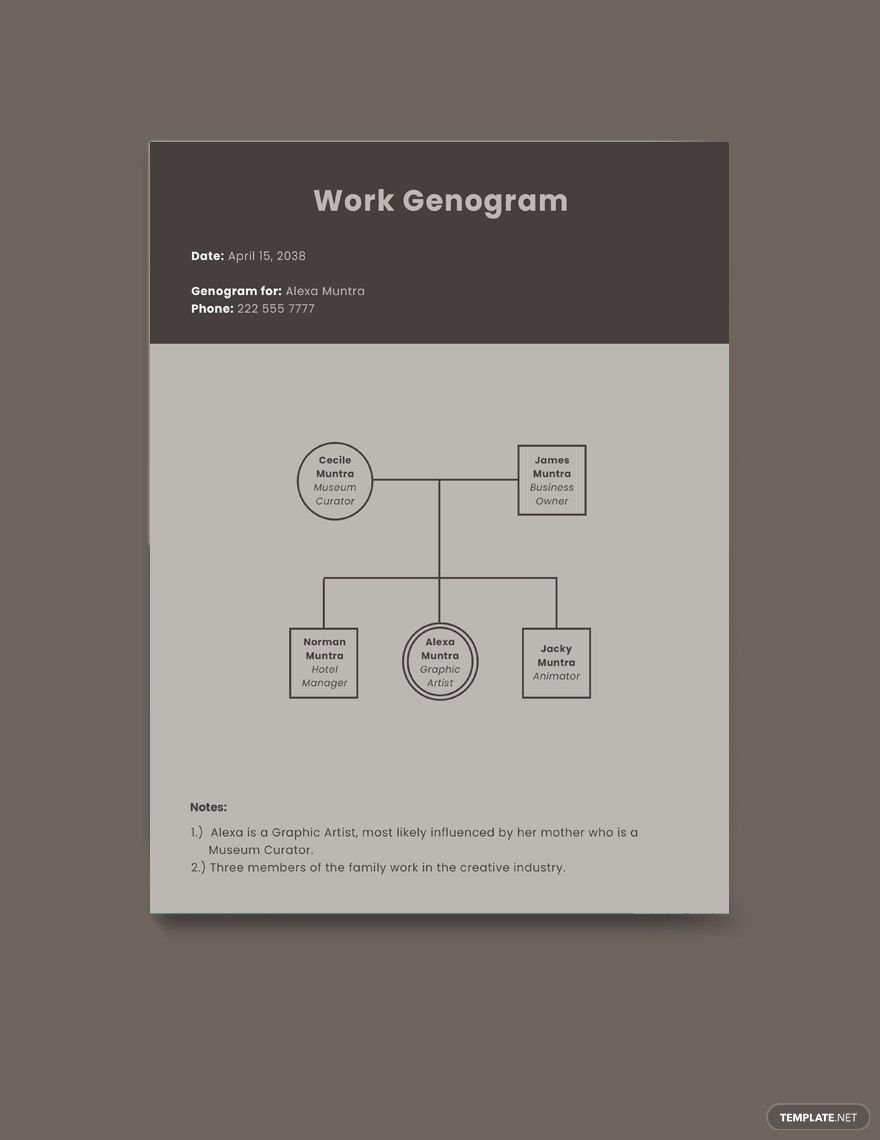
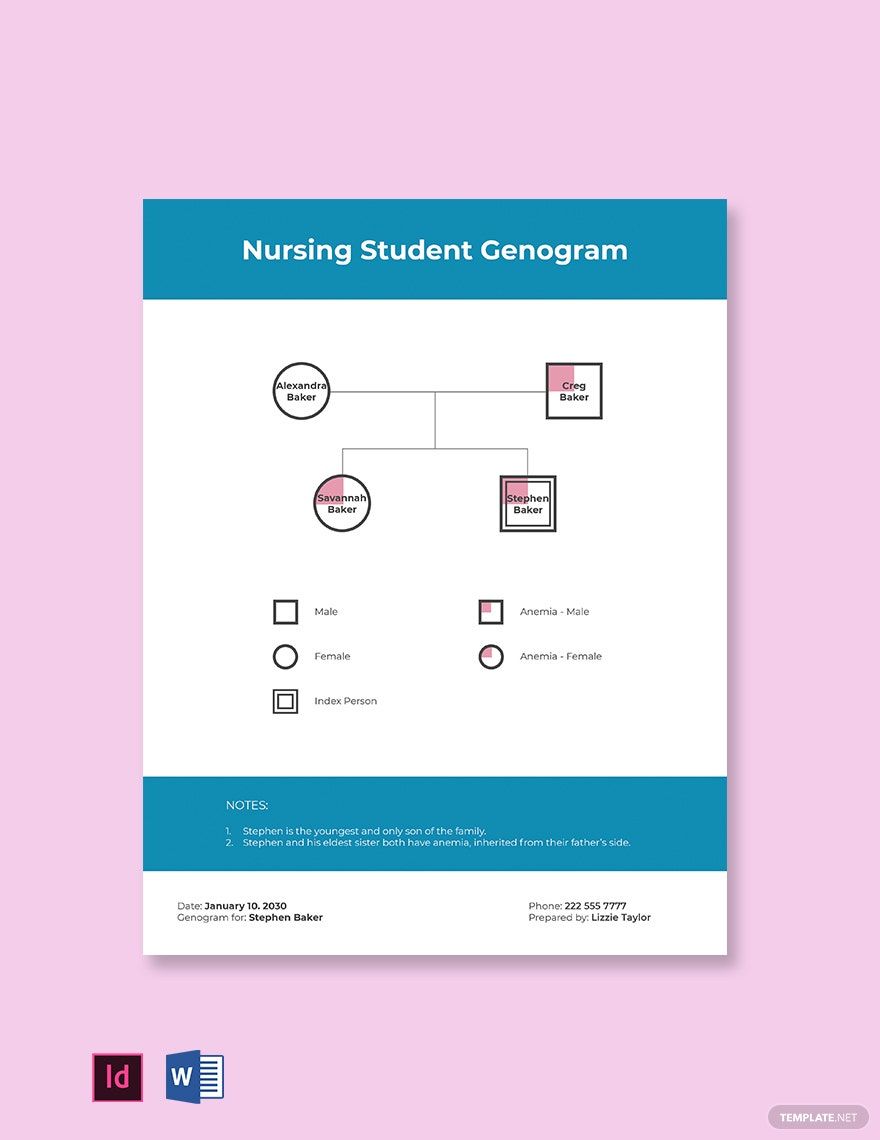
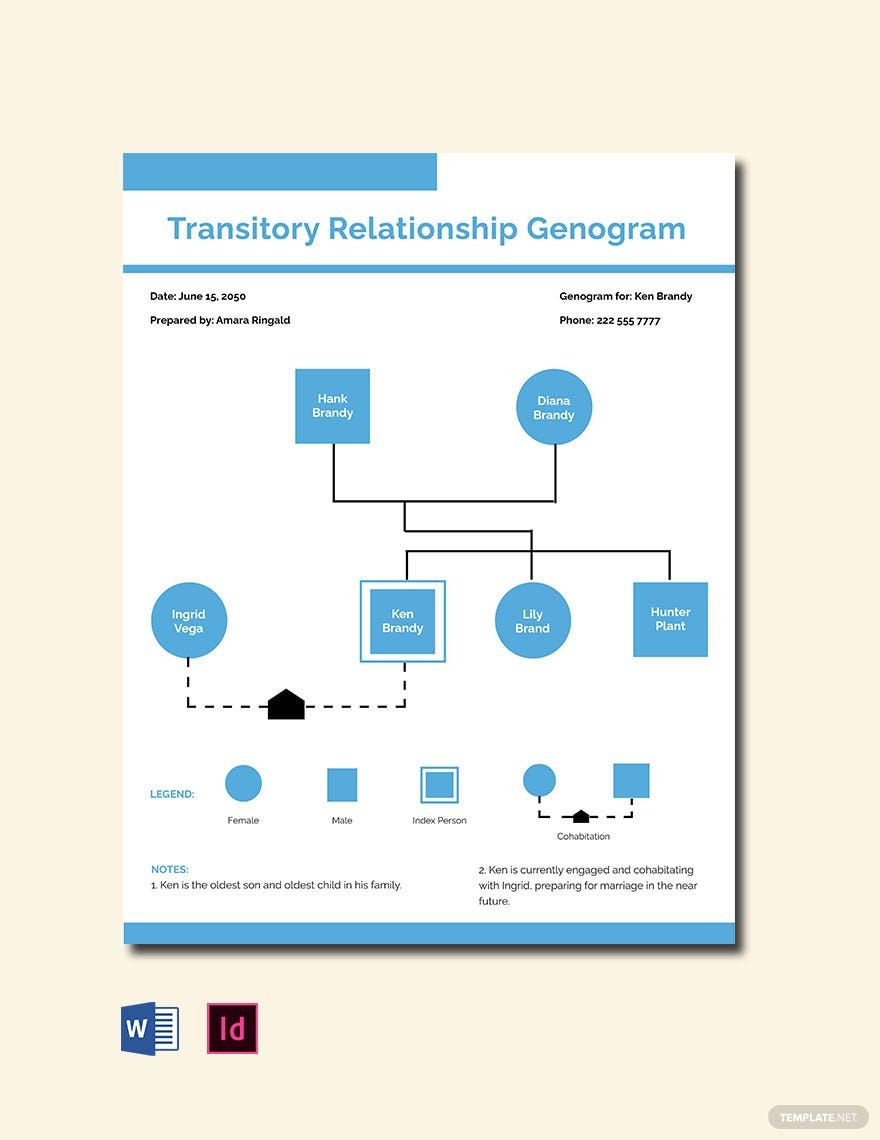
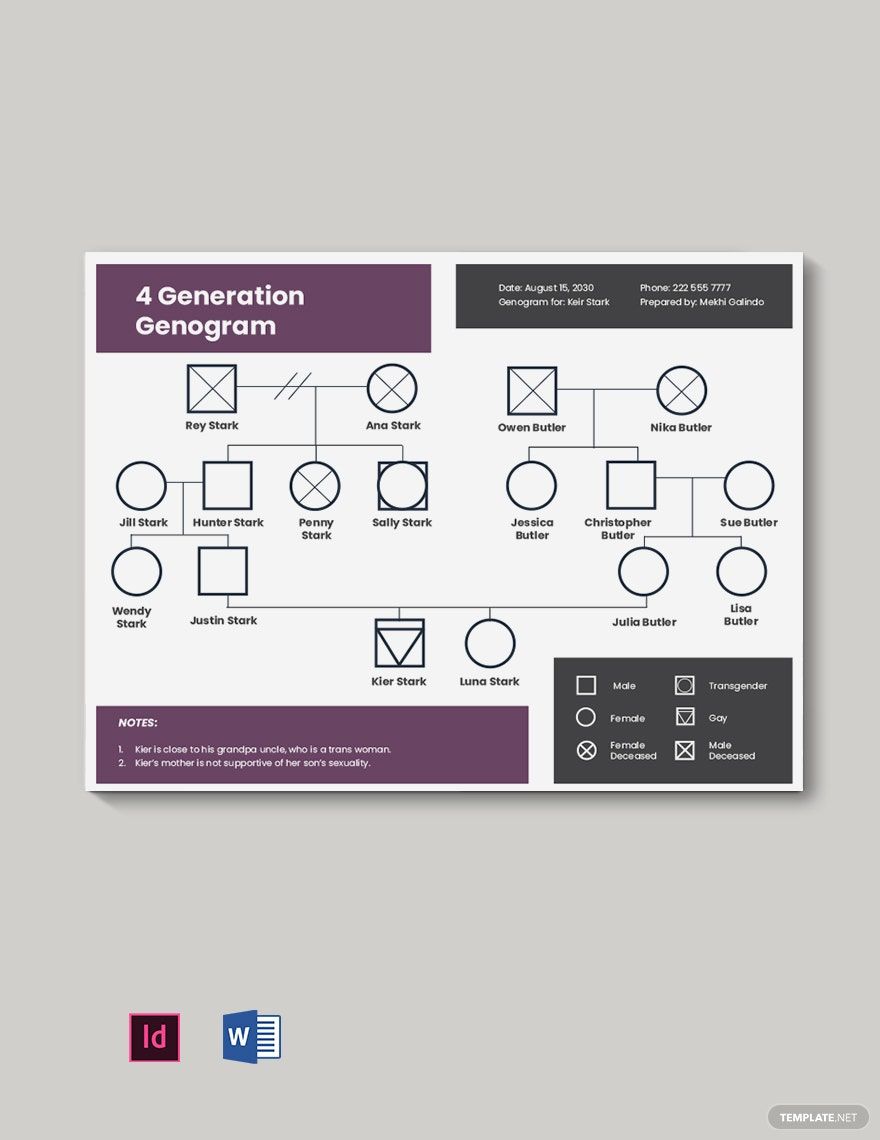
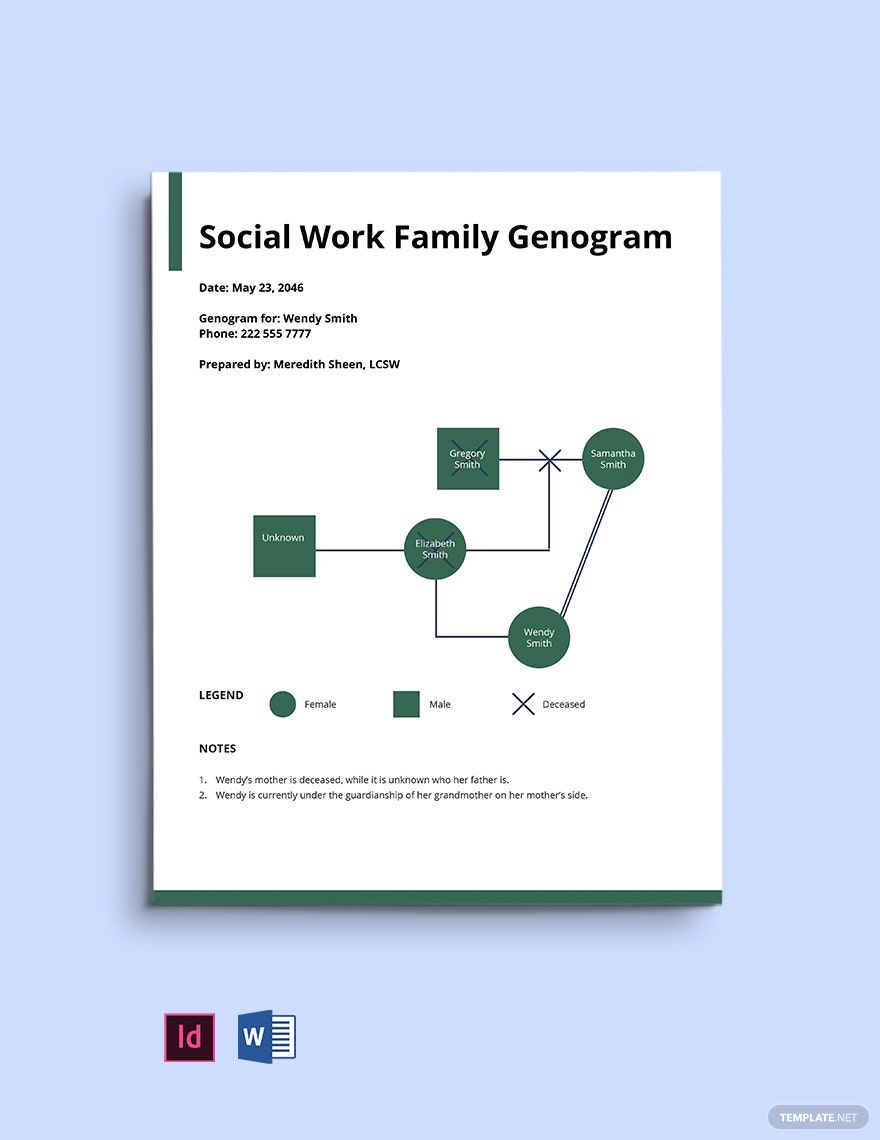
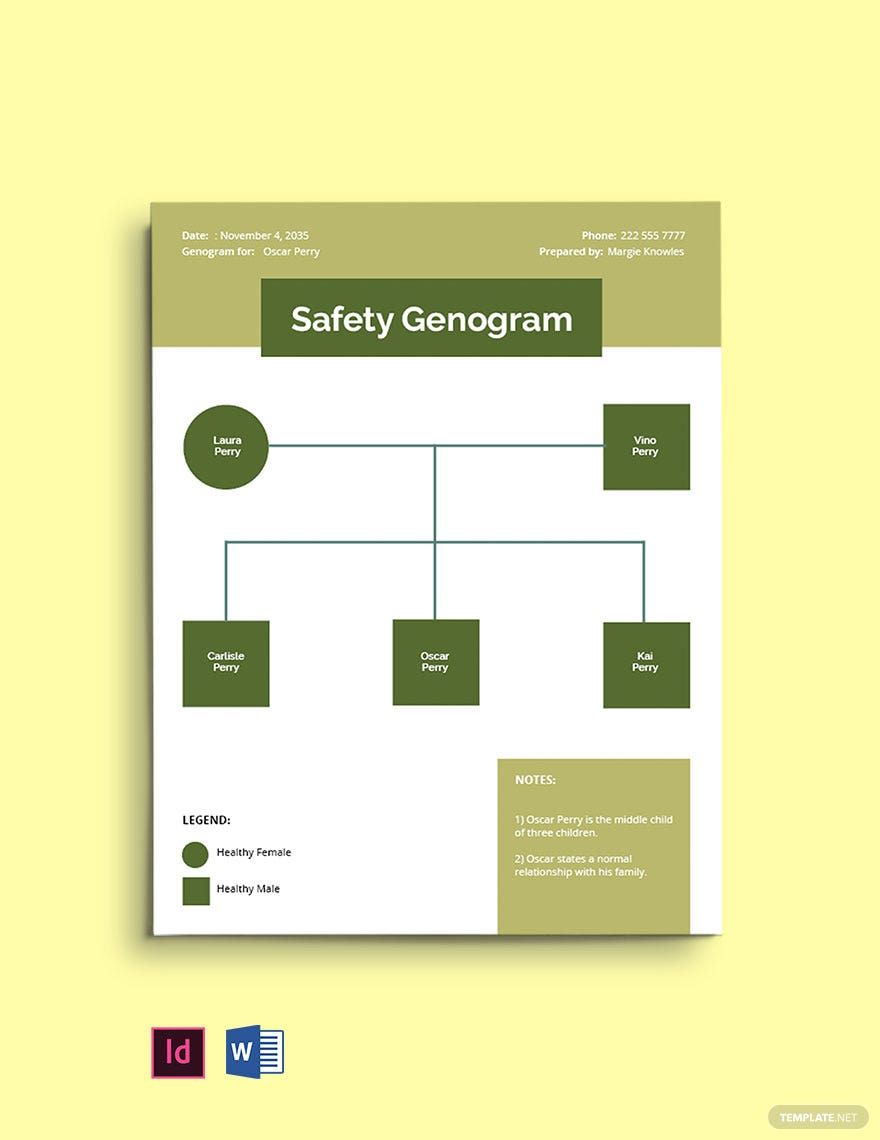
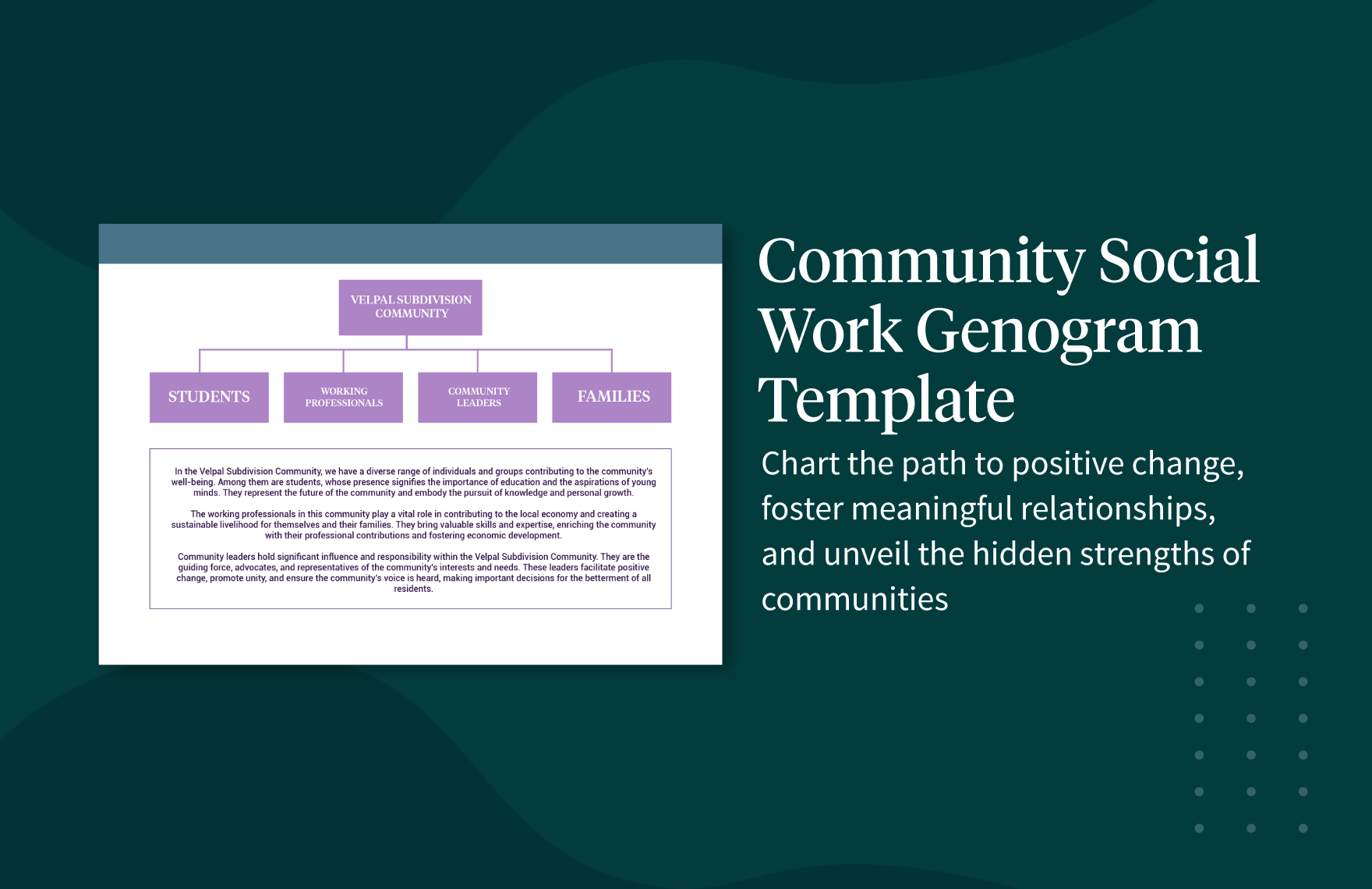
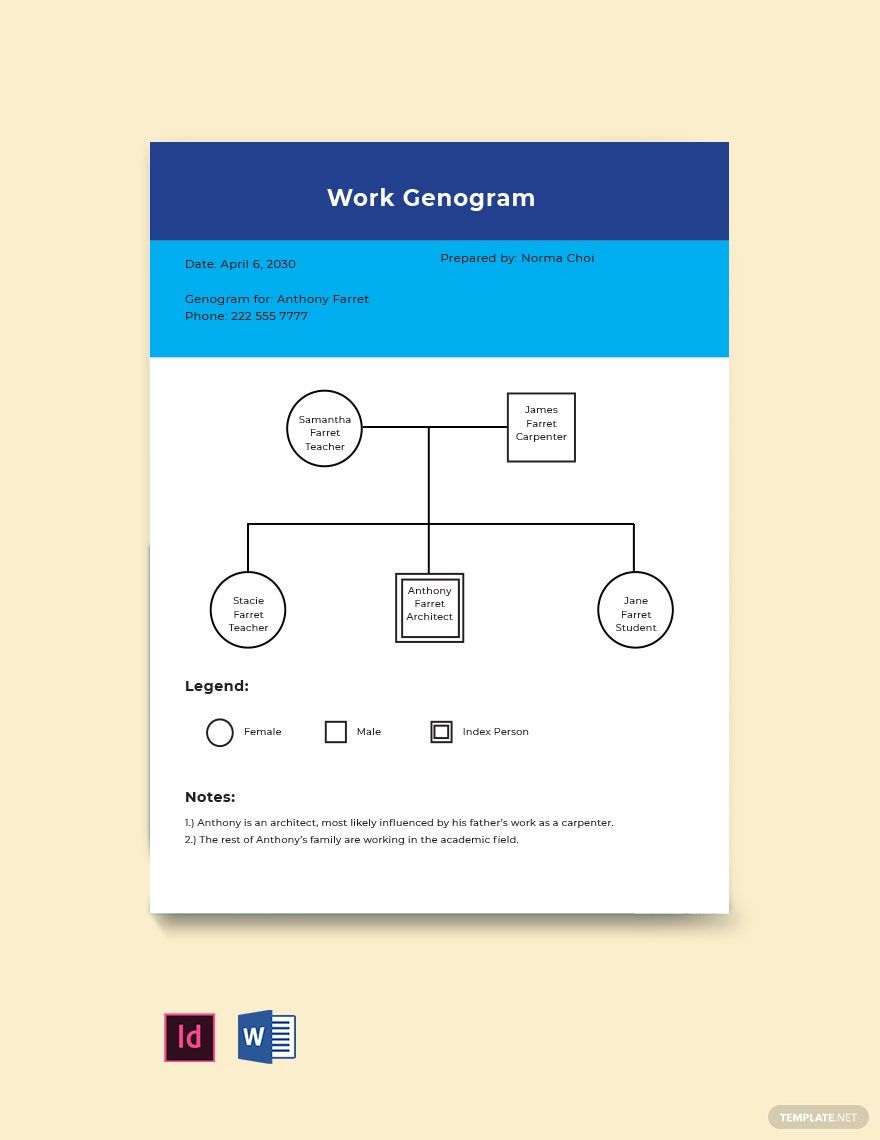
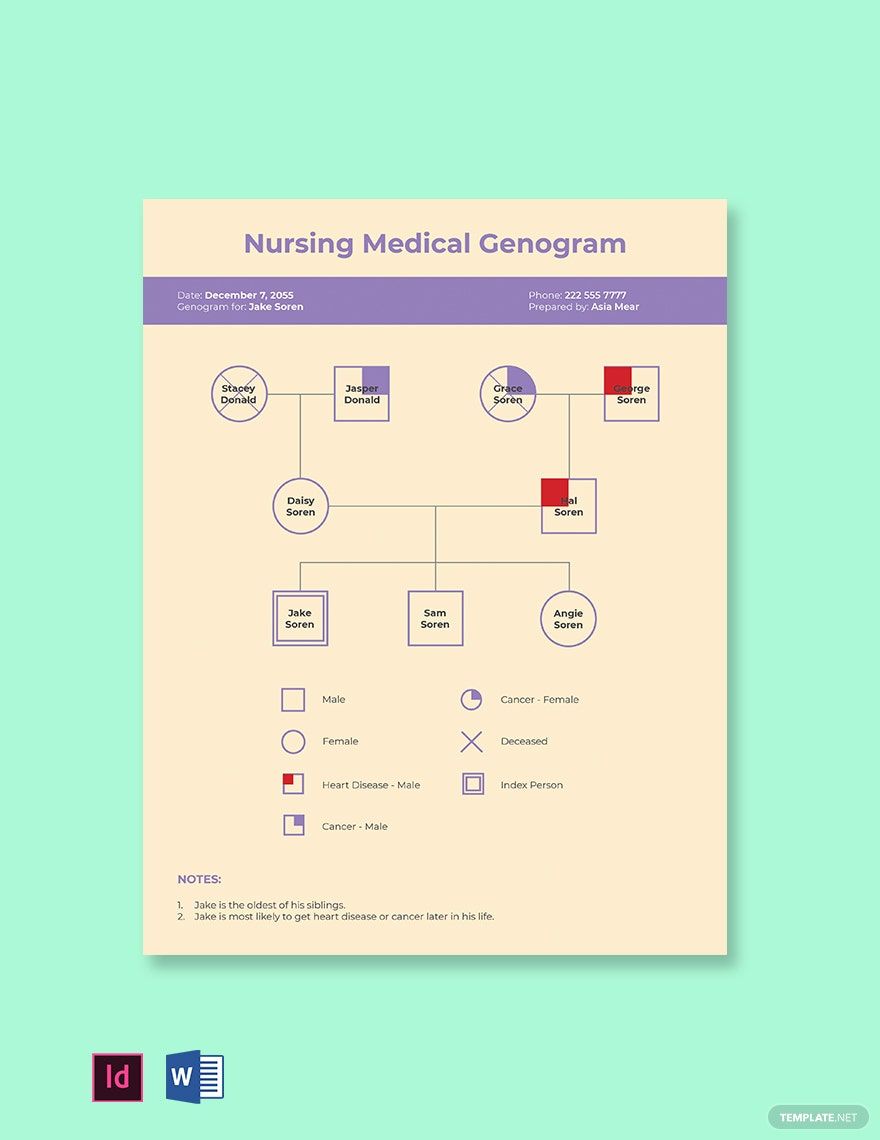
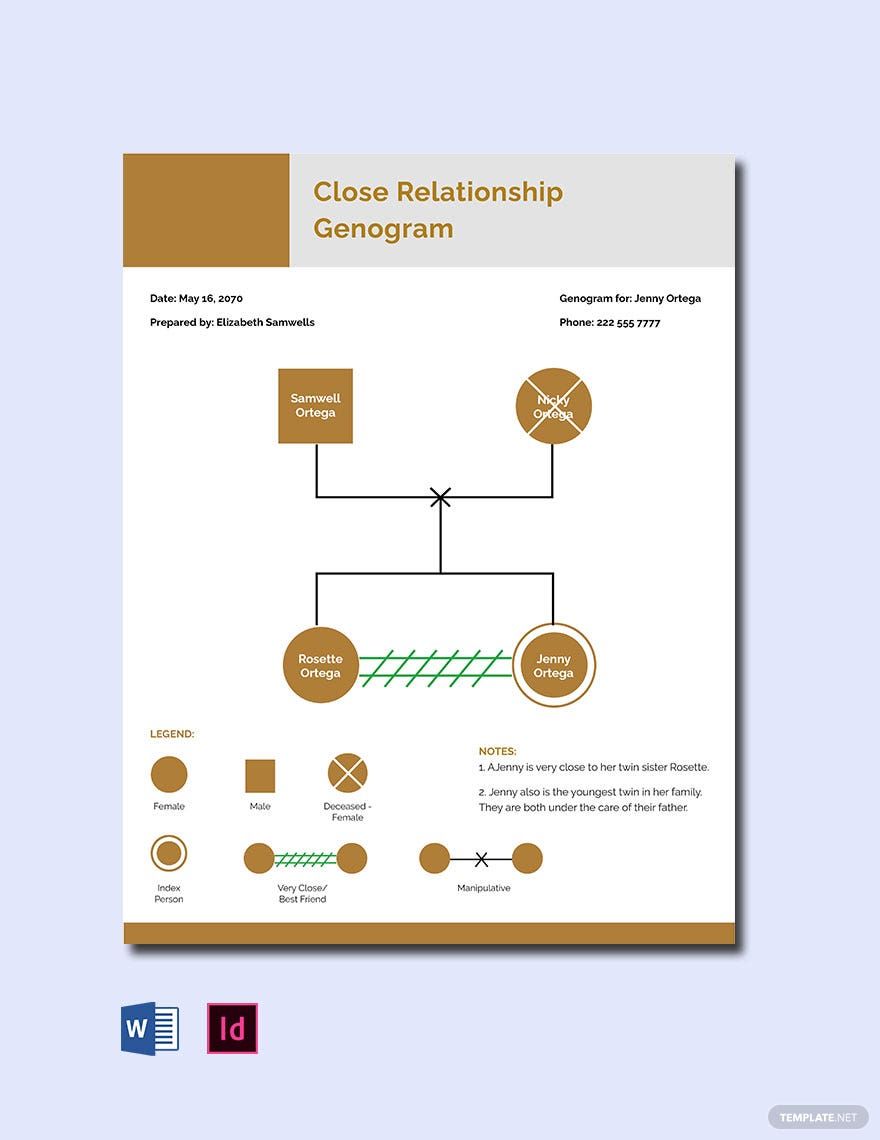
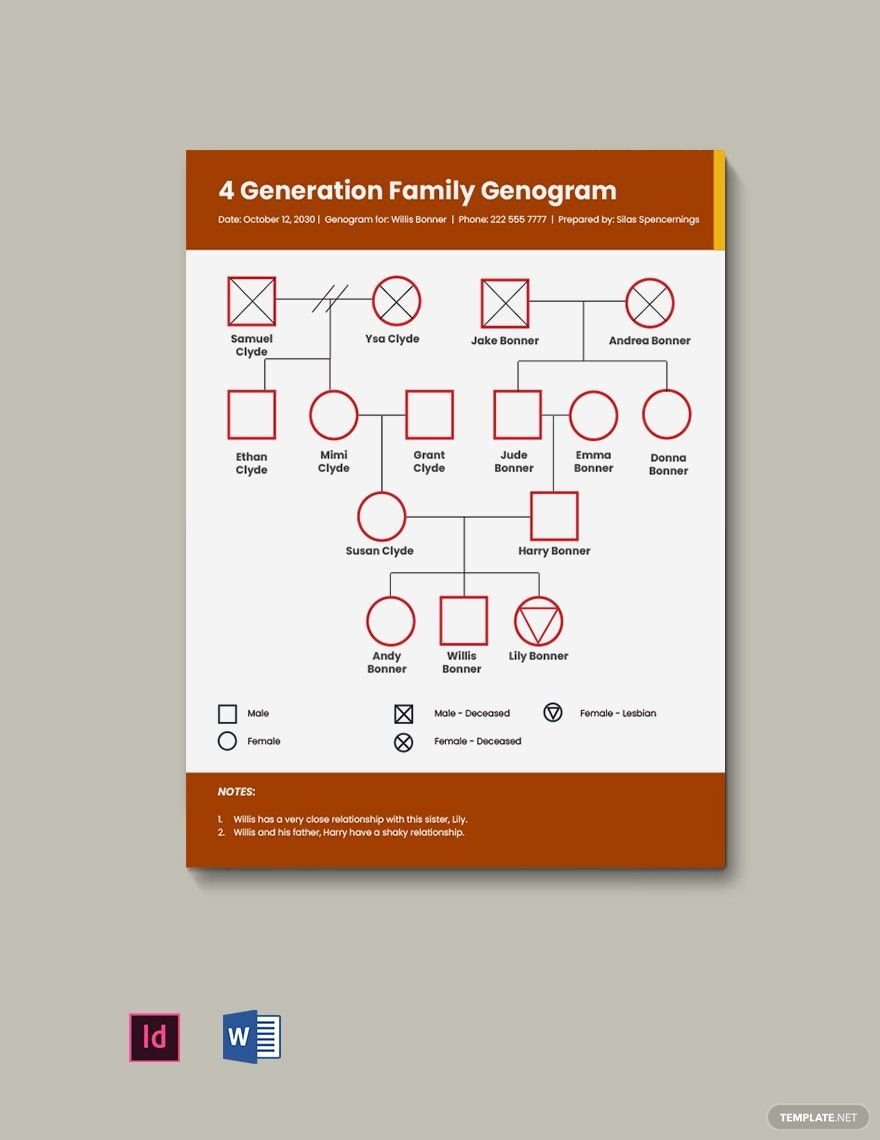
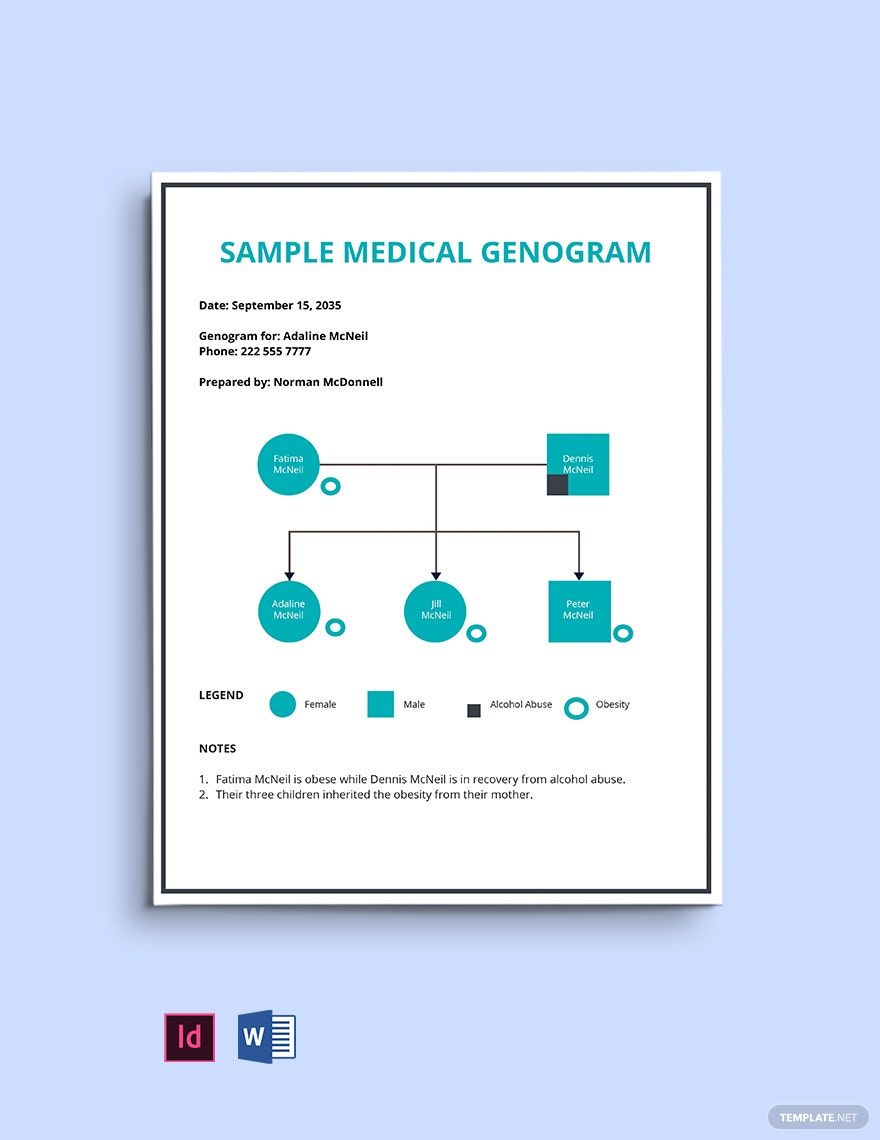
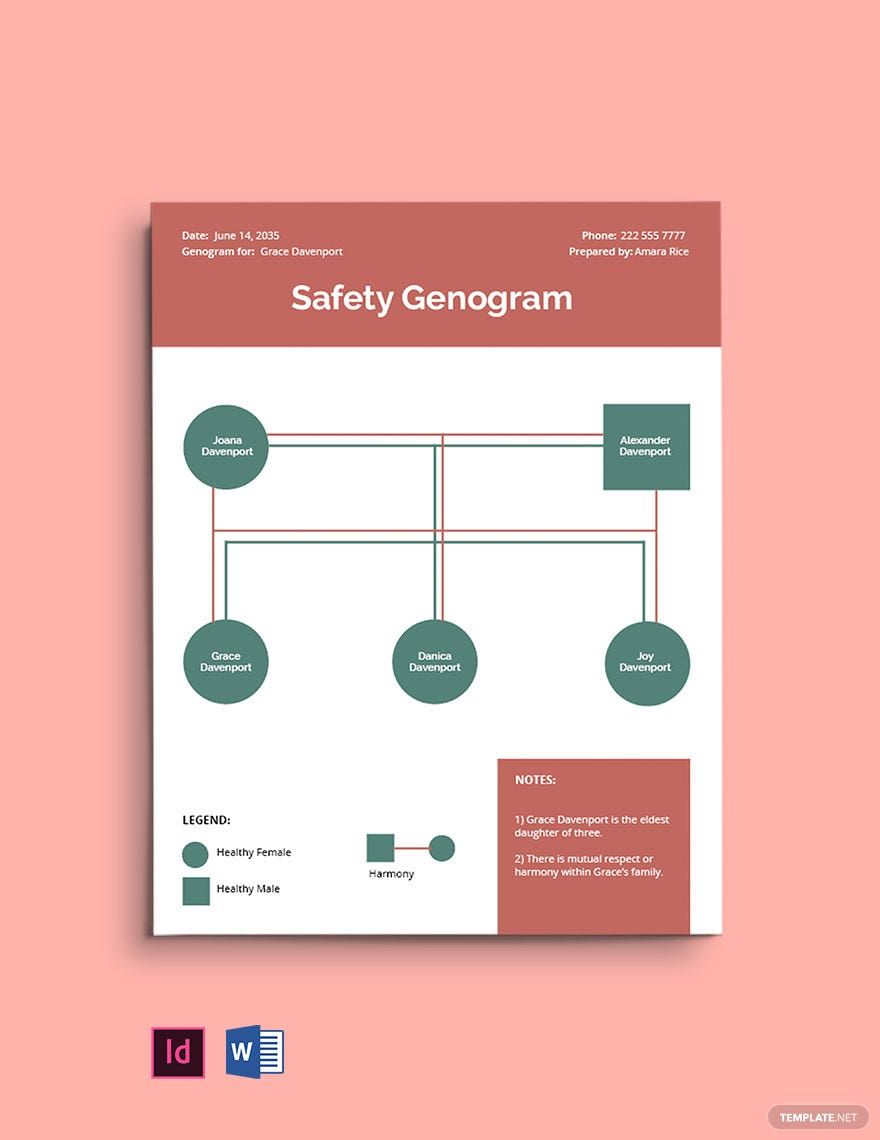
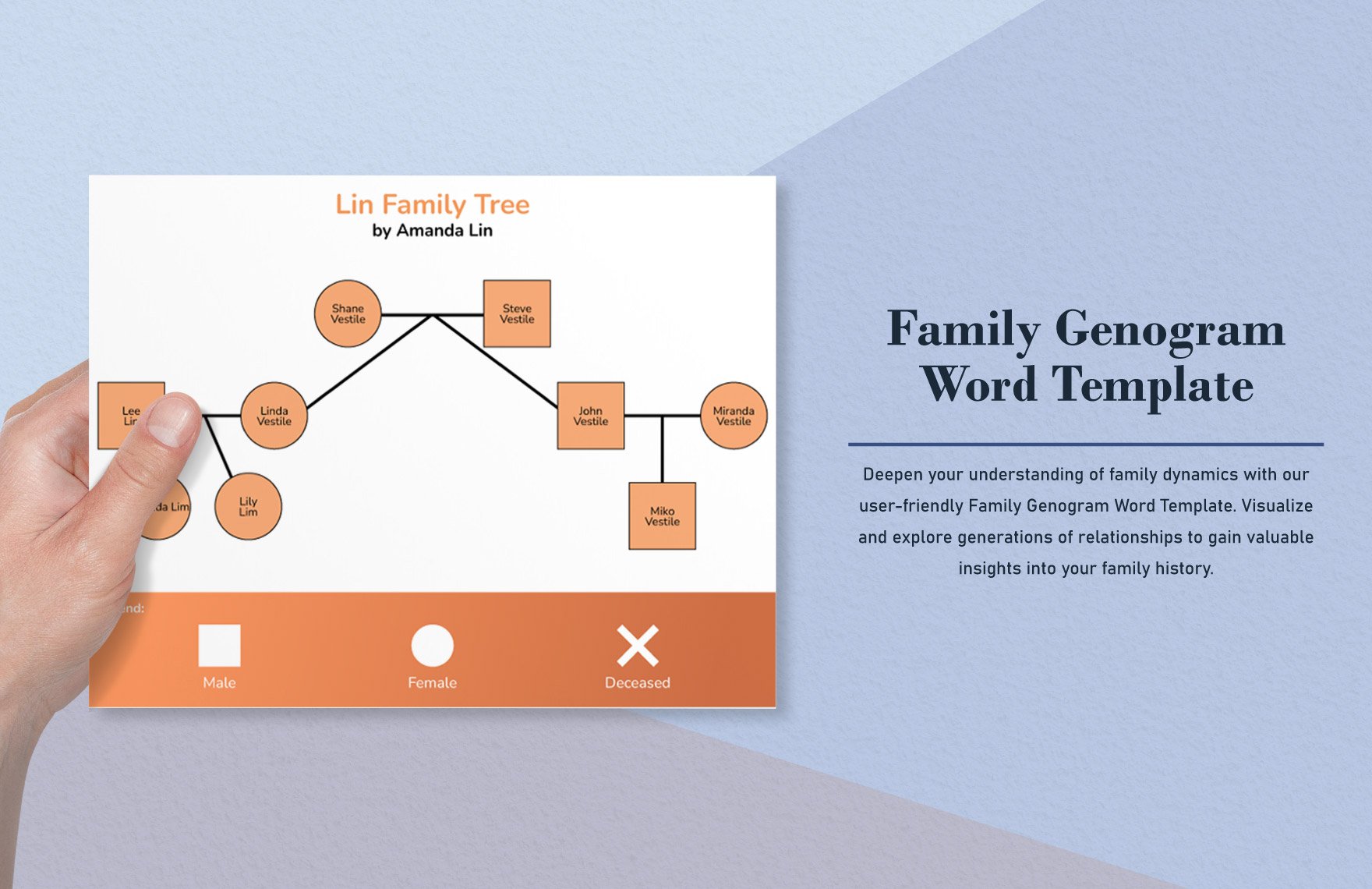
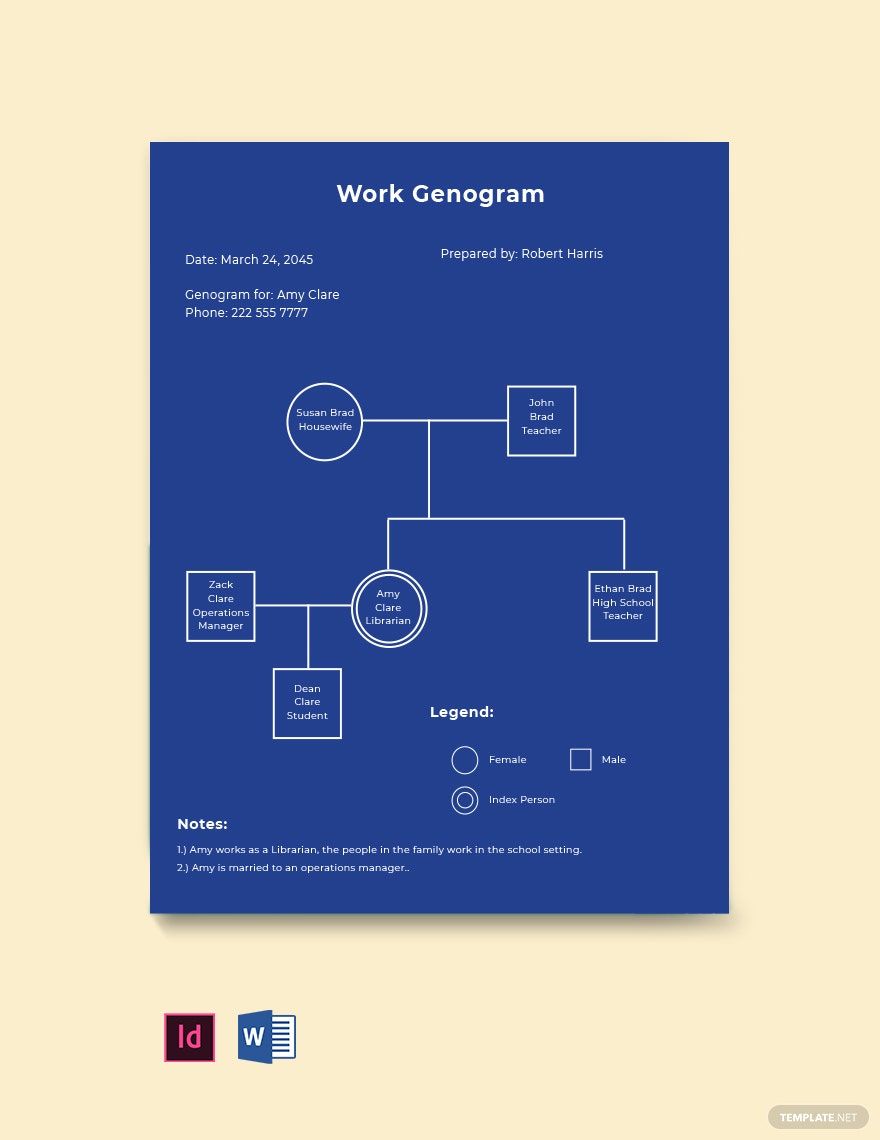
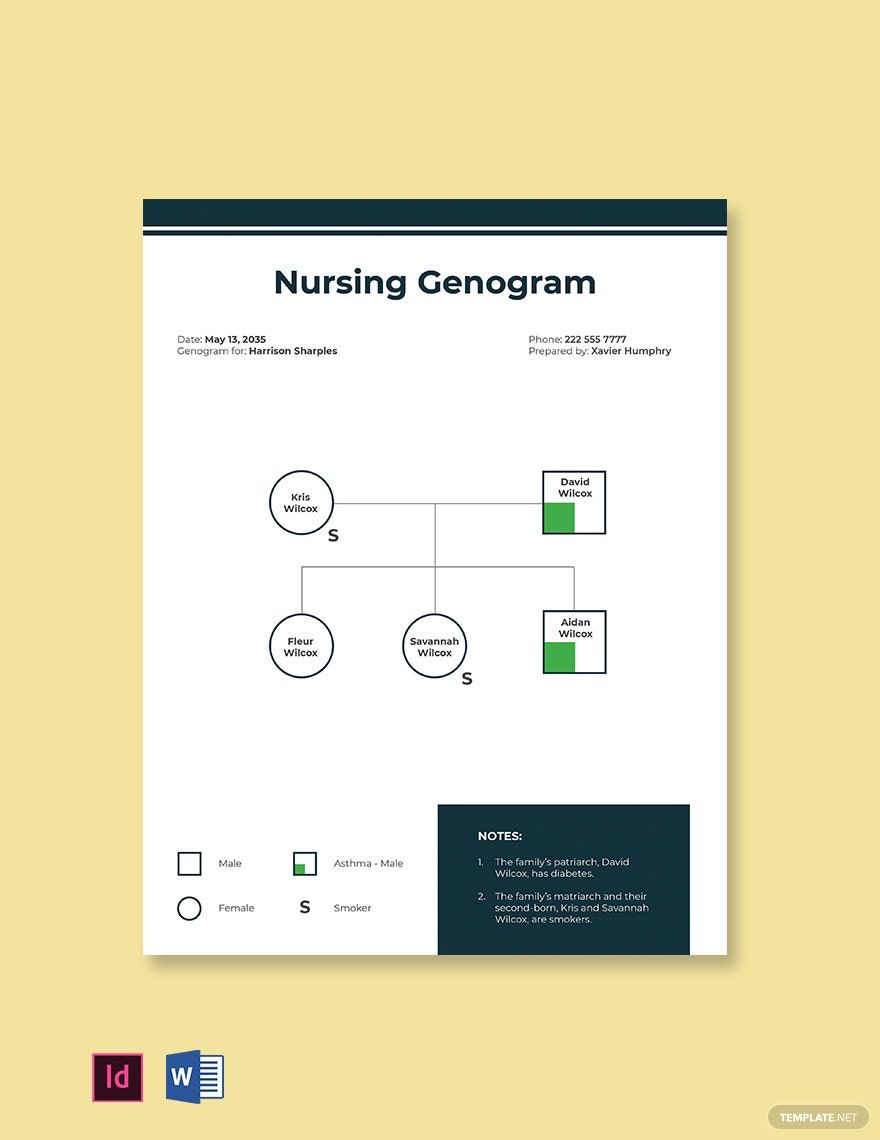
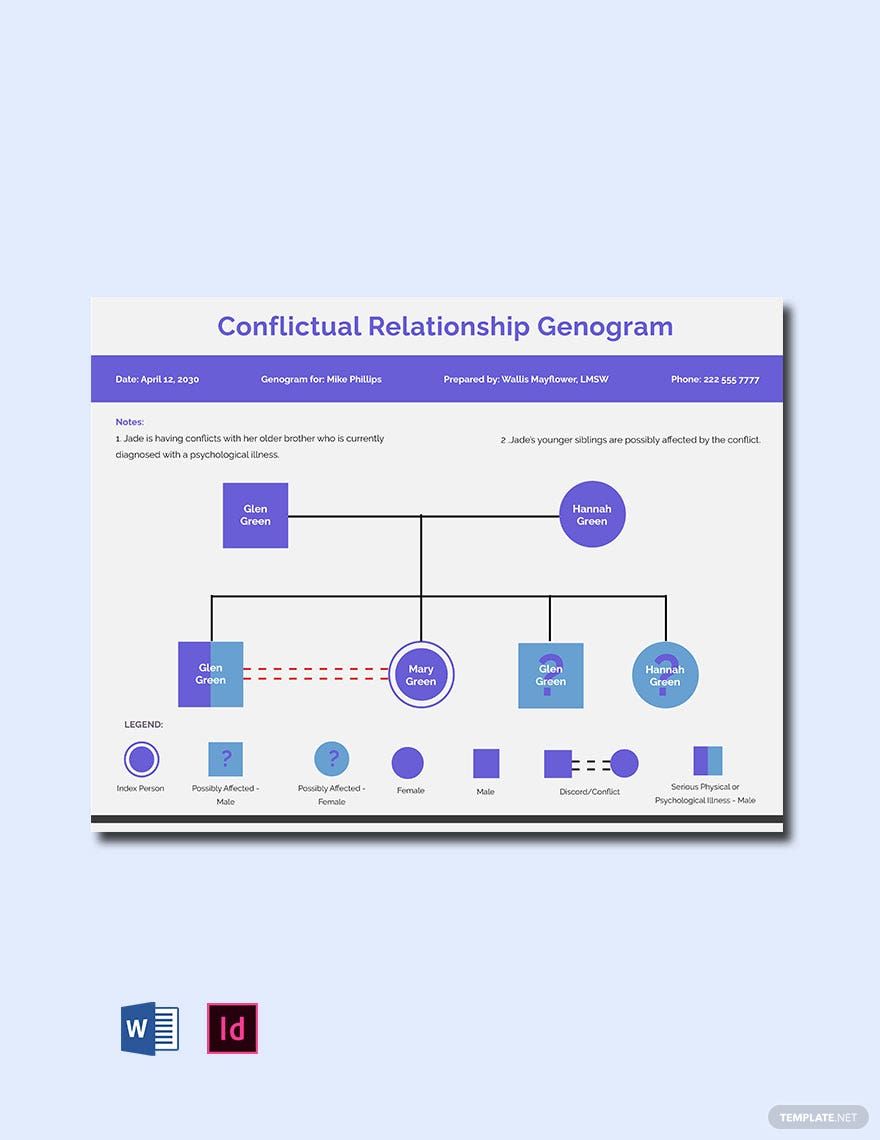
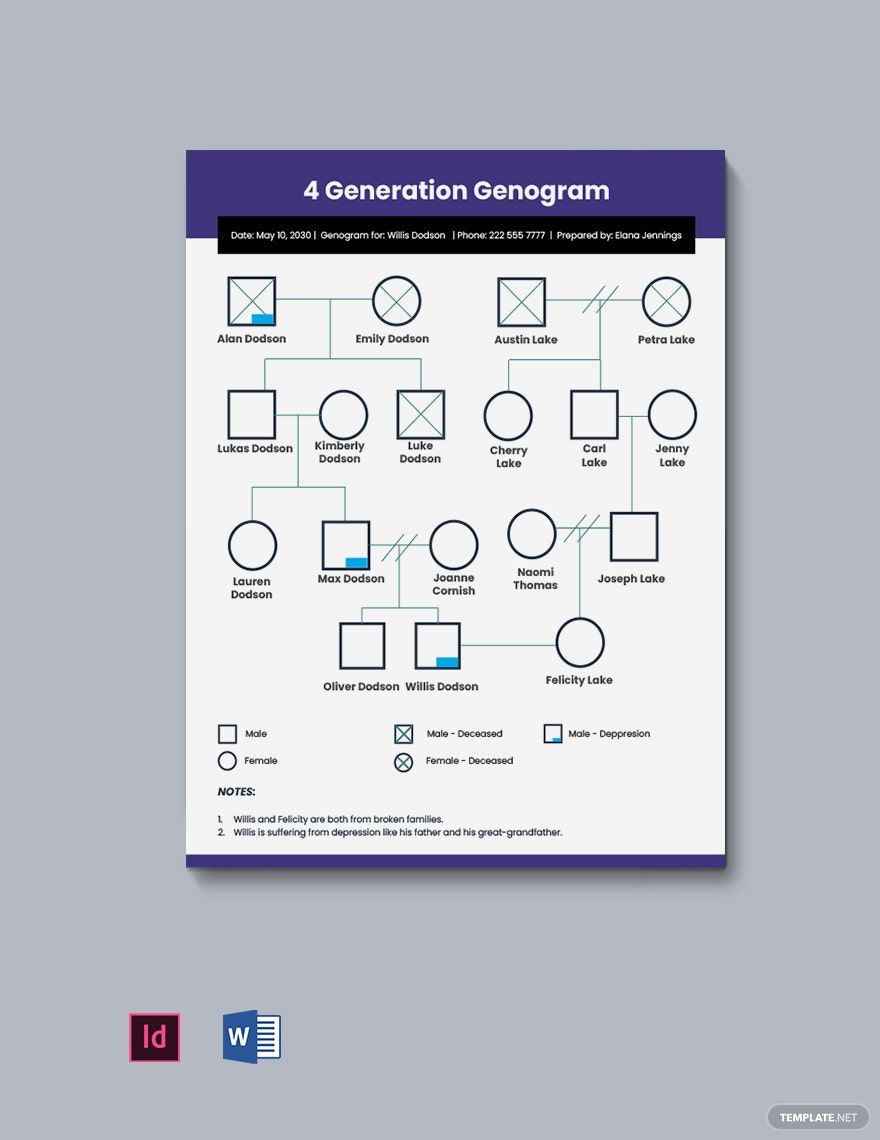
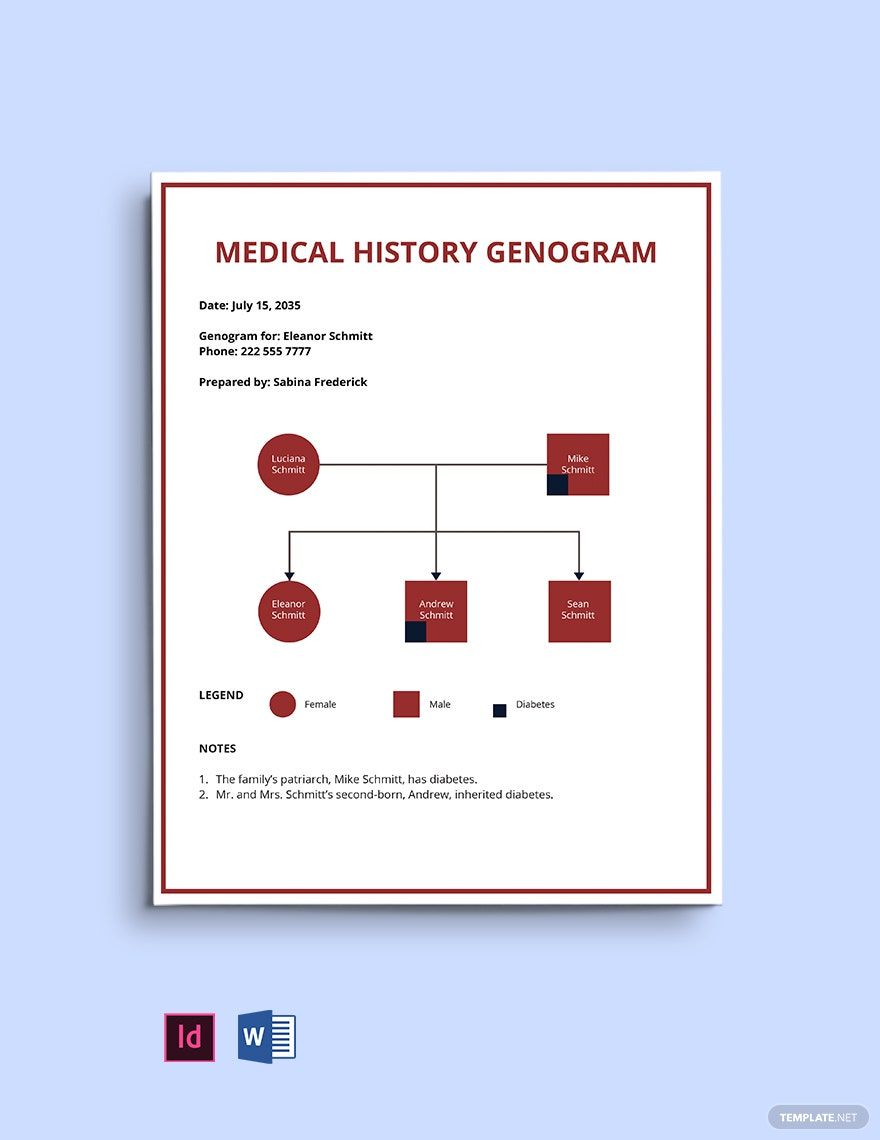
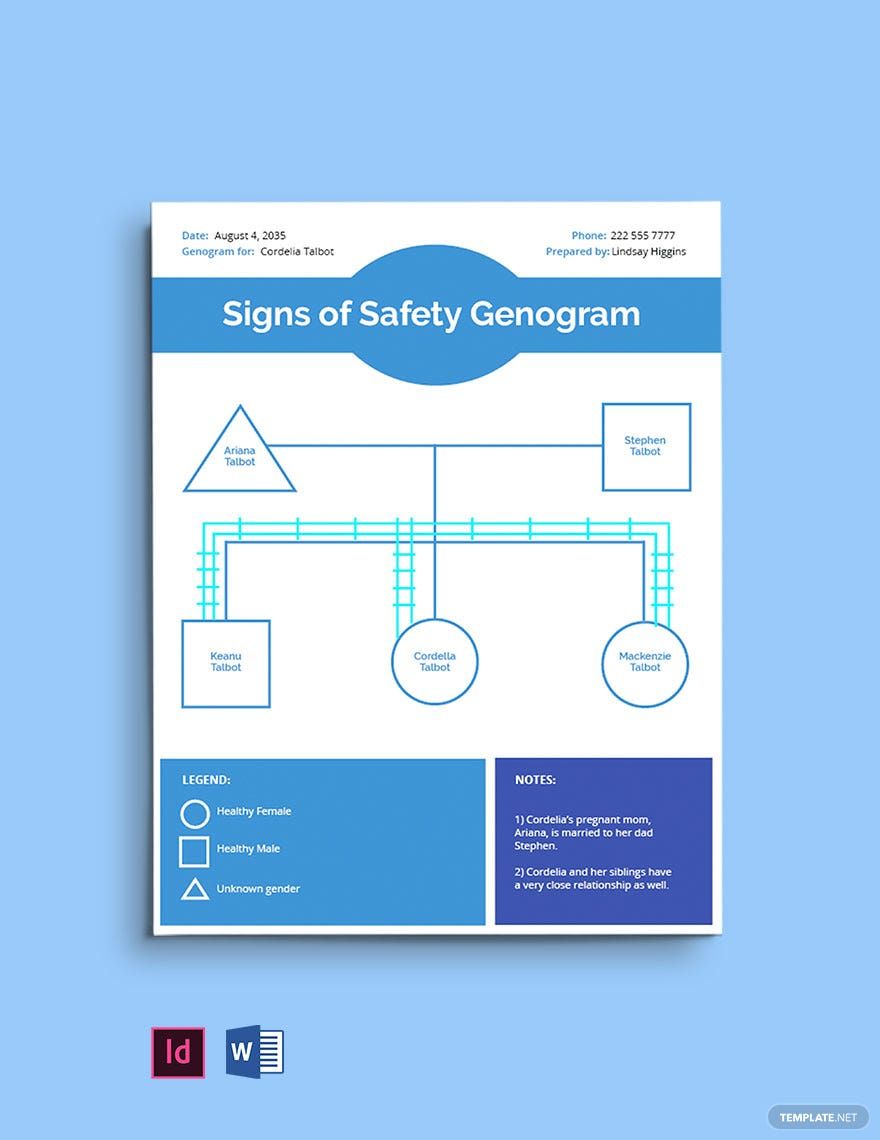
A Genogram is a specialized diagram that maps family relationships and medical history, illustrating patterns across generations. It uses visual hierarchy to show connections and hereditary traits, supporting deeper understanding of family dynamics and health risks.
Why should I use a Genogram?
You should use a Genogram to visualize family relationships and inherited traits, which assists in identifying behavioral patterns and medical histories. It enhances workflow connections by providing a clear, organized structure of familial data for analysis and decision-making.
Who uses Genograms?
Genograms are used by healthcare professionals, therapists, social workers, and researchers to analyze family medical histories and social relationships. They also support educators and counselors in understanding collaboration features within family dynamics.
What are the best tips for completing my Genogram?
When completing your Genogram, consider these tips for clarity and usefulness.
- Accurate data collection – gather detailed family information
- Clear symbols – use standard icons for family members and relationships
- Consistent structure – maintain visual hierarchy for easy navigation
- Include medical history – highlight hereditary conditions
- Update regularly – keep information current
- Use color coding – differentiate relationships and traits
- Label clearly – identify individuals and relationships explicitly
- Limit complexity – focus on relevant family branches
- Collaborate online – use editable templates for team input
- Validate with family members – ensure accuracy
What file formats can I download for my Genogram?
Template.net whiteboard templates support multiple export formats for collaboration and sharing. You can download your Genogram templates in Word, Google Docs, Apple Keynote, and Google Slides.
Can I create a Genogram using AI?
Template.net provides an AI-powered tool that generates new Genogram structures from prompts to streamline creation and customization. You can access this tool via the Genogram Maker.
What essential elements should be included in my Genogram?
Your Genogram should include essential elements to accurately represent family dynamics and medical history.
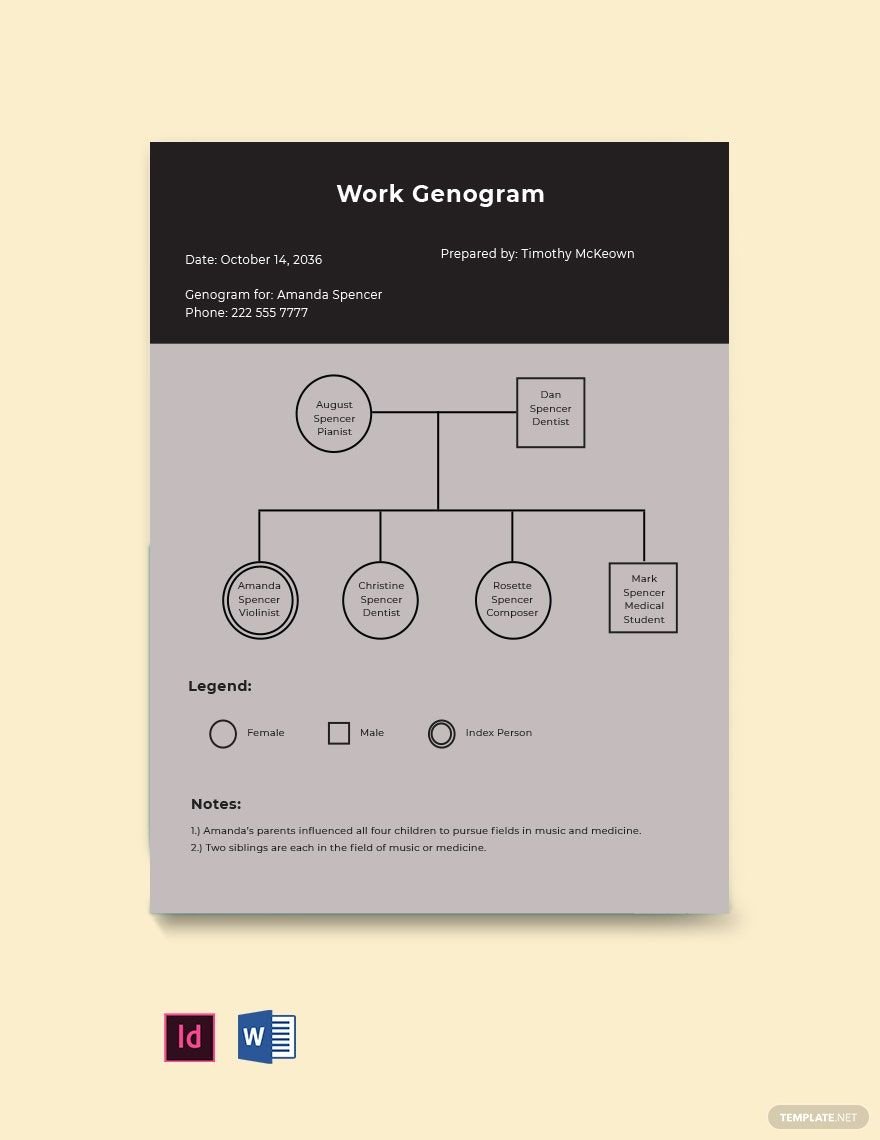
- Family members – individuals represented with standardized symbols
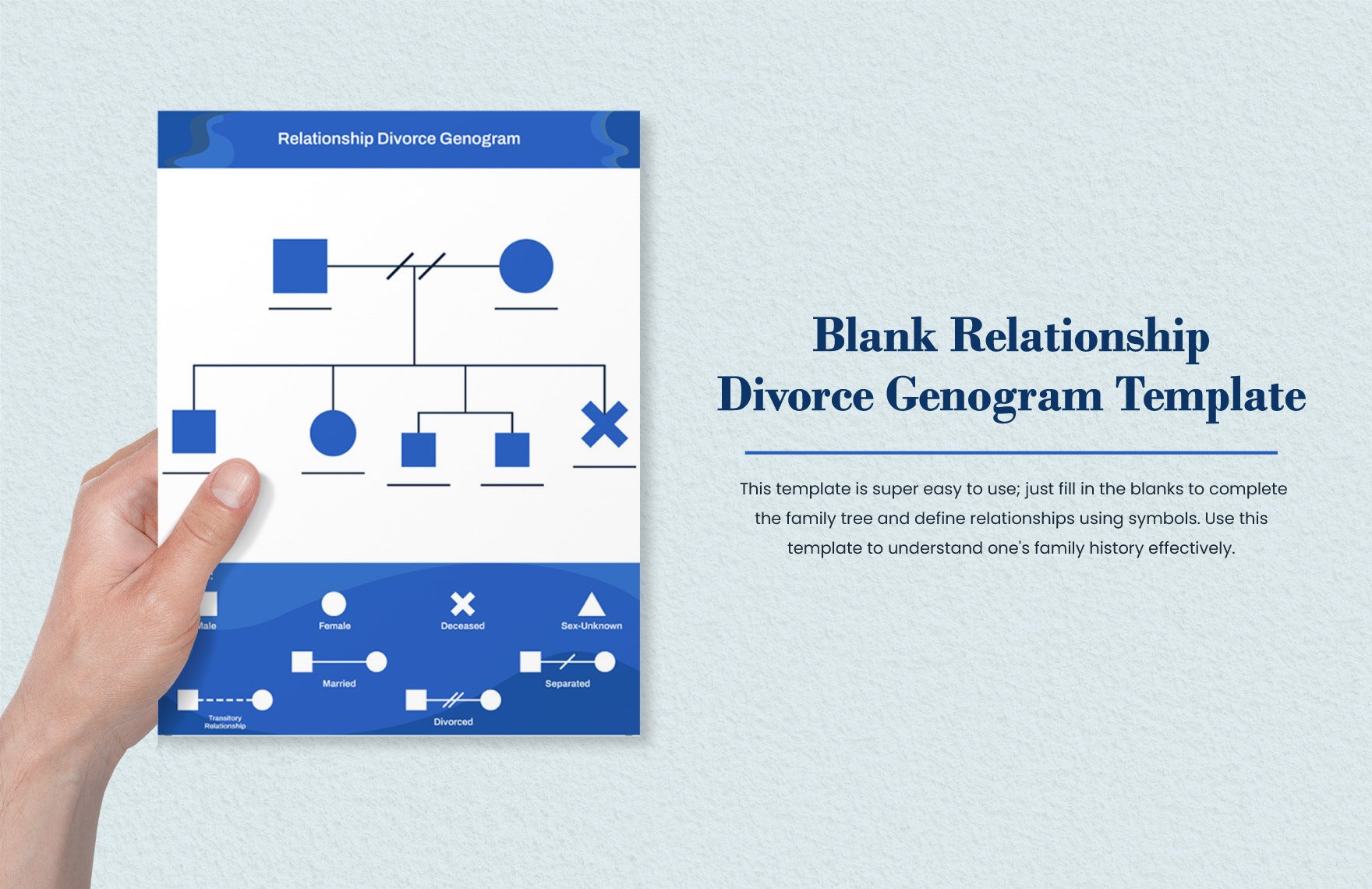
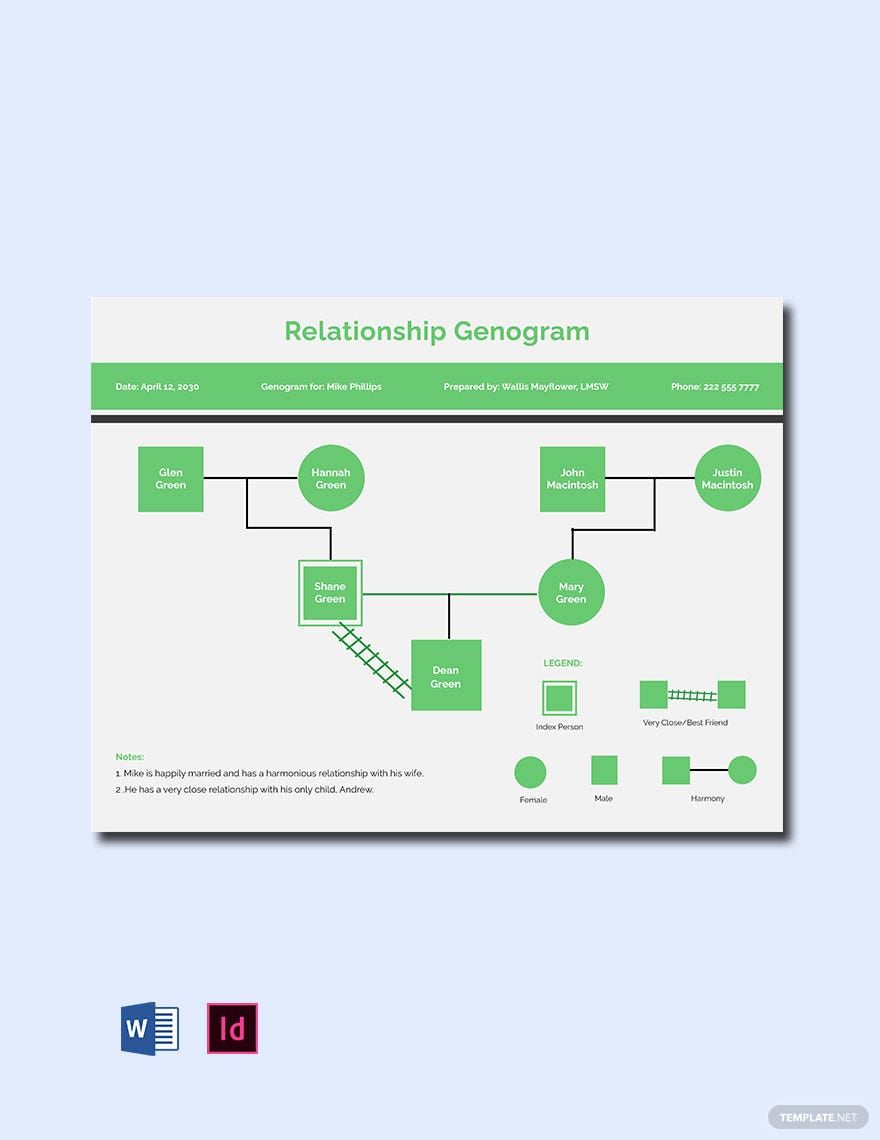
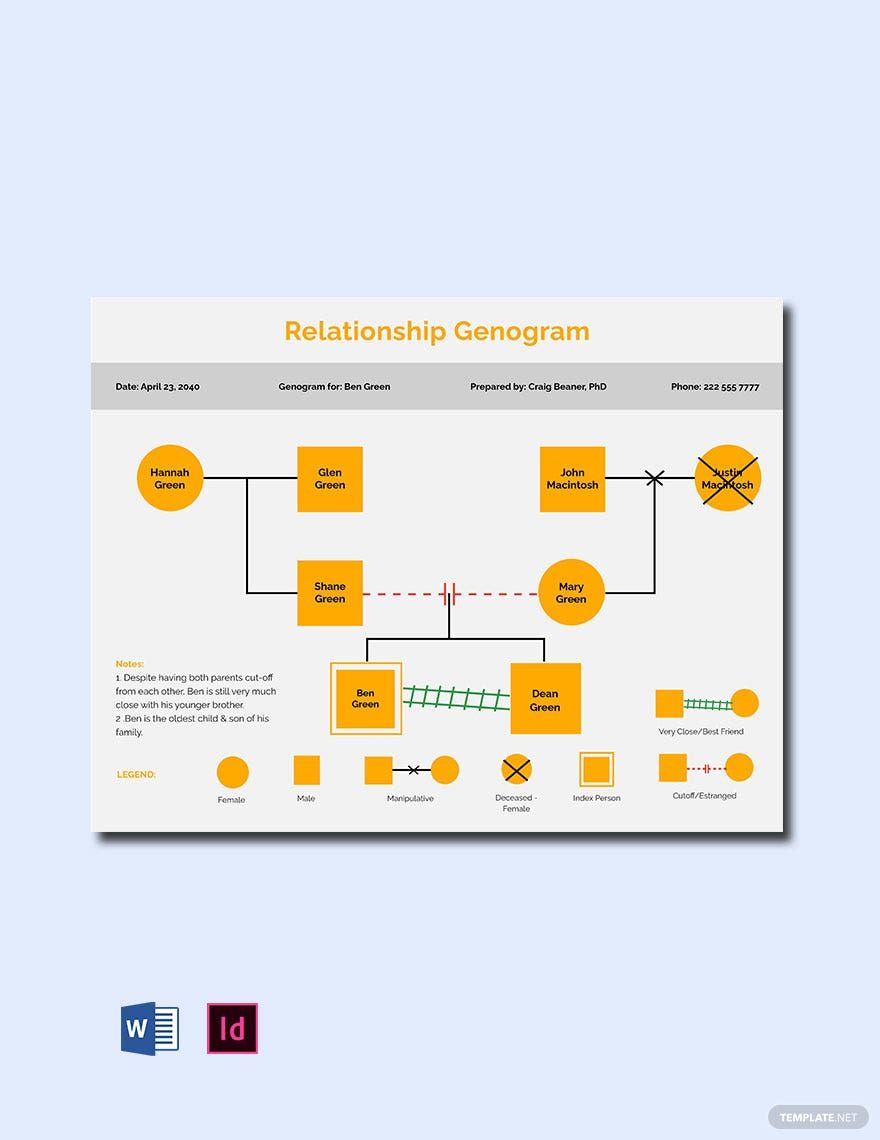
- Relationships – connections like marriage, divorce, and siblings
- Generations – layers showing different family levels
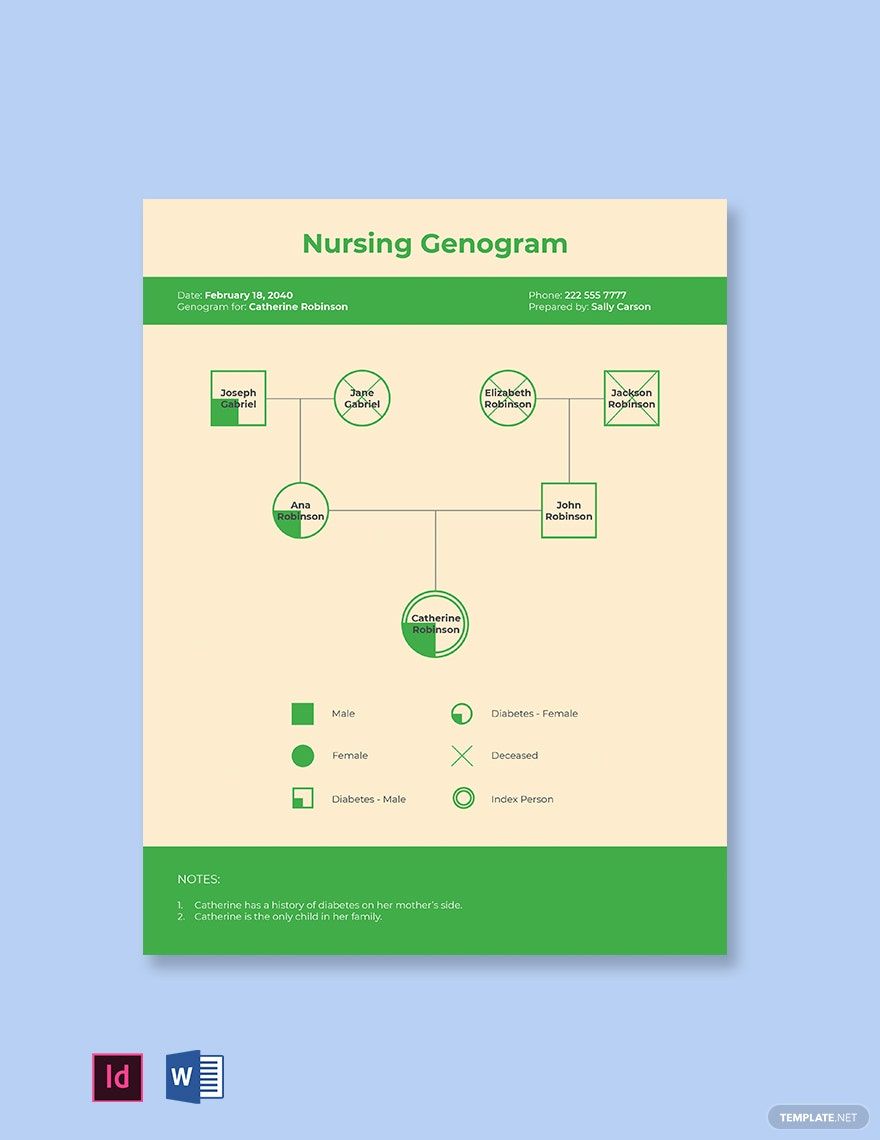
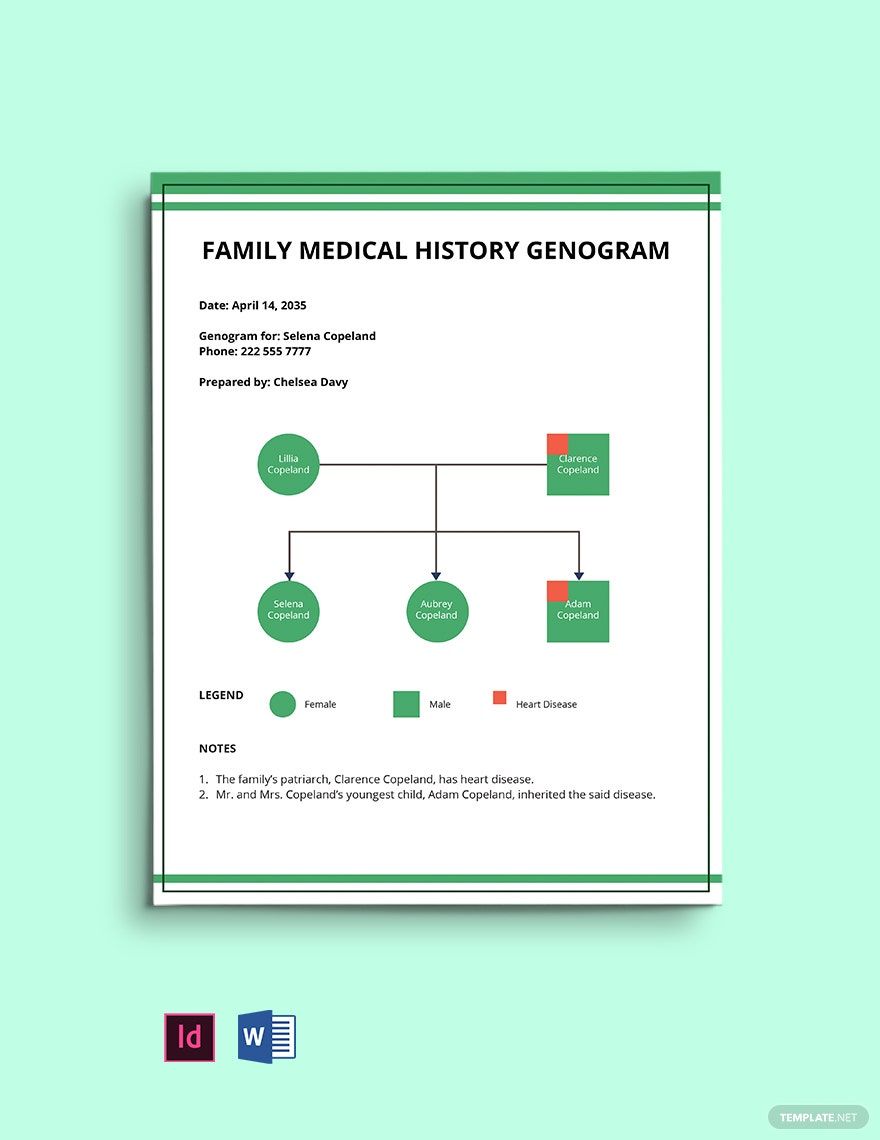
- Medical history – hereditary diseases and conditions
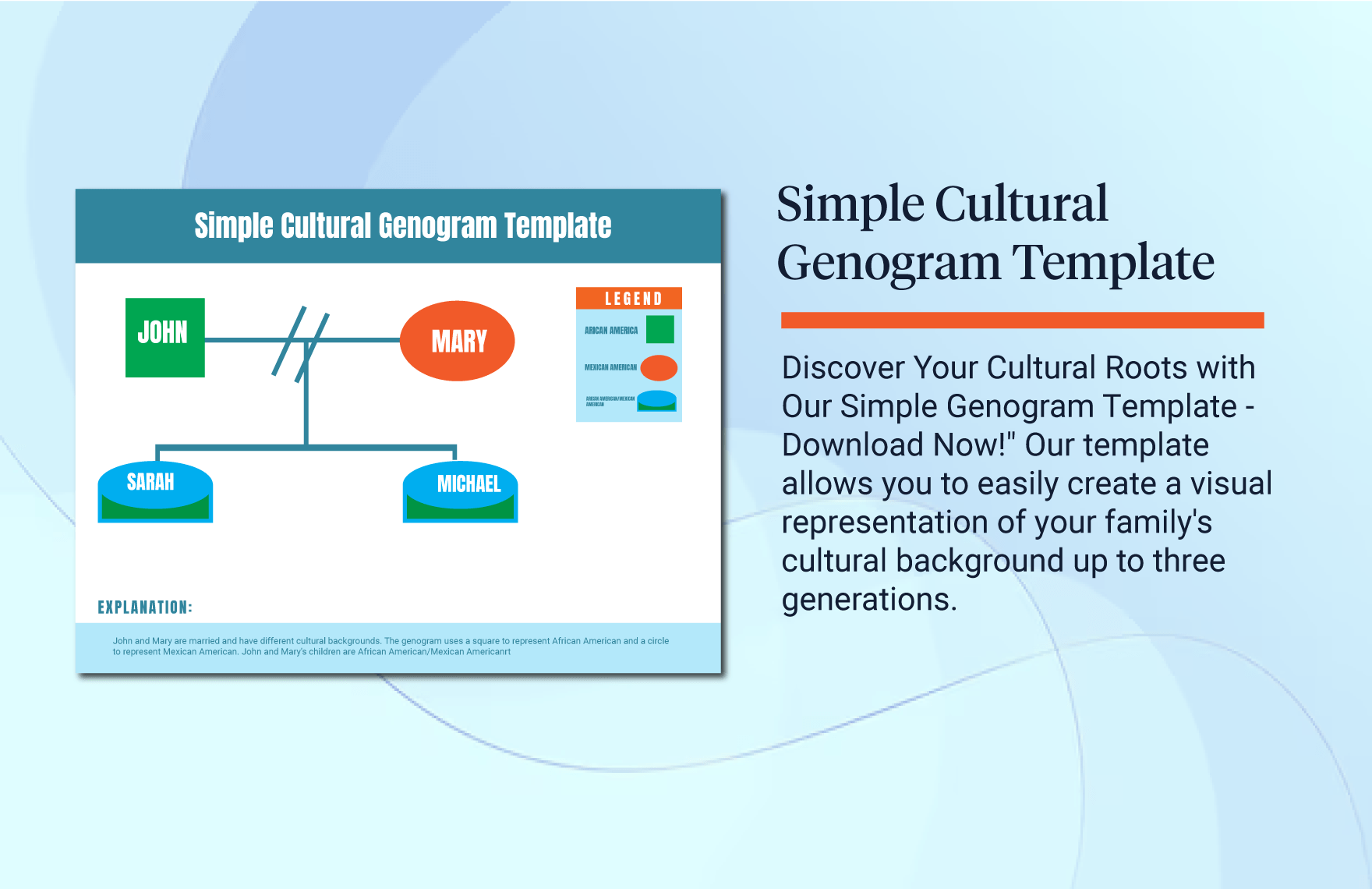
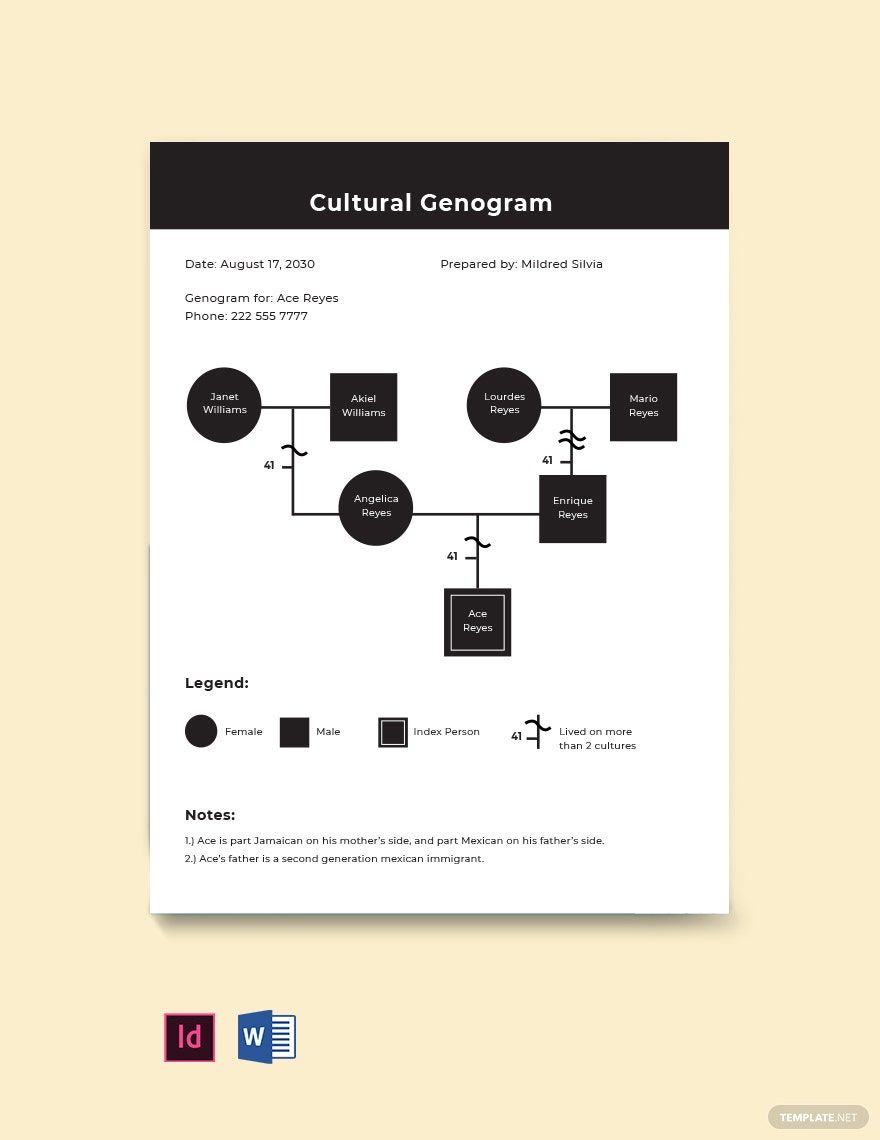
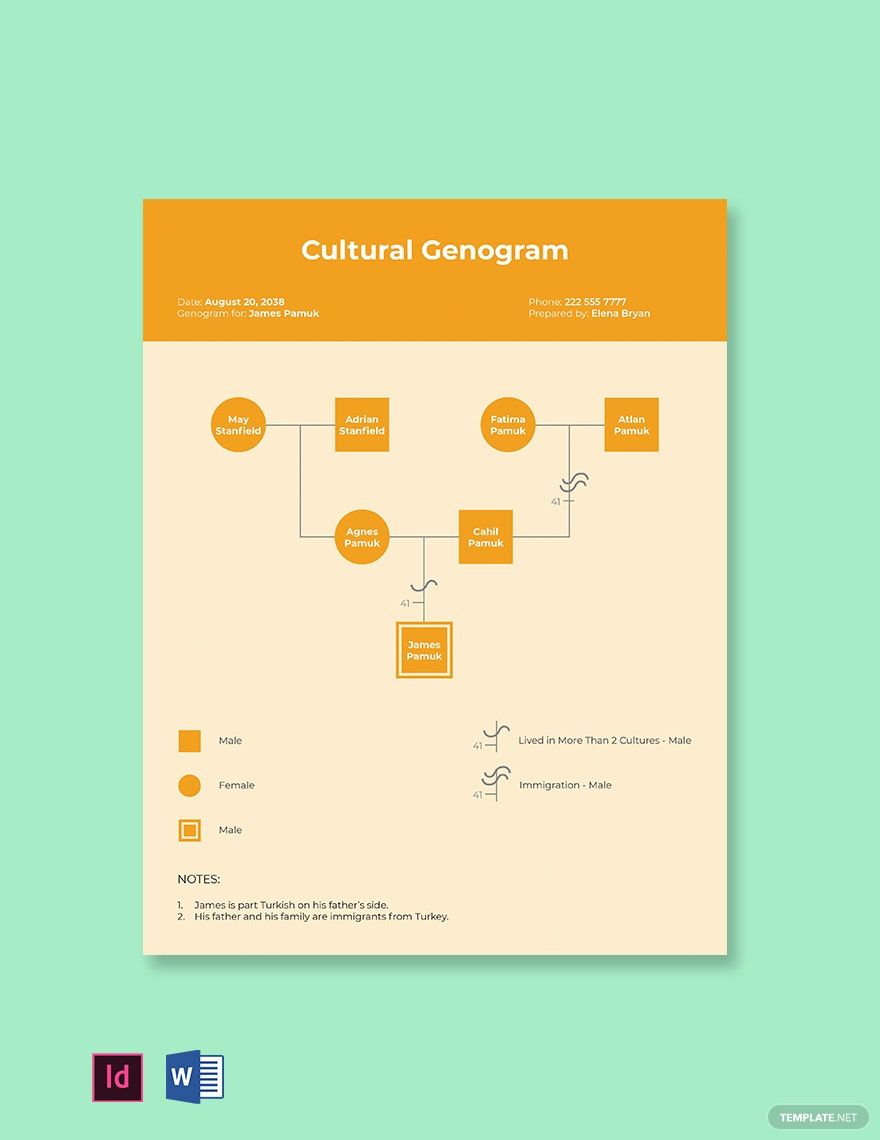
- Gender symbols – typically circles for females, squares for males
- Emotional relationships – indications of conflicts or close bonds
- Dates – birth, death, and marriage years
- Legend – explanation of symbols and colors used
- Annotations – notes for unusual or significant information
- Color coding – to differentiate types of relationships or conditions
What are the benefits of using Genogram in my team collaboration workflow?
Using a Genogram in your team collaboration workflow enhances communication by visually mapping family dynamics and medical data. It supports collaboration features by providing a shared, editable structure for team members to analyze relationships and hereditary information clearly and consistently.
What structural standards should my Genogram follow?
Your Genogram should follow structural standards to ensure visual hierarchy and clarity. These include consistent use of symbols, organized generational layers, clear labels, proportional spacing, and standardized color codes to distinguish relationships and hereditary traits effectively.
