




















Free PERT Chart Templates: Customizable Definitions, Uses, and Download Options
What is a PERT Chart?
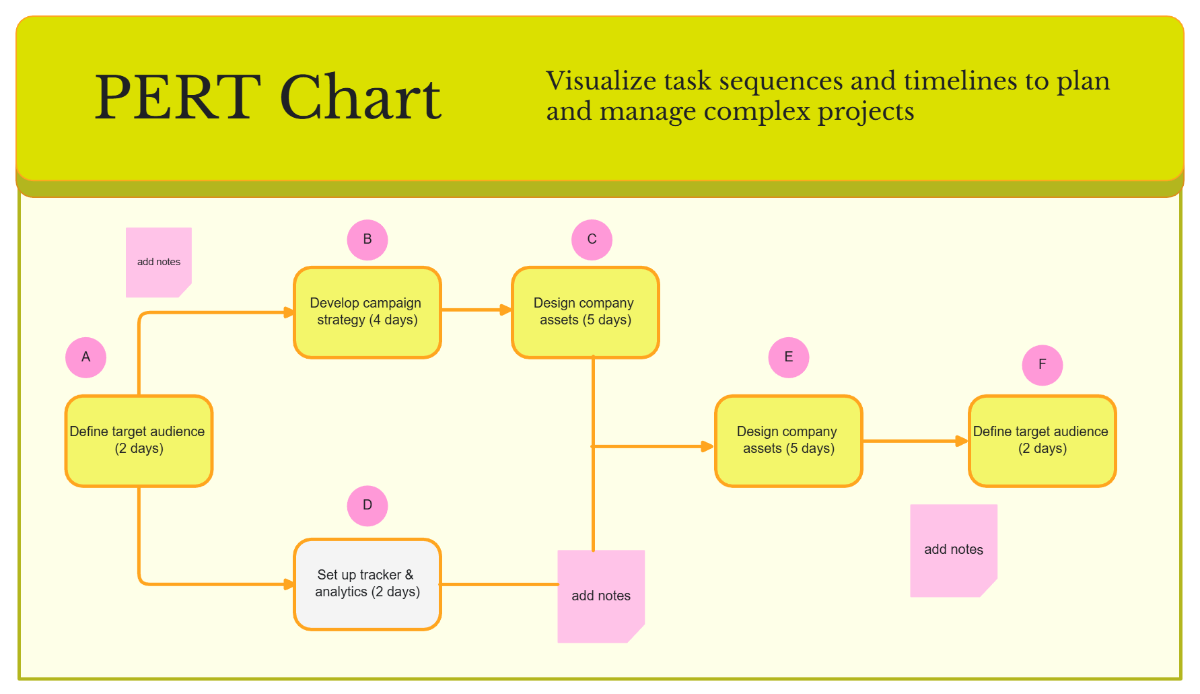
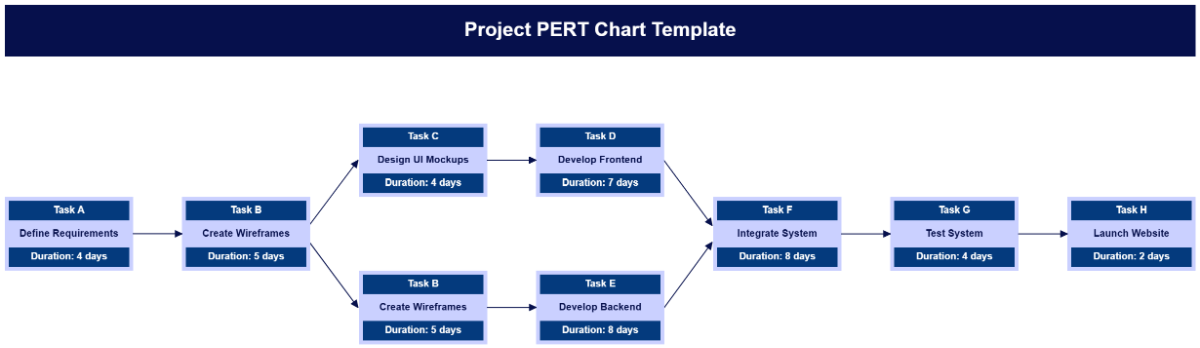
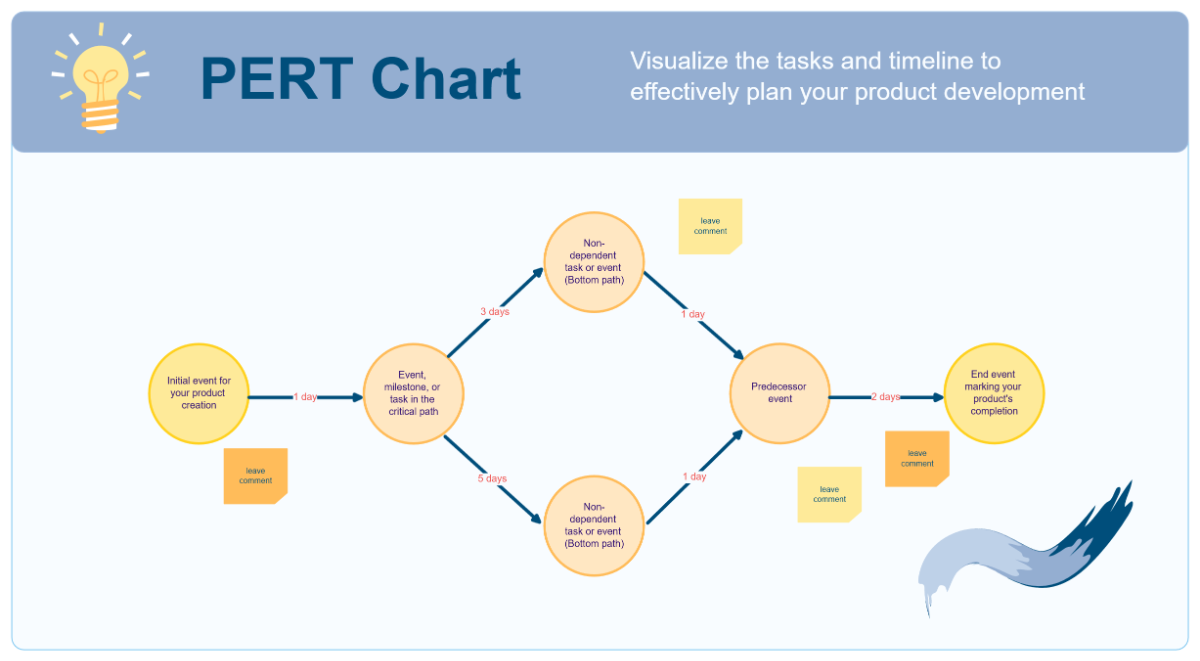
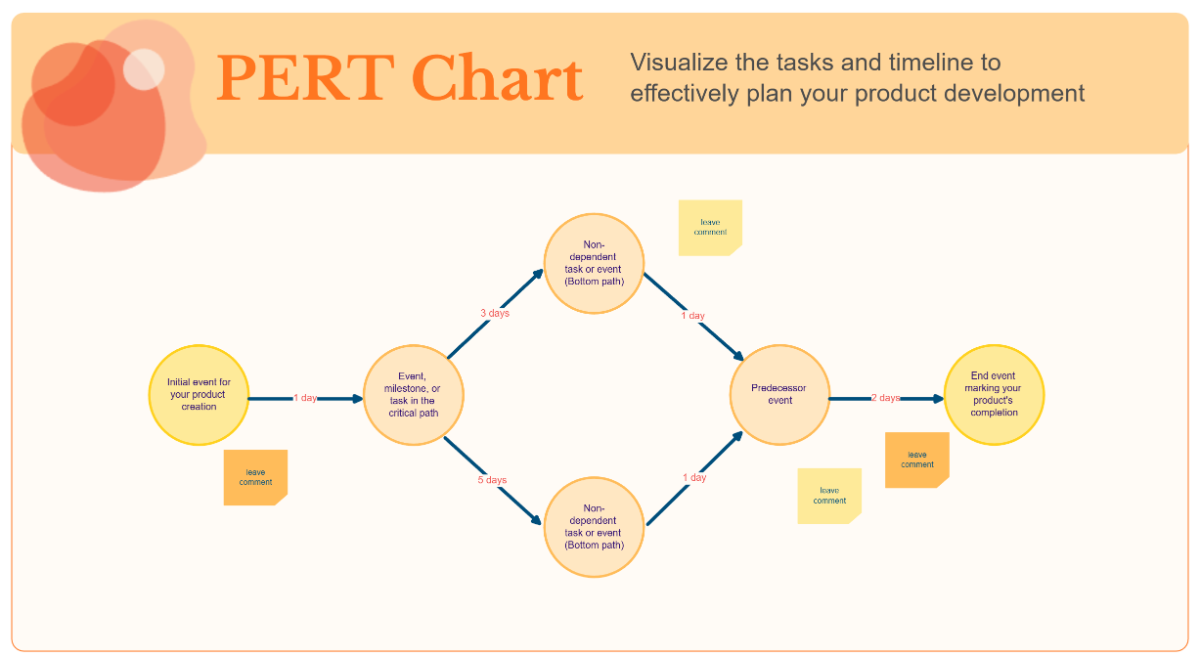
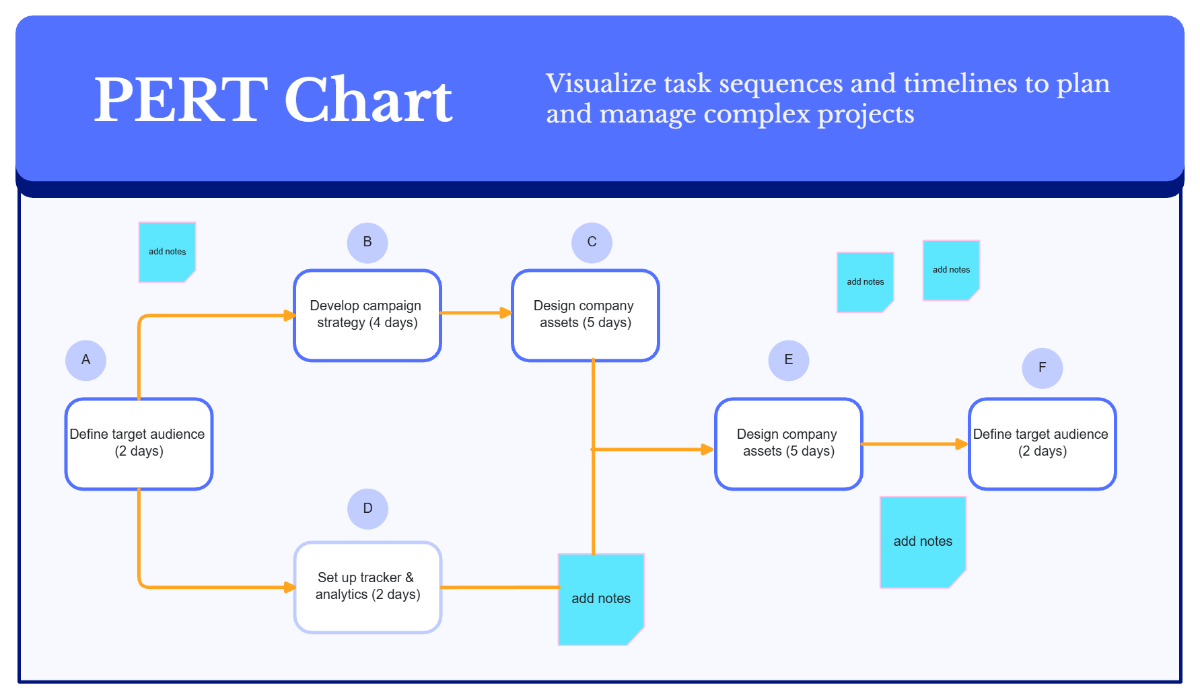
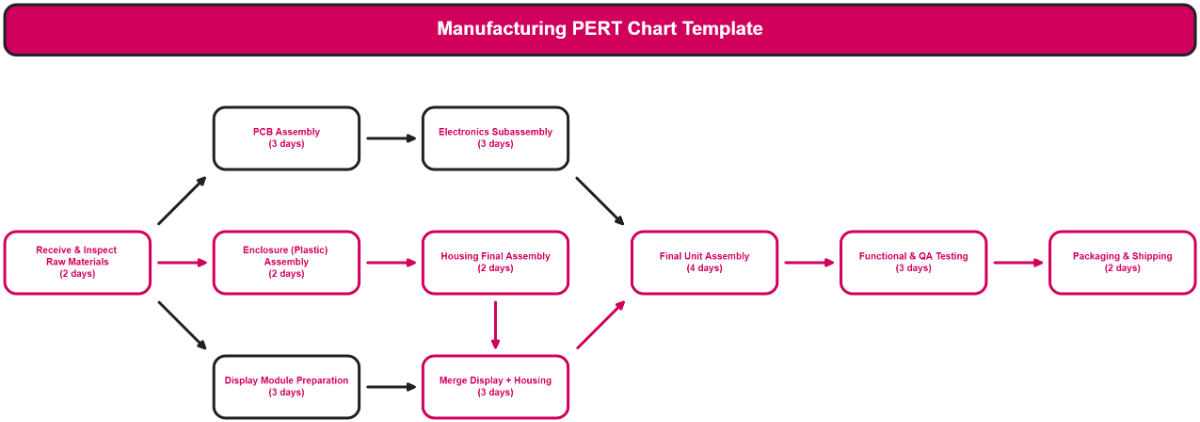
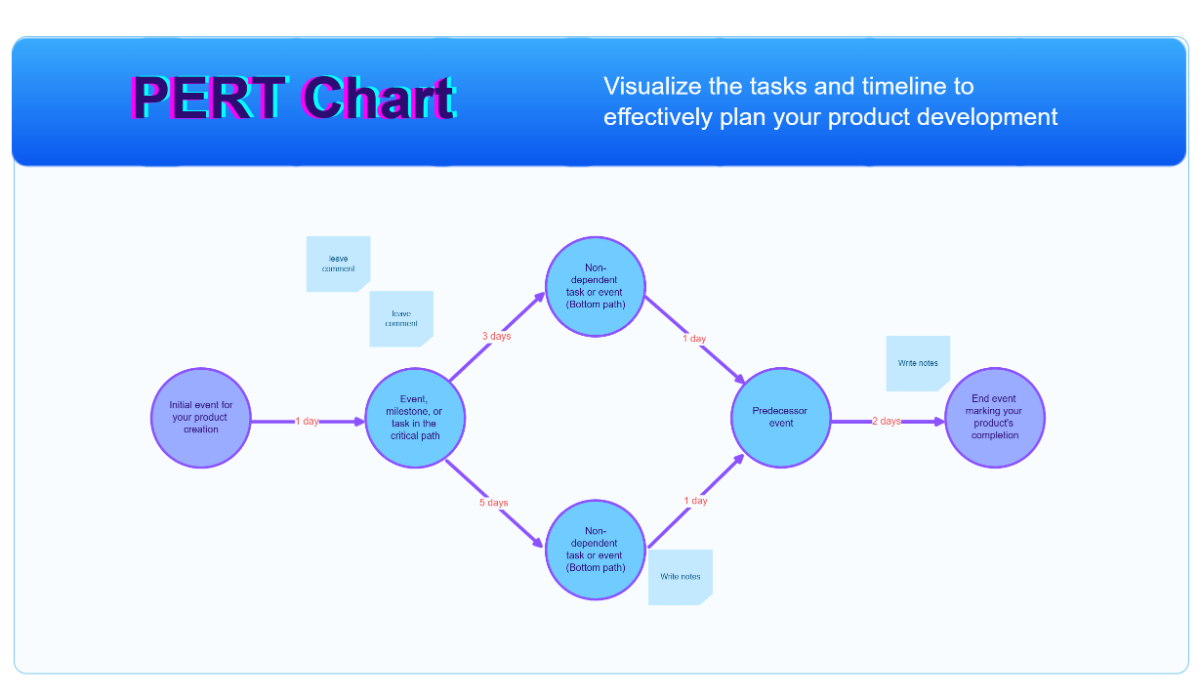
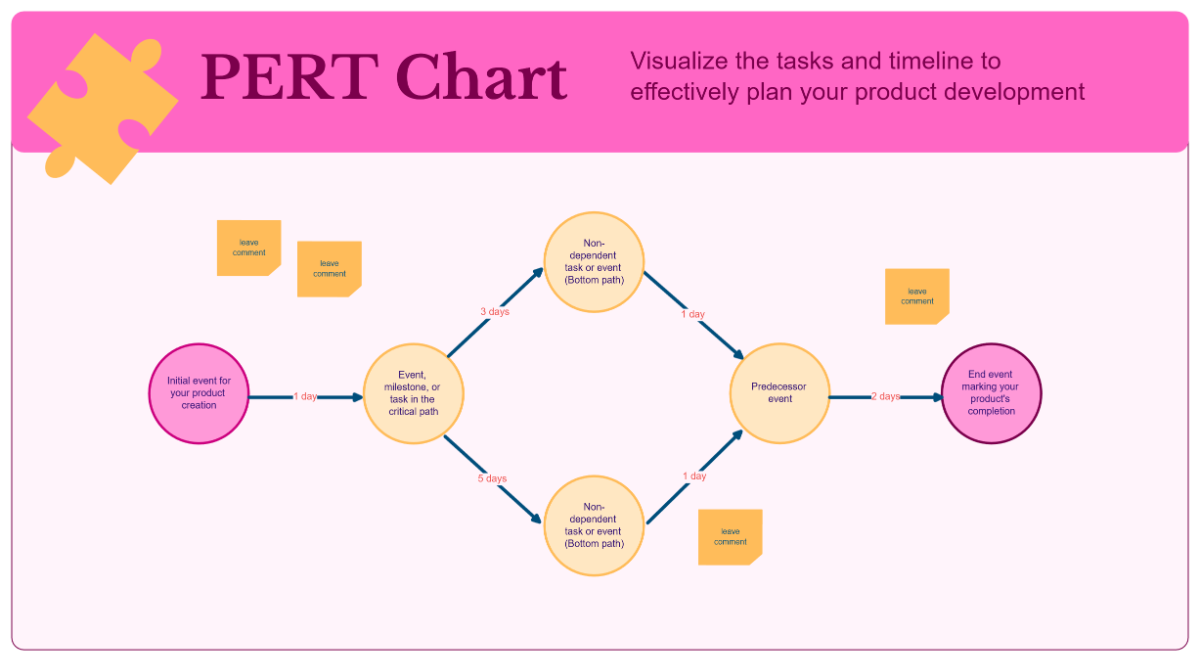
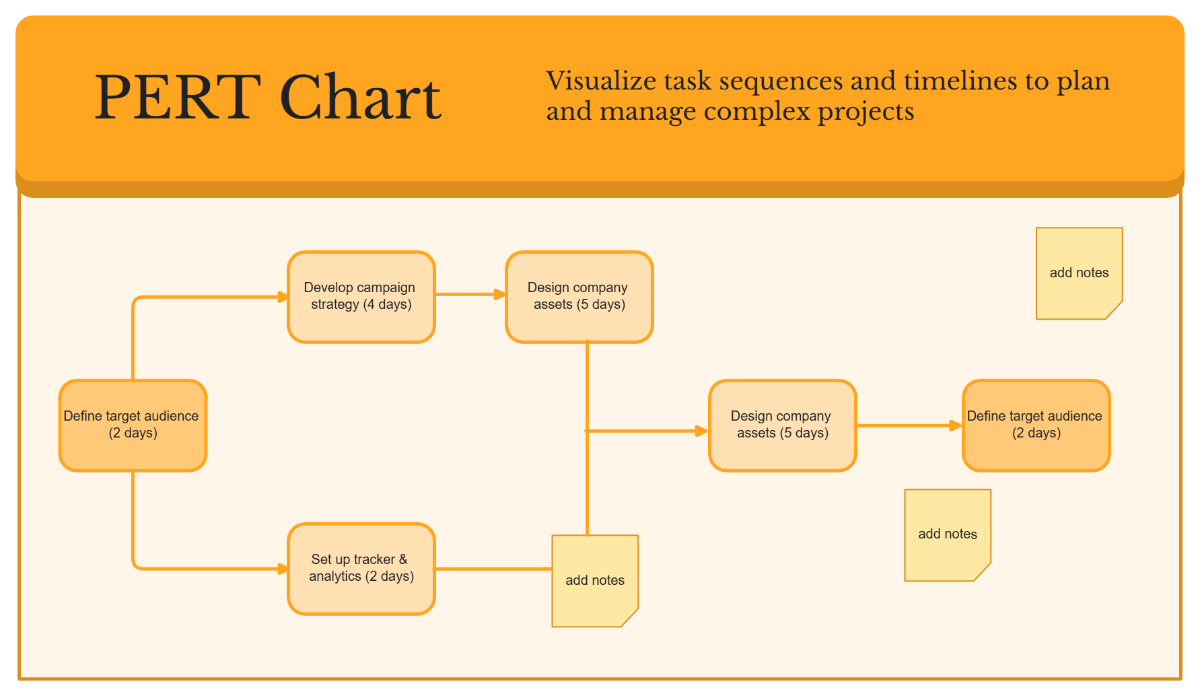
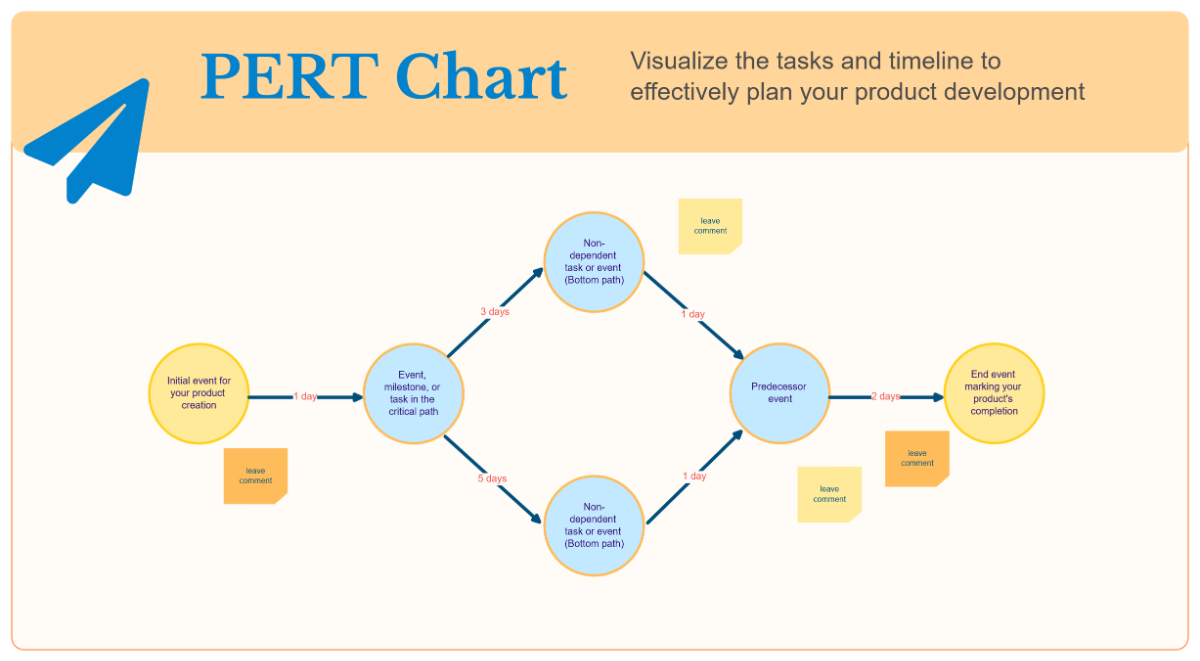
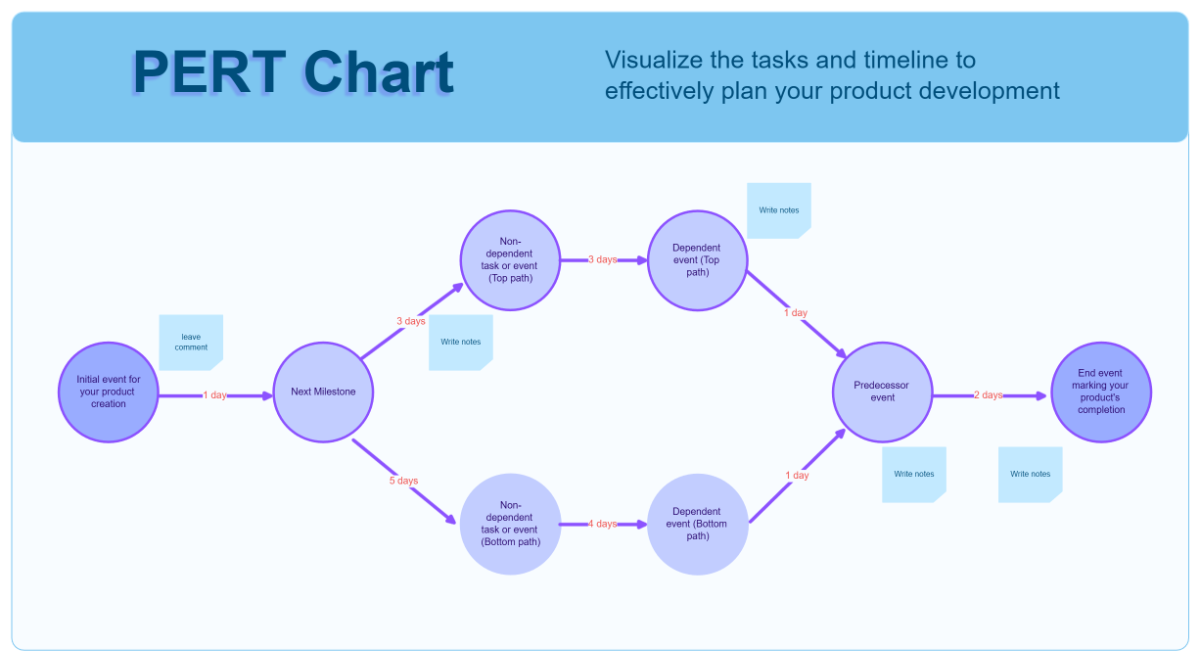
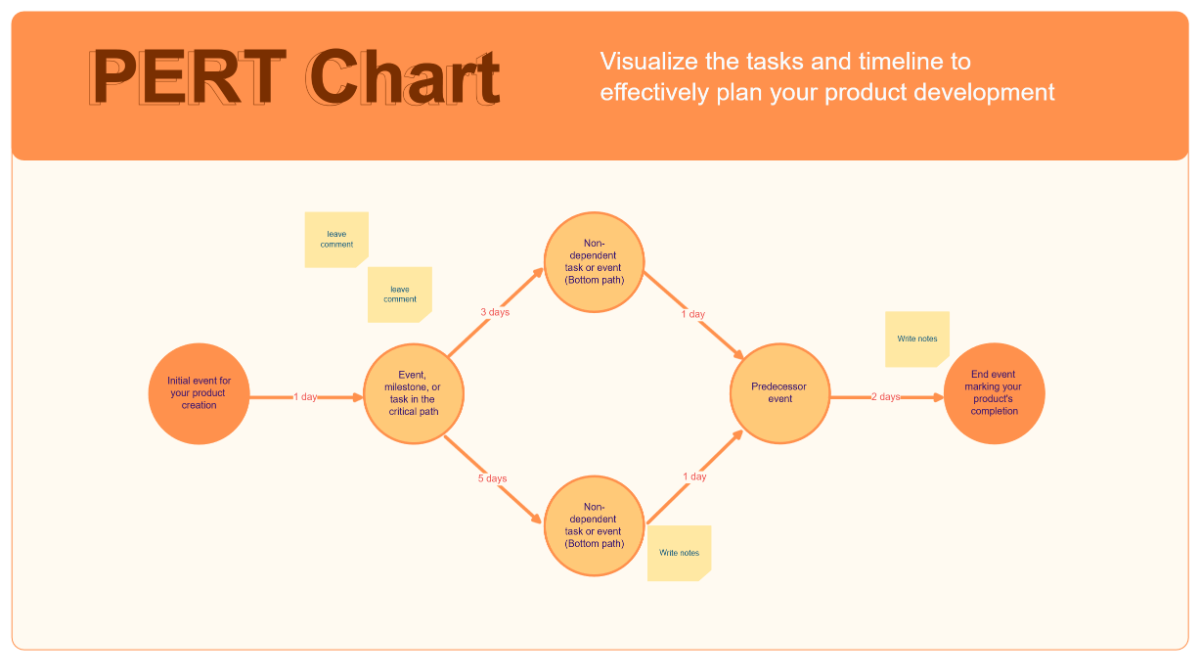
A PERT Chart is a project management diagram that illustrates the task dependencies and timeline estimates to help visualize the sequence of activities required to complete a project. It emphasizes workflow connections and event sequencing to optimize scheduling and resource allocation.
Why should I use a PERT Chart?
You should use a PERT Chart to improve project planning by identifying critical paths, estimating task durations, and visualizing dependencies. It supports risk assessment and enhances communication among stakeholders by providing a clear overview of project workflows.
Who uses PERT Charts?
PERT Charts are commonly used by project managers, team leads, and professionals involved in complex project planning. Industries such as construction, software development, and event planning utilize them to coordinate tasks and optimize scheduling.
What are the best tips for completing my PERT Chart?
When completing your PERT Chart, consider these tips for clarity and accuracy.
- Identify all tasks – list every activity required.
- Determine dependencies – specify which tasks depend on others.
- Estimate durations – assign realistic timeframes.
- Highlight the critical path – focus on tasks affecting project completion time.
- Use clear labeling – ensure tasks and milestones are easily understood.
- Update regularly – keep the chart current with project changes.
- Collaborate – involve team members for accuracy.
- Maintain simplicity – avoid overcrowding to preserve readability.
- Utilize software tools – leverage whiteboard templates for easy adjustments.
- Validate with stakeholders – confirm the chart reflects project goals.
What file formats can I download for my PERT Chart?
Template.net whiteboard templates for PERT Chart support multiple export formats for collaboration and sharing, including PDF, PNG, SVG, and PPTX.
Can I create a PERT Chart using AI?
Template.net provides an AI-powered tool that generates new PERT Chart structures from prompts to streamline your planning process. You can access this feature through the Pert Chart Maker.
What essential elements should be included in my PERT Chart?
A PERT Chart should include essential elements to ensure structural clarity and effective project mapping.
- Events or milestones – key points marking task starts or completions.
- Tasks or activities – work items with defined durations.
- Dependencies – arrows indicating task sequences.
- Time estimates – optimistic, pessimistic, and most likely durations.
- Critical path – sequence determining the shortest project duration.
- Start and end points – project initiation and completion markers.
- Labels and identifiers – clear naming for all components.
What are the benefits of using PERT Chart in my project workflow?
Using a PERT Chart in your project workflow enhances time management, identifies task dependencies, and improves resource allocation. It facilitates risk mitigation by highlighting potential delays and supports team coordination through visual workflow clarity.
What structural standards should my PERT Chart follow?
Your PERT Chart should follow structural standards that promote visual hierarchy and readability. This includes using a left-to-right or top-to-bottom flow, consistent shapes for events and tasks, clear directional arrows for dependencies, and labeling elements with concise identifiers to maintain structural clarity and ease of interpretation.
