
Free Audit Templates


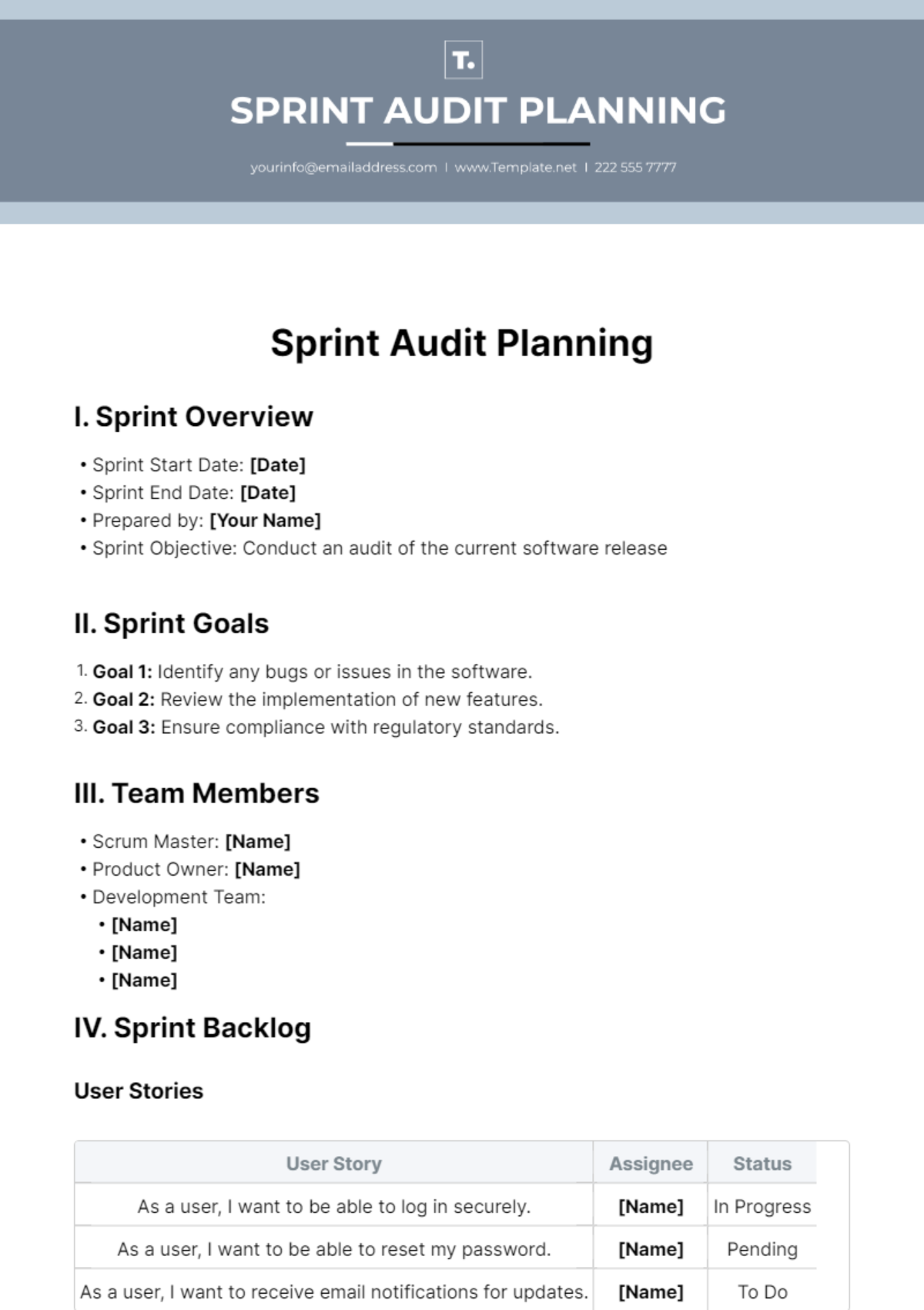
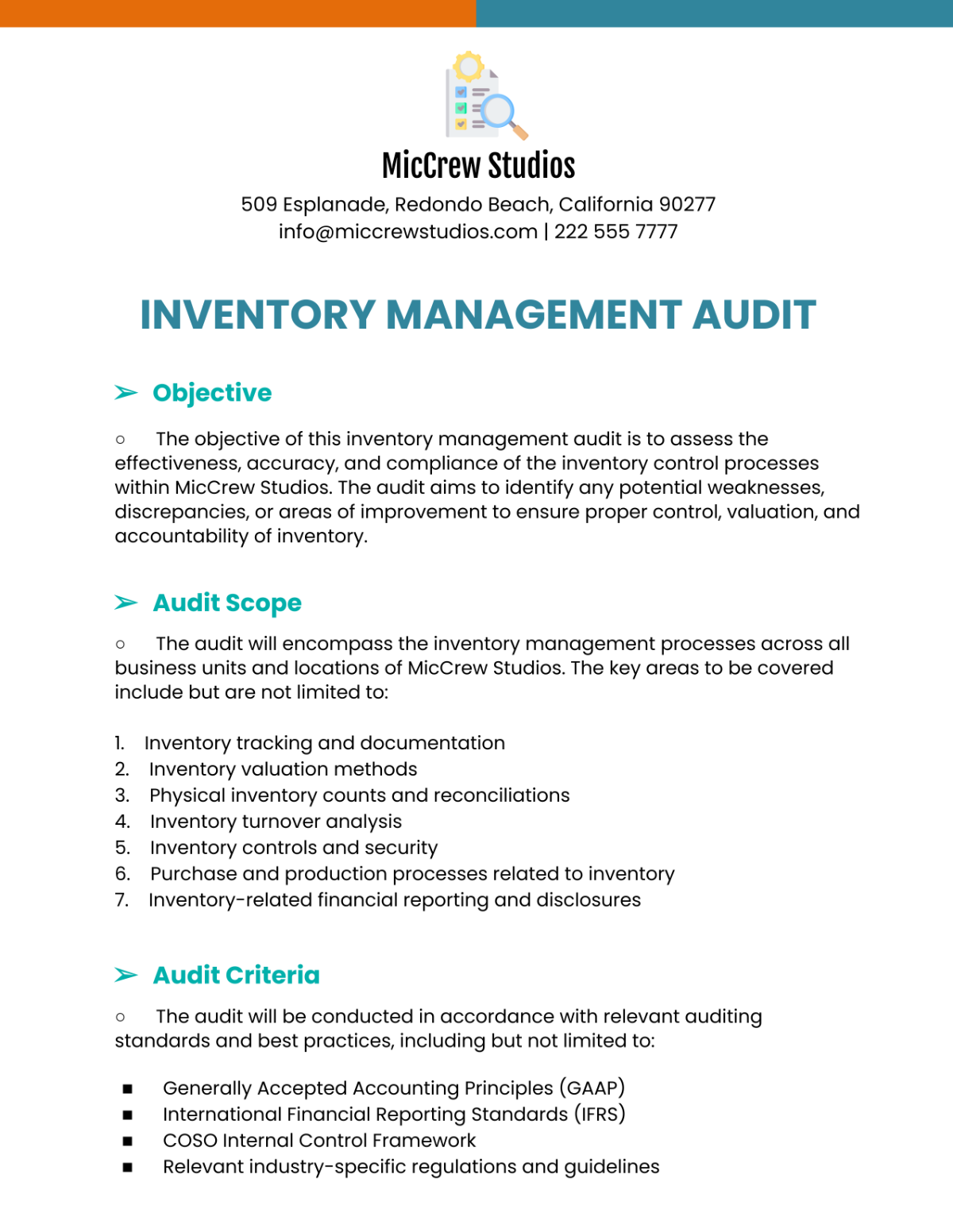
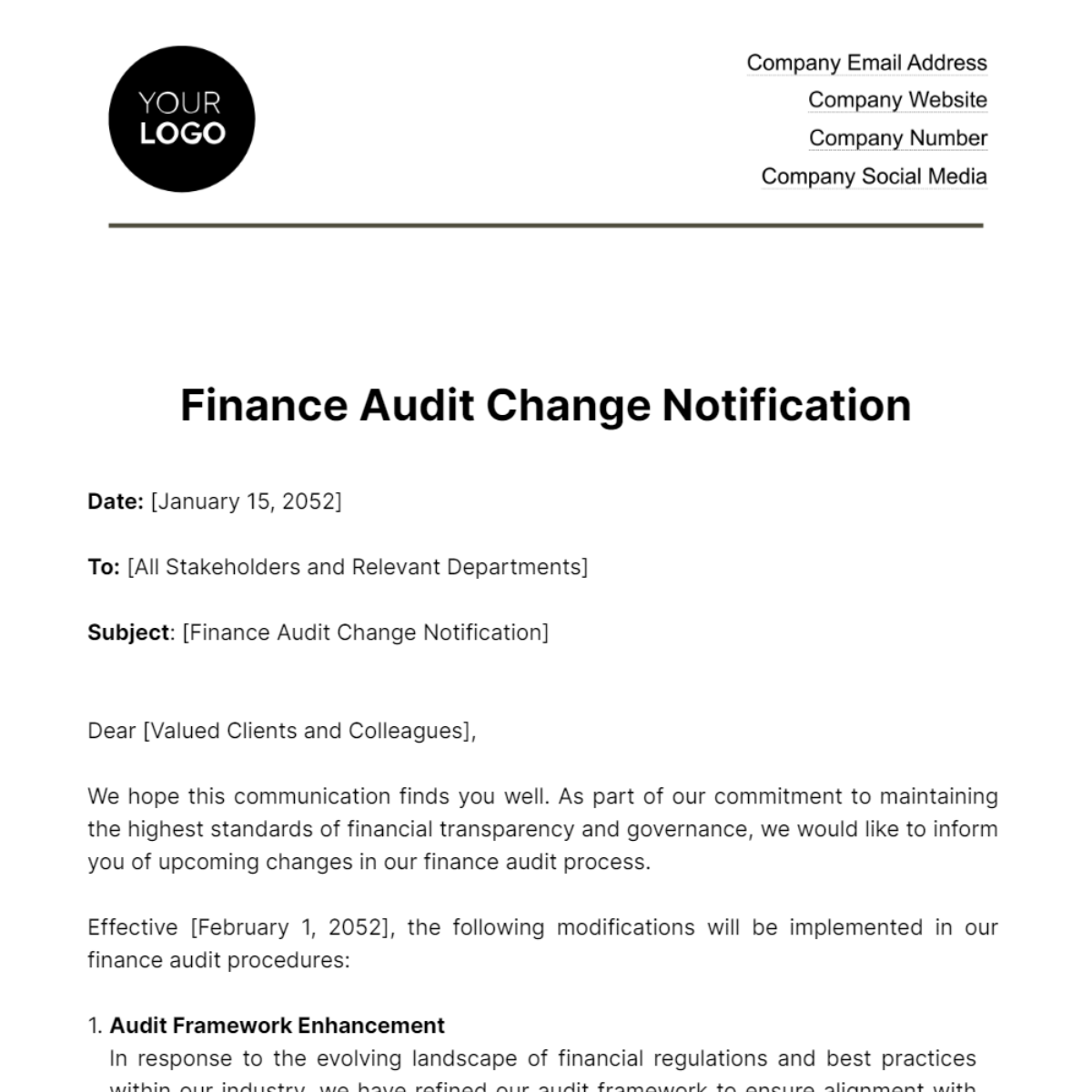
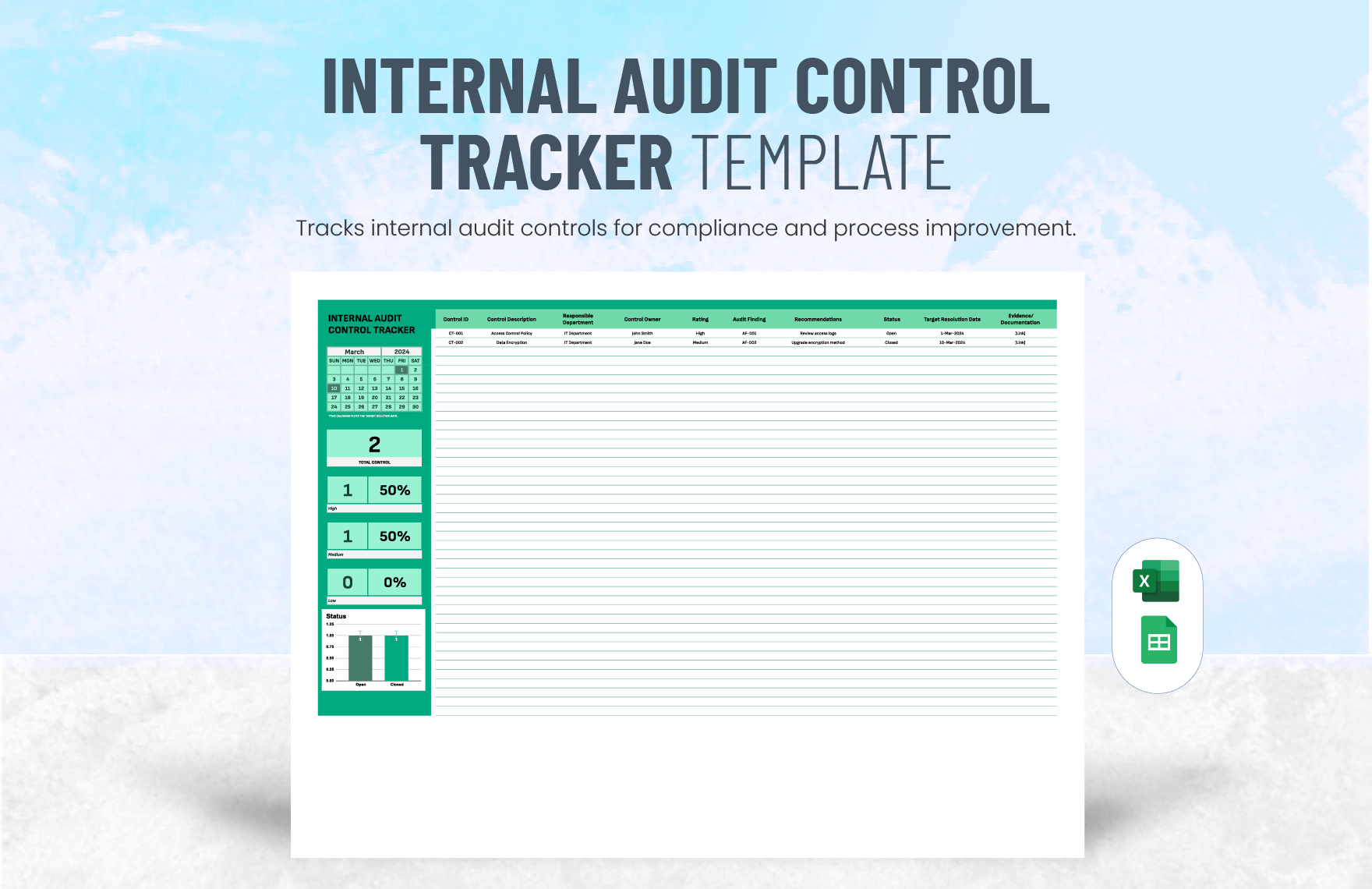
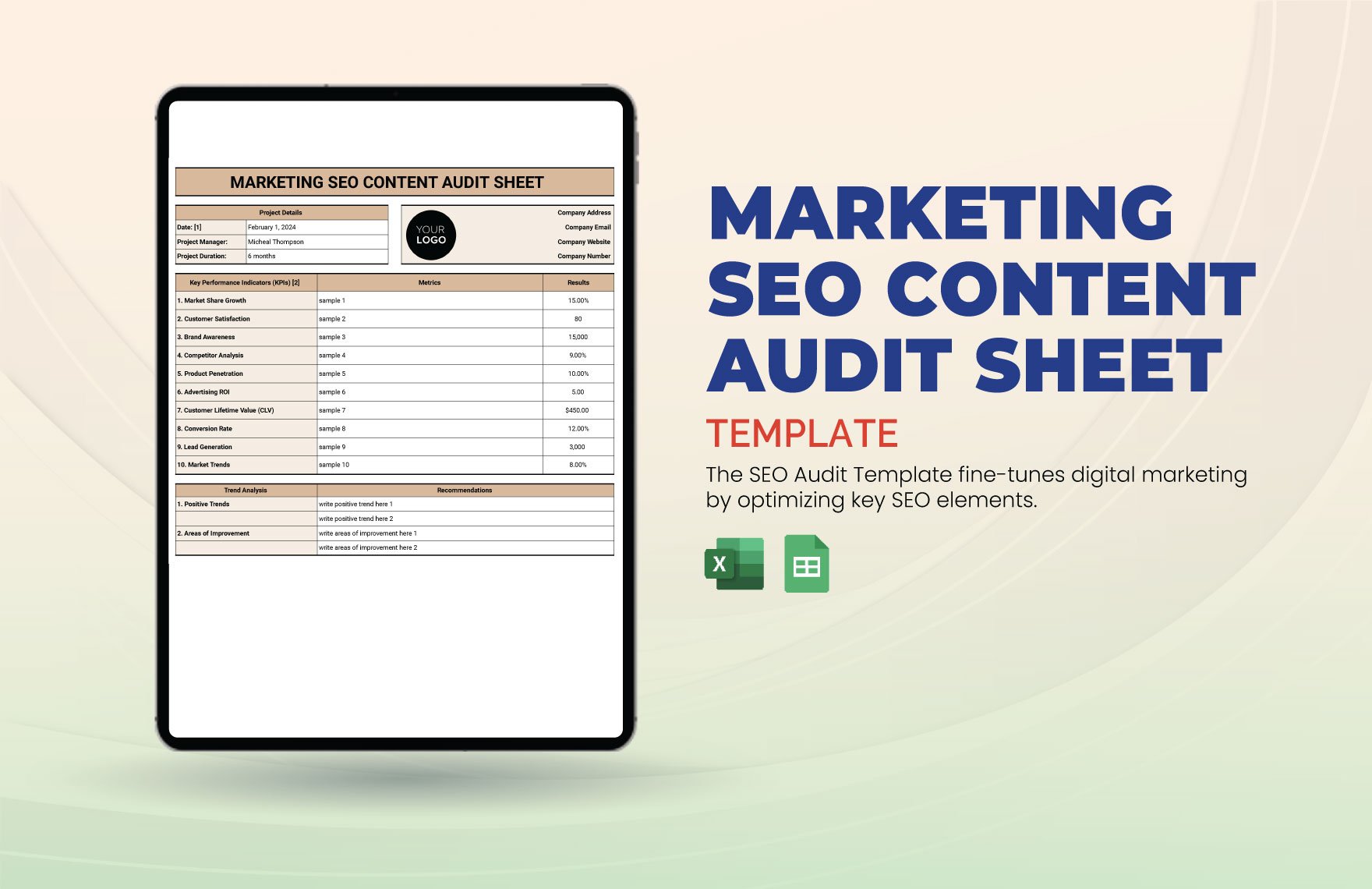
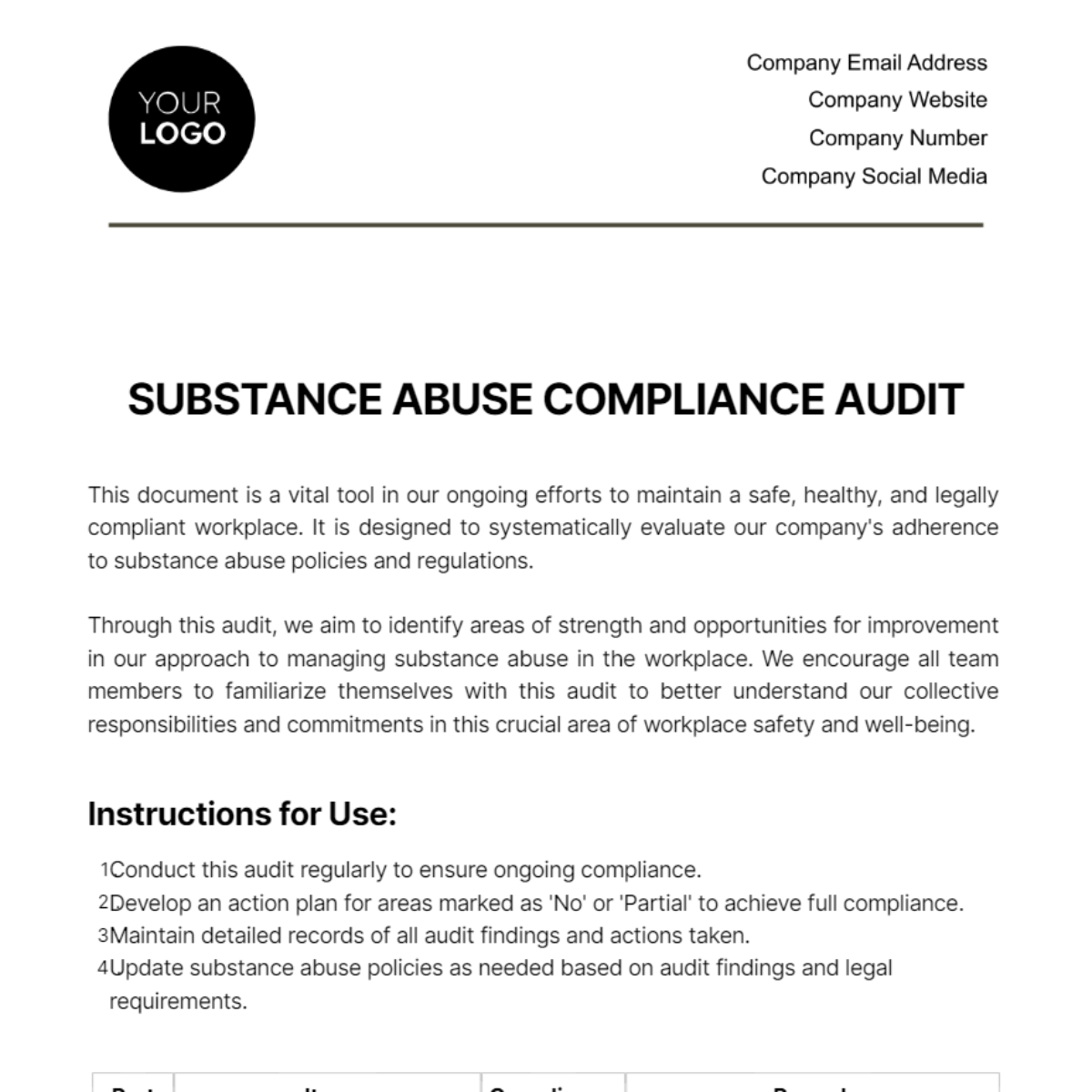
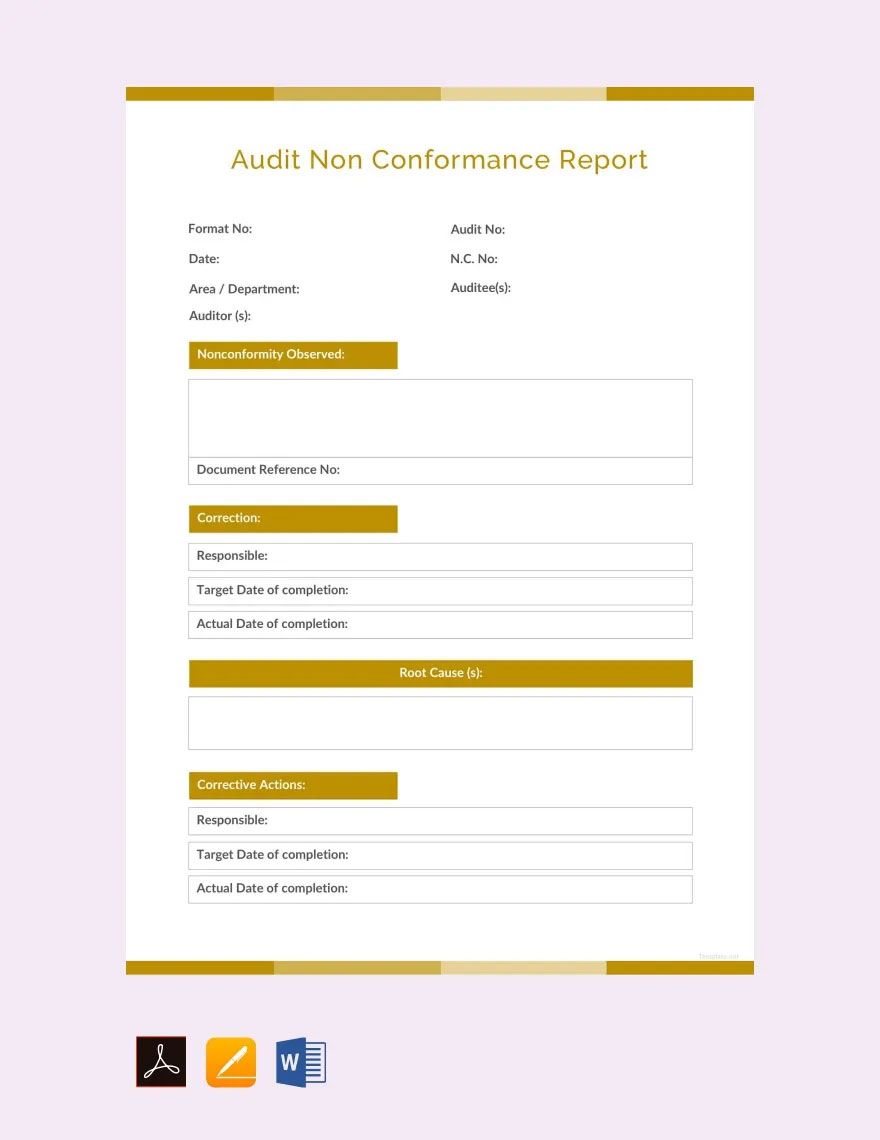
Free Audit Templates: Editable Professional Use Guide and Download Formats
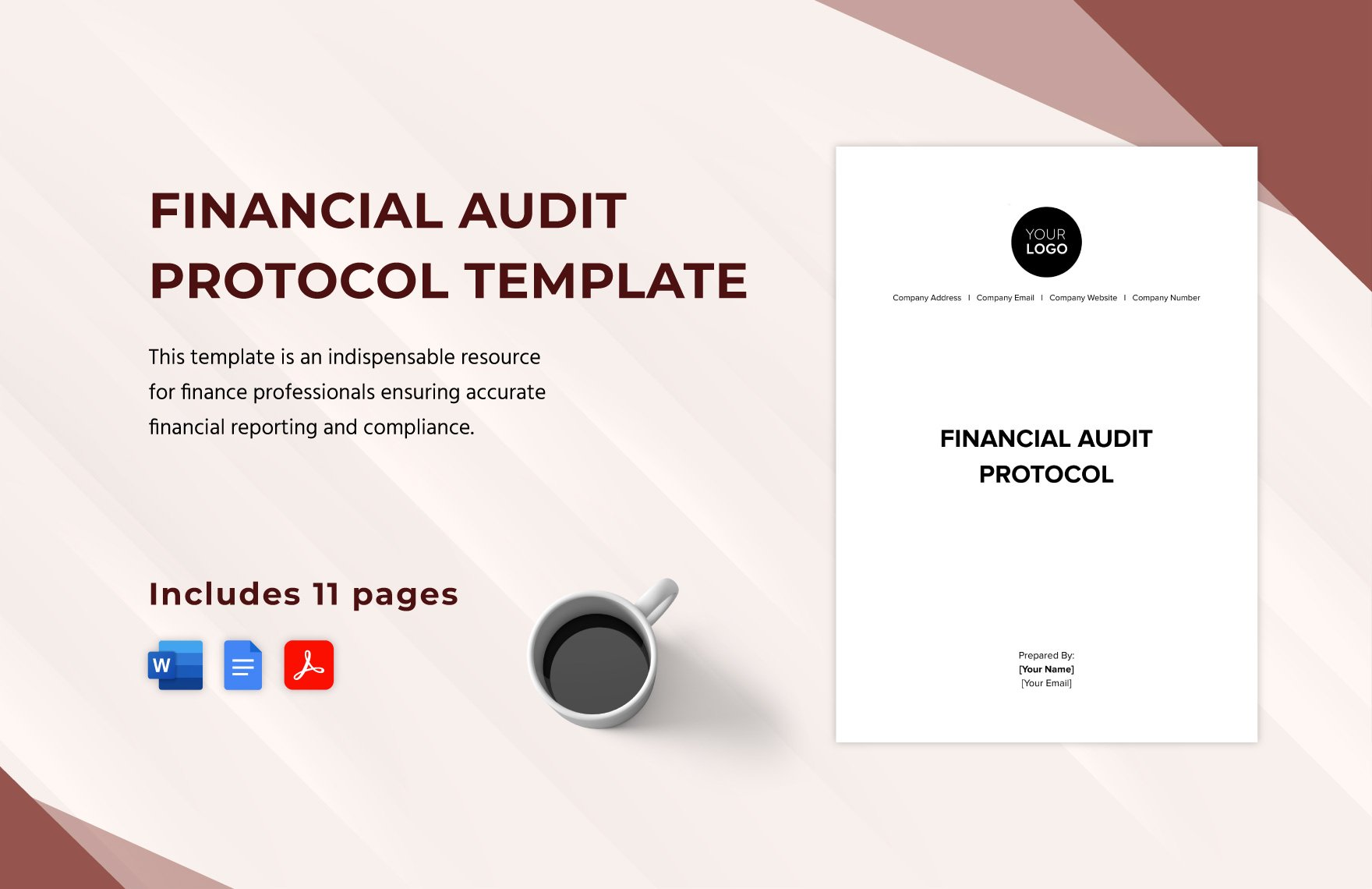
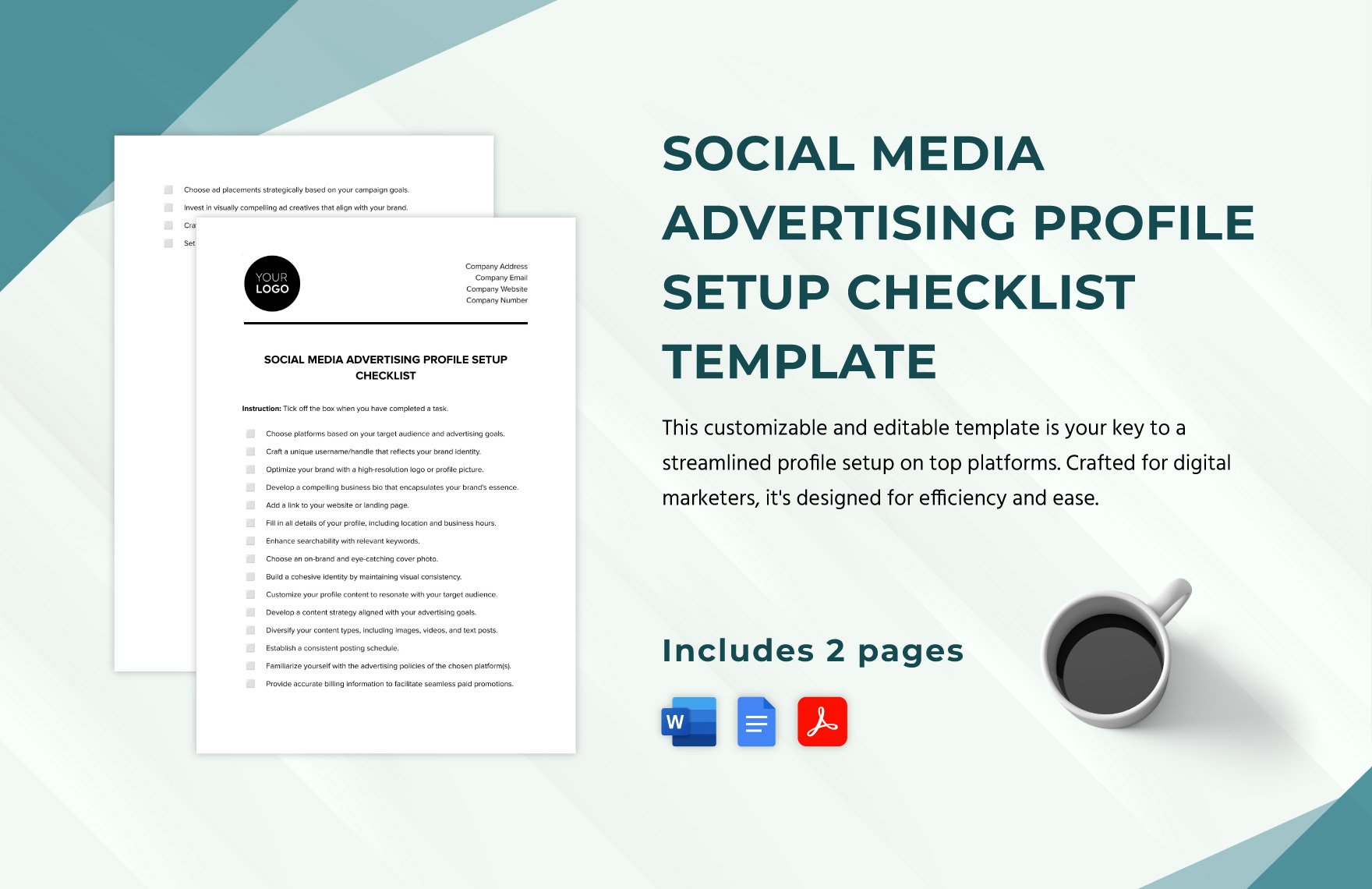
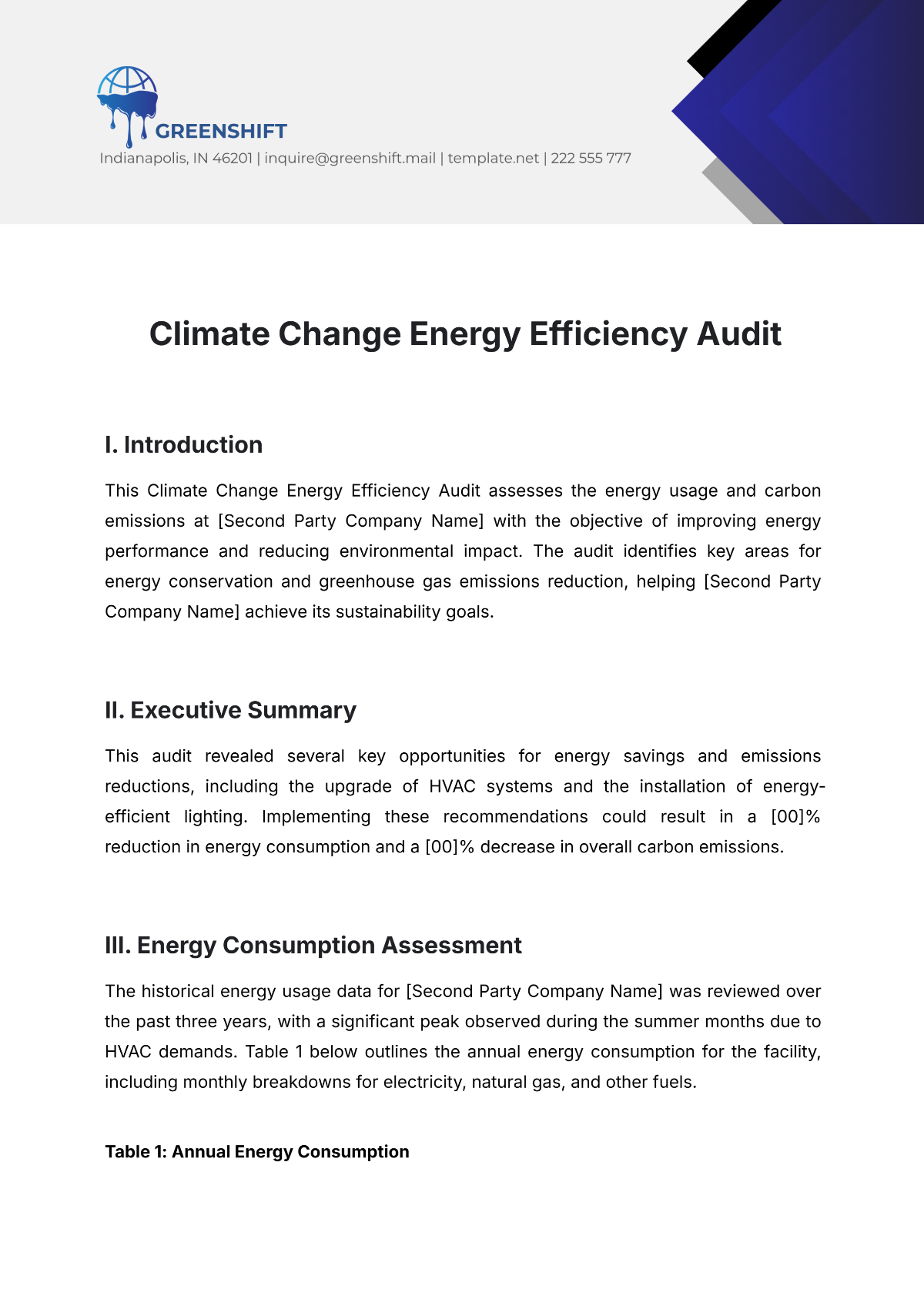
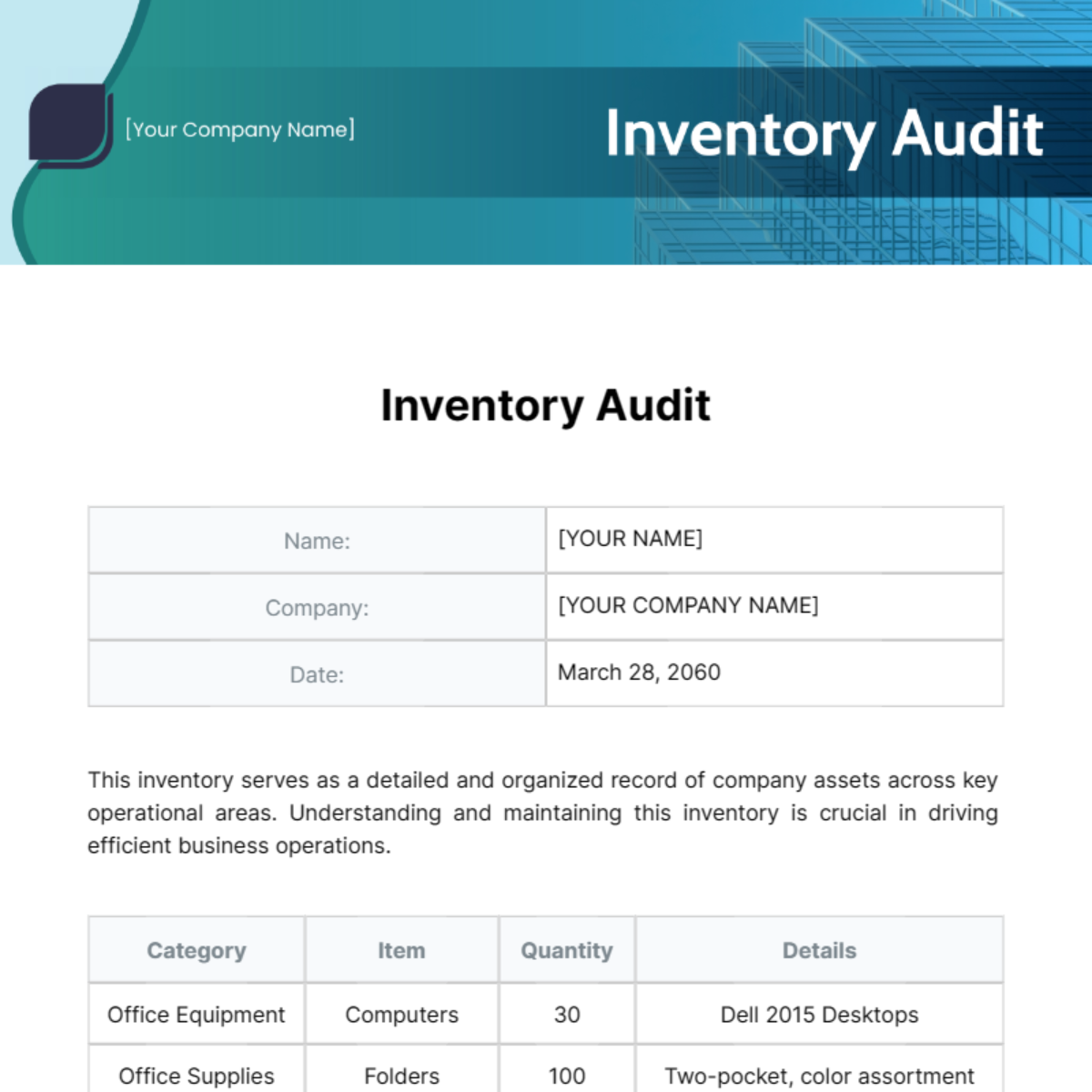
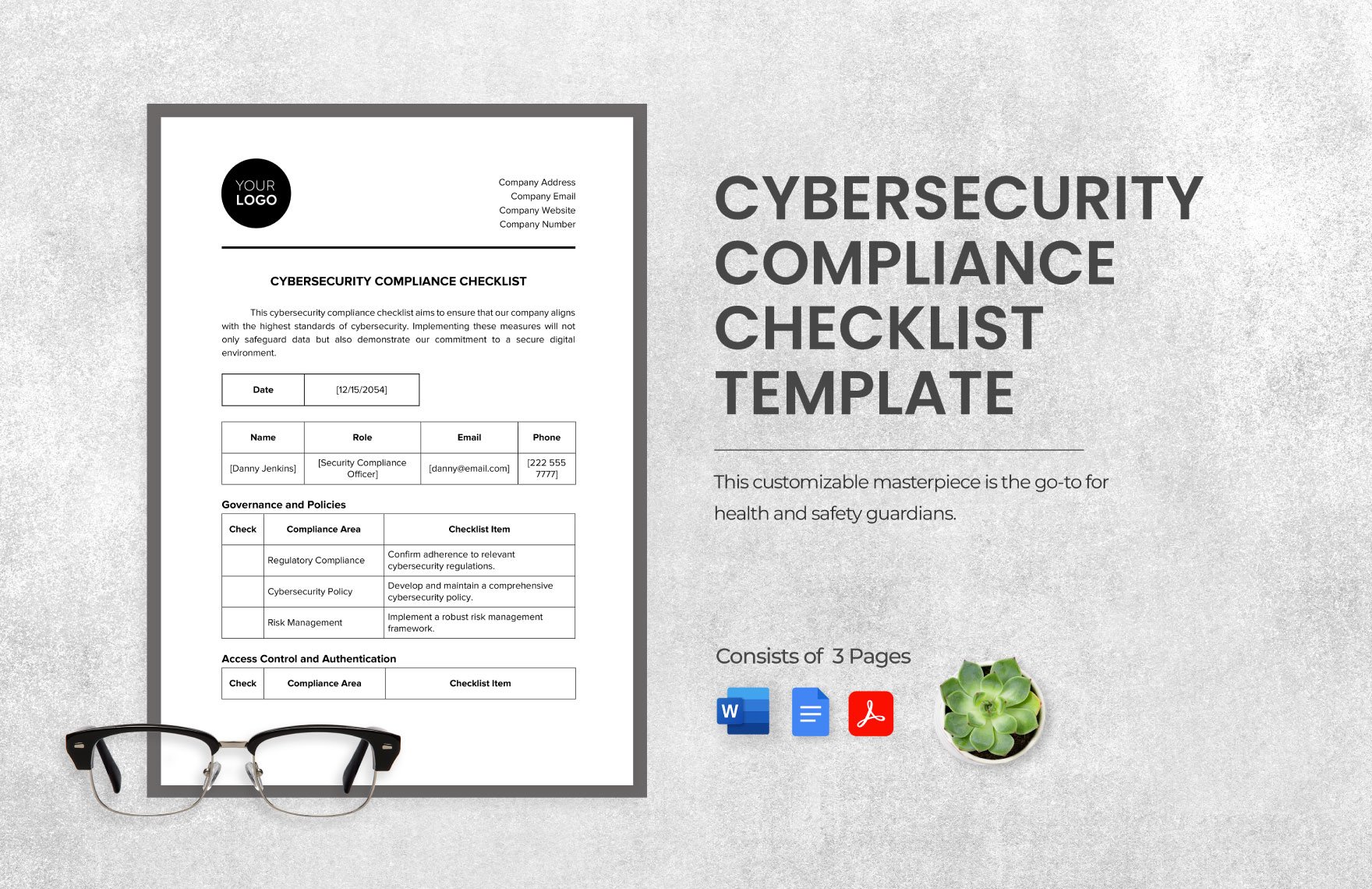
Audit refers to a systematic examination and evaluation of accounts, processes, or compliance within an organization, designed to ensure accuracy and adherence to standards. Template.net offers editable Audit templates that you can complete or modify directly in your browser, enabling efficient customization for professional use.
What is a Audit?
Audit is a detailed and systematic review of financial records, operational processes, or compliance with regulations within a business or organization. Audits help verify accuracy and identify areas for improvement, ensuring transparency and accountability in professional settings.
Why should I use a Audit?
Using an Audit helps maintain financial accuracy, ensures regulatory compliance, and improves operational efficiency. Audits provide insights that support informed decision-making and enhance trust among stakeholders.
Who uses Audit?
Audits are used by accountants, auditors, compliance officers, business managers, and regulatory agencies to assess financial statements, operational processes, and adherence to laws or internal policies.
What are the best tips for completing my Audit?
When completing an Audit, ensure accuracy by gathering all relevant documents, maintain clear and objective records, follow professional standards, and review findings carefully before finalizing your report.
Can I create a Audit using AI?
You can use AI tools to assist in generating initial drafts or analyzing data for an Audit, but professional review and customization are essential to ensure compliance and accuracy.
What file formats can I download for my Audit?
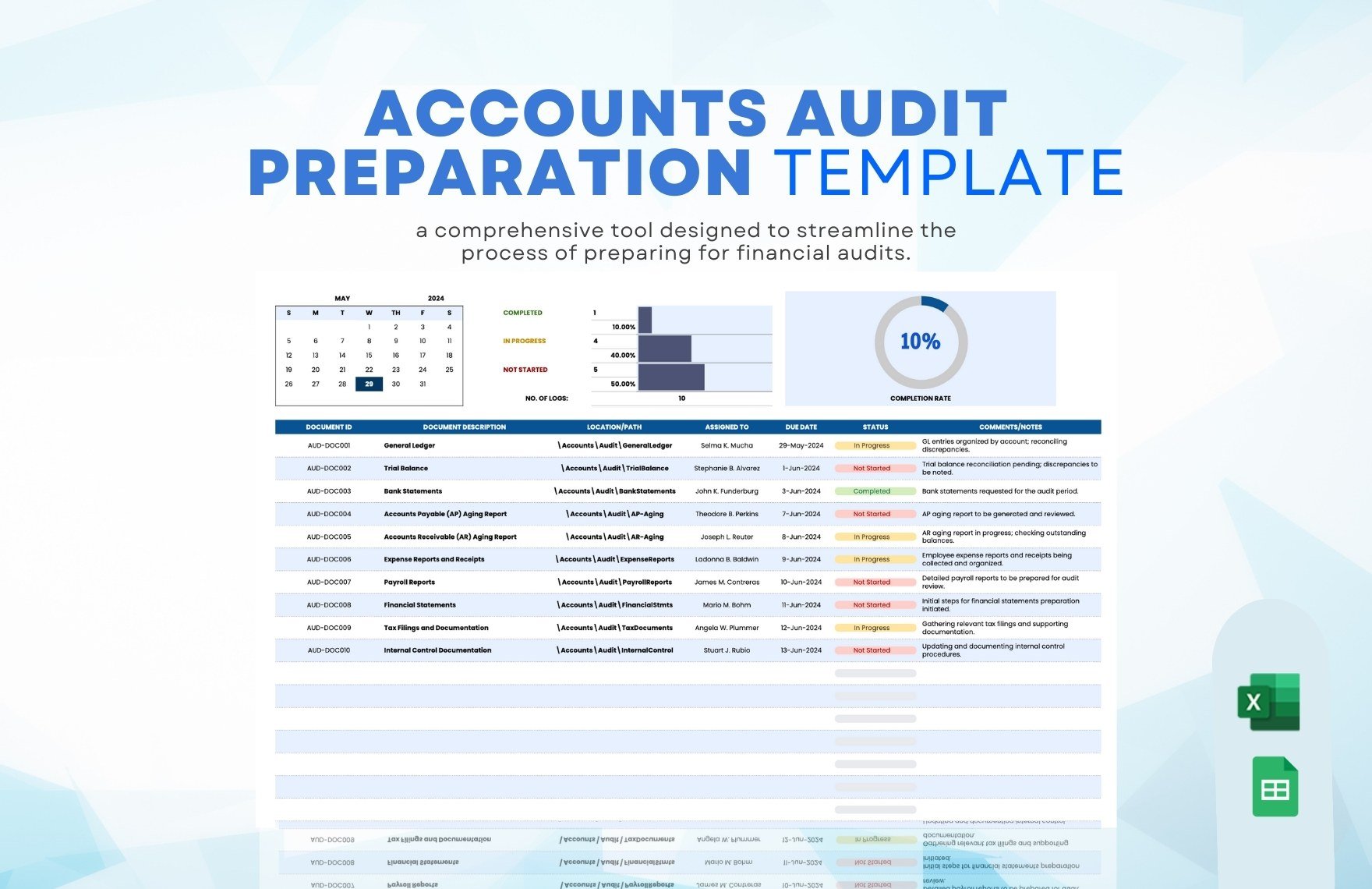
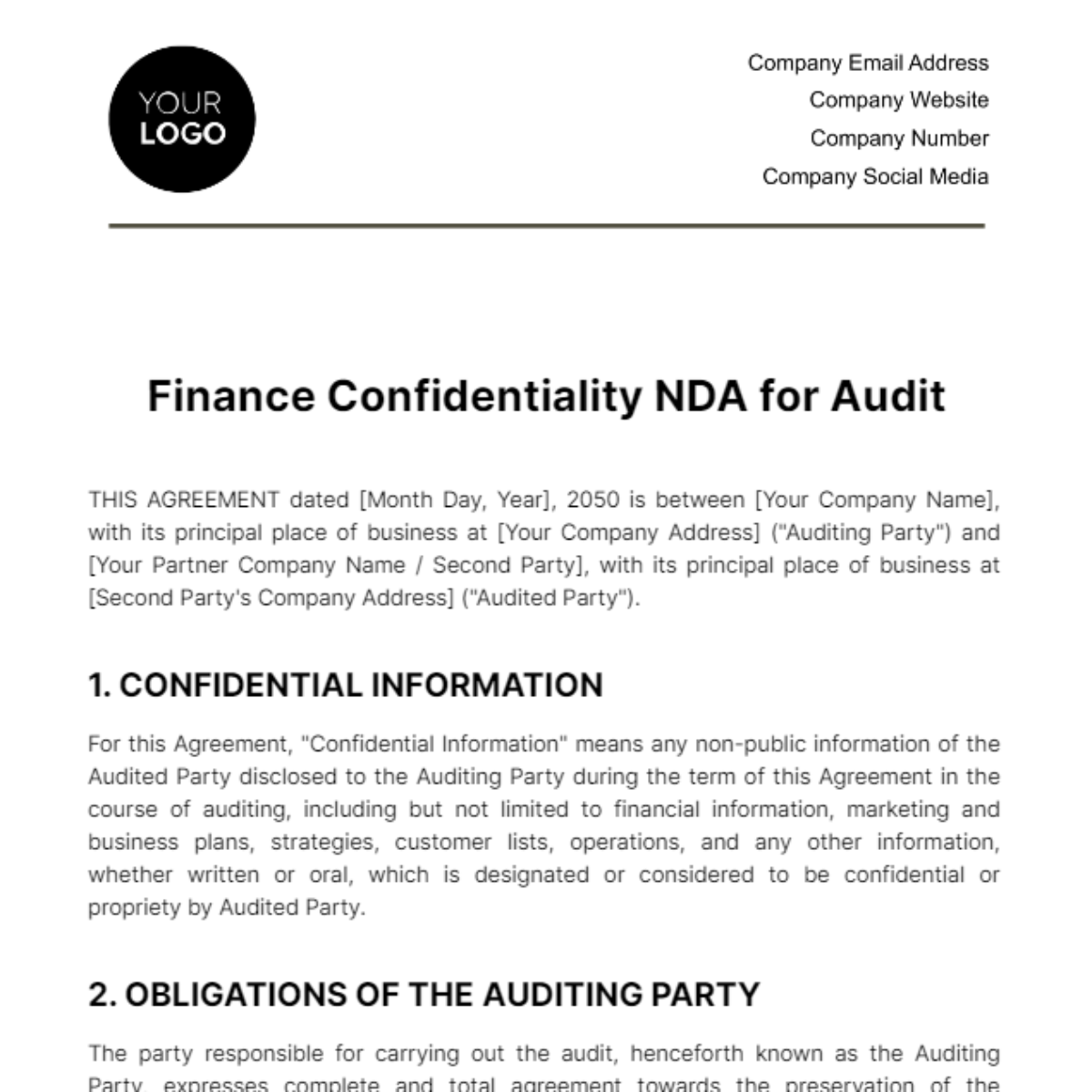
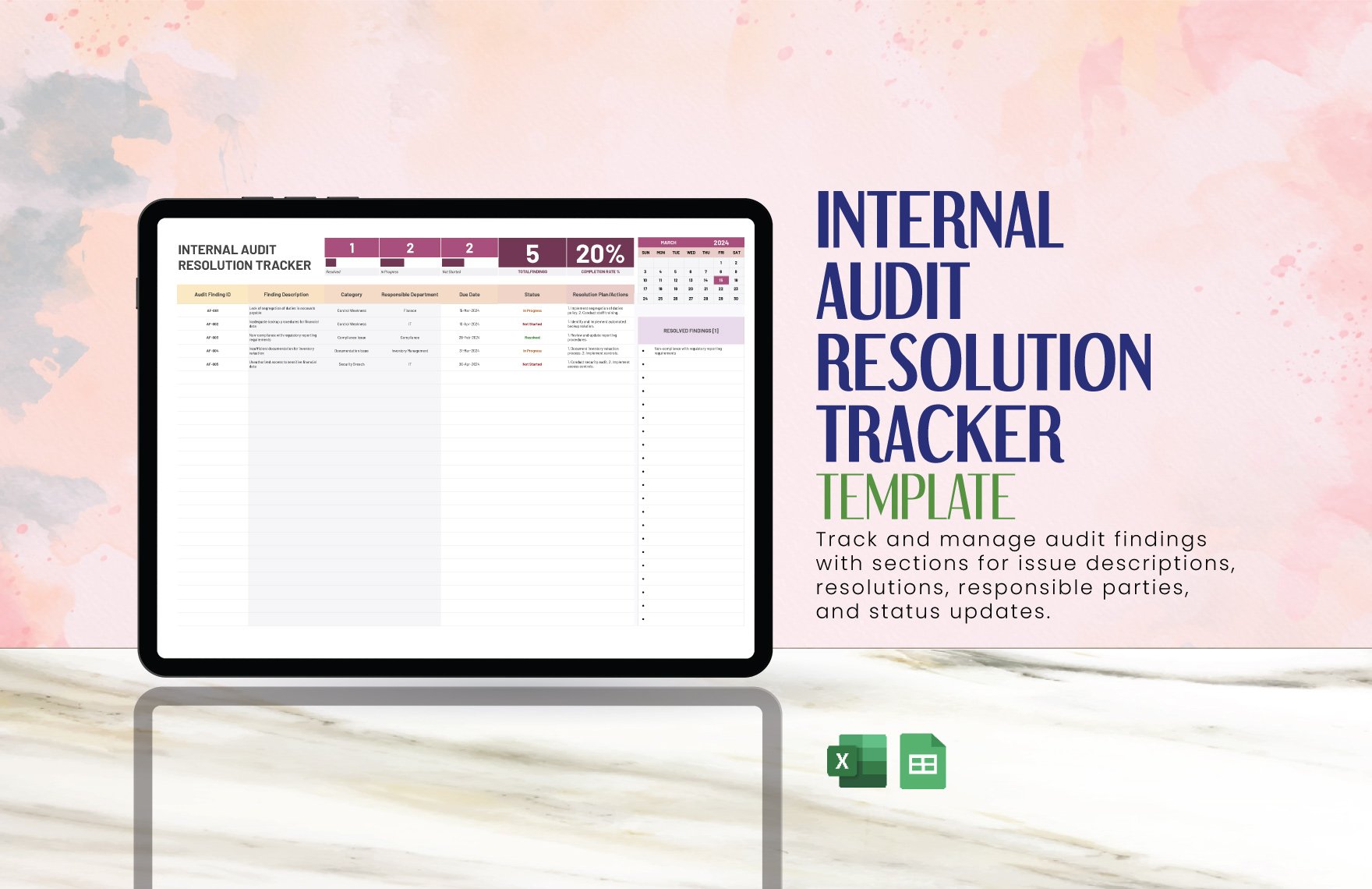
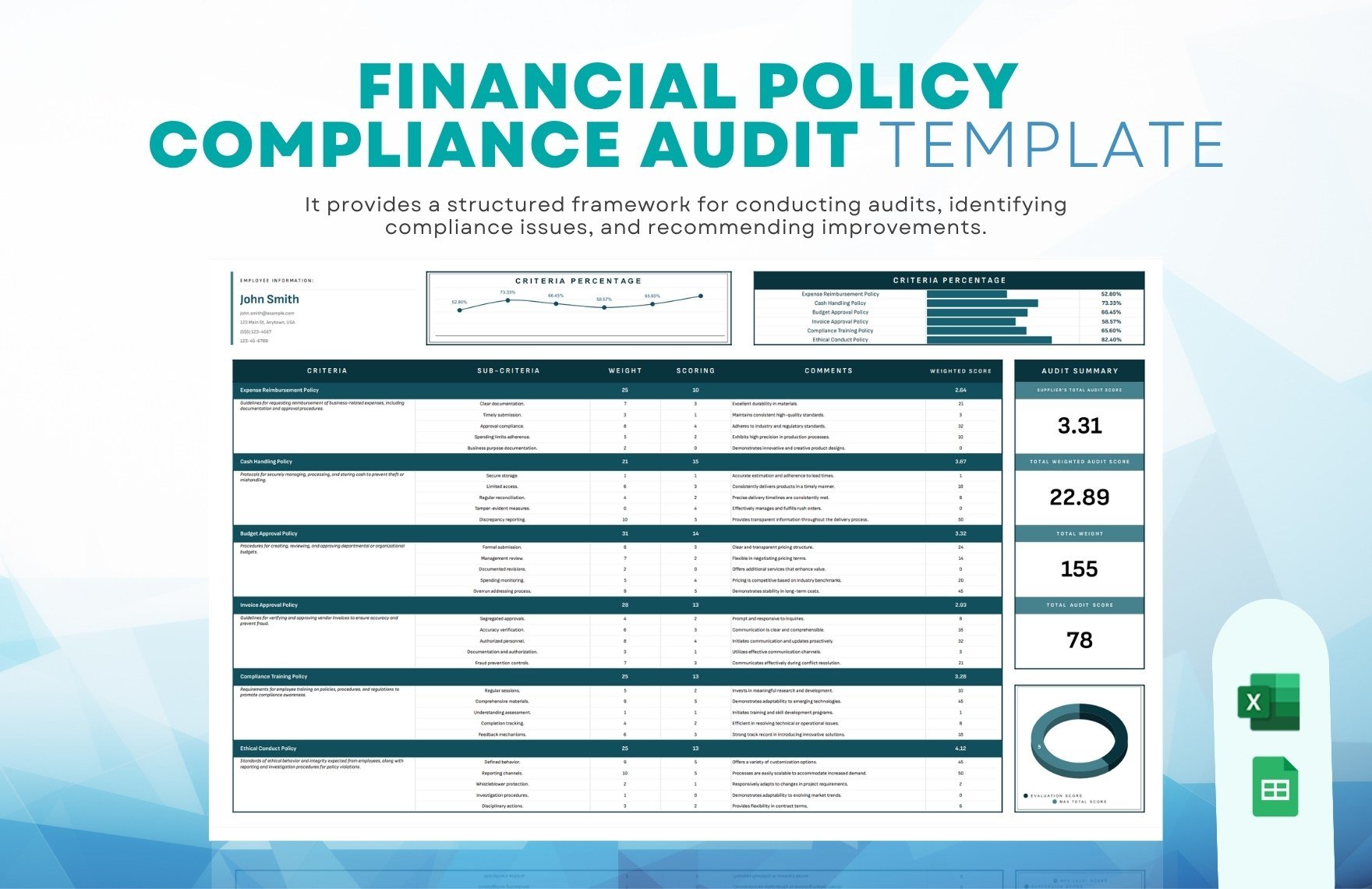
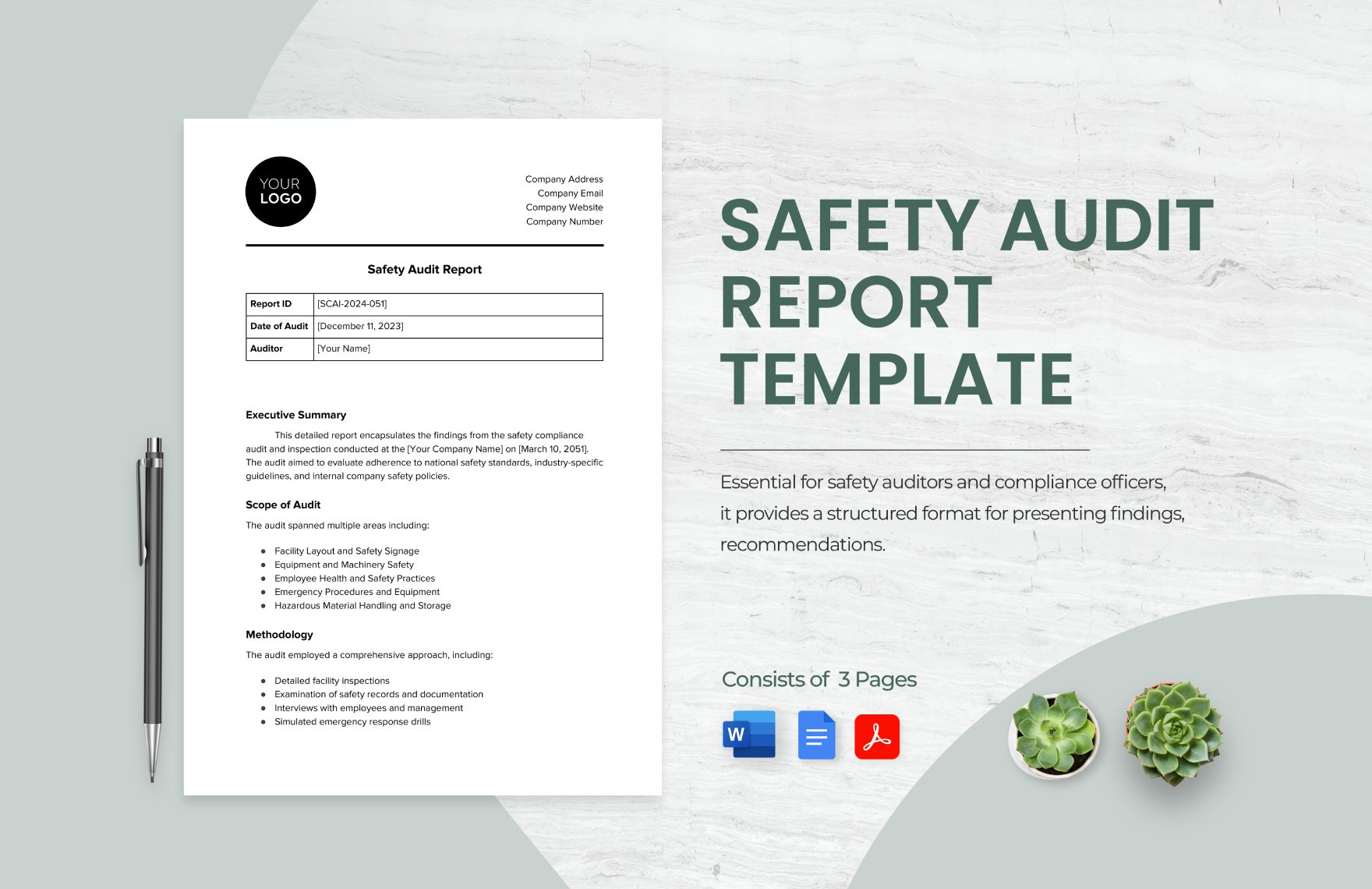
Template.net provides Audit templates available in multiple download formats to suit your needs, including Word, Apple Pages, Google Docs, Excel, Google Sheets, and PDF.
What are the essential elements of an Audit?
An Audit typically includes several essential elements to ensure thoroughness and clarity.
- Scope defines the boundaries and focus areas of the audit.
- Objectives outline what the audit intends to achieve.
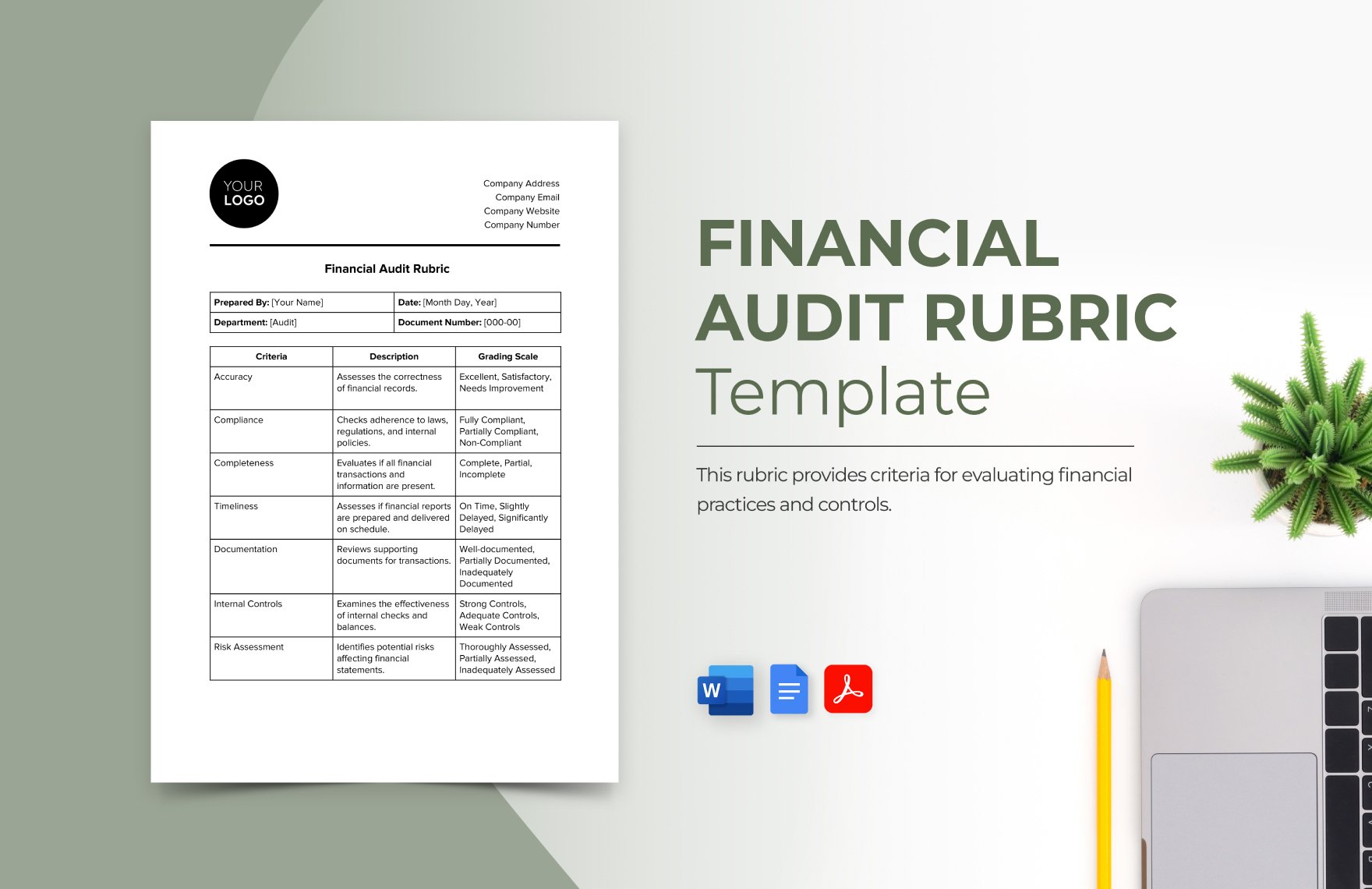
- Criteria specify standards or benchmarks used for evaluation.
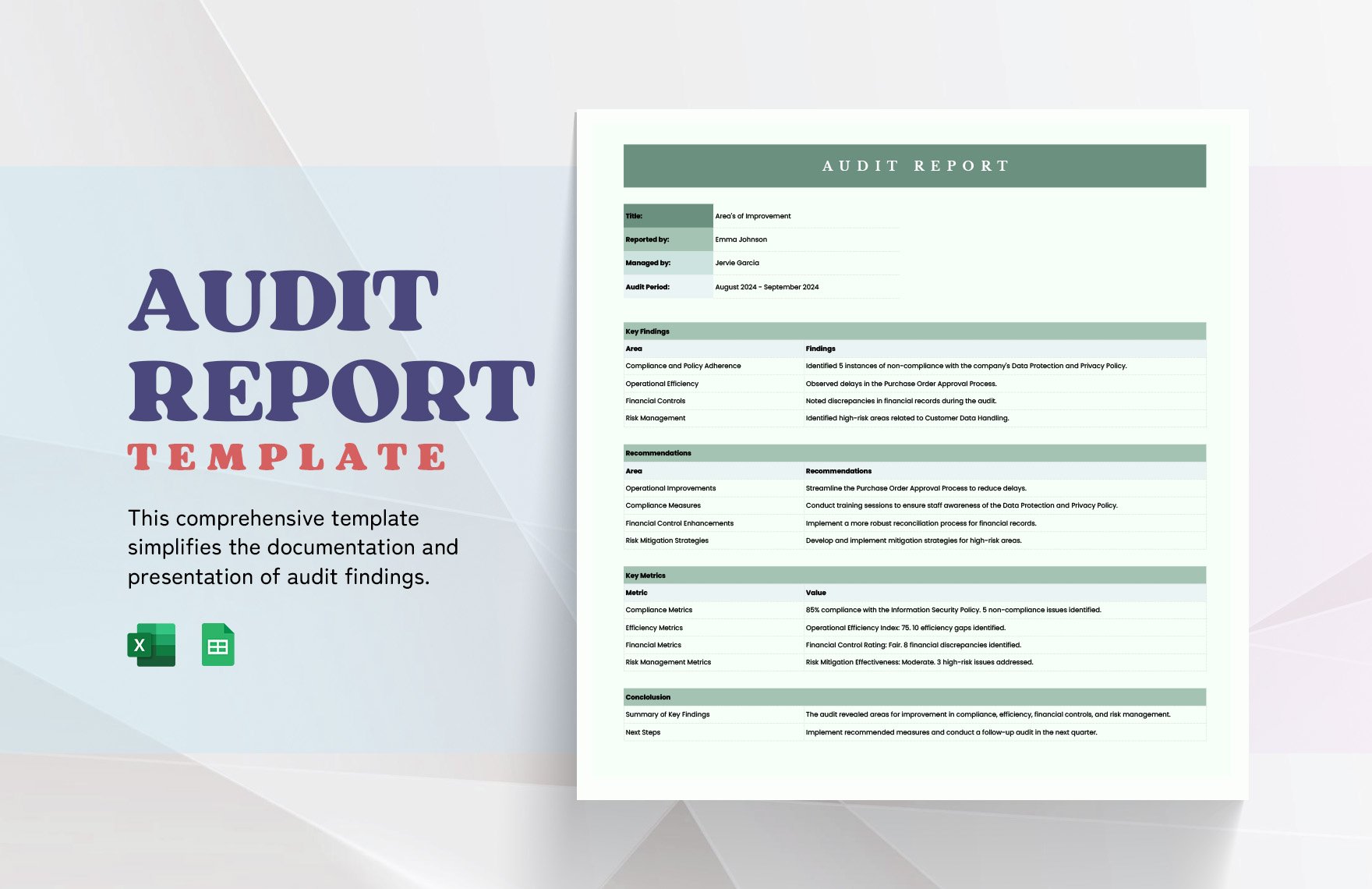
- Findings present the results and observations from the audit.
- Recommendations suggest improvements based on the findings.
- Conclusion summarizes the audit outcomes.
How are Audit templates used in professional workflows?
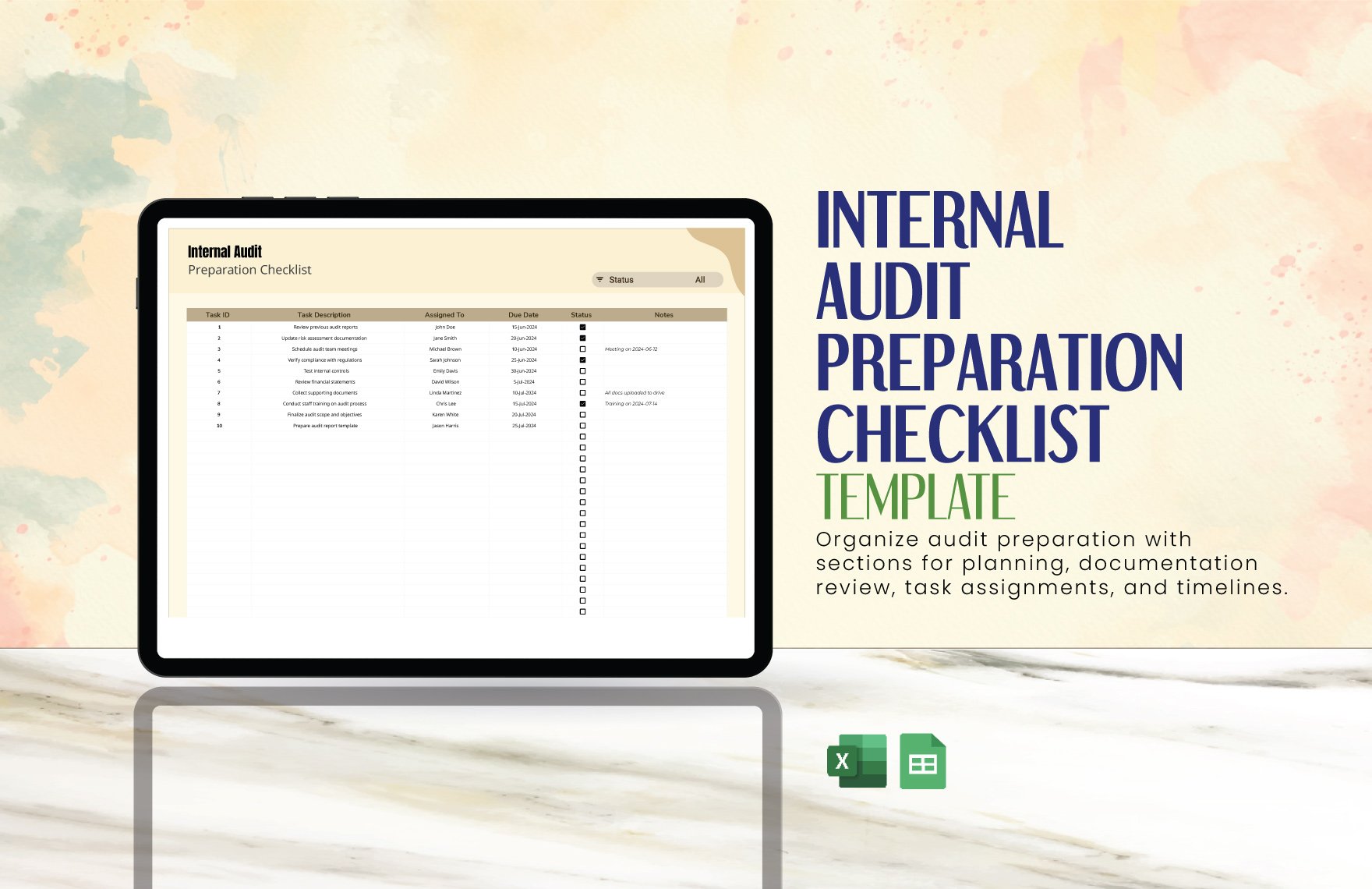
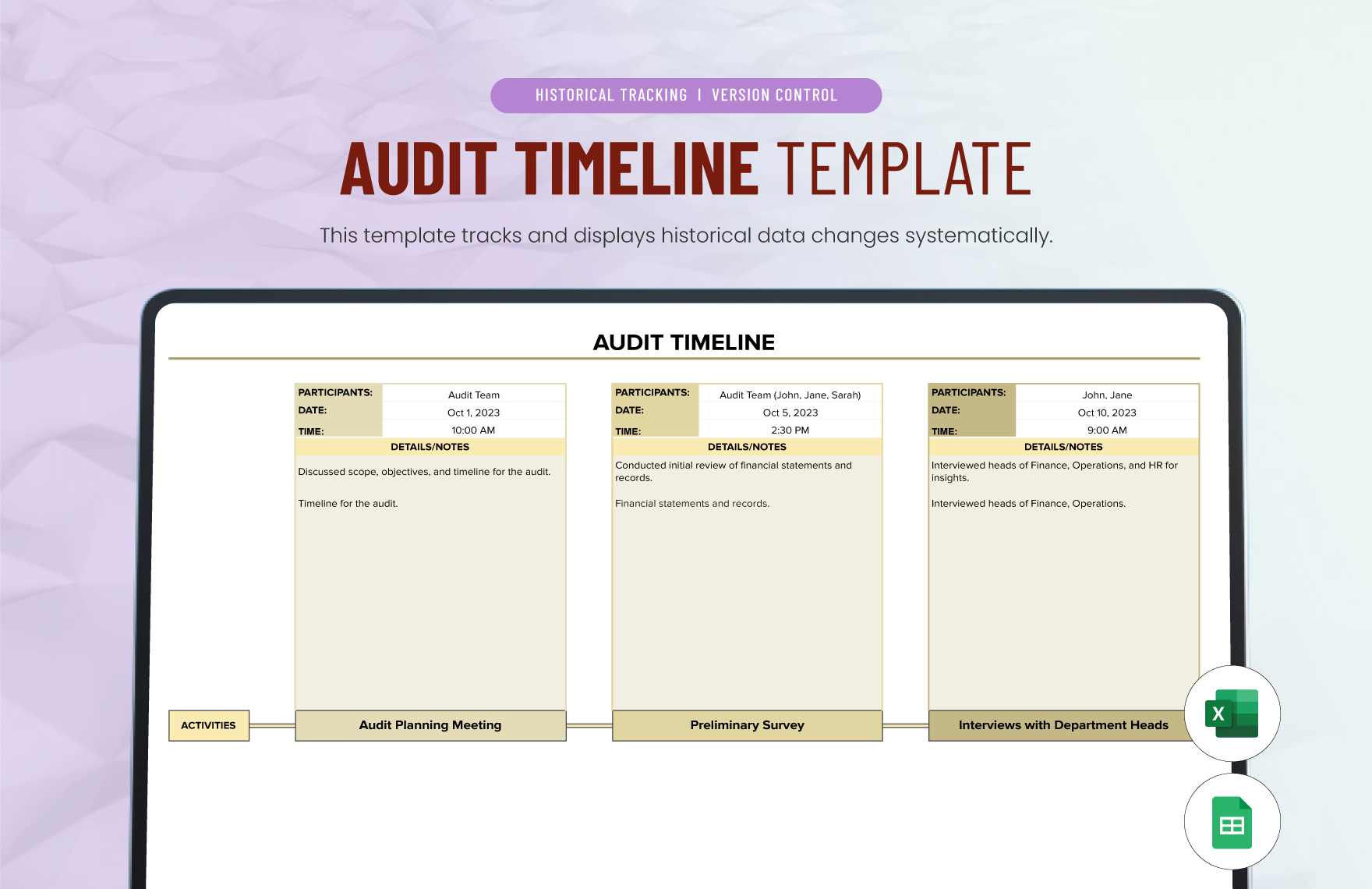
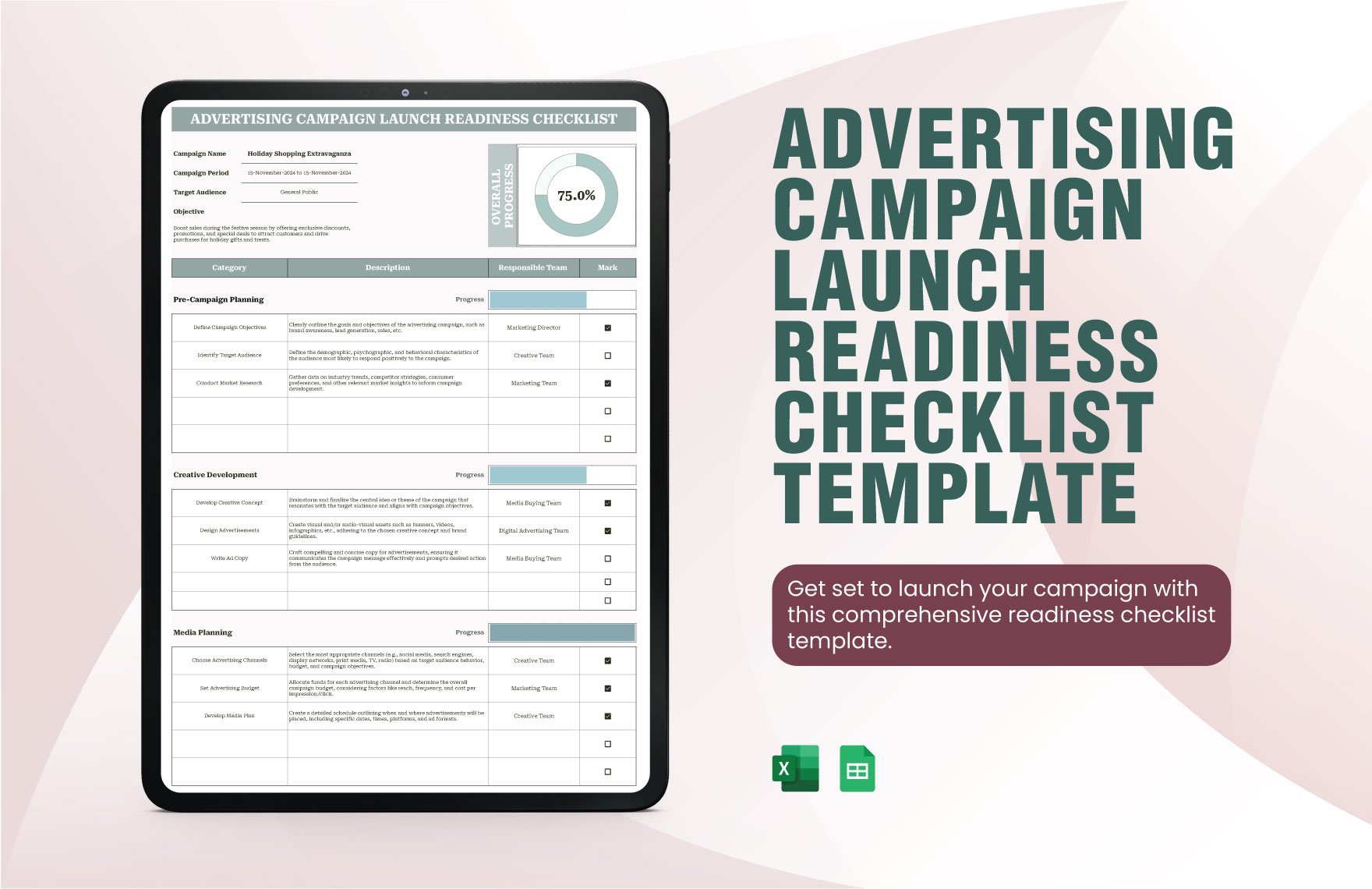
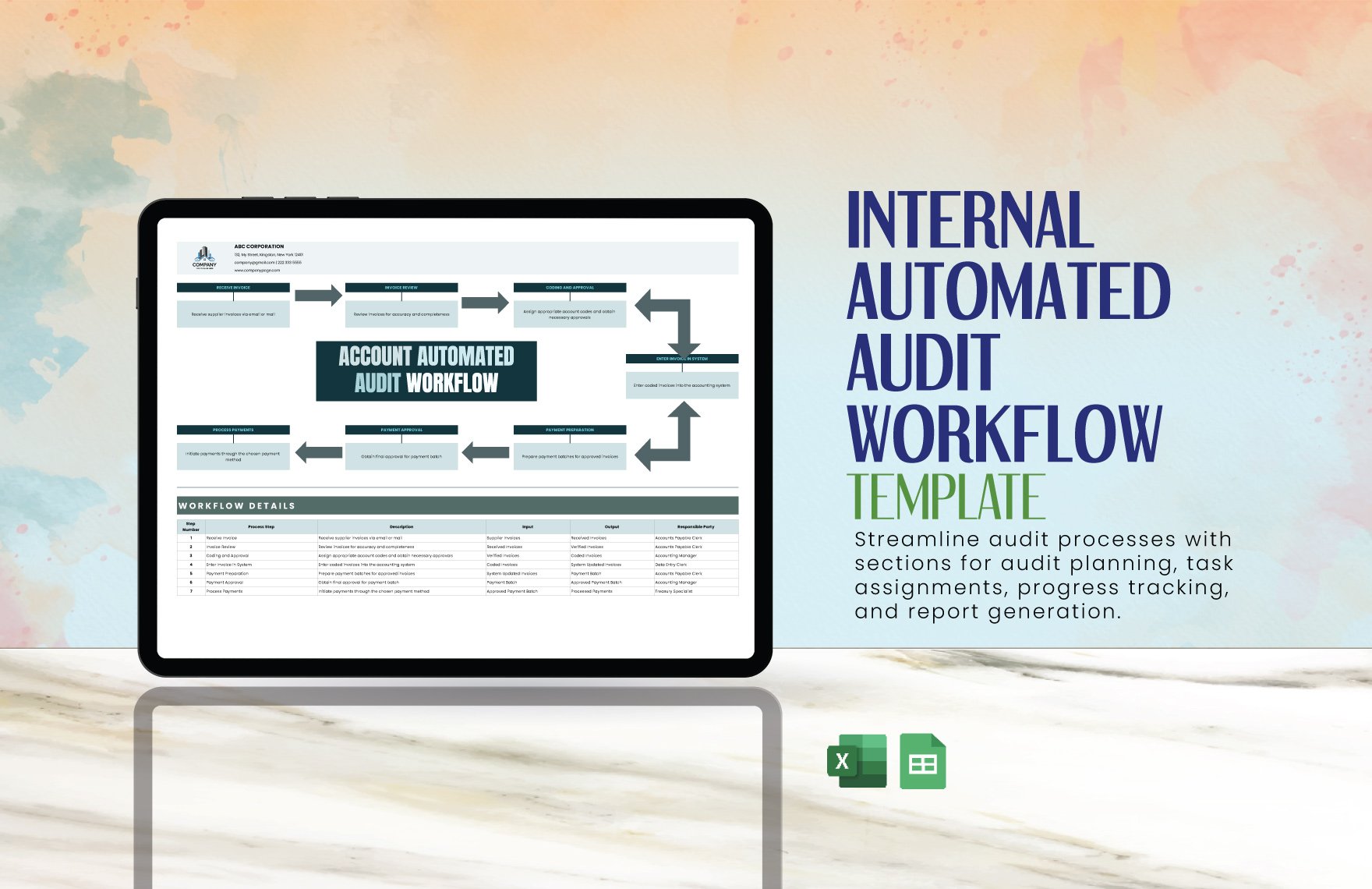
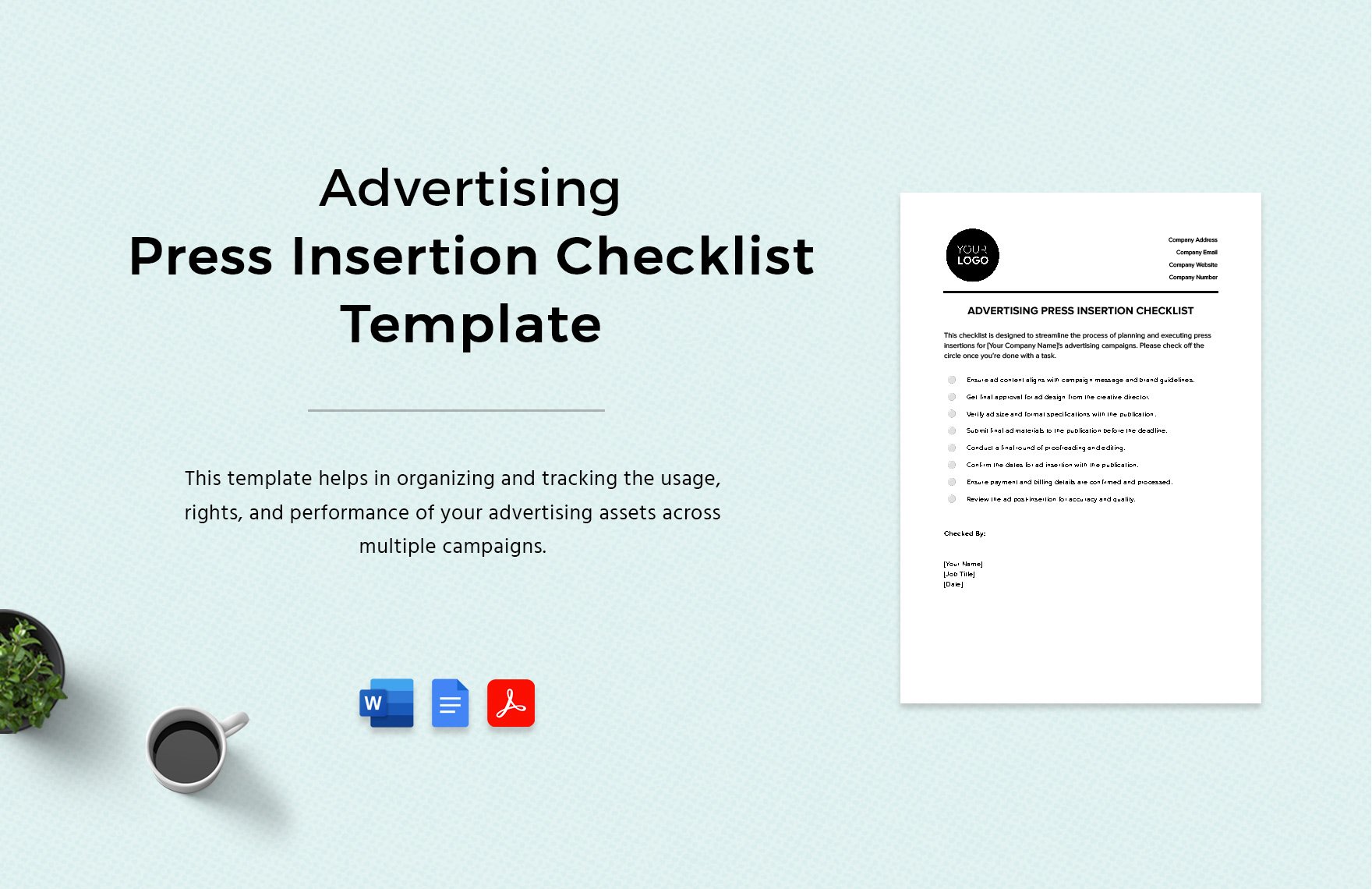
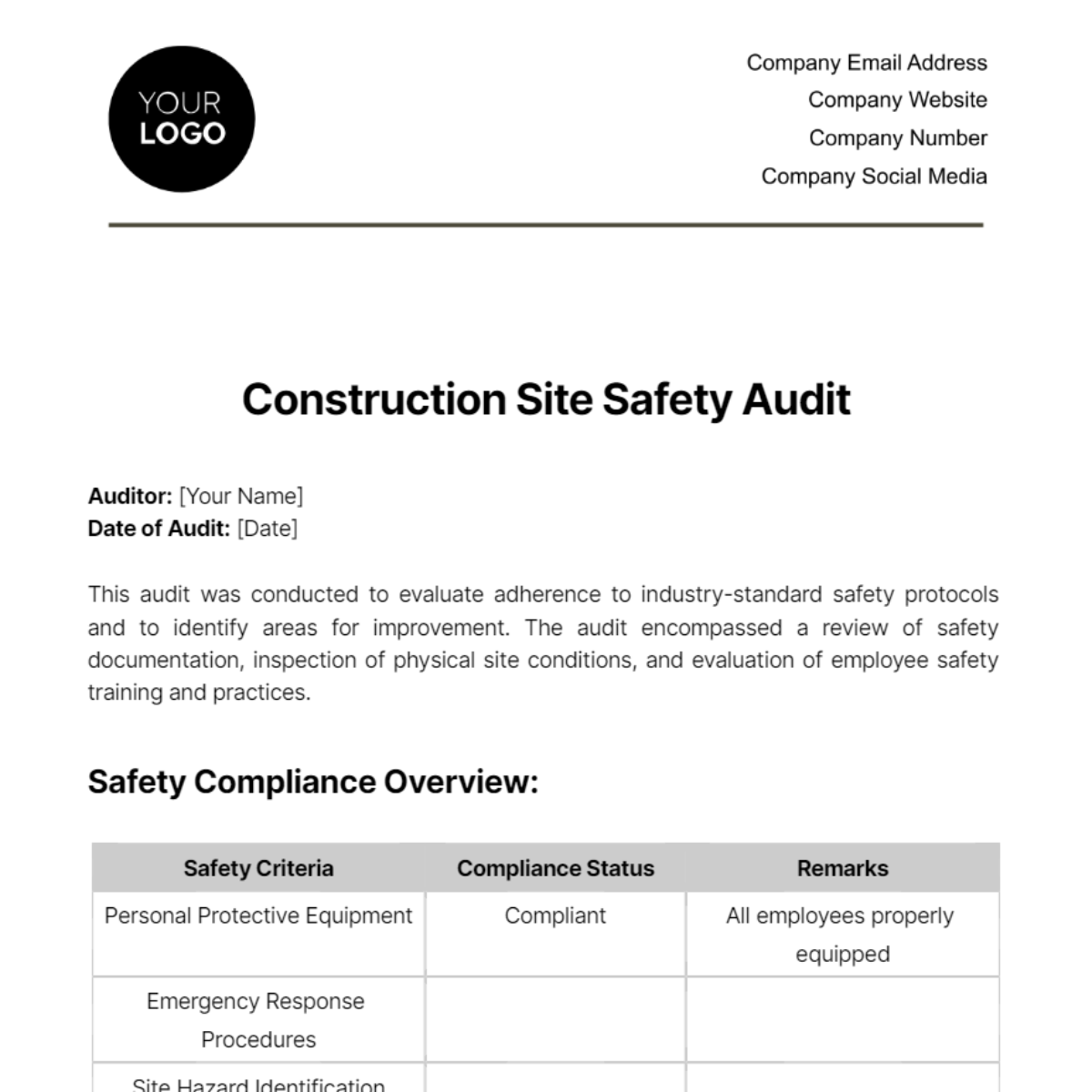
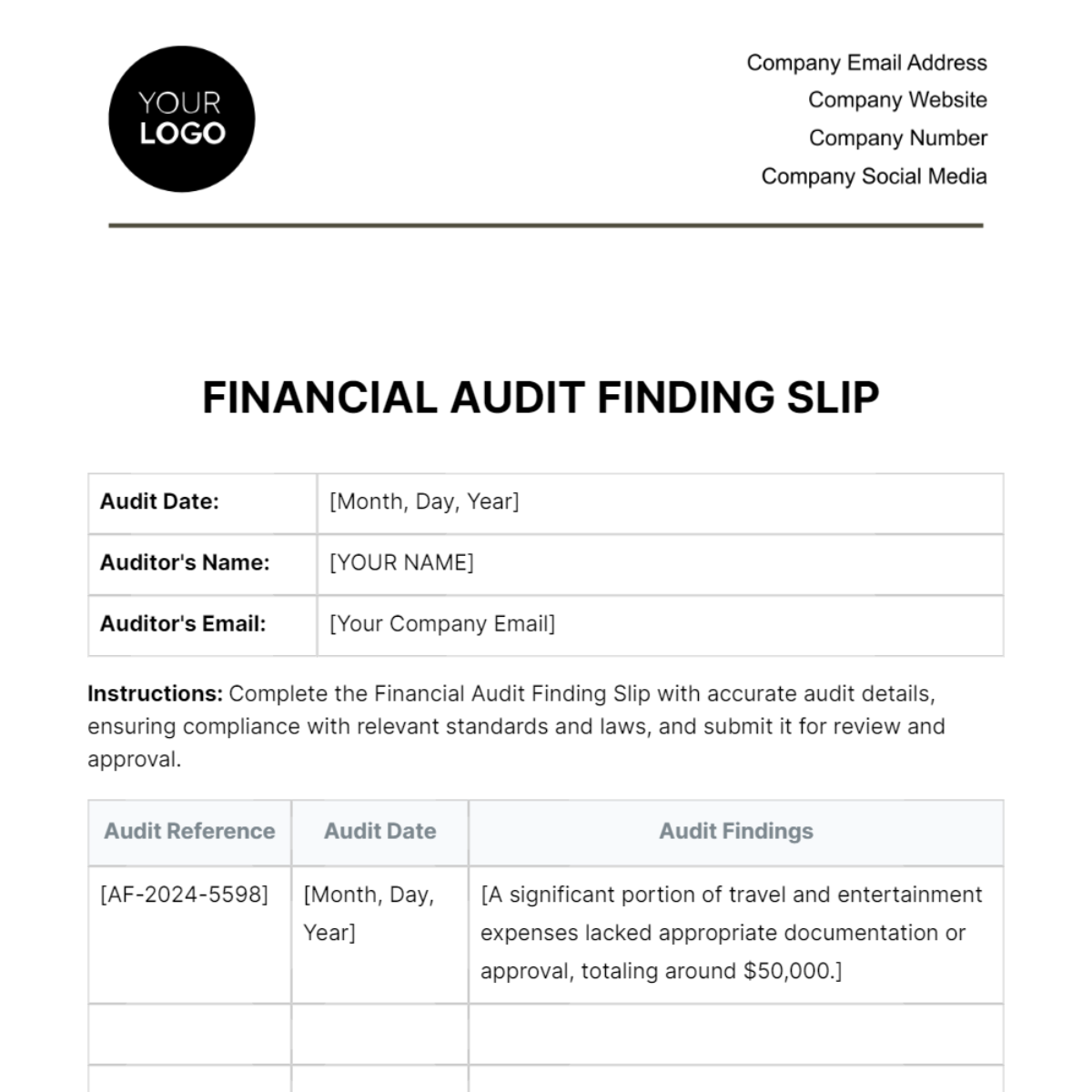
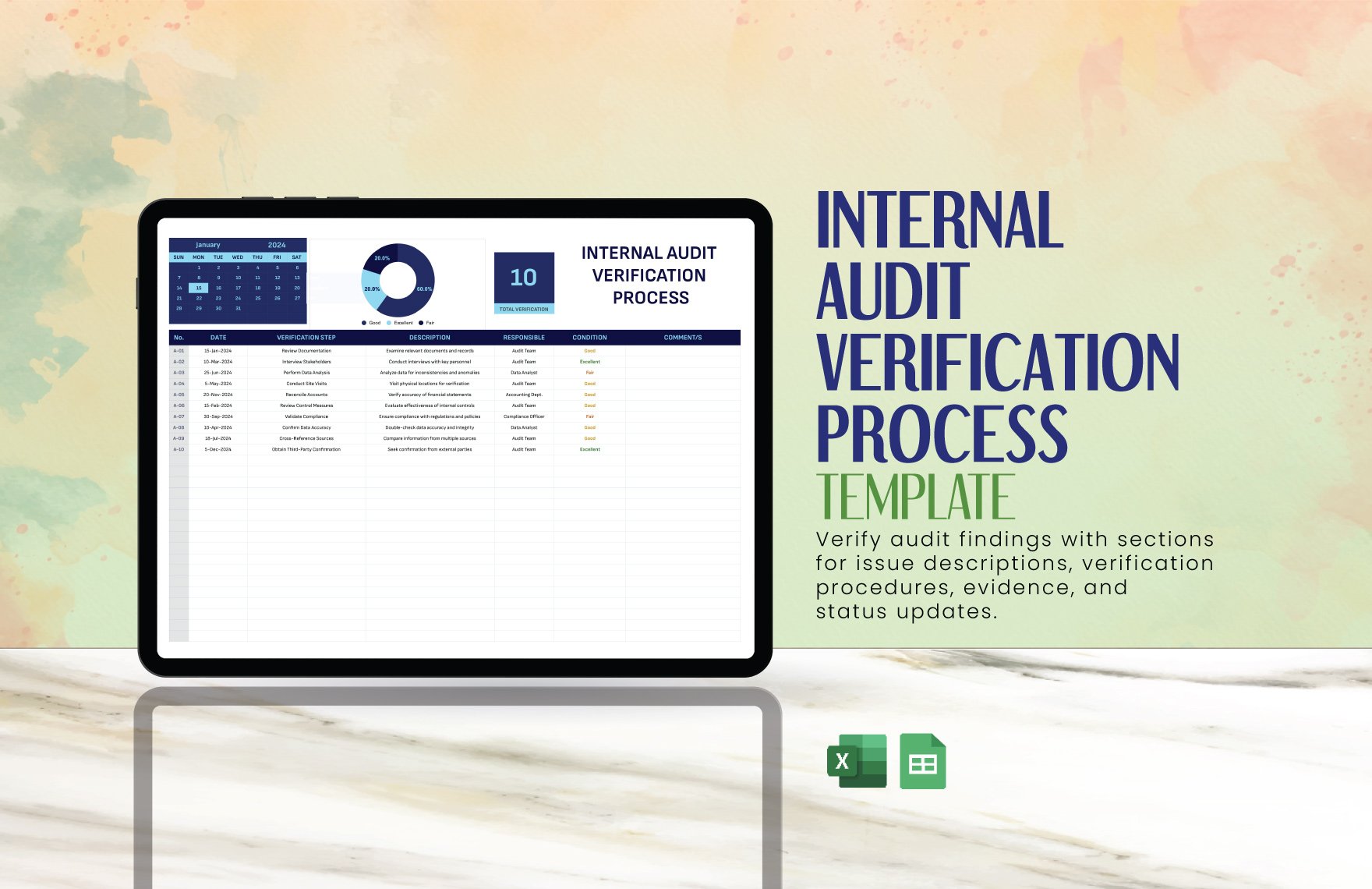
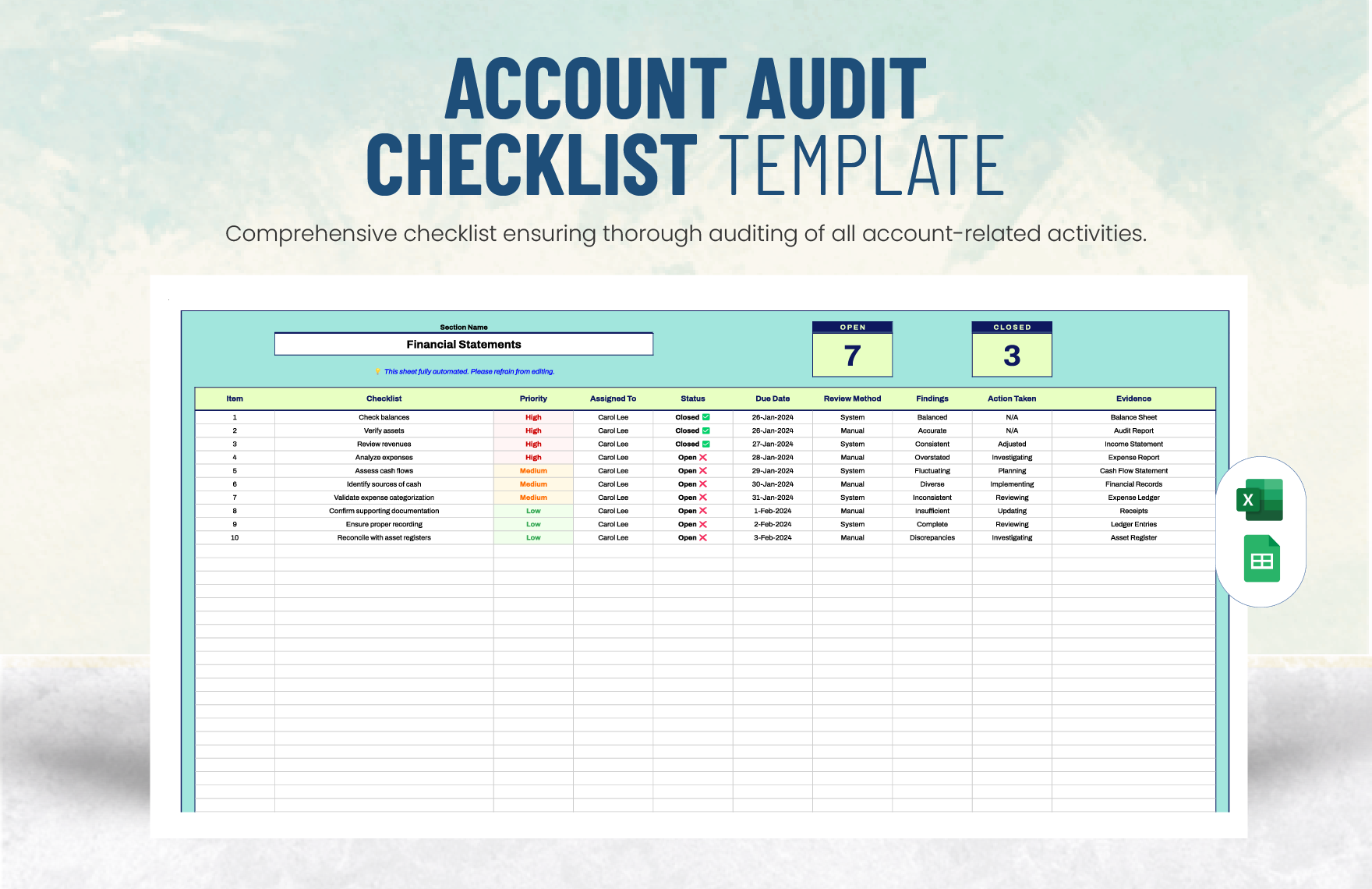
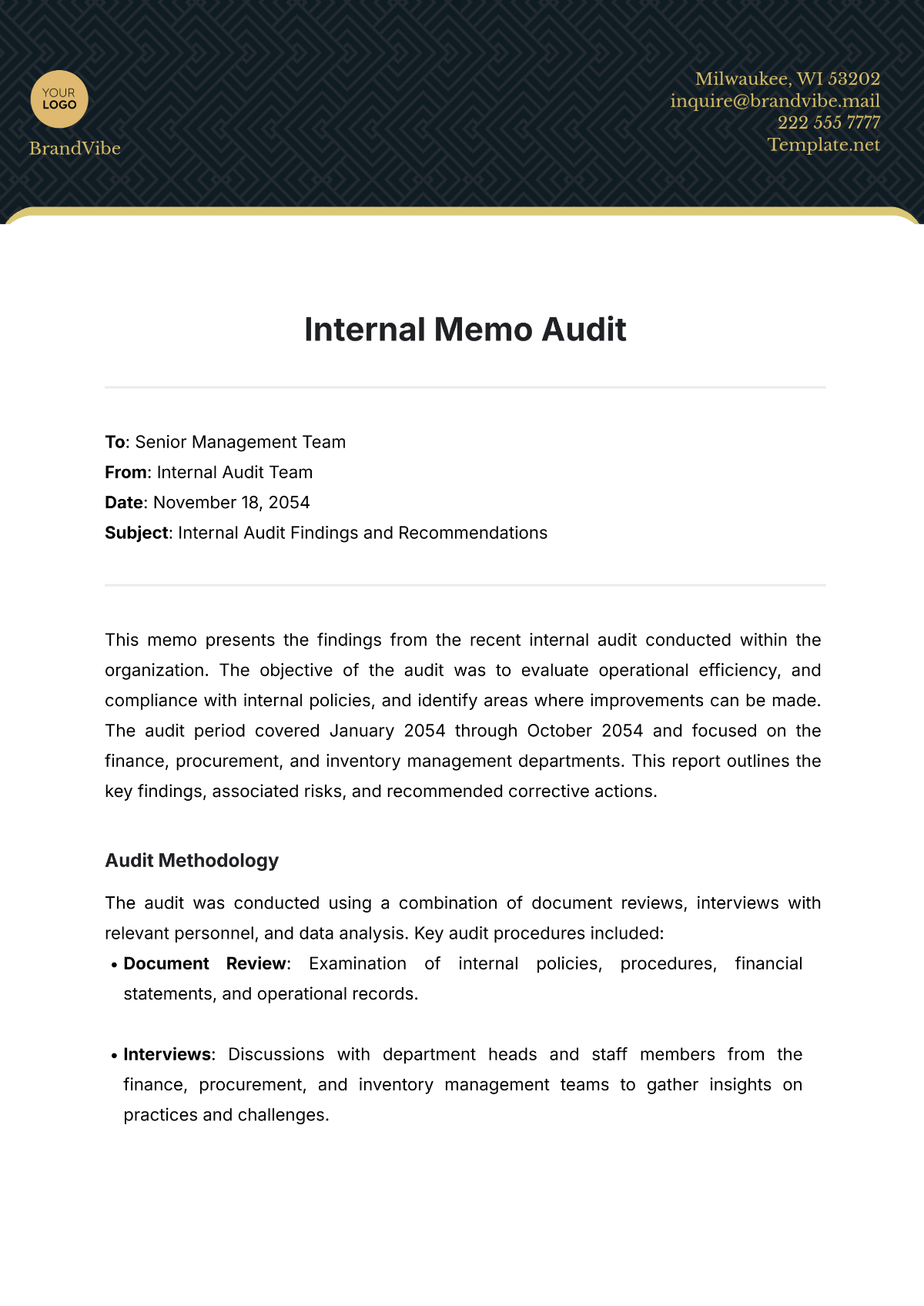
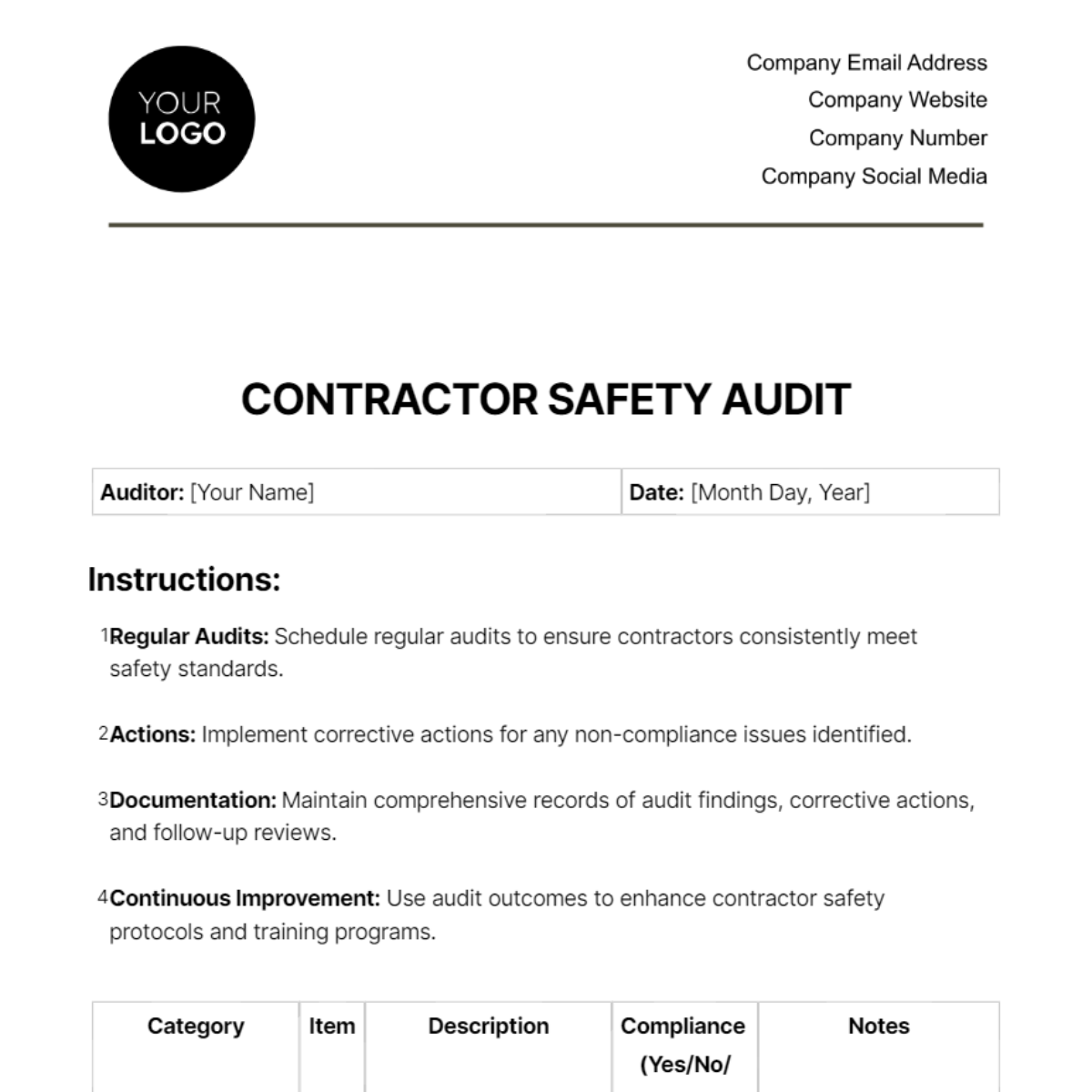
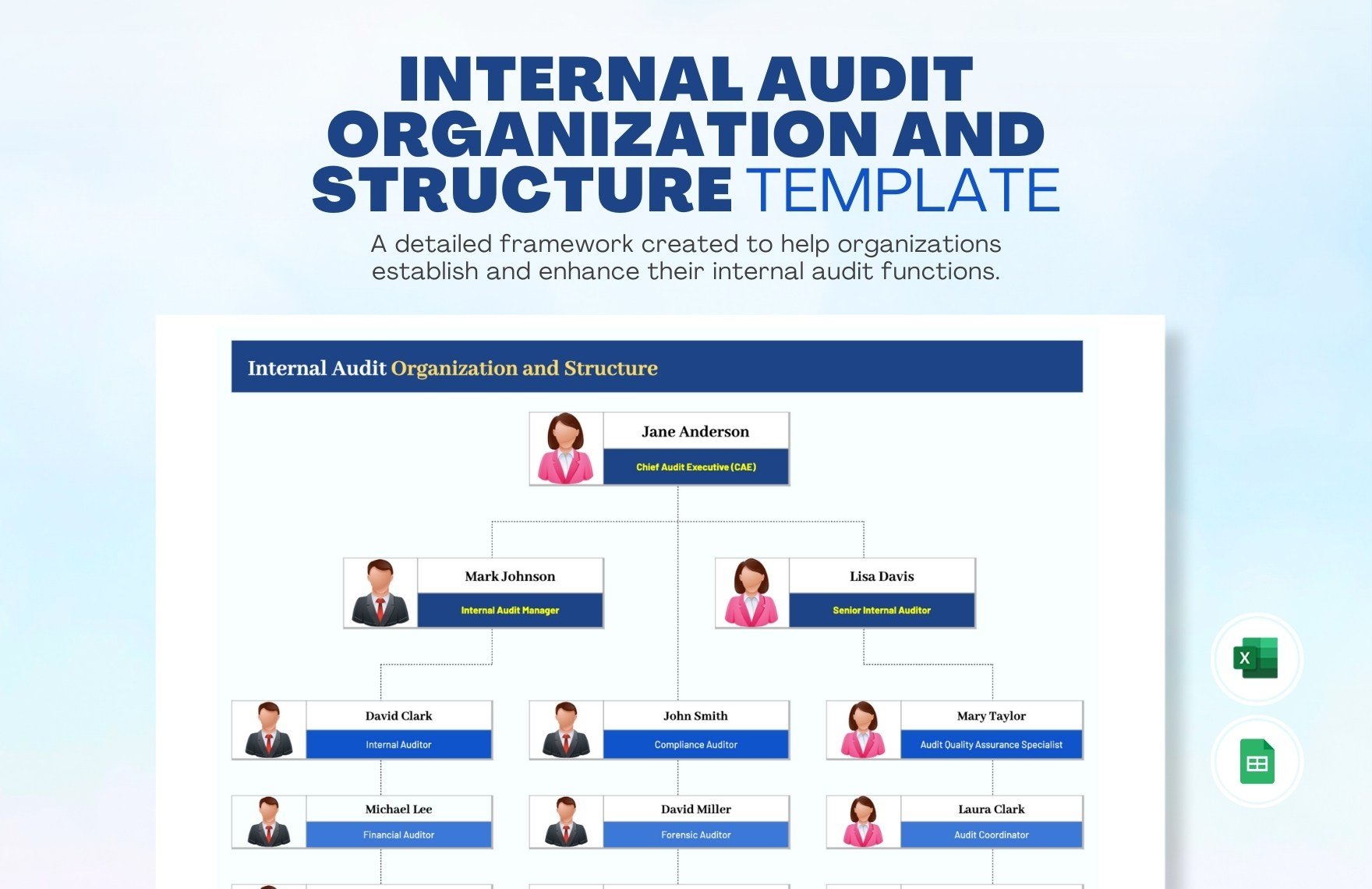
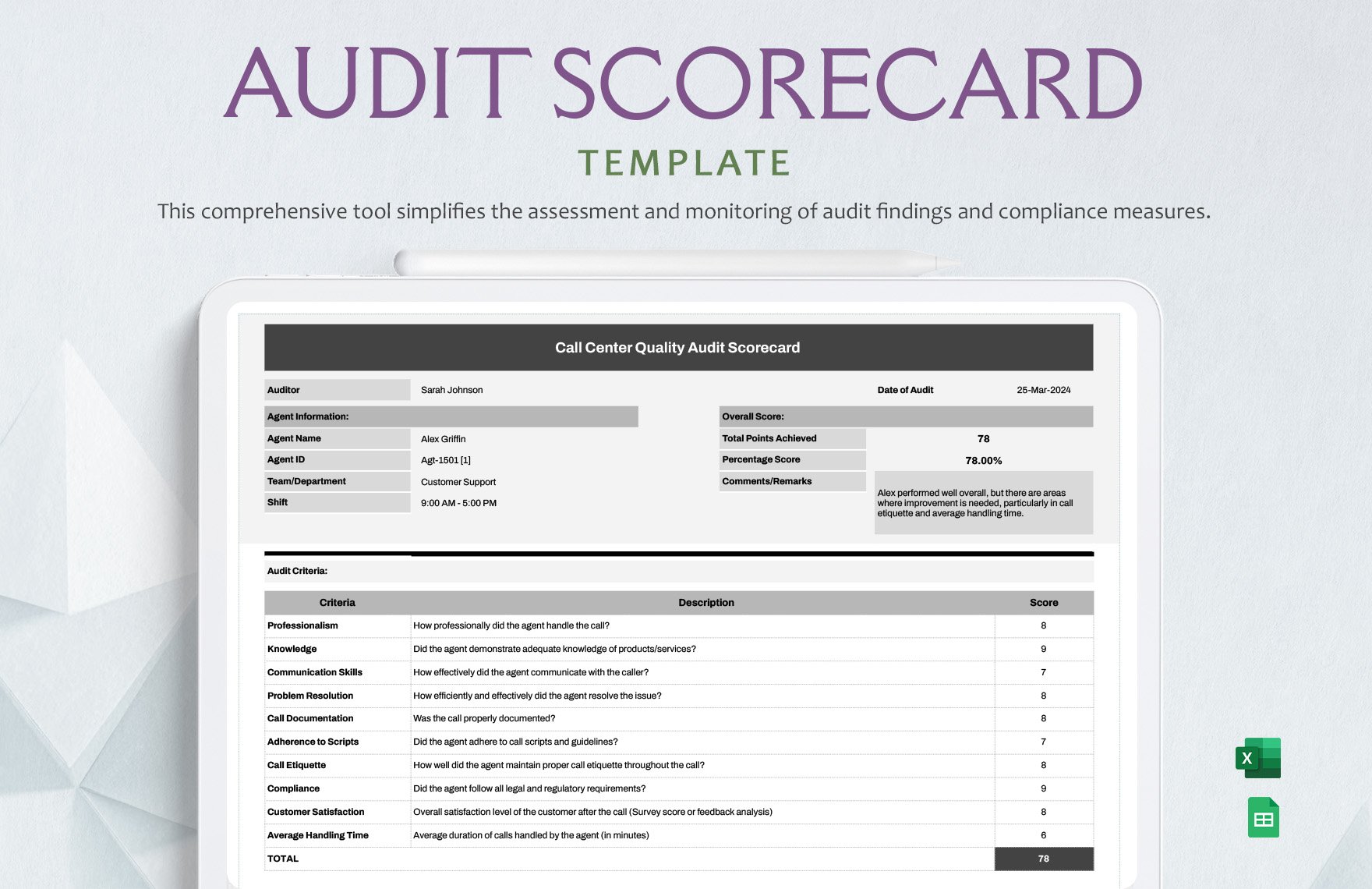
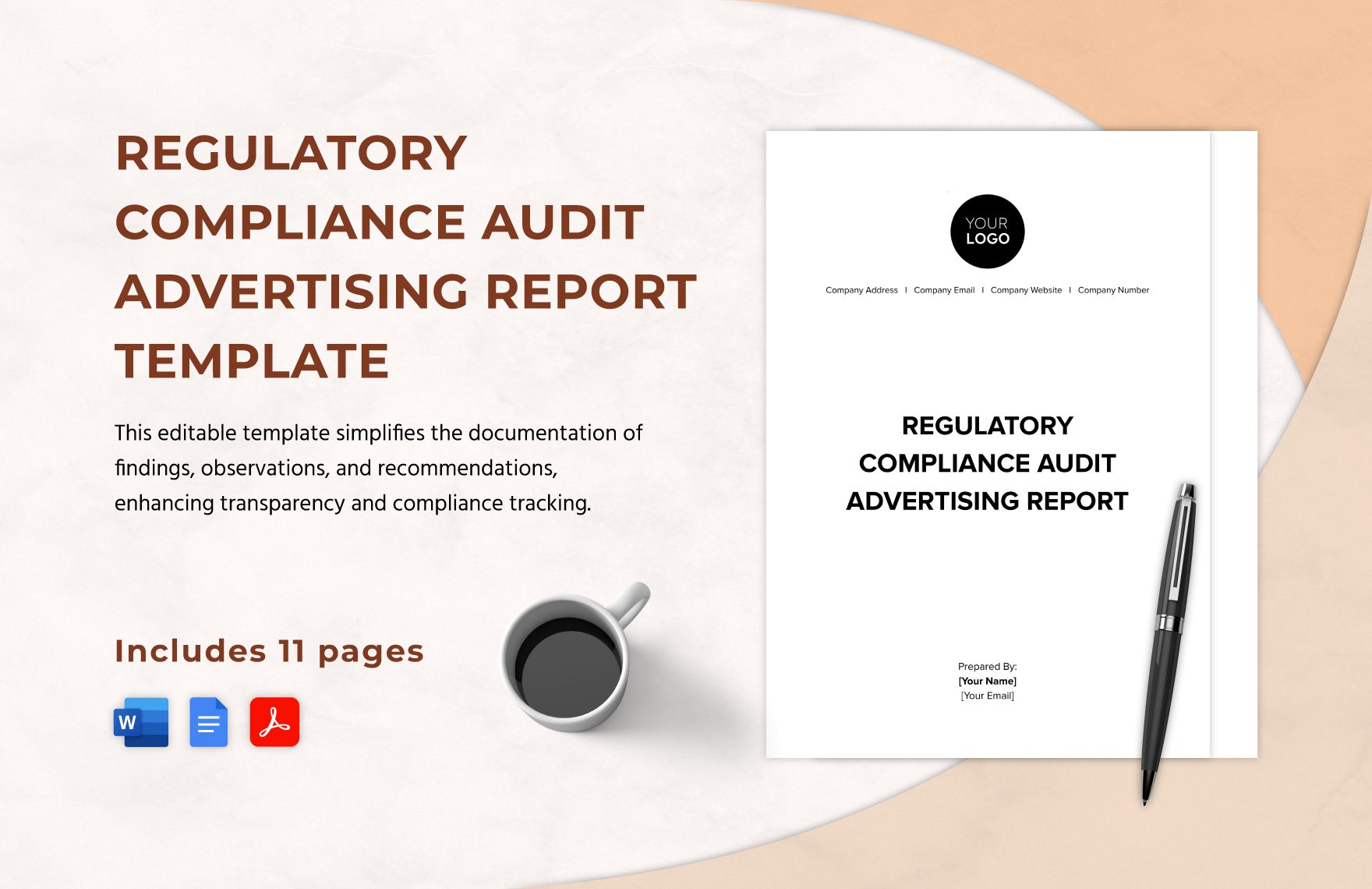
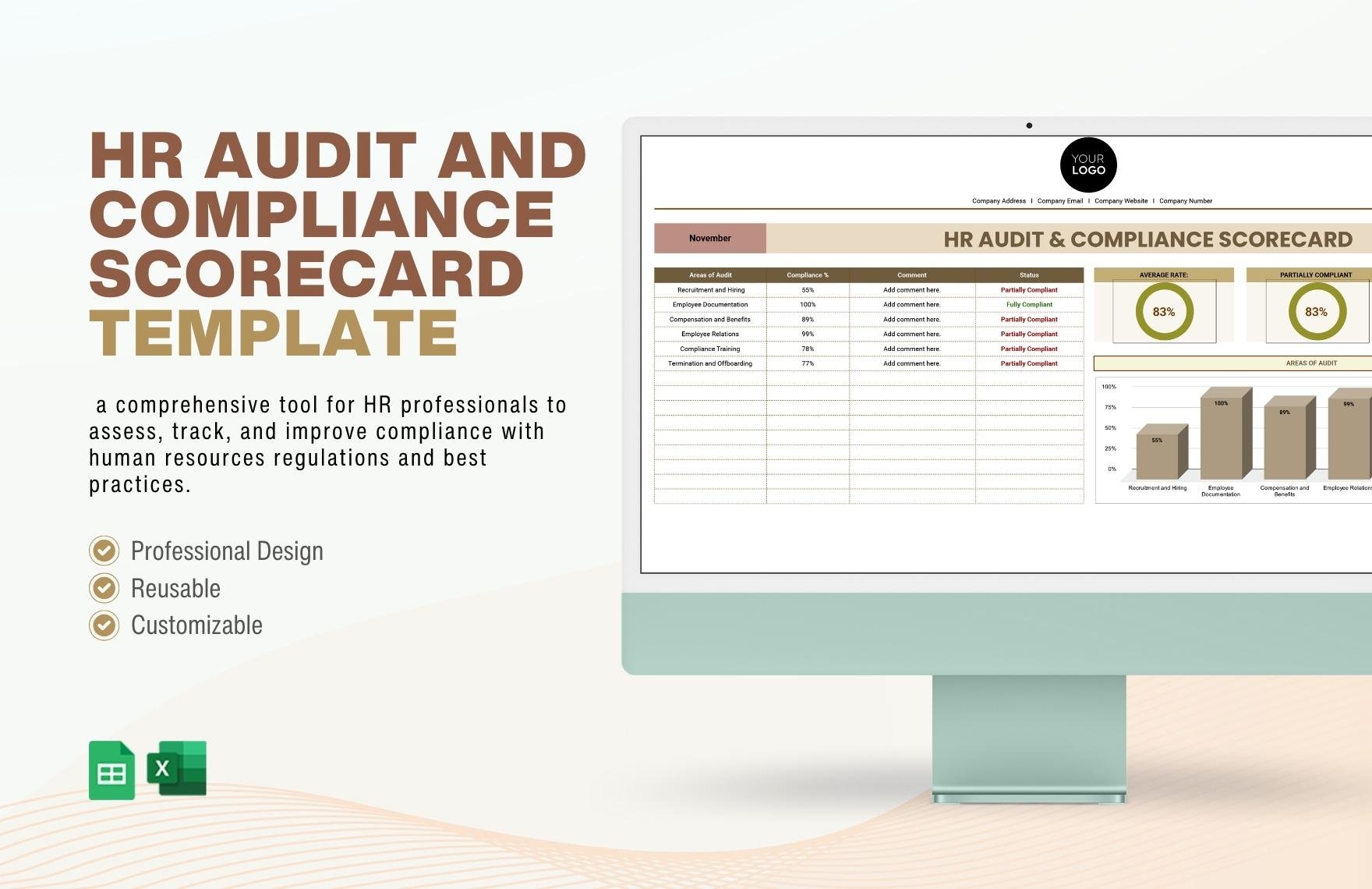
Audit templates streamline the audit process by providing standardized formats for documenting findings, ensuring consistency and compliance. Professionals use these templates to efficiently collect data, analyze results, and communicate audit outcomes.
What are common use cases for Audit templates?
Common use cases for Audit templates include financial audits, compliance audits, internal control evaluations, operational audits, and risk assessments, all aimed at verifying accuracy and enhancing organizational governance.
